
Podcast
Business Daily
Hosted by BBC World Service · EN
The daily drama of money and work from the BBC.
251episodes
Episodes
Newest firstAll episodes
Taking stock: Is AI burning cash?
3w ago00:22:55Summary readyWill Bain is joined by Nga Pham in Hanoi and Takara Small in Toronto. Following the latest results from Alphabet and Tesla, both companies are under pressure to sustain spending as competition in artificial intelligence intensifies. Is Wall Street beginning to question the cost of the AI race? Plus, the mounting economic impact of Canada's wildfires, why ketchup-flavoured crisps have become such a uniquely Canadian phenomenon, and what Donald Trump's renewed tariff negotiations could mean for global trade.(Photo: The Google logo, made up of different coloured letters - blue, red, yellow, blue, green, orange - on the Google house at the CES consumer electronics trade show, in Las Vegas, Nevada, US, 10 January, 2024. Credit: Steve Marcus/Reuters)You can email the team: businessdaily@bbc.co.ukPresenter: Will Bain Producer: David Cann
Summary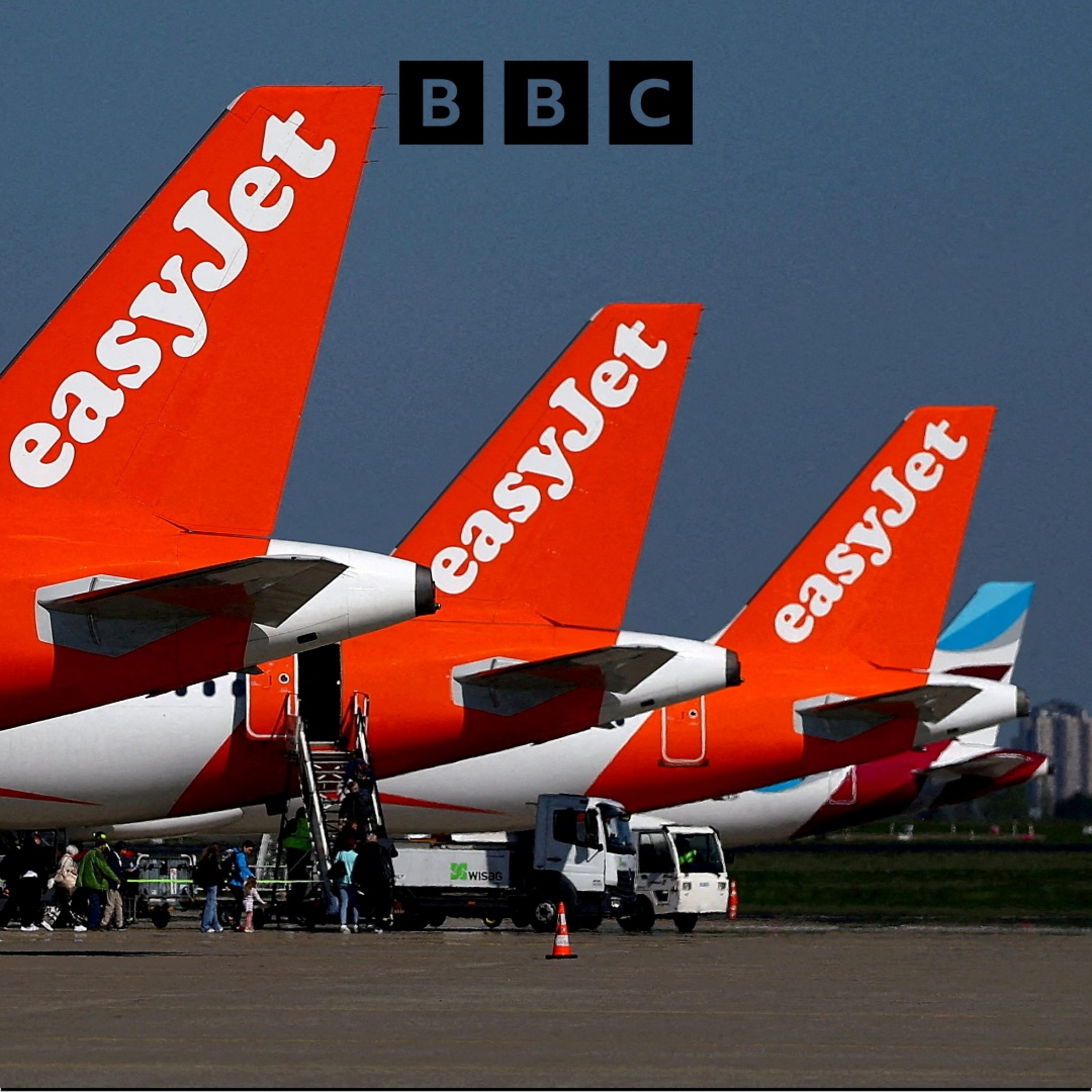
Power players: Turbulent times for budget airlines
3w ago00:23:04Summary readyCheap flights transformed the way we travel, helping millions of people fly more often and opening up destinations that were once out of reach. But rising fuel costs, changing passenger habits and growing pressure on the low-cost airline model are forcing budget carriers to adapt. Rahul Tandon and Will Bain explore what is driving the turbulence and what it could mean for fares, competition and the future of air travel.(Photo: EasyJet aircraft at Berlin Brandenburg Airport, 21 April, 2026. Credit: Lisi Niesner/Reuters)You can email the team: businessdaily@bbc.co.ukProducer: Rebecca Smyllie
Summary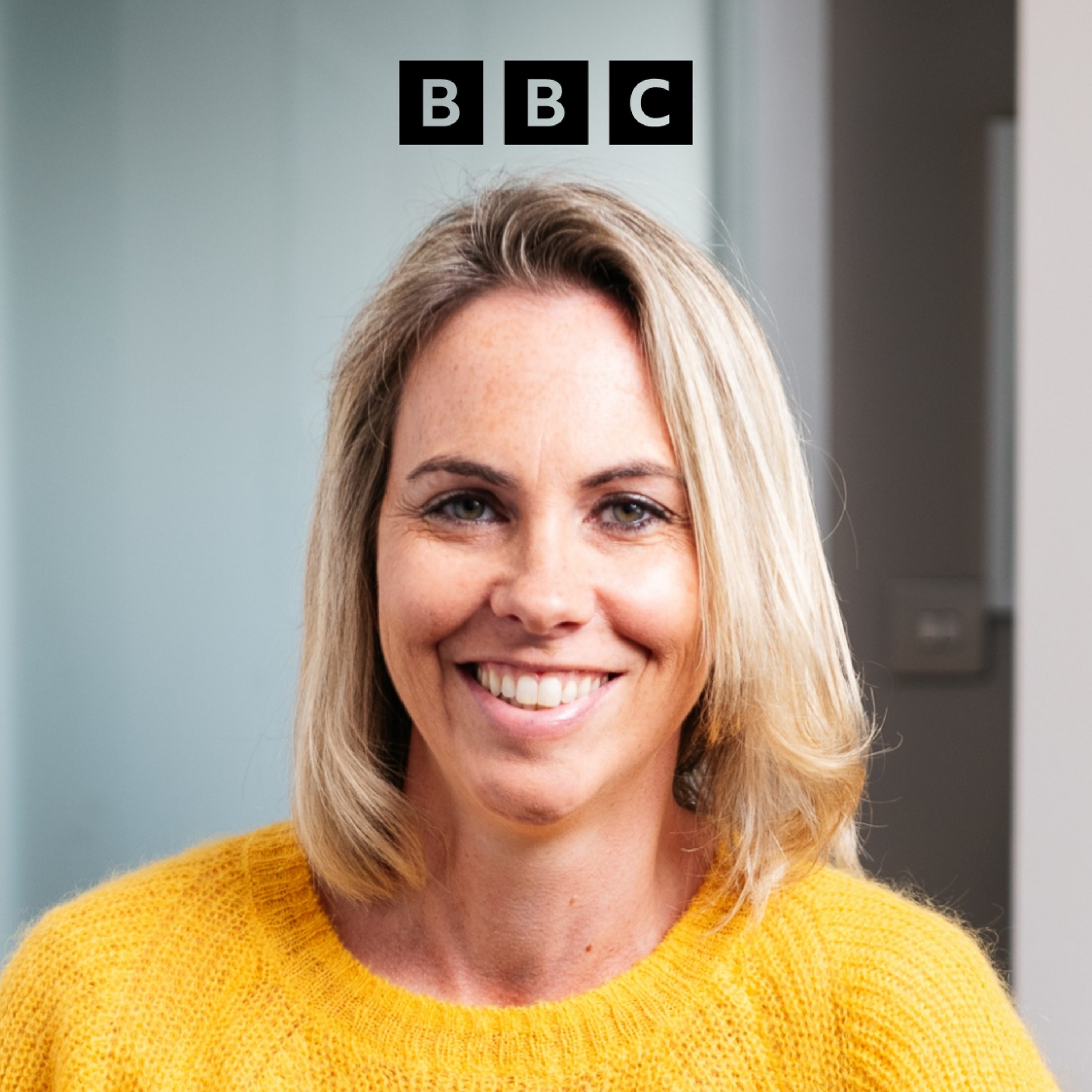
Founders: Olio CEO Tessa Clarke's fight against food waste
3w ago00:17:29Summary readyTessa Clarke is the co-founder and CEO of Olio, the food-sharing app helping millions of people reduce waste by sharing food and household items with their neighbours. She explains how a simple idea grew into a global movement, the challenges of convincing investors to back it, and why changing human behaviour may be key to tackling climate change.Presenter: Leanna Byrne Producer: Barbara GeorgeYou can email the team: businessdaily@bbc.co.uk(Picture: Tessa Clarke. Credit:Annabel Staff)
Summary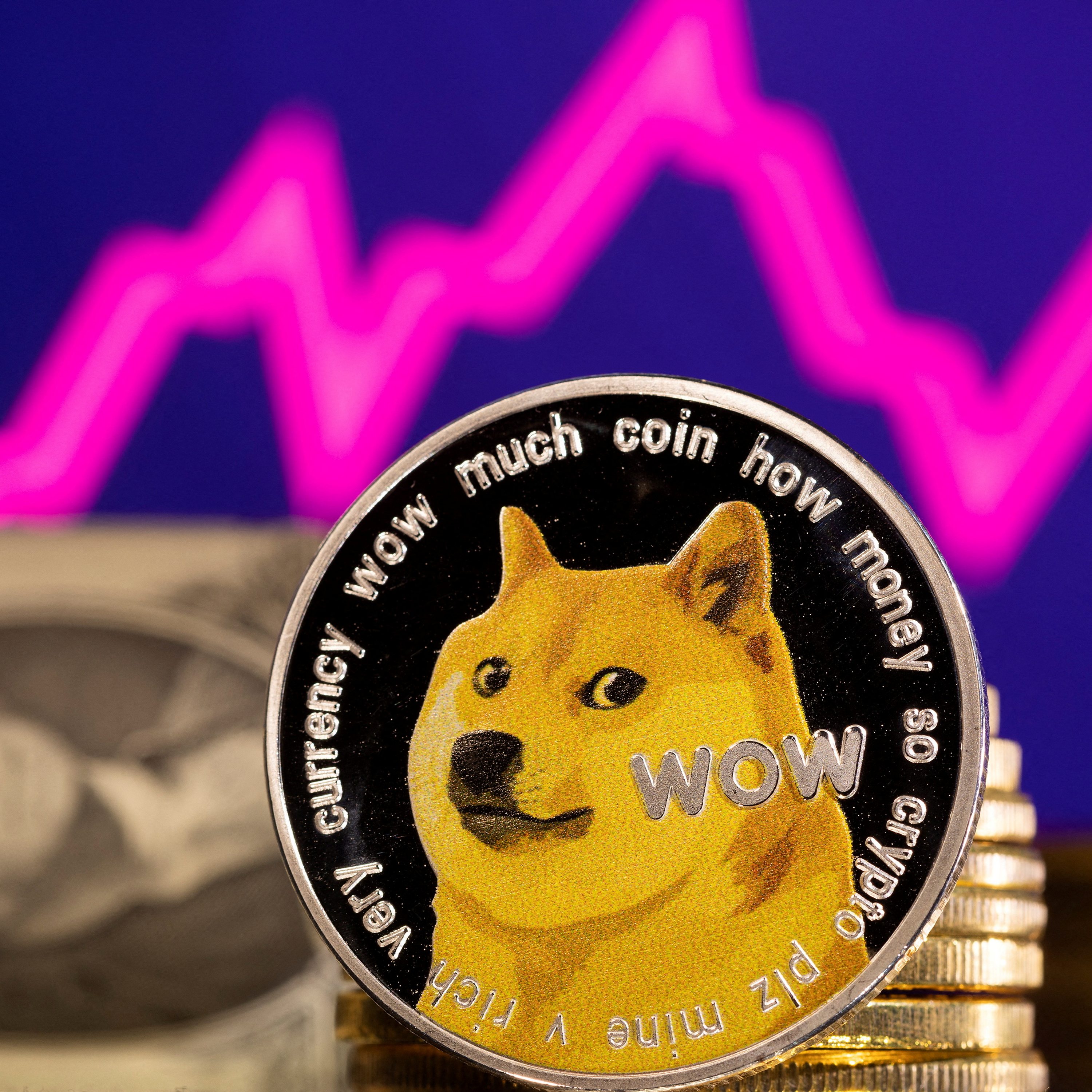
Follow the Money: The Memecoin Economy
3w ago00:19:26Summary readySearch for "memecoin" on social media and you'll find plenty of videos offering advice on how to invest and grow your money, with some claiming they can help you make a million. But you don't have to look far to find people who have lost money, and lots of it. So where does the money actually go? Sam Fenwick explores the cryptocurrency phenomenon that almost anyone can launch, including presidents.Presenter: Sam Fenwick Producers: Matt Lines and Gideon LongYou can email the team: businessdaily@bbc.co.uk(Picture: A representation of cryptocurrency dogecoin is seen in front of a stock graph and U.S. dollar in this illustration taken, January 24, 2022. Credit: Reuters/Dado Ruvic/Illustration/File Photo)
Summary
The hidden cost of the gold rush
3w ago00:20:28Summary readyArtisanal mining accounts for around 20% of global gold production and generates an estimated $30 billion a year for some of the world's poorest communities. But the trade is also linked to criminal networks and environmental damage. Ed Butler explores the forces behind the global gold rush and who is bearing the cost. Presenter/producer: Ed Butler You can email the team: businessdaily@bbc.co.uk(Picture: Gold miner Kelly Mbayo in Sierra Leone. Credit: Ed Butler/BBC News)
Summary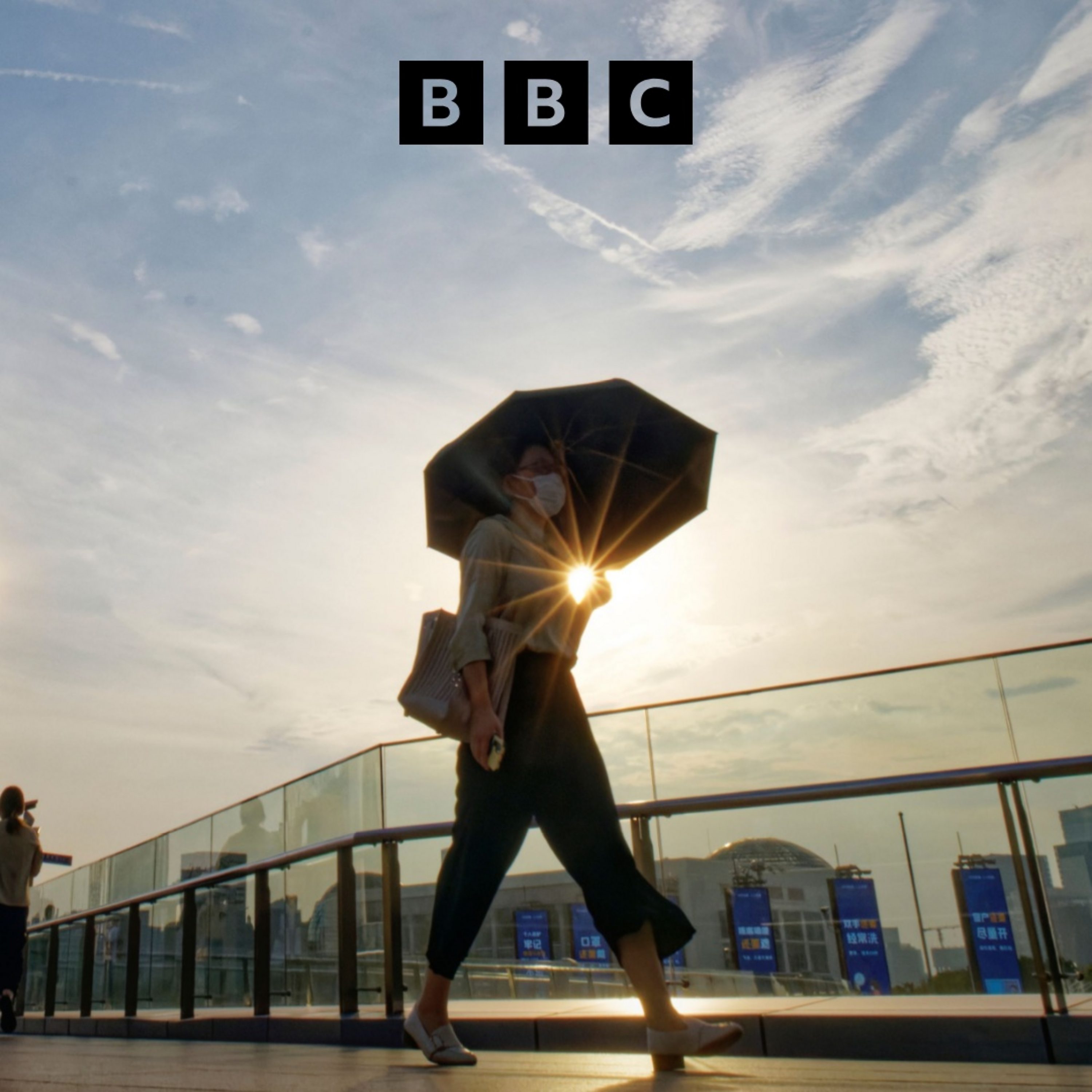
Taking Stock: A slower China and a durian glut
4w ago00:23:04Summary readyConnecting the timezones this week are Will Bain in London, David Kuo in Singapore and Emily Peck in New York to unpack the week's biggest business stories. China's economy has recorded one of its weakest quarterly growth rates on record, raising fresh questions about the country's outlook and the impact on the global economy. Plus, why prices for durian, the 'king of fruits', are tumbling across Asia. And New York's move to target AI data centres.Presenter: Will Bain Producer: David CannYou can email the team: businessdaily@bbc.co.uk(Picture: People walk in the Lujiazui financial district, in Shanghai, China, 14 July 2022. Credit: ALEX PLAVEVSKI/EPA-EFE/REX/Shutterstock)
Summary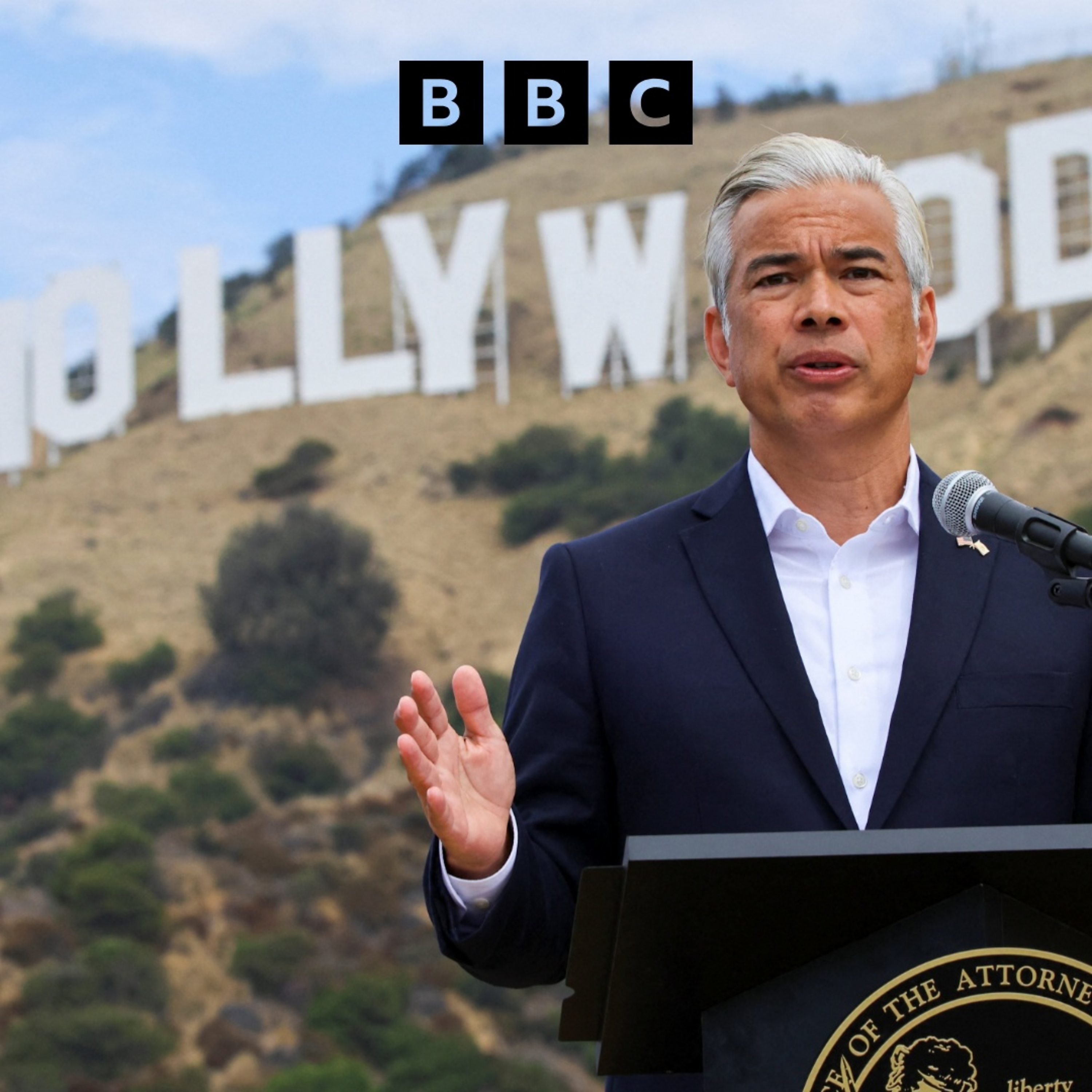
Power Players: Can the Paramount–Warner merger survive?
4w ago00:26:50Summary readyThis week, Will and Michelle speak to Reuters entertainment business correspondent Dawn Chmielewski about how the Paramount–Warner merger could reshape Hollywood. Paramount and Warner Bros. Discovery want to combine in a $110 billion deal that would create an entertainment giant. Executives say it's the only way to survive the streaming wars, but now twelve attorneys general, regulators and a host of creators are saying "no deal". So how do Paramount and CEO David Ellison make this deal a reality? And what could it mean for what's on our screens, big, small or handheld?Presenters: Will Bain and Michelle Fleury Producer: Rebecca Smyllie Editor: Stephen RyanYou can email the team: businessdaily@bbc.co.uk(Picture: California Attorney General Rob Bonta holds a press conference as he announces California will be suing to block Paramount's $110 billion acquisition of Warner Bros. Discovery in Los Angeles, California, U.S. July 13, 2026. Credit: REUTERS/Daniel Cole)
Summary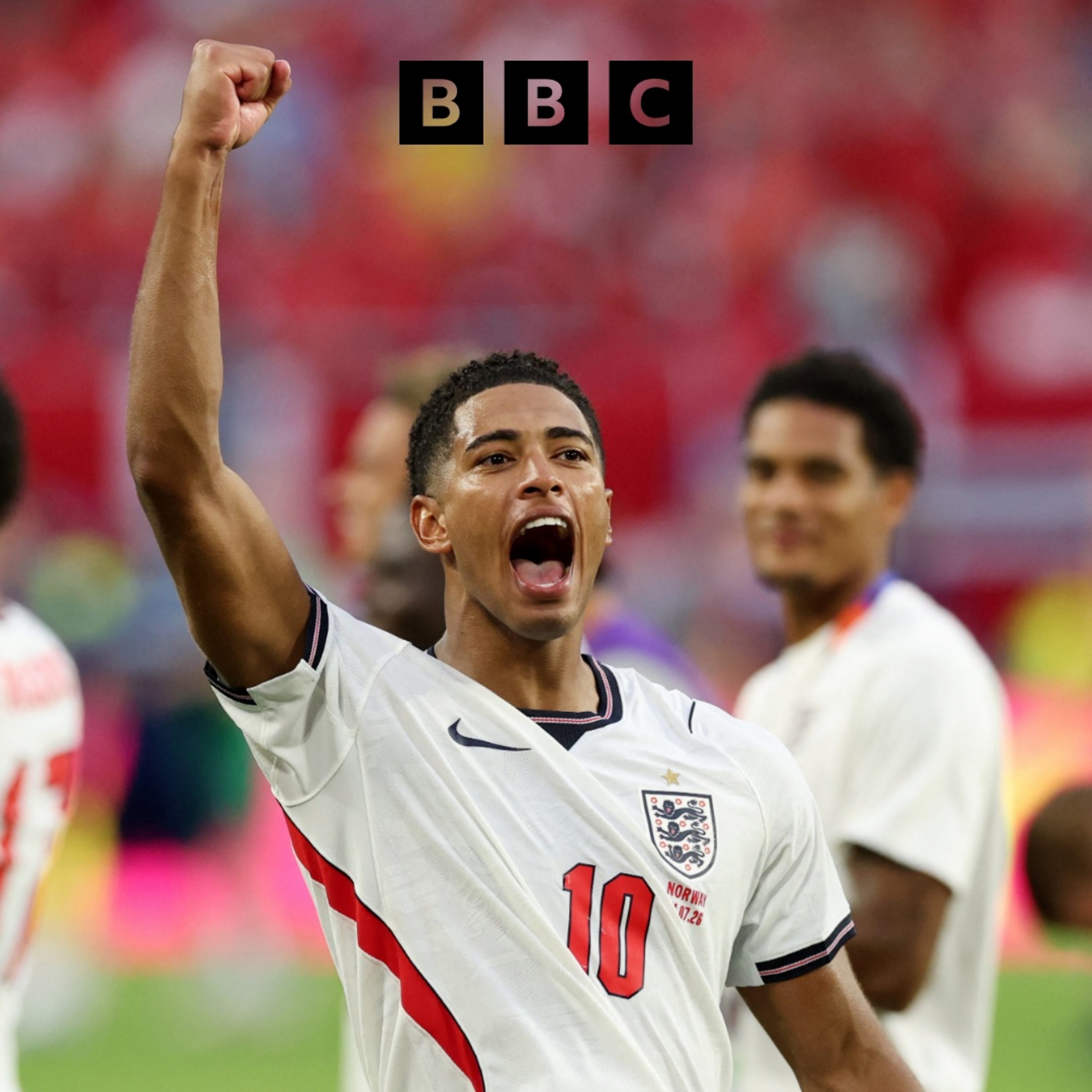
The Jude Bellingham brand
4w ago00:16:44Summary readyWith the 2026 World Cup underway, here's another chance to hear how England and Real Madrid star Jude Bellingham became one of football's most marketable names. The face of several major brands, Bellingham has built a successful business beyond football. We explore the Jude Bellingham brand, his sponsorship and endorsement deals, and what makes him so valuable to some of the world's biggest companies.Presenter/producer: Matt Lines. Episode first published on 15 August 2024.You can email the team: businessdaily@bbc.co.uk(Picture: England's Jude Bellingham during the football World Cup 2026 quarter final vs Norway. Credit: REUTERS/Mike Segar)
Summary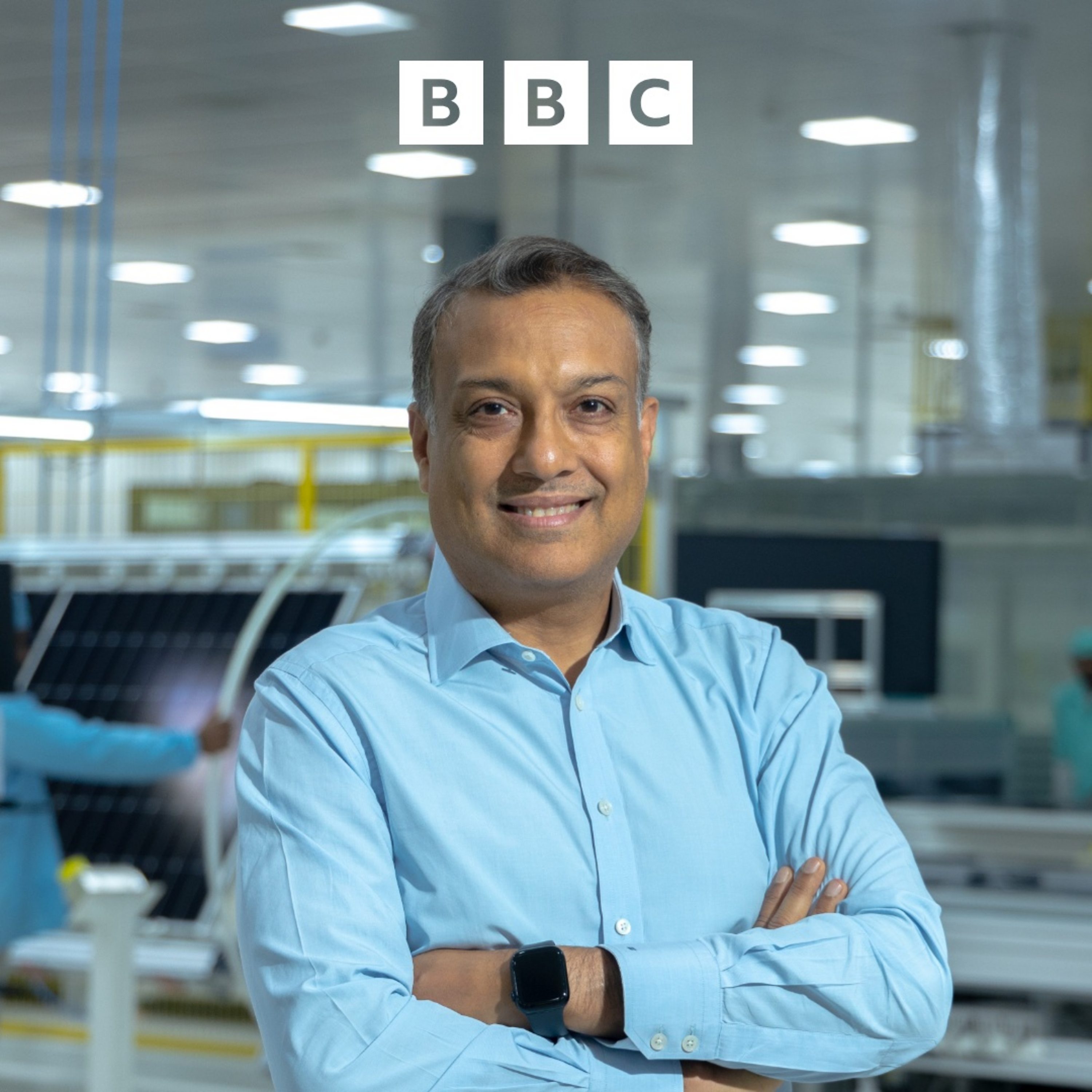
Founders: Sumant Sinha's bet on a greener India
4w ago00:17:29Summary readySumant Sinha is the founder of ReNew, one of India's largest renewable energy companies. He explains why he left a successful corporate career to pursue renewable energy, the challenges of building a business in a fast-changing market, and whether India can become a clean-energy superpower.Presenter: Leanna Byrne Producer: Barbara GeorgeYou can email the team: businessdaily@bbc.co.uk(Picture: Sumant Sinha. Credit: Mushtak Mohammad)
Summary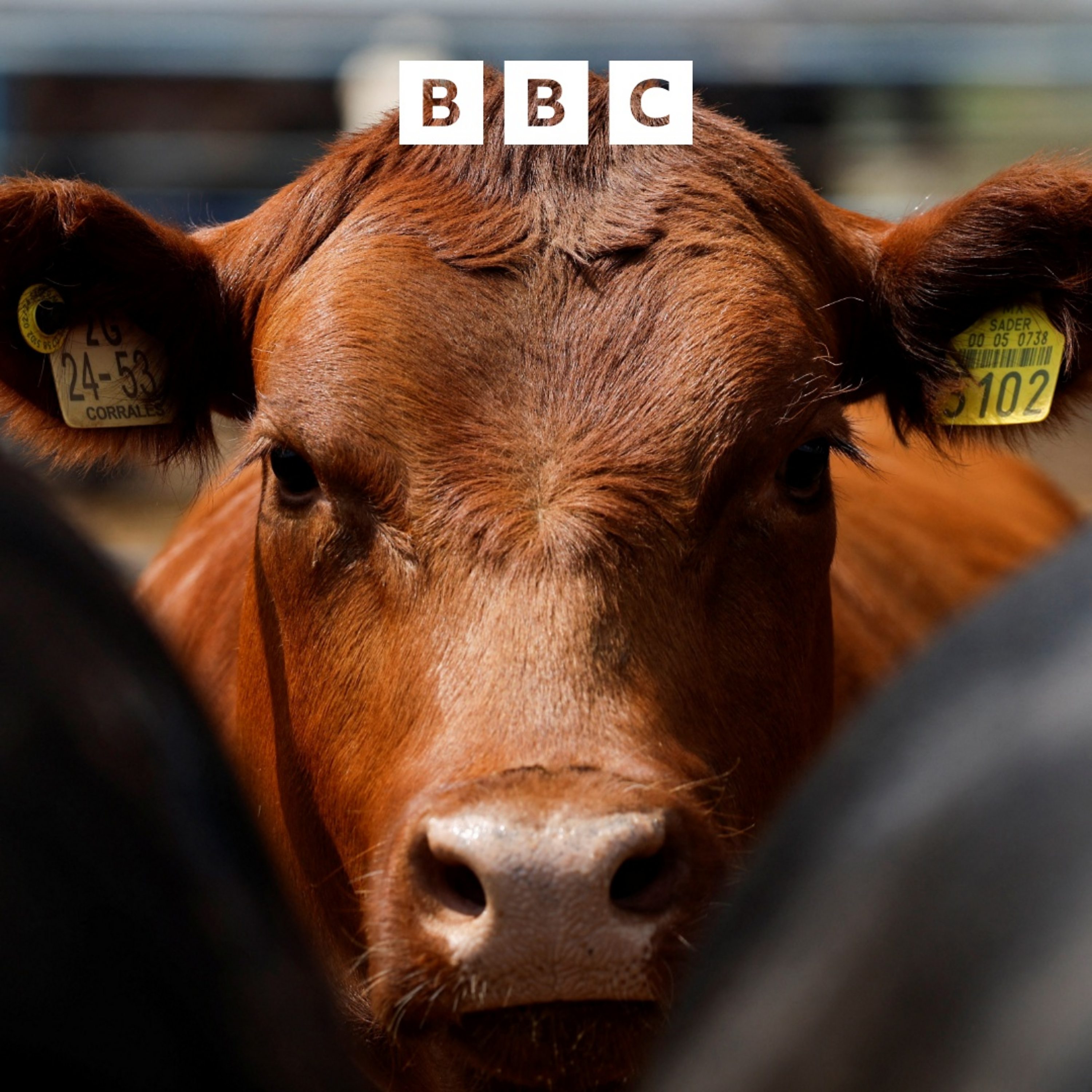
Follow the money: The beef with US beef
4w ago00:20:01Summary readyWhy have US beef prices risen around 13% over the past year? Who is making money from the burgers and steaks Americans eat? Presenter Sam Fenwick speaks to a cattle rancher in South Dakota, an agricultural economist in Wisconsin, a meat packer in North Carolina and a restaurant owner in Nebraska to find out what is happening in this quintessentially American corner of the food market. We unpack the US beef supply chain to discover why prices are rising, who is making money from it and who is getting squeezed. (Photo: A cow waiting to eat at a feedlot in Saltillo, Mexico, 1 June, 2026. Credit: Daniel Becerril/Reuters)You can email the team: businessdaily@bbc.co.ukPresenter: Sam Fenwick Producer: Gideon Long
Summary