Podcast
Business Daily
Hosted by BBC World Service · EN
The daily drama of money and work from the BBC.
257episodes
Episodes
Newest firstAll episodes
Taking Stock: The heat is on
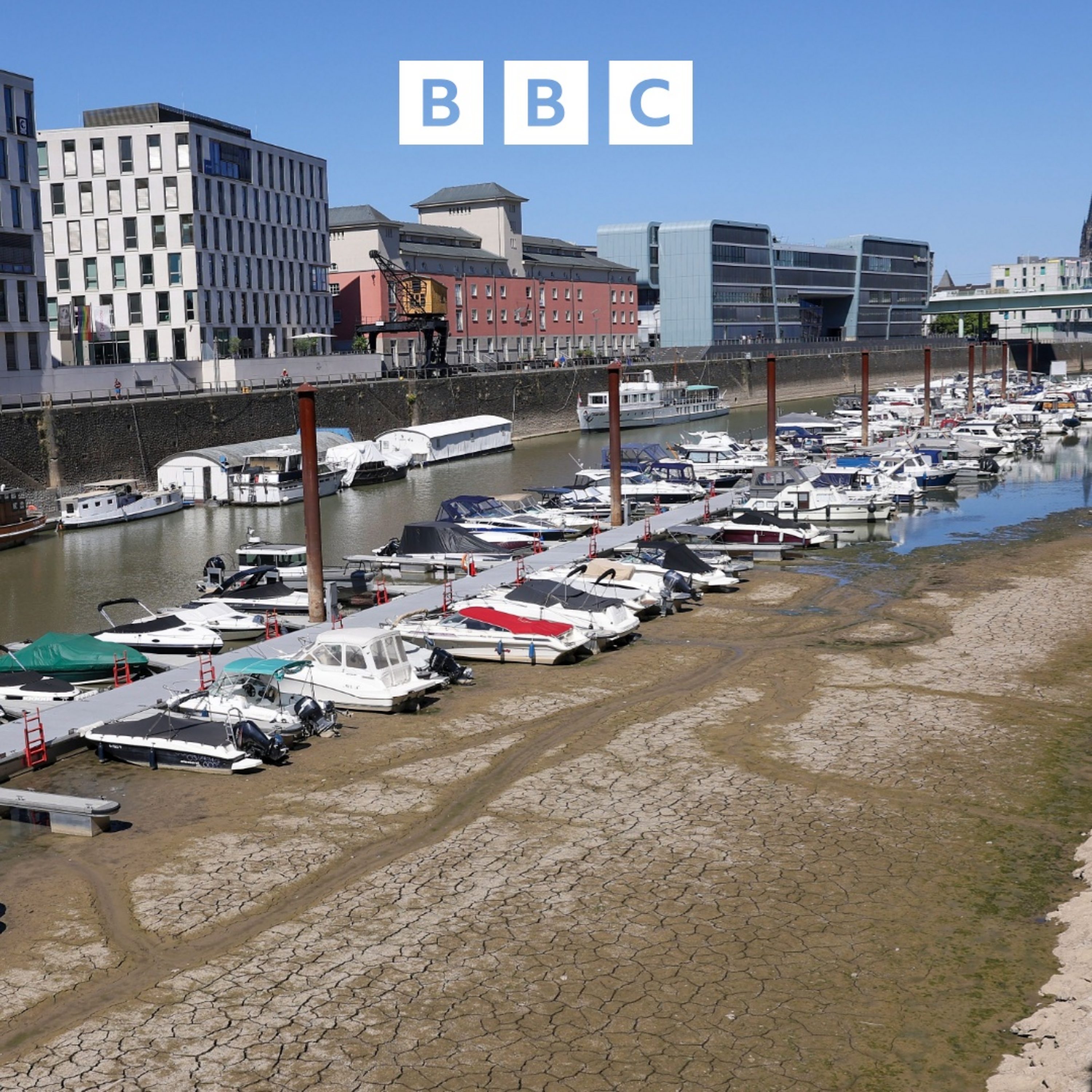
Yesterday00:25:39Summary readyHow is climate change reshaping the global economy? Rahul Tandon is joined by Carsten Brzeski in Germany and Jyoti Malhotra in India to discuss the growing economic impact of heatwaves, including the threat to trade as water levels on Germany's River Rhine fall. They also examine how China is becoming less reliant on European industry, and the latest leadership tensions at India's Tata Group. Plus, the story behind eclipse sunglasses becoming an unlikely sell-out success.Presenter: Rahul Tandon Producer: David CannYou can email the team: businessdaily@bbc.co.uk(Picture: A view of low water levels at Rheinau Harbour near the Rhine River in Cologne, Germany, 13 August 2026. Credit: EPA)
Summary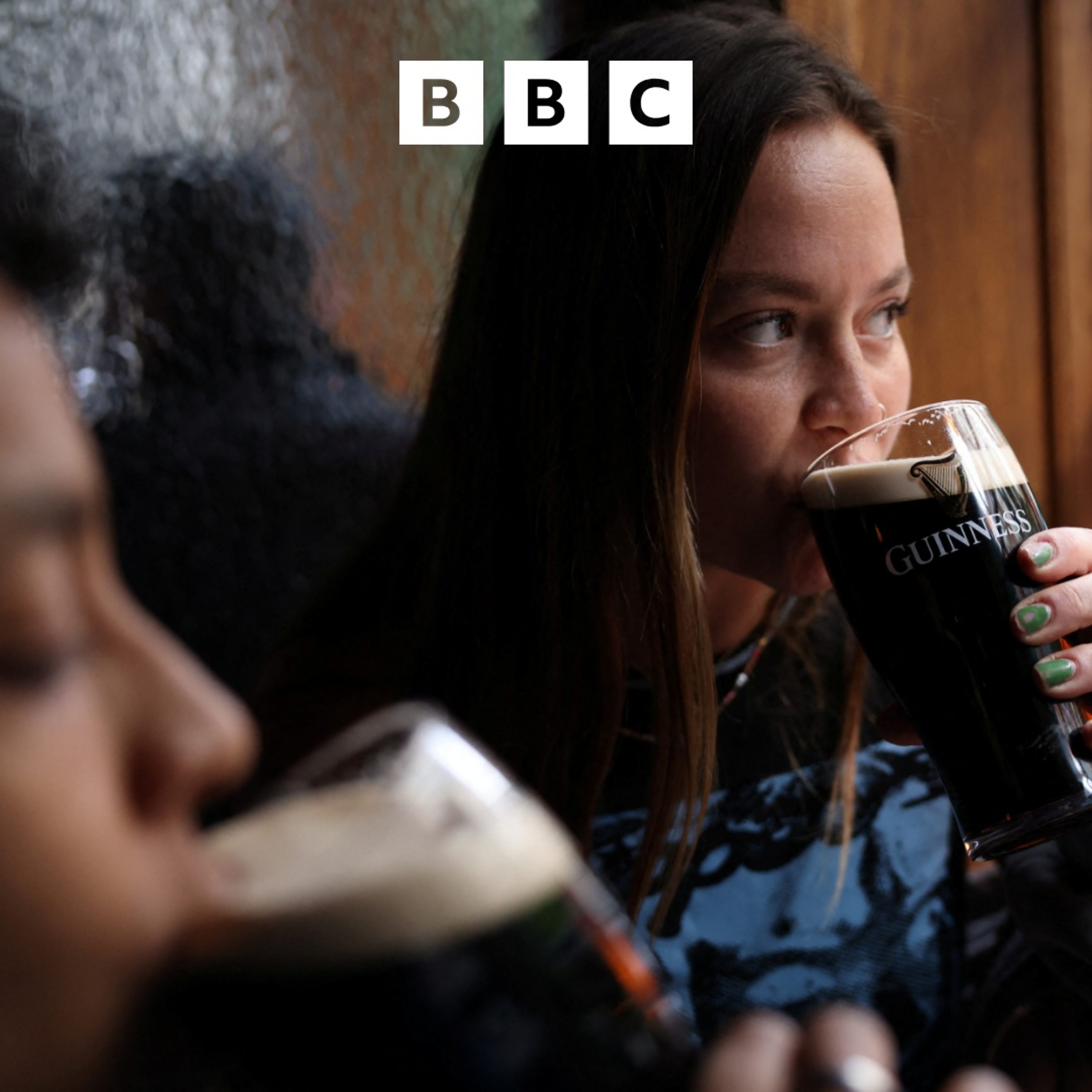
Power Players: What's next for Guinness owner Diageo?
2d ago00:18:00Summary readyDiageo, the company that owns Guinness, Smirnoff, Johnnie Walker and more than 200 drinks brands worldwide, has announced a major reset after a tough couple of years in which its profits have fallen and its share price has struggled. British businessman Sir Dave Lewis has been brought in to steer a turnaround, including a $1bn savings plan over the next three years. Known as "Drastic Dave" for cost-cutting at other companies, can he revive growth as more consumers drink less alcohol or switch from global brands to local ones?Presenters: Will Bain and Rahul Tandon Producer: Gideon Long(Picture: People drink Guinness at The Devonshire pub in Soho, London. Credit: REUTERS/Hollie Adams)
Summary
Founders: How Vitaminwater founder Mike Repole built a drinks empire
3d ago00:17:29Summary readyMike Repole is the entrepreneur behind drinks brands including Vitaminwater and BodyArmor. He tells Hannah Mullane how he went from stocking supermarket shelves in Queens, New York, to building billion-dollar businesses with investors including Kobe Bryant and Tom Brady.Presenter: Hannah Mullane Producers: Niamh McDermott and Amber MehmoodYou can email the team: businessdaily@bbc.co.uk(Picture: Mike Repole)
Summary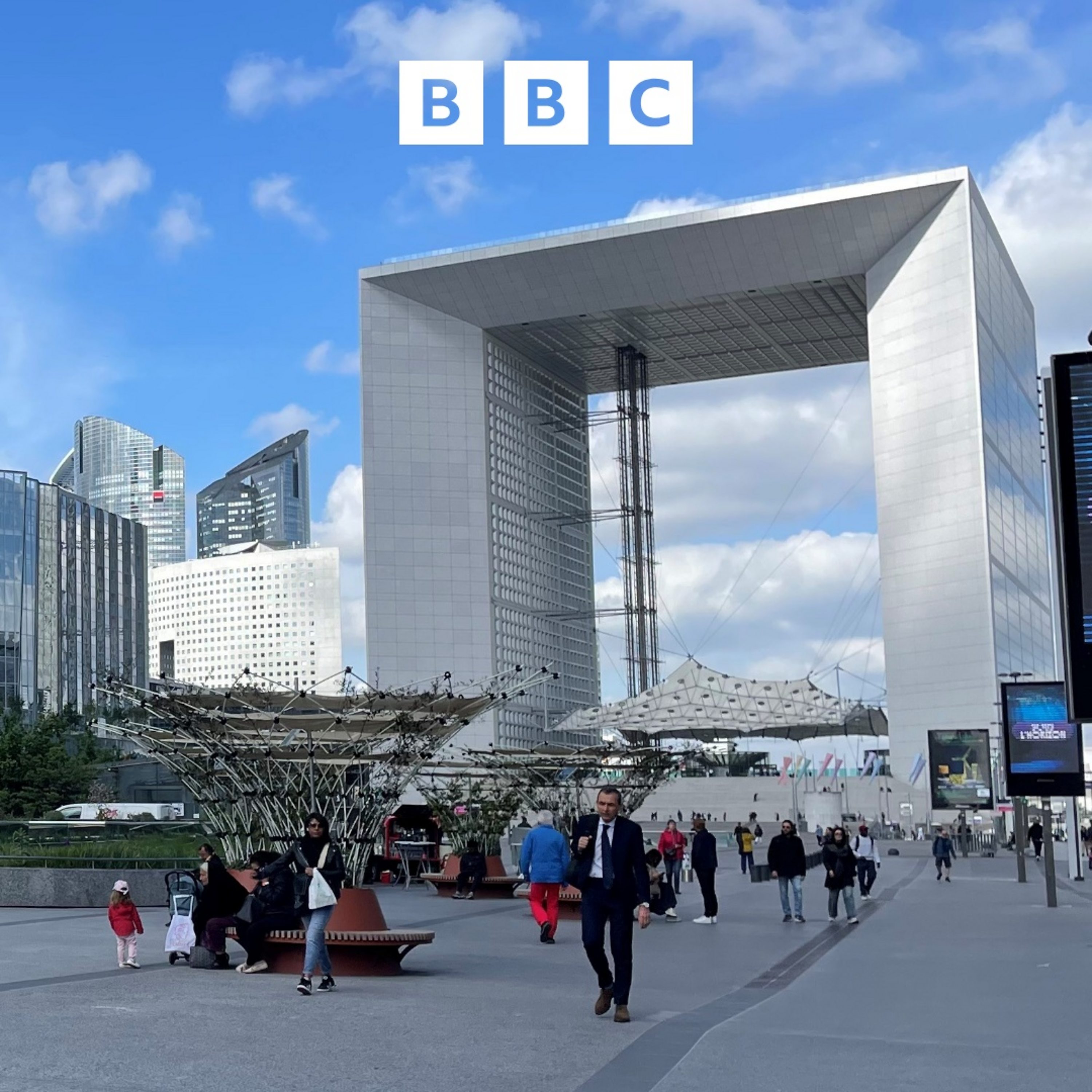
Too many offices, not enough homes: can conversions work?
4d ago00:17:29Summary readyJohn Laurenson reports from La Défense in Paris on how Europe's biggest business district is turning vacant office space into housing. As hybrid working leaves more offices underused, cities are rethinking the future of these buildings. We compare developments in Paris with efforts in London and Washington DC and ask whether converting offices into homes could help tackle housing shortages and revive struggling business districts.Presenter/producer: John LaurensonYou can email the team: businessdaily@bbc.co.uk(Picture: People walking in La Défense business district in Paris. Credit: John Laurenson)
Summary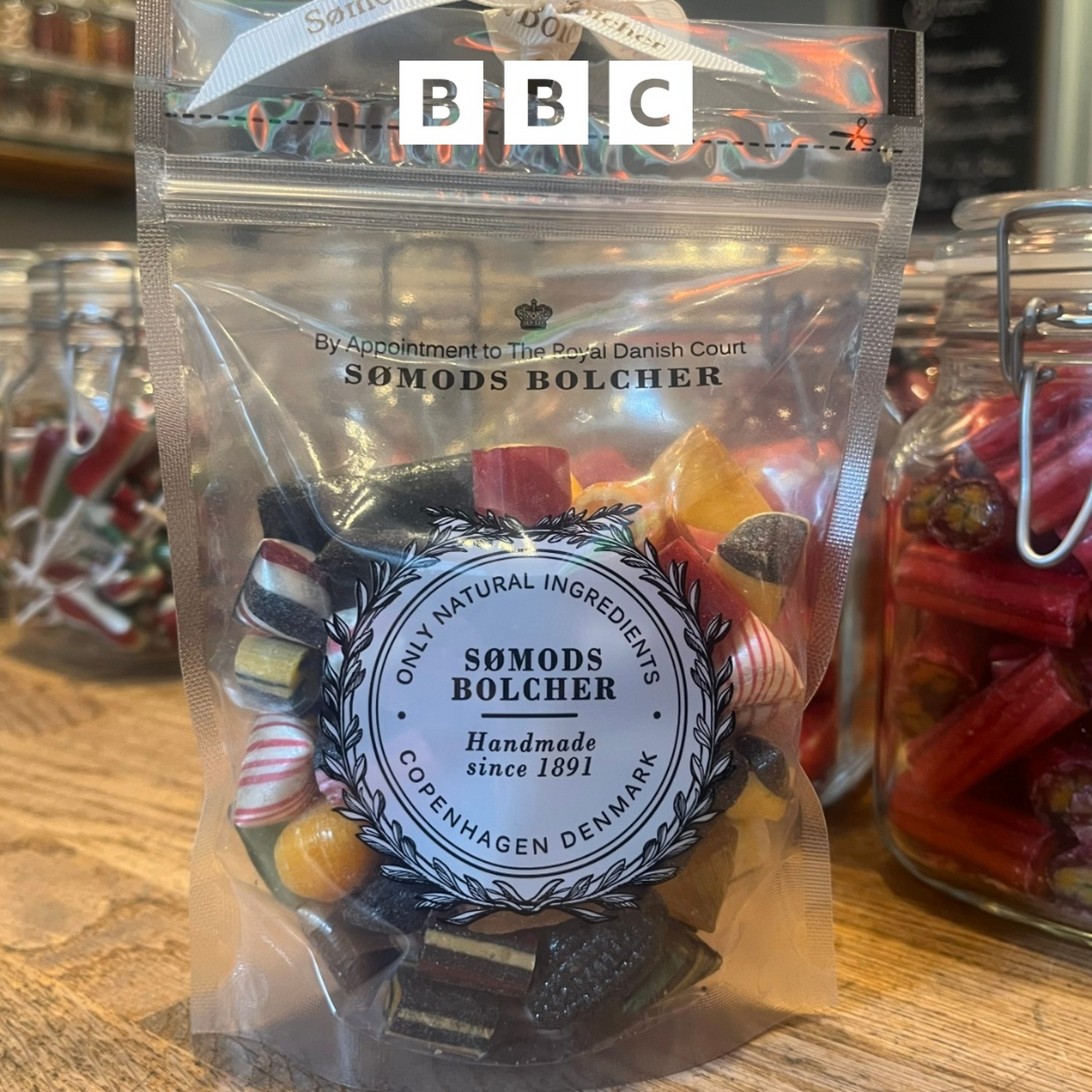
Denmark is scrapping royal warrants. Will businesses miss them?
5d ago00:17:28Summary readyDenmark is preparing to scrap its royal warrant system, ending a centuries-old royal seal of approval used by businesses to market everything from beer to cars. Similar warrants are used by monarchies around the world and awarded to everyone from brewers and carmakers to pest controllers. What do the Danish companies affected think, and could other royal households follow Denmark's lead?(Photo: Packets of sweets with a Danish Royal Warrant in a Copenhagen shop. Credit: Daniel Rosney)You can email the team: businessdaily@bbc.co.ukProducer/presenter: Daniel Rosney
Summary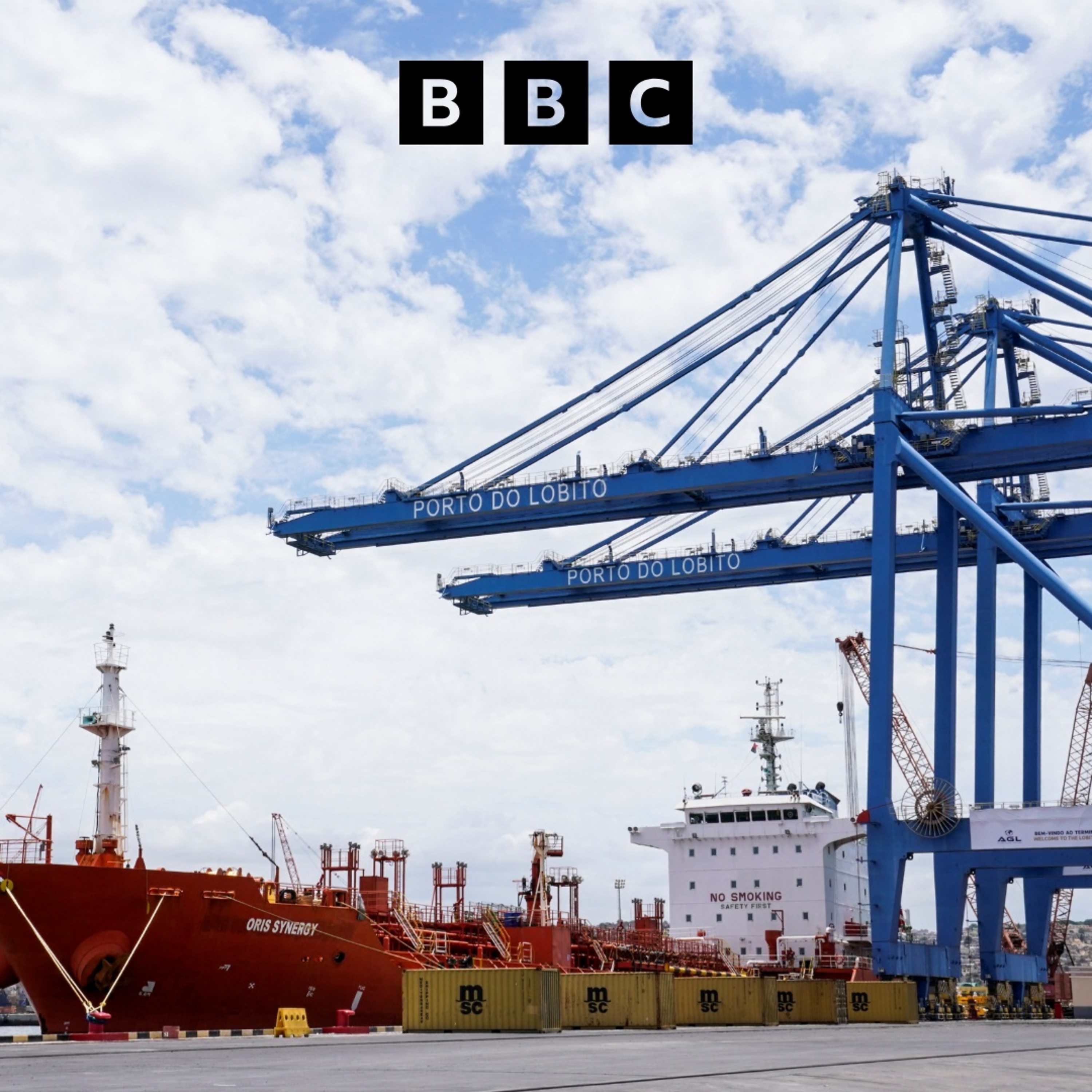
Taking stock: Global trade's new reality
1w ago00:21:00Summary readyWhat is driving the global shift towards economic protectionism? Will Bain is joined by Jennifer Pak, NPR's China correspondent, and Trevor Simumba, an international business consultant in Zambia, to discuss why the trend has accelerated since Donald Trump's tariffs and why global trade remains resilient despite growing barriers. Plus, why Africa's Lobito Corridor matters for trade, what AI means for jobs in China and beyond, and why drinks giant Diageo is cutting costs. And, two food heroes: China's baozi and Uganda's matoke.(Photo: A ship docks at Lobito Port in Angola, 4 December, 2024. Credit: Elizabeth Frantz/Reuters)You can email the team: businessdaily@bbc.co.ukPresenter: Will Bain Producer: David Cann
Summary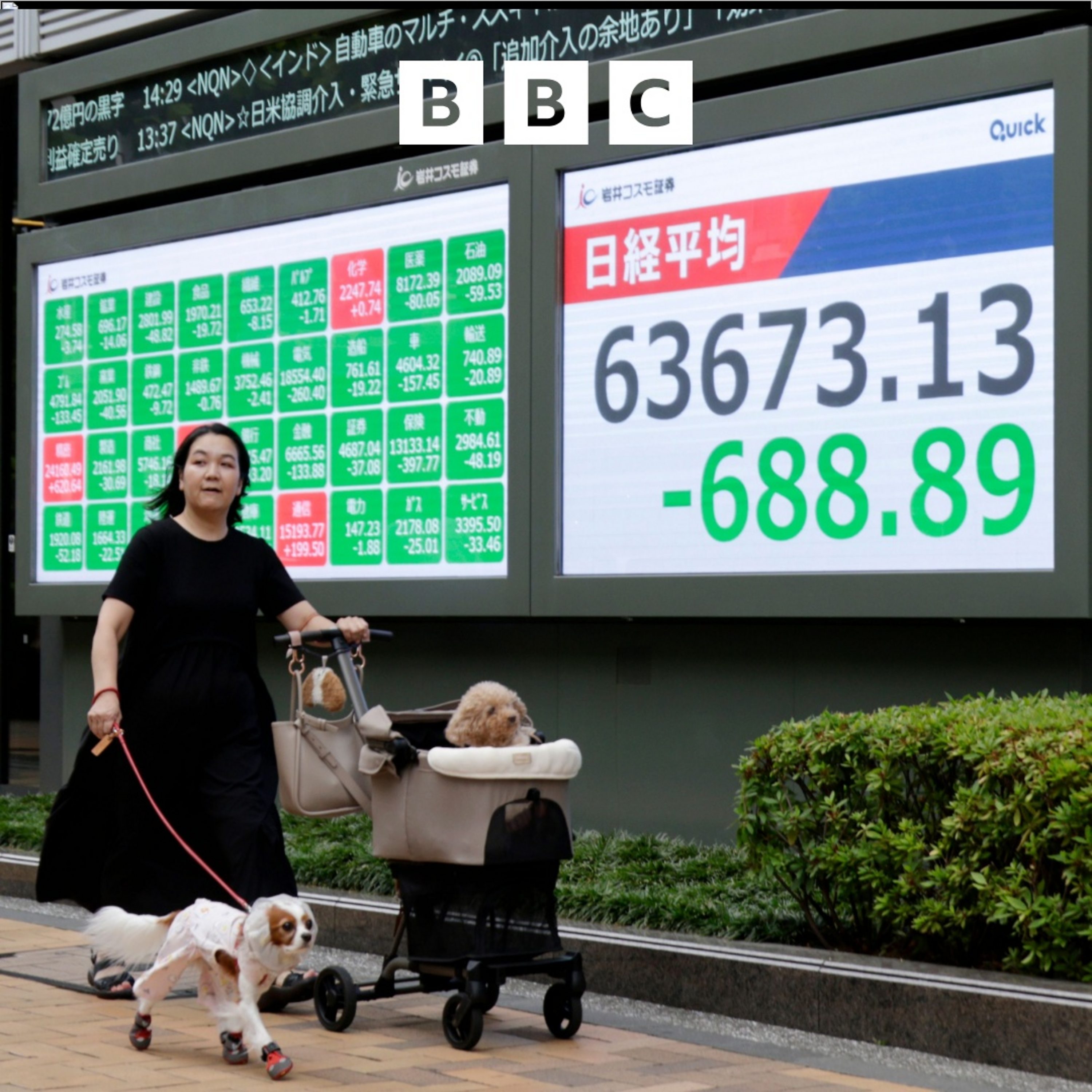
Power Players: Why does Trump care about the Japanese yen?
1w ago00:19:52Summary readyIn a highly unusual move, the US has stepped in to back Japan's currency, the yen. Donald Trump calls it a "signal of friendship" but what is Washington hoping to achieve? And what does the move reveal about Japan's economy, after years of deflation and ultra-low interest rates? Rahul Tandon and Will Bain assess the intervention with the help of the BBC's "yen geek" Mariko Oi.Presenters: Rahul Tandon, Will Bain and Mariko Oi Producer: Gideon LongYou can email the team: businessdaily@bbc.co.uk(Picture: A woman walks past a stock market indicator board in Tokyo, Japan, 03 August 2026. Credit: EPA/Shutterstock)
Summary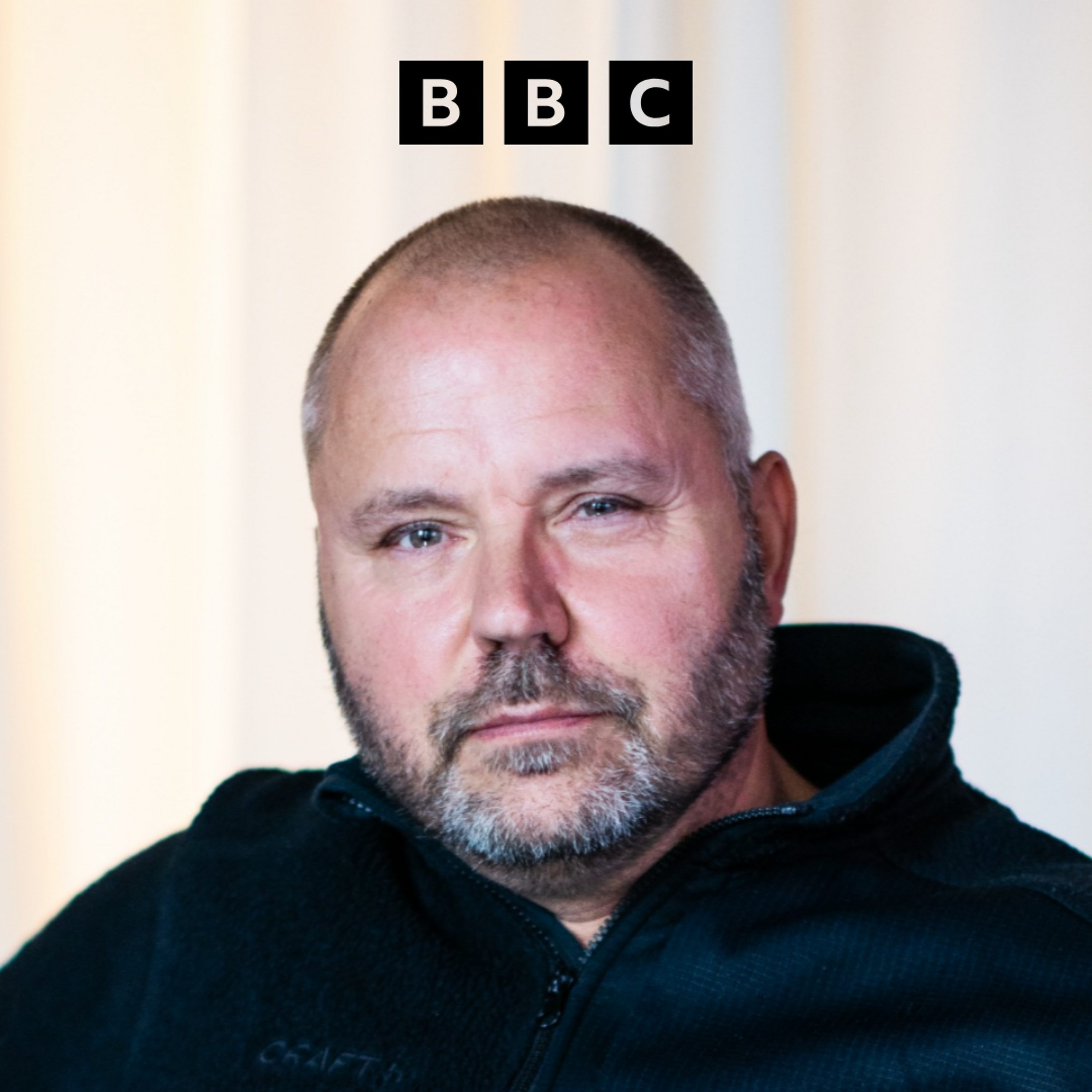
Founders: Ola Sars from Beats Music to the soundtrack of hospitality
1w ago00:17:29Summary readyOla Sars has spent two decades helping shape the way music is discovered, streamed and licensed. He co-founded Beats Music, the streaming service that helped lay the groundwork for Apple Music, before launching Soundtrack, a company that provides licensed music to restaurants, cafés and other hospitality businesses. After moving to the US as a child and learning English from scratch, how did he become a music-tech entrepreneur? And was selling his stake in Beats before Apple acquired the company the right decision? (Photo: Ola Sars, seen from the shoulders up, wears a black jumper and has short shaved brown hair going grey at the sides, blue eyes and stubble growth. He looks at the camera with a neutral expression. Credit: Rickard Croy)Presenter: Leanna Byrne Producer: Niamh McDermottYou can email the team: businessdaily@bbc.co.uk
Summary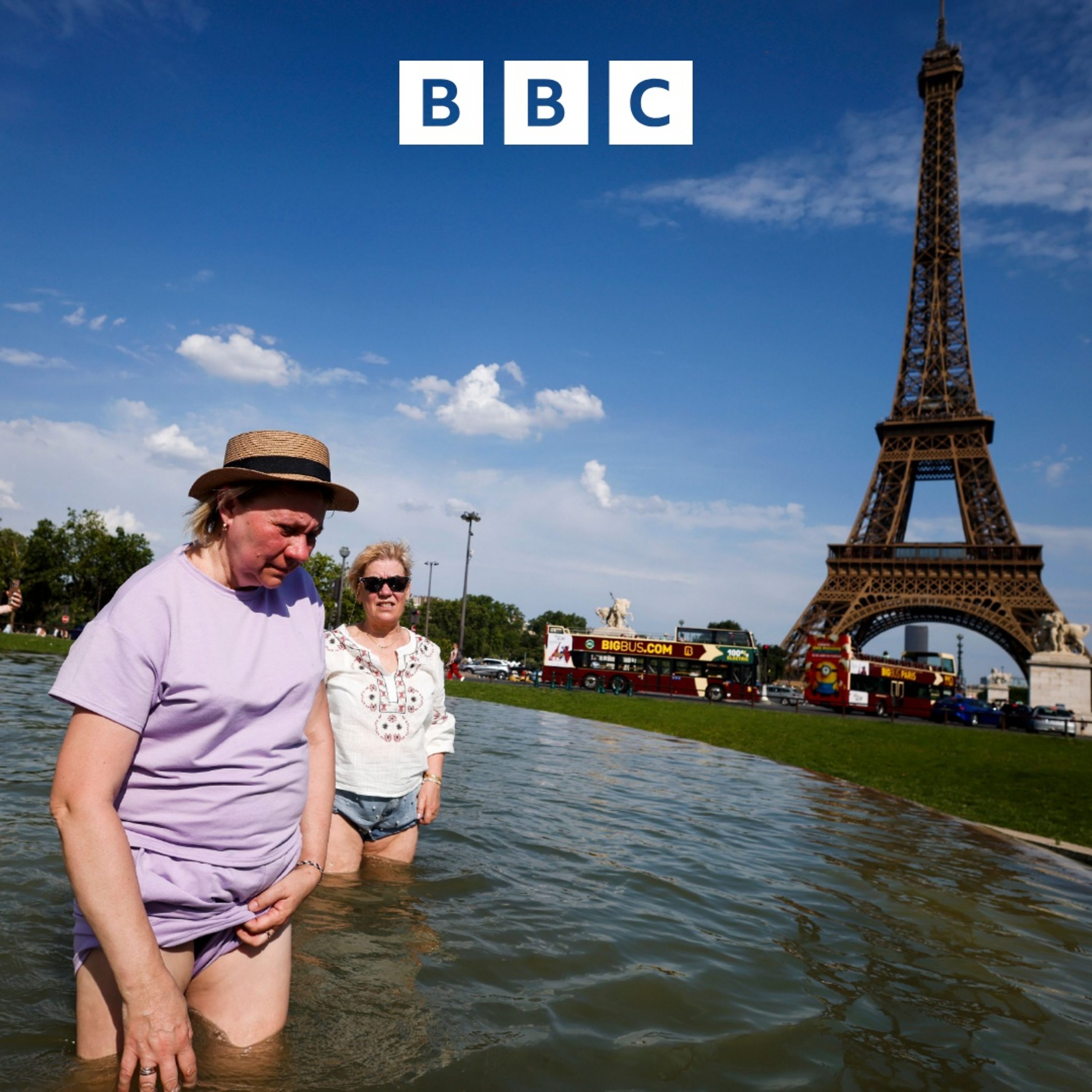
Follow the money: Europe’s air-con economy
2w ago00:22:48Summary readyWith Europe sweltering in intense heat and demand for air-conditioners soaring, who is making money from supplying them? We follow the supply chain from a factory churning out air-con units in China to retailers across Europe scrambling to secure stock as demand surges. In France, where repeated heat waves have driven sales higher, shoppers have been fighting in supermarkets to get hold of them.We also examine the cost of powering air-conditioners and the impact their growing use is having on energy prices. How much pressure is Europe's growing appetite for air-conditioning putting on electricity grids?(Photo: People cool off in the Trocadero fountain by the Eiffel Tower in Paris during a heatwave in June 2026. Credit: Yoan Valat/EPA/Shutterstock)Presenter: Sam Fenwick Producer: Gideon Long
Summary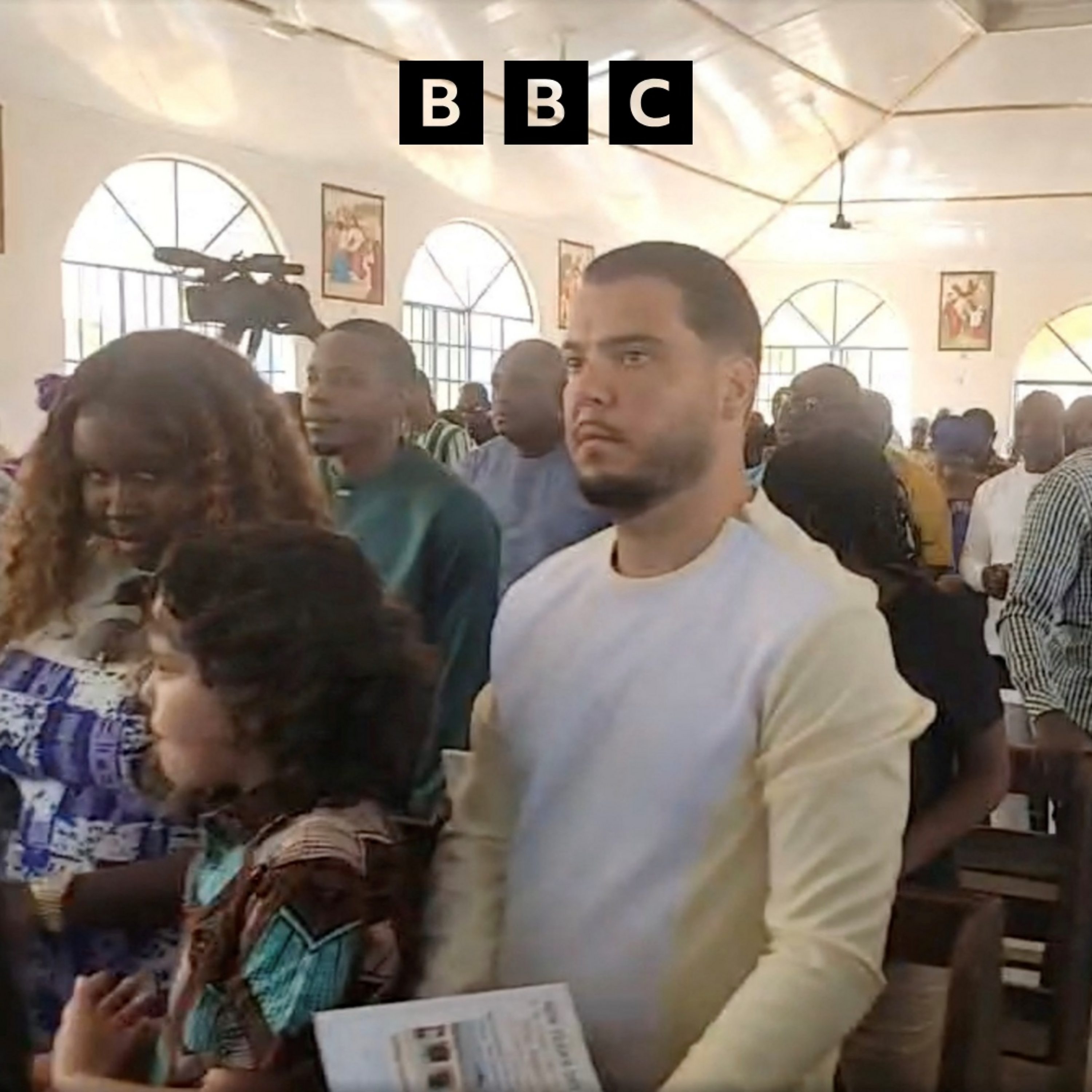
Sierra Leone: Tracking a drug kingpin
2w ago00:19:52Summary readyIn the second of two episodes, Ed Butler tracks the whereabouts and connections of one of Europe's most wanted drug criminals. Despite denials from the President's family, law enforcement agencies say Jos Leijdekkers is enjoying privileged status in Sierra Leone. The country's Justice Minister responds.
Summary