
Podcast
C-Suite Intelligence
Hosted by The Miles Group · EN
CEOs running the world’s top companies don’t start out that way – they pull ahead of their peers with behaviors and practices that make them the “best of the best.” Stephen Miles and the team at TMG coach some of the world’s most successful executives, helping them continuously up their game even as business conditions grow more complex every day. Learn the secrets of the highest performers, and use this intelligence to power your career.
24episodes
Episodes
Newest firstAll episodes
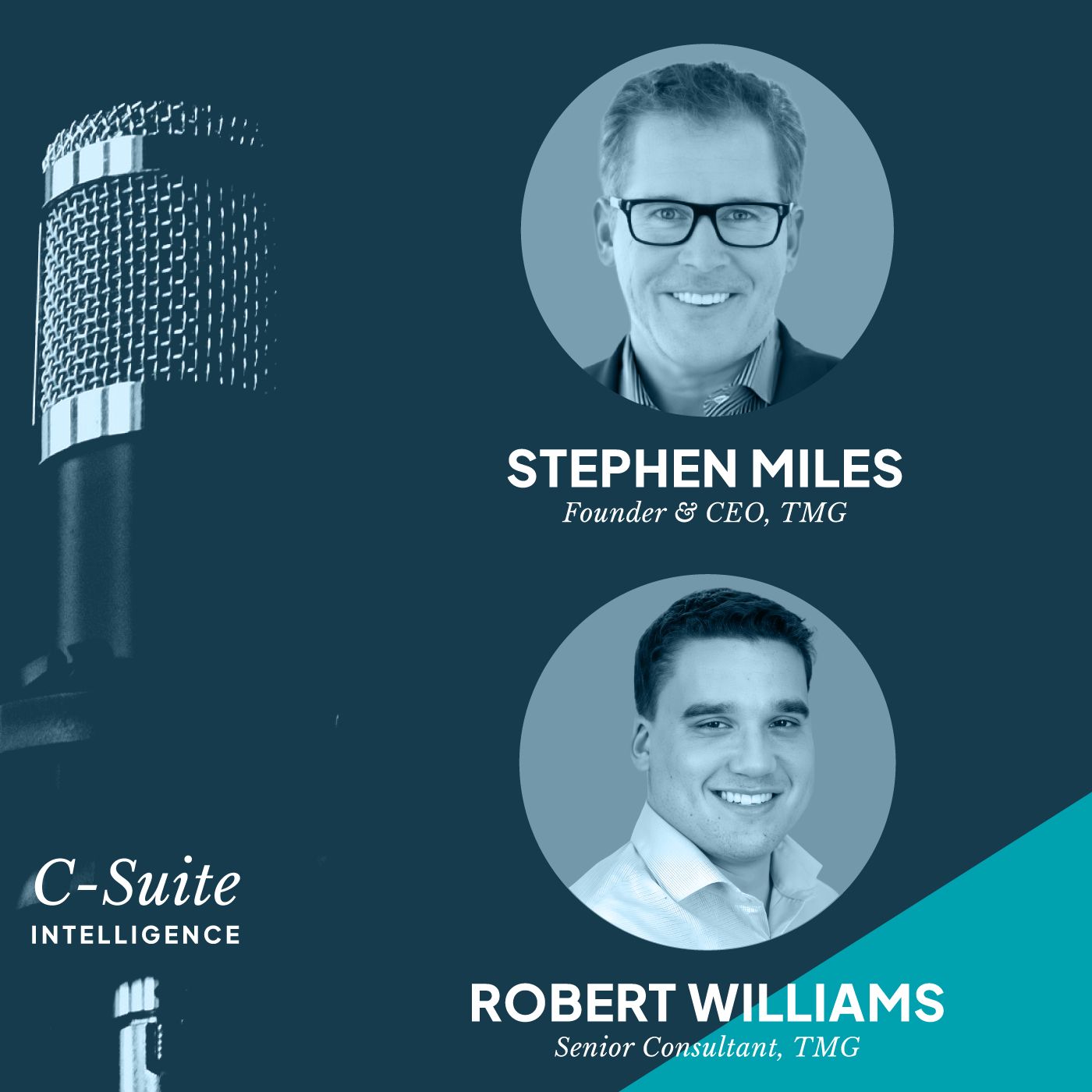
Contextual Intelligence in the AI Era
3w ago00:28:09Tap to summarizeAs AI speeds up analysis and compresses timelines, many organizations expect decisions to move faster. But decision-making still depends on alignment, accountability, and shared ownership.In this episode, we sit down with TMG’s CEO Stephen Miles to discuss his latest Forbes article on contextual intelligence and leadership in the AI era. Stephen makes the case that success now depends on the ability to frame problems, ask better questions of AI, and translate insights into real outcomes. We also explore why human leadership capability is now the primary constraint and how leaders are rethinking growth and team performance in an AI-enabled environment.In this episode, we discuss:Why faster analysis doesn’t automatically lead to faster decisionsWhat it means to outgrow your company and your toolsWhat contextual intelligence looks like in practiceHow teams can move from experimentation to repeatable AI use cases
Transcribe →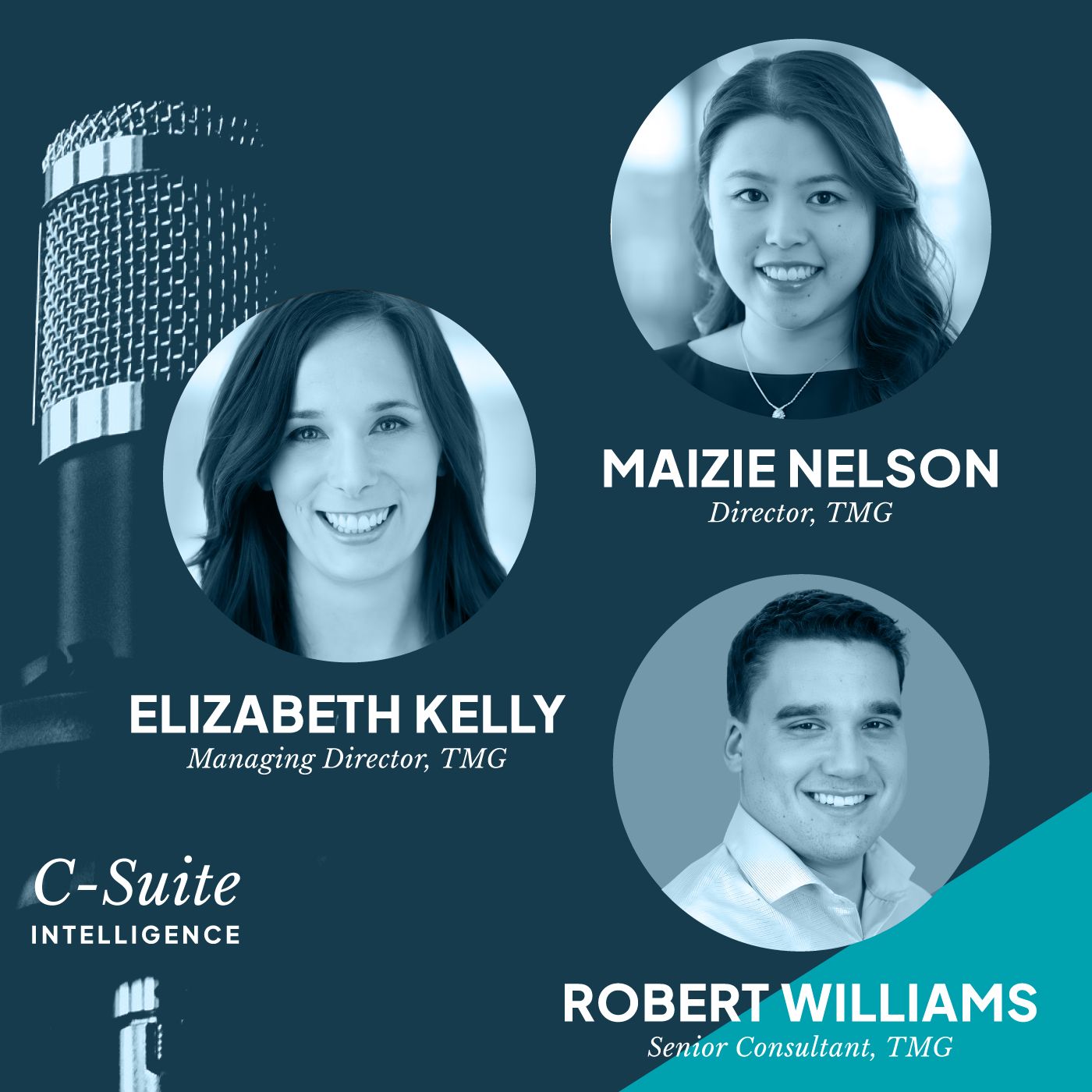
From Instinct to Intent: Communicating with Clarity
Jul 700:21:05Tap to summarizeLeaders often communicate well in formal settings but can sometimes struggle in informal, in-the-moment interactions. When they revert to their “base case” habits, speaking quickly, shifting context, or sounding abrupt, it creates confusion, misinterpretation, and gaps in understanding across teams.In this episode, host Robert Williams is joined by TMG Managing Director Liz Kelly and Director Maizie Nelson to explore why communication breaks down in these everyday moments and how leaders can improve clarity. They share practical strategies like “going to manual,” setting context quickly, and focusing on a single takeaway to ensure messages land effectively.In this episode, we discuss:Why leaders default to communication habits that create misalignmentThe importance of setting context and landing one clear takeawayWhy tone, repetition, and channel choice matter more in times of uncertaintyHow to adapt communication styles for different people without changing the core message
Transcribe →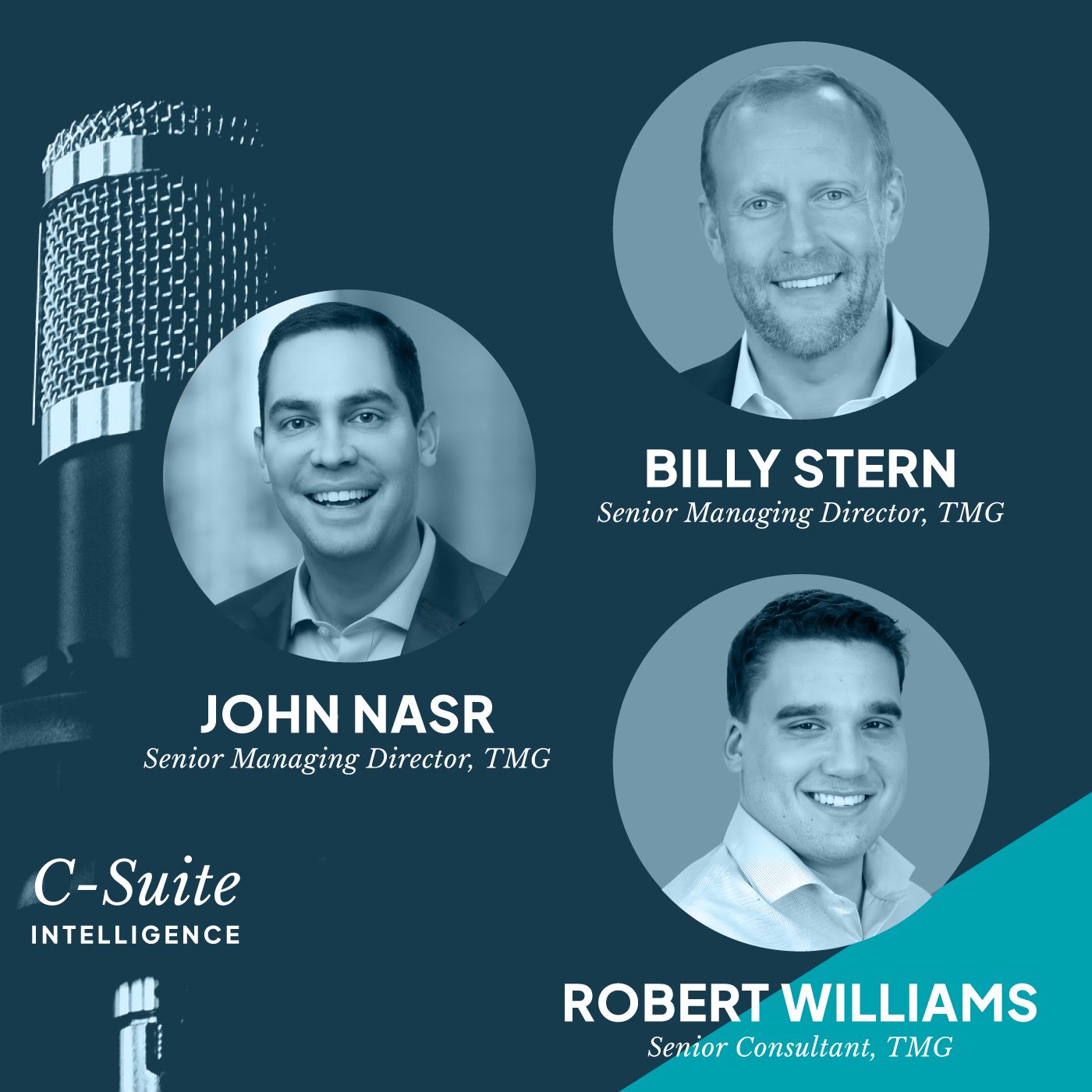
Seeing the Whole Field: Becoming An Enterprise Leader
Jun 2300:18:08Tap to summarizeThe move from individual contributor to talent leader operating with an enterprise mindset is one of the most significant shifts leaders make. It’s not just about taking on more responsibility, but about changing how you create impact. Leaders are no longer driving results merely as individuals; they’re delivering outcomes through others while navigating complexity and competing priorities.In this episode, host Robert Williams sits down with TMG Senior Managing Directors John Nasr and Managing Director Billy Stern to explore what it really takes to make that transition successfully. They discuss what it looks like to inherit an existing management system, how to align with team expectations, and why developing “leadership range” is essential for long-term effectiveness.In this episode, we discuss:Making the transition from individual contributor to talent leaderHow to operate effectively in a matrix organizationBuilding influence through empathy, preparation, and stakeholder alignmentDelegating reversible “field general” decisions while holding onto irreversible “Pentagon general” choices Developing talent and reading the broader organizational field before acting
Transcribe →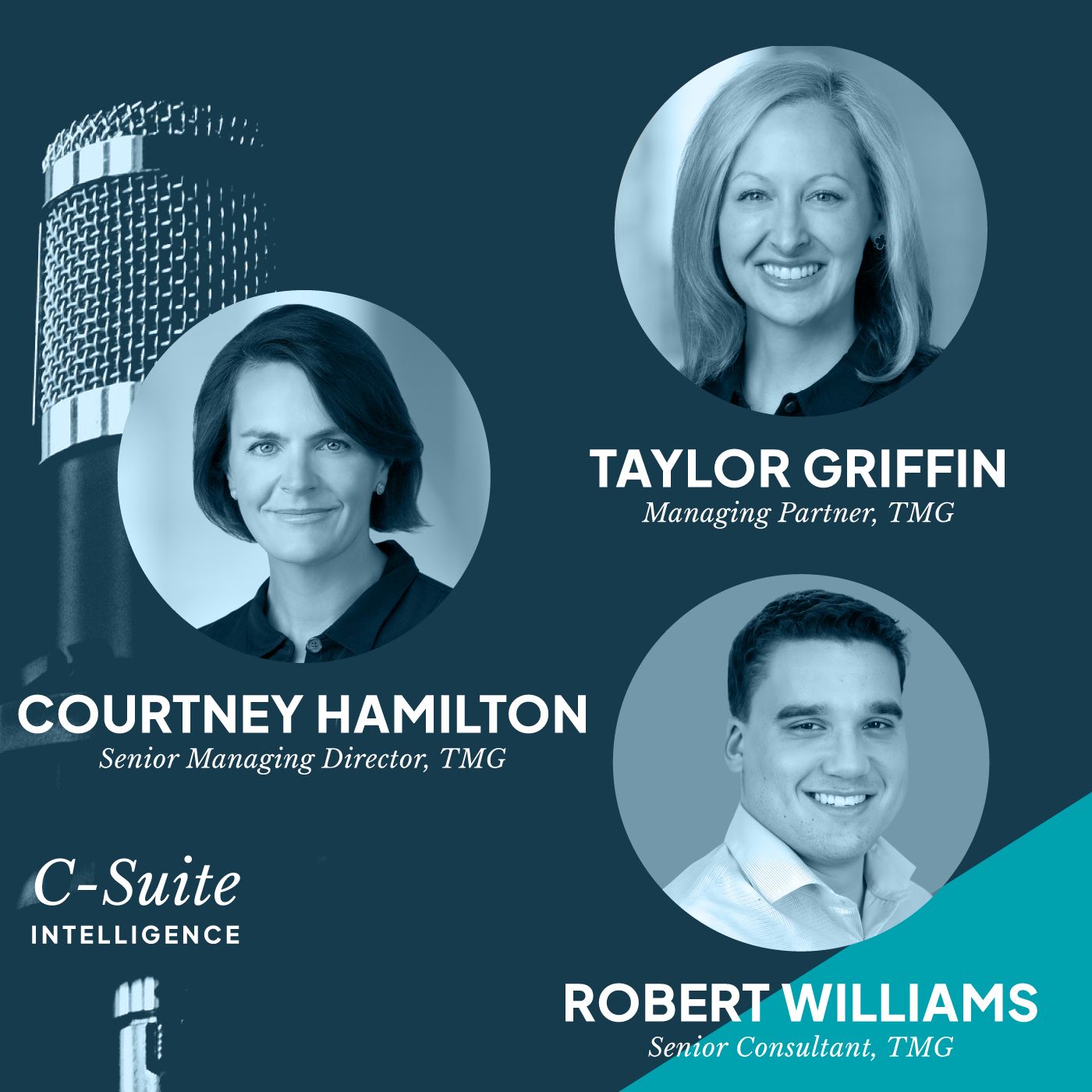
The Problem with Performance Reviews
Jun 900:20:38Tap to summarizePerformance reviews often fall short because they’re treated as a single conversation rather than the outcome of a year-long management process. When expectations aren’t clearly defined, and feedback isn’t captured along the way, reviews can become vague, shaped by recency bias, or less useful than they should be.In this episode, host Bobby Williams is joined by Taylor Griffin and Courtney Hamilton to discuss how leaders can run reviews that actually drive results. The conversation covers how to define clear standards, stay close to performance throughout the year, and turn the review itself into a forward-looking discussion about what comes next.In this episode, we discuss:Why reviews are often vague or overly influenced by recent eventsHow defining the “gold star” improves accountabilityThe “captain’s log” method for capturing performance examples throughout the yearHow to deliver feedback in a way that reduces defensiveness and drives change
Transcribe →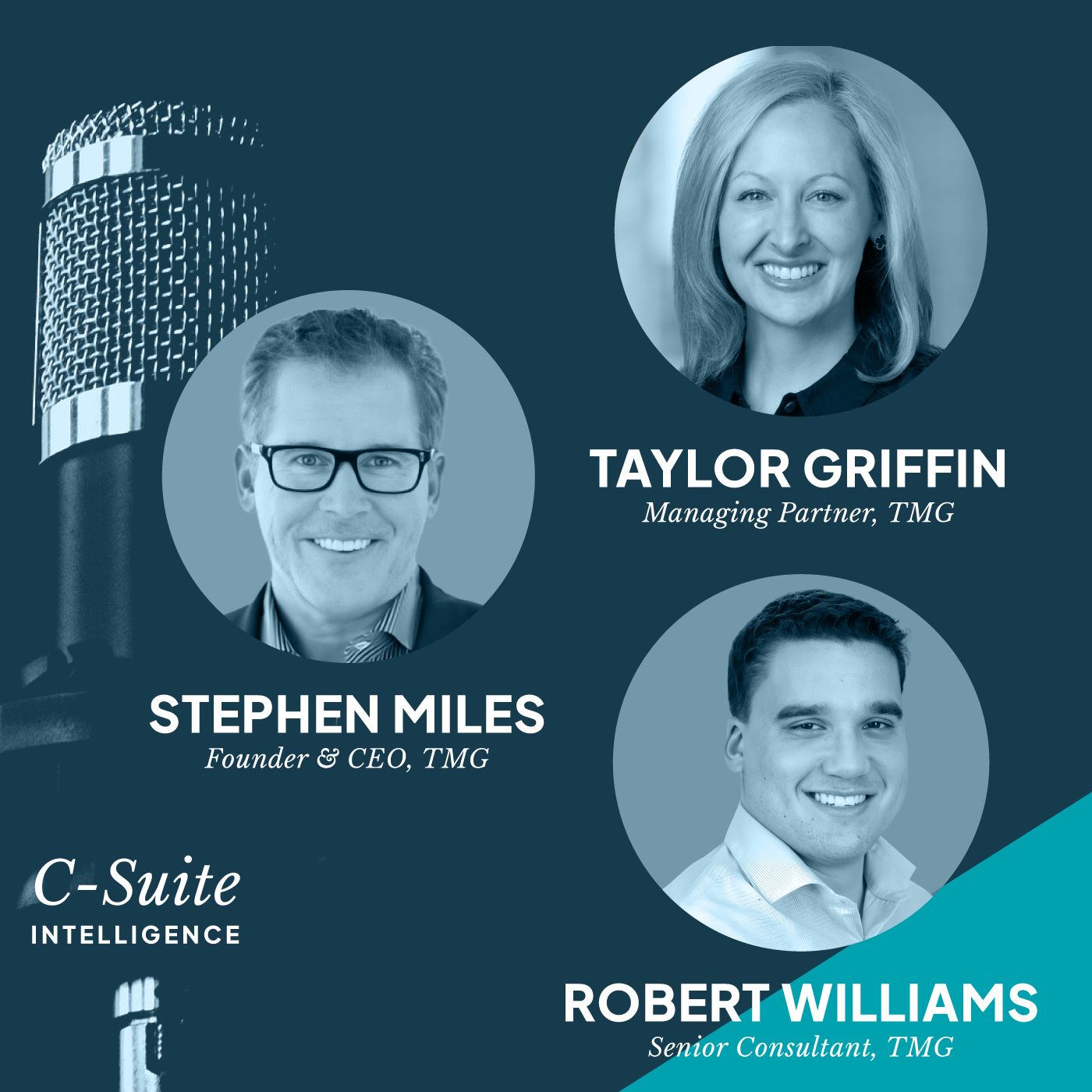
AI, Leadership, and the Future of Performance
May 2600:29:30Tap to summarizeAI may be transforming how work gets done, but the fundamentals of leadership haven’t changed. Sound judgment, clear direction, and trust remain the true differentiators.In this episode, host Robert Williams sits down with Stephen Miles, Founder & CEO of TMG, and Taylor Griffin, Managing Partner, to explore how AI is reshaping work, leadership, and employee value. As intelligence shifts from a scarce resource to an abundant one, leaders are faced with a new challenge: redefining self-worth, productivity, and performance in an AI-enabled workplace.They discuss:How AI can elevate human capability by eliminating low-value workWhy judgment (not activity) will become the new measure of performanceThe organizational shifts required in an AI-enabled workplaceBreaking down silos between HR, technology, and leadership
Transcribe →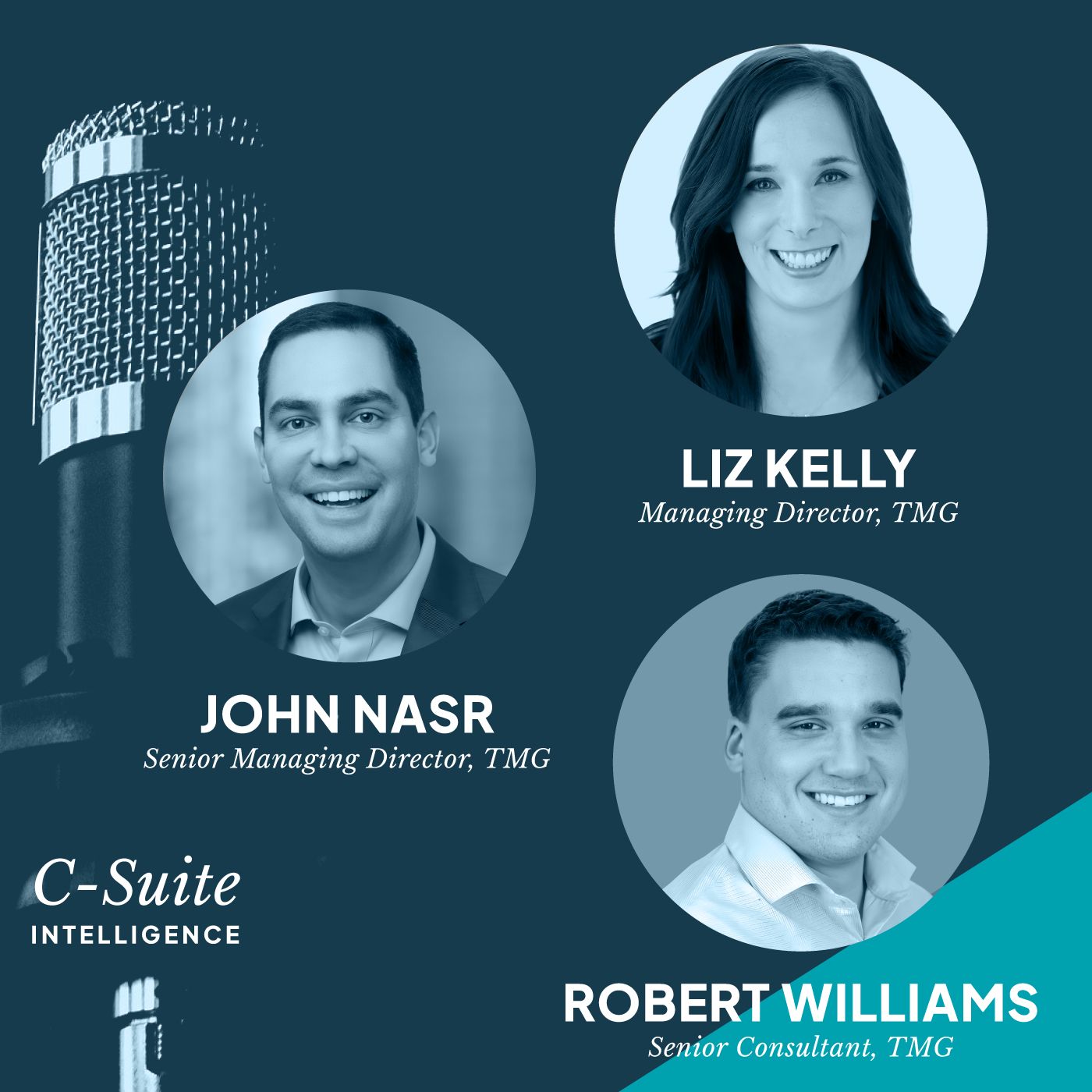
Turning Tension into Trust: Leading Under Pressure
May 1200:16:47Tap to summarizeHigh-pressure environments have a way of bringing real team dynamics to the surface. When deadlines loom and priorities pile up, conflict can either pull a team apart or strengthen trust, alignment, and performance.In this episode, host Robert Williams is joined by TMG’s Liz Kelly and John Nasr to discuss what leaders can do when the pressure is on and the team starts feeling the strain. Liz and John share what effective conflict management looks like in the real world, how trust is built through clarity and consistency, and what it takes to create an environment where people can collaborate instead of compete. They also unpack the role of a growth mindset, how “healthy tension” can actually make teams stronger, and the practical ways leaders can reduce stress, clarify priorities, and keep everyone moving in the same direction.In this episode, we discuss:Building trust through clear roles, expectations, and accountabilityWhy cross-functional collaboration tends to break down under pressure (and how to fix it)The difference between unhealthy conflict and healthy tensionTechniques for reducing team stress and maintaining focus on priorities
Transcribe →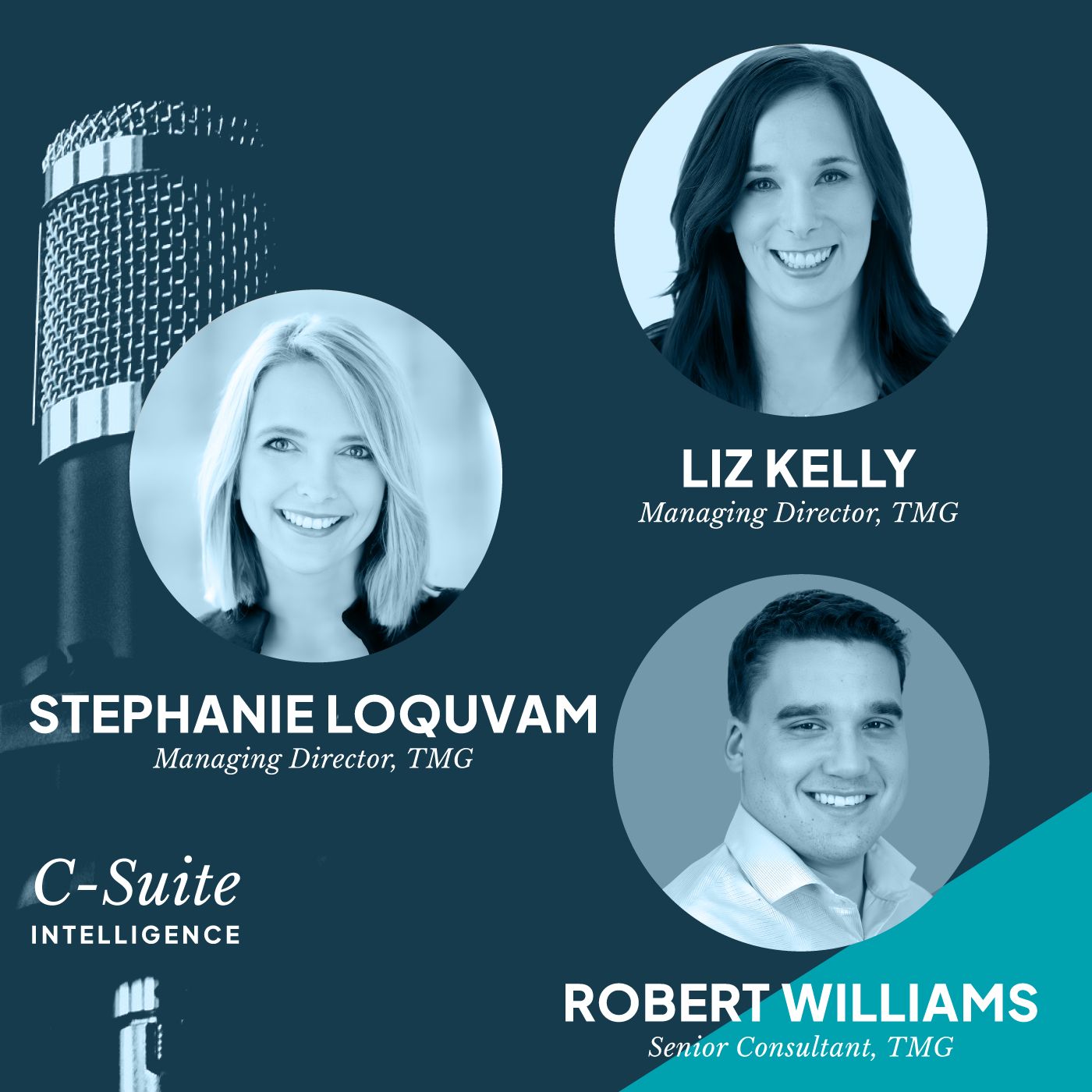
Making the Most of Your Coaching Relationship
Apr 2800:15:37Tap to summarizeCoaching has become part of the leadership operating model at the top of organizations. What used to be perceived as a corrective measure is recognized as an investment in leadership -- a disciplined way to strengthen individual decision-making, accountability, performance, and support overall leadership effectiveness.In this episode, host Robert Williams is joined by TMG Managing Directors Liz Kelly and Stephanie Loquvam to explore the benefits of professional coaching for senior leaders. Drawing on recent Stanford research co-authored by our CEO, Stephen Miles, they examine why coaching adoption has increased significantly in recent years and how to make coaching sessions most productive. The conversation focuses on approaching coaching with intention, preparing thoughtfully, setting clear priorities, and maintaining continuous engagement.In this episode, we discuss:● Why coaching is critical for leaders● How preparation and clear priorities drive more effective coaching relationships● The role of accountability and vulnerability in leadership development● Using data and feedback to strengthen coaching outcomes
Transcribe →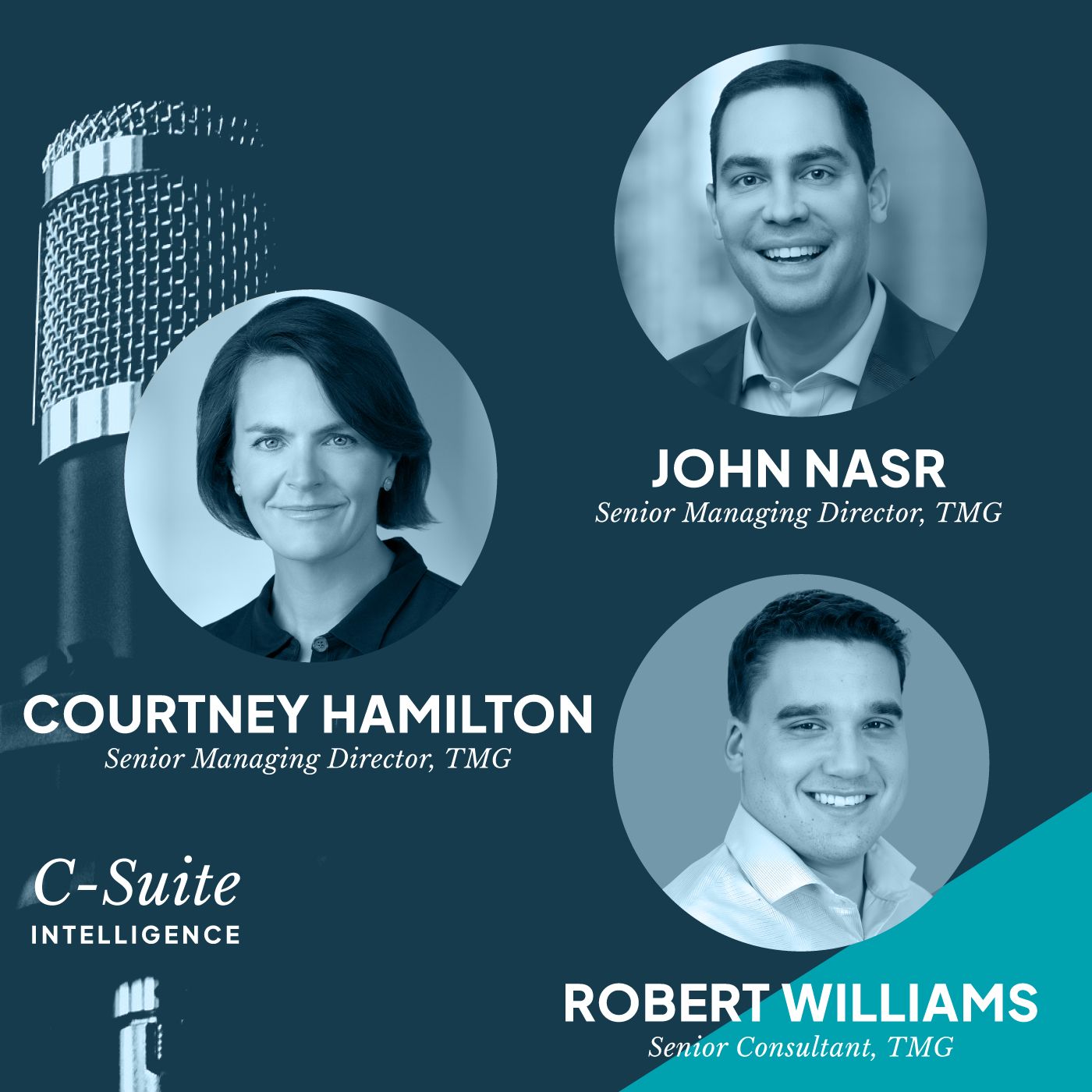
New Member = New Team
Apr 1400:24:22Tap to summarizeWhen a new team member joins, leaders often focus on getting the individual up to speed while overlooking the broader impact on the rest of the team. Over time, this can create misalignment and friction within team dynamics, even when performance might appear strong on the surface.In this episode, TMG’s Robert Williams is joined by Courtney Hamilton and John Nasr to look at what happens to the team as a whole in these moments. They explore the idea of “new member, new team,” challenging the assumption that teams change only when leadership does. They also discuss how leaders can use these moments to reset norms and clarify expectations.In this episode, we discuss:Why every new hire reshapes team dynamicsThe importance of revisiting and documenting team normsCommon leadership mistakes during onboarding and team transitionsUsing onboarding to strengthen cohesion and performance
Transcribe →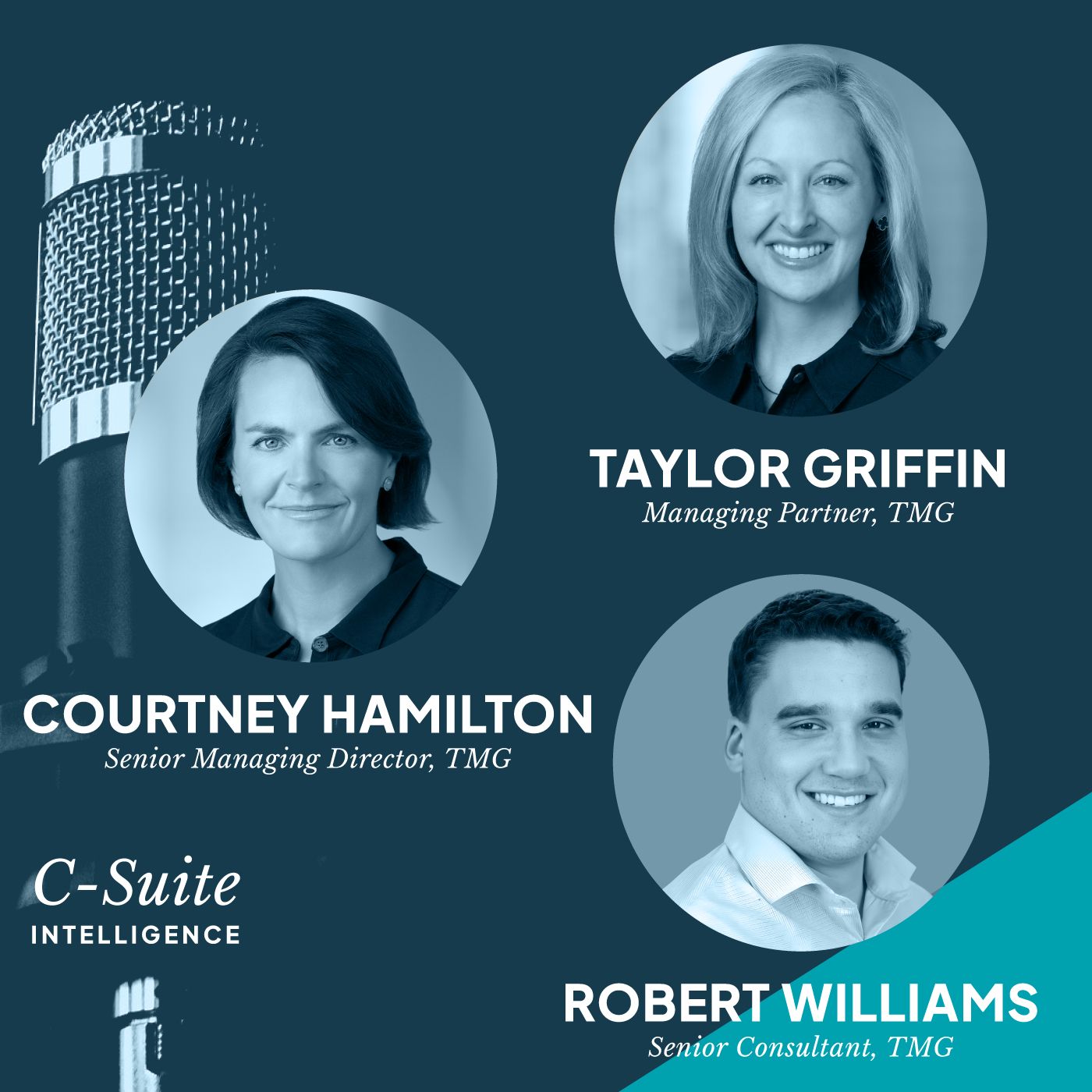
Beyond Labels: Leading a Multigenerational Workforce
Mar 3100:20:55Tap to summarizeWith four generations now working side by side, leaders are being challenged to rethink how they communicate, motivate, and build trust across different work styles and expectations.In this episode, host Bobby Williams speaks with Taylor Griffin and Courtney Hamilton about managing multiple generations in today’s workplace. They explore why flexibility is more important than generational labels, how context-rich communication and clear expectations reduce friction, and what predictable leadership routines look like in high-performing, multigenerational teams.Join us as we discuss:Leading across Baby Boomers, Gen X, Millennials, and Gen ZFocusing on individual motivation rather than generational stereotypesBuilding trust through transparency and consistent leadership routinesUsing detailed feedback and context-rich communication to align teams
Transcribe →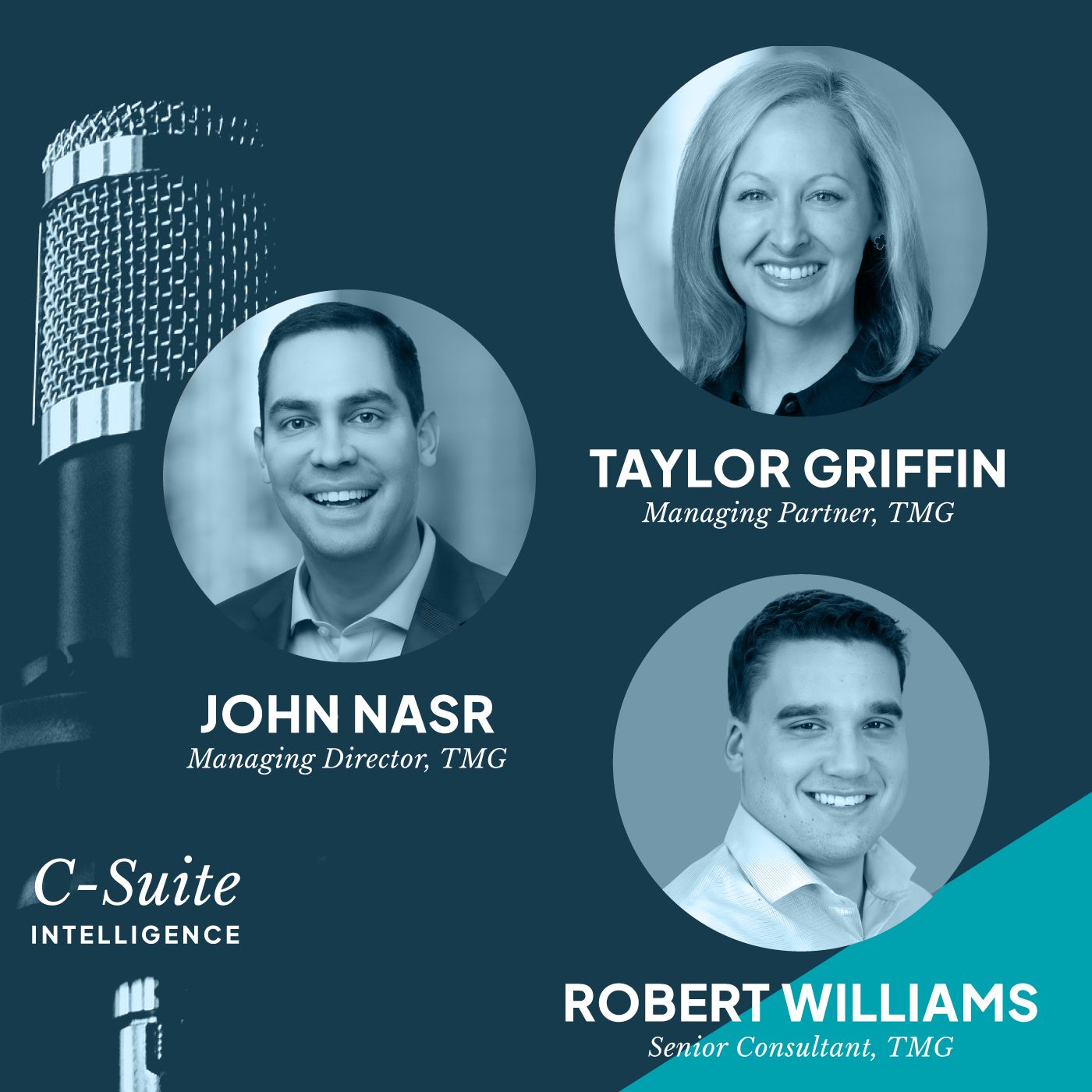
Protecting Time at the Top
Mar 1700:18:02Tap to summarizeSenior leaders are often pulled in countless directions, responding to stakeholders, managing fast-moving priorities, and trying to stay focused amid constant fragmentation. Over time, this can dilute impact, pulling even the most capable leaders away from high-value work.In this episode, TMG’s Robert Williams, Taylor Griffin, and John Nasr explore what it means to prioritize at the executive level. They break down how leaders determine the work only they can do, what should be delegated, and what can be eliminated altogether. Through the lens of ruthless and dynamic prioritization, they discuss how senior leaders protect their time, clarify expectations, and stay focused on the outcomes that actually matter.In this episode, we discuss:Creating a clear framework for owning, delegating, and eliminating workProtecting time and attentionAligning stakeholders around critical prioritiesStaying flexible and adaptive as demands and circumstances shift
Transcribe →