Podcast
Capital City PodCast
Hosted by Capital J and DL Glass · EN
With over 30 years in the music industry, Hip-Hop historian Jerome "Capital J" Dickens and DL Glass talk lyrics, beats, and music. In-depth conversations that discuss the music business and the business of music. To be apart of the conversation email us at info@overheretv.com.
18episodes
Episodes
Newest firstAll episodes
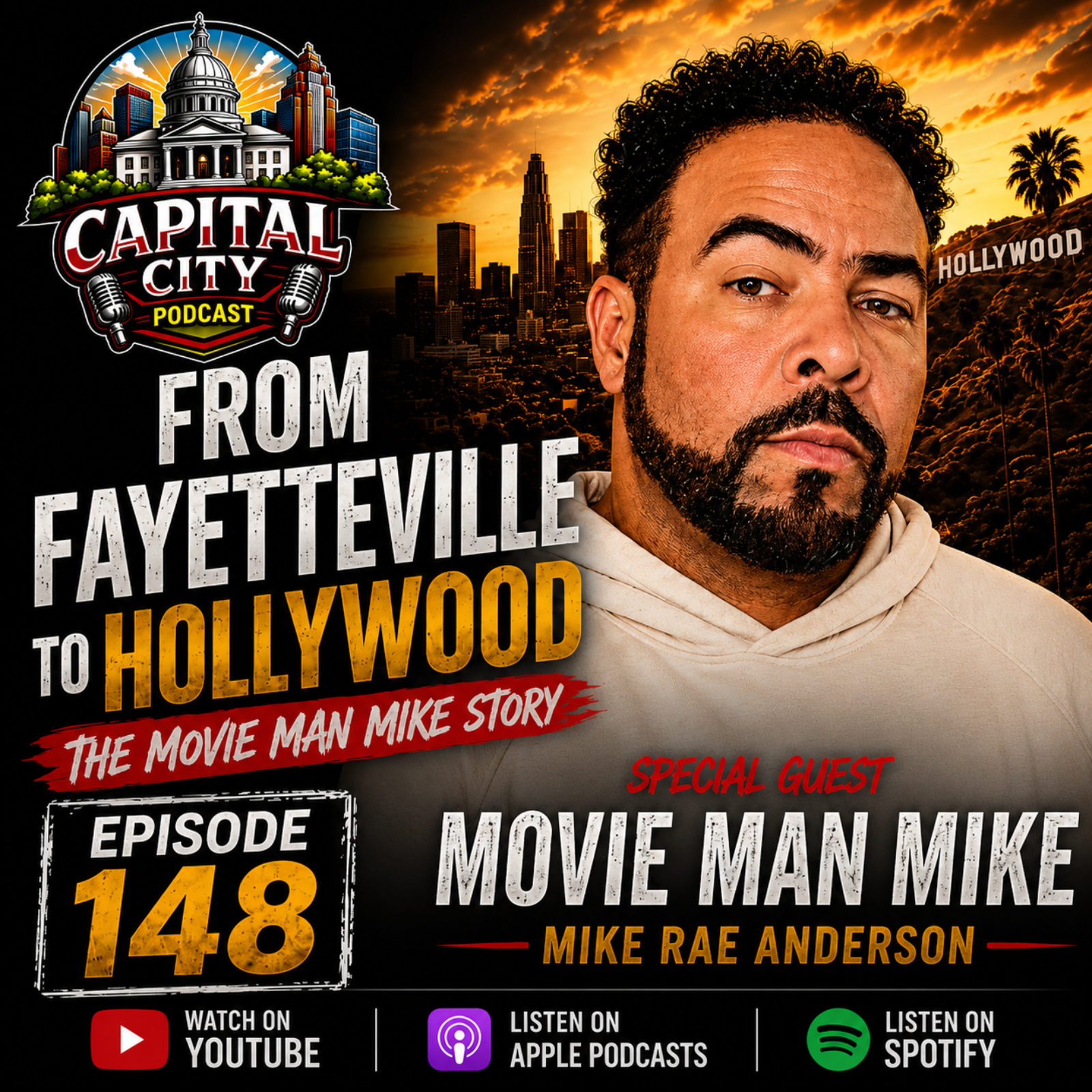
“A Polished Soul” | Mike Anderson’s Journey from Prison to Purpose | Capital City Podcast #148
2w ago01:20:21Tap to summarizeWhat happens when a 22-year-old man is sentenced to spend nearly two decades behind bars—and chooses to transform his life instead of letting prison define it?In this powerful episode of Capital City Podcast, Capital J and DL Glass sit down with Mike Anderson, author of “A Polished Soul”, for an honest conversation about incarceration, redemption, faith, fatherhood, and the power of second chances.Mike shares how he spent 17½ years in prison without a single infraction, earned a business degree while incarcerated, and ultimately returned home with a renewed purpose: helping the next generation avoid the mistakes he made.The conversation goes far beyond one man’s story. Together, they discuss:• Growing up in North Carolina and the choices that changed Mike’s life forever • The prison system and what rehabilitation really looks like • Why mentorship matters more than ever for young Black men • Fatherhood, community, and breaking generational cycles • Mental health, social media, and the challenges facing today’s youth • How A Polished Soul became both a book and a feature filmThis isn’t just a story about prison—it’s a story about purpose, accountability, forgiveness, and the people who believed in someone when the world had written them off.🎙️ Listen now on Apple Podcasts, Spotify, Amazon Music, iHeartRadio, Pandora, or wherever you get your podcasts.📺 Watch highlights and exclusive content: YouTube: @capitalcity919🌐 Learn more: www.capitalcitypodcast.comIf this episode inspired you, be sure to subscribe, leave a review, and share it with someone who needs to hear Mike Anderson’s remarkable journey.
Transcribe →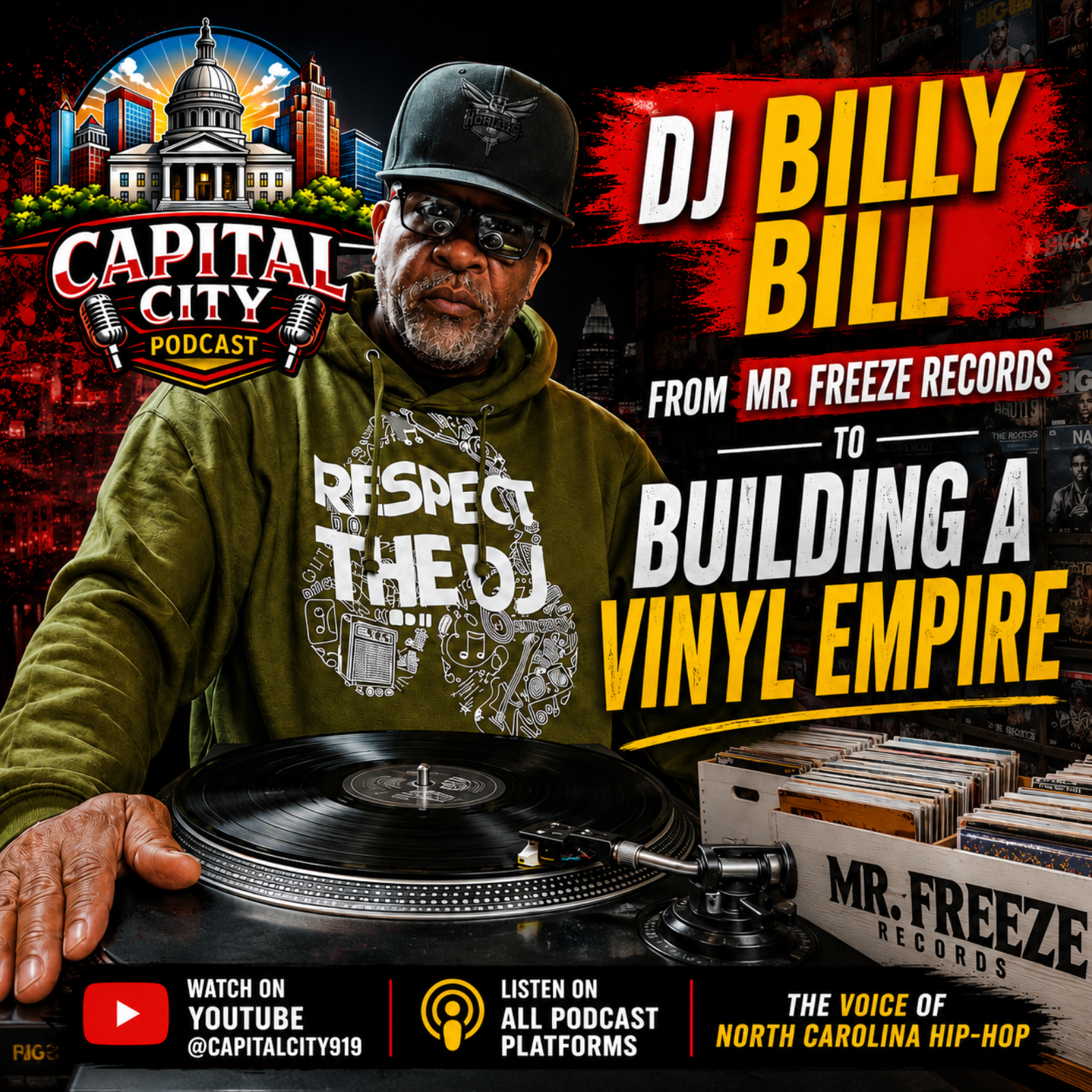
DJ Billy Bill: Mr. Freeze Records, Mixtapes & North Carolina Hip-Hop History | Capital City Podcast #147
4w ago01:22:08Tap to summarizeDJ Billy Bill joins the Capital City Podcast for an unforgettable conversation about his journey through North Carolina’s hip-hop culture—from learning to DJ in Durham to becoming a key figure at the legendary Mr. Freeze Records in Raleigh.Billy Bill shares stories from the golden era of mixtapes, earning a residency at Kamikaze’s, working alongside Mr. Freeze, building one of the Triangle’s longest-running Black-owned record stores, and helping preserve vinyl culture for a new generation. He also discusses the rise and fall of the mixtape business, the return of records, teaching the next generation of DJs, and why adapting to change has been the key to his success.Whether you’re a DJ, music lover, vinyl collector, entrepreneur, or simply passionate about North Carolina history, this episode is packed with untold stories, industry insight, and valuable lessons from one of the state’s most respected DJs.In this episode:Billy Bill’s introduction to DJing in DurhamLanding a residency at the legendary Kamikaze’s nightclubBehind the scenes at Mr. Freeze RecordsThe mixtape era and how DJs built their careersWhy vinyl is making a powerful comebackThe business of running a record store for more than 20 yearsTeaching the next generation of DJsSupporting Black-owned businesses and preserving music cultureIf you enjoy conversations about hip-hop history, DJ culture, entrepreneurship, and North Carolina’s music legacy, don’t forget to follow, rate, and share the Capital City Podcast.
Transcribe →
Capital City Podcast #146 - "How DJs Really Made Mixtapes Before the Internet"
Jun 2000:35:52Tap to summarizeCapital J breaks down the real process behind making mixtapes before streaming, downloads, and social media. From hunting records, choosing the hottest first song, blending R&B with hip-hop, shouting out stores, dubbing tapes, selling hand-to-hand, and building street distribution — this episode is a history lesson on mixtape culture from someone who lived it.DL Glass connects the mixtape grind to independent film distribution, showing how music, movies, bootlegs, and street networks helped local creators reach places they never expected.
Transcribe →
Capital City Podcast #145 | "The Fantastic Tale of The Hip Hop Chef"
Jun 901:42:16Tap to summarizeDisclaimer: The words and opinions expressed are those of the Hip Hop Chef and do not necessarily represent the opinions and views of the Capital City podcast.Before he became known as the Hip Hop Chef, he was helping shape North Carolina’s hip-hop culture.In this episode of Capital City Podcast, Capital J and DL Glass sit down with the Hip Hop Chef to discuss his journey through the early days of North Carolina’s hip-hop scene, the impact of local radio, and the people who helped build the culture throughout North Carolina.From the era of 102 Jamz and legendary personalities like K-Nice, Polo, and T-Love to the evolution of hip-hop in the Carolinas, this conversation uncovers stories and history that many fans have never heard before.If you love hip-hop history, North Carolina culture, radio, DJs, community pioneers, and the untold stories behind the music, this is an episode you do not want to miss.Topics include: • Early North Carolina hip-hop culture • The rise of 102 Jamz • North Carolina’s influence on hip-hop • Building community through music • The Hip Hop Chef’s journey • Untold stories from the cultureSubscribe to Capital City Podcast for conversations that preserve and celebrate North Carolina’s contribution to hip-hop culture.#CapitalCityPodcast #HipHopChef #NorthCarolinaHipHop #102Jamz #HipHopHistory #NCMusic #CapitalJ #DLGlass #Podcast
Transcribe →
Capital City Podcast #144 "Why DJs Can’t Afford to Be Late | Time Management in Music & Business"
May 2800:30:30Tap to summarizeThe DJ being late can ruin the whole event.Capital J breaks down why being on time is not just professional — it protects the promoter, the venue, the crowd, and your own reputation.Full episode at capitalcitypodcast.com and YouTube youtube.com/@capitalcity919#CapitalCityPodcast #DJLife #HipHopCulture #RaleighNC #PodcastClips
Transcribe →
Capital City Podcast #143 "The Untold Story of Dame’s Chicken & Waffles | Entrepreneurship, Durham Culture & Building a NC Restaurant Brand"
May 2001:14:22Tap to summarizeIn this episode of the Capital City Podcast, Capital J and DL Glass sit down with the one and only Dame of Dame's Chicken & Waffles for an in-depth conversation about entrepreneurship, struggle, reinvention, and building one of North Carolina’s most recognized restaurant brands.Dame shares the untold story behind the creation of Dame’s Chicken & Waffles — from struggling as a caterer and nearly losing everything, to turning a bold chicken-and-waffle concept into a cultural staple in Durham and beyond.Topics include:• The meaning behind the famous menu names • Growing up in Fayetteville, NC • Corporate life and working overseas in Asia • Getting laid off and betting on himself • Building Blue Mountain Catering • Rebranding into Dame’s Chicken & Waffles • Surviving tax issues and business setbacks • Expanding into Greensboro and lessons learned • Quality control, leadership, and restaurant culture • Why community support matters • Future expansion plans for the Dame’s brandThis episode is a masterclass in resilience, branding, and Black entrepreneurship in North Carolina.Listen now on all podcast platforms.Website:www.capitalcitypodcast.comFollow Capital City Podcast:Instagram: @capital.city.podcastYouTube: @capitalcity919Follow Dame’s Chicken & Waffles:www.dameschickenwaffles.com#CapitalCityPodcast #DamesChickenAndWaffles #DurhamNC #Entrepreneurship #BlackBusiness #NorthCarolina #RestaurantBusiness #FoodCulture #BullCity
Transcribe →
Capital City Podcast #142 “I Left Radio…” – Brian Dawson
May 601:01:29Tap to summarizeAfter 20+ years in radio, Brian Dawson sits down with Capital City Podcast for one of his most honest conversations yet.In this episode, Brian Dawson opens up about:Why he officially left radioFeeling like the industry was moving too slowBuilding his DJ brand outside the stationMaking more money beyond radioOutgrowing comfort and betting on himselfThe business of media, branding, and longevityThis is more than a podcast episode — it’s a real conversation about growth, ownership, and knowing when it’s time to move on.📍 Recorded at Dame’s Chicken & Waffles🎙️ Subscribe to Capital City Podcast:▶️ YouTube: @capitalcity919🌐 Website: www.capitalcitypodcast.comFollow Capital City Podcast:📸 Instagram: @capital.city.podcast#BrianDawson #CapitalCityPodcast #Radio #Podcast #HipHopCulture
Transcribe →
Capital City Podcast #141 "Is Cheap Equipment Holding You Back? DJs, Podcasters & Creators Need This Talk"
Apr 700:35:40Tap to summarizeOn this episode of Capital City Podcast, Capital J and DL Glass break down a question every DJ, podcaster, producer, filmmaker, and creator has to face: does the quality of your equipment really matter?From DJ controllers, microphones, speakers, and wires to cameras, laptops, CDs, tapes, and studio gear, this conversation gets real about the difference between cheap equipment and true quality. Capital J gives the DJ perspective, while DL Glass speaks from the sound, film, and production side.This is bigger than gear talk. This episode is really about leveling up, investing in your craft, and understanding that what you use can directly affect how people experience your work. Sometimes budget gear can get you started, but sooner or later, quality becomes impossible to ignore.If you create music, record podcasts, DJ events, shoot video, or care about doing things the right way, this episode is for you.In this episode: • Does expensive equipment really sound better? • Why used quality can beat brand-new junk • How cheap gear limits growth • The truth about microphones, speakers, controllers, and cables • Why leveling up your equipment is part of leveling up yourselfCapital City Podcast, Capital J, DL Glass, does quality matter, quality equipment, cheap vs expensive gear, DJ equipment, podcast equipment, microphone quality, audio quality, sound quality, film equipment, video production gear, music production equipment, hip hop podcast, DJ controller, studio microphones, podcast microphones, content creator equipment, invest in your craft, creator growth, professional audio gear, beginner DJ gear, podcast studio setup, quality over cheap
Transcribe →
Capital City Podcast #140 "Is Regional Music Dead? How Hip-hop Lost Its Local Sound"
Mar 3100:37:07Tap to summarizeIs regional music dead? In this episode of Capital City Podcast, Capital J and DL Glass dig into one of the most important questions in music culture today: has hip-hop lost its local identity?From go-go, bounce, hyphy, Detroit rap, Miami bass, chopped and screwed, and Southern Soul to the rise of national sounds driven by streaming and industry consolidation, this conversation breaks down how regional scenes once shaped the culture—and why that lane may be disappearing.The fellas also get into how local artists used to build real momentum in their own cities, why certain sounds crossed over while others stayed home, and whether today’s music business leaves any room for regional styles to become national movements again.If you care about hip-hop history, local scenes, radio, artist development, and the evolution of Black music culture, this is one you need to hear.
Transcribe →
Capital City Podcast #139 "How Skating Rinks Helped Spread Hip-Hop Across America"
Mar 2400:23:11Tap to summarizeBefore hip-hop took over mainstream radio and clubs, it had to grow somewhere. In this episode, Capital J and DL Glass take listeners back to the skating rink era — when rinks like Sports World gave young people their first taste of nightlife, music culture, fashion, DJing, and live hip-hop energy. From Rocky Mount to Greenville to cities across the country, this conversation breaks down how skating rinks became a major part of spreading hip-hop beyond New York and into small-town America. This is part history lesson, part memory lane, and all culture.
Transcribe →