
Podcast
Case Files: CPC Edition
Hosted by Seed Global Health: CPC Case Series · EN
Welcome to the CPC Emergency Medicine podcast, where we go beyond the diagnosis. Each episode, we revisit and dissect complex cases previously presented in our (CPC) EM case discussion series.
Listen in as we break down real cases, compare Global vs. Local management strategies, and provide specific, actionable recommendations for practicing emergency medicine anywhere in the world.
Hosted by Dr. Daniel Olinga and Dr. Emmanuel David Okumu
Mastering Emergency Care
5episodes
Episodes
Newest firstAll episodes
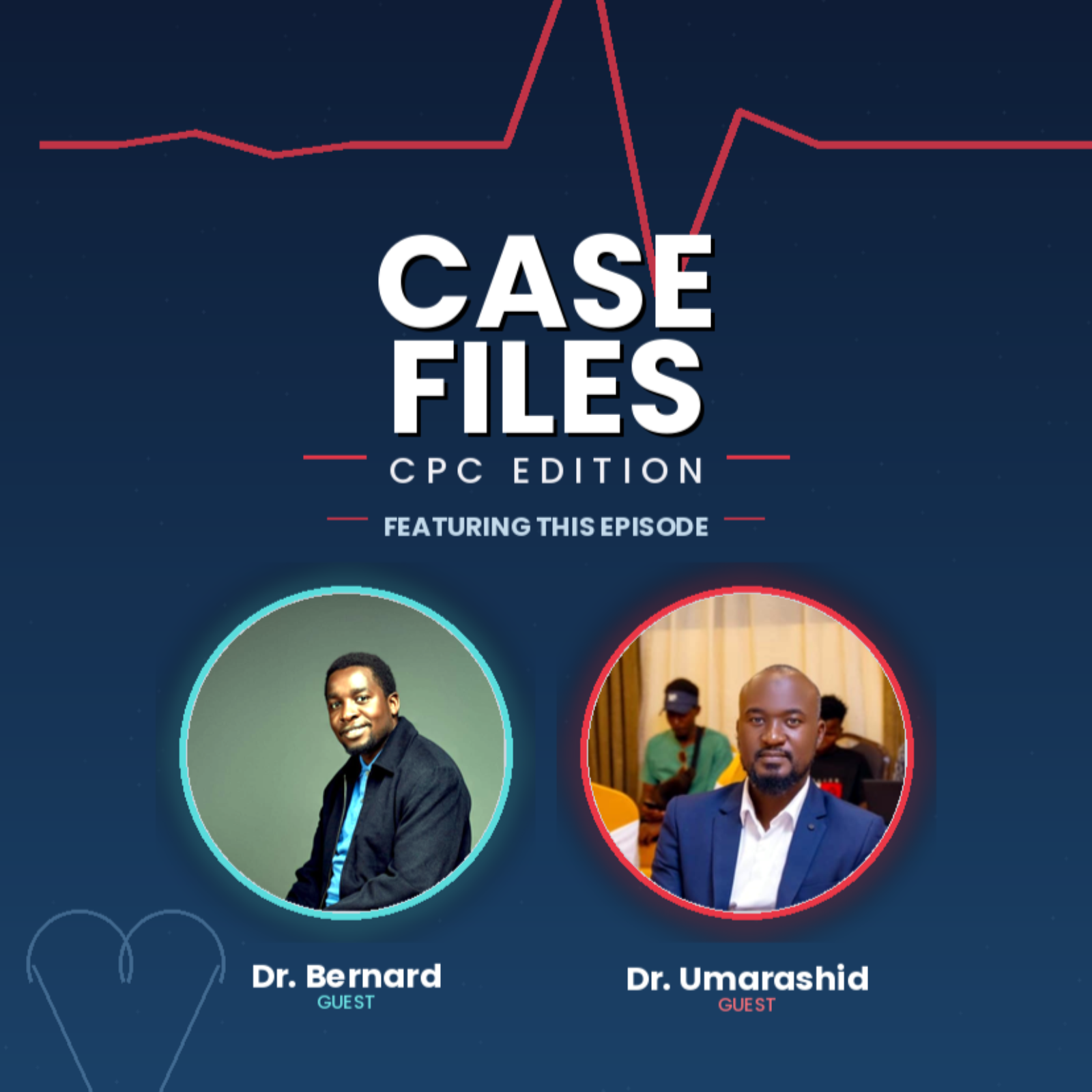
Diabetic Ketoacidosis: The storm inside
Jun 2201:02:43Tap to summarizeDescription:Experts: Dr. Bernard Mwesigye & Dr. Umarashid GulobaIn this episode A young type 1 diabetic patient arrives with: Restlessness, agitation, confusion (GCS 9/15)· Vital signs: HR 146, RR 30, SpO₂ 89%, BP 186/89· Key finding: Vitiligo patches on skin — signaling autoimmune disease (type 1 diabetes)·History: Several days of vomiting/diarrhoea → couldn't keep food or insulin down· Labs: Glucose 19 mmol/L, HbA1c 14%, ketonuria 3+· Diagnosis: DKA precipitated by gastroenteritis.KEY DISCUSSION POINTS1. Diagnosis & Differentials · DKA confirmed (hyperglycaemia + ketones + acidosis)· HHS ruled out (significant ketones present)· Hypertension = symptom of metabolic crisis, not primary problem· Sepsis considered — gastroenteritis = trigger; antibiotics started2. The "Golden Rule" of DKA ManagementNEVER give insulin if potassium < 3.5 mmol/L· Insulin drives potassium into cells → can cause fatal arrhythmias· Sequence: Check K⁺ → Replace if low → THEN start insulin3. Four Treatment PillarsFluids 5–6L deficit; switch to dextrose when glucose < 14Glucose Insulin 0.1 U/kg loading + infusion; reduce graduallyElectrolytes Potassium first; monitor every 2–4 hoursAcidosis Insulin stops ketones; bicarbonate almost never4. Critical Pitfalls to Avoid· Giving insulin before checking potassium· Dropping glucose too fast → cerebral oedema· Not treating the underlying trigger (infection)· Stopping monitoring too early — patients can deteriorate rapidly5. Euglycaemic DKA (Emerging Danger)· Seen with SGLT-2 inhibitors (empagliflozin, etc.)· Glucose may be normal despite full DKA· Always check ketones in sick patients on these drugs6. Uganda Context· Insulin access, cost, and cold chain are major challenges· Diagnosis possible with minimal resources: glucometer + urine dipstick + clinical exam· Family education on warning signs and adherence is essential to prevent recurrenceFive Takeaways1. Examine the whole patient — vitiligo signaled autoimmune type 1 diabetes2. Four goals: Fluids → Glucose → Potassium → Acidosis3. Potassium rule: Replace if < 3.5 BEFORE insulin4. Find and treat the trigger — infections are the commonest cause5. Educate family — prevents the next admissionListen to learn. Share to save lives. Mastering Emergency CareDisclaimer: For Educational Purposes only, refer to guidelines for definitive managementShow Notes & Resources:· Watch the Full Case Video: https://youtu.be/qZZ86tknD8k?si=Pczbbe-vqvcti80V
Transcribe →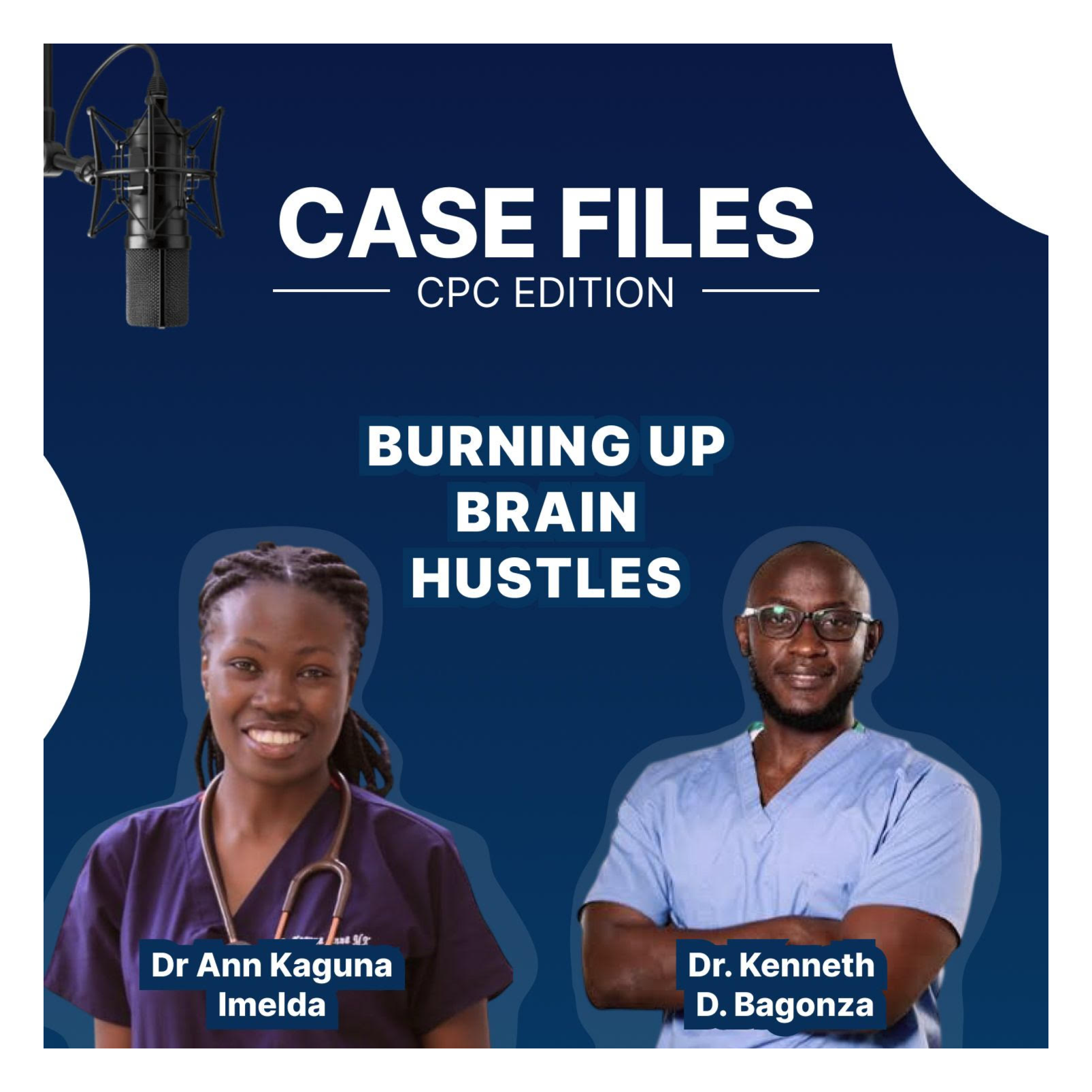
Burning up (PART B)
May 1900:30:50Tap to summarizeDescription:In this episode, an 11-year-old boy arrives unconscious, seizing, with a temperature of 40°C and tea-coloured urine. He was treated for malaria for four days. Now his kidneys are failing, his pressure is dropping, and the clock is running out.In this real-life case review, Dr. Ann Kaguna Imelda (who managed the case) and Dr. Kenneth Bagonza (EM expert) walk through every critical decision—what worked, what didn’t, and why the child was unfortunate in the end.special credit: Dr Daniel Oriba LongoyaKey points of discussion:· The red flag triad· Primary survey findings: threatened airway, shock, GCS 6· Why dextrose has no role in septic shock resuscitation· CSF Gram-positive diplococci = pneumococcal meningitis – treat immediately· Managing hyperkalemia + AKI in a crashing child· The 1-hour sepsis bundle (2026 guidelines)· qSOFA at the bedside: RR ≥22, altered mental state, SBP ≤100 – no equipment needed· Why “malaria not improving in 48 hours” demands a rethink· Final reflection: system failures, early recognition, and what we owe the next childListen to learn. Share to save lives. Mastering Emergency CareDisclaimer: For Educational Purposes only, refer to guidelines for definitive managementShow Notes & Resources:· Watch the Full Case Video: https://youtu.be/qZZ86tknD8k?si=Pczbbe-vqvcti80V· Rosen’s Emergency Medicine· Tintinalli’s Emergency Medicine· SSC 2026
Transcribe →
Burning up - Brain Hustle (PART A)
May 100:38:20Tap to summarizeDescription:In this episode, an 11-year-old boy arrives unconscious, seizing, with a temperature of 40°C and tea-coloured urine. He was treated for malaria for four days. Now his kidneys are failing, his pressure is dropping, and the clock is running out.In this real-life case review, Dr. Ann Kaguna Imelda (who managed the case) and Dr. Kenneth Bagonza (EM expert) walk through every critical decision—what worked, what didn’t, and why the child was unfortunate in the end.special credit: Dr Daniel Oriba LongoyaKey points of discussion:· The red flag triad· Primary survey findings: threatened airway, shock, GCS 6· Why dextrose has no role in septic shock resuscitation· CSF Gram-positive diplococci = pneumococcal meningitis – treat immediately· Managing hyperkalemia + AKI in a crashing child· The 1-hour sepsis bundle (2026 guidelines)· qSOFA at the bedside: RR ≥22, altered mental state, SBP ≤100 – no equipment needed· Why “malaria not improving in 48 hours” demands a rethink· Final reflection: system failures, early recognition, and what we owe the next childListen to learn. Share to save lives. Mastering Emergency CareDisclaimer: For Educational Purposes only, refer to guidelines for definitive managementShow Notes & Resources:· Watch the Full Case Video: https://youtu.be/qZZ86tknD8k?si=Pczbbe-vqvcti80V· Rosen’s Emergency Medicine· Tintinalli’s Emergency Medicine· SSC 2026
Transcribe →
The Unresponsive Patient: Altered Mental Status
Apr 200:35:17Tap to summarizeIn this episode, we walk through a high-stakes emergency: a 53-year-old woman with known hypertension who collapses at home, seizes, and arrives at the ED with a GCS of 8 and a blood pressure of 209/120 mmHg.Join your hosts Dr Daniel Olinga and Dr Emmanuel David Okumu, along with special guests Dr. Brian Twinemastiko and Dr. Ruzige Bashir Rashid, as we explore the critical, real-world decisions made when the textbook meetsreality.We Discuss· How to build and narrow a differential for altered mental status· Why dropping BP too fast can cause a stroke· The pathophysiology of PRES (Posterior Reversible Encephalopathy Syndrome)· Practical management in a resource-limited setting like Uganda· Key pitfalls: oral antihypertensives, missed pulmonary edema, and nutrition neglectTune in to learn how to manage Altered Mental Status secondary to Hypertensive Encephalopathy a pragmatic approach.Disclaimer: For Educational Purposes only, refer to guidelines for definitive managementShow Notes & Resources:· Watch the Full Case Video: https://youtu.be/qZZ86tknD8k?si=Pczbbe-vqvcti80V· Rosen’s Emergency Medicine· Tintinalli’s Emergency Medicine· BMJ 2024: Evaluation and Management of Hypertensive Emergency· PubMed: 40818477, 10972386· NEJM: 1990;323(17):1178–1184
Transcribe →
ARDS in Trauma
Mar 500:40:10Tap to summarizeIn this episode, we tackle this exact nightmare scenario, breaking down a recent CPC case ofa polytrauma patient who develops ARDS. Join your hosts Dr Daniel Olinga and DrEmmanuel David Okumu, along with special guests Dr. Ambrose Okello and Dr. UmarRashid, as we explore the critical, real-world decisions made when the textbook meetsreality.We discuss:The Case: A rapid recap of the 48-year-old male patient, day 5 post-RTA with rib, femur, and mandible fractures, and his sudden respiratory decompensation.Defining ARDS Without Resources: Why the classic Berlin Definition fails us and how the Kigali Modification (using SpO2/FiO2 ratios and POCUS) allows for a clinical diagnosis of ARDS without a ventilator or ABG.The Management DilemmaGlobal vs. Local RealityVentilation: Low Tidal Volume ventilation in the West vs. Awake Proning on High Flow Nasal Cannula (HFNC) in Uganda.Monitoring: Daily CT scans vs. Lung POCUS to instantly differentiate edema from pneumothorax.The Silent Killers: Why DVT prophylaxis is critical, why Tramadol isn't enough for pain, and the often-overlooked reality of nutrition—how a mandible fracture can lead to death from hypoglycemia if an NG tube isn't placed and the family isn't educated on liquid feeds.Tune in to learn how to treat ARDS with what you have: Oxygen, positioning, ultrasound,and a pragmatic approach.Disclaimer: For Educational Purposes only, refer to guidelines for definitive managementShow Notes & Resources:· Watch the Full Case Video: https://youtu.be/qZZ86tknD8k?si=Pczbbe-vqvcti80V· The Kigali Modification: Riviello et al. (2016) - Diagnosing ARDS without ABGs orVentilators.· ARISE-AFRICA Protocol: Recent trials on CPAP/HFNC in African settings.
Transcribe →