← Catholic Saints & Feasts of the Liturgical Year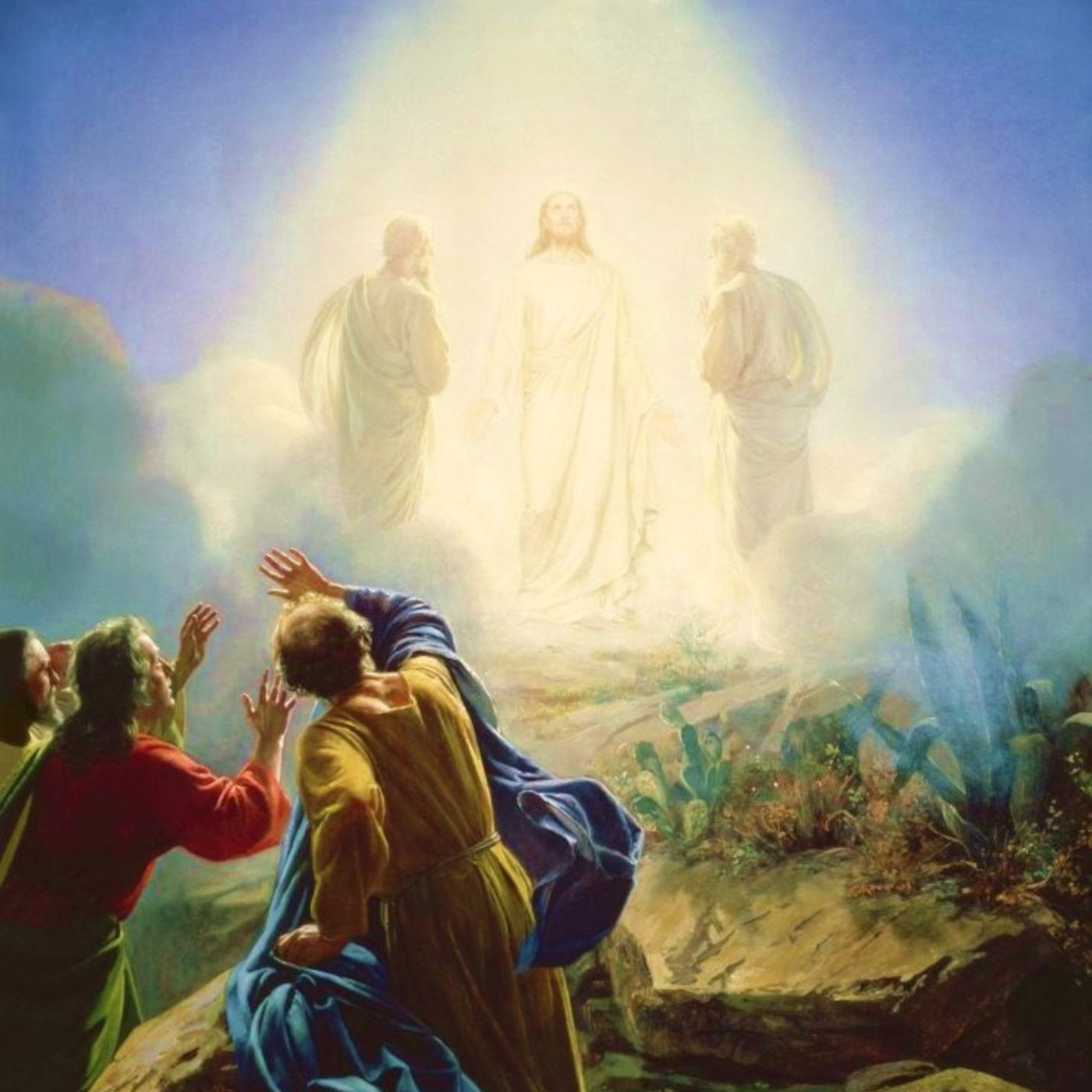
Catholic Saints & Feasts of the Liturgical Year
August 6 - Transfiguration of the Lord—Feast
00:06:30
https://mycatholic.life/saints/saints-of-the-liturgical-year/august-6---transfiguration-of-the-lord/ August 6: Transfiguration of the Lord—Feast c. 32 Quote: After six days Jesus took Peter, James, and John his brother, and led them up a high...
Loading summary
Transcript1 lines
- [00:05]
A
Welcome to saints and feasts of the liturgical year from my Catholic life. Aug. 6 the Transfiguration of the Lord feast, circa 32 A.D. after six days, Jesus took Peter, James and John his brother and led them up a high mountain by themselves. And he was transfigured before them. His face shone like the sun and his clothes became white as light. And behold, Moses and Elijah appeared to them conversing with him. Then Peter said to Jesus in reply, lord, it is good that we are here. If you wish, I will make three tents here. One for you, one for Moses, and one for Elijah. While he was still speaking, behold a bright cloud cast a shadow over them. Then from the cloud came a voice that said, this is my beloved Son, with whom I am well pleased. Listen to Him. Matthew 17:1 5 Today's Reflection all three of the synoptic gospels record the event of the Lord's Transfiguration. Just prior to the transfiguration, all three gospels also record Jesus trip with his disciples to Caesarea Philippi. Located about 30 miles north of the Sea of Galilee, Caesarea Philippi was a primarily pagan Greek town occupied by the Romans. The Greek God Pan was worshipped there in a cave thought to to be bottomless and often referred to as the gate to the netherworld because of its association with the pagan God. It was there that Jesus asked his disciples who they thought he was. Peter declared, you are the Messiah, the son of the living God. Jesus then blessed Peter and announced his intent to build his church upon Peter, declaring that the gates of the netherworld shall not prevail against it. After this significant exchange, Jesus began revealing to his disciples his impending fate, his journey to Jerusalem to suffer and die. Peter resisted this revelation, to which Jesus responds sternly, correcting Peter's human thinking with divine wisdom. This is the context of the Feast of the Transfiguration we celebrate today. First, Jesus proclaimed the triumph of his church over evil. Second, he informed them that this victory would be achieved through his own suffering and death. Although the first message is encouraging, the second one is challenging to accept. According to the Gospels, Jesus allowed his disciples about a week to grapple with these teachings, a period that must have been tough for them. Understanding their struggle, Jesus took his three closest companions, Peter, James and John, up a high mountain. There he was transfigured before them, radiating pure white light, conversing with Moses and Elijah, and being affirmed in his identity by the Father. This event was likely meant to reinforce his disciples faith. After a week of pondering, Jesus foretold suffering and death, along with his exhortation that they must follow him. The Transfiguration affirmed Jesus divinity and his relationship with the revered figures of Moses and Elijah. Furthermore, the Father in Heaven confirmed Jesus as his Divine Son, with whom he was well pleased. After the resurrection and ascension of Jesus, these three apostles shared their experience of the Transfiguration, fortifying others in the faith. This story is still shared today to strengthen us as we bear our own crosses. The Feast of the Transfiguration is strategically placed 40 days before the Feast of the Triumph of the Cross. Thus, the Transfiguration should be seen as a preparation for both the cross of Christ and our participation in that triumph. According to the Gospel, we are called to take up our crosses and follow Jesus for the glory of the Father, the fulfillment of his will and the good of the Church, which will always prevail against the gates of hell. As you celebrate the Transfiguration today, look at this event as a foretaste of the reward awaiting you and a source of encouragement to endure all sufferings for the final victory of Christ. The Christian life, as stated by Jesus himself, is about suffering and dying out of love with unwavering hope. By uniting our trials with Christ's Cross, we share in his glorious victory for all eternity. Let us pray. My transfigured Lord, you promise suffering and death to all who follow you, but you also promise the hope that awaits those who endure. Grant me the grace to endure every cross in life, uniting my sufferings with yours, so that I may one day partake in the glory of eternal life in heaven. Jesus, I trust in you.