← Catholic Saints & Feasts of the Liturgical Year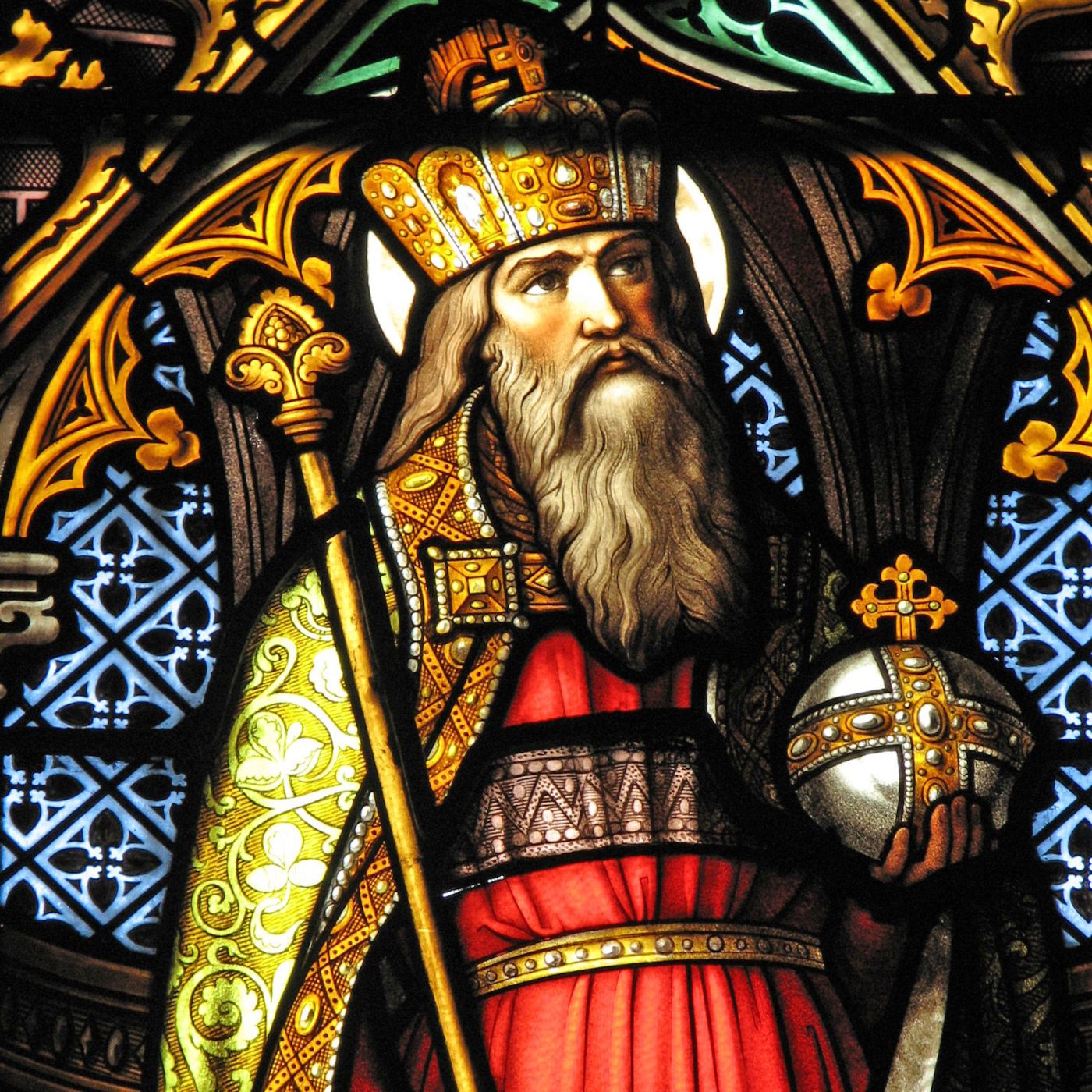
Catholic Saints & Feasts of the Liturgical Year
July 13- Saint Henry—Optional Memorial
00:08:57
https://mycatholic.life/saints/saints-of-the-liturgical-year/july-13---saint-henry/ July 13: Saint Henry—Optional Memorial 973–1024 Patron Saint of kings, Benedictine Oblates, handicapped people, and those rejected from religious orders Invoked...
Loading summary
Transcript1 lines
- [00:05]
A
Welcome to saints and feasts of the liturgical year from my Catholic life. July 13St. Henry Optional Memorial 973 to 1024 patron saint of kings, Benedictine Oblates, handicapped people and those rejected from religious orders Invoked against stone sterility. Canonized by Pope Eugene III in 1146, prayer seemed the chief delight and support of his soul, especially the public office of the Church. Assisting one day at this holy function at Starsburg, he so earnestly desired to remain always there to sing the divine praises among the devout canons of that church, that finding this impossible, he founded there a new canonry for one who should always perform that sacred duty in his name. From the Butler's Lives of the Saints Today's Reflection Born into a royal family in Bavaria, Henry's father was the Duke of Bavaria, and his paternal grandfather was the King of Germany. His maternal grandfather was the King of Burgundy. His father's conflict with Holy Roman Emperor Otto II led to the duke's exile and loss of title. Consequently, Henry was sent to study under the canons of the Cathedral of Hildesheim. Later he received an exemplary Christian education from Bishop Wolfgang of Regensburg, who was later canonized a saint. When Henry was 10, Otto II died, and Otto III's regent restored his father as duke. Twelve years later, after his father's death, Henry succeeded him as Duke of Bavaria. Shortly afterwards he married Canungunde of Luxembourg, who would also be canonized. The two formed a saintly couple who never had children. Some accounts state that they mutually agreed to live in celibacy. In 1002, Holy Roman Emperor Otto III died suddenly at the age of 21 without an heir, leaving the throne vacant. As Otto's cousin, Henry made a claim to the throne but failed to gain the full support of the nobility. Regardless, he had himself crowned King of Germany and then spent the next several years seeking support for his coronation as Holy Roman emperor. Finally, in 1014, Henry II was crowned Holy Roman Emperor by Pope Benedict VIII in Rome. Henry was known as a man of great faith who maintained a close relationship with the Church. He collaborated with the Church to appoint devout and loyal bishops, reform German bishops, create new dioceses, and endow bishops with temporal power. Alongside their spiritual power, Henry was also a man of great charity. His generosity with his wealth was such that many of his relatives complained he was being irresponsible. Undeterred, Henry felt his primary duty as emperor was to strengthen the Church, spread faith and exemplify charity. His generosity extended not only to the poor and the Church, but also to his enemies. He successfully ended wars and uprisings, pardoning those who rebelled against him and restoring peace to the kingdom. On a personal level, Henry was fond of prayer, often visiting churches in each city he visited for extended periods of time. He harbored a deep devotion to the Mother of God, regularly received the sacraments and and prayed the divine office. One of Henry's greatest contributions to the church was his dedication to monastic life. He constructed monasteries and supported monastic reform since the time of St. Benedict. Five centuries earlier, the rule of St. Benedict had become the norm guiding most monasteries. However, over time, Benedict's rule became neglected and monastic life started to suffer. Politics and ambition entered monastic life and prayer was no longer the central focus. In the early to mid 10th century, one of the primary centers of monastic reform was the Abbey of Cluny. Saint Otto of Cluny had helped to spark reform across Europe and the numerous Benedictine monasteries. After St. Otto's death in 949, others continued his good work. In 994, Saint Odilo became abbot of Cluny. Once Henry became king and Holy Roman Emperor, the two worked closely together, Henry regularly seeking the Council of Saint Odilo. One of Henry's most important contributions to the church was the building of a monastery in Bamberg, Germany, which he made a cathedral and a new diocese. He worked to make this monastery the new Rome of Germany and sought to make its spiritual influence felt far and wide. Of all the Holy Roman emperors throughout the ages, only King Henry II is recognized as a saint. While many Holy Roman Emperors might have had strong faith and advanced it, St. Henry stands out. One could argue that when someone is given great power, it often brings with it great temptation. It's challenging to exercise such power without going to one's head. St. Henry wasn't like that. Despite his engagement in political battles, warring his entourage of politically ambitious people, royal treatment and luxurious lifestyle, St. Henry loved God and sought to use his power and wealth to further the mission of the Church. For this reason, St. Henry is an ideal model for all those who govern or are entrusted with wealth or power. As we honor this saintly king, consider the temptations you might face if granted great riches and power. How would you use those temporal gifts? Would you dedicate them to the service of the gospel or use them for selfish gain? Whether you are rich or poor, powerful or lowly in the world, follow St. Henry's example by devoting all your energies, gifts and possessions to the service of the gospel. Understand that God will take whatever you have to offer, large or small, and use it for the greater good. Let us pray. St. Henry, you were crowned as Holy Roman Emperor, one of the greatest worldly honors one could ever receive. You accepted this gift with humility and used it for good. Please pray for me that I will devote all that I have and all that I am to the service of God, not using it for selfish gain, but for the glory of God and the salvation of souls. St. Henry, pray for me. Jesus, I trust in you.