Podcast
Central Church Podcast
Hosted by Central Church · EN
A collection of sermons from Central Church that reflect our great need for Christ and Christ's great love for us
15episodes
Episodes
Newest firstAll episodes
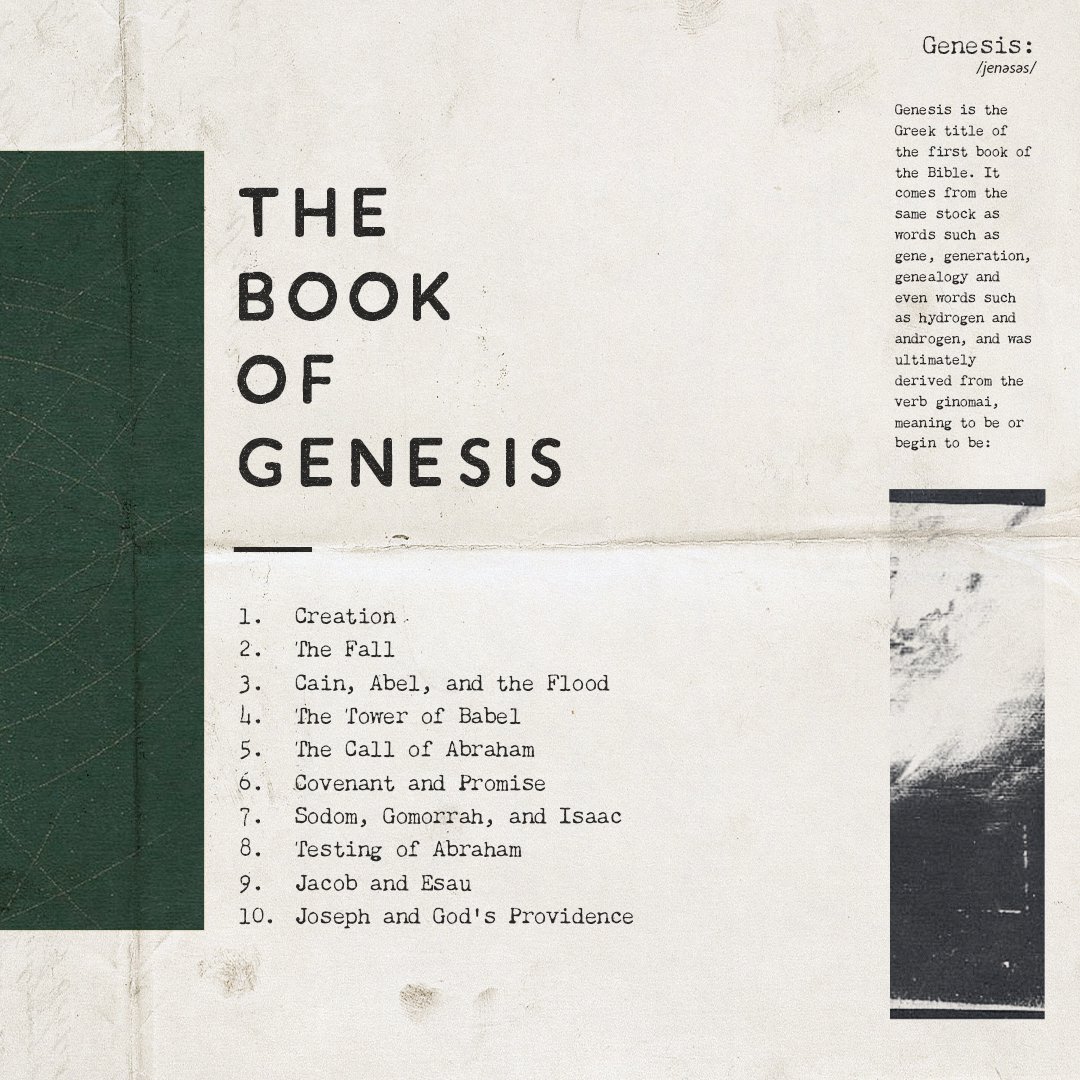
Week 4
3w ago00:29:34Tap to summarizeAs we arrive in Genesis 11, we see a concentrated effort from a people desperately trying to make a great name for themselves, so they seek to build a tower in the heavens. In response, God does what they were trying to avoid and scatters them all over the earth, which gives us the reason for the Table of Nations in Genesis 10. Jac Munson explains how mankind continued to fracture God's creation, how they were dispersed all over the earth, and how Jesus Christ began to reconcile people back to Himself.
Transcribe →Week 3
Jul 1900:25:33Tap to summarizeAfter Adam and Eve are exiled from the garden, they find themselves in the role of parents. Eve gives birth to Cain and declares this child has been born with the help of the Lord, and then gives birth to his brother, Abel. Although born first, we see how sin deeply affects Cain, and we examine three things that sin causes Cain to be: it makes him partial, it makes him selfish, and it makes him innocent. But through the story, we see how Jesus Christ would come to be the true and better Cain.
Transcribe →Week 2
Jul 1200:23:38Tap to summarizeIt was in the garden that sin was introduced into the world. Man and woman were given the freedom to eat from any tree except for one that the Lord forbid. After being deceived, their disobedience created a chasm into God's design and His relationship with His creation, but we know that the story doesn't end with man's disobedience, but with Christ's obedience. Just as Paul writes, "Therefore, just as sin entered the world through one man, and death through sin, and in this way death came to all men, because all sinned... how much more will those who receive God's abundant provision of grace and of the gift of righteousness reign in life through the one man, Jesus Christ."
Transcribe →Week 1
Jul 500:25:18Tap to summarizeIn the creation narrative, God extensively gives life and beauty to the world that we know over the course of 6 days, and on the 7th day, He rests. Life in the garden was complete: there was no chaos, no disorder, no sin, until the rebellion of mankind in chapter 3. Pastor Jon Nelson opens up this series with a message from Genesis 1-3.
Transcribe →
Lust
Jun 2800:22:53Tap to summarizePastor Jon concludes our sermon series on the 7 deadly sins with a sermon on lust, sharing on the temptations of King David and Bathsheba and Joseph with Potiphar's wife
Transcribe →Gluttony
Jun 2100:29:30Tap to summarizeFood and drink have been given to us by God as a way to enjoy Him and His goodness. As the story has continued on, we have detoured from using it as a way to enjoy God and have turned it into a god itself. The gluttonous person is driven by appetite, and it's not just in the quantity of what's consumed, but also in the quality of preference. Jac Munson reads from Philippians 3 and John 6 on the complicated relationship sin has caused us to have with food.
Transcribe →Greed
Jun 1400:23:54Tap to summarizeCentral Youth director Griffen Molenburg gives a sermon on the deadly sin of greed.
Transcribe →Sloth
Jun 700:26:37Tap to summarizeA large component of the human life is work. Too much, too little; over-accomplished, under-accomplished. When talking about the sin of slothfulness, we tend to equate it with laziness, but it's much broader than that. We can become lazy and miss out on the greater good in front of us, but we can also be so consumed by over-working that we also miss the greater good that is in front of us.
Transcribe →Anger
May 3100:24:36Tap to summarizeWe often times have expectations of how we want things to go or a certain way that we want people to act, but what happens when those expectations aren't met? We become angry. Anger is no longer just about the expression, but it's about the feeling. Jesus, when talking about anger, equates it to committing murder. What causes us to be angry, and how do we deal with it?
Transcribe →Envy
May 2400:26:51Tap to summarizeEnvy can easily turn good things into bad things. Whether it's a possession that someone else has, or a reason to celebrate that we don't, it can cause competition between us and others and spiral us down into feelings of bitterness and resentment. After all, envy is what caused Cain to kill his brother Abel. Pastor Jon preaches from Genesis and Matthew on the issue of envy.
Transcribe →