Podcast
CEOs and ABCs
Hosted by Kevin Rice · EN
CEOs & ABCs is the podcast for high performers who lead at work and show up at home.
Hosted by Kevin Rice, this show features candid conversations with executives, founders, and rising leaders about how they’ve advanced their careers while staying present for the moments that matter most... raising kids, building strong partnerships, and prioritizing their health.
Each episode dives into executive career advice, leadership development, work-life balance, and the realities of parenting while managing demanding professional lives. Whether you’re navigating promotions, team growth, toddler tantrums, or time management, you’ll find insights and inspiration to lead with intention - both at work and at home.
️ New episodes weekly
Topics: Career growth, executive mindset, parenting, burnout prevention, productivity, and more
For working parents, driven professionals, and leaders building meaningful lives
Subscribe now and join the journey from "boardrooms to bedtime stories."
17episodes
Episodes
Newest firstAll episodes
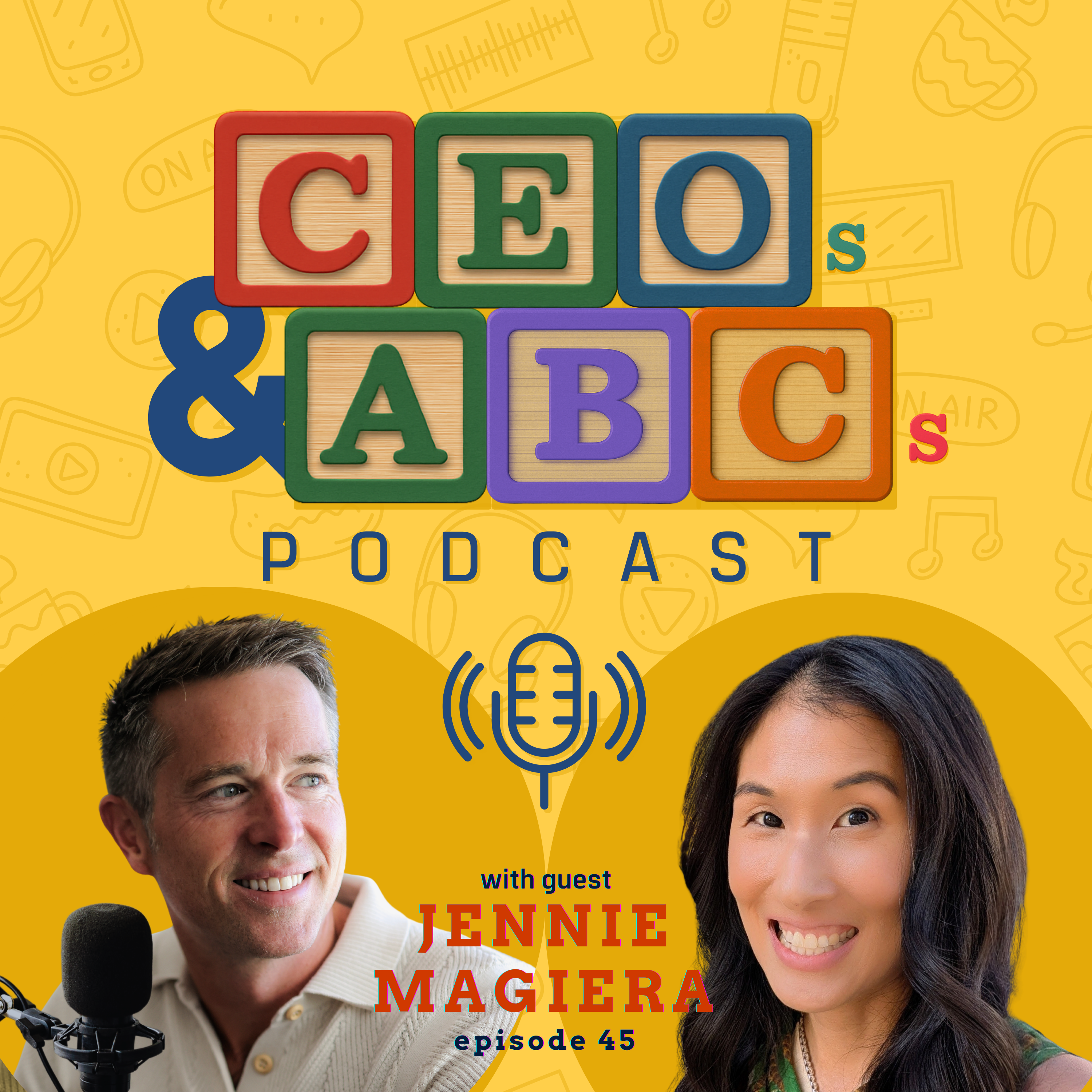
Jennie Magiera (Google, US Department of Education & Chicago Public Schools) A Conversation on: Balancing IVF in the Workplace and Transforming Education with AI #45
6d ago00:47:51Tap to summarizeIn this episode of CEOs & ABCs, Kevin sits down with Jennie Magiera, Global Head of Education and Impact at Google, to explore the six years she spent trying to become a mother while ascending through some of the most demanding roles in education technology, and what that journey taught her about presence, purpose, and raising children in an AI world. Jennie went through multiple rounds of IVF across three different jobs, cancelling keynotes for egg retrievals, writing substitute lesson plans every night not knowing if she would need them, and fielding questions from colleagues who did not understand why she could not reschedule a surgery. When Lucy was finally born, Jennie had to write apology letters in her head to every parent she had ever dismissed as overreacting. She finally understood what was at stake. The conversation also goes somewhere harder. Jennie shares the postpartum depression she experienced with her second daughter Nora, the years she felt she was looking at someone else's baby, and the therapy and one-on-one time that eventually brought them to where they are now. Besties. Kevin and Jennie also get into what intentional presence looks like when you spend a hundred nights in hotels a year. Broadway shows on a Tuesday with Lucy. Nail salon trips with Nora. IHOP at 3am in pyjamas because nobody can sleep. And the moment Lucy told Jennie she was not upset about the travel because when her mum is home, she does more than other mums who never leave. This is a conversation about IVF, postpartum, AI for kids, and what it means to be fully present in the pockets you actually have. In This Episode, You'll Learn: What IVF actually does to your career across six years and three different jobs How becoming a mother reframed every parent Jennie had ever dismissed as overreacting Why being transparent about IVF at work created safety for other women at Google How Jennie uses Gemini with her seven-year-old, always supervised, always debriefed What happened when Lucy asked Gemini to explain crucifixion The four safeguards every parent should put in place before introducing AI to their kids Why social emotional capacity is the skill AI will never replace How to apply an ROI lens to your time at home the same way you would at work Top Takeaways: You cannot have it all and that is not failure. Make peace with what you are prioritising now. Presence is not volume of time. It is what you do inside the pockets you have. Supervised, purposeful, and debriefed is the only responsible way to introduce AI to young children. Technology is a tool, not the answer. Knowing when to use it is the skill worth teaching. Social emotional capacity is what separates humans from machines. Build it early. If you have the capital to name what you are going through at work, use it. You create space for everyone around you. About Jennie Magiera:Jennie Magiera is Global Head of Education and Impact at Google, leading a team that supports educators and students across the world. A former classroom teacher, school district CTO, and contributor to the US Department of Education's Education Technology Plan, she was recognised with the Obama White House Champion for Change Award. She is the author of Courageous Edventures and a TEDx speaker. She lives in Chicago with her husband and two daughters, Lucy and Nora. If this episode made you rethink leadership, career growth, work-life balance, or working parenthood, subscribe to the CEOs & ABCs Podcast for more conversations with CEOs, founders, and global executives. Share this episode with a colleague navigating work-life balance, and comment below with the biggest lesson you took from Jennie Magiera. Follow Jennie Magiera: LinkedIn: https://www.linkedin.com/in/magiera/ Book: https://www.amazon.com/Courageous-Edventures-Navigating-Innovation-Essentials/ Company: https://edu.google.com/intl/ALL_us/ Follow our host Kevin Rice on: LinkedIn: LinkedIn/KevinMRice Website: ceosandabcs.com Instagram: Instagram/ceosandabcs Follow the CEOs & ABCs Podcast and stay updated: Subscribe to the CEOs & ABCs Podcast: Newsletter: CEOs and ABCs Newsletter LinkedIn: LinkedIn/ceosandabcs Website: ceosandabcs.com YouTube: Youtube/ceosandabcs Spotify: Spotify/ceosandabcs
Transcribe →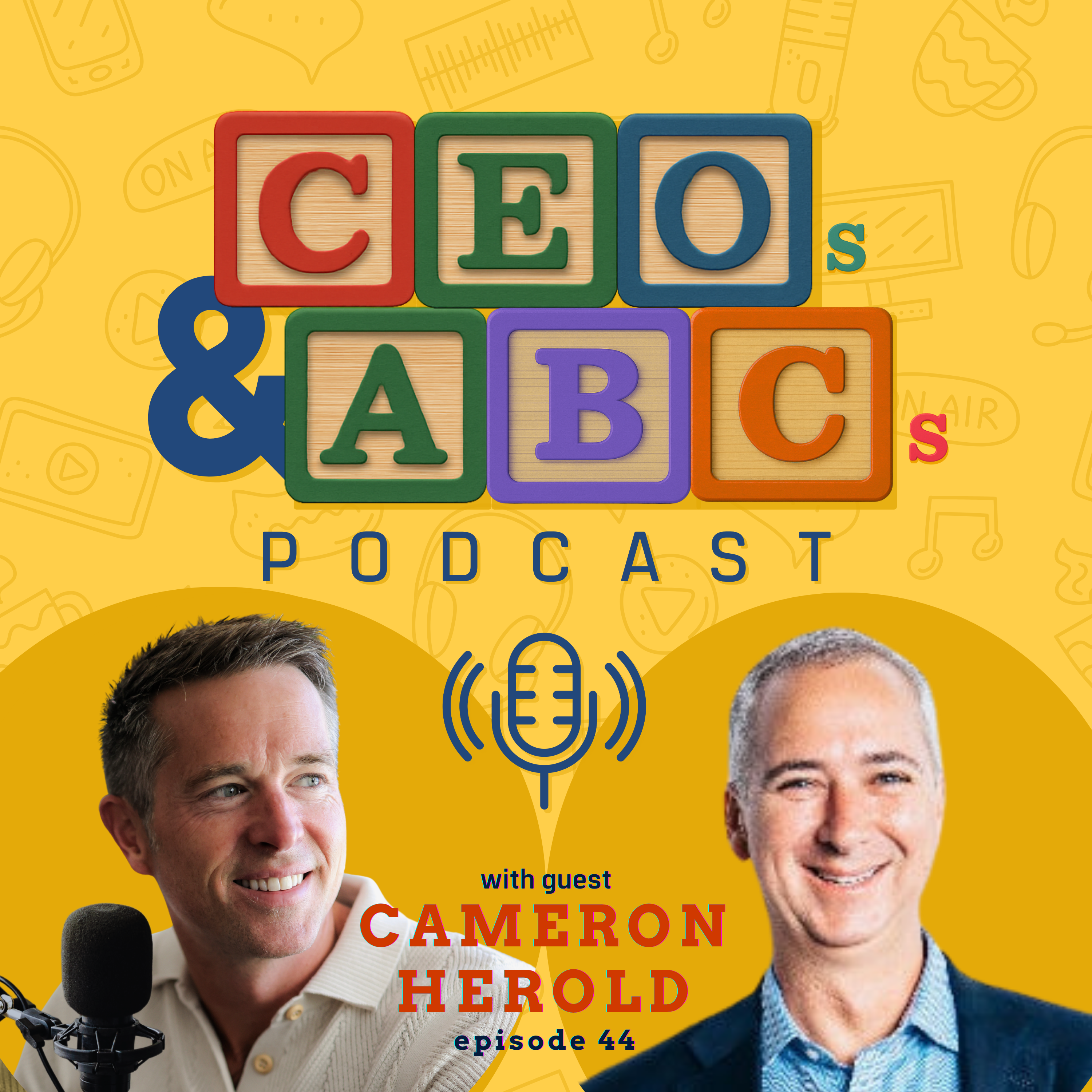
Cameron Herold (1-800-Got-Junk? & COO Alliance) Mastering Work-Life Balance, Healing from Extreme Burnout & The Bucket List Mindset
2w ago00:50:00Tap to summarizeIn this episode of CEOs & ABCs, Kevin sits down with Cameron Herold, the COO who helped scale 1-800-GOT-JUNK from $2 million to $106 million, to explore what happens when someone who built their identity around business finally decides to build a life instead. Cameron did not slow down quietly. He left 1-800-GOT-JUNK and spent four months not returning a single email. He journaled every day, made lists of everything he was good at and everything he was not, and came out the other side knowing exactly what he loved. Five years ago, he and his wife sold the house, the cars, and the furniture, packed two carry-on bags each, and have been living as nomads across 80 countries ever since. But the more honest part of this conversation is what came before all of that. The stress score of 435 on a scale where 250 means a 90 percent chance of a heart attack. The second son he barely connected with in the early years because a toddler was easier to take skiing than a newborn. The long road back to a relationship where that same son now texts him every few hours and spent the whole day with him in London this week. Kevin and Cameron also get into the moment Cameron realised he did not want his kids to describe him by what he did to make money. He wanted them to talk about his hobbies, his cooking, his travels, his sense of adventure. That reframe changed everything. This is a conversation about burnout, bucket lists, building real relationships with your kids, and why your business is not your hobby. In This Episode, You'll Learn: Why Cameron scored 435 on a cardiac stress scale and what it forced him to confront How four months of journaling after leaving a hyper-growth company clarified the rest of his life What it cost him to prioritise his older son over his youngest and how they rebuilt Why being the first executive with kids changes a company's culture for everyone who follows How Cameron uses visualisation to transition out of work mode before walking through the front door What a Vivid Vision is and how to write one for your life, not just your business Why your kids will not want to spend time with you if work is your only hobby Top Takeaways: Your to-do list does not have your name on it. Delegate, automate, or stop doing it. You do not have to take care of your kids tonight. You get to. No kid wants to be friends with a parent whose only identity is their job. Build a bucket list now. Do not wait until you have earned the time to live. Reframe everything. Crumbs under the table mean your kids are still home. Presence is a practice. Phone away, transition ritual in place, eyes on the people in front of you. About Cameron Herold:Cameron Herold is the founder of the COO Alliance, a global community of second-in-commands operating across 17 countries. As COO of 1-800-GOT-JUNK, he helped scale the company from $2 million to $106 million. He is the author of seven bestselling books including Vivid Vision and Second in Command, and has been paid to speak in 30 countries over 800 times. He lives nomadically with his wife, travels with a bathroom scale in his carry-on, and wants his sons to describe him by his hobbies. Share this episode with a colleague navigating work-life balance, and comment below with the biggest lesson you took from Cameron Herold. Follow Cameron Herold: LinkedIn: https://www.linkedin.com/in/cameronherold/ Website: https://cameronherold.com/about/ Books: https://cooalliance.com/camerons-books/ Company: https://cooalliance.com/ Cameron's Bucket List Follow our host Kevin Rice on: LinkedIn: LinkedIn/KevinMRice Website: ceosandabcs.com Instagram: Instagram/ceosandabcs Follow the CEOs & ABCs Podcast and stay updated: Subscribe to the CEOs & ABCs Podcast: Newsletter: CEOs and ABCs Newsletter LinkedIn: LinkedIn/ceosandabcs Website: ceosandabcs.com YouTube: Youtube/ceosandabcs Spotify: Spotify/ceosandabcs Apple Podcasts: Apple/ceosandabcs
Transcribe →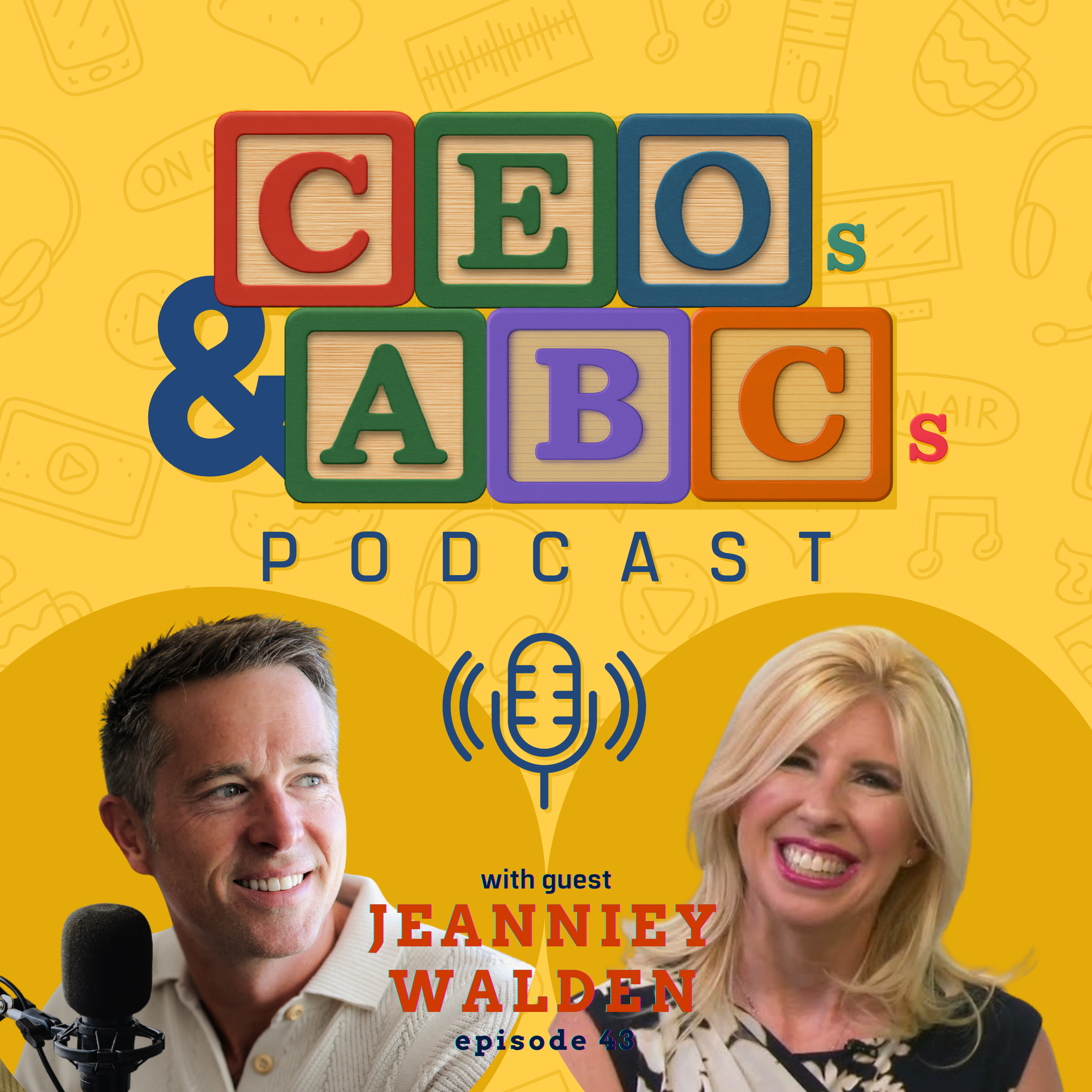
Jeanniey Walden (Liftoff Enterprises, Rakuten, Rite Aid) The Sole Breadwinner Who Quit Her Job on a Gut Feeling and Why the AIR Method Works at Home Too #43
3w ago00:49:56Tap to summarizeIn this episode of CEOs & ABCs, Kevin sits down with Jeanniey Walden, CEO of Liftoff Enterprises, bestselling author of The Trust Threshold, and TV host reaching 81 million households, to explore what a substitute teacher turned CMO learned about earning attention, building trust, and why the same principles that grow businesses are the ones that keep families together. Jeanniey's career defies a straight line. From JCPenney to email marketing pioneer to CMO at Mercer, Rite Aid, and Rakuten, she kept jumping toward whatever was new, uncomfortable, and unproven. She did not have a business degree. She had a teaching credential and the instinct that if you can earn the attention of a room full of kids who do not want to listen to you, you can earn it anywhere. That instinct became the AIR framework: authenticity, inspiration, relatability. And she applies it everywhere including at home with a blended family of five. The stories in this episode are the ones that stick. Her eight-year-old raising her hand at a packed industry conference to tell the room she had no idea what her mom just said, but she was really proud of her. The Walden Weekends, built to turn ordinary Saturdays into adventures worth remembering. The birthday chair. The red plate. The dollar store scavenger hunts. And the moment she came home as the sole breadwinner and told her family she was quitting her job to try something she had never done before. This is a conversation about traditions, trust, and the quiet belief that when you open yourself up to good things, good things tend to come. In This Episode, You'll Learn: What the AIR framework is and why authenticity, inspiration, and relatability build trust faster than any strategy Why Jeanniey's teaching background became the foundation of every campaign, keynote, and leadership decision she has ever made How she brought her kids into her work world and what it gave them both Why she quit her job as the sole breadwinner to chase an opportunity she was not sure would work What Walden Weekends are and how one family turned ordinary time into lasting tradition How to stay connected with kids across distance, different ages, and unpredictable schedules Why empathy and strategic thinking are the two skills that will matter most in an AI-driven world What it looks like to take risks when you have a family counting on you Top Takeaways: Trust builds belief and belief builds business. That sequence does not change whether you are selling a product or raising a kid. Your kids are not an excuse. Make thoughtful commitments at work and honour them. Ask for support at work before you desperately need it. Most people want to help. Do not let having a family talk you out of a risk worth taking. The world opens up when you do. Traditions are not just rituals. They are proof that your family is worth showing up for, every single time. It does not get easier when your kids get older. It gets better. And they still need you. Take the adventure path. Turn the ordinary thing into the one they will talk about for years. About Jeanniey Walden: Jeanniey Walden is CEO of Liftoff Enterprises, host of Liftoff with Jeanniey Walden reaching 81 million households, and bestselling author of The Trust Threshold. She has held CMO roles at Mercer, Rite Aid, and Rakuten, and has spoken at the World Economic Forum and TEDx. She lives in New Jersey with her husband Vince and is mom to a blended family of five, grandmother to one, and celebrates every weekend with a Walden Weekend. If this episode made you rethink leadership, career growth, work-life balance, or working parenthood, subscribe to the CEOs & ABCs Podcast for more conversations with CEOs, founders, and global executives. Share this episode with a colleague navigating work-life balance, and comment below with the biggest lesson you took from Jeanniey Walden. Follow Jeanniey Walden: LinkedIn: https://www.linkedin.com/in/jeannieywalden/ Website: https://jeannieywalden.com/ Book: https://www.liftoffcompany.com/the-trust-threshold/the-book/ Company: https://www.liftoffcompany.com/ Follow our host Kevin Rice on: LinkedIn: LinkedIn/KevinMRice Website: ceosandabcs.com Instagram: Instagram/ceosandabcs Follow the CEOs & ABCs Podcast and stay updated: Subscribe to the CEOs & ABCs Podcast: Newsletter: CEOs and ABCs Newsletter LinkedIn: LinkedIn/ceosandabcs Website: ceosandabcs.com YouTube: Youtube/ceosandabcs Spotify: Spotify/ceosandabcs Apple Podcasts: Apple/ceosandabcs
Transcribe →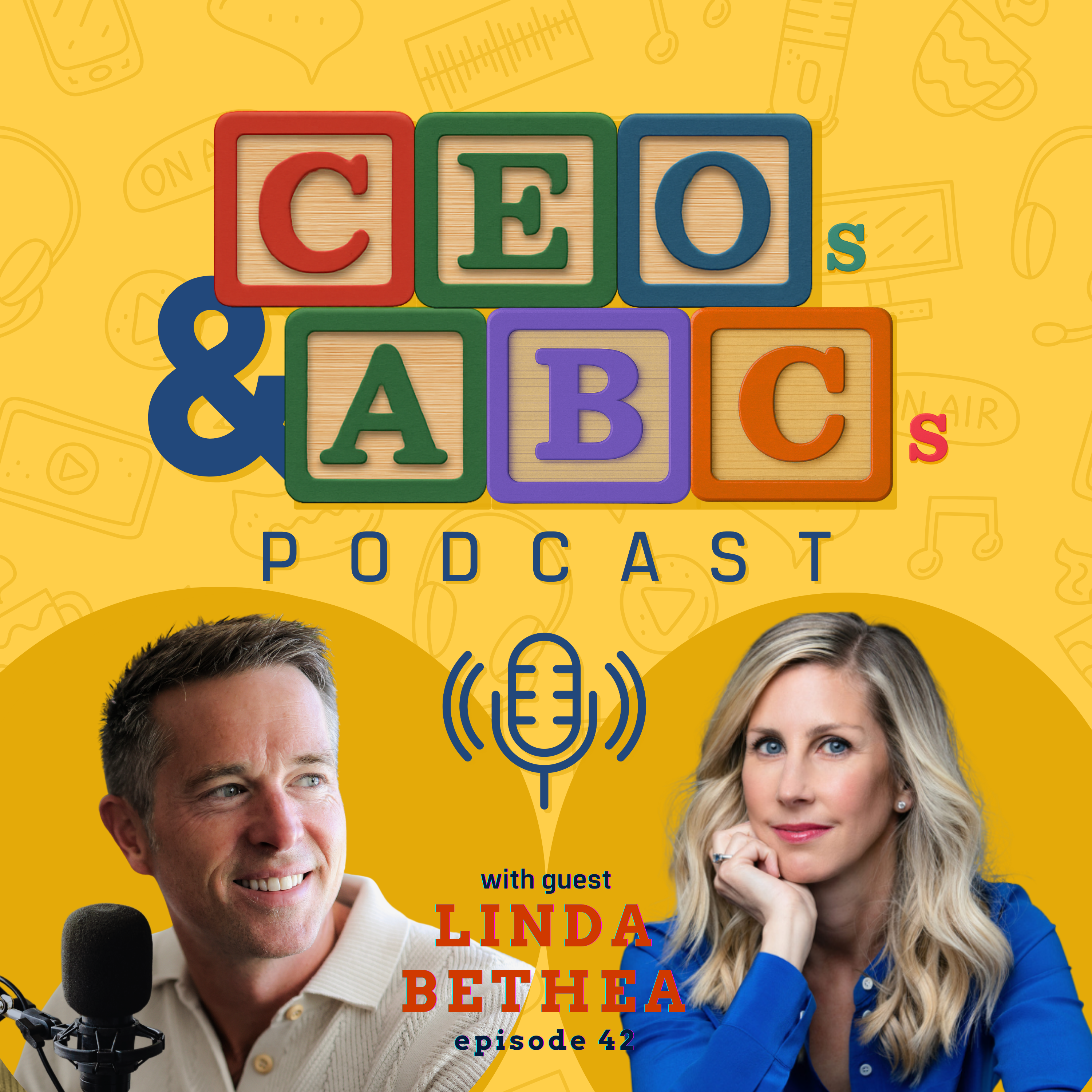
Linda Bethea (PepsiCo, Frito-Lay, Danone) The Leadership Style Used to Build High Performing Teams, Work-Life Integration & Starting a Business with your Daughter #42
4w ago00:47:35Tap to summarizeIn this episode, Linda Bethea shares her journey of balancing a successful executive career with motherhood, emphasizing the importance of authenticity, vulnerability, and intentionality in leadership and parenting. She discusses her experiences with work-life integration, supporting working parents, and fostering strong relationships with her daughter. From Frito-Lay to PepsiCo to Diageo to CMO of Danone, Linda built one of the most decorated careers in food and beverage marketing while navigating divorce, single motherhood, and the quiet pressure to keep her personal life out of the office. She refused. She became the role model she never had, openly leaving early for school pickups, bringing her daughter to the office when childcare fell through, and taking a three-month sabbatical at the height of her divorce because her daughter needed her more than the business did. She also went through fertility treatments to have that daughter. Then spent 133 days on the road the year she turned one. The reckoning was inevitable. And when it came, it changed how Linda led, how she built teams, and how she thought about what success was actually for. Now she and her daughter Finley co-host a podcast together, speak on stages together, and just got back from Cannes. This is a conversation about work-life integration, asking for help before you desperately need it, and what it looks like when vulnerability stops being a risk and starts being the point. In This Episode, You'll Learn: Why work-life integration outperforms work-life balance for ambitious parents How vulnerability became Linda's greatest leadership asset What it cost her to keep her divorce private and why she eventually stopped How bringing her daughter into her work world built their relationship Why parental leave and flexibility policies need to change and what leaders can do now What the four burners theory gets wrong about how to think about a full life Top Takeaways: Vulnerability is a superpower. Hiding your struggles does not make you look stronger. Ask for help early. People want to help you. Let them. Your kids mirror your behaviors. The standards you hold yourself to are the ones they will absorb. Think in seasons, not balance. Priorities shift and that is not failure. Work-life integration made Linda a better marketer and a better mom at the same time. About Linda Bethea: Linda Bethea is a former CMO of Danone and has held senior marketing roles at Diageo, PepsiCo, and Frito-Lay. Named a Forbes Top 50 Entrepreneurial CMO in 2025, she sits on the board of the Make-A-Wish Foundation and co-hosts the Brand New Perspectives podcast alongside her daughter Finley. If this episode made you rethink leadership, career growth, work-life balance, or working parenthood, subscribe to the CEOs & ABCs Podcast for more conversations with CEOs, founders, and global executives. Share this episode with a colleague navigating work-life balance, and comment below with the biggest lesson you took from Linda Bethea. Follow Linda Bethea:LinkedIn: https://www.linkedin.com/in/linda-bethea/ Brand New Perspective Podcast: https://www.youtube.com/@brandnewperspective3 Follow our host Kevin Rice on: LinkedIn: LinkedIn/KevinMRiceWebsite: ceosandabcs.comInstagram: Instagram/ceosandabcs Follow the CEOs & ABCs Podcast and stay updated:Newsletter: CEOs and ABCs NewsletterLinkedIn: LinkedIn/ceosandabcWebsite: ceosandabcs.comYouTube: Youtube/ceosandabcsSpotify: Spotify/ceosandabcsApple Podcasts: Apple/ceosandabcs
Transcribe →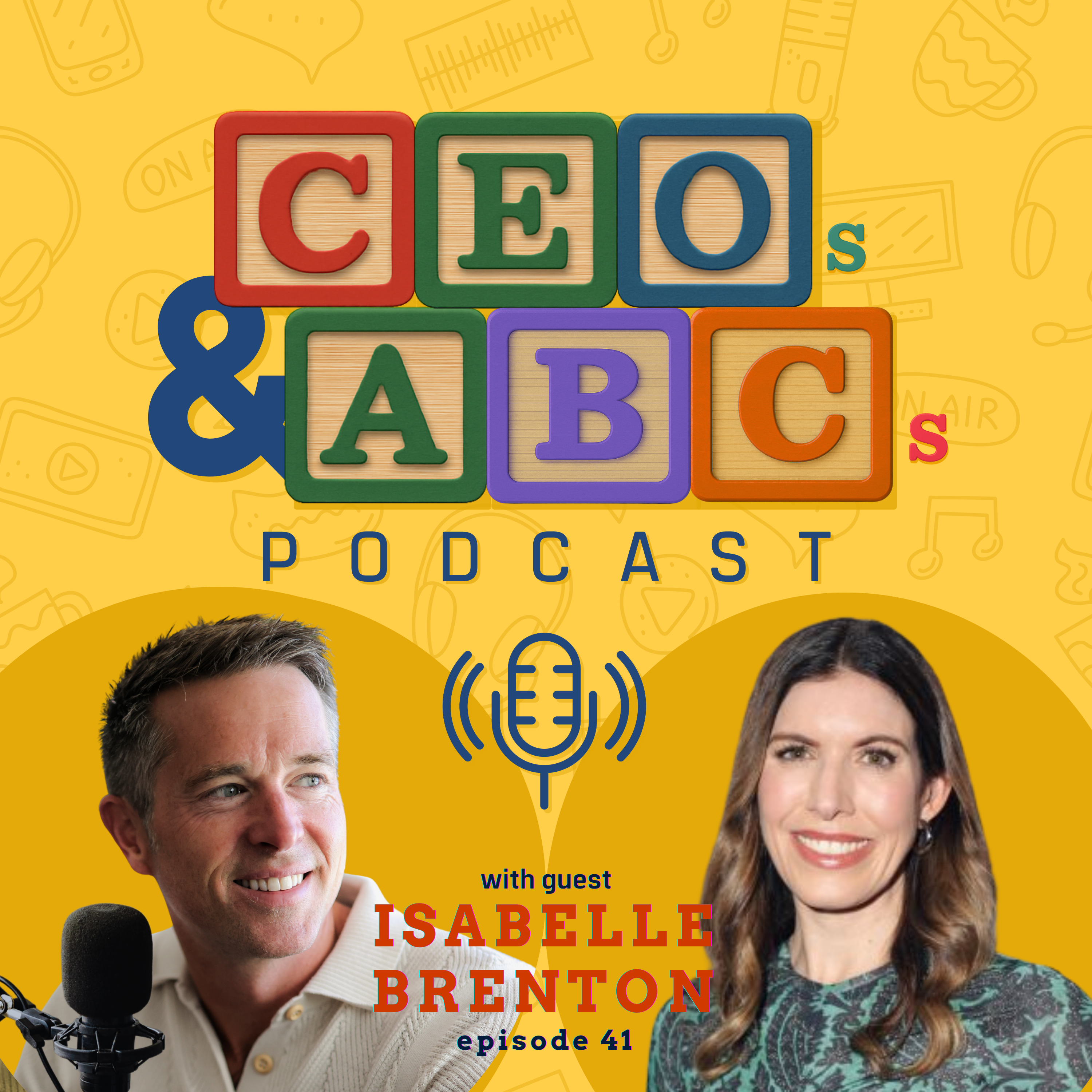
Isabelle Brenton (IPG Media Brands, Meta & Razorfish) A Conversation on: How to Navigate Professional Growth While Embracing Personal Identity and Resilience.
Jul 1400:43:55Tap to summarizeIn this episode of CEOs & ABCs, Kevin sits down with Isabelle Brenton, former Chief Communications Officer at IPG Mediabrands and recipient of the 2026 Working Mother of the Year award from She Runs It, to explore what it actually costs to hide a part of yourself at work and what becomes possible when you finally stop. Isabelle spent the early years of her career in fast-paced agency and media environments, motivated by external validation and driven to prove herself at every level. When she became a mother, she did not slow down. She had two children 20 months apart, returned from both maternity leaves as quickly as she could, traveled to Asia when her son was five months old, and spent years removing her wedding ring before job interviews and moving family photos out of her background on calls so no one could tell she had children. She was not hiding her family because anyone told her to. She was hiding them because of a story she was telling herself about what ambition was supposed to look like. The shift came slowly, then all at once. A culture change at Meta where colleagues openly led meetings by talking about their kids. Then COVID, which put her children literally in the background of every Zoom call and made concealment impossible. Then a layoff, right after receiving one of the most meaningful professional honors of her career, which forced a different kind of reckoning entirely. Kevin and Isabelle trace the full arc: from people-pleaser to senior executive, from compartmentalized mother to someone who told her kids she was laid off the same night it happened, cried through the conversation, and made it a lesson in resilience. This is a conversation about identity, the hidden cost of not bringing your whole self to work, and what it means to model the things you most want your children to learn. In This Episode, You'll Learn: Why high-achieving women often feel pressure to conceal their identity as parents and what that concealment actually costs How external validation drove Isabelle's early career and why the shift to intrinsic motivation changed everything What it was like to step into one of the most senior roles of her career at the same moment she was becoming a mother Why the culture at Meta became a turning point in how she saw herself as a working parent How COVID made it impossible to keep her two identities separate and why that turned out to be a gift What she told her children the night she was laid off and why her husband told her she did not have to How she is using her career transition to model resilience, self-worth, and healthy decision-making for her kids Why being present is not about being available, it is about actually listening when you are in the room What she is looking for in her next role now that she is no longer willing to leave her whole self at the door Why parenthood became her greatest professional asset once she stopped treating it as a liability Top Takeaways: Hiding your identity as a parent does not make you look more committed. It just means you are carrying the weight alone. The shift from external to intrinsic motivation is when careers stop feeling like performance and start feeling like purpose. Parenthood made Isabelle more ambitious, not less. Embracing it is what accelerated her career, not what slowed it down. Your kids do not need you to be perfect. They need to see you navigate something hard and come out the other side. Being present is a choice you make in the small moments. Your daughter knows whether you heard what she just read to you. A layoff is not just a professional event. It is a parenting moment. How you handle it is what your kids will remember. Culture change happens in the opening of a meeting. When leaders talk about their weekends and their families first, permission travels fast. About Isabelle Brenton: Isabelle Brenton is a communications executive with nearly two decades of experience leading corporate communications, brand strategy, and marketing across major holding companies, global platforms, and agency networks. She served most recently as Chief Communications Officer at IPG Mediabrands, where she led B2B communications through one of the most consequential periods in the company's history. Before that she held senior communications roles at Essence and spent two years at Meta as Industry Marketing Lead. She was recognised as Working Mother of the Year in 2026 by She Runs It. She lives in the suburbs of New York with her husband and their two children Share this episode with a colleague navigating work-life balance, and comment below with the biggest lesson you took from Isabelle Brenton. Follow Isabelle Brenton: LinkedIn: https://www.linkedin.com/in/isabelle-brenton/ Follow our host Kevin Rice on: LinkedIn: LinkedIn/KevinMRice Website: ceosandabcs.com Instagram: Instagram/ceosandabcs Follow the CEOs & ABCs Podcast and stay updated: Subscribe to the CEOs & ABCs Podcast: Newsletter: CEOs and ABCs Newsletter LinkedIn: LinkedIn/ceosandabcs Website: ceosandabcs.com YouTube: Youtube/ceosandabcs Spotify: Spotify/ceosandabcs Apple Podcasts: Apple/ceosandabcs
Transcribe →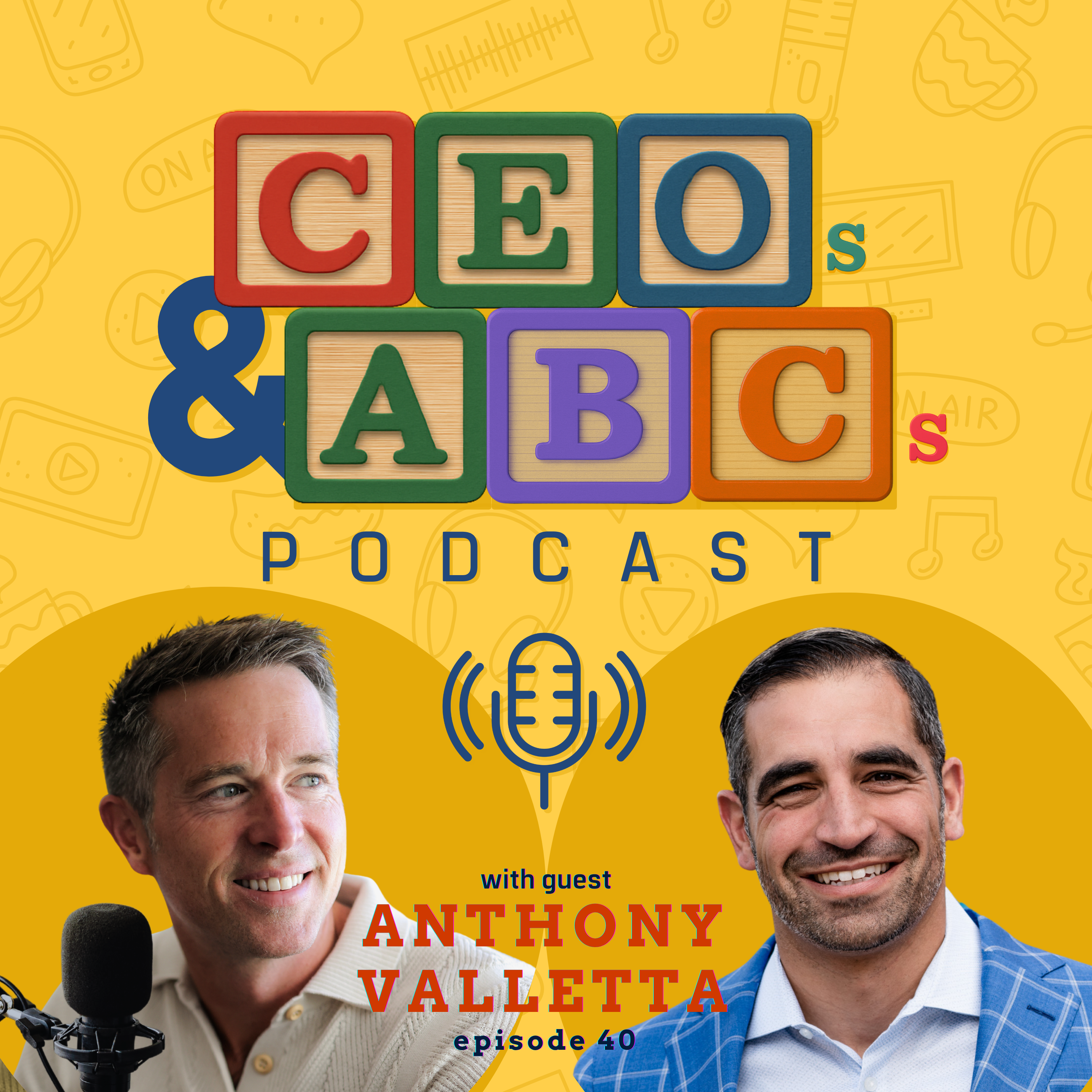
Anthony Valletta (Bartaco, Birdcall, Del Frisco's) The Cost of Travelling 240 Nights a Year and What It Cost Him to Come Back Home #40
Jul 600:47:26Tap to summarizeIn this episode of CEOs & ABCs, Kevin sits down with Anthony Valletta, CEO of BarTaco, to explore what two decades in hospitality taught him about making people feel like a priority, and how long it took him to bring that same thinking home. Anthony has built his career across Michelin-starred dining rooms, fast casuals, and everything in between. Today he leads BarTaco with a single filter: does this decision make the guest feel like we're thinking about them first? It is a deceptively simple question that runs through every menu decision, every hire, and every conversation in the business. But getting here cost something. Anthony spent two years as a COO living in hotels 240 nights a year, missing his son's first steps, and coming home to a five-year-old who had learned not to get too excited when dad walked through the door. He describes standing in his own driveway on the verge of tears before driving back to the airport, knowing something had to give. Kevin and Anthony trace what it actually took to rebuild that connection, one blocked calendar entry, one bedtime affirmation, one bouquet of flowers at a gymnastics meet at a time. They get honest about the Disneyland Dad trap, the impossibility of disciplining kids you barely see, and why presence is not about volume of time. It is about not being in two places at once when you are in one of them. This is a conversation about career ambition, the cost of getting it wrong, and the small rituals that quietly add up to a life. In This Episode, You'll Learn: Why the guest-first filter works as a decision framework in business and why a version of it belongs at home What 240 hotel nights a year actually does to a family and how long repair takes Why the Disneyland Dad dynamic is unfair to everyone, including you How to use your calendar as a values document, not just a logistics tool Why Anthony deletes and rebuilds his entire calendar every three months What it means to coach your own kids and what six-year-olds in full lacrosse pads will teach you about leadership Why the five minutes before a child goes to sleep are the most impressionable of their day How working for someone who does not share your values about family will quietly shape the choices you make Why time is not something you find, it is something you design What return on time means and why it matters more than return on investment Top Takeaways: Every yes is a no to something else. The clearer you are about that trade-off, the better your decisions get. Your kids are going to grow whether you're present for it or not. That window does not wait. Being physically home is not the same as being present. If you are on your phone, they see it. The moments that matter most are not the big ones. They are the repeated small ones your kids start to expect and protect. Working for someone who does not value what you value will cost you more than a better title or a bigger salary is worth. Discipline is not punishment. It is teaching. And you cannot teach a child you are not connected to. Return on time is the only metric that actually compounds in both directions. About Anthony Valletta: Anthony Valletta is CEO of BarTaco, a fast-casual hospitality brand known for its guest-obsessed culture. He has spent two decades in the industry spanning Michelin-starred dining to fast casuals, building a career around the belief that a guest-first business is the only sustainable kind. He lives in Connecticut with his wife and three kids, coaches all three of them across multiple sports, and is still working on leaving the calendar blank long enough to think. If this episode made you rethink leadership, career growth, work-life balance, or working parenthood, subscribe to the CEOs & ABCs Podcast for more conversations with CEOs, founders, and global executives. Share this episode with a colleague navigating work-life balance, and comment below with the biggest lesson you took from Anthony Valletta. Follow Anthony Valletta: LinkedIn: https://www.linkedin.com/in/anthonyvalletta/ Company: https://bartaco.com/ Follow our host Kevin Rice on: LinkedIn: LinkedIn/KevinMRice Website: ceosandabcs.com Instagram: Instagram/ceosandabcs Follow the CEOs & ABCs Podcast and stay updated: Subscribe to the CEOs & ABCs Podcast: Newsletter: CEOs and ABCs Newsletter LinkedIn: LinkedIn/ceosandabcs Website: ceosandabcs.com YouTube: Youtube/ceosandabcs Spotify: Spotify/ceosandabcs Apple Podcasts: Apple/ceosandabcs
Transcribe →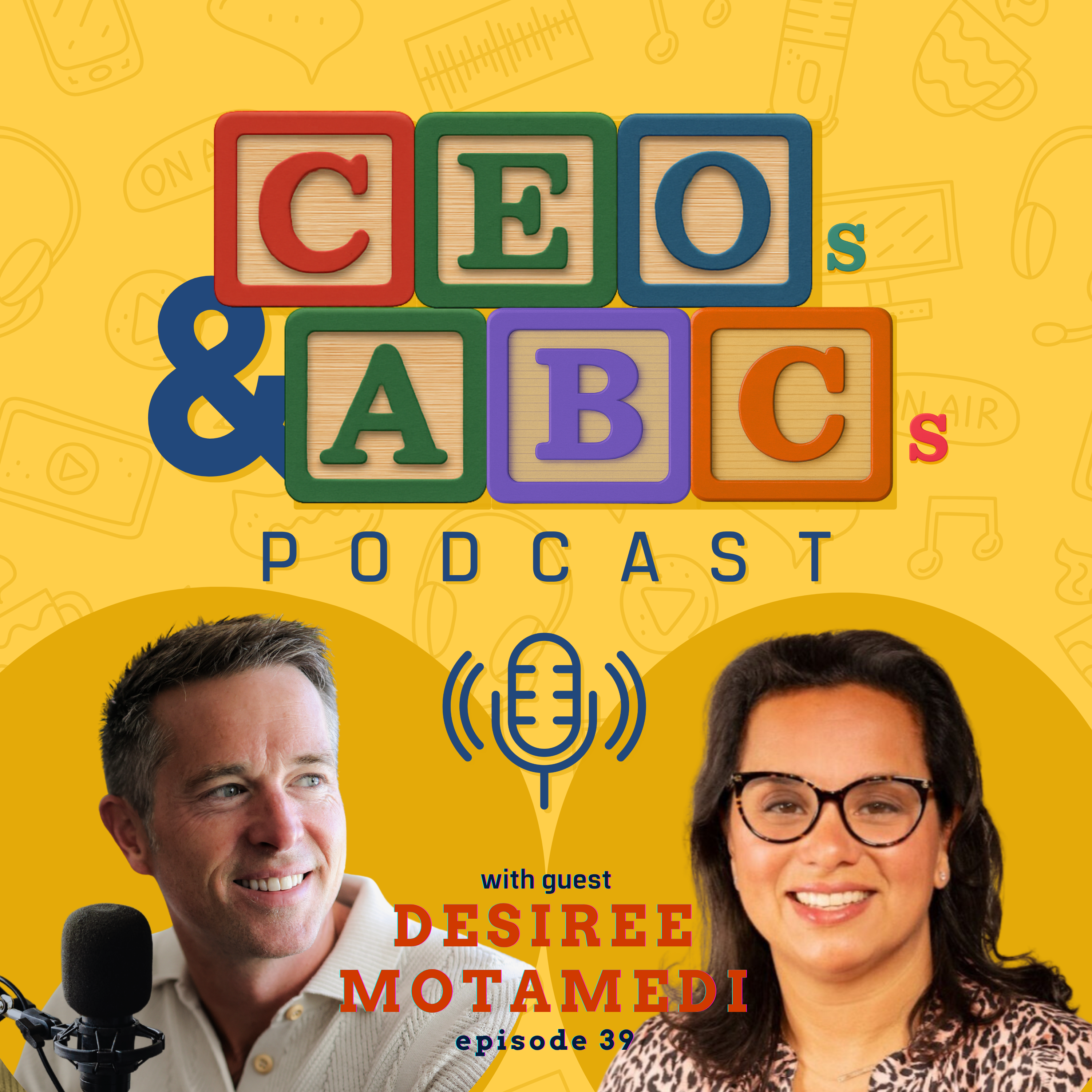
Desiree Motamedi (Meta, Shopify, Google & Salesforce) How to Implement AI into your Business and Home Life & How to Create AI Safety for your Children at Home #39
Jun 3000:51:40Tap to summarizeIn this episode of CEOs & ABCs, Kevin sits down with Desiree Motamedi, Chief Marketing Officer of Salesforce's NextGen platform, to explore what happens when AI stops being a work tool and starts becoming a way of life, at the office and at home. Desiree has built her career across Adobe, Google, Meta, and Shopify before landing at Salesforce, where she now oversees a 12 billion dollar portfolio and is building the infrastructure to scale AI agents safely across her entire organisation. She walks Kevin through what AI maturity actually looks like beyond a chat interface: governance, hosting, access controls, and the discipline required to keep experimentation from becoming chaos. But the real heart of this conversation is what happens when that same curiosity comes home. Desiree built her own personal operating system, uploading her bloodwork, her finances, and her calendar into an AI agent that nudges her to drink water and caught a missing beneficiary on her retirement accounts. Her 12-year-old son built a paper trading agent with a college mentor and turned 100,000 dollars into 168,000. Together they are building an AI-generated YouTube channel about cereal box characters. Kevin and Desiree also get honest about the harder parts: the early-career fear of stepping away during maternity leave, the boundaries she had to learn the hard way, and the one thing she insists AI will never replace, the simple act of looking another person in the eye. This is a conversation about curiosity, governance, and what it means to raise kids who are fluent in AI and still deeply human. In This Episode, You'll Learn: Why "are you a doctor, are you saving lives" became the mental model that changed how Desiree set boundaries at work What she wishes she had done differently during her second maternity leave, and the advice she now gives her own team How Salesforce is building governance, hosting, and feedback loops to scale AI agents safely across a large organisation Why context, not the prompt itself, is what separates a generic AI output from a genuinely differentiated one What it looks like to build a personal AI operating system for your health, finances, and calendar How a 12-year-old built a real paper trading agent with a college mentor and grew it 68 percent Why human connection is the one skill Desiree is most deliberate about protecting in her sons How becoming a parent made her more structured at work, not less ambitious What the shift to headless platforms and natural language interfaces means for the future of marketing work Simple ways any marketer can start building real AI skills beyond a chat window Top Takeaways: You are probably not saving lives. Most things can wait until tomorrow, and treating everything as urgent only trains your team to expect the same from you. The advice Desiree gives every parent on her team now: take the time. The work will still be there. The moments with a newborn will not. AI is only as good as the context you give it. A two-paragraph prompt with real history will always outperform a generic brief. Building governance and infrastructure before scaling is what separates safe experimentation from real exposure. A personal AI operating system can catch what busy humans miss, from hydration to unassigned retirement beneficiaries. Curiosity-led learning, whether it is a trading agent or a YouTube channel, builds skills no curriculum can replicate. No amount of technology replaces eye contact, a handshake, and genuinely asking how someone is doing. About Desiree Motamedi: Desiree Motamedi is Chief Marketing Officer of Salesforce's NextGen platform, where she leads a 12 billion dollar portfolio and is building the company's infrastructure for scaling AI agents across the organisation. Before Salesforce, she held senior marketing leadership roles at Adobe, Google, Meta, and Shopify. She lives in the Bay Area with her husband and two sons. Follow Desiree Motamedi: LinkedIn: LinkedIn/DesireeMotamedi Substack: Substack/DesireeMotamedi Company: Salesforce/DesireeMotamedi Follow our host Kevin Rice on: LinkedIn: LinkedIn/KevinMRice Website: ceosandabcs.com Instagram: Instagram/ceosandabcs Follow the CEOs & ABCs Podcast and stay updated: Subscribe to the CEOs & ABCs Newsletter: CEOs and ABCs Newsletter LinkedIn: LinkedIn/ceosandabcs Website: ceosandabcs.com YouTube: Youtube/ceosandabcs Spotify: Spotify/ceosandabcs Apple Podcasts: Apple/ceosandabcs If this episode made you rethink leadership, career growth, work-life balance, or working parenthood, subscribe to the CEOs & ABCs Podcast for more conversations with CEOs, founders, and global executives. Share this episode with a colleague navigating work-life balance and comment below with the biggest lesson you took from Desiree Motamedi.
Transcribe →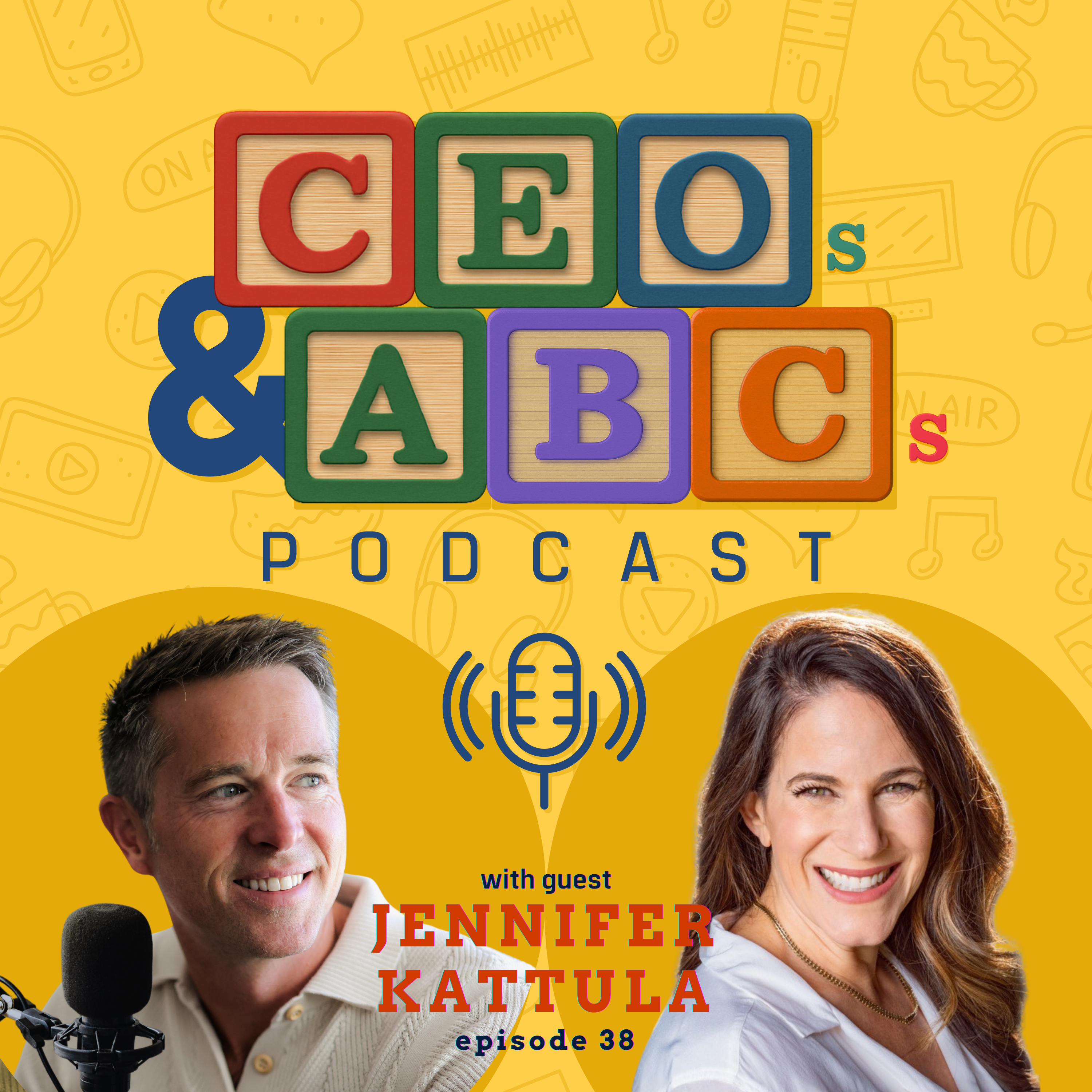
Jennifer Kattula (Microsoft, Meta, & America Express) A Conversation on: Spearheading AI at Work and at Home, Bringing Workplace Systems into the Home & Creating an Intentional Life #38
Jun 2300:54:13Tap to summarizeIn this episode of CEOs & ABCs, Kevin sits down with Jennifer Kattula, Global CMO of Microsoft Advertising, to explore what happens when a systems thinker applies the same rigour she uses to lead AI transformation at scale to the way she designs her family life at home. Jennifer's path to one of the most senior marketing roles in tech started in chemical engineering, wound through the early days of Meta, and landed at Microsoft, where she is now leading one of the most ambitious AI adoption programmes in enterprise marketing. But the more interesting story is what happened when she became a mother. She did not plateau. She accelerated. And she has a clear theory about why. Kevin and Jennifer dig into how she is building AI agents that save her team hundreds of hours a week, why she never starts her morning in email, and what it actually means to spend your time only on the things only you can do. Then the conversation turns to something equally ambitious: the family brand. Jennifer and her husband wrote a one-pager before they even got married, run a yearly family visioning session with wine and spreadsheets, and have built five house rules their kids can actually recite. She has since turned that entire framework into an application called House Rules, designed to help any family build their own manifesto with intention. This is a conversation about AI, ambition, design thinking, and what it looks like to treat your family with the same strategic seriousness you bring to work. In This Episode, You'll Learn: - Why the only thing that prepares you for AI disruption is getting your hands dirty with the tools now- How Jennifer is leading AI transformation at Microsoft Advertising and what enterprise adoption actually requires beyond usage numbers- What it means to spend your time only on what only you can uniquely do, at work and at home- Why becoming a mother made Jennifer more focused, not less, and how ambition and parenthood can compound- How she and her husband built a shared family vision before they got married and why they still revisit it every year- What a family brand actually is and how to build one using the same frameworks that make companies great- How the House Rules app works and why the people who have used it say they feel seen- Why structure and frameworks create more freedom, not less, especially at home- How Jennifer thinks about AI and kids: what she is protecting, what she is introducing, and what she does not have figured out yet- What robots cannot replace and why leaning into your weirdness is a genuine competitive advantage Key Takeaways: - Spend your time on what only you can uniquely do. Everything else is a delegation or outsourcing decision.- AI adoption does not equal AI effectiveness. Role-specific solutions and clean data underneath are what make it actually work.- Becoming a parent forced a focus that ambition alone never did. Constraints, used well, are a creative advantage.- Families need a brand: a mission, values, operating principles, and a shared sense of how you show up in the world.- Structure is not the enemy of presence. It is what makes presence possible.- You cannot lead a transformation you are not personally inside of. Model the behaviour, do not just mandate it.- The best question in any interview right now: what are you building? About Jennifer Kattula:Jennifer Kattula is Global CMO of Microsoft Advertising, where she leads brand, demand generation, and AI transformation across one of the world's largest advertising platforms. Before Microsoft, she spent nearly 12 years at Meta, building and scaling marketing functions from the ground up across a range of disciplines. A trained chemical engineer turned marketer, Jennifer brings systems thinking to everything she touches, including her family life. She is the creator of House Rules, an AI-powered app that helps families build their own mission, values, and manifesto. She lives in Atlanta with her husband and two young children. Connect with Jennifer Kattula: Family Manifesto App (https://www.house-rules.co/) For early access to the House Rules app (jenniferkattula.substack.com) Jennifer's Website (https://jenniferkattula.com/) LinkedIn (https://www.linkedin.com/in/jkattula/) A personal product Jennifer loves! A french pharmacy products if you’re travelling to France. (pharmacie-beauty.com)
Transcribe →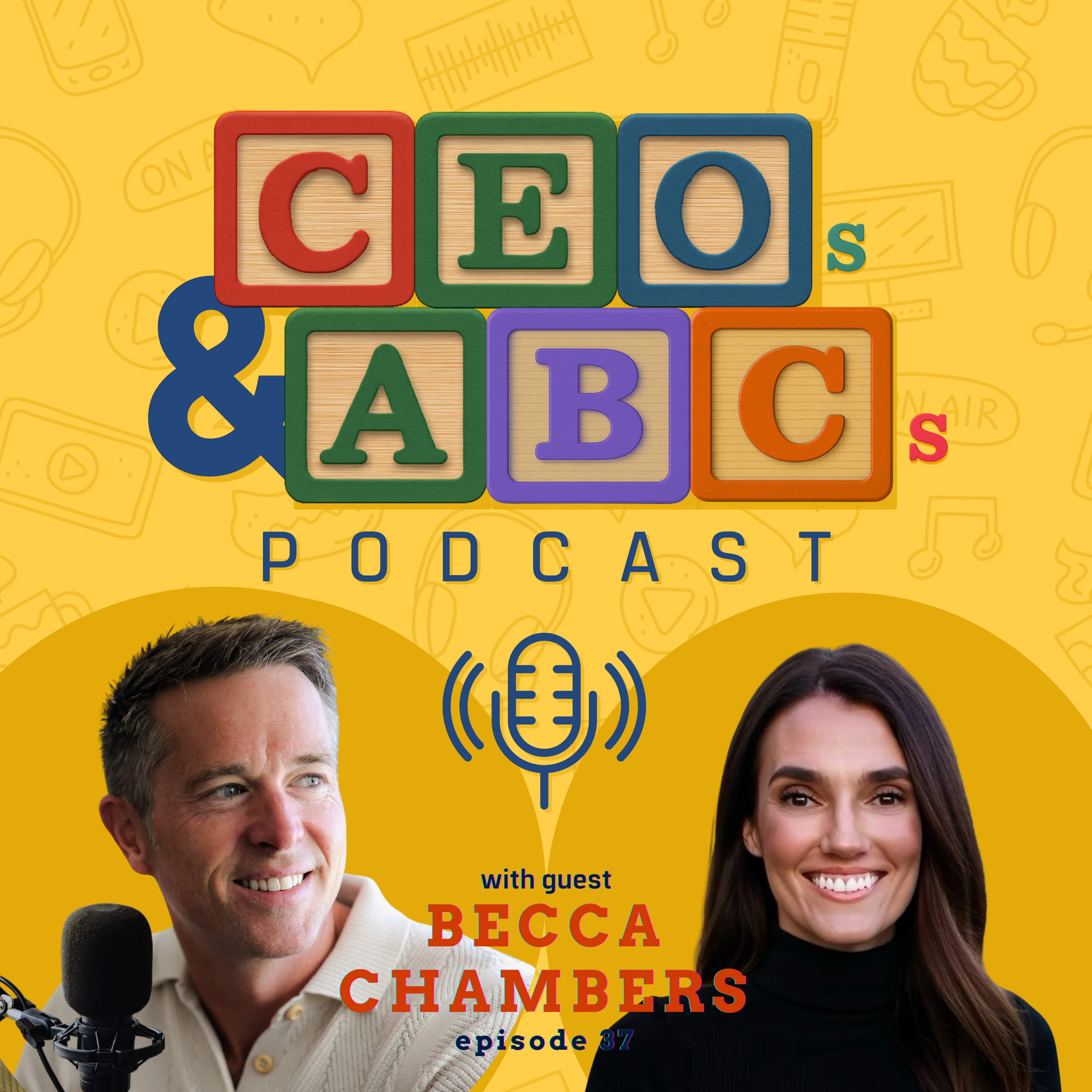
Becca Chambers (LinkedIn Top Voice & Scale Venture Partners), A Conversation on Overcoming Imposter Syndrome, Creating Safe Team Environments & Supporting Children's Unique Values #37
Jun 1500:53:48Tap to summarizeIn this episode of CEOs & ABCs, Kevin sits down with Becca Chambers, Chief Marketing Officer of Scale Venture Partners and one of LinkedIn's most followed voices on authentic leadership, to explore what happens when you stop trying to fit a mold that was never made for you.Becca opens with a story most high-performers will recognise but rarely say out loud: she started her career with a failed startup, a falling out with her co-founder, and a chip on her shoulder that quietly became her fuel. From there she built some of the highest-retention teams in the industry, not through metrics and mandates, but through psychological safety, a no-assholes rule, and the willingness to absorb the hard stuff so her team never had to.What makes this conversation different is where that instinct came from. Becca went to a progressive Bay Area elementary school that invented the concept of EQ and taught emotional intelligence from kindergarten on. That foundation shaped everything: how she leads, how she parents a neurodivergent son who is now one of the most self-aware kids you will ever meet, and how she thinks about building environments where people can actually show up as themselves.Kevin and Becca also get honest about the season she is in right now: too much on her plate, not enough in the tank, and still finding the pockets of presence that will actually matter. No tidy resolution. Just real.This is a conversation about authenticity, emotional intelligence, and the quiet power of building a world where round pegs do not have to apologise for being round. In This Episode, You'll Learn: Why imposter syndrome is a signal that you are in exactly the right place How psychological safety gets built in practice, not in theory What a no-assholes policy actually looks like when it gets tested Why emotional labour is a leadership skill that rarely gets named or credited How one progressive elementary school taught EQ from kindergarten and why it changed everything What to do when your child's struggles force you to rethink how you define success Why neurodivergent kids, and leaders, often outperform when the environment finally fits them How to give your team and your kids autonomy without losing the guardrails Why context switching is one of the most underrated skills you can teach a child How to stay present as a parent when you are in a grinding season professionally Top Takeaways: Imposter syndrome means you are learning while doing. That is the goal. When it goes away, it is time to go bigger. Functional teams do not show up for shareholder value. They show up for each other. The shareholder value follows. Psychological safety is not a feeling. It is a decision you make every day about what you allow and what you absorb. Emotional intelligence starts with knowing yourself. Everything else is downstream from that. Your kid is not who you want them to be. They are who they are. Your job is to help them become the best version of that. Presence is not about volume of time. It is about the quality of the pockets you protect. When I say no, they know it means something. That only works if you are not saying no all the time. About Becca Chambers:Becca Chambers is Chief Marketing Officer of Scale Venture Partners and a LinkedIn Top Voice known for candid, high-engagement content on authentic leadership, psychological safety, and showing up as your whole self at work. She has built and led some of the highest-retention marketing and communications teams in the industry across cybersecurity, enterprise tech, and venture. She lives in the Bay Area with her husband and two kids, and is a vocal advocate for neurodivergent employees and children.
Transcribe →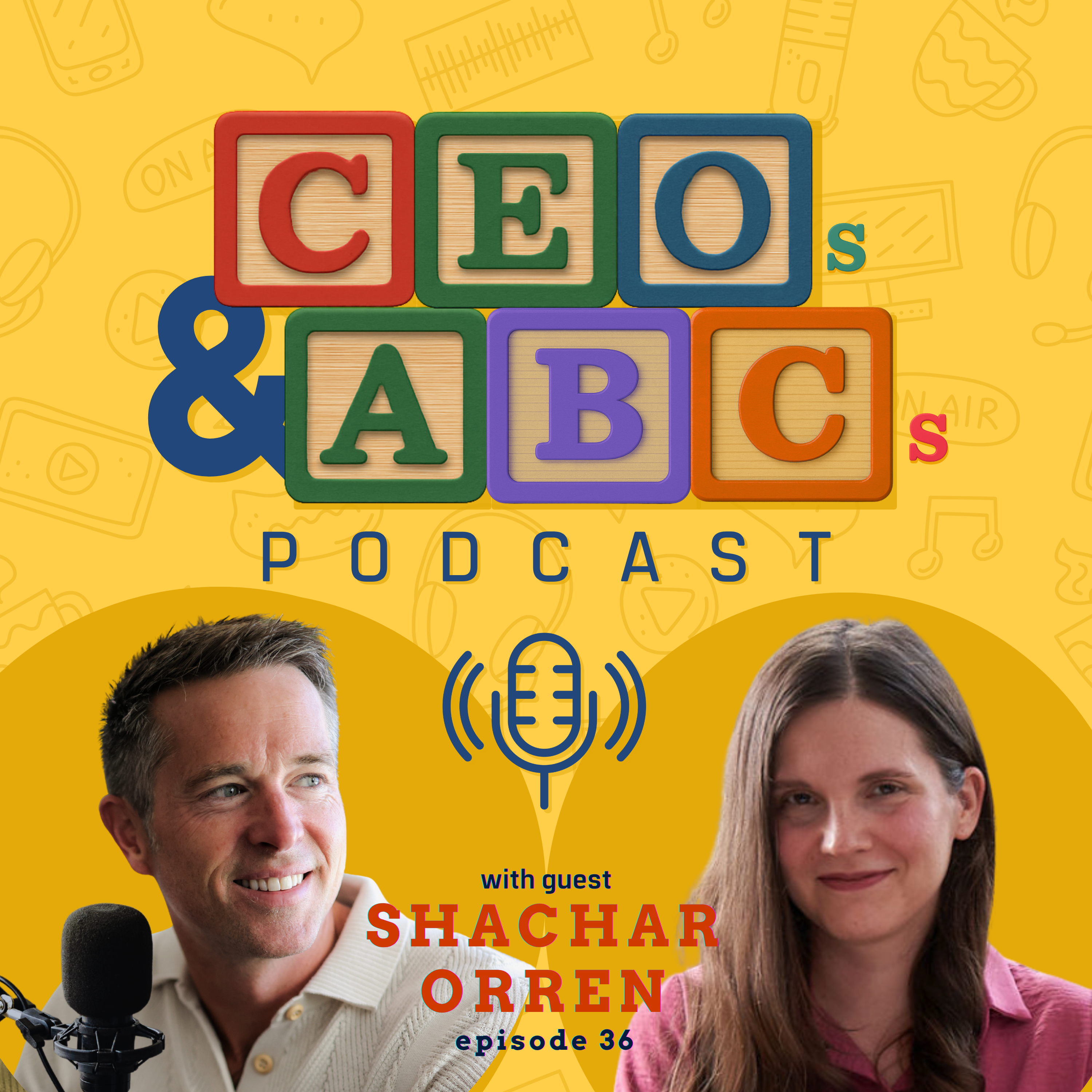
Shachar Orren (Co-Founder EX.CO & Playbuzz) The Personal and Professional Sacrifices of Building a Start-Up & Choosing To Delay Family #36
Jun 900:50:13Tap to summarizeIn this episode of CEOs & ABCs, Kevin sits down with Shachar Orren, co-founder and Chief Revenue Officer of EX.CO, to explore what it really costs to build something from nothing and what becomes available when family arrives after you have already built yourself. Shachar spent over a decade growing EX.CO from six people to a 115-person global company, helping publishers and media companies survive and grow in an industry being reshaped by AI. That journey required years of pivots, a full rebrand, and the kind of relentless focus that leaves little room for much else. She describes EX.CO as her first child and means it. But the story behind the story is harder to tell. A marriage, a divorce, a move back to Tel Aviv, a new relationship, becoming a bonus mother to a seven-year-old, and then having her son Max at 40 while navigating a company at full tilt and a war breaking out in Israel the day after she flew home from receiving a Working Mother of the Year award.Kevin and Shachar trace the real cost of ambition, why the hustle years actually gave her something, what maternity leave forced her to confront about her leadership, and what it means to build a life on your own timeline when the world has a different plan in mind. This is a conversation about reinvention, timing, and the unexpected gift of doing things out of order. In This Episode, You'll Learn: Why building a startup and building a family require the same emotional infrastructure What years of searching for product-market fit actually does to a leadership team How to know when to pivot, when to adjust, and when to stay the course What maternity leave reveals that no leadership audit ever will Why becoming a mother later gave Shachar something earlier motherhood could not have How to lead with vulnerability without losing your team's confidence What bonus motherhood teaches you about earning trust that biology does not automatically grant Why the best version of yourself as a leader and as a parent is often the same version How to carry something difficult at work without making it everyone else's problem What it looks like to build a family that does not follow the expected sequence and still works Top Takeaways: Product-market fit announces itself. When 80 to 90 percent of your calls end in yes, you have found it. Until then, keep moving. Hustle years get a bad reputation. For some people, they build the career and the confidence that makes everything else possible. A great manager makes themselves unnecessary. If everything falls apart when you leave, that is not leadership. That is dependence. Maternity leave is the most honest executive audit you will ever have. You find out what only you can do, what others can handle, and what never needed to exist. Vulnerability in leadership is not about falling apart. It is about giving people context so they can trust what they are seeing. Doing things out of order is not failure. For some people, it is the only order that was ever going to work. Confidence is what makes presence possible. Shachar could enjoy motherhood more because there was less fear underneath it. About Shachar Orren: Shachar Orren is co-founder and Chief Revenue Officer of EX.CO, a video and revenue platform helping publishers and connected TV companies grow in an AI-driven media landscape. She joined the company as employee number six and helped lead the pivot and rebrand that defined its current identity. Before a decade in tech, she was a senior journalist at two of Israel's largest newspapers. She was recently recognized as Working Mother of the Year by She Runs It and splits her time between New York and Tel Aviv.
Transcribe →