← China Global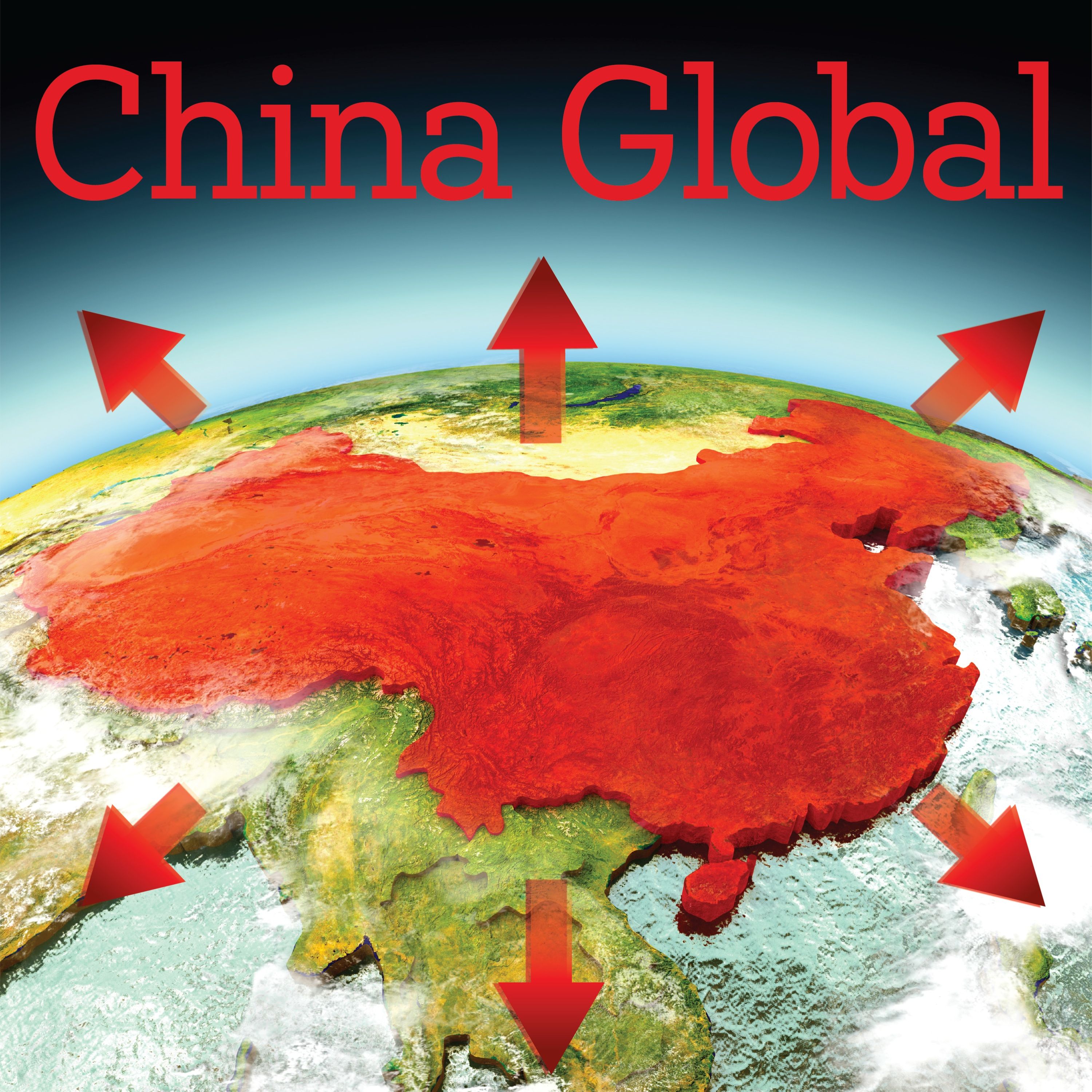
China Global
China’s Latin America Strategy: A Collision Course with the U.S.?
00:31:20
Although geographically distant from Chinese shores, Latin America and the Caribbean occupy an important place in Chinese foreign policy. In the past decade, China has significantly expanded its influence in the region. The main vector of Chinese involvement has been economic, including securing access to commodities such as soybeans, copper, oil, and lithium, creating markets for Chinese companies, and deepening financial ties through trade, lending, and infrastructure investment. On December 10, China released a new white paper on its relationship with Latin America and the Caribbean, the third such document following earlier editions in 2008 and 2016. The White Paper characterizes the region as “an essential force in the process toward a multipolar world and economic globalization.” Its release came on the heels of the Trump Administration’s release of its National Security Strategy, which places unprecedented emphasis on the Western Hemisphere and asserts that the US seeks a ...
Loading summary