Loading summary
Transcript60 lines
- [00:00]
A
Industrial policy. It's cute to write bills in Washington and all, but all those projects and build outs actually have to happen in the physical world, which is generally not inside the dmv. To discuss how industrial policy actually gets manifested at the state level, we're going to steal an odd lots line. Here we have the perfect guest, Ian o', Grady, senior policy advisor covering economic development and workforce for Governor Hobbs of Arizona, who has been interacting with all of the wonderful IRA and CHIPS act build out that we've seen in the Sunshine State over the past few years. Ian, you show up January 2023. This is after the Chips Acts has passed and there is already a lot of excitement and buzz about all of the fabs, which may or may not end up being stood up in the broader Phoenix area. Take us away. Ian, what was, what, what, what, what, what were the first things that ended up getting thrown on your plate from a semiconductor perspective as you guys took off?
- [01:12]
B
Yeah, yeah, no, great to be here. Very excited, Jordan. So a couple of things in terms of timeline. One, you know, TSMC is announced in 2020. That's a huge, huge date. We're getting one fab. That's amazing. We're so excited that they're going to be investing in Arizona and the US and make that jump. The other is CHIPS Act 2021, IRA 2022, and then we're coming into 2023. We have all these kind of incentives happening. We have all the reshoring, the bringing jobs back to America effort. And so that's great. But anytime we have that or I think we talk about trade deals too, right? In terms of what's been happening recently with President Trump, whether it's that policy or the incentives or the tariffs, you then have, you then have countries and companies who say, okay, we want to, we want to invest the United States. Where do we go? And so that sets off this huge competition between states. And so every state is then showing the companies and local governments too, how, where do we invest? Why, why does it make sense to do it here? And then once that process happens, it's like, well, okay, permits, power, people, how do we hire everyone we need to hire? How do we get, get those folks into jobs? You know, from fab technicians to security guards to like, the construction is super important. At any given day we have about 10,000 folks up at TSMC working on the construction side, which is incredible. And then power is super important in terms of just the cost. And how do we, what, what does it look like for their, you know, their Pro forma when they, when they come to our state. And so I think again, like you said, the legislation is great. We love the framework. Senator Mark Kelly was huge on the Investment Tax Credit for Chips Act. But then it's like, okay, where do they go? And so we start those introductions, we start talking to these companies about where do they locate, what do they do, what does it look like to be in Arizona? And so we've been super lucky over the past few years to have a ton of expansions. And so talk about 2023. We get into 2023, we know there's a lot of opportunities down, you know, semiconductor supply chain, battery supply chain. We want to make sure we get those anchors. And so we have LG Energy Solution in the East Valley, we have tsmc, the North Valley, we have intel in Chandler, Arizona. Huge, huge, huge, huge investments in terms of where we are in 2023, where, you know, there's a lot of. It's an open question of coming from D.C. here on the ground, how do we, how do we actually do this? And so first you have to construct the fab. So what we did was really focus on construction workforce and how do we, how do we invest in these folks, how do we make sure that they have what they need? And also, I mean, if you're checking headlines from 2023, there's a lot of labor disputes and like, okay, well, you know, these, these moved overseas because of American labor and being expensive and just more difficult. How do we reshore this in the governor's office? We see this opportunity, one opportunity. But also we need to figure out how to make this work and how to make, make sure that we're, we're on time. Because at the time we're like, okay, these are, these. The timeline's looking a little tough here. This, we haven't done this, this before at this scale. How do we do this at once? Also all of those construction sites are active at once. And so Governor Hobbs announces a few different programs on top of just kind of going to, being the go between between the company, the general contractors on the site and the workers. And it's like this is, this is I think, the perfect, like, encapsulate of like the mundane stuff of like on the work site. It's like, okay, more refrigerators, more porta Potties, basic stuff to make sure that we're good to go, we're good to go on the site. And then we also invest in apprenticeships. This is a huge choke point for the state. We had a couple Year waits for electrical pipe fitters. These apprenticeships that are both union and non union that build the fab, that are just whether it's, whatever it is, they need those two. And then there was also in December of that year, the capstone of all of this was a labor agreement between, between the, the workers, the contractors and the companies which outlined, you know, all these, these safety provisions, outlined how many, how many foreign workers were coming in. Because that was also part of this, of like what's, what's the ramp here? You know, we haven't set up these ASML machines in the United States before. What are we, what are we doing? How do we, how do we set that up and make sure that they're up to quality? And so really appreciative, you know, take these companies are the professional athletes, you know, LeBron James level of like they know what they're doing. And so they're willing to train the American workers because they understand, you know, long term we want to keep building here. We got to train the, whether it's on the construction side, the technician side, we got to train the local workforce. And we, in those talks, you know, we want Arizonans to have jobs from, from these projects.
- [06:14]
A
So like, you guys show up and January of 2023, you already had the Chips act passed, you already had the IRA passed. There was already a commitment from TSMC to, to build at least one fab and hopefully more. I mean, like, what sort of calls are you getting? Who is bugging you? And like, how does a governor's office sort of define the role that it needs to play in helping, kind of facilitating this federal money to show up in your state and then be taken up by these companies that have the potential to bring, you know, enormous economic benefits?
- [06:56]
B
Yeah, the great thing about a governor's office is that it is everyone. It's, it's a combination of, of Veep and Parks and Rec. So I think, I think in terms of who, who was calling me. So one, you have the workers on site. So you have the contractors, you have the labor unions which are represented on the site. You have the feds which are, you know, this was a huge priority for the administration. So it's commerce, it's chips. I talk to my counterpart. I get to a clip where I'm talking to them about, I'd say every other day at some point to make sure we're getting these projects, we're getting them online. And then it's, it's also the, I mean we say we use the word ecosystem A lot because it's community colleges, the universities, the, the permitting entities too, that for water, sewer, power, making sure that's all coming online because I think the magic of like making sure all those converge at the date that they want to start producing chips is a ton of work. And so at that first stage it is almost entirely a construction conversation. We have some permitting things that come later on and once you get to production, but it is at that point how do we get the workers out there on site? They have intense demand over the next foreseeable future, in the next decade across sites in the state.
- [08:15]
A
So yeah, so what are sort of near term and medium term levers for workforce that a particular state can pull to try to help you guys beat out Texas or Ohio?
- [08:31]
B
Yeah, yeah, those are definitely the competing states. So near term, I think one is just awareness that these are happening. I think what was kind of amazing to me when I came into this job and when I talk about, you know, tsmc, intel is, intel has been here for about four decades. So there's awareness. But when you talk about TSMC or lg, it's like very little awareness of what that is, let alone I should go work there. And so we were trying to divert folks who were in the workforce looking for an opportunity where we need, you know, thousands of people to understand like what that, what that mission is, why it's so cool and why they would want to work, you know, either in building it or operating the fab. That's a near term one which has actually turned out to be relatively successful in terms of our recruiting and you know, getting, getting ahead of schedule at these sites.
- [09:25]
A
All right, so, so what does that mean? Like she's just doing events and yelling at reporters to like write about this.
- [09:30]
B
And yeah, so this has been a partnership between the TSMC team, the Arizona State University team, our office in promoting the trades and a lot of the local officials to talk about these opportunities. Also I think, I think in this is, this is more of a longer term thing, but there's a lot of partnerships too with the high schools and K12 education. Because when, you know, think about like when you're a kid of like, you know, what do you want to do for your career? Be a firefighter, Be a doctor? We want to be, you know, a semiconductor technician, a someone in the pipe straights to be one of those. And so we've been working a lot with the local school districts in that area to understand what those careers are. And so you have, you have folks graduating high school and going into those jobs, which we're really excited about. So it's those technical education districts. It's. It's that whole local area.
- [10:29]
A
I guess my broader question is like, does the market not figure all this stuff out? Like, yes, there are new jobs, they are here, and presumably they have to pay better than whatever the alternative is to get people to show up in the first place.
- [10:45]
B
That is a question we get a lot, especially in Arizona. We're in divided government and a lot of folks in the legislature. Free market should fix this. I think there's two factors. One is you have to have this kind of. I think I've heard this, you mentioned this a couple times, like this industrial base of like, talent that exists that no one else is going to invest in. And that's actually for, you know, tsmc, intel, but also their supply chain. I think that has been what has helped us secure so many projects, is we have this latent base that can, whether it's battery, aerospace, whatever it is, they have these skills from the ASU engineering school, the largest in the country, that we can attract and then fill these jobs. And so certainly maybe the companies would get there in the long term of invest in their own programs, but we don't have time to do that. We need to have these ready. And we've been planning out for this for the last ten years or so. And then the other part of it too is just the friction of, you know, setting up in, in the United States, of coming over, you know, Taiwan is set up to do this with their fabs. It's really the times I've been over there, really remarkable to see the connections and so understanding, you know, where do you go? The system's not easy. Our workforce system is something we've actually worked, really worked to simplify. So there's one front door, but it's still between the community colleges, the high school. It's not easy. So from the government side, we just have to make it easier for them to navigate because they do want to be good partners and they do want to invest in the workforce. But just knowing where to go is half the battle.
- [12:30]
C
Can I jump in? I remember when this movement was first getting off the ground of we should build ships in America. And everyone was like, but we don't have people that do that kind of work. Unlike Taiwan, like you were saying, where everyone knows, oh, I gotta go work at tsmc, that's the highest paying job. And I see that y' all are trying to work with ASU and other community colleges. So that they have that workforce going in the future. But I feel like that takes years to develop for, you know, and still now they have so many Taiwan engineers at tsmc. So how do you sort of know, like, oh, this is succeeding, or we actually feel confident that people from ASU or Arizona are actually going to go work at these fabs.
- [13:06]
B
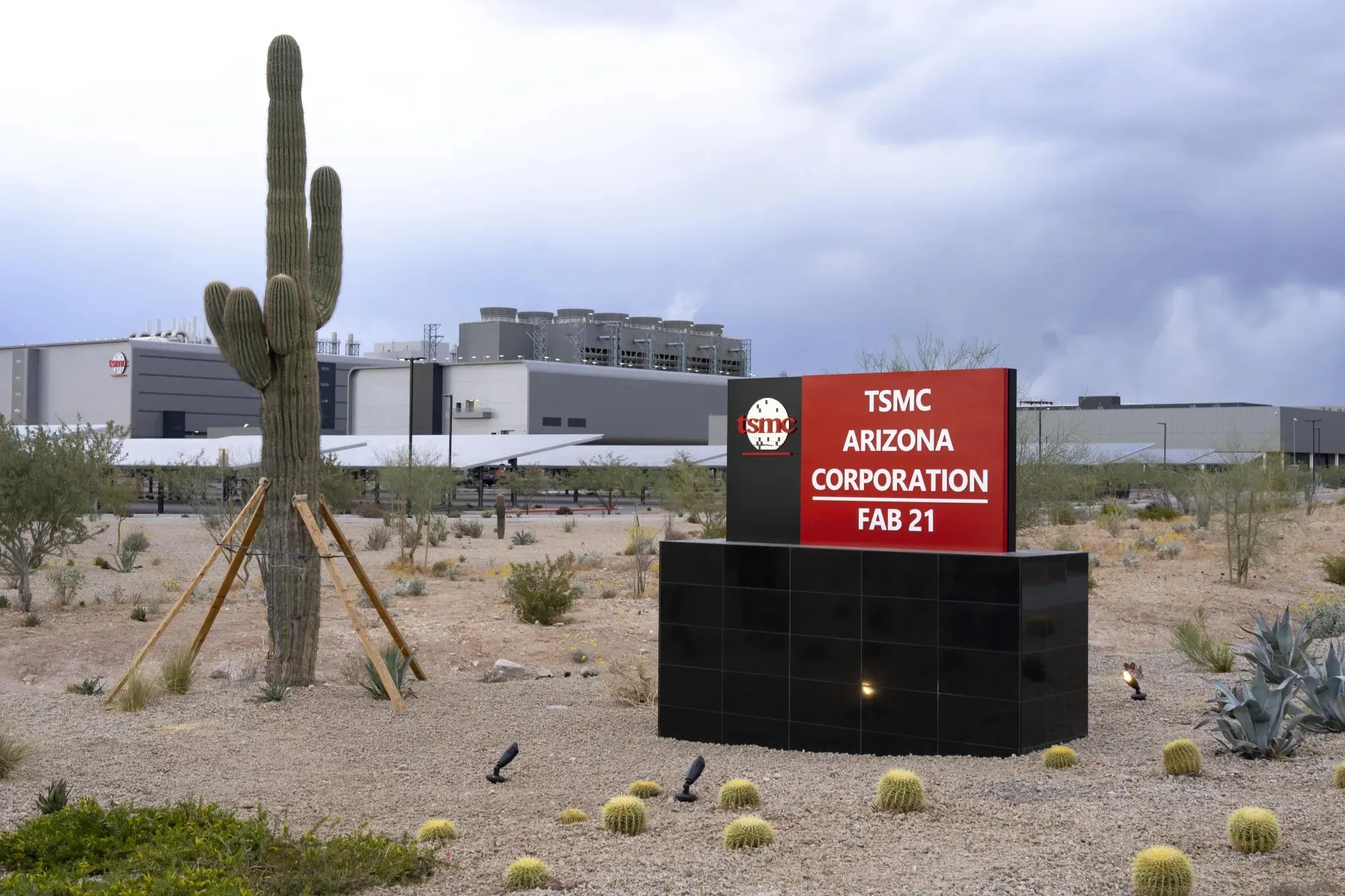
So I think part of it, and I grew up here, I experienced some of this, is ASU has the largest engineering school in the country. We provide the most engineers. They usually leave. And so that was the opportunity is to keep those folks home and have opportunities in Arizona so that they don't have to move. Because I think many of them don't want to move. But, you know, when you have skills and there's a lot of great opportunities, usually they would end up, you know, at Ford or Automotive in Michigan or Ohio. And now they're staying here. How do we know it's working? I mean, the schedule of these projects and the success. You know, I was reading, catching up on Intel's news this past week of, of the customers they're attracting of. It's really, and maybe this is too simplistic, but it's really the success of those, those, the businesses, their schedule and that they're meeting demand because without the people, they're not making the chips. And so it's, it's been, it's been really fun to see the schedule and the, the progress of the facilities. Like, I don't know if you guys have been up to drive by either one of these. Intel down in Chandler, TSMC up in Phoenix, they're the most amazing buildings you'll ever see in these complexes. And I think in terms of connecting folks to those jobs, it's been redirecting whether it's University of Arizona, we actually just set up a clean room for training down at University of Arizona. So they have even more resources down there. Northern Arizona University has a really great metrology program which, which feeds directly into some of the toolmaking. And so I think there's been this demand and they've, they've really answered the call on the need for these jobs. And so keeping up with, you know, the new technology, but it's been keeping folks here and that, that's been, you know, as, as a native Arizona who's moved back, I have a special kind of feeling towards that story.
- [14:55]
C
What about ironing out the wrinkles between Taiwan workers and then the workers that are coming from ASU or that are trained in Arizona? I've heard a lot of stories of like, language barriers or work style, you know, differences. How do you, like, what role does the state of Arizona plan trying to ironing that out and make sure it goes smoothly?
- [15:13]
B
I mean, that one is a little bit. I think that one is to. Jordan's question of has been somewhat resolved by the company because they're just not. They can't bring over all these folks to operate the facility. And they've really done amazing. We have our first Din Tai Fung. We've actually going to open a second one now. And so I think the cultural integration has been really great. There's a Taiwan night now at the baseball games, at the Arizona Diamondbacks games. And so it's, it's. It's been something that, you know, we're aware of, but really something that I think has sort of resolved itself over time.
- [15:50]
A
What about on the other side? So, like, the, the willingness of, like, making sure that the, the, the. The Taiwanese employees and the Korean employees are like, excited to come to Arizona. Were there any things you tried to do or levers tried to pull on that end?
- [16:05]
B
There's a stat the city has about how many babies have been born here from, from like, Taiwan in terms of, you know, new families setting up and being here in Arizona. And I think there's been a lot of work in the school, neighboring school district, the surrounding school district to make sure that they're catering to Mandarin and having that, you know, English immersion programs, which has been really exciting. And, you know, parents too here in Arizona and kids too, like, want to learn other languages. And so that's been really cool. We've been really focused on childcare. And again, these are the family part. But it seems like we have a lot of families, like a lot of senior folks who are moving here who want to be part of the community. And I think the most exciting thing is in that area around both intel somewhat, but more TSMC because it is greenfield development. It's a part of the city that was just desert is. We're building a new city. And so we have an opportunity. My understanding is the workers are super stoked about Costco. The folks who are over from Taiwan, we're going to be building a new Costco up there. And so they have to drive, drive as far. I think there's a natural friendship between Taiwan and especially Arizona. We've been training the pilots from Taiwan out at Luke Air Force Base for, I think, going on four decades. And so I think there's that natural, natural kind of friendship happening.
- [17:27]
C
I remember I was flying back from Taiwan a couple years ago. And the guy sitting next to me was an engineer who was going to go work at the Arizona Fab. And he was originally kind of sad. He's like, I've heard there's only one Asian store there. And now I'm glad that there's a Ding Tai Fung at a Costco being built. So it's a little bit easier.
- [17:44]
B
There's a lot more Taiwanese restaurants. One of my friends worked in Taiwan for a few years and it's been very, very exciting. A lot of food trucks too. And it's, it's, it's, it's coming along. It's really coming along.
- [17:56]
A
Let's kind of walk through some, like, crises. We've talked about some sort of, like, broad thematic things so far. I'm curious, Ian, for some, like, more acute stuff that ends up falling on a governor's office and if you could tell any sort of war stories about helping these build out.
- [18:17]
B
Yeah. So first thing when, when we get here, I talked a lot about the construction, that, how important that was and just being able to build the fabs we had. And, you know, whatever, whatever the motivation, you just have to take it seriously of like, okay, what, what do we need here? What do we got to do? And, you know, maybe there's negotiations happening over top with the feds, but we want to be as friendly an environment as possible. And so the first thing we had was we had a real kind of worker dispute out of the facility, which I think everyone now acknowledges. And everyone is very, I think, proud of the way that we came together. Cause I think, you know, in my timeline of building, you know, semiconductors in America, this was, you know, we hadn't done that in a long time. And so we had the workers who said, you know, the conditions are not great. We want to change things. We need xyz. We had the facility folks, the contractors, saying, they're being really difficult, we need help. And we had the company saying, we need to work to resolve this as soon as possible. And so governor's office, I mean, it wasn't clear that there was going to be someone who could talk to all three parties. And so we were able to come together. We called it the Tripartite agreement, which was the product later in December of that year. But it ended up being again, like, kind of mundane what we were able to do. But these are important things that matter to the workers that I think was just. It wasn't like it was intentionally being withheld from the company or the contractors. It was just they wanted more refrigerators for their lunches. Makes sense. You know, there's 10,000 folks out there. They wanted creator access to porter bodies, which was important. We need that. Those are basic things and those made everyone on the site really, really happy. The other things we did is from the governor's side. So we brought about, we've invested so far $5 million in apprenticeship programs because then you had the leaders saying, hey, we can't recruit, we can't, we can't do this fast enough. We need to build capacity. And so we gave them money for things like textbooks, classrooms, equipment to build the pipeline. And also that just makes them feel like we're looking out for them overall. Also, you know, this serves TSMC's workforce need and the contractors out on the site. And then the other part of this was a safety agreement that we were able to comment in as the state, because we also kind of oversee the safety of this facility. And there had been some claims that it was unsafe. And so we were able to kind of arbitrate that and say like, okay, here's a program that we have at the state. You can sign on, say we're going above, above and beyond osha. This is going to be a, you know, platinum safety site. And so we did that as well with tsmc. And so I think between the willingness of TSMC to kind of learn and work with us, the willingness of the workers to come to the table, that's been a relationship that we've really cultivated from the Governor's office and been just a priority. That was 2023 of like we, we thought at one point there was going to be a strike. We thought they were going to walk off. We, we were very concerned about that. And so we, we intervened on that along alongside Sen. Kelly's office that these required conversations that we, we were able to get there over a course of months. So that was 2023, I'll say 2024. And this has been talked about a little bit in terms of air quality and the Clean Air Act. There was a moment where I did not know how we were going to permit multiple fabs because for kind of a quick clean Air Act 101, if you're in a non attainment area, so your, your pollutants are exceeding a certain amount of. You cannot build new major facilities unless you offset those emissions. In Arizona, we exceed currently in terms of ozone. One of the pollutants. It's not 80% of it comes from elsewhere. It's not because we're A huge emission state. This is traditionally written for east coast states like, you know, a Detroit, western Pennsylvania, large emission state. So that makes the offset problem even more difficult of you then need to find offsets within the area that can offset the emissions of the facility and are large facilities and they're emitting certain types of pollutants that didn't come together to produce ozone. And so to the credit of, I think the county, the county is the permanent entity. It's a federal law. The city has some nexus here because we can also convert some of their buses and baggage claim carts at the airport to help create the permits for TSMC and the credits. But this was about a. I mean, it's still ongoing in terms of some of the discussions with the epa. But that was a very, very difficult lift for us to find those credits make sure this happens. But very much again the state coming and saying, hey, Chip's office, we have an issue. Hey, county, how do we even make this permit happen? What do we have to do to follow the law on this? So I think those are a couple of chapters that have been really interesting for us.
- [23:22]
C
I want to ask about the permitting one a little bit deeper. I think especially now in talking about data centers or the abundance movement. Everyone wants to say permitting is the problem. It's like permitting goes too slowly or it's just not nonsensical. So I'm just wondering how it works for you to work with the county level to actually get this permit on the books. I know specifically you're talking about clean air, but just in general, and then just can we build things if we want to? Can we permit things quickly? What's the bottleneck?
- [23:51]
B
This was such a perfect encapsulation of that conversation of this is the top national priority of getting this, probably most important project them and then intel in the valley to build out our ecosystem. Top priority for everyone. Everyone agreed this was a priority. And you're bumping up against the Clean Air act from the 70s. That is, I mean, as far as I know, probably the most important public health legislation we've had. There's a lot of studies on lives saved and, and what it's done to clean up city air. But at the same time, it just wasn't quite. We weren't, we weren't causing the problem here. And then it created an even more vicious problem for, for permitting this. I think we've had a lot of really good discussions and there's been a lot of bipartisan effort on this. The governor has been met with The EPA administrator multiple times on this. We've had, we've had great discussions with their, with their team. I think it's like the Churchill at the last moment we'll do the right thing, but it took a lot of work. So I think that the other kind of framework I think of is the first. Fab's always the hardest. And so now that we've done this, I think we can do it again. And now we have a path again. The air quality issue is a little bit more complicated because you need to keep finding offsets. And so if we keep building, we need to keep finding offsets in an environment where we have very few because we're not admitting from the beginning. But yeah, it's, I think we can, I mean we are here in Arizona, there's other states. I mean I, I will say I think we're the first and only state because I think Samsung's not quite up yet in Texas and Intel's far from being up in, in Ohio, the Ohio project. So I think, you know, our experience is an example of like, yes, yes, we can.
- [25:37]
A
This idea of like being pro business as like a vibe versus like being pro business as like, oh my God, this is actually like really nitty gritty policy mundane stuff. Does, does the sort of energy that a, a politician brings to these questions like, matter at all relative to, you know, page 34 of the, you know, of the submission to the chips act like how much do the atmospherics actually impact these sorts of issues?
- [26:13]
B
I think it's a ton. And you know, I think of this in terms of trade missions. Right. And this is, you know, it's not quite the, like, like political, domestic politics, like are you pro business? How do we feel about you? But when Governor Hobbs went to South Korea and we went to Taiwan beforehand and you know, they know us really well and we know each other and we wanted to, you know, we're talking to some of the suppliers, making sure they're comfortable with coming over to Arizona. And that kind of openness, which I think helps, but on international scale, I realized that in South Korea they really hadn't thought about investing in Arizona. And so that kind of openness and again, sub national diplomacy of us talking to the companies in South Korea and also just showing up on their doorstep and saying it's one thing to have a call or whatever, but it's another thing to go to their country and say, hey, we have a few partners here, we want to be, we want to be as helpful as possible. That means a lot Domestically, I think the governor's approach has been we will meet with anyone. It's always an open door. I'm, you know, one week I'm talking to a labor union, next week I'm talking to, you know, the free market business group. Like, it's, it's, it's really. Our work represents the state of Arizona in terms of where the probably reddest or purpleist purple state. And so we understand that we have a really diverse business community and workforce, and we need to reflect that. And we can't be too ideological or. I think where Dems get in trouble especially is where they stop taking meetings and talking to people.
- [27:46]
A
I remember being at semicon in Taiwan, I think, two or three years ago, and there's like, Arizona and North Dakota are the two states that have booths. And I was talking to these people and they're just like, yeah, you know, our states invest in this. We think the human element of this sort of thing is important, which was sort of surprising and wonderful. But it's interesting to see how you think that pays off. So it's just like the, like, so. So at the level of vibes for the, for the other countries, it's just like there are 50 states, right. And okay, maybe you'll, like, you're thinking America, but you're not going to literally talk to all 50. And it's just easier if there's some sort of level of awareness and like, face. Face given initially.
- [28:32]
B
Yeah, A level of comfort, a level like that shows that you're, like, trying. And in terms of, you know, getting out there, showing up, I will say that only lasts so long because then it's like, okay, like, usually okay, like, let's. We. I've been in a meeting where we had this conversation with a manufacturer that was overseas, and they're like, okay, we want to see the pro forma, we want it. Let's get down to it. And that's where the real policy matters. You need both. You don't close a deal. You track the deal. You don't close the deal without the policies being effective. I think an example of this, of the nitty gritty. And again, this isn't legislation or written in policy, but I work in our broadband expansion, so that's a lot of permitting, a lot of working. We came in with a permit in 2023 that was about 2 years old for a right of way permit for them to dig and lay fiber. And they were going. The company was going from agency to agency. They'd go to Department of Transportation, they would say, hey, we see an issue here with like archaeological study. You need to go to the state historic preservation office, go, you know, pull your ticket, wait in line, get your archaeological study. They go there. They go back to transportation. Say, hey, actually here's some wildlife issues. Go to Department of Game and Fish. We've flipped that now. And so that our commerce authority and on broadband is kind of like a, we've been piloting this because we have a huge permanent exercise happening around broadband. And now we have a one stop where we do that work. And so it's just easier and it's less of a headache because, I mean, it's hard enough for American companies. Imagine, you know, you just, we just had a meeting with the governor of Arizona about investing in Arizona. And then you go there and you're like, wait, wait, wait. They have counties, cities, water districts, utilities. These are all separate. And so if we can do that, that takes so much of a administrative lift off the company because, you know, again, like, the market may figure this out, but if you make it easier, that's a competitive advantage. So now we are in the middle of a budget negotiation. So we have to, each year we have the legislative session. They start, you know, governor gives a speech, state of the state, they start their session each year. The, the budget expires July 1st. So it's kind of this like race to then pass the budget by, by June 30. Ideally, along the way you get some legislation, people have ideas, people bring bills. Our two chambers, the Senate and the House are both majority Republican. So, you know, I again, like the contrast to D.C. i talk to friends in D.C. it's just a really partisan, intense environment. I have great relationships with, you know, my counterparts on, on majority staff in the legislature. And everything we do is a bipartisan act because it doesn't, it doesn't get through the legislature unless it's a Republican Republican bill. Republican, you know, signed on to budget. And we also, you know, the, the, the litmus test the governor's put out there is, you know, is this bipartisan? Did you work with Democrats? Does this represent, you know, the widest swath of Arizonans? And so, yeah, so I chased some bills around during the session. You know, we, I, I have a tracker of about 200 bills. I'm, I'm making sure that, you know, we're, if we're okay getting it up here and we're okay, or, you know, there's, there's ones we'll, we'll never sign and we make that clear. There's ones we are very happy to sign, then there's the ones in between. You try to like focus on the edge. Cases of like, okay, this is going to be challenging for us. It's going to piss off a stakeholder. This is not quite going to work for us. So how do we do we make it better? Do we leave it, leave it alone? So that's a lot of my, my spring, springtime is figuring that out.
- [32:11]
A
What, what have been the, I don't know, worst and best bills related to industrial build out that you've had to come across.
- [32:22]
B
Well, so, okay, so there's a lot of AI bills coming and what to do, how to regulate. There's some AI safety ones. I've been watching those too because you know you have the Trump executive order to that kind of tries to preempt states. There's an exception there for safety, for especially kids safety. And so we have a couple of kids safety bills but that's been a huge category of interest just in terms of, you know, new technology where we are, you know, we've had a couple, I guess legislatively it's infrastructure that is the limiting factor of, of so much of what we do. And we're in a state where, you know, we're a low tax environment. That also means, you know, we don't have all the tools. There are other states that will cut companies checks when they move to their state. There are comp. There are states that they waive property taxes or they, they do, they just, you know, build a lot of the infrastructure that goes into it. We do as much as we can. And so figuring that out of like what are the taxing mechanism, how do we do this without, you know, we've already cut government. We've actually since 2000, you know, our population's increased 40%. We have the same number of state workers and our economy's, you know, increased even more. And so we really don't want to cut services that exist currently. And so how do we support these projects? Support? I mean when you come to a state too as a company, you're like, you know, the roads, the water pipes, those should all be there. That's an expectation. So how do we meet that expectation? So there's some legislation that we've been working on to try to get there in terms of funding those projects.
- [33:59]
C
I'm curious about AI legislation in Arizona particularly because there's also this context of fab build outs. I'm wondering is there a connection between like the average Arizonan Being like, oh, I like, I'm happy that we're having jobs and building TSMC and Intel, but also I don't like AI and data centers. Like is there, what's the, you know, sort of, is there a mental disconnect there or do you think Arizona is more pro AI?
- [34:22]
B
So I mean we've, we've seen similar kind of zoning issues like we've seen across the country. We had, we've had a couple of very intense ones for large data centers. So I think, I think there's that, that's skepticism, especially when, you know, costs are higher than they were five years ago and people are thinking, well why are we doing this when my rates are going up? And a lot of those concerns, I think those are widespread, those are national, those are here. I think in terms of the politics and how they've played out. Governor Hobbs in her state of state speech, we have an incentive that is a tax exemption for the chips, the racks and data centers. So this was something we passed like 2013 when it wasn't a huge deal. They weren't cycling out these chips every 18 months and they weren't super expensive chips. Now the exemption's grown and there's no cap on it. And I think, gosh, it was like in the tens of millions of state revenue that has been lost because we don't tax these things. When they built the data centers and then they refresh. And so the governor said we're the second largest market for data centers in the country next to Virginia. This tax incentive has worked. You know, what is an incentive for us to create new markets, to bring along new industry and we should eliminate this tax incentive. We're not anti data center. We just, you know, given, given the math equations we have to do in a, in a state like ours, this doesn't make sense anymore. And the other part of this too is she proposed a fee on water use, a cent per gallon water use fee on data centers. We know that a lot of the more modern data centers are using closed use loop systems and we don't, we don't want them pulling water from our aquifer because we are in a desert environment. We have to be very, very wise about water. And so those were two proposals. I think Republicans have basically called those doa, which has been a really interesting political calculation in terms of just the political mood. And we think this is the right policy. Like I've in those discussions that these are things that we think make sense for the state and we're going to keep Building data centers that are going to keep existing, but they just don't need states obsidian and we want to make sure they're using our water wisely. And so I think we're on the winning side of that argument on a few different aspects, but absolutely, I mean, data center politics are everywhere right now. I think it is probably one of the hottest issues. AI I'm curious, you know, there's two sides of the argument. One is like, from maybe the far left is like, we don't need this technology. Like this, this is, this is not making our lives better. I think there's a lot of work to do on that side of like, you know, I believe there are going to be immense benefits. You know, doing slot posting and like, whatever's been produced probably doesn't help. I'm very curious when companies produce those types of silly, you know, videos, like, is that, is that really what we need? And on the far right of, oh, you are. And this is I think maybe more of a normie argument of like, you are, you don't use an iPhone. Like, everyone uses data centers. Like, why are you doing this is dumb. And so we're, we're kind of, we're in the middle of like, we, we want to attract. We understand they're necessary for modern technology. We realize we have a lot of advantages in Arizona in terms of building them and we're building the chips for them. And so we understand the attraction, but we got to be so smart about how we do it.
- [37:38]
C
And is the state legislature on like the same page on that, or is this like a push and pull?
- [37:43]
B
It's a push and pull. It's. It's absolutely a push and pull. Yeah, I think they're still in, in like we need to cut government, we need to lower taxes, period. And we want to have a conversation about what incentives make sense because we do have a ton of like every year. And you kind of see this at the national level, like, we'll exempt taxes for this and this and this and this. And it's like, what is. Give us the justification for this incentive? That's a conversation we really want to have.
- [38:10]
A
Can you talk about how sort of state level competition ends up playing out? You know, how does that manifest? Like, are you tracking every other state's offerings? Like, does. Does that. Is it something that resonates with the legislature, these sorts of arguments? And how much is it just kind of like come down to the factor endowments of, of what the state has to offer as opposed to like whatever package you Guys are sort of like negotiating at the last minute.
- [38:38]
B
Yeah. So I think both on a cost basis and then like a long term like cost over time, quality of life basis. Like we are competitive across those, across states. There's, there is, I don't know how much like national folks are aware of this, but there's like a whole site selector industry of, you know, consultants who help companies do these competitions, line up states and figure out like, okay, where are we going to? Where are going to be the most effective? So like, I don't know, I guess in your analogy these are like the agents. There are agents out there that are like doing this for the companies. A couple, I think a couple of things that I've noticed is, I mean yes, we don't have cash incentives upfront as much as other states, but the big factors that have come through that I've seen our workforce, again, like I've mentioned this a lot, workforce has been a huge priority of them. Knowing they're going to be able to hire and like start on day one and like have, you know, the security guards, the, you know, make sure their cafeteria is staffed up, make sure they have the engineers, the PhDs. Like that is a gargantuan task. And there's just the confidence that I've seen when people come to Arizona that we can do that is been great. The other factor, I mean I mentioned power powers being we're very cost competitive on energy. That's just a long ongoing cost rate, operating cost. There's other little things that have been kind of funny that come up. I have learned the quality of our roads is really important. And just there's a couple of factors. One is being able to move like large machines or spacecraft across an interstate is super important. There are other cities that fit folks go to. There's another city that, that has, is very competitive but just doesn't have a really great highway system. And that's a huge advantage for us. We've also had people come to Arizona and say, gosh, like, the traffic in that, that other city like is horrible. Like I love being able to like have access and go to meetings in Arizona. And also the proximity of the airport, our airport's like right near downtown. That's not always the case. So there's like little, little like, like that opened a business of like familiarity things that happen. But there's something also like simple pro forma things that come in like energy, you know, hiring your workforce. And then the other thing I'll mention too is water. So we are, we are in a desert environment. We've been very judicious with our water, but we use less water overall than we did 50 years ago, which is kind of crazy given our population and economic growth. We have a state law that requires in our metro areas that you. We demonstrate 100 years of water. So if you're building in Arizona, you know, you have 100 years of water. No other state has that. And so that's been a huge asset for us too, Especially as across the west, you know, drought conditions, water shortages have come, have come up.
- [41:22]
C
I'm wondering, you were mentioning roads. So I'm wondering if there's like a positive externality of this is that, you know, you want to attract this foreign investment. And so then this is also incentivizes the state to be like, guys, we have to fix our roads and fix our power infrastructure and get this better partially to like attract these foreign companies. Is that, is that a mental calculus that's done or is that completely divorced?
- [41:42]
B
I mean, it's certainly on the power side it happens, right? Like they, they have economic development divisions that work on this and think about this. And that's long been a part of our history of the state of like we've built dams for hydroelectric power expecting and then attracting new growth. Like there's this great like factoid from this, our history where the utilities paired up with home builders to make sure that the dry, that new homes had like a plug in for a dryer unit so they'd use the electricity they were producing. So there are those partnerships that certainly happens on the utility side on the roadside. I mean we, we just actually passed a new multibillion dollar investment in our, in our highway system around, around Phoenix and actually Tucson just did their own too. Because it just, it really between getting, getting to and from places, it, it really matters for these executive level meetings when, when the board's in town. It, it. It's been a huge, huge deal. And then on more than one occasion, we've also, I've been involved in moving, having to figure out the permit to move spacecraft across the country, across the interstate. And so that, that is also, you know, you do this in the middle of the night because you're not in people's way. But being able to do that on really straight, wide roads is, is important.
- [42:58]
A
So let's talk water and power as well. People are stressed out about power. You guys aren't. For now. Where does that come from? What's the backstory there? Thoughts on broader lessons for the nation?
- [43:13]
B
I mean, we Have a good mix of power. Governor did an executive order in the fall to bring together. We had this massive task force coming together with utilities, businesses, consumer advocates, everyone. And they just actually published their list of recommendations. It was the Arizona Promise Energy Task Force. Those are online if folks want to read them. I think it's a national best practice in terms of what's in there. And now we're going to work on implementing those. I think in terms of the mix I mentioned, we do have one of the larger nuclear facilities in the country. Governor actually just toured it yesterday. That creates that base level. I think, gosh, I forget exactly what percent, but it's significant. You know, we have, we have some solar, we have some wind, we have significant natural gas. Coal has been coming offline recently, but I think that mix has been super helpful. And our ability to build just transmission lines, that's been huge. We are working with our state land department to create corridors where we can further transmission lines. And so I think that nimbleness that we've shown versus like kind of legacy states where you have like old systems and it's just harder to move has been a huge benefit for us.
- [44:24]
C
Why can Arizona build but other states can? This is like, this is the crux, I feel.
- [44:28]
B
I, I think about this a lot too, because I just know that it's, it's harder. And I talk to counterparts in other states and I don't know. I think one, one aspect too is that in many other states, and we've done a really good job of centralizing this in terms of we've created a statewide commerce authority. We got rid of our old Department of Commerce and we made this quasi public entity. That's been great. We've had the same executive or same CEO for a couple of decades. Her name is Sandra Watson. She's amazing. She's, I'd say the best state commerce director in, in the country. That's been a huge. Being able to act nimbly in terms of that board. You have CEOs on that board. They kind of direct. That's where our incentives live. And so you have that input put. I, I think that has been made us very effective in terms of attracting businesses in terms of being able to build My, my theory on this when just from talking to other states and, and you know, going to the conferences and, and hearing from companies, is that there, there are states where you have this kind of like layer of sediment of like, oh, we're, we're an oil, we're gas and oil, or where we're you know, steel and automotive, and that creates this, like, drift of. That's what we were made to do. And so we can't quite get to the next level. We can't quite get the next thing versus in Arizona. You know, we have some legacy industries, but they're, they're all kind of engineering focused, so they actually end up being a benefit. And then we're growing state, we have new population coming in. We're now keeping, we're retaining more of our grads. And so, you know, much of the dynamism I think you see in like, I think of like, you know, Dan Wong's book of, like, lawyers versus engineers. We have a lot of engineers and there's, there's some. Reading his book, I was thinking, you know, there's some similarities between Arizona and, and those in some of the cities he's talking about over in China in terms of our ability to build. The other part I'll say is that that consolidation with the Commerce Authority, it also helps us kind of quarterback in terms of the localities I've seen with other states, really intense competition between the metros where the state really can't operate. So, you know, Texas, it's Houston, Austin, Dallas. And so if you're the state and a project comes and then folks are fighting over who gets it, we're now at the stage in Arizona where everyone kind of understands that we should celebrate each other's wins and that there's enough to go around. And so that's. And that's a feature of, you know, years of learning and success with the major anchor investments that we've gotten. But it's really, it's come to a point where I think we're in a really good position to continue. I mean, we've had 70 semiconductor alone expansions in the last couple of years. It's just crazy.
- [47:14]
A
Other lessons for other states or national policymakers you'd like to share?
- [47:21]
B
So I think there's some pretty basic resources that you have to think about as a state. Right. Like, I think about this a lot in terms of. We talked about roads. I think rail access is super important. That's something that we've been, we've been thinking about in terms of the expansion, just getting, you know, goods on and off the rail line and moving them across the country, especially as we manufacture them. I think for national policymakers, like, we're in the midst of a pretty intense Colorado river negotiation. The agreement that we've had for decades is expiring for the allocation across the seven Basin states. Our argument in Arizona is no other state produces more advanced ships, more guided missiles, more leafy greens than Arizona per drop of Colorado river water. Not to pick on Wyoming. I looked up a semiconductor employment by state and, you know, it's not as much as Arizona across the basin, but also Wyoming had like literally zero. And so it's, we're making an argument, this is a process that's kind of being run by Department of Interior. We're making an argument that, you know, yes, we understand drought conditions. We've put, we've put our own cuts on the table. We're offering to cut 27% of our usage because we've just more efficient. No one else in the upper basin is offering to cut those. But for the Trump administration, no one offers better ROI than Arizona in terms of that water. And so, you know, there's if. Are you guys familiar with the book Cadillac Desert about water history in the West?
- [48:55]
A
Pitch it.
- [48:56]
B
They great book on water history. It's from, I think the 80s. It's a little outdated. But they make this argument in there that I think about a lot in terms of Arizona, of the ability for the United States to win World War II was based on our hydroelectric capacity in the west and our ability to, you know, Boeing, North Grumman, like all the, all the aerospace folks that emerged because they had access to that power, because we had the, the geological features to create rivers that could create power, is why we were able to produce at a scale that neither Japan nor Germany could. And I think that's relevant today because when I look at the way the river is, is being allocated, we have really clear decisions to make in terms of where that water should go, especially for all the national priorities that we have. And we're making that case, we're making that case on a, probably a weekly basis right now to our colleagues in other states and in D.C. but right now, the current, the current direction it's going, we need to change course if that's going to, if they're going to continue, we're going to be able to continue to produce like we do.
- [50:00]
A
What else should we talk about, Ian?
- [50:01]
B
Well, I'm curious. So we've been, Governor's been to Mexico several times. They're our largest trading partner. We have USMCA coming up for review in July. First, we've talked to the U.S. trade Representative. They don't think they need to go to Congress. They said don't expect North America to be a free trade area. So I'm very, we're Very concerned about where that's headed. And the, the overarching concern seems to be that they don't want either China or Mexico. The Trump administration doesn't want China or sorry, Mexico or Canada to be a backdoor for Chinese goods. And when, whenever I go down to Mexico, like the own Mexico's China politics too are really interesting because like they have this now new made in Mexico echoing in Mexico kind of drive by the Sheinbaum administration. So they're now placing tariffs on China. But when you, when you look around like the new cars are mostly Chinese EVs, it's really interesting in terms of that, that dynamic. And so we're, we're working on USMCA to make sure. But that, that's been the chief concern from the Trump administration when we hear from them.
- [51:16]
A
You know, there's a big debate right now in Washington about the value of bringing in Chinese industrial investment. The kind of hope I guess would be that what LG and TSMC have done in Arizona, you know, potentially BYD and battery manufacturers and rare earth refiners could do in the U.S. do you have any, based on your experience, do you have any thoughts on that discussion or like how you would want to set up or incentivize those agreements? So you do get that like kind of long term tech transfer going on.
- [51:57]
B
I don't own the specific, you know, kind of the joint venture conversation. I think it's really interesting in automotive specifically. Right. Like there's, there's just so many different interests around that. I also do think in terms of supply chain like Mexico is ready in terms of assembly of chips or automotive parts. Like they're just, they're just, they're very. In aerospace too actually. They've been very large in aerospace and that device in recent years. They're ready to build. I don't know. I'll be curious to see what comes out of that meeting. We've been, we've. The jump to automotive is actually very difficult. We have our first major kind of OEM lucid motors which makes EVs down in south of Phoenix and getting that workforce and getting that, that kind of up and going was, was a first. It was like, it's like building that first fab right for, for TSMC of like you just learn so much in the process and so we want to build that ecosystem. I don't, I don't quite know what the future looks like and I think no one, no one does right now in terms of automotive investment and what you know is an internal like, like fundamental questions right? About like is it internal combustion? Is it, is it electric? I don't know. I think the Iran war and gas prices may, may bring back some of that electric conversation. We have a huge, the other thing Arizona has is where you know, the number one copper producer in the country and we have a huge kind of critical mineral supply chain. And so we're, we're going to be producing batteries at scale. And so we have a lot of interest in that too. But also realizing like, you know, the market is the market. How does that.
- [53:36]
C
I'm, I'm curious. Like you know, you're talking about ecosystem and so much of it is ecosystem, right? Like you can't just have an EV fab in the middle of a state without the supporting players around it. And I wonder how you sell. Like it's, it's really sexy to say oh we built an EV factory. But it's not as much of a PR win or not as much of like a great push to be like, okay, we're expanding copper production which may be like, you know, a lot of these things are harder to make. They're way more commodity based and cheaper. I wonder how you try to actually make that ecosystem happen, which I think is an enduring problem in the states.
- [54:08]
B
Yeah, I mean from a state level, right. We want to create, I think of it like the substrate or the platform, right? Of like we want good roads, good railroads, good, good connectivity so that we can just move heavy things. That's a big part of critical minerals. I think in terms of, you know, the opportunities in mining. We're a mining state. We have in Arizona we say we have the five Cs, we have copper climate, cattle, citrus and cotton. And so copper, copper is the big one. And our like state seal has a miner, a copper miner on it. So it's very much part of our DNA. Actually my family moved here in the 1870s to be miners. So there's, it's really, it's really, I think there's an awareness of it. There's the things that come along with it too. Like you know, these mines have a shelf life. They're open pit mines that are sitting across our state that you know, we see the scars but we also see opportunities too of, of you have really innovative things happening in terms of the reclamation of mines and being able to extract at a more micro level the metals that exist there. You also, I mean when, when they, there's many major mining projects that are coming online. We're actually number one in terms of Jobs growth number one in terms of mineral exports already. And we don't even have patriot projects online yet for new, new, new mining in those. Those do build a lot of jobs and we do see a lot of. We hear from, I heard from someone yesterday of like hey this is moving forward. We're, we're super excited because those are massive, massive, massive operations. And, and so I think at a corporate level like right. Like, like Lucid Motors understands that their more of their supply chain is going to be in Arizona and it almost with USMCA the way it's going. It almost has to be and so it's helpful on that side. But I think also in local communities there's pros and cons but there's jobs that are coming in and these are legacy things that people remember in Arizona.
- [56:04]
A
You want to tell them about your adventure Hakub?
- [56:08]
C
My adventure? Oh yeah. So I'm from Louisiana and we're not building fabs or EVs yet but we're expanding gallium production in Louisiana. Oh yeah, I have opening up a lot of refineries so I'm hoping to go there to see how, how that actually ends up working out.
- [56:25]
A
We're going to do a work study tour. We're going to have Akiva in the mines for. Yeah, we'll see how long it lasts.
- [56:31]
B
I mean so where does the gallium come from? Where are they, where are they extracting it from?
- [56:35]
C
So it's, it's like a byproduct of alumina that they make. So like we already have like alumina refineries and there's you know, my surface level understanding is that like the byproduct is actually like a big pollutant. But now you can take that byproduct and refine it into gallium.
- [56:50]
B
And that's, you know, it's, that's so, I mean so we, we have a zinc, manganese and cobalt mine. I think it's cobalt going in. It was a new discovery actually from a, from an old mine that's, that's being mined by, by South32, an Australian company down in southern Arizona. And the mining of today is like just so much different of they're actually running fiber lines from the town of Nogales which is like the biggest city in the county down there. And they're going to have a command center but it's all robots in the mine. And so it's much safer. It's just completely different. And then the tailings are going to be replaced into the mine. So you're not going to have a huge tailing site. It's really interesting to go see these sites. And also it's a drive where minerals pop up. Doesn't necessarily map on to roads or cities, but it's, it's, it's really fascinating that, that, that mine is coming online currently, too, and that's another part of our supply chain here.
- [57:55]
C
I'm jealous. I'm, I'm happy for Arizona, but I'm waiting for TSMC Thibodeau or whatever it'll be.
- [58:00]
B
Yeah, that's super. I mean, the refining. The refining and smelting question is really interesting too. We, Freeport McMorran actually smelts all of their copper here in the United States. They're still sending it elsewhere for the other kind of threading, mechanical processes. But I was talking to them about USMCA and trying to understand the mining impacts. They're like actually on the moving of copper ore. We're good. It's the upstream, I guess, downstream products that they're looking at.
- [58:37]
A
All right, Perhaps we should call it there, then. Ian, thank you so much for being
- [58:42]
B
a part of Chinatalk, Jordan. It was great to be part of it. Thanks.