
Podcast
Clinically Pressed Podcast
Hosted by Clinically Pressed · EN
Clinically Pressed Co. is evolving to provide more good and access to those that are looking to make a change in their health, fitness and performance. As a non-profit we will focus on providing safety upgrades for our local community (and beyond), while providing science back and cutting edge resources to those who are don't have the access they need to make the changes they want.
We are here to help those who don't know where to start or need a little bit of assistance to get up and get going, all while not trying to sell something to you to make it happen.
-CP Co.
35episodes
Episodes
Newest firstAll episodes
RE-EVAL Ep. 97: Dr. Christy Eason-innovATe
Jul 1400:57:09Tap to summarizeDr. Christy Eason is the Director of the innovATe project at the Korey Stringer Institute. In this episode, we go deep into what that innovATe project is all about, how it came to be, what’s been done so far, and plans for the future. This project is unique and has been so impactful to this point and there is more coming. Dr. Eason reviews how it came to be and how the program is ensuring not only getting ATs into positions for the short-term but ultimately helping ensure there is a plan to keep them there and provide services. We also discuss what athletic trainers can do to help facilitate positive change when it comes to emergency management and especially around EHS. Dr. Eason highlights a couple changes that are coming to state laws that have been achieved by collaboration of EMS and ATs. We discuss the importance of advocating for your expertise and how you can make a difference when you are able to find the best place to start the conversation.LINK: KSI- https://ksi.uconn.edu/outreach/innovate/ In this Episode:+innovATe program+Providing more access to ATs+ATs as experts in EHS and Emergency+Demonstrating expertise and facilitating change+Happenings at KSIwww.athletictrainingchat.comwww.cliniallypressed.orgSUBSCRIBE:https://www.youtube.com/channel/UCc3WyCs2lmnKK6shrL5A4hw?sub_confirmation=1#ATCchat #ATtwitter #atimpact #at4all #nata #boc #bocatc #athletictraining #athletictrainingchat #health #medicine #medical #medicalprofessional #innovATe #KSI #EHS #koreystringerinstitute #service
Transcribe →
RE-EVAL CP Short XV: Artificial Light and Kids
Jun 900:05:28Tap to summarizeToo much artificial light may or may not damage your eyes like your parents once threatened you, but it can still be hard on your body. This is especially true in kids, and our very own Dr. Kyle takes a look at some research that discusses it directly related to kids. A lot of good things, even if they are small, can come from limiting exposure to artificial light. Check it out.#complicatedsimple #resultsthatgiveback
Transcribe →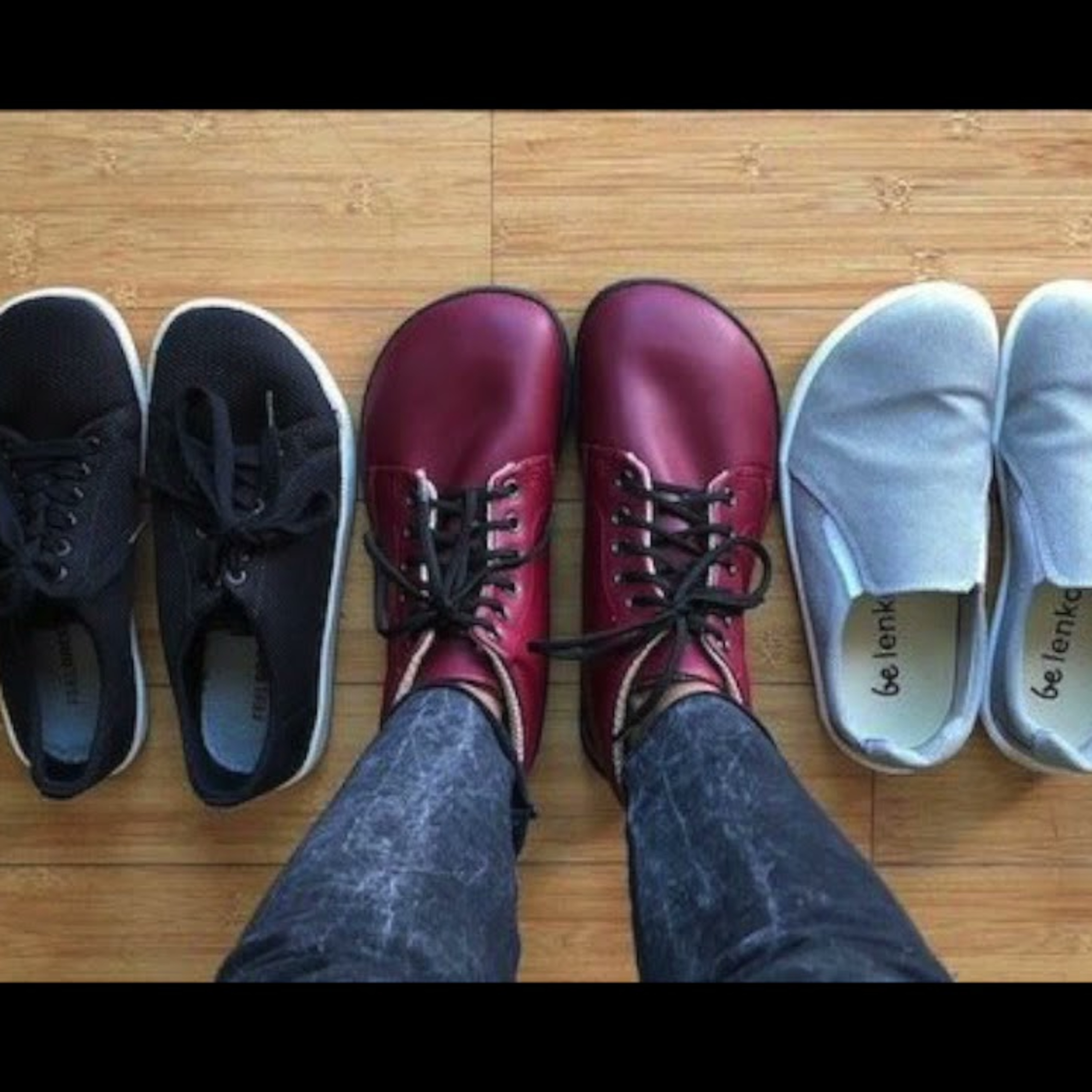
RE-EVAL CI: Do Shoes Matter?
Jun 200:13:46Tap to summarizeA topic that I used to be very into and had since faded for me but listening to an episode of Freakanomics brought it back to the front of my mind. Do the shoes you wear really matter? The episode talked about the evolution of shoes and what it means to your feet and some of the long-term health of your feet and body in general.In this Clinical Insight we get back into the discussion and offer some practical points to take away that you can apply to finding the “right” shoe for you. We also discuss time and place and that it doesn’t have to be one way or the other. Enjoy.Check it out.#complicatedsimple #resultsthatgiveback #heartbeatbarbell SUBSCRIBE: https://www.youtube.com/c/clinicallypressed?sub_confirmation=1
Transcribe →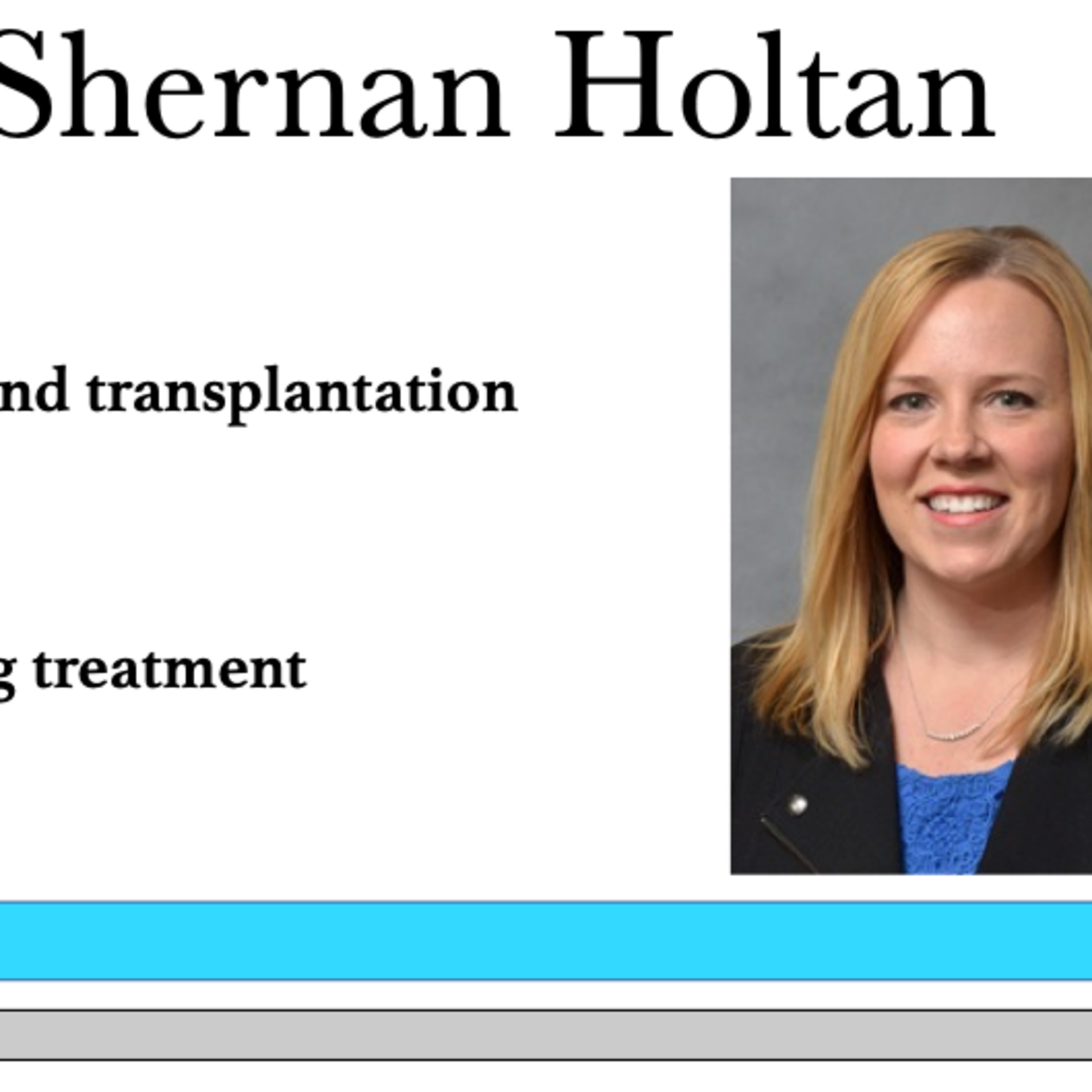
RE-EVAL Ep. 67: Dr. Shernan Holtan-Frail to Fit
May 2601:08:25Tap to summarizeDr. Shernan Holtan is a hematologist and oncologist at the University of Minnesota Medical Center. Dr. Holtan is taking a new approach to the care and rehabilitation of patients who are recovering from cancer treatment. In a pilot study, "Frail to Fit", the results showed how beneficial a targeted program can be to help people regain control in their lives and get back to what they want to do.Not only does Dr. Holtan use exercise on a research and patient basis, but she has also found her passion and calling with powerlifting and is competing to continue to push herself in her own fitness. This is a great episode highlighting the power of exercise. Check it out.www.clinicallypressed.org#complicatedsimple #resultsthatgiveback #heartbeatbarbell
Transcribe →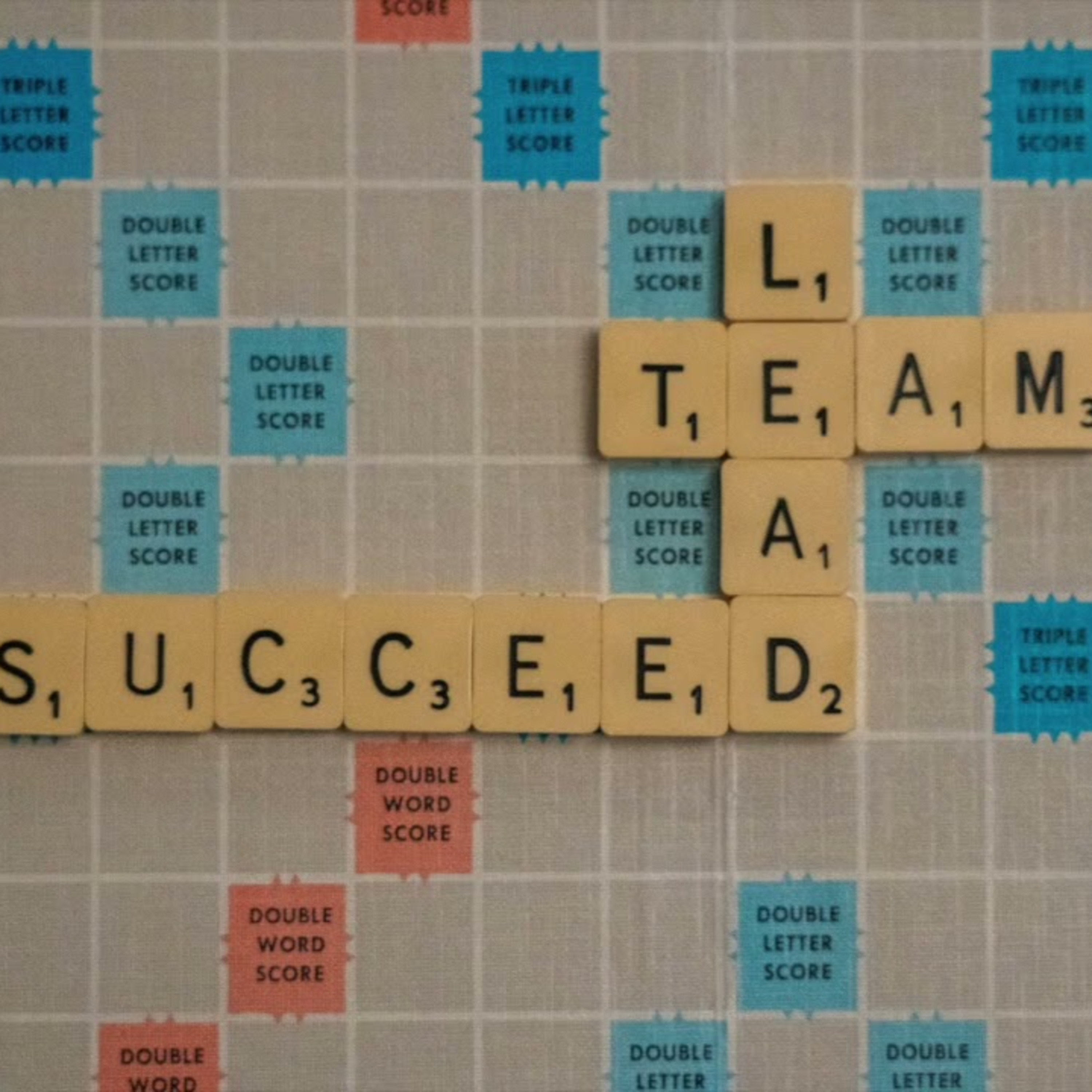
RE-EVAL LI: Administrative Leadership
May 1900:12:18Tap to summarizeBeing in administration doesn’t automatically make you a leader. Being a leader doesn’t always mean you’re in administration. An administrative position doesn’t necessarily mean a position of leadership and this can be key in how you communicate with your team and those who report to you. Being able to remain humble and continue to focus on your team and developing their human capital will be a game changer in how you interact with staff and the people you serve.We discuss some of the ideas around how you refer to yourself and your interaction with your team. Check it out.www.clinicallypressed.org#complicatedsimple #resultsthatgiveback #heartbeatbarbell
Transcribe →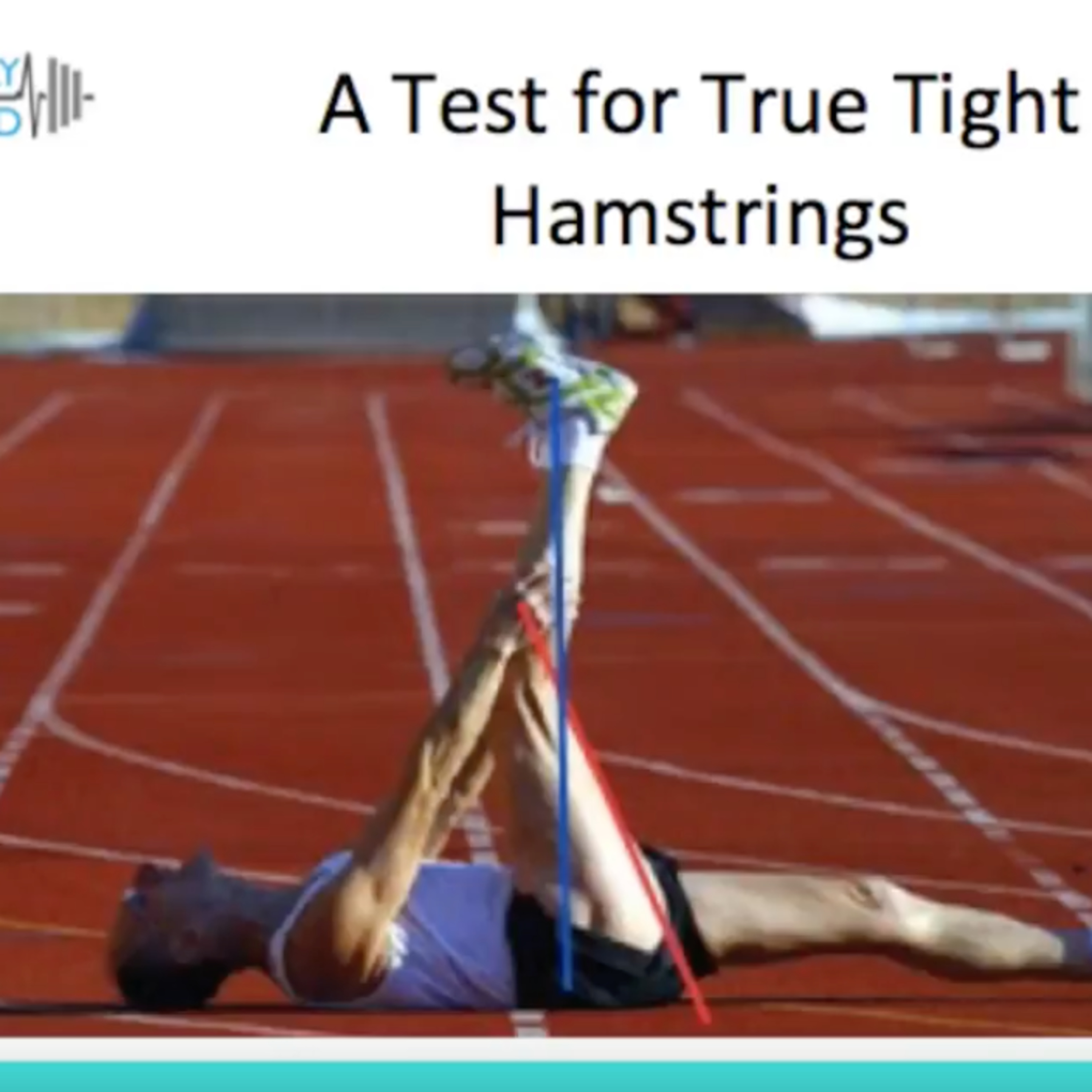
RE-EVAL Clinical Insight: Hamstrings-Tight vs. Taut
May 1200:07:53Tap to summarizeHamstrings get blamed for a lot of other issues (i.e. low back pain) but is it really their fault? In this Clinical Insight we talk about why the hamstrings might not be the only thing you should blame and the other factors that can play a role.www.clinicallypressed.org#complicatedsimple #resultsthatgiveback #heartbeatbarbell #hamstrings
Transcribe →
Ep. 94: Dr. Deb Sazama-All Things Volleyball
May 700:39:00Tap to summarizeIn this episode of Clinically Pressed, we sit down with Coach Deb Sazama, head volleyball coach at the University of Wisconsin–La Crosse, to unpack a wide-ranging conversation on coaching philosophy, athlete development, and the rapidly evolving landscape of volleyball at both the collegiate and youth levels.Coach Sazama shares her unique journey into collegiate coaching and reflects on how her philosophy has evolved over time, highlighting the importance of intentional culture-building, adaptability, and focusing on the important things for athletes. The discussion dives into how she balances technical skill development with physical preparation, and how her staff approaches workload management to optimize performance while mitigating injury risk in a sport characterized by high repetitive demands.We also explore recruiting beyond the stat sheet, including the intangible qualities that separate athletes at the next level, and what it’s like coaching at the Division III level.The conversation then transitions into youth volleyball, where Coach Sazama offers valuable perspective on early specialization, year-round participation, and the increasing pressure placed on young athletes. She addresses key concerns around injury risk, physical preparedness, and whether current developmental models are truly setting athletes up for long-term success.For athletes and parents navigating the path to collegiate volleyball, this episode delivers practical guidance on multi-sport participation, club vs. school volleyball decisions, and what an “ideal” developmental pathway might look like.Whether you’re a coach, clinician, athlete, or parent, this episode provides an evidence-informed and experience-driven look at how to better develop volleyball players, both on and off the court.#complicatedsimple #resultsthatgiveback #heartbeatbarbell #volleyball
Transcribe →Performance Insight: What is the Best Type of Exercise for Weight Loss
Apr 2800:09:35Tap to summarizeIn this insight, we explain why cardio may not be the best type of exercise for weight loss. We also discuss why weight loss shouldn’t be your only goal and why improving body composition is just as important, especially if one of your goals is to look better#complicatedsimple #resultsthatgiveback #heartbeatbarbell
Transcribe →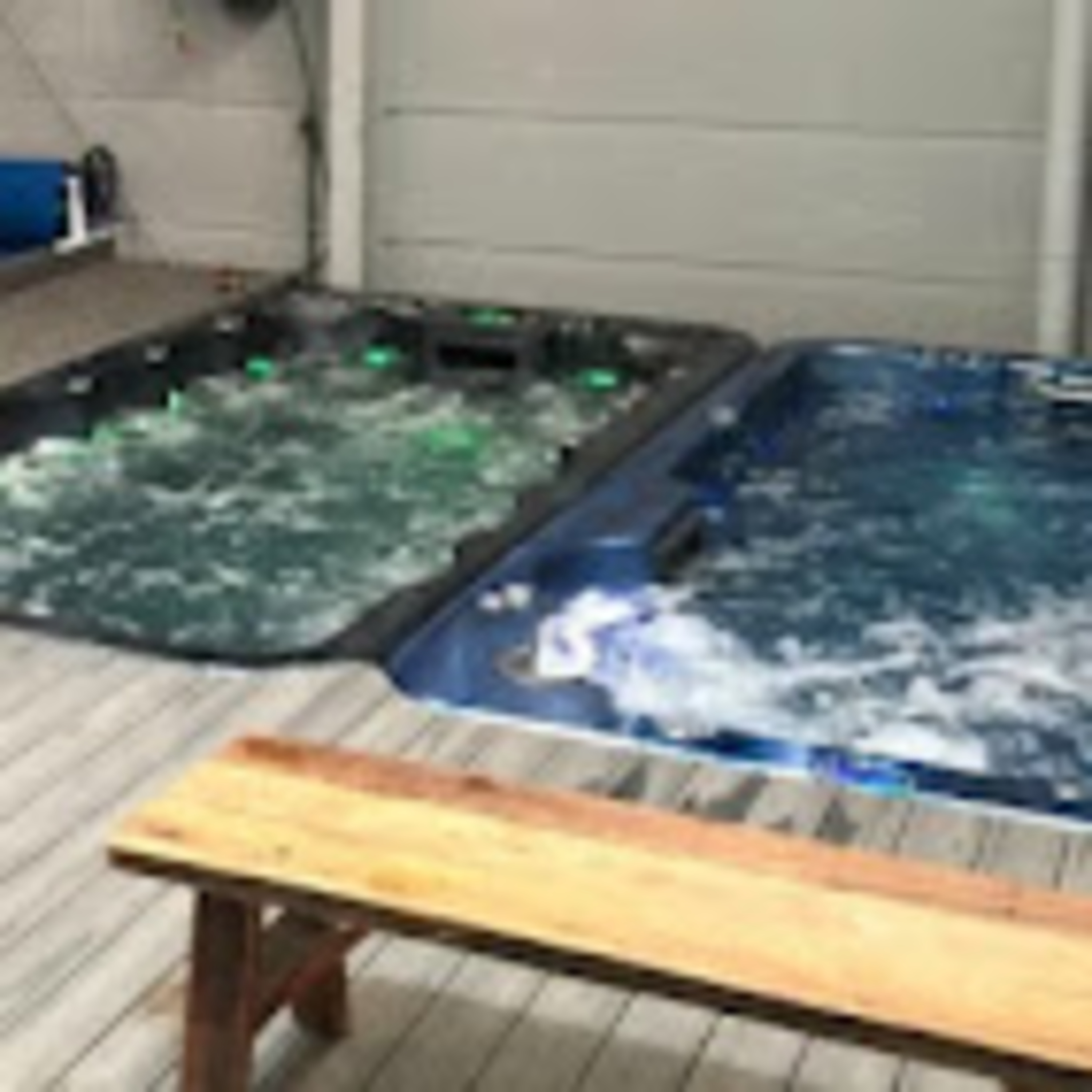
RE-EVAL Clinical Insight: Hamstrings-Tight vs. Taut
Apr 2100:07:53Tap to summarizeHamstrings get blamed for a lot of other issues (i.e. low back pain) but is it really their fault? In this Clinical Insight we talk about why the hamstrings might not be the only thing you should blame and the other factors that can play a role.www.clinicallypressed.org#complicatedsimple #resultsthatgiveback #heartbeatbarbell
Transcribe →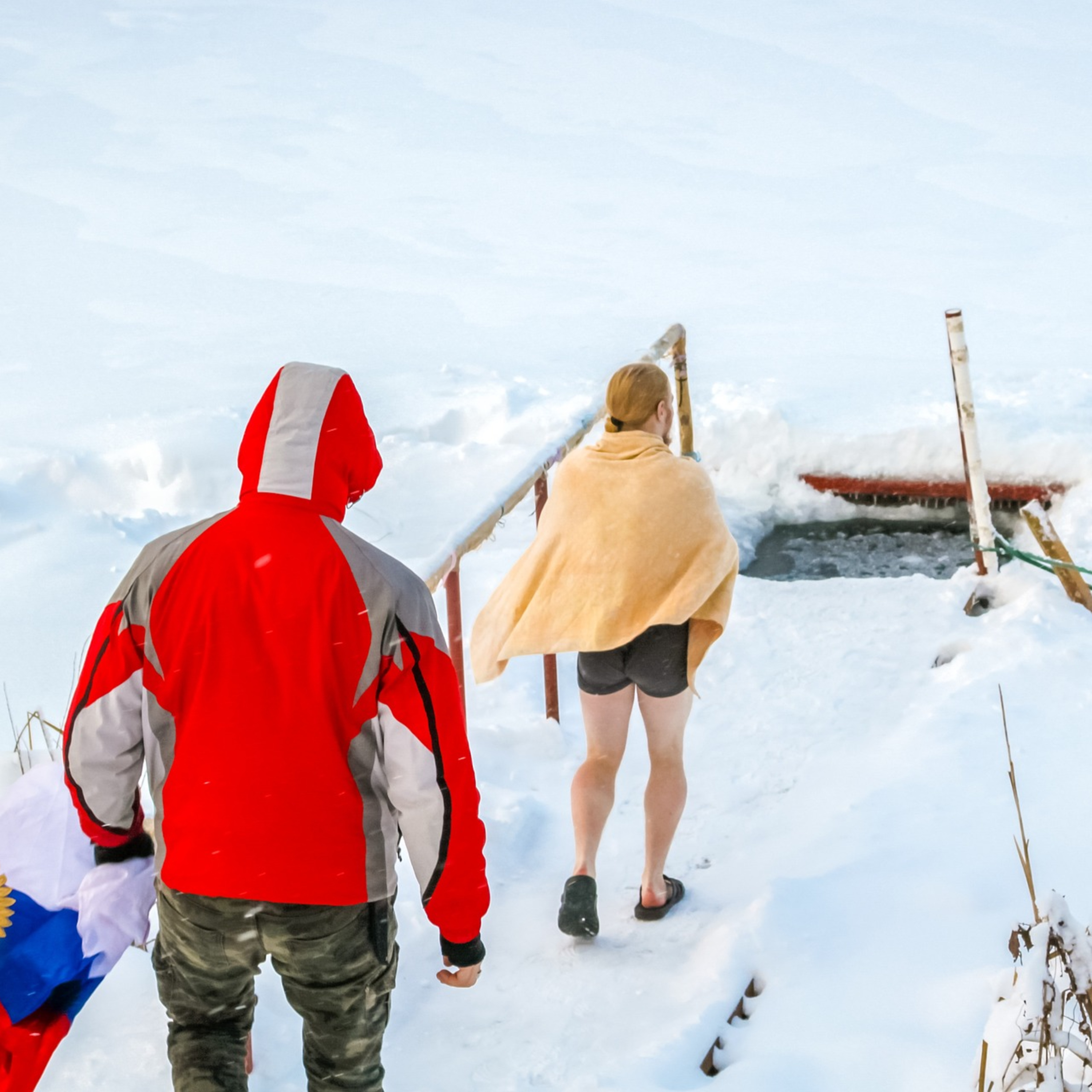
RE-EVAL Research Review: Cold Tubs and Muscle Adaptation
Apr 1400:07:12Tap to summarizeCold tubs are a very common modality for recovery from a hard workout or competition. There are definitely several health benefits to getting in the cold water to help recovery but as with most things, timing and goals are very important. In this Research Review, Dr. Jagim breaks down an article that discusses how cold water immersion impacts anabolic signaling and what that means for you goals in training. Check it out.Source:Roberts LA, Raastad T, Markworth JF, Figueiredo VC, Egner IM, Shield A, Cameron-Smith D, Coombes JS, Peake JM. Post-exercise cold water immersion attenuates acute anabolic signalling and long-term adaptations in muscle to strength training. J Physiol. 2015 Sep 15;593(18):4285-301. doi: 10.1113/JP270570. Epub 2015 Aug 13. PMID: 26174323; PMCID: PMC4594298.www.clinicallypressed.org#complicatedsimple #resultsthatgiveback #heartbetabarbell #coldtub
Transcribe →