← Clotheshorse with Amanda Lee McCarty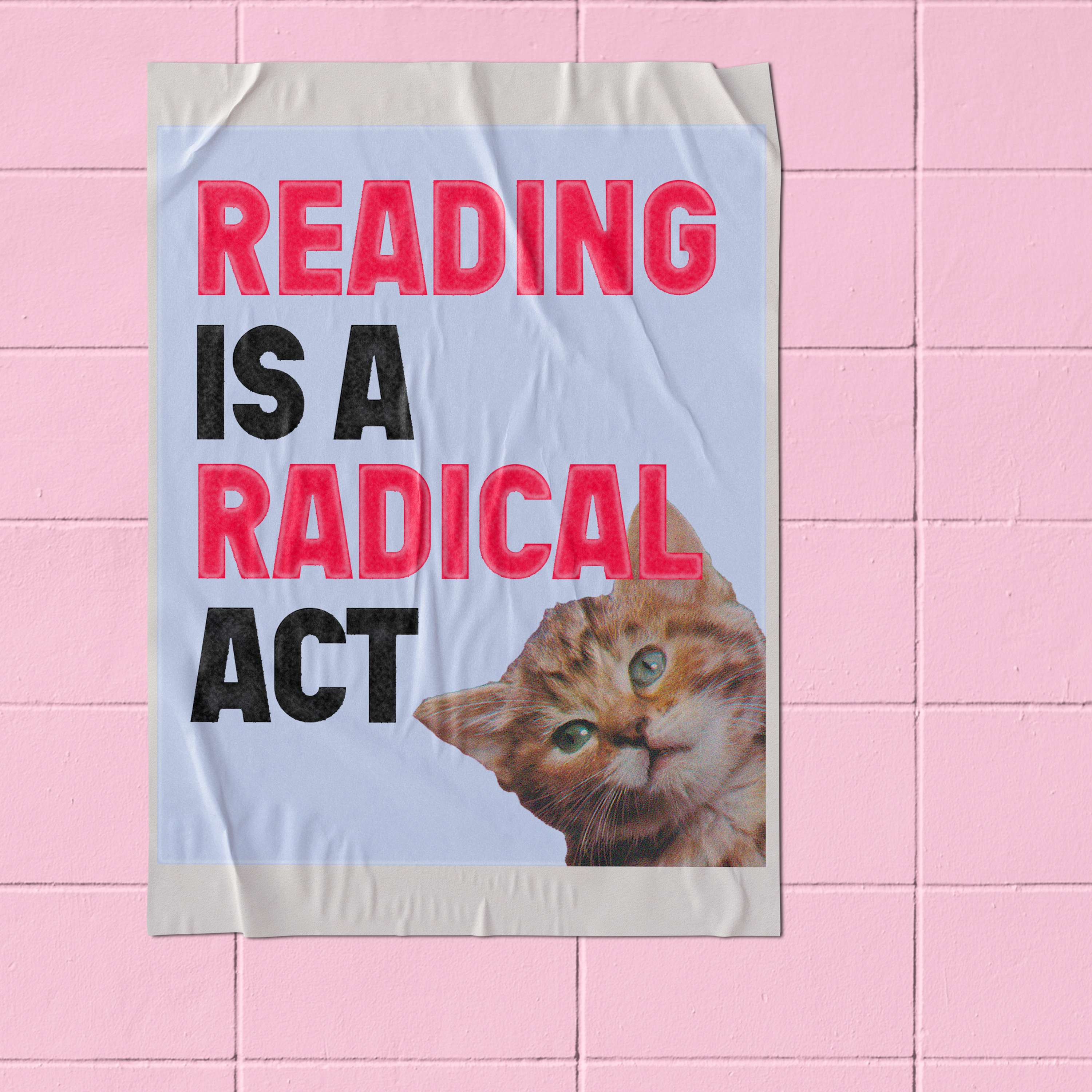
Clotheshorse with Amanda Lee McCarty
Episode 235: Reading, Writing, and Hanging out at the mall, with Jane and Molly of Content Queen
02:42:18
Loading summary
Transcript709 lines
- [00:20]
Amanda
Welcome to Clothes Horse, the podcast that always, and I mean always read enough books for a free personal pan pizza. And can we talk about what a grift in a good way the BookIt program was, if any of you know that basically the, I think pretty long running program that Pizza Hut had in partnership with schools, at least here in the United States. I don't know, you Canadians can weigh in on this, but if you read a certain number of books in a certain period of time, you got a free personal pan pizza at Pizza Hut. Which of course made you feel like, look at how successful I am. I basically take care of my family by earning this personal pan pizza for myself that they don't have to pay for. But the grift, or at least the genius marketing will say, is that your whole family had to go along because you're a kid. You can't drive yourself there. And of course they're going to come in too and eat pizza for dinner. And so suddenly your whole family is there ordering pizza. Man, that is how Pizza Hut raked in the dough. Pun intended. Anyway, I'm your host, Amanda, and this is episode 235. I took a few weeks off one to go to the UN which was a really interesting experience, an awesome experience, and I'll tell you more about that next week. And I also just needed a little bit of time to just cope with like the tremendous burnout I'm feeling right now. This year has just been like really, really hard. Like, I just have a lot of work going on. The world itself is very difficult to live in right now and I'm just, I'm kind of tired. I keep up a pretty wild pace and I just need an ext week off to kind of rejuvenate. And I may be taking off some more weeks here and there during the summer because I want to do fun summer things. Okay. I don't know what they are, but I'll know them when I see them. This week's episode is also coming a little bit late. Speaking of fun summer things, due to the important commemoration of Mr. Dustin Travis White's birthday, I did not feel cool asking him to do some free work for me on his birthday. So you're getting this episode a little.
- [03:09]
Dustin
Bit late this week. But wow, is it worth the wait?
- [03:15]
Amanda
Because here we are with an episode I am super excited about this week. You're going to meet Molly and Jane of Content Queen, which is a two person, big area based zine publisher. What a tongue twister. And we're going to talk about all kinds of very hot topics, including literally hot topic the store. Why Jane and Molly make physical zines rather than virtual online content in 2025. This answer is important and it might get you thinking how the kind of content we consume, especially the content we read, has changed in the social media era. And then we're going to deep dive into two of content queen zines that are explicitly fashion related. One is called stressful, awkward, envied 90s and 2000s brands from those who wore the clothes, worked the registers and modeled for the catalogs. Y' all are going to love this. You're going to want to go read it asap. It's so good. It makes me so happy, so nostalgic, so close, horse coded in every way. And I didn't even know Jane and Molly before I laid eyes on this publication. It's incredible. And then also Wendy's World, which is, quote, an immersion into the early 90s downtown New York world of the ultimate cult indie fashion label built by Wendy. So lots of nostalgia in this episode, lots of talking about books, lots of talking about reading, and just generally a really good time.
- [05:13]
Dustin
Along the way.
- [05:14]
Amanda
Molly and Jane will also tell us about what it's like to vend at a zine fair in 2025 and it's different than it used to be. And as if this wasn't all enough, we're gonna wrap it up by making our trend predictions. And oh yeah, I'm just gonna tell you now, I might make some of you very angry by saying that it ends with us is a bad book, which is not meant to disparage any of you who love it. Taste is very personal, especially with books. And perhaps you don't love the Little Princess as ardently as I do. And you'll hear all about that in this week's episode too. Before we jump into that, well, I have two things I want to tell you. One, recently I watched, I think it's a two part documentary on HBO Max about Paul Rubens, AKA Pee Wee Herman. And it made me so happy.
- [06:17]
Dustin
I really recommend you go watch that.
- [06:19]
Amanda
If you have access to that. And secondly, after watching that, I found a comp compilation, if you don't like abbreviations here, a compilation of all of Pee Wee Herman's early appearances on Late Night with David Letterman like in the very early 80s. And I don't know, it's like two and a half hours long and it was so fun to watch. Also we split it over two nights and also just filled me with so much joy. So if you're looking for something different to do this week or something that's gonna make you feel happy, go check those out. But then I have something else to tell you beyond that, which is I wanted to announce a little event that I'm doing in Philadelphia in July with Ruby of Slow Fashion Academy, formerly Spokes and Stitches, in honor of five years of Clothes Horse, which I cannot believe.
- [07:29]
Dustin
But we're almost there.
- [07:31]
Amanda
We are throwing a little birthday thrifting crafternoon on July 20, which is a Sunday, FYI. We're going to get things started at the Bargain Thrift Center. Former Guest Shout out where we will look around for T shirts or other items that we would like to customize or upcycle. And then next we'll go to the Slow Fashion Academy, which is on the same block. It's Ruby Studio and we're going to spend a few hours making something new out of what we thrifted on. Bringing a stash of vintage upcycling books from the 60s, 70s, 90s aughts, hopefully to give you some inspiration. And Ruby is providing additional materials, scissors tools and sewing machines. So we'll spend a couple hours snacking and crafting and then we'll head to Attic Brewing Co. Where we'll chat and play nostalgic capitalism games like Mob Madness, let's Go to the Mall and more. I've collected quite a stash and I'll be bringing them all with me. So here's the thing. There are only 15 tickets available and you can get yours at the link in the show notes. Tickets are $65 and they include the following. You get a $10 voucher to use at Bargain Thrift. Get one clothes horse iron on transfer of your choice. Dustin and I will be bringing the heat press along with all these board games. The car is going to be so full we'll bring the heat press so we can iron it on for you right there. There will also be additional clothes horse merch for sale. So if you have multiple items that need iron ons, we're ready for you. Bring stuff if you want us to iron it on for you there. Bring it along. We're there, we're read. You'll also get one drink ticket to use at Attic Brewing and they have non alcoholic drinks as well. I don't drink alcohol, but I am excited to have something very refreshing while I'm there. And of course also at the studio we're going to have snacks, beverages and birthday cake. If all of that doesn't sound like.
- [10:03]
Dustin
The right fit for you.
- [10:04]
Amanda
If you're like, don't make me craft, don't make me eat cake. You can also come join us afterwards at Attic Brewing Company. You can stop by to say hi. You can play some nostalgic board games. You can hang out with other clothes horseians. I don't know. We need a name for this community. Anyway, more details coming about when and how to meet up with us. They'll come closer to the event, but once again, that's on July 20th. And I would just recommend that you do not snooze on this because with only 15 tickets available, they could go really fast. And the link will be in the show notes. So just go do it now. It's going to be so fun. And I am excited to hang out with you all and cut up some stuff from the thrift store and, you know, sew it back together again. Okay, before we jump into my conversation with Molly and Jane, because it's long, this is a long boy, this episode. But I promise it'll go by so fast. And plus, you haven't listened to an episode in like two weeks, so you probably. You need a little extra this week, right? I just wanted to talk a little bit about reading and writing.
- [11:24]
Dustin
I know, scintillating, right?
- [11:25]
Amanda
But actually, yeah, scintillating, thrilling, important. I remember feeling very anxious about learning both of these skills in school. I kind of already knew how to read books thanks to a series of animal books with accompanying records that somehow found their way into my possession in preschool. And I don't know why someone gave a small child records, but what can you do? It's too late now, right? I already learned how to read. And who knows where those records are now. Probably a landfill. But I will tell you that I was thrifting a few weeks ago when I actually found the books. Of course I had to buy them. Nobody else was excited. As excited as me. I think I like shrieked. Just a low key shriek. Like with my mask on, you could probably barely hear. But I was very excited about these books and looking at them has made me so happy. But that, that was my introduction to reading in school. When we had to start learning reading and writing. The formal instruction of it all felt overwhelming to me. Like, was I up for the task? Is how I felt. And to be honest, controversial. Take here, not the only one you'll hear in this episode. I. I'm still not a fan of actually writing something with a pen or a pencil. I love drawing, but when it comes to writing things, printing things out or God Forbid writing cursive. My brain just moves way faster than my hands. And I have pretty okay handwriting now, although I see it going downhill because I use it a lot less. Um, but my handwriting was so bad when I was a kid that my mom would make me sit at home and copy the dictionary for an hour every day to try to improve my handwriting. I don't know if it helped, but, man, it made me hate writing even more. Anyway, writing, but reading, wow. Learning how to read unlocked this whole new world for me. And it was like, it was escape. It was sneakily educational, it was fun. And over time, it was a source of comfort. And, you know, I always joke that speed reading is my superpower and people are like, oh my God. Like, did you take a course on it? Like, do you have any tips? I'm going to tell you I'm a fast reader because I have had so much practice. Imagine if I had put that amount of time and energy into sports. Maybe I'd be an Olympic athlete. Probably not, but maybe, right? But I mean, I have spent so much of my life reading. During the summers as a kid, I would devour 10, 20, 30, 30 books a week in elementary school and middle school. And I'm talking chapter books. Just a casual, humble brag here. By the end of fourth grade, it seemed like I had read everything in the town library in both the kids and the young adult section. So my mom gave me permission to start reading grown up books. And I don't know how it happened. I didn't know what I was getting myself into. But the first adult book I ever read was Flowers in the Attic. If you know, you know, definitely read it like 50 times, minimally. Just kept starting it over and over again. I mean, there's an awesome dollhouse in it. Okay, I am by now fully versed in all the VCH work that's out there. Have any questions, send them my way. But salacious incest books aside, reading open doors and also kept me feeling safe and okay. Rereading my favorite books, even alas, Flowers in the Attic gave me something reliable to hold on to. I am so passionate about books and libraries to this day. And this year I've been putting more time aside to read read. Because it's been a respite from the exhausting level of anxiety I have been experiencing. And I have tried it all. I tried playing video games and was like, okay, a little bit. I have very little patience to watch anything like television or movie, unless apparently it is a comp of Pee Wee Herman. On late night in the early 80s. Then I'm like fully focused. I also one time watched a full documentary about baby elephants in Japanese and Dustin said it was the most riveted he'd ever seen me by any video content ever. So I'm really, I'm just, I'm a reading person. And like I said, reading has been a good escape from feeling anxious this year. It's one of the many great things about books is that reading is like, it's, it's just so immersive. Right. You really are transported so somewhere else. But my, like I said, I've been anxious this year. And speaking of anxiety, I've had this growing sense of dread about the future of books and reading. I've read numerous think pieces that make me afraid that reading and writing are slowly dying in favor of video and screens. A 2024 piece from the Atlantic explained how students at elite colleges are struggling to read entire books for class because they just don't have experience reading entire books. And after reading this, I talked to an English teacher friend of mine who would prefer to remain anonymous for many reasons, and she told me that they no longer read books in her high school curriculum because the kids just don't have the attention span or really like literacy to read a whole book and like, think about it and expand upon it. They instead focus on short essays and stories.
- [18:05]
Dustin
And that was really disheartening to me.
- [18:08]
Amanda
Because to be fair, I read some pretty boring books in high school.
- [18:12]
Dustin
Like, Sorry, not Sorry, Great Expectations.
- [18:15]
Amanda
Not doing it for me.
- [18:16]
Dustin
Except for how I realized as an.
- [18:18]
Amanda
Adult I'm such a Miss Havisham, you.
- [18:20]
Dustin
Know, I didn't love it.
- [18:21]
Amanda
Moby Dick, eh?
- [18:23]
Dustin
Overrated. Sorry, that's my hot Take.
- [18:28]
Amanda
This and more. Maybe I just need a podcast where I just break down every book I've ever read. Anyway, I still think it's important to read books. And I read also some books in high school that were like, life changing for me. For example, Sophie's Choice is really how I came to understand the Holocaust in a more like, personal way, far more expansive than anything I'd learned in history class in school. So just an example of how reading I think reading books is so important. Last week I almost burst into flames of despair. Like, I had to run into the other room and tell Dustin I just read the most upsetting thing ever. And he was like, what? I think it wasn't as upsetting to him as it was to me. But I read a piece from the Guardian called It's so boring. Gen Z parents don't like reading to their kids and educators are worried. And I'll tell you I'm worried after reading it. If you would like to get worried like me, I will share the link in the show notes so you can also spiral about the decline of literacy and how it will look in a few generations. Now of course, all of this kind of stuff, it can be slightly a bit of what we call a moral panic where people are, I don't know, panicking about something that's really not as big of a deal as it seems. Or maybe they're panicking based on false information. But I also see this signs of reduced media and cultural literacy around me. Even just how people do or do not comprehend social media posts, you know.
- [20:07]
Dustin
And I want you to think about.
- [20:08]
Amanda
It, AI is trying to give us the option of never having to read or write again. Like just ask the Internet a question and it will somewhat correctly fingers crossed, answer it for you. I've also seen weird posts going around the Internet in the last week where apparently the current hot topic on Booktok, which is the I'm gonna sound like a grandma right now, the section of TikTok about books or I don't, you know, people making content about books. Okay, now I will tell you, Booktok has been accused in the past of driving people to over consume books by like buying books that they never read. And that sucks, but I like to believe that eventually they're gonna read them. By the way, I have a rule in my house that a book cannot go onto the bookshelf until it has been fully read and any books that have not been fully read must sit on this chair in my bedroom right now. There are two books on there. I'm getting to them. Okay, anyway, this conversation that's going around on Booktok right now, or at least.
- [21:08]
Dustin
Was last week, it could have changed.
- [21:09]
Amanda
By now, was that basically if you've read more than 20 to 24 books in a year, which is like one every few weeks, you're over consuming books. And no, they're not talking about just buying books, they're talking about like even if you're checking them out of the library. And that is just, I'm sorry, but that is anti reading propaganda. So all of this can sound like come on silly, it's just TikTok, blah blah blah. But think about how literacy or lack thereof is a tool of fascism and control. Quite ironically, in some excellent books, for example, in the Handmaid's Tale, women are forbidden to read and write because it Keeps them pliable and subservient and in theory, pregnant and taking care of their men. Okay, in 1984, a book that comes up so often when Trump is our president, language is simplified into something called Newspeak, where every idea can be conveyed in a single word. Why? Because then people no longer have language to communicate anything outside of what those in control allow them to think about.
- [22:23]
Dustin
And yeah, they're not reading books either.
- [22:26]
Amanda
In Fahrenheit 451, tech companies simplified books into something people could read in five minutes or less. And then the books became less important until they were finally just burned and no one read anymore. This made everyone easier to control. No chance of them reading a book and suddenly, you know, I don't know, learning about resistance from it or just having a different idea of how the world could work. And sure, these are dramatic versions of a bookless future, but I can't help but think in an era of trad wives and way too much focus on controlling our bodily autonomy and talking everyone into birthing more babies. Well, doesn't weird social media conversation about not reading too many books or just finding the answers on ChatGPT, doesn't that feel just like a little bit sinister? You know, I'm always saying that the little things you do every day are actually radical and impactful in a fast fashion. Fast everything world reading is one of those things. Yes. Reading is a radical act. Writing is a radical act. Telling stories is a radical act. Sometimes someone who doesn't have our best interests at heart might be filling our ears with statements that feel like facts because they come from someone with power or prestige, but really are just being used to confuse us into believing something that benefits them, not us. For example, telling people that they're reading too many books.
- [24:16]
Dustin
Right?
- [24:16]
Amanda
Who does that really serve?
- [24:17]
Dustin
We'll come back to that.
- [24:20]
Molly
Sunday morning, Dustin and I were listening.
- [24:22]
Amanda
To an episode of Hidden Brain about kids playing outside on their own. And one of the guests shared a story of his childhood best friend teaching him how to ride a bike. And I said to Justin, oh, wow. My friend Tanya taught me how to ride a bike in fifth grade. And he was like, wow, that's like, kind of late. And also, why didn't your mom teach.
- [24:42]
Dustin
You how to ride a bike?
- [24:43]
Amanda
And then I remembered why I didn't know how to ride a bike. My mom had told me, you're too uncoordinated to ride a bike. You probably can't learn, and you will definitely hurt yourself if you try. And there were also many other Things I was too uncoordinated to do. Take gymnastics class, join really anything remotely athletic in elementary school. Wear certain shoes, wear nice clothes, all these things. I really wanted an Easy Bake Oven and my mom said I was too uncoordinated to use it.
- [25:23]
Dustin
I'd probably burn myself. So I couldn't have one of those either.
- [25:25]
Amanda
My mom said this to me, and because she was in a position of all knowing power in my life, I believed her. I accepted that I was too uncoordinated to ride a bike or use an Easy Bake Oven. So I was over at Tanya's house. It was fifth grade, really. Her house was a trailer, and I promise that is part of the story. And her mom suggested that I should bring my bike along with me the next time because the streets of the trailer park where they lived were really good for riding around. They were like newly paved and it was pretty safe and you could actually ride a great distance without being very far from where you started because there were just so many little streets. And I told her that I didn't have a bike of my own and she was surprised. So I explained. Well, my mom said that I'm too uncoordinated to ride a bike and I'll probably hurt myself now. Her mother grimaced, and I'm sure she was. Now, as an adult, I can see this probably trying to not say something bad about my mom. So instead she said, tanya, go out.
- [26:29]
Dustin
There and show her how to ride a bike.
- [26:32]
Amanda
And she did.
- [26:33]
Dustin
And I learned how to ride a bike that day.
- [26:36]
Amanda
Thank you, Tonya and Tanya's mom, for literally changing my life.
- [26:40]
Dustin
Yes, I fell a lot.
- [26:41]
Amanda
I scuffed up my knee. There were definitely a few moments where I wanted to give up, but Tanya was so patient. And I did it. I kept my balance and I pedaled up the street long after she had let go of the seat. Almost so fast that I didn't even really know I was doing it until I turned around to come back. Eventually, my little brother got a new bike for his birthday and I was able to use his old one. And I would just ride around in circles for hours. During the summer, when I was done doing homework, I would pedal around and around. Basically, my summer was housework, reading and bicycling. And to this day, riding a bike is right up there with reading at the top of my favorite things to do list. Dustin and I take our bikes on road trips or we rent them in other countries. I've biked around every city, I've lived in beach towns, I've visited small rural towns in Texas and even little islands in Japan. I just love riding a bike. Why did my mom tell me I couldn't do it and would never be able to do it?
- [27:55]
Dustin
I don't know.
- [27:56]
Amanda
Maybe she didn't want to take the time to teach me. She did have my kindergarten teacher teach.
- [28:01]
Dustin
Me how to tie my shoes.
- [28:02]
Amanda
It could be that maybe she didn't want to spend the money to buy me a bike, which I understand too. If you're buying bikes for two kids, that's a lot of money. Maybe she worried that I would no longer be our family's housekeeper and cook.
- [28:15]
Dustin
If I had the freedom to ride away.
- [28:18]
Amanda
I don't know. But to me, reading and biking are almost the same thing. Like in my mind, simple things that make me happy and are good for my mind and body and maybe even the world. I wouldn't want anyone to take those away from me. Ever. And when I think about why people might be persuaded to read less and stream and scroll more, I see the motivations as clearly as my mom's reasons for keeping me off a bike. It makes us more malleable and controllable because we aren't being exposed to any new or different ideas. It makes us more vulnerable to misinformation, which then makes us easier to control. And of course, it makes it so much easier to sell us some more shit that comfort and escape that we get from reading. Without it, we might just go shopping instead. If our brains are no longer stimulated by words and stories, we'll look for some enrichment elsewhere. The accumulation of more stuff that we probably don't need discouraging us from reading is good for both capitalism and fascism.
- [29:36]
Dustin
These things kind of start subtly. Anyone who has read the Handmaid's Tale or any other piece of dystopian literature.
- [29:43]
Amanda
Will tell you that it's just little.
- [29:45]
Dustin
Pieces at a time, and then suddenly.
- [29:46]
Amanda
I don't know, there's no more bees and no one knows how to read. And by the way, if you're looking to read other dystopian work, which is quite an undertaking in 2025, I get that. But if you're looking to read other dystopian work by Margaret Atwood, who is.
- [30:03]
Dustin
The author of the Handmaid's Tale, I actually recommend reading the Mad Adam trilogy.
- [30:07]
Amanda
Which, over a span of three books, kind of explores how society breaks and what it looks like afterwards, I actually really love them. Maybe more than The Handmaid's Tale. I had mono in 2017, and I spent half of that year in bed reading dystopian novels.
- [30:24]
Dustin
And you know what?
- [30:25]
Amanda
It was weirdly fun.
- [30:26]
Dustin
Trump was president then too.
- [30:28]
Amanda
I don't know what to say. Sometimes you gotta scratch the wound to feel a little bit better. I don't know.
- [30:34]
Dustin
Anyway, the next time you encounter any.
- [30:37]
Amanda
Kind of content, social media or otherwise, that seems to discourage you from reading and learning, I want you to take a more critical view of this. Why would someone suggest we read less books? That reading too many books is over consumption? Which, wow, what a way to get people who care about doing good things for the planet, what a way to get them to stop reading books. Like, pretty sneaky, right? Why would someone suggest that we just skip our own reading and research in favor of just asking ChatGPT, that we can just watch the movie and get the same impact.
- [31:17]
Dustin
Which, by the way, hot take here. I think many of you will agree with me on this.
- [31:22]
Amanda
99% of the time, the book is better than the movie. Don't let anyone tell you otherwise. Why are so many people campaigning aggressively using so much money and so much time to ban specific books from schools and libraries? I'm going to tell you, at my.
- [31:42]
Dustin
Last corporate job a few years ago.
- [31:43]
Amanda
For Banned Books Month, I did this project where in all of our stores we sold, I want to say it was like 30 different banned books. And we like did little write ups on cards around them. The window displays were all about them and explaining these books and we talked about it on social media and we donated a portion of the sales to projects that would, you know, supply books to kids. And that meant for like six months straight, in preparation for that, I read just about every book that was being banned from public libraries and schools in Texas. And the one thing they all had in common is that they just highlighted people of color or experiences other than the just very straightforward middle class, white CIS male experience. There were stories of girls sort of coming of age and the experiences of growing up. There were a lot of stories about discrimination and racism and violence that people are subject to because they're not white. There were a lot of young people coming to terms with their sexuality and coming out or being afraid of coming out. Why would we ever want to to hide those stories, right? Why would people ban books? When you think about it, you start.
- [33:06]
Dustin
To see a bigger picture there.
- [33:07]
Amanda
Right? Okay, how about this one? Why would the President of the United States or the president of any states anywhere, united or otherwise, why would they want to dismantle the Department of Education? I mean, that's dystopian right there. Or even on a smaller scale, when someone says, which this happens to me a lot.
- [33:29]
Molly
I see this a lot.
- [33:30]
Amanda
And they mean this as, like, a snarky thing, which is, this is too long. So I didn't read that. Ask yourself, is it really cool to just not read something? Or is that person also just discouraging themselves and others from reading, possibly because someone else modeled that behavior for them?
- [33:50]
Dustin
Right.
- [33:50]
Amanda
Like, what's the equivalent of my mom telling me I can't learn how to ride a bike? Telling others that they probably can't handle reading. Right. Because I see that happening to you. I literally heard someone say to someone else on a bus one time, you're too stupid to read that book. What the fuck?
- [34:08]
Dustin
Okay.
- [34:11]
Amanda
Reading is so important. Education is so important. It. It opens us up to a better world. It gives us empathy for situations we don't understand. Right. It brings us together as humans, which is interesting because reading feels like such a solitary act. But I promise, what we learn while we're reading, what we experience while we're reading, it brings us closer to people all around the world who we will never meet. Irl. And I think that closeness is scary for those who succeed when we're separated, when we're lonely, when we feel desperate, when we feel like we aren't getting what we're supposed to get out of life. A lot of really bad people in systems thrive when we feel that way. We must protect books and libraries and reading and writing. And I can't even believe I'm saying this, but this is how we share ideas and information. They are the essential building blocks of a better future because they help us see alternate outcomes. They help us envision solutions. They introduce us to people we might never meet.
- [35:25]
Dustin
Irl.
- [35:26]
Amanda
And that's how we learn empathy. We must continue reading even when it feels hard or we're too busy or too tired. We must continue to make books accessible to everyone. So keep on reading and get everyone else around you to read too. Let's take trips to the library together. Let's form a book club. Let's share our lists of favorite books. Let's stay radical by reading. Okay, well, that's a heavy intro to this conversation, but I promise it fits the rest of this episode, which is fun also. I promise. So let's jump into my conversation with Molly and Jane of Content Queen.
- [36:16]
Dustin
All right, why don't you go ahead and introduce yourself?
- [36:18]
Jane
Okay. Hello, I'm Jane Justice Lybrock. I live in San Francisco. I am co editor of Content queen, which is a content creator project of myself and another special lady you're about to meet. And I like to power lift and I live with two cats.
- [36:39]
Wendy
Hi, I'm Molly. I am sorry, let me reintroduce myself with my full name since that's what Jane did.
- [36:46]
Dustin
I know. So fancy.
- [36:48]
Wendy
I know. Or you don't have to include my full name. I just have a very confusing name, so I'll say the whole thing. I'm Molly. Jane Rosen Mariner. I really went to add on as many names as I could throughout my life. I'm a writer. I live in Oakland with husband and my basset hound. And I really like reading books. It's a great hobby. And watching movies. Those are my versions of powerlifting.
- [37:13]
Dustin
I like that. I like that. Yeah, I'm kind of an indoor kid, so the books, movies really resonates with me.
- [37:18]
Wendy
More powerlifting is indoors.
- [37:20]
Dustin
That's true.
- [37:22]
Jane
I like books and movies too.
- [37:23]
Wendy
No, she doesn't.
- [37:24]
Dustin
Jane. Okay. Just so you all know, Jane is such a jock. Cancelled. Yeah. Anyway, well, I'm excited to talk to you too, today. I basically sent you an email out of the blue and you somehow responded to me in 15 minutes, which still feels like very special to me. Also, it's how I know I'm speaking to email fans, which we were discussing earlier. And I basically became aware of your work because my friend Kat, who lives in the Bay Area, she actually has this brand called Baby Cats of California. I don't know if you've ever seen her stuff. It's cat themed, as you may have guessed. She said, hey, I'm sending you a present in the mail. And what she sent me was a copy of two of your zines. She sent me Wendy's World and Stressed, Awkward and Envied. And she really had my number because I was very excited to get those in the mail. And after reading them, I was like, yeah. I asked my husband, I was like, is it weird for me to just reach out to strangers and ask them to come and be on the podcast that probably doesn't even seem like it's about zines or anything. And he was like, yeah, you should just do it. The worst thing will happen is they'll pretend they didn't get the email. And I was like, you're right.
- [38:27]
Wendy
So, Amanda, we've been waiting for someone to reach out to us for so long. No, seriously.
- [38:33]
Dustin
Well, I was, like, so excited because I was. And, you know, since we started talking and playing this episode, you sent me other parts of your catalog. And, like, the amount of joy that it has brought our household of two humans and four cats is, like, unmatchable. Like, we have been just reading these over and over again and loving them. Obviously, this is a very pro zine, pro book household. We have a riso in our living room. Like, we are. Like, this is something we're really into. And, yeah, I'm just excited to talk to you about what you do today. So I thought we could get started by just talking about, you know, how did Content Queen begin?
- [39:14]
Jane
Okay, we were talking about this the other day, and Molly actually remembered the original inciting incident better than me, so she should tell that part.
- [39:22]
Wendy
Yes.
- [39:23]
Dustin
Okay.
- [39:23]
Wendy
I was interviewing for a job where you had to make a deck, which was a term that I didn't know. And Jane, who is much more professional than me, we often describe her as the gallant to my goofus, was just kind of giving me advice about what is a basic deck trope versus what would be more creative. And ultimately, what I landed on was using an US Magazine framework for the visuals of my deck and what I would include to introduce myself. What's in my bag? 25 things about me. And not only did that get Jane's approval, but it unlocked our collective memory of the best parts of magazines. From the time period that we are so obsessed with magazines is not the features, but it's the what you can only describe as the set it and forget it content. Like the features that come in the front of the magazine and the back. The Us Weekly stuff, the Vice dos and don'ts, the 17 embarrassing moments, like the formula stuff. And what if there was a magazine that was made up of only that repeatable content? Nothing that is features or timely, just only those generic things. And that evolved to Content Queen issue one, which was our take of, like, a Bay Area Girlboss magazine, which is a very specific type. You know, I think we started this in, I think, 2018, which would have been like, the pinnacle of the wing and really like a more naive and shining moment for girl boss culture. And so our first few issues were really a take on that. And from that, we started publishing other things under the Content Queen label too. Projects that really started to spiral out in the scale of their ambition and what topics they would take on and how we would design them.
- [41:17]
Dustin
Okay, love that.
- [41:21]
Jane
I want to go back and savor the moment, though, because I remember I have a very vivid memory, not of critiquing your deck, but of the moment when we actually decided to make something, because up until this now we were just trying to get Molly get a.
- [41:35]
Wendy
Job, which I got it, by the way. Okay, Reader, I got it.
- [41:40]
Jane
She has an even better job now, and she's a queen. But I remember sitting in my apartment, and we were talking about these different parts of magazines that we liked. And, oh, my gosh, wouldn't it be great if there were a magazine just of them? And then there was a moment where we were like, wait, we can just make it. Let's make it. And that was, like, we hadn't been talking about, like, oh, what zines should we make together? Right?
- [42:05]
Wendy
Like, yeah. And I should say that I feel like I'm so informed by magazines of the 90s and 2000s that I feel like the inner narrative in my head, for better or for worse, is magazines from that time period. Like, I consider myself. I have a huge poster of the Monica Lewinsky issue of Jane magazine here. I was obsessed with Vice briefly and interned there. Like, I was so into, like, Cosmo Girl 17 before that. And then I was also really into zines at that point, too. I made a zine with my high school best friend called Diva Angst. And to this day now, she's, like, a hotshot graphic designer. And so we were both kind of like, mirroring the adults that we would one day be like, she was making it on her old school Mac, reached out to bands to interview them, and we also made E zines, which is a community. If anyone listening here ever made an E zine, please reach out to me, because I would love to talk to someone about it, which is where in an AOL email template, you would just format just using text, a zine. So a very specific layout thing that I remember doing is just writing the letter I over and over, highlighting it, making the text pink and the outline of the text pink. So that would be, like, a line and a border. And so I would put out a bunch of AOL zines. But then also, I think in Jane magazine, I learned about different zine distros. So I would get catalogs in the mail, send, like, put $10 in an envelope, and just trust that something would come back to me. And Jane was recalling, you can take it that you used a credit card and ordered zines online, which is totally beyond what I was doing.
- [43:51]
Amanda
Yeah.
- [43:52]
Jane
Oh, yeah. For some reason, one of my first uses of the Internet was to order physical zines. I don't know how I knew that I could do that, but I did.
- [44:03]
Dustin
I mean, I love. I love that your inspiration was these sort of like, innards of these. Of these publications. Because as you're talking about it, like, thinking of Vice, for example, the only thing that has ever stuck with me from Vice are the do's and don'ts.
- [44:19]
Wendy
Oh, not the. Not the, you know, A to Z tips on how to, like, own a firearm or give a blowjob or be the perfect hot woman. I feel like some toxic.
- [44:31]
Dustin
There was some unfortunate. I think I, at the peak of viceness, was a sales associate at Urban Outfitters, which might come up again later in conversation. And so we sold the Vice. Yeah, the books.
- [44:46]
Wendy
Right.
- [44:46]
Dustin
And we sold a lot of them. And I think about those books now. I've never seen them thrifting. One day, one will cross my path, I'm sure. And I'm like, that. Those magazines are so fucked up. Like, I know.
- [45:02]
Jane
They're so terrible. It's like, women must always wear high heels.
- [45:05]
Wendy
High heels and jeans.
- [45:06]
Jane
They can't wear red toenail polish for some reason because that freaks out the Vice guys. Extremely toxic. But the do's and don'ts are actually the part of Vice that we have, like, parodied. Right. Have we done our take on any other part of them?
- [45:21]
Wendy
No, I think that would be, like, a step too far. And also.
- [45:24]
Dustin
Oh, no.
- [45:24]
Jane
I tried to. I tried to write another Vice style article, and it was too disgusting.
- [45:29]
Wendy
Yeah.
- [45:29]
Jane
Couldn't publish it. It was like, this is awful.
- [45:32]
Wendy
Yeah, Just, like, getting that voice is just. It's even too much for doing the do's and don'ts. Like, there's one do's and don'ts that we had where we're doing do's and don'ts about, like, plants.
- [45:42]
Dustin
Different.
- [45:43]
Wendy
Different house plants. And it's like, look at this fucking disgusting fat plant, you know? And then, like, look at this verdant babe.
- [45:50]
Dustin
They like, the voice of the do's and don'ts just reminds me of, like, the. The scumbag dudes who I knew were, like. Who were like five to 10 years older than me at that time, who seemed to be. At that point I was living in Portland, Oregon, who seemed to be, like, controlling, like, the hipster scene, you know? And, like, they're gross dudes, you know, and that stuff. I don't know. Like, when you said about, like, women have to always wear high heels with jeans and weird stuff, like the red nail polish stuff that. No one can discount how much that has impacted an entire generation of people, because years later, when I was included. Yeah, yeah, exactly. When I was working at Girlboss world headquarters, Nasty Gal. We had all kinds of weird fucked up rules like that about how we shot apparel. And one of them was the jeans could never be shot with flat shoes ever. And no one could wear red nail polish because it was. I know, I know.
- [46:44]
Jane
Oh, my God.
- [46:45]
Wendy
What was the reason? What was the reason for the red nail polish? What did they say? Cause I forget the Vice reason.
- [46:49]
Dustin
I can't remember.
- [46:50]
Amanda
It just.
- [46:50]
Dustin
It's too. It's not premium or something like that, you know, like, it was like, not. Yeah, but there was also. I don't think this came from Vice, but it probably did in one way or another. If we shot sweaters, they could not. They had to be shot with short shorts or no pants at all. We could never do a whole outfit with sweaters. Not sexy enough.
- [47:09]
Wendy
Oh, that's so interesting because I think we'll get into this with, like, stress. Awkward, envied. But I feel like such a formative magazine and catalog reading thing I had, especially as someone from upstate New York was looking at photos in magazines and catalogs of girls wearing sweaters but shorts and just thinking it was so improbable and crazy that there was a climate where you would wear shorts but a sweater and just finding that, like, a very mysterious adulthood, like, cool girl thing.
- [47:37]
Dustin
Yeah, very mysterious. I mean, I will say that I definitely, you know, in that, like, 2010 kind of era, was definitely wearing really short denim shorts with tights everywhere. Yeah, yeah. But the probability of just wearing those shorts with a sweater, I don't know what that weather is. Right.
- [47:55]
Wendy
If it holds up, it's Nasty Gal weather. It's Nasty Gal.
- [47:56]
Dustin
It's Nasty Gal weather. Yeah, it is nasty. Yeah. And I just think, like, even for myself, like, the magazines, like, the things that stuck with me were all the things that were always in Jane or Sassy that were these recurring columns. Like, it happened to me. And, you know, I always loved the quizzes in 17, even though they were. That made no sense.
- [48:16]
Wendy
That's the easiest and best thing, I think, for us to Satire. Well, that and embarrassing moments. Like, they're very easy. And yeah, I think Jane and I were discussing that. I think ultimately our work is much more influenced by magazines than zines.
- [48:28]
Dustin
Yeah, I can definitely see that in your work.
- [48:31]
Amanda
So let's.
- [48:32]
Dustin
You know, one question I had. I mean, when you talked about e zines. I am now obsessed with tracking down images of these because I have, like, like, so many questions. I feel like it's probably an aesthetic inspiration. Gold mine, to be honest. But why did you Decide to do something, like, physical, like, actual zine paper. People put it in their hands. They pay money for it. It's a thing they carry around versus, like, a blog or, like, a social media account that would do this kind of thing. Because, you know, there are. I mean, they're not as, like, high quality, to be fair, but there are social media accounts that are, like, we just show satirical versions of children's book covers, or we make fake toys and take photos of them or, you know, what made you decide to do this, like, physical object?
- [49:19]
Jane
Okay, we have a lot of reasons here, but I'll just start with maybe one closest to our heart, which is the audience. Like, we, from the start, have really been in it for the heads. Like, we're looking forward to superfans, and the kind of people that, as you were so kind to do, will freak out about the things that we make. So we want one nerd's sustained attention on what we wrote, which is the kind of engagement that you'll get from a physical object. We don't want the fleeting chuckle from someone who's swiping. So I think that that was a major reason is we want to get something into someone's hands and then we want their attention.
- [50:01]
Wendy
I think that's fair because our work also prioritizes writing. I think that I'm not an E reader, and I just think that there is this level of attention to writing and what's actually inside of something, rather than, like, a quick skim, that having something written down. Like, we really want someone to savor all of the words in our writing. Anything that we do visually is, like, in support of the words and the theme. And I don't think that doing something digital would honor that.
- [50:32]
Jane
We also really like to collaborate, particularly. Molly is like a collector of amazingly talented people that can do layout, illustration, things like that. Production, and making something physical just expands the number of people that we need to collaborate, with, which I think is something that we want.
- [50:55]
Dustin
Yeah, I think that's. Yeah, these are all really valid reasons. I do think there is something. I don't know. I mean, I'm sure you've seen, like, a million arguments around the Internet about, you know, sort of like, media literacy on the decline, people's reading skills on the decline. And I do think it is because we as humans are always going to read something physical differently than we read something on a screen. And I. That's the best vocabulary I can put around that. But I just feel like we're more. Our focus is more invested and we're putting the time into it when it's like in our hands versus, like on our phones.
- [51:31]
Wendy
Also, when you pay for something too, like anything that's online that's a free substack, it's almost like a burner. Like, it's like, yeah, I care about this. Not that much because it's free. It's low investment. It's just something that I try out. And people are. Granted, people are way more open to trying out something that's for free online. But the attention of something that you have, like, take put in effort to find, purchase, discover, that is real. It just speaks more to the audience that we want to reach.
- [52:01]
Jane
People will also read it again, right? It's in their house, they'll pick it up again. And one of my favorite types of praise that I've gotten is when friends have said, like, oh my God, I was at this other person's house and I saw your zine and I read it.
- [52:15]
Dustin
Yes, I do love that the top.
- [52:18]
Wendy
Praise we can get is someone quoting our work back to us. To me, that's. Yeah, that's it. That's the pinnacle. And again, that comes from like rereading, printing, like taking a second time to do a pass on something.
- [52:31]
Dustin
I mean, I think that is such a good point. The concept of rereading, you know, as a kid, you know how it is when you're a kid, you have like a lot less stuff. Right. And so every book that I had, I read like 20 times.
- [52:44]
Wendy
Oh, that's so interesting. Because recently I've been thinking about with like the idea of rewatching and rereading. And when I was young, all I did was like, re listen to the Rent soundtrack and reread the Crucible and the Perks of Being a Wallflower. And these things are so core to my like, lizard brain. And I'm trying to think about, like, why don't adults reread? And I think that I was thinking about more kind of like, woo, woo. Things about like, safety and trust and comfort. But I think that there is something really too. Like, if you have less stuff and less books and less things, then you also reread them.
- [53:18]
Dustin
Yeah, I think it's a lot of part of it. I think also when you're a kid, you just have this amount of time that seems incomparable to any moment of your adult life. Like, basically you go to college and you never get to be fully bored ever again. And so during the summer, I would just read all day every day, you know, and like, for example, one book that sticks in my brain. I probably read this book 100 times. Is the Little Princess.
- [53:44]
Wendy
Ugh. Every girl's a princess. Mismentioned. Didn't your father ever tell you that? Go to your room, Sarah. Go to your room.
- [53:51]
Dustin
I would act it out all the time with my dolls. Like, it was like a greatest hit.
- [53:56]
Wendy
In fact, it's one of my crying cues, for sure.
- [53:58]
Dustin
It's so good, right?
- [53:59]
Wendy
I was trying to say the movie's exceptional too.
- [54:00]
Dustin
It is, it is. I was trying to explain this.
- [54:02]
Wendy
Oh, I would watch that with you anytime. That Take My Heart Song track. Song is one of my main ear ones. It's so good.
- [54:07]
Dustin
Yeah, it really holds up. And I was trying to explain this to my husband recently because we were watching something where it was mentioned, and I was like, oh, you have no idea what a chokehold that book has on me, even now. And he was like, what is it? Is it like, what? Like, it's princesses? And it was like, no, not at all, actually.
- [54:24]
Wendy
No, it's. Yeah, it's not. It's about war. It's about the war.
- [54:27]
Dustin
Yeah, it really is. It's about colonialism. It's about classism, and.
- [54:32]
Amanda
Yeah.
- [54:32]
Dustin
Shirley Temple in the film. What a. In the original film. What a banger. Okay, so let's talk about the name Content Queen, because content is a word that gets a lot of conversation in my household. We call my office the Content Farm. You know, like, sometimes I'm just in here for 8 hours making Instagram posts, which is so depressing to say out loud. But my husband released an album last year that he actually called Content. And our argument behind this was that all artists now, if you're a writer, if you're a musician, whatever you are, you end up having to also be a content content creator because, like, your success is contingent upon social media following. Basically, if you want a book deal, you have to have a lot of followers. If you want a record deal, it's the same thing. My friends who are actors are like, yeah, social media following is, like, a key part of any audition. And so art is now entangled with content creation to a point where you're like, where. Where does it end? Like, what's the dividing line? So when I see the word content, I am immediately, like, struck by this being a significant name choice.
- [55:48]
Jane
I think it's so funny that the origin of our use of content in our name, because it comes from old media, I think. I think it comes from a real sort of Tina Brown era, more Because I think it was inspired by Content is King. I remember a phone call where we were brainstorming it and that. I think we said that saying. And then we were like, oh, But I believe we meant it as a sort of like, pseudo feminist, ironic, you know, take on. Update on that phrase.
- [56:25]
Wendy
Yeah. I think when Jane and I first started Content Queen, we had much more of a heavy shtick about who we were as the editresses of Content Queen and what Content Queen was. She wrote the phenomenal tagline that I think it still says says on the website, like, for, like, potent women of the Bay Area and those who live in awe of them or something. So just like everything that we did was really. And like, Jane and I both have backgrounds in like, improv and theater and stuff. And like, I feel like Content Week, a lot of it was rooted in that at first, was like our Personas and the first four issues of Content. We're very much written in the idea that we were, like, just utterly dedicated to content creation. Content was our main mode and we can never change it. We also have an amazing logo that is very representative of old school media and content using Content Queen. So we are very married to it. But I think it is really, it comes from a place where I think Content Queen was a little bit different, which is when we were very. Almost more character based.
- [57:26]
Jane
And it's supposed to be ironic, right? The idea that someone would be utterly, unselfconsciously devoted to the creation of content these days, it's so cringe.
- [57:37]
Amanda
But it's.
- [57:37]
Wendy
But people still are like, I think every time that I go to Venmo, Content Queen, like, there's always, you know, some sort of, like, oh, I got this printed. I put this up. There are a couple of people who have Content in their Venmo usernames. And if you go to. I think we're content queenzine.com and not content Queen, because there's a woman who calls herself the Content Queen who just writes kind of like filler, you know, content goes here. So people are still like true believers. And I think we thought it was very funny. And it is still very funny. The idea of, like, the creators of magazines being true believers in content.
- [58:10]
Jane
And like, one other way that the. I think the name is ironic is this sort of idea that Content actually is King or Queen. When, like, that's the whole kind of. That's exactly wrong about what's going on. Like, Content is not.
- [58:25]
Wendy
It's not King.
- [58:27]
Jane
So I think it's us ironically pretending as though it is. And, like, you know, exulting in that, you know, delusion.
- [58:35]
Wendy
I can share the very devastating anecdote that the last time we were at a zine festival, I think it was just Zane and I were both like, this is our last zine festival. Because we're just not really, like, fitting in, I think, with current zines, which I'm sure we'll get into later. For some reasons. There's always this, like, devastating moment at zine festivals, which I'm sure I've done to other people too, where someone comes up to your table, skims through something, and then moves on and decides not to buy it after perusing it. And one person came up to our stand, looked through an issue of stress, awkward, envied, kind of made a face and said, this is so content dense. And it's like, I don't. I don't think they saw that our name was Content Queen. But either way, it was kind of like, oh, like, this is. Like, this really speaks to the time.
- [59:23]
Dustin
That is.
- [59:23]
Jane
We've given you too much of the thing that you're buying.
- [59:26]
Wendy
Yes.
- [59:27]
Dustin
Yeah. I mean, I think that says something because I will, you know, I do these very, like, elaborate Instagram posts that are multiple slides with, like, pretty text heavy. Because how else do you share any information of. Of any, like, factual basis and detail without doing something like that? And I will still say that if I were to put all that text into a Google Doc, which is probably where it started, it's one page and people will be like, we'll share it and be like, this is a really long read, but it's worth it. And I'm like, oh, friends, yeah, yeah, yeah. You haven't read the little princess 100 times. And it shows. You know, like, that book is really heavy in content. It is. It's like words after words. But, yeah, I mean, I do think that, like, the fact that someone would think that your zine has a lot of content in it is pretty telling to where. I mean, I think all media is at this point, kind of. You know, something else I mentioned, I shared this in our notes for this episode is this idea of, like, I don't know, devaluing content for a certain. To a certain extent. And there is this quote that my husband and I bring up like, three times a week from Daniel Ek, the CEO of Spotify. He said. He tweeted this last year. He said, today, with the cost of creating content being close to zero, people can share an incredible amount of content. You know, and I was Just thinking like, wow, actually like creating real content is not free and has a tremendous amount of value and like equity behind it. You know, I wonder if you feel that even in the zine landscape, which.
- [61:11]
Amanda
Is like this physical object, that people.
- [61:14]
Dustin
Just don't really care about content because it's just like something you scroll through and go to bed.
- [61:20]
Wendy
Yeah, I think that that is absolutely a haunting quote and I think that the thing that has impacted us the most, I will recommend to anyone who is reading this the book Immediacy by the author Anna Kornbluh. Yeah, Immediacy. And then it's Kornblue. K O R N B L U H. And I feel like it does a really good job of capturing a of this. And I feel like the type of content that people want to read in the age of quick, immediate turnaround and their attention span for just people are making what is quick and easy and consuming what is quick and easy. And it just devalues, I think a lot of stuff that I, that Jane and I really care about, which is like research, like revision, slowness. There's a part of immediacy where the author speaks to the rise of autofiction and the just like total rise of the first person. And in the olden days there was more just like third person and omniscient narration. And I think you can see a lot of that in not just zines, but in what everyone is creating now where things are really mired in the personal experience. Because it's just so much like, like quicker and easier and immediate to put out something that is, you know, a zine that is like this is a zine that I made about my trip to Japan. And like this is a zine about everything in my morning routine. Like this is a zine about what I bought this month. Like doing that. It doesn't require research, it's just very quick and, and it is, you know, surely it's based on social media and like people have been doing this like online and just sharing more of themselves. But yeah, I think like it's really changed what people for sure want to buy, but also definitely what people think is entertaining. And to be a curmudgeon and a snake, I would say that's not entertaining, that it's self serving to have quick personal content that's not. Or yeah, I would argue, like yeah, I guess it's still content. And in some ways I am being a gatekeeper about what is content and what isn't, but it's just not what I Value and want to read myself.
- [63:44]
Dustin
Yeah, yeah, I can agree with all of that for sure. Do you have thoughts, Jane?
- [63:49]
Jane
Yeah. I have talked to Molly about this before and I had. The first time we talked about this, I had a sort of quibble because I was like, well, you and I have both written zines that are relatively personal. Like she wrote Memories of Fat Camp and I wrote this scene that's just kind of like to get out my top 10 favorite movies. Molly wrote one and then both two of our parents wrote one, which is adorable. And you could argue that we're just doing the same thing. So I was like, maybe we're being a little hypocritical. And I think we are a little bit. But I think there is some. I think we. Again, going back to the audience, we think a lot about being entertaining and making content that is gonna be kind of like accessible and fun to read. And when sometimes when I read more like autofiction style content, I just, I'm not able to connect as much. It feels kind of like I'm snooping on someone's private space versus that we're like sharing something together. And I don't know, I think it's just like what I prefer to consume is something where I. Yeah, it's just.
- [65:13]
Wendy
It's a lack of imagination too. I don't know. I. Yeah, I have complicated feelings about it because like I said, I mean, I think that there's like, telling personal stories is so important. I feel like that's how zines began. Like, I feel like a lot of the zines that I would order from catalogs, I was a kid, were like auto fiction and like the East Village inky and personal stories. But I think now, like in this current moment with like the tweet that you mentioned, that the same way that almost like writing something personal was more rebellious and interesting in the 80s and 90s, I feel like doing something that's like slower and maybe less personal and more like, like creative is, I think, like maybe more worthy of time for putting something subversive out into the universe.
- [66:03]
Dustin
I think you're so right because I remember like when Sassy came onto the landscape followed by Jane and the zines of that era of the 90s and the early aughts, they're really. What was groundbreaking about them is that they were so familiar. It was someone talking to you as if they were your friend. That there was this first person narrative in most of the content of these publications. And they felt very fresh and innovative in comparison to what you might read in a 17, which always felt like.
- [66:35]
Molly
Someone older telling you how to do things.
- [66:37]
Wendy
Someone older pretending to be a 13 year old girl and writing in a letter to the editor.
- [66:43]
Dustin
Yes, yes, exactly. It felt inauthentic in comparison if that if, you know, Sassy and Jane and like the zines that they kind of spurred had never arisen. I don't think the way YM and 17, all these other teen magazines had been speaking to young girls for generations would have felt so gross and fake. But in comparison, you couldn't help but be like, ooh, why would I listen to anything like that? YM has to say, like so old timey, you know? And I think that is why, like, when I think of 17, what really sticks to me is the humiliating stories because they seem the most real and they always involve someone wearing a maxi pad in a swimming pool. I swear to God. Right, yes, but. Or their prom dress getting stuck in the limousine door and it was raining. I don't know. But those stuck with me and not anything else in there. Also that they were always saying that if you had green eyes, you should wear purple eyeshadow, which I've been trying. It doesn't work.
- [67:37]
Jane
Can I hypothesize they stuck with you because they're funny?
- [67:41]
Wendy
I mean, yeah, that's a big.
- [67:43]
Jane
I mean, I think we haven't talked about that yet, but like, mainly what Molly and I are trying to do is make people laugh. Like that's kind of like the main theme throughout our zines. And that I think is something that differentiated Sassy from those competitors is it had a sense of humor. It wasn't always trying to write comedy, but it had a sense of itself and a sense of non self seriousness. It was like winking at you.
- [68:10]
Wendy
Right?
- [68:11]
Dustin
Yeah, no, I think that's true that magazines were not funny unless you were getting Mad magazine or something, or Cracked. But they weren't. Magazines were serious. Right. And then of course, you know, Vice came and that was like a funny magazine too, Even though it was just a toxic shithole. Right.
- [68:28]
Jane
That's what was so terrible about Vice, is it was hilarious.
- [68:32]
Dustin
Yeah, yeah, I know. I hate it. I hate to think the times I like laughing photos, they bullied babies in the dumps. Yeah, exactly, exactly. But yeah, it sucked. Definitely a relic of a specific era. You know, I think what I have noticed as you were talking about the way just like content in general has shifted into this very first person, I. I don't know, like everybody's writing a memoir of some sort Right. Like that main character energy. I actually have noticed that in some of the, like, the most popular books.
- [69:04]
Amanda
Of the past few years, which are.
- [69:06]
Dustin
The only books that I ever read on a Kindle and not in real life. Like, someone's gonna send me a mean email for saying this, and I'm accepting this right now.
- [69:16]
Wendy
Okay, I'm ready.
- [69:17]
Dustin
There's this book that they made a movie out of that I'm sure you've heard about all the drama involved with.
- [69:21]
Wendy
Oh, the Blake Lively one?
- [69:22]
Dustin
Yes. It ends with us. So I was like, you know what? This took booktok by storm. And now there's all this drama with Blake Lively. I'm gonna read this book. I'll probably never see the movie. The book has to be better.
- [69:34]
Amanda
The book is terrible.
- [69:36]
Dustin
It was so poorly written. It felt like I was reading someone's Instagram for like, six months straight. And I also could see why it was really popular, but it was, like, not good. And it didn't. Everybody was really flat in the story and I didn't care about anyone.
- [69:56]
Wendy
Yeah, I feel like a lot of times the metaphor that I think about for, like, the way that the importance of actual writing has gone downhill is I feel like I met my husband on OkCupid in 2011, and I think about how incredibly content dense 2010.
- [70:11]
Dustin
I don't know, true story, how content.
- [70:13]
Wendy
Dense dating profiles were at that time. Like, people would just have these giant text blocks about loving Radiohead or Boondock Saints or whatever, and the pictures were very much not a part of it. And then just over the years, it has just shifted to be like, okay, now it's like half. Like, there's a profile that's like half photos and half text. And now it's just dating profiles and everything is just. It's like all photo based and any text is like a caption of a photo or kind of like accompanying photos, except for, like, prompt questions. Maybe social media is a better metaphor for it than dating because you've gone from like, building a Facebook profile and. And writing status updates AM style to like, Instagram where it's like photo and caption to TikTok where it's no caption. But just the importance of writing has really, really declined. And I think that is also, like, represented in the zines that you see where writing is often in support of visuals. There's also like, an interesting element where so many. A lot of corporations are making zines now. And I think, like, the way that anyone, any kind of. Of content can be fully monetized Like, I think that there's almost kind of, like a less pure, maybe intent behind some zines. Like, people put out zines as an extension of their brand or a way to, like, kind of build out their universe. Like, oh, this is the zine that comes with my olive oil company or my fashion company, or, like, I'm making a zine about things that I've bought. And I think that also kind of, like, reflects. Reflects the way that, like, the trends have changed as well. Just, like, importance on personal brand building and importance on writing only in support of visuals.
- [72:09]
Jane
Okay, y' all are talking about the, like, goals of the content creation or sort of, like, the. The style of it, right? That it seems almost like it's plucked from social media, which is so. Because it's like, that's, if anything, what we want to get a vacation from when we're reading a book instead of social media. But there's also, like, Amanda, like, I feel like. I feel the way you did about. It ends with us. I feel the same way about the Guest by Emma Klein. I heard all the buzz about it. It was like, one of those books that everyone was reading. And then I was similarly. I was like, okay, let's read it, Jane. Because I often resist popular things, but I was like, jane, read a popular thing. Just do it. And I read it, and it was so bad. It was so boring. It really seemed. I actually have a theory that it was written by really bad AI because it seemed like it was the same formula over and over again. She goes to some place, she finds an excuse to swim. Then she drinks something. A man is mean to her. She escapes. And then it repeated, like, several times. And that was the book. And you don't even hear how it ended.
- [73:21]
Wendy
They don't tell you the ending.
- [73:22]
Jane
It made me so mad.
- [73:24]
Dustin
Yeah. No, I mean, there's. I have always categorized movies for myself as, like, here's a movie that I would go to a theater and see. Here's a movie I would watch at home. Here's a movie I would watch on a plane, right? And the tiering is pretty obvious. The one I'm gonna see irl, not on a plane is at the top. And the one I'm gonna only watch on a plane is. Is on the bottom. And I feel like so many of these, like, really popular books are the book version of. I would just read this on a plane when I'm also maybe a little sedated, right? And, like, I'm trying to maybe go to sleep.
- [73:59]
Wendy
I think compared to the guest, I feel like an author that I would say in praise for contemporarily would be, like, Otessa Moshing. Because, yes, they do things that are based on personal experience, but really, like, if I think about things in my year, rest and relaxation or homesick for another world, like, there's stuff that's clearly based on their personal experience, but it is really twisted and transmuted to entertain. And then they've done these huge swings with doing, like, very difficult historical fiction. And I feel like the way, even though their content is very readable, it just shows, like, a level of imagination and thinking outwards that I think is, like, very commendable. And I think, like, ideally, like, I'm not saying that we're the same as her in our zines, but I think that, to me is like a gold standard of someone who is, like, not always knocking it out of the park, but just doing it right and makes.
- [75:06]
Dustin
Me laugh, you know?
- [75:08]
Jane
Oh, my God, those books are so funny.
- [75:09]
Dustin
They're so funny. But I will tell you, as interesting as you're talking about those, I was trying to think of her one book, It's a person's name, Eileen. Eileen. Thank you. Okay, so that was great.
- [75:19]
Wendy
It was like a disgusting work of.
- [75:21]
Dustin
Historical fiction, and it was hilarious, what.
- [75:22]
Wendy
Jane and I aspire to do as well. Disgusting works of historical fiction.
- [75:25]
Dustin
Yeah, I like that. I like that as a goal. And so I had somehow stumbled upon a conversation on Reddit that was. I don't know, someone was basically saying that they now hated her because they'd read Eileen, and they were like, she must be a really bad person. And she's portrayed herself in other books as a better person. And I was like, I mean, I didn't get involved, but if I would have, I would've been like, ma' am, this is fiction that's so real.
- [75:50]
Wendy
So many people's art now is tied to their values and the way that they wish to be perceived. Jane was saying some things about this where I was so, like, smitten that I started writing down what she was saying the other day of, like, you write this showing the kind of person you are, you buy it, and it shows the kind of person you are. You are. People can't necessarily disconnect what art they choose to take in from their values. And I think zine fairs are, sadly, a pretty strong case study in that.
- [76:37]
Dustin
So, I mean, when you go to a zine fair now, which, of course now you're not going to maybe, probably I have a Couple questions for you, because I haven't been to one since before the pandemic. Do you find that people are selling a lot more non zine merch?
- [76:51]
Amanda
Yes. Okay.
- [76:52]
Dustin
I had a feeling because I. I mean, I'm gonna tell you, like, over the years, I've been like, hey, here are all these ways you can support my work on Clothesforce, which is quite a bit of work that is free. And people want to buy merch.
- [77:04]
Wendy
No. You know, and I'm a former, like, high school and fifth grade English teacher, and I'm currently a writer. And the thing is, people just don't like to read.
- [77:13]
Dustin
Like, I hate saying it, but I.
- [77:15]
Amanda
Say it all the time.
- [77:16]
Wendy
Very few percent of people like to read. And if there's a zine fair, the most popular things there are going to be, like, enamel pins and patches, because they don't require reading. They just express what you're into very quickly and simply.
- [77:29]
Jane
Yeah. Me and Molly at a zine fair is, like, often us sitting there, like, silently fuming as, like, people's little doodads kind of, like, migrate onto our table.
- [77:39]
Wendy
Yes. It's.
- [77:40]
Dustin
Get that doodad.
- [77:41]
Jane
Get that doodad out of here.
- [77:42]
Dustin
No, I. I felt that the last time I went to a zine fair, that's what I felt. I was like, oh, wow. So people are selling stuffed animals here.
- [77:49]
Wendy
And yeah, real people were selling beauty babies.
- [77:52]
Dustin
And it's like, who?
- [77:53]
Wendy
This is something that you bought online and you're reselling. This is like a swap meet.
- [77:57]
Dustin
It was weird. Yeah. It felt really sad. So that was one question I had, and I agree. You said what I have been trying not to say, which is that people don't like to read.
- [78:04]
Wendy
They don't.
- [78:04]
Dustin
It's something that gets said in this household multiple times a day, generally related to something. The other thing I wanted to ask is, like, in terms of, like, age, like, what's the average age of someone who has a table at the Znfest? Not necessarily the customer.
- [78:22]
Wendy
Oh, that's a great question.
- [78:23]
Jane
They're in twenties.
- [78:24]
Dustin
Yeah.
- [78:24]
Jane
Yeah.
- [78:25]
Dustin
Okay. And then the customers. What do you think?
- [78:27]
Wendy
Same.
- [78:27]
Jane
Okay, wait. I was really hoping you would ask this question, because this is one of my favorite topics that Molly and I distract.
- [78:33]
Wendy
Sometimes we'll make bingo cards.
- [78:35]
Jane
We have customer segments.
- [78:37]
Wendy
Yeah.
- [78:38]
Jane
And they're very distinct. And I would like for us to tell you.
- [78:40]
Wendy
Please, Jane, go through.
- [78:41]
Jane
Can we tell you about them?
- [78:42]
Wendy
Yeah. Yeah.
- [78:43]
Jane
Okay. Molly, please collaborate, because I'm not going to get them all. But so, yeah, we have.
- [78:50]
Wendy
This might be a little Mean, there's one that I'm thinking of specifically that.
- [78:53]
Jane
I'm like, I know what you're thinking of. Okay. I'm going to start with our target customer. Okay.
- [79:00]
Dustin
Okay.
- [79:00]
Jane
This is something that we achieved clarity about painfully. Right? So at zine fairs, I used to sit there and look for people who were dressed really cool, you know, because I'm like, ooh, you're flashy, you're hot. I want you over here by my table. Those people do not read right. Because they're too busy being hot. So they aren't our customers. They're a full waste of time and they usually don't even come and talk to us.
- [79:27]
Wendy
Okay.
- [79:28]
Jane
Our target customer is the sort of quiet, not that fashionably or interestingly dressed, very nerdy young woman or man or otherwise or non binary person, no matter your gender. If you are not honestly that trendy and you're kind of silent, you're for us. Am I right, Molly?
- [79:53]
Wendy
Yeah.
- [79:54]
Amanda
Yeah.
- [79:56]
Wendy
Okay. One of my favorite time to be less nice than Jane and one of my favorite stock people at the zine fair is couple limply holding hands.
- [80:06]
Amanda
Oof.
- [80:07]
Dustin
This is. I can picture it.
- [80:10]
Wendy
Is that what you thought I was going to say?
- [80:11]
Jane
No. No.
- [80:12]
Wendy
Okay.
- [80:12]
Jane
I will now share one of my other favorite.
- [80:14]
Wendy
Yeah.
- [80:15]
Jane
The older white man. Yeah.
- [80:18]
Wendy
Okay.
- [80:19]
Jane
This is the COVID Comes over to our table. He picks up a zine. He reads it silently, cover to cover.
- [80:28]
Wendy
Oh, rude.
- [80:29]
Jane
Without speaking to us or sometimes speaks.
- [80:32]
Wendy
To us and asks us so many questions when other people who could be potentially buying something are behind and he's blocking by asking us inane, maybe flirtatious question.
- [80:41]
Jane
Yes, that's true. That's true. Okay. But typically when he finishes reading the zine, he closes it and says, yeah, don't like it. And he puts it down. No. And walks away. We don't like. We don't like this customer.
- [80:53]
Wendy
Right.
- [80:53]
Jane
This customer is not doing anything for us. Who else? What are the other types? Oh, the transportation.
- [81:00]
Wendy
I was about to say public trans. Public transportation enthusiasts. We put out like a very, I think our.
- [81:05]
Dustin
Our.
- [81:05]
Wendy
It's almost sold a thousand copies, but by far our most popular thing. And whenever Jane and I talk about something with an audience focus, we're like, how can we get this again? Is. We wrote a. More of a magazine, almost a coffee table book called who Barted? That's about public transportation. And like, is BART just a train or a metaphor for the Bay Area? So numbtots and people who've heard that there's something about BART at our table which again, I think kind of comes into is. That annoys me. Like, identity. It's like this is an object that shows that I'm like a Bay Area person or a transportation person. But sales. A sale. A sale's a sale, Molly.
- [81:39]
Jane
Speaking of sales, Molly, I pulled the stats on purpose. It sold over 1000 copies. Let's get it right.
- [81:44]
Dustin
Wow.
- [81:46]
Wendy
Yeah.
- [81:47]
Jane
Which is more than many books.
- [81:49]
Wendy
Yeah.
- [81:49]
Jane
Let's exalt. Okay. Do we have any other key segments?
- [81:54]
Wendy
Pairs of Gen Z friends, one of whom has dark curly hair and one of whom has neon dyed hair.
- [82:02]
Dustin
This is the thing. I see this when I go other places.
- [82:05]
Wendy
Yeah. I think that's. Yeah, that's just like a person, a group of people that's at a zine fair. The same way that couple limply holding hands is a thing at a zine fair.
- [82:15]
Jane
Wow.
- [82:15]
Dustin
Yeah.
- [82:16]
Jane
Okay. I think that's it.
- [82:17]
Dustin
I like this. I can picture it. It feels right to me. So basically nothing has really changed much since the last time I went to a zine fair.
- [82:23]
Wendy
And this, I think this isn't a zine fair. This is just like a person at an event. Thing is, man with a hat that is covered in enamel pins and not like a baseball hat. Maybe like a fedora or. No.
- [82:34]
Dustin
No.
- [82:35]
Wendy
Yeah.
- [82:36]
Dustin
Do you think the fedoras are going to come back?
- [82:39]
Jane
I hope not.
- [82:40]
Dustin
I hope.
- [82:41]
Wendy
I don't think so. They're not. They're not. I think it's too. It. Yeah. No, you can cut that. I have nothing intelligent to say about that.
- [82:48]
Amanda
No.
- [82:48]
Dustin
Well, it's just good to know that because, you know, like, I really thought that, like, low rise denim would never, ever, ever come back his way. But why would it? And then it is to a certain extent. And so I just am like, oh, are fedoras next? Because in the trend cycle, you know, fedoras were preceded by low rise jeans. In between, there's.
- [83:06]
Wendy
They never left. No, just da, da, da, da.
- [83:09]
Dustin
And then. But they're preceded by neck scarves. So, like, neck scarves will have to be. And then fedoras.
- [83:15]
Wendy
But.
- [83:15]
Jane
Oh, my God, the way that you're talking about this sounds actually so, like, sinister and like, the way that you. That you're auguring, like, the stylistic future is like.
- [83:24]
Wendy
And the way that I keep having them at hand.
- [83:26]
Dustin
Oh, my God. I know what. See, I'm right.
- [83:29]
Jane
Yeah.
- [83:30]
Dustin
No, but I, you know, as a buyer, you know, I don't work as a buyer now. I work with a lot of different brands, but I give them, like, product. I do product and merchandising consulting with them. So like I help them develop products and interpret their data and things like that. And so my brain is like a database of how the trend cycles fit together because I've lived through them and observed them from the past. And so I'm like, oh well if this is happening then that means means six months from now it's going to be this. You should get on it.
- [83:55]
Wendy
Interesting. I remember reading once that fashion from 20 years ago is what is cool. So like like in the 90s I feel like there's like a bell bottom and like denim revival and then like in the 2000s it was more 80s. Do you feel like there's something to that?
- [84:12]
Dustin
I do, yeah. I mean I feel like I will say like the last five or six years things have gotten what. What has thrown a monkey wrench in that essentially is social media, right?
- [84:30]
Molly
Let's take a moment to thank some of the incredible small businesses who keep clotheshorse going via their generous Patreon support. Slow Fashion Academy is a size inclusive sewing and pattern making studio based in Philadelphia, Pennsylvania.
- [84:44]
Amanda
Designer and fashion professor Ruby Gertz teaches workshops for hobbyists and aspiring designers so that anyone can learn the foundational skills.
- [84:52]
Molly
Of making, mending and altering their own.
- [84:54]
Amanda
Clothes several times per year. Ruby offers her flagship Sloper Workshop, an in person two day pattern making retreat where you will learn how to drape a set of basic block patterns that capture your unique shape and proportions. You can also use these basic block or sloper patterns as a foundation for infinite styles of garments that are custom made to your body, one of a kind contours or compare your slipper to commercial patterns to see where you might need to alter the shape. No more guessing at full bust, flat seam or sway back adjustments. Start with a foundation that fits. Ruby also provides professional design and pattern making services to emerging slow fashion brands and occasionally takes commissions for custom garments and costume pieces. She has also released several PDF sewing patterns for original designs under her brand brands Spokes and Stitches and Starling Petite Plus. I just want to also add here on a personal note that right now Ruby is actually working with me to create a one of a kind unique to me special dress that I will be wearing for all future clothes horse events including live episodes later this year in the Pacific Northwest. I am so excited to work with Ruby because she is so talented and so knowledgeable about all things clothing creation. Check out the schedule for upcoming workshops, download PDF sewing Patterns and learn about additional sewing and Design Services at www.slowfashion.academy and it's important for me to tell you that that's slow. Fashion Dot Academy Selena Sanders A social.
- [86:31]
Molly
Impact brand that specializes in upcycle clothing using only reclaimed, vintage or thrifted materials from tea towels, linen, linens, blankets and quilts. Sustainably crafted in Los Angeles, each piece is designed to last in one's closet for generations to come. Maximum Style Minimal carbon footprint. Shift clothing out of beautiful Astoria, Oregon with a focus on natural fibers, simple hard working designs and putting fat people first. Discover more@shiftwheeler.com late to the party Creating one of a kind statement clothing from vintage salvaged and thrifted textiles, they hope to tap into the dreamy memories we all hold. Floral curtains, a childhood dress, the wallpaper in your best friend's rec room. All while creating modern, sustainable garments that you'll love wearing and have for years to come. Late to the Party is passionate about celebrating and preserving textiles, the memories they hold and the stories they have yet to tell. Check them out on Instagram eattothepartypeople.
- [87:35]
Amanda
Vino.
- [87:36]
Molly
Vintage Based just outside of la, we love the hunt of shopping secondhand because you never know what you might find. Catch us at flea markets around Southern California by following us on Instagram Vino Vintage so you don't miss our next event. Dylan Paige is an online clothing and lifestyle brand based out of St. Louis, Missouri. Our products are chosen with intention for the conscious community. Everything we carry is animal friendly, ethically made, sustainably sourced and cruelty free. Dylan Page is for those who never stop questioning where something comes from. We know that personal experience dictates what's sustainable for you and we are here to help guide and support you to make choices that fit your needs. Check us out@dylanpage.com and find us on Instagram Ylanpage Life and Style Salt Hats Purveyors of truly sustainable hats. Hand blocks sewn and embellished in Detroit, Michigan. Find us on Instagram Althats Gentle Vibes Vintage we are purveyors of polyester and psychedelic relics. We encourage experimentation and play not only in your wardrobe but in your home too.
- [88:50]
Amanda
We have thousands of killer vintage pieces.
- [88:53]
Molly
Ready for their next adventure. See them all on Instagram. Entlevia Vibes Vintage Thumbprint is Detroit's only fair trade marketplace. Located in the historic Eastern market. Our small business specializes in products handmade by empowered women in South Africa making a living wage creating things they love like hand painted candles and ceramics. We also carry a curated assortment of sustainable and natural locally made goods. Thumbprint is a great gift destination for both the special people in your life life and for yourself. Browse our online store@thumbprintdetroit.com and find us on Instagram ThumbprintDetroit Vagabond Vintage DTLV is a vintage clothing, accessories and decor reselling business based in downtown Las Vegas, Nevada. Not only do we sell in Las.
- [89:47]
Amanda
Vegas, but we're also located throughout resale.
- [89:50]
Molly
Markets in San Francisco as well as at a curated boutique called Lux and.
- [89:54]
Amanda
Ivy located in Indianapolis, Indiana. Jessica, the founder and owner of Vagabond Vintage DTLV recently opened the first IRL.
- [90:03]
Molly
Location located in the Arts District of downtown Las Vegas on August 5th. The shop has a strong emphasis on 60s and 70s garments, single stitch tees and dreamy loungewear. Follow them on Instagram @vagabondvintagedtlv and keep an eye out for their website. Coming fall of 2022.
- [90:29]
Dustin
So, I mean, when you go to a zine fair now, which of course now you're not going to maybe, probably. I have a couple questions for you because I haven't been to one since before the pandemic. Do you find that people are selling a lot more non zine merch? Okay, I had a feeling because I, I mean, I'm going to tell you, like over the years I've been like, hey, here are all these ways you can support my work on Clothes Source, which is quite a bit of work that is free and people want to buy merch.
- [90:56]
Wendy
No. You know, and I'm a former like high school and 5th grade English teacher and I'm currently a writer. And the thing is, people just don't like to read.
- [91:05]
Dustin
Like, I hate saying it, but I say it all the time.
- [91:07]
Wendy
Very few percent of people like to read. And if there's a zine fair, the most popular things there are going to be like enamel pins and patches because they don't require reading. They just express what you're into very quickly. Quickly and simply.
- [91:20]
Jane
Yeah, me and Molly at a zine fair is like often us sitting there like silently fuming as like people's little doodads kind of like migrate onto our table.
- [91:31]
Wendy
Yes, it's get the doodad.
- [91:33]
Jane
Get that doodad out of here.
- [91:34]
Dustin
No, I felt that the last time I went to a zine fair, that's what I felt. I was like, oh wow. So people are selling stuffed animals here.
- [91:41]
Wendy
And real people were selling zinnie babies.
- [91:44]
Dustin
And it's just like this is something.
- [91:45]
Wendy
That you bought online and you're reselling. This is like a swap.
- [91:48]
Dustin
Meme it was weird. Yeah. It felt really sad. So that was one question I had, and I agree. You said what I have been trying not to say, which is that people don't like to read. They don't. It's something that gets said in this household multiple times a day, generally related to something. The other thing I wanted to ask is, like, in terms of, like, age. Like, what's the average age of someone who has a table at the ZN Fest? Not necessarily the customer.
- [92:13]
Wendy
Oh, that's a great question.
- [92:15]
Jane
There's twenties.
- [92:16]
Dustin
Yeah.
- [92:16]
Jane
Yeah.
- [92:17]
Dustin
Okay. And then the customers. What do you think?
- [92:19]
Wendy
Same.
- [92:19]
Dustin
Okay.
- [92:19]
Jane
Wait. I was really hoping you would ask this question because this is one of my favorite topics that Molly and I distracted.
- [92:25]
Wendy
Sometimes we'll make bingo cards.
- [92:27]
Jane
We have customer segments and they're very distinct. And I would like for us to tell you.
- [92:32]
Wendy
Jane, go through.
- [92:33]
Jane
Can we tell you about them?
- [92:34]
Wendy
Yeah. Yeah.
- [92:35]
Jane
Okay. Molly, please collaborate. Because I'm not going to get them all. But so, yeah, we have.
- [92:42]
Wendy
This might be a little mean. There's one that I'm thinking of specifically.
- [92:45]
Jane
That I'm like, I know what you're thinking of. Okay. But I'm gonna start with our. With our target customer.
- [92:51]
Wendy
Okay.
- [92:51]
Dustin
Okay.
- [92:52]
Jane
This is something that we achieved clarity about painfully. Right. So at zine fairs, I used to sit there and look for people who were, like, dressed really cool, you know? Cause I'm like, ooh, you're flashy, you're hot. I want you over here by my table. Those people do not read right. Because they're too busy being hot. So they aren't our customers. They're a full waste of time. And they usually don't even come and talk to us.
- [93:19]
Wendy
Okay.
- [93:20]
Jane
Our target customer is the sort of quiet, not that fashionably or interestingly dressed, very nerdy young woman or man or otherwise or non binary person, no matter your gender. If you are not honestly that trendy and you're kind of silent, you're for us. Am I right, Molly?
- [93:44]
Wendy
Yeah.
- [93:46]
Amanda
Yeah.
- [93:48]
Wendy
Okay. One of my favorite. I'm gonna be less nice than Jane. And one of my favorite stock people at the zine fair is. Couple limply holding hands.
- [93:57]
Amanda
Oof.
- [93:58]
Dustin
This is. I can picture it.
- [94:01]
Wendy
Is that what you thought I was gonna say?
- [94:03]
Jane
No. No.
- [94:04]
Wendy
Okay.
- [94:04]
Jane
I will now share one of my other favorites.
- [94:06]
Wendy
Yeah.
- [94:07]
Jane
The older white man. Yeah.
- [94:10]
Wendy
Okay. This is the coffee.
- [94:11]
Jane
Comes over to our table. He picks up a zine. He reads it silently, cover to cover.
- [94:20]
Wendy
Oh, rude.
- [94:21]
Jane
Without speaking to us, or sometimes speaks.
- [94:24]
Wendy
To us and asks us so many questions. When Other people who could be potentially buying something are behind. And he's blocking by asking us inane, maybe flirtatious question.
- [94:33]
Jane
Yes, that's true. That's true. Okay. But typically when he finishes reading the zine, he closes it and says, yeah, don't like it.
- [94:41]
Dustin
He puts it down.
- [94:42]
Jane
No. And walks away. We don't like. We don't like this customer.
- [94:45]
Wendy
Right.
- [94:45]
Jane
This customer is not doing anything for us. Who else? What are the other types? Oh, the transportation.
- [94:51]
Wendy
I was about to say public trans. Public transportation enthusiasts. We put out, like, a very. I think our.
- [94:56]
Dustin
Our.
- [94:57]
Wendy
It's almost sold a thousand copies. By far our most popular thing. And whenever Jane and I talk about something with an audience focus, we're like, how can we get this again? Is. We wrote a. More of a magazine, almost a coffee table book called who Barted? That's about public transportation. And, like, is Bart just a train or a metaphor for the Bay Area? So numbtots and people who've heard that there's something about BART at our table, which, again, I think kind of comes into, like, identity. It's like, this is an object that shows that I'm like, a Bay Area person or a transportation person. But sales. A sale. Sale's a sale, Molly.
- [95:31]
Jane
Speaking of sales, Molly, I pulled the stats on purpose. It sold over 1000 copies. Let's get it right.
- [95:36]
Dustin
Wow.
- [95:37]
Wendy
Yeah.
- [95:39]
Jane
Which is more than many books.
- [95:40]
Wendy
Yeah.
- [95:41]
Jane
Let's exalt. Okay. Do we have any other key segments?
- [95:46]
Wendy
Pairs of Gen Z friends, one of whom has dark, curly hair, and one of whom has neon dyed hair.
- [95:54]
Dustin
This is the thing. I see this when I go other places.
- [95:57]
Wendy
Yeah. I think that's. Yeah, that's just like a person, a group of people that's at a zine fair. The same way that couple limply holding hands is a thing at a zine fair.
- [96:06]
Jane
Wow.
- [96:07]
Dustin
Yeah.
- [96:08]
Jane
Okay. I think that's it.
- [96:09]
Dustin
I like this. I can picture it. It feels right to me. So basically, nothing has really changed much since the last time I went to.
- [96:14]
Wendy
Yeah. And this. I think this isn't a zine fair. This is just like a person at an event. Thing is, man with a hat. Hat that is covered in enamel pins and not like a baseball hat. Maybe like a fedora or.
- [96:25]
Dustin
No, no.
- [96:27]
Wendy
Yeah.
- [96:27]
Dustin
Do you think the fedoras are going to come back?
- [96:31]
Jane
I hope not.
- [96:32]
Wendy
I hope to. I don't think so. They're not. They're not. I think it. It's too. It. Yeah. No, you can cut that. I have nothing intelligent to say about.
- [96:40]
Dustin
No. Well, it's just good to know that because, you know, like, I really thought that, like, low rise denim would never, ever, ever come back. Because. But why would it? And then it is to a certain extent. And so I just am like, oh, are fedoras next? Because in the trend cycle, you know, fedoras were preceded by low rise jeans. In between, there's no.
- [96:58]
Wendy
They never left.
- [96:58]
Dustin
No, just. But they're preceded by neck scarves. So, like, neck scarves will have to be. And then fedoras.
- [97:06]
Jane
But oh, my God, the way that you're talking about this sounds actually so, like, sinister and like, the way that you're auguring, like, the stylistic future is like.
- [97:16]
Wendy
And the way that I keep having them at hand.
- [97:18]
Dustin
I know what, See, I'm right.
- [97:21]
Amanda
Yeah.
- [97:22]
Dustin
No, but I, you know, as a buyer, you know, I don't work as a buyer now. I work with a lot of different brands, but I give them like, product. I do product and merchandising consulting with them. So, like, I help them develop products and interpret their data and things like that. And so my brain is like a database of how the trend cycles fit together because I've lived through them and observed them from the past. And so I'm like, oh, well, if this is happening, then that means six months from now it's gonna be this. You should get on it.
- [97:47]
Wendy
Interesting. I remember reading once that fashion from 20 years ago is what is cool. So like, like in the 90s, I feel like there's like a bell bottom and like denim revival. And then like in the 2000s, it was more 80s. Do you feel like there's something to that?
- [98:04]
Dustin
I do, yeah. I mean, I feel like, I will say, like the last five or six years, things have gotten what. What has thrown a monkey wrench in that essentially is social media, right? And particularly not Instagram, because Instagram is old timey TikTok and like the constant parade of micro trends that defy that time space continuum of trends that has existed for a long time. And you're absolutely right. Like, that is generally how these trends play out. Right now it's just sort of like whatever someone posts and picks up, traction is dictating trends as well. And so right now it's like hard for me to look and say, like, oh, this is concretely like the moment that we're in. Except that I know that there's still like a decent amount of Y2K product out there on this, on the like, secondhand market that is affordable, which means that people want to wear, buy new Stuff, there's like an update of that.
- [99:01]
Amanda
Right.
- [99:01]
Dustin
So if we continue on that path, that means we're a couple years away from people wearing the headbands across their forehead. You know, the, like, return to, like, live, authentic festival aesthetic. You know, all of that. So we'll see. I lived through it before. I wore a lot of those headbands, not gonna lie. Let's talk about Stressful, awkward and envied, which I. Oh, my first off, I'm just gonna tell you that since I read this, I've read it multiple times now, I can't stop thinking about. Of all things. My takeaway from this was, man, Paul Frank made some really good stuff.
- [99:36]
Wendy
And I got a Paul Frank wallet as my. I like to kind of like get an object that represents each scene when we finish and do something kind of like in celebration of it. And I got like a Paul Frank wallet on ebay is like $20 and it brings you such immense joy using it. And it's really well constructed.
- [99:52]
Dustin
I think I'm gonna get one. I started looking the other day. I was also talking to a client. I was like, you know, I think you should look at the Paul Frank archive to get some ideas about how we can apply your art to other product. And we pulled up, you know, we went onto ebay and we're looking and.
- [100:08]
Wendy
I was like, there's a lot of Julius there.
- [100:09]
Dustin
Yeah, yeah, a lot of Julius. He's like, what an icon. Okay, so stress, Stressful, Awkward and Envied is not specifically about Paul Frank, but he is a character in it, I suppose.
- [100:19]
Wendy
Yeah, yeah, yeah.
- [100:21]
Dustin
Why don't you. If you were gonna give like a one to two sentence synopsis of what this zine is, what would you tell people?
- [100:28]
Wendy
Yeah, Stress, Awkward and Envied is description of different iconic late 90s, early 2000 brands based on research and then interviews, which was my favorite part from people who worked at the stores in the mall and modeled for the catalogs occasionally.
- [100:47]
Amanda
And what made you decide to do this?
- [100:50]
Wendy
It's interesting. It originally came. I'm very interested in clothing as a means of identity shifting and just like, who am I now? And I think initially it actually started as like a personal exploration of my memories of different stores in the mall and who I was at the time and going from store to store. And I even shared a draft of that with Jane and much more about like my angst being someone in the 90s who didn't have like a clear identity and who was like a plus size kid trying to shop and just feeling. Feeling unmoored and like a loser. And then Jane and I both thought the most interesting part is the research. And I was the most interested, I think, in the idea of interviewing. And I think interviewing people who worked at the stores and finding out a more universal truth about these brands just felt much more resonant than just writing about my own personal experience, which I think relates pretty clearly to what we were talking about before. Of, like, it's just. It's a much more worthwhile pursuit to find out about something larger than yourself. And I think especially digging more into the brands beyond what people can find out on Wikipedia and just really finding out personal stories. I found out so much that I wouldn't have otherwise.
- [102:13]
Dustin
And I'll tell you, like, this is. I mean, for zine, this is pretty. It has what, 73 pages?
- [102:21]
Jane
Yeah.
- [102:22]
Wendy
And it's designed to look. It took a long time to lay out. We design our work in figma, which is meant for product design and UI design. But the way that we ended up, like, shaping it was just taking a lot of screenshots and scanned in pages from the preppy handbook and just oftentimes tracing it, like making grid and tracing it over in figma, recreating it. So it took a long time. It took a long time to make with the research, the writing, the layout.
- [102:59]
Dustin
I mean, first off, love that you used Figma, because I used that for everything. For clotheshorse. Big Figma fan. Yeah, I can tell. I'm gonna tell you, like, as I was looking through this, reading it, I can feel how much work went into this. Like, this is no joke, right? Because you interviewed all these people. The design is on point. It's really information dense. And I don't want to give away the whole thing because I really want people who listen to this conversation to go buy it.
- [103:25]
Amanda
Because. Yes.
- [103:26]
Dustin
Www.contentqueenzine.com yeah, because it's gonna make them so happy. Like, they're gonna be so glad that they have this because since Kat sent it to me, I have read it multiple times. I've just picked it up and paged through it and read a page or two when I've just been stressed out or needed to stop doom scrolling. It is a source of comfort and nostalgia, and it's funny. And it's also, I think, especially for people who've maybe never worked retail, it is really insightful.
- [103:55]
Amanda
I also think it's a way that.
- [103:58]
Dustin
We can start thinking about how much we wrap our personal selves up in the brands that we're into at the time. And I'm working on this episode will be a part of a series about how we think about brands. Strangely enough, this is gonna be like a precursor to it because I think, I think especially Millennials and, and Gen X too. Like, Browns have always been like a part of our personality. Right. And I don't. It's hard for me to say as much for Gen Z and younger because Shein isn't a brand. Right. Like Goodwill isn't a brand. Like, these people are buying clothes and accessories from other places that service many, many types of aesthetics.
- [104:45]
Amanda
But.
- [104:45]
Dustin
But when we were teenagers, like, this shit was like dialed in. Right. So I wanted to hear from you. First off. I'm glad that you included Rave in this.
- [104:56]
Wendy
Yes. It was the store that captured my imagination the most in my local mall. Cause I think, like I said, I was like, pretty nerdy and didn't shop a lot and didn't have, I think, strong ties to brand. Like, I shopped once or twice a year and bought like, what fit. I feel like I wore a lot of like brown and black, but there were so many brands that I just had such amazing, strong associations with. Because you hang out at the mall a lot. So there's. There were not brands that I felt passionately about the way that as a Millennial, I still do today. Like, I'm a loyalist to some brands, but yeah, they were brands that just played such a huge picture in my mind. Like my sister and I would just like, make up stories about what happened in certain stores and. Yeah, like, the idea of the kind of like. Like I imagined Wet Seal as being perpetually like the COVID of Wild Things, the vhs. Oh my gosh, perpetually. If I stepped into Wet Seal, there'd just always be like adult looking teens coming out of a pool and like my idea of contemplate, like, beaching themselves. Exactly. Yes.
- [106:05]
Dustin
I mean, I think this kind of fits with the Wet Seal that was in the King of Prussia Mall outside of Philadelphia, which to me was the most epic mall. Like, I love malls.
- [106:13]
Wendy
It's famously like. It's like. It's like a Mall of America style mall.
- [106:16]
Dustin
Right. I love that mall.
- [106:17]
Wendy
I went there when I visited a friend from college once. She was like, if you want to understand my hometown, we need to go to Kova.
- [106:22]
Dustin
Yeah. I mean, it's an experience, right? It's actually two malls that are joined together somehow. And I love malls. Even to this day, I'm sad that malls are sort of sad now. But the Wet Seal and the King of Prussia Mall for reasons that I do not understand, because as far as I can tell, the King of Prussia Mall is not built. Built on a slant. The necklaces on the mannequins were always over one boob.
- [106:44]
Wendy
Oh, because they slipped because they were so wet.
- [106:46]
Dustin
Yeah, exactly. That's what I'm saying. Like, it fits because I was always like, whoa, shit happens in Wet Seal.
- [106:51]
Wendy
Yeah.
- [106:51]
Dustin
Like, it had that vibe of, like, girls were sloppy and sexy in there, and it was wild. Yeah.
- [106:56]
Jane
I wanted to be a Wet Seal girl so bad. That was my aspirational mall brand.
- [107:02]
Wendy
Mine was Delia's, which wasn't a mall brand. Like, it was just a catalog.
- [107:05]
Amanda
Yeah.
- [107:06]
Dustin
I was obsessed with Delia's. Like, those girls and that magazine seemed like they were just, like, so cool, and they did cool stuff and people respected them.
- [107:13]
Wendy
And, you know, imagine I had to, like, one of my good friends modeled for Delia's, and I included in hers is the interview that's in. So can you imagine the way that I tried to, like, play it cool.
- [107:22]
Dustin
When I found out that, like, when.
- [107:26]
Wendy
I first met her, just kind of like, oh, like, cool. And then, like, moving on, but just, like, in my mind, just like. Oh, my God.
- [107:33]
Dustin
Yeah. Yeah. No, I mean, I would have had a hard time staying cool. I loved Delia so much. There used to be a Delia's outlet in Reading, Pennsylvania. Yes.
- [107:41]
Wendy
I didn't include this in the zine because, like, I mentioned, there were a bunch of, like. I made it much less personal during the second edit, but a very intense personal memory that I have about the Delia's outlet that I went to was that there was a giant communal changing room.
- [107:58]
Amanda
Yeah.
- [107:58]
Wendy
And that's a very hard thing for traumatic girls.
- [108:02]
Dustin
Yeah.
- [108:02]
Wendy
Especially since I feel like so much of what Delia sells is bathing suits perpetually. So. Yeah. I just remember this, like, chaotic and scary changing room with so many girls and their moms just, like, feeling so tense. The time that I went there and then, like, I think buying, like, pajama pants.
- [108:20]
Amanda
Yeah.
- [108:20]
Dustin
And they. Yeah, Yeah. I remember going to my. My grandmother would take me there periodically, like, once a year maybe, and. And I could spend, like, $100 and have, like, 20 Roxy T shirts or something, you know, or, like, whatever was relevant. At that time. I worked with a woman at Urban Outfitters, like, early in my buying career who had been a buyer at Delia's and then Alloy, and when I found that out, I was like, oh, my God, you are the coolest person ever. And she Was like, yeah, it's all just work. And I was like, no. But like. And she was like, we work at Urban Outfitters. People think we have the coolest job ever, too. Just remember that. And I was like, yeah, the realities.
- [108:56]
Wendy
Of retail are different than the perceptions of retail.
- [108:59]
Jane
Can I ask Amanda, like, what did you think of the urban section in the zine?
- [109:04]
Dustin
Yeah, I mean, I felt like it was on point. If you ever wanted to do a fully, like, working at Urban Zine, I would love to do that, because it is. It's a really crazy place to work. Or at least it was.
- [109:15]
Wendy
Can I ask you a very specific question about working at Urban Outfitters or hiring people to work at Urban Outfitters?
- [109:19]
Dustin
Sure.
- [109:19]
Wendy
I did a group interview to work at Urban.
- [109:21]
Dustin
Oh, God, I'm so sorry.
- [109:22]
Wendy
And they told me, okay, great, you have the job. You just need to take this personality test.
- [109:29]
Amanda
I forgot about that.
- [109:30]
Wendy
I fail. I did not get the job off the personality test. So what did I. I think there was one question that I remember that was like, if you catch a coworker shoplifting, would you turn them in? And I think I said, no. Is that what undid me, or are there other things that they test for?
- [109:42]
Dustin
I mean, that definitely undid you, but from what. What I'd heard, I can't remember what that test was called. It had a name, and how we would score it is you would call this 1-800number, and you would just type in the numbers that the person had answered.
- [109:53]
Wendy
That's so cool.
- [109:54]
Dustin
And then it would give you a verdict. Right.
- [109:56]
Wendy
And so it'd be, like, hired or passed.
- [109:58]
Dustin
Exactly. So we would all be like. All of us who were managers who, like, had to do that.
- [110:03]
Amanda
We were like, what is.
- [110:05]
Dustin
What's the code here? Not that we're supposed to know. Right. But what is it? And someone was like, once again, this.
- [110:11]
Amanda
Who knows?
- [110:11]
Dustin
They were like, well, I have a friend who works in loss prevention in a home office, and they set up that there is one question on there that if you answer incorrectly, immediately you are. It doesn't matter what else you answered, you fail, because they know you're a liar. And that question was, if you knew you could sneak into a movie theater and see a movie for free, would you not do it? And if someone said, no, I wouldn't. I still wouldn't do it. That meant that they were a liar. And there was another question on there that was, if you found out that your mom stole something with a value of less than a dollar, would you call the Police.
- [110:45]
Amanda
Police.
- [110:45]
Dustin
And if someone answered yes on that, that also was like, this person is a liar.
- [110:50]
Wendy
Yeah.
- [110:50]
Dustin
So. Yeah. Yeah. Anyway, who. Who knows? It was always. We were always trying to crack the code, just. Just so we knew. But, yeah, I mean, I. I would say, like, I. I worked at a bookstore in high school. It was a very different experience. They, for some reason, were like, Even though you're 16, here's the keys to the store, and you take the money to the bank every day. It was very strange.
- [111:12]
Amanda
But.
- [111:12]
Dustin
So I still had this idea of the people who worked in the other stores at the mall. Like, the clothing stores were probably, like, living the dream.
- [111:19]
Molly
Right.
- [111:19]
Dustin
And that they. Their entire life was filled with reverence towards them because they worked in these cool stores.
- [111:26]
Amanda
Right.
- [111:26]
Dustin
Like, I can't. Like, oh, my God. If you worked at, like, Wet Seal, people probably hugged you all the time or wish they could touch you or sniffed your perfume with joy or whatever. And then I worked at Urban Outfitters, and it was fucking terrible. And people were horrible to me all the time, and the company was horrible to us all the time, and it.
- [111:44]
Amanda
Was really grueling work.
- [111:45]
Dustin
And I was like, oh, retail sucks.
- [111:48]
Amanda
Wow.
- [111:49]
Dustin
You know, but people would be like.
- [111:50]
Amanda
You must have the best job ever.
- [111:51]
Dustin
And then when I became a buyer for Urban, people who worked with me.
- [111:55]
Amanda
Were like, yeah, we have the world's.
- [111:56]
Dustin
Dream jobs right now.
- [111:57]
Molly
Don't you know?
- [111:57]
Dustin
And I was like, really?
- [111:59]
Amanda
Is this. This is someone's dream job?
- [112:01]
Dustin
I'm so sad, you know, because it sucks.
- [112:04]
Amanda
What did you.
- [112:04]
Dustin
I mean, what were you surprised to learn as you interviewed people?
- [112:08]
Wendy
I think that I was surprised. I think I expected all brands to just be evil. Stop. Period.
- [112:14]
Dustin
Yeah.
- [112:14]
Wendy
And I think that the times that I was surprised were when brands were just. This is very, like, lower expectations, but when brands weren't evil. Like, I think I. I think I really saw the importance of Hot Topic, and I think in some ways, Hot Topic came off the best in the zine.
- [112:34]
Dustin
Yeah.
- [112:34]
Wendy
Because it was really a place where a lot of people who worked there built community, and it just was a place for teens to explore an identity in a very clear, consistent way. And none of the employees had anything terrible to say about it. In the same way, because I grew up in upstate New York, and I think the brand is a little younger than I am. I hadn't heard of Hollister. All the Hollister stuff was very like, ugh. Where. I think that was the worst of the brands that I featured. Everyone else, you know, Abercrombie, whatever. Abercrombie and Hollister are owned by the same people. I feel like a lot of other brands were just kind of like table stakes capitalism. But Hot Topic, and we have a friend who helps us with these zines who grew up in rural Siberia. And when he was reading about Hot Topic and looking at pictures, he was like, we would have loved that there. And I feel like Hot Topic, really, it came off well as just both a place, how they treated the employees, and just a place to express and experiment.
- [113:40]
Dustin
My husband and I both, one of the many reasons that we ended up together is we both really love malls. And so sometimes we'd be on, like, a random road trip and be like, let's just go to that mall, you know? And any.
- [113:51]
Amanda
Anywhere we went when we would go.
- [113:53]
Dustin
Into Hot Topic, there'd be people just hanging out there who were friends. And that has always, like. I don't know. That just, like, gets me right here. As a person who grew up in a small town and was like, the town weirdo, like, where was my Hot Topic? Like, I'm happy for people.
- [114:07]
Wendy
I work with a lot of Gen Z people. I love telling them my culture is not your costume when they wear clothing from that time period. But one of them who loves having deep talks with me, when he was, like, helping us a little bit with this scene and, like, looking at it and asking questions about it, he was like, I really wish that I had a third space. So I think that, like, the malls are missed.
- [114:31]
Amanda
Yeah.
- [114:31]
Jane
It's so interesting to hear that Hot Topic was like. Like actually the most sweet store out of all of these. Because my memory of Hot Topic in the mall was this kind of stigma that was put on it as, like, oh, this is a store for, like, posers, you know?
- [114:49]
Dustin
Totally.
- [114:49]
Jane
Oh, for posers. This alternative identity, which is so actually weird, right? Because Hot Topic was the most transparent about the fact that, like, yeah, you are coming here and trying on literally, like, weird different identities, whereas the other stores were so much more insidious. Right. Like Abercrombie, it was the same thing. It was also cosplaying as this, like, rich, preppy asshole.
- [115:11]
Wendy
Right.
- [115:12]
Jane
But, like, they were more subtle about it in the way the branding came across. And so they didn't get dinged for it.
- [115:19]
Wendy
Well, in a different way, they did definitely include that. That's really smart. Thanks, Mommy.
- [115:25]
Dustin
Yeah, no, I think you're so right on that. And I will. I mean, I will say, say, like, Hot Topic has changed a lot.
- [115:30]
Amanda
Right.
- [115:31]
Dustin
I read an article, I don't know it might have been back in, like, 2021. It was a profile in the New York Times about how Hot Topic has been.
- [115:39]
Wendy
Oh, yeah, I read that it's just kind of like generalist, like, Stranger Things, Japanese toy, which.
- [115:44]
Amanda
Exactly.
- [115:45]
Dustin
It's a pop culture, because that's.
- [115:46]
Wendy
Hot Topic was started as a store for band T shirts and so not just a certain kind of band, like, all bands. And so I think that just. Yeah, just Hot Topic is a place in a store for teens to try on their identities. I think transparently, like, all of shopping is trying on identities, but I think Hot Topic is the most radically transparent.
- [116:10]
Dustin
I think so, too. And you know what else? Like, that article cited that one of the reasons now, I don't know how Hot Topic is doing right now. I could see it going either way. But why they were so successful at that point is now you would have multiple generations of people coming into Hot Topic together, like parents and kids and, like, shopping together.
- [116:28]
Wendy
Oh, that's crazy, because I only shopped with my mom and my grandma, and I would never go into Hot Topic with either of them.
- [116:35]
Amanda
No.
- [116:36]
Dustin
Sounds crazy. Terrible. But I guess now if you're like. If you're, like, 13 now, your parents are probably, you know, like, a cooler age. I don't know.
- [116:44]
Wendy
That's true. That's why young kids like Pavement.
- [116:46]
Dustin
Yeah, no, it's true. It's so weird, right? Okay, so the last question I would just ask you about that, about stressful, awkward, and envied, is. Is, like, after doing your deep dive into all of these brands, many of which do not exist now or exist in some very different incarnation at this point, I feel like when I go to the mall now, all the stores kind of feel the same. What brand do you think of that era you would like to see come back and it's, like, preserved in amber form. Is there anything that would be relevant at this point?
- [117:24]
Wendy
Okay, I. I think my answer is not. It's not, like, a cool answer, but I feel like there's kind of, like, a relief when we were younger in there being kind of, like, brands that were more clearly for kids and that were less cool, like, buying just, like, straightforward stuff at, like, Gap kids, limited to even, like, Paul Frank to some extent. And I feel like now there's so much, like, pressure on young people to just, like, be trendy and wear, like, the same stuff. And I think that, like, any. Any store that represented a lower bar for childhood dressing is what I would want to bring back.
- [118:06]
Dustin
I think that is so true. I mean, out where I live, mostly you see kids wearing pajamas or they're Amish and they're wearing Amish clothes. But I do remember before we moved out here, we were still living in the city, that I would sometimes look at kids and I'd be like, wow. Like, I think I have that outfit and that kid is like, 10. You know, it does feel like there.
- [118:27]
Amanda
Is less kids clothes.
- [118:28]
Wendy
Yeah, it's just more relaxing and restful. It's like, yeah, I'll just go to. And then I think, like, I. I think also, like, a department store. Like, I think department stores having a comeback I think would be, like, really interesting.
- [118:42]
Dustin
I think so, too. I mean, where I grew up, there was a department store, like a local chain called the Bon Ton.
- [118:48]
Amanda
And it was kind of like the.
- [118:50]
Dustin
Coolest place at the mall to buy clothes.
- [118:51]
Wendy
It's.
- [118:52]
Dustin
Well, it signified that your parents had some money because they had, like, you know, guests and, like, esprit and like, brands like Calvin Klein and things like that.
- [119:02]
Jane
Oh, my God, all my favorite brands.
- [119:05]
Dustin
And, like, it was nice, right? Like, it wasn't like, if you go to Macy's now, you're like, man, I'm like, a little depressed when you leave, right? You're like, I'm just here to use the bathroom room. Basically. Back then, they were like, this is where you could be on the forefront of, like, fashion.
- [119:21]
Wendy
Yeah.
- [119:21]
Dustin
You know, I agree. Department stores in Japan are sick that way. Where they have, oh, my God, I'm.
- [119:26]
Wendy
Going to Japan next week. I know it's not my first time going to Japan, so. I know.
- [119:31]
Dustin
Yeah, you know. You know, I always spend so much time in the malls in Japan, and I'm not ashamed to admit it. They make me really happy.
- [119:45]
Molly
If you're enjoying this episode, then this.
- [119:47]
Dustin
Is a great time to remind you.
- [119:49]
Molly
That my work here at Close Force is made possible by the support of.
- [119:52]
Dustin
Listeners like you, just like NPR and.
- [119:55]
Molly
These great small businesses. Please go give them your support. Blank Cass, or blanket coats by Cass, is focused on restoring, renewing, and reviving the history held within vintage and heirloom textiles by embodying the love, craft, and energy that is original to each vintage textile. As I transfer it into a new garment, I hope we can reteach ourselves to care for and mend what we have and make it last. Blank CAS lives on Instagram at Blankcasts, and a website will be launched soon@blankcas.com.
- [120:37]
Dustin
Located in Whistler, Canada.
- [120:39]
Molly
Velvet Underground is a velvet jungle full of vintage and secondhand clothing plants.
- [120:45]
Amanda
A vegan cafe and lots of rad.
- [120:47]
Molly
Products from other small sustainable businesses.
- [120:51]
Amanda
Our mission is to create a brand.
- [120:52]
Molly
And community dedicated to promoting self expression as well as educating and inspiring a more sustainable and conscious lifestyle both for the people, people and the planet. Find us on Instagram @shopvelvetunderground or online at www.shopvelvetunderground.com. saint Evens is a New York City based vintage shop that is dedicated to bringing you those special pieces you'll reach for again and again. More than just a store, St. Evens is dedicated to sharing the stories and history behind the garage garments. 10% of all sales are donated to a different charitable organization each month. New Vintage is released every Thursday@waresaintevens.com with previews of new pieces and more brought to you on Instagram. Wearst Evens that's where St Evans Country Feedback is a mom and pop record shop in Tarboro, North Carolina. They specialize in used rock, country and soul and offer affordable vintage clothing in household. Do you have used records you want to sell? Country Feedback wants to buy them? Find us on Instagram countryfeedbackvintageinvinyl or head down east and visit our brick and mortar. All are welcome at this inclusive and family friendly record shop in the country. Republica Unicornia Yarns Handmade yarn and notions for the color obsessed.
- [122:21]
Amanda
Made with love and some swearing in.
- [122:24]
Molly
Fabulous Atlanta, Georgia by head yarn wench Kathleen. Get ready for rainbows with a side of giving a damn. Republica Unicornia is all about making your own magic using small batch, responsibly sourced hand dyed yarns and thoughtfully made notions. Slow fashion all the way down and discover the joy of creating your very own beautiful hand knit, crocheted or woven pieces. Find us on Instagram @republicauunicorniarns and at www.republicaunicornia.com. picnic Wear a slow fashion brand ethically made by hand from vintage and dead stock materials, most notably vintage towels. Founder Dani has worked in the industry as a fashion Designer for over 10 years, but started Picnic Wear in response to her dissatisfaction with the industry's shortcomings. Picnic Wear recently moved to rural North Carolina where all their sewing and accessories are now designed and cut, but the majority of their sewing is done by skilled garment workers in New York City. Their customers take comfort in knowing that all their sewists are paid well above New York City minimum wage. Picnic Wear offers minimal waste and maximum authenticity future vintage over future garbage. Cute Little Ruin is an online shop dedicated to providing quality vintage and secondhand clothing, vinyl and home items in a wide range of styles and price points.
- [123:53]
Amanda
If it's ethical and legal legal we.
- [123:55]
Molly
Try to find a home for it. Vintage style with progressive values. Find us on Instagram utelittleruin Is there a little bit of Italy in your soul? Are you an enthusiast of pre loved decor and accessories? Bring vintage Italian style and history into your space. With the pewter thimble we source useful and beautiful things and mend them where need needed. We also find gorgeous illustrations and make them print worthy tarot cards, tea towels and hand picked treasures available to you from the comfort of your own home, responsibly sourced from across Rome, lovingly renewed by fairly paid artists and artisans with something for every budget. Discover more at theputerthimble.com Deco Denim is a startup based out of San Francisco and it sells clothing and accessories that are sustainable, gender fluid, size inclusive and high quality made to last for years to come. Deco Denim is trying to change the way you think about buying clothes. Founder Sarah Mattis wants to empower people to ask important questions like where was this made?
- [125:05]
Dustin
Was this garment made ethically?
- [125:07]
Molly
Is this fabric made of plastic? Can this garment be upcycled and if.
- [125:11]
Dustin
The if not, can it be recycled?
- [125:14]
Amanda
Sign up@decodenim.com to receive $20 off your first purchase.
- [125:19]
Molly
They promise not to spam you and send out no more than three emails a month with two of them surrounding.
- [125:25]
Amanda
Education or a personal note from the founder.
- [125:29]
Dustin
Again, that's deco denim.com let's talk about Wendy's World. So I feel really lucky. I got to have Wendy Mullen on my other podcast that is sort of like in on ice right now, the department. And it was like life, life dream unlocked kind of. You know what I mean? Like really like. Like you Molly meeting someone or having a friend who was a model at Delia's. It felt like that. Like I was like here's this thing I always wanted to be a part of.
- [126:04]
Wendy
Oh yeah, it was a great episode. I listened to it. It's great.
- [126:07]
Amanda
Oh good.
- [126:07]
Dustin
Yeah, it was really exciting. It was really, really exciting. And basically what had happened is I had talked about how Built by Wendy was so influential on me. When we did a series about the.
- [126:16]
Amanda
Aughts that she reached out to us.
- [126:19]
Dustin
It was like the craziest thing. How would that happen? I don't know. Anyway, people listen to podcasts I guess. So Jane, I know that your zine Wendy's World was like that was like your project really. So I want to hear a little bit about how this project came to happen.
- [126:39]
Jane
Okay, well, first of all, the Department Yalls episode was like a major source for it. I loved that episode. Oh yeah. And I think I cite you all. I think there's like a line that's like, you should go listen to this episode. Yeah. I think basically your episode was a key piece of pre research I did before interviewing Wendy.
- [127:00]
Dustin
Oh yeah, there it is. It's in tiny prints.
- [127:02]
Jane
Yeah, I should have made it bigger. Sorry.
- [127:04]
Dustin
No, it's exciting. I mean, I gotta send a picture of this to Kim so she knows. Cause I'm always like, we should do the department again. It's like more fuel for my file.
- [127:13]
Jane
No, I absolutely relied on the interview that y' all did as the background for the interview I did with her. So I was, I felt like I was filling in the blanks essentially of the follow up questions that were particularly interesting to me when I interviewed. So yeah. How it came to be Molly, do you remember? Because I feel like Molly and I had just always both been obsessed with Built by Wendy. So we would talk about it intermittently and I think it was just. That's kind of how we come up with ideas for zines is we're just yapping and then we're like, oh my God, we're both just so obsessed with this thing. And that's often when we have that overlap. So I think initially we were supposed to write it together and then I kind of stole it and. And I was like, I'm going to do this solo. Is that what happened?
- [127:55]
Wendy
Yeah, I think so.
- [127:56]
Amanda
Okay.
- [127:58]
Jane
So yeah, just basically it was first the desire to make a zine about Wendy and then it was specifically like it should be a fan zine. It should really just be like a celebration and obsession.
- [128:16]
Wendy
It's a really nice medium is the message sort of project to me as a, as a big fan of it in Jane's work that I feel like the way that Jane. Jane was so smart about laying out the zine because the way that it looks is so of the time and in tribute to like the pinnacle and.
- [128:32]
Dustin
Heyday of it really is. It is so on point for the fanzines of that era and anyone who sees this. Once again, we're not going to give it all away because I just think if you're listening to this, you should just go order these zines for yourself because they will bring you so much happiness and www.content.com yeah, there you go. But also, just like these are things that are meant to be experienced in real life.
- [128:55]
Molly
Right.
- [128:55]
Dustin
Like we're never going to be able to, even if we read this whole thing aloud, cover to cover in this conversation, you would miss the vibe of it. That is so important because this feels so on point for all of the best, like, fanzines of the early aughts, late 90s. Like, you really nailed the aesthetic in every single way. So kudos to you.
- [129:17]
Wendy
Thank you. That's something that we're really trying to do more and more. And again, kind of like a difference of how Content Queen has evolved. Like, capturing different time periods in our visual design is something that's really important to us.
- [129:27]
Dustin
And like, I will say, like, once again, having. Having a whole array of your work on my desk right now.
- [129:32]
Molly
Everything looks different.
- [129:34]
Dustin
Everything is so true to the inspiration or source material of it all. Like, I really love the birth order one because I. Oh, I still. Did you have the book and all the books that were made by this writer or that's an ultimate zine for this. It is. And I. This was the first thing I pulled out of the envelope that you sent me. And I was like, man, those books had a grip on me for a very long time. Like, if I met someone new, maybe on OkCupid, who knows? I had to go home and look them up in the book and see, like, is there is. Could this work or not? You know, Like, I. More than any other, like, I don't know. For many of us of a certain age or a certain type of person, those books were like the most important piece of literature in our homes. Maybe not literature, like, it was like an encyclopedia. I don't know. No decisions were made. It was very important.
- [130:32]
Wendy
Right?
- [130:32]
Dustin
Like, mine were always in the literature room on the coffee table, just in case emergency, need to look someone up. So anyway, I will say, like, once again, like, for anyone who's listening, you should really go check out these zines, like@contentqueenzine.com because they really nailed the source material aesthetically, which I think is really important. So tell us a little bit about how did this all happen. How are you? Like, hey, Wendy. Hi, big fan, Want to do a zine? Like, how did you approach her and what did she say? I mean, she's cool as shit.
- [131:10]
Jane
I'll just say, oh, my God, she's. Wendy is an absolute doll. Like, I'm such a fan. Like, yeah, all I had to do was email her and just pitched her. I was like, yeah, we make these zines. I think I told her, like, the kind of stuff we do and that I wanted to interview her. And she was just like, yeah, sure. Like she said something like, oh yeah, that's like a really cute idea. I love zines. Like I'll do it it. And that was it.
- [131:36]
Amanda
She's so cool.
- [131:37]
Dustin
And if you're like a cool creative person, she's like, yeah, cool, like cuz she's a cool creative person. And she just like I don't know, I, I, I wasn't sure what to expect it, what it was going to be like to talk to her. And part of it was because I was like to me there was this like extended window of my life where literally probably the coolest person I could imagine was, was, was Wendy Mullen. And I was right. And I was like, this is like if you, if you were never the like target audience of her brand or her vibe, I certainly could never afford her clothes. But like she just had like such a grip on me as like the coolest living person. And to talk to her and have her just be like this like awesome person was amazing because you know, one time I, Johnny Depp came into Urban Outfitters in New York City and I had to wait on him and he was a total piece of shit. But then another time I helped Ricki Lake get shoes and she was really, really nice and told me I had pretty eyes. So I don't know, my experiences with celebrities have been mixed, right, but telling but so I just wasn't sure, you know, people are like, don't meet your heroes or whatever. I was just like, I don't know. So yeah, so tell me what it was like.
- [132:52]
Jane
Yeah, I was nervous, I was intimidated. And then she's just kind of like you said, so down and, and so clearly I guess aligned on just making cool stuff. So she was very down to earth in terms of like, oh, you're making a zine. Just like I make clothes. And so it felt like at least there was some sense that it wasn't like I was just an annoying person interviewing her. It was more like, oh, I'm another creative person. And so we're just talking. She definitely came across to me as really tough, which I love. Like that's not something that you would automatically know about her from her clothes per se. Although maybe from the brand you would get it a little bit. But yeah, her being tough and hard as nails was a big theme of what we talked about, which was my favorite. So yeah, I mean once we got into the conversation, I don't remember it being scary or anything. Just really interesting.
- [133:55]
Dustin
Yeah, her story was really surprising to me. But in retro, I. I was like, man, I just, like, love her even more now.
- [134:03]
Jane
I kind of want to be her. Like, honestly, she is a hero. Like, she is, like, one of the women that I. If I could, like, live my life in the way she has, I would like to, because she stayed completely true to herself. She's been insanely productive and prolific. She's had a very strong vision. She's, like, been a leader and done her own thing.
- [134:23]
Dustin
Yeah, she's amazing. And I feel like. Like, I don't know. I. You know, obviously, I just reread this this week, and I was thinking about her again, and I was like, wow, she just feels, like, more relevant than ever to me. I can't explain it, like, this level of authenticity and sort of, like, DIY ness that we need more than ever right now. You know, whether it's in clothing or any other thing that people make, I just think, you know, like, the fast fashion era has really, like, distanced us from, like, creation, you know, unless it's, like, a weird craft kit that we got at the clearance at Joann, you know? So I. I don't know. She just feels like. I'm like, how do we get Wendy back on? Like, let's get more for the next generation to know about her. You know.
- [135:10]
Jane
I definitely. When she put her business up for sale on Instagram, I definitely contacted multiple people to be kind of like, could we.
- [135:16]
Dustin
Could we? Yeah. Yeah. And also, I will say, like, her designs are, like, timeless. And I look at so many of the. More, like, indie brands of now that have, like, this deep following, and I see. I see her in there, you know, like.
- [135:37]
Jane
Oh, definitely.
- [135:37]
Dustin
She definitely had an impact on generations of, like, designers and makers.
- [135:42]
Wendy
I really liked Jane's work around mapping, like, her influences and people that she.
- [135:46]
Dustin
Yeah, it was.
- [135:47]
Wendy
It's.
- [135:47]
Dustin
It's amazing. And I'm glad that you brought up the guitar straps because. Because most people forget about those.
- [135:53]
Jane
Oh, yeah. Those are so.
- [135:55]
Dustin
I feel like whenever. Yeah. It's like, if someone had one of her guitar straps, I was like, oh, they're, like, really cool.
- [136:01]
Amanda
Yeah.
- [136:01]
Jane
One of the things that I really admire about her is how many ideas she has. Like, that was one of the other themes of our conversations where, you know, I would be asking, like, oh, like, how did you come up with this or that design or concept? And she. She was like, I just literally have so many ideas and obsessions. She's also such a fan girl. She's a huge fan girl for movies and music, and so she's just so inspired all the time. But then she's not retentive or stingy with her production. She just trusts that there will be more inspiration. So she tries to just cram all her ideas into as many, like, as many things as possible. And that is, like, the origin of her style, which is so fascinating, which is, like, the mashup thing. It was, like, trendy at the time, but it was very authentic to her. She was like, but I want to do resort, but I also want to do, like, Alice in Wonderland. And so I'm going to make Alice in Wonderland resort clothes because I want to do both these things at once. So it was, like, an accommodation to her hyper creativity that created this, like, very absurd world that she would constantly recreate. I don't know. I just. That fertile creative aspect of it is just so inspiring.
- [137:16]
Dustin
It really is. I mean, do you think, like, let's just say that the timeline was different for humanity and Wendy was actually born in, like, 1998. Do you think, like, what do you think built by Wendy in 2025 would be like. Like, do you think brands can still do what she did, which was like. Like you were saying this. I don't know, like, this amalgamation of, like, all of your inspiration coming out into a finished product instead of being, like, really stuck on, like, personal brand and, like, making deck after deck of, like, this is the season's concept or the season's trend or having to learn. Like, the other thing that I loved about her is she never once was like, well, the trend at that time was that this. So I had to, like, make that right. Like, she was divorced from that stuff. Maybe it didn't exist in the same way. But now if you want to make a clothing brand, you have a thousand, and I mean, like, a million voices in your ears telling you, like, we gotta make this and you gotta do this and you gotta do this, and don't forget about that. Do you think that Wendy, built by Wendy could, like, you know, launch in 2015 and be thriving right now?
- [138:31]
Jane
I guess. I mean, I guess not. I mean, I guess one part of it is, like, how do you define thriving? Because her brand never.
- [138:38]
Dustin
In my mind, it was. Yeah.
- [138:39]
Jane
And she chose. She chose that. Like, she. Part of her story that either she talked to you all about or also me was like, the moments where she did have bigger brands come and try to acquire her, and she decided not to go that way. So I think she avoided it. So I guess, like, maybe a brand brand could launch today and survive, but only if it had very modest aspirations, but I'm guessing the economics of that would not work out. So I guess the answer is no. You probably know better than I do. But it felt like in terms of the trendiness, again, a lot of the aspects of what she happened to make were very zeitgeisty. The mashup nature of it, the whimsicality, the indie noise, the nostalgia, it was all there, it was all cool, but during a broader time period. So she wasn't after micro trends. She would make her own micro trends each season. But then generally she was part of this culture, I think, of indie alt 90s style. So I guess to the extent that there is a larger ecosystem right now in which that style could flourish, maybe, maybe she could. But if it's only trends that we're chasing, I don't know. The brands that to me seem most similar to her today are things like Samantha Fleet or Lisa says Gah where it's like, yeah, there's some really weird, random, quirky things they do, but they are very trend driven. You go to Lisa says Ga and it's like, oh, we're seeing so many of fanciful bows and we're going really hard on the fancy fanciful bows. And it's not just like she does it once and then moves on. It's like we're, we're obsessed with that.
- [140:22]
Dustin
I think those are really good comparisons, actually, because. And I actually think of like, Samantha Pleat is really like the generation between Wendy and Lisa says Gah. And so it's good to see her still around. But like, Samantha Pleet started in an.
- [140:38]
Amanda
Era where you had to start posting.
- [140:39]
Dustin
Stuff on Instagram, you know, whereas, like, Wendy didn't really have that. Now Lisa says GA has to be hardcore. But about like social media and these trends that are social media driven, I don't know. I don't know what the answer is. Wendy is so creative that she could probably do anything.
- [140:53]
Wendy
What I think is so special about her clothing that you all have touched on that, I think is like the difference between like a Lisa says Gah sort of brand is I feel like her clothes are so personal, based on her own obsessions. Whereas I think something like, by Lisa says Gah, I mean like, I love, I love sardines, I love the sardine Lisa says Gah shirt that Jane gave me. But it's kind of like a general trend, like bows, you know, it's. It's less about the creative whims and like, like you could kind of like by buying built By Wendy's Clothing. It's like, you see the cultural pillars that have formed her brain. And I don't. I don't really think other brands are like that today.
- [141:32]
Dustin
I think that is so true that, like, you really nailed it there.
- [141:36]
Amanda
That she is like, it.
- [141:39]
Dustin
It was. She was just making what was interesting to her with. Whereas Lisa says gah is like, following trends to a certain extent. I mean, they have, like, a buy. They have a team of people who are developing the product and buying at this point. So it is not as intrinsically personal just because it's. I mean, it's not one person who's like, this is the vision that I have now. I'm making it happen. It's like. And I've worked. I don't know, like, when I worked at Nasty Gal, like, there was this idea that we should try to. This whole team of people, recreate whatever Sofia Amoroso's vision was. But, like, there was never any clear, like, what is that vision? I. We know and we know heels with jeans, no red nail polish, sweaters with shorts.
- [142:21]
Amanda
But, like, what.
- [142:23]
Dustin
What was the. I don't know. It didn't feel like there's not. I don't know that person the way I almost feel like I know Wende just from looking at everything she's ever made. It just feels like a human, you know, talk about parasociality, sociality, I guess.
- [142:38]
Jane
Yeah.
- [142:38]
Wendy
It's interesting how we've kind of, like, gone around of, like, kind of at the beginning, in the middle of our conversation as like, oh, like, the best thing you could do is, like, get outside of yourself and kind of like, distance yourself from art. And then coming to like. But what's so great about Book by Wendy's clothing is how much. But it's almost like she's more of, like, an Artesa situation where it's like her life experiences have informed her. Making something for the general public that is, like, high quality because it has her as the origin and the entry point. But it is just kind of like the diving board where she takes off to develop something new.
- [143:11]
Jane
I totally agree. And actually, I would really love to hear if, from talking to her, Amanda, if you agree with this theory or not. So one of the things that surprised me most while talking to Wendy was I was, like, expecting to talk to a fashion designer, but really at her corner core, she is a businesswoman. She loves business. She loves building her business, running her business, defending it. And I actually think maybe that's the secret almost to her artistic genius is because her orientation on business and also on literal production and craft, she's also a nerd about that. She loves the factories and the cutting and the supplies. I think it frees her creative side to try just flow out of her. Right. So she's not obsessing about, like, what is my vision and like, who am I and what is my art. That just comes so naturally to her that it's almost like she could be making anything. Not necessarily clothes. Right. I don't think she really cares about clothes so much, per se. She just wants to make and like, connect with people who like what she makes. And I think maybe that keeps her from being too precious. Maybe that, like, gives her director access to whatever, like, well, of inspiration is flowing up inside of her. Anyway, that's my theory. What do you think?
- [144:31]
Dustin
No, I think you're really onto something there too. Because when we talked to her, I had a lot of anxiety that she was gonna be a fashion person. And like, for better or worse, like, generally that's not gonna be a very interesting conversation or as interesting. And. And I think that what, like you said, what surprised me was like, how passionate she was about understanding and being a part of how and where everything was made and how all the pieces fit together and just the day to day things you need to think about when you're running a business. Because I'll tell you, plenty of people go to fashion school and then they're like, oh, but like, I don't want to like, do math or worry about like, shipping or. Or anything like that. And she really enjoys the whole process of it all. And I really felt that, like, part of that is like, who she. That's just her personality and that sets her up for success. And she's very shrewd. I think that I was like, she's a shrewd business person. Right. But I think some of that also stems from her having to sort of be a survivor and take care of herself and not coming out on the scene as like, I am a designer. I work in fashion with a capital little F and I am like, here.
- [145:42]
Amanda
To change the world.
- [145:44]
Dustin
She was just kind of like, I make things I like. It pays my bills. I want to make sure the things I make are good. Like talking to her about her partnership with Wrangler, like, very few designers would have done that, done that collaboration. And this was in the pre everyone collabs era, you know, and it was striking because, like, Wrangler wasn't cool, you know, and the stuff that she made was so nice.
- [146:12]
Jane
Oh, incredibly cool. Like, yeah, when I went back and researched it, that was the stuff that I almost drooled over the most. Like, I wanted everything in it.
- [146:20]
Dustin
It was incredible. And she was very pragmatic about it. Like, you know, they gave her money, she needed money. It was great. She was happy with where it. How it all turned out. And I think it, honestly, it did way more for Wrangler than it ever did for her because it made them relevant and made people, a whole generation of people be like, huh, maybe Wrangler's cool. Right. And they've never been able to recapture that. But the stuff she made was just so perfect. And, you know, for her, it was kind of like, well, I. I, like, need money for my business, you know, but it ended up being, like, so iconic for so many of us. I don't know. A lot of people wouldn't have made that decision back then. They would have been like, ew.
- [147:01]
Jane
Yeah, you're right.
- [147:03]
Amanda
She.
- [147:04]
Jane
She was very pragmatic. Yeah. I feel like the other aspect of it was I feel like lots of truly creative people love the opportunity to have someone else pay for them to work with better materials and resources and supplies. Right. So I remember that coming through in our interview where she was like, yeah, suddenly I was talking to the, like, super high grade Japanese denim suppliers and, like, had access to, yeah. All these, like, skilled craftspeople. And like, of course someone like her would be thrilled.
- [147:34]
Dustin
Yeah, she was really awesome. I mean, I do think if she started a business today, she would kill it because I think she has something that, like, a lot of other designers just don't have. It's like, I can't even put my finger on it, but I just, like, know it. But that's actually a really great transition into the last thing I wanted to talk to you about, which is like, you know, Wendy was able to always kind of like, follow her exact inspiration and do something with it for better or worse results sometimes. For you, I'm sure, like, you're both constantly. You've read so much, you're inspired by music and theater and, you know, all the art out there. I would assume that every day you get like, 10,000 ideas for a zine. Right. How do you actually decide on what you're going to make?
- [148:21]
Wendy
Yeah, well, I mean, I have a bunch of lists of, like, the project banks of, like, many things that we. We want to do and work on, but I think that one of the. There's so many. I'm so lucky to have, like, Jane being likewise in My. But I think one of the great things about being in a partnership is that, like, there's things that you are good for you to work on alone. There's things that you can work on together. So I think a lot of things with our projects is, like, what is best suited for, like, us too, and, like, our joined sensibility. So thinking about the things that we are, like, most interested in right now either because, like, we really speaks to, like, our. Like, Jane and I also will throw in organized salons where people, like, talk about contemporary issues. And oftentimes we can, like, work through, like, there are certain things that we will be specifically obsessed with. So, like, what are we obsessed with right now? Or do we need to, like, process our emotions about right now? What feels like scalable to design and research right now? Like, there are a couple of ideas that are just, like, too ambitious that we have where it's kind of like, okay, sometimes it's. This is going to be too much for our weary day job brains. So, yeah, I think that there's so many things that could be a zine, but I think so much of it is just about what feels vital, exciting, and scalable and something that we want to put into the universe now.
- [149:42]
Jane
Yep, I agree. And I think specifically it's what things from the past capture our imagination. Because so much of what we do is we go and do historical research for some reason. And is it okay if I talk about Saad? I just want to give an example. Yeah. So, like, an example, and I don't really remember the exact story of this was at some point, Molly and I were talking about American history and we're talking about sod houses, and just, like, hit upon the fact that she and I were both obsessed with sod houses and that that had stuck in our memories as, like, something that we learned about in America, American history. And that led us to generate this, like, whole world called Sod City that we want to write about in some form or another where, like, it's like a community in the Great Plains in, like, late 19th century where people are living in sod houses. And I don't know why we both love this, but we do. So we just find those pockets of things and then focus on them.
- [150:38]
Dustin
I mean, I can't wait to read that because I have been, you know, in one of the Little House on the Prairie books. They lived in a sod house.
- [150:45]
Wendy
Yes. It's like the third little. Yeah, I gave that to Jane for Christmas.
- [150:48]
Dustin
It's been living rent free in my brain since then, that's another book I read a million times, and I was like, what's it like to be in a sod house?
- [150:56]
Wendy
Yeah. Do bugs fall on you?
- [150:59]
Dustin
What does it smell like?
- [151:00]
Wendy
Yeah.
- [151:00]
Dustin
Yeah, right? I have so many. I can't wait to read this.
- [151:03]
Jane
Thank you.
- [151:04]
Dustin
Okay, are there any last thoughts you want to add or anything you think we missed or.
- [151:08]
Wendy
I wanted to put a call to action out of for the creators of the zines that influenced me most of. Like, if this. If you're listening to this, just know. Maybe reach out to me, but just know that you have influenced me greatly, which is Molly Tremble, author of How I Learned to Do Bloody Murder, the zine from the 90s. If you're listening, thank you. And call me.
- [151:33]
Amanda
That's what I have to say.
- [151:34]
Wendy
Or maybe Molly Trump was just the main character, but I feel like that zine lives in my mind, really runs me. And, like, thank you for kind of, like, really igniting my interest in Zoom and what zines can be.
- [151:45]
Jane
Okay, can we do some predictions? Because I know Molly loves to predict trends. Yeah.
- [151:51]
Wendy
Oh, let me pull up something that I feel like there are a bunch of concurrent threads of things that I always try to convince Jane to make zines about, and one of them is a kind of corporate Memphis made by a corporation trend forecasting booklet.
- [152:06]
Jane
I want to do this. Why do I have to deal with it together?
- [152:09]
Dustin
I think you should. I've had to go to so many of these presentations and read so many of these books, and I'm gonna tell you, when you go to the mall and every store is selling the same thing, it's because they all have the same trend forecasting subscription.
- [152:22]
Wendy
Wgn. Yeah.
- [152:24]
Amanda
So boring.
- [152:25]
Dustin
When someone's like, well, did you look at the WGN trends? I'm like that.
- [152:28]
Jane
So what. What should we predict? Should it be like, zine trends?
- [152:31]
Dustin
It can be any trend I love. It can be like, I predict that people. People are gonna start giving their cats perms. I don't know. That's not a trend I see coming.
- [152:41]
Wendy
God, I have. I have so many predictions. Okay, I'll start with. Okay, I'll just do three. I think hyper seasonality. Just that phrase. Just hyper seasonality. I think, like, people who start to develop skills in mind reading and esp and then really, really deluxe beds and bedscapes. Those are my three trend forecasting. I would like to say that I predicted Catholicism.
- [153:23]
Amanda
Wow.
- [153:24]
Dustin
Like, just generally or.
- [153:26]
Wendy
Yeah, I invented it. Yeah. No, I just feel like a few years ago, I was like, there's gonna be something with. And have you noticed if you like every A24 movies about Catholic.
- [153:34]
Dustin
It's true. People are really digging.
- [153:36]
Wendy
You're welcome, Amazon. Okay, Jane, what are your three. Oh, God.
- [153:39]
Jane
I wasn't. I wasn't prepared to just have, like, three general trend predictions, but I'll do my best. Okay.
- [153:46]
Dustin
Okay.
- [153:46]
Jane
I have at least one. Okay. I think that this particular Y2K hair trend will come back because it hasn't come back yet. Yet. But I've been reading. I've been watching a lot of 90s movies recently, and two key movies where you see it are, first of all, Juliet Lewis in Strange Days, and then in. Oh, shoot, what's the lilou movie? The Fifth Element.
- [154:14]
Wendy
Which movie?
- [154:15]
Jane
So Lilu and Juliette Lewis both have this hair. It's kind of like half curl, half dreadlock, which maybe is a little problematic and maybe it won't come back, but it's this kind of like, corkscrew curl that's super messy and kind of matted, often with, like, hair that's dyed that is just really wild. And I don't know, I haven't seen it come back, but I think that it could. And then I will brag about the hair trend that I predicted that has come back, which. Which is like, curls which for so many years have needed to be glossy and unwashed and like, very articulated now are becoming more, like, frizzy and unmanaged and dry.
- [155:01]
Wendy
Yes, that's on our trend forecasting sheet.
- [155:04]
Jane
Frizzy hair.
- [155:05]
Wendy
Frizzy hair. You see that at zine fairs, for sure.
- [155:09]
Dustin
Yeah, No, I believe the frizzy hair thing for sure. And personally prefer that too. I thought you were going to say scene hair was coming back, and I.
- [155:17]
Amanda
Think it has to a certain extent.
- [155:19]
Dustin
But I hate it.
- [155:20]
Jane
Wait, does that mean, like, emo hair or is that something different?
- [155:23]
Dustin
Yeah, yeah. So depending on where you lived, you might have called it emo hair. You might have called it scene.
- [155:27]
Wendy
Like Corey Kennedy.
- [155:28]
Dustin
No, I love Corey Kennedy hair.
- [155:30]
Jane
I want. That's what I want my hair to do.
- [155:32]
Wendy
Yeah, I know you do. Okay, what are your predictions, Amanda?
- [155:40]
Dustin
I would really like to see, like, party photos a la the.
- [155:46]
Wendy
Speaking of Corey.
- [155:47]
Dustin
Cobra snake. I've been thinking about this a lot lately.
- [155:49]
Jane
Cobra snake.
- [155:50]
Dustin
Yes, exactly, the cobra snake. Btw, we did a whole collab at Urban with a cobra snake where he did this little mini catalog of shoes. It was this whole thing where we were, like, trying to show that we also sold 500 shoes. And so we sent him all of these Shoes, they all came back trashed. The catalog cost so much money. And all the pictures, you know, because they were like, party photos were super blurry. You couldn't see the shoes. It didn't sell any shoes, but, man, I still wish I had a copy of that. Anyway, a couple months ago ago, I bought a digital camera at the thrift store for two bucks. And I was just, like, taking party photos of my cats or whatever and of, like, weird stuff around. And I was like, these are the most beautiful photos. Like, bring it back. And then I started going through my old photos of that era. And so I know that, like, young people don't go out the way people used to and get hammered and do regretful things and, you know, lose their shoes and whatnot.
- [156:41]
Amanda
But, like, maybe they could merge, like.
- [156:44]
Dustin
This idea of, like, photos not taken with your phone, taken with, like, an instant camera or, you know, like a.
- [156:50]
Amanda
Digital camera with whatever it is they.
- [156:53]
Dustin
Do now for fun.
- [156:56]
Amanda
Which might be.
- [156:57]
Dustin
Staying in their apartments, which is chill. But I just think the photo I went through a rabbit hole of looking at photos of that time, and I was like, yeah, iPhone. I'm sick of iPhone photos. I think a lot of people are.
- [157:08]
Wendy
I love that a lot of my Gen Z coworkers have, like, Olympus.
- [157:12]
Dustin
Like, yeah, dude, they're really.
- [157:14]
Amanda
It's like, it's a total.
- [157:16]
Dustin
It looks completely different. I will tell you that. Like, there was a period of time where I always had, you know. Cause it was flip phone period. I had my flip phone in my bag, which sometimes I take pictures with. Not very often, because who are you going to send them to? And I always had a point and shoot everywhere I went. And when iPhones moved in and I started taking pictures of that, I was like, yeah, it feels they look different, but this is. I guess these are better. And now I look back and I'm like, actually, like, the camera photos are.
- [157:42]
Jane
Oh, they're so. Everyone looks so nice. Cause you're just completely washed out.
- [157:46]
Dustin
You only see the outlines.
- [157:48]
Jane
It's like so much contrast. Yeah, no, I love this idea. I think people can totally take party photos at home, like you did of your cats. Like, I did that as a high schooler. Like, we wanted party photos, but. But we, like, didn't really party at that scale. So my friends and I would just take pictures of each other, like in our bedrooms or whatever at summer parties like that.
- [158:11]
Dustin
Yeah, My roommate Janelle and I even. We were like, seriously, like, in our early 30s, and we were taking. Doing photo shoots in our apartment. Like, highly staged with, like, outfits and our, like, point and shoot cameras and Bring it back, guys. We didn't make any money off of that. Who cares? It was so fun. It was the best way to spend a day. Not about that.
- [158:31]
Wendy
It's not about that.
- [158:31]
Dustin
Then we went back to the next day, like, she was a designer at Anthro, and I would go sit at my desk at Urban Outfitters. Like, we were adults with careers and we were at home, like, taking, like, crazy photos. And it was really fun. I don't know. Bring it back, guys.
- [158:43]
Jane
Oh, my God. Yes.
- [158:45]
Amanda
Yeah. Cool.
- [158:47]
Dustin
Well, it was so much fun to hang out today, and I wish I could talk to you for, like, four more hours. And I feel like I could.
- [158:52]
Wendy
Yeah. This was fantastic. Thank you.
- [158:54]
Jane
This is amazing.
- [158:55]
Wendy
Say hi if you're ever in the Bay Area.
- [158:56]
Dustin
I will, I will. Most of my clients are in the Bay Area, actually, so I'm hoping to come out there in the coming months and I'll let you know.
- [159:03]
Wendy
Awesome. Yeah, say hi for sure. And one more plug for our website, contentqueenzine.com where you can get zines representing many time periods. The 1700s, the 1960s, the 1990s, Y2K and even more.
- [159:22]
Dustin
There are not enough zines representing the 1700s, so everyone go now. Contentcanzine.com Foreign.
- [159:36]
Amanda
Thank you so much to Jane and Molly for spending some time with me. It was. I don't know. I had such a good time, and I can't wait to hang out with them IRL, hopefully this fall. I know we said this like 1000 times in the episode, but please check out their zines. Buy them, read them 50 times. Share them with your friends. Friends, you can find them@contentqueenzine.com I, for one, am eagerly awaiting this sod house zine. And you know, you are, too.
- [160:06]
Dustin
You know it.
- [160:07]
Amanda
You want to know what it's like.
- [160:09]
Dustin
To live in a sod house?
- [160:10]
Amanda
We all do. Well, that's all. That's all for this episode because, one, I need to eat some dinner. And two, the cows who live across the road, Coco and Brownie, they're getting real mooey right now because, well, it's.
- [160:23]
Dustin
Like a whole long story.
- [160:24]
Amanda
But basically, the field that they live next to is being turned into hay. The hay is being harvested, so they.
- [160:31]
Dustin
Can'T go out there, and that's usually where they graze all day.
- [160:33]
Amanda
And Coco, it's really emotional when he can't go out in his pasture and then he moves, and then that riles up Brownie. And then they're both moving. Thank you for listening to this update about the cows in my neighborhood. Also.
- [160:48]
Dustin
Also, I want to go read a.
- [160:50]
Amanda
Book in bed with Brenda. So thank you for listening to another episode of Closed Source Written Research Hosted Edited Cow Stories, all the things by me, Amanda Lee McCarty. If you liked what you heard, please leave a Rating A Review Subscribe Tell your friends let's get more people to listen to Closed Source. If you'd like to support my work financially, there are many ways you can do that. You can find that all in the show notes and in my bio on basically every social media platform where I go by as Closed Source Podcast. But I will tell you this, I am no longer posting on TikTok as of a couple weeks ago. I'll tell you more about that in the future. But basically I was just like, what a profound waste of my time and so many bad vibes over there. Lastly, but of course, never leastly, thank you to our one and only birthday boy. He's a Gemini, Mr. Dustin Travis White for our music and audio support. Don't forget to get your tickets for the event in Philly and I will talk to you all next week. Bye.
- [162:11]
Dustin
It.