
Podcast
Compassionate Las Vegas Podcast with Will Rucker
Hosted by Will Rucker · EN
Compassionate Las Vegas - The Podcast is part of the grassroots organization whose mission is to foster the Charter for Compassion and the movement of compassion in the Las Vegas, Nevada area. Compassion acts as our guiding principle. Nearly all moral and religious institutions suggest a version of the Golden Rule that we should "do to others as you would have them do to you", and yet we are a world divided. We believe the need for more compassion is the most pressing issue of our time. There is data to support that love and compassion are not luxuries but are necessities for human survival. We are here to host and inspire a network of compassionate businesses, government institutions, schools, groups, and individuals so that Las Vegas may be a more compassionate place to live, work and play.
We are part of a network of 440 Compassionate Cities in 56 countries and growing daily. Mayor Carolyn Goodman affirmed the Charter on behalf of the City of Las Vegas in 2013.
Compassionate Las Vegas is made possible by the Jameson Foundation in partnership with the Moonridge Group.
Compassionate Las Vegas is new and growing! We are looking for partners from all sectors. If you're interested, please email us at hello@compassionatelv.org
Visit us online at www.compassionatelv.org
Follow us on Facebook at https://www.facebook.com/compassionatelv/
16episodes
Episodes
Newest firstAll episodes
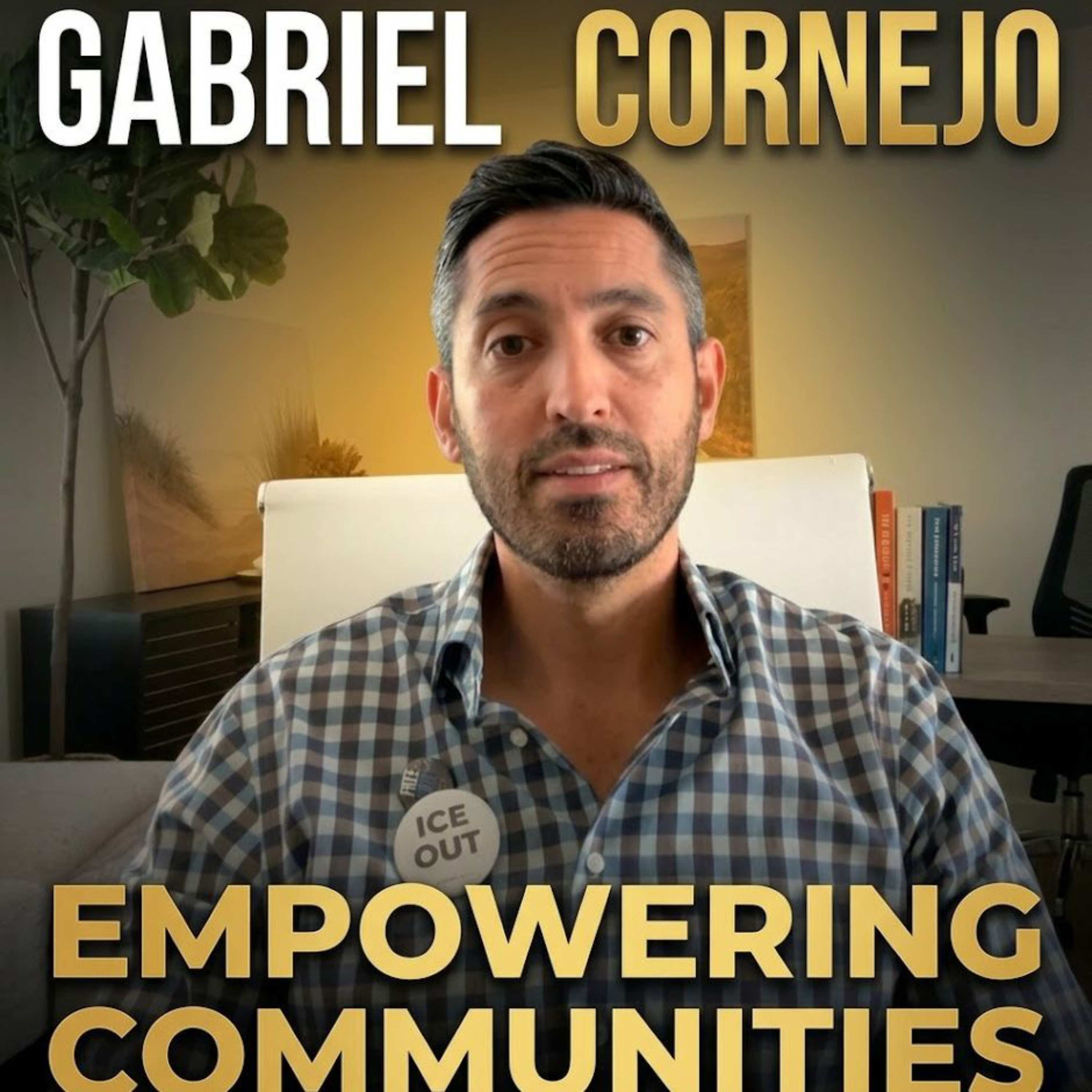
Can Compassion Be a Political Skill? How a Near-Death Experience Rewired This Politician's Brain
May 700:30:40Tap to summarizeCan Compassion Be a Political Skill? Gabriel Cornejo on Rebuilding Community What happens when a near-death experience forces you to rethink everything about the way our society works? In this episode of Compassionate Las Vegas, host Will Rucker sits down with Gabriel Cornejo—a public servant, former Presidential candidate, and Congressional hopeful—to discuss why compassion is the "missing ingredient" in modern leadership. From surviving a life-altering car accident to founding a nonprofit version of DoorDash during the pandemic, Gabriel’s journey is a masterclass in turning personal trial into public triumph. Watch to discover: Why compassion is an actionable skill, not just a feeling. How to lead people "out of the darkness" by confronting it first. The difference between individual wealth and collective prosperity. Why admitting mistakes is actually a sign of political strength. KEY TAKEAWAYS Compassion is Active: It is the practice of recognizing suffering and being moved to alleviate it. Service Over Self: Gabriel’s work with the American Red Cross and pandemic-era food delivery shows how community-driven models outperform profit-driven ones. The Socratic Method: Why asking questions is the most effective way to bridge the political divide. True Prosperity: Shifting the goalpost from individual accumulation to spending time with loved ones. NOTABLE QUOTES "You have to go into the darkness in order to lead people out of it." "Prosperity to me is time with the loved ones." "There's strength in order to recognize that you did something wrong and to be able to articulate that." JOIN THE CONVERSATION Are you ready to see more compassion in our leadership? Let us know in the comments what "prosperity" means to you! Subscribe to Compassionate Las Vegas for more deep dives into how we can transform our culture through empathy and action. #GabrielCornejo #CompassionateLas Vegas #PublicService #Leadership #CommunityFirst #LasVegasPolitics #CompassionInAction #WillRucker
Transcribe →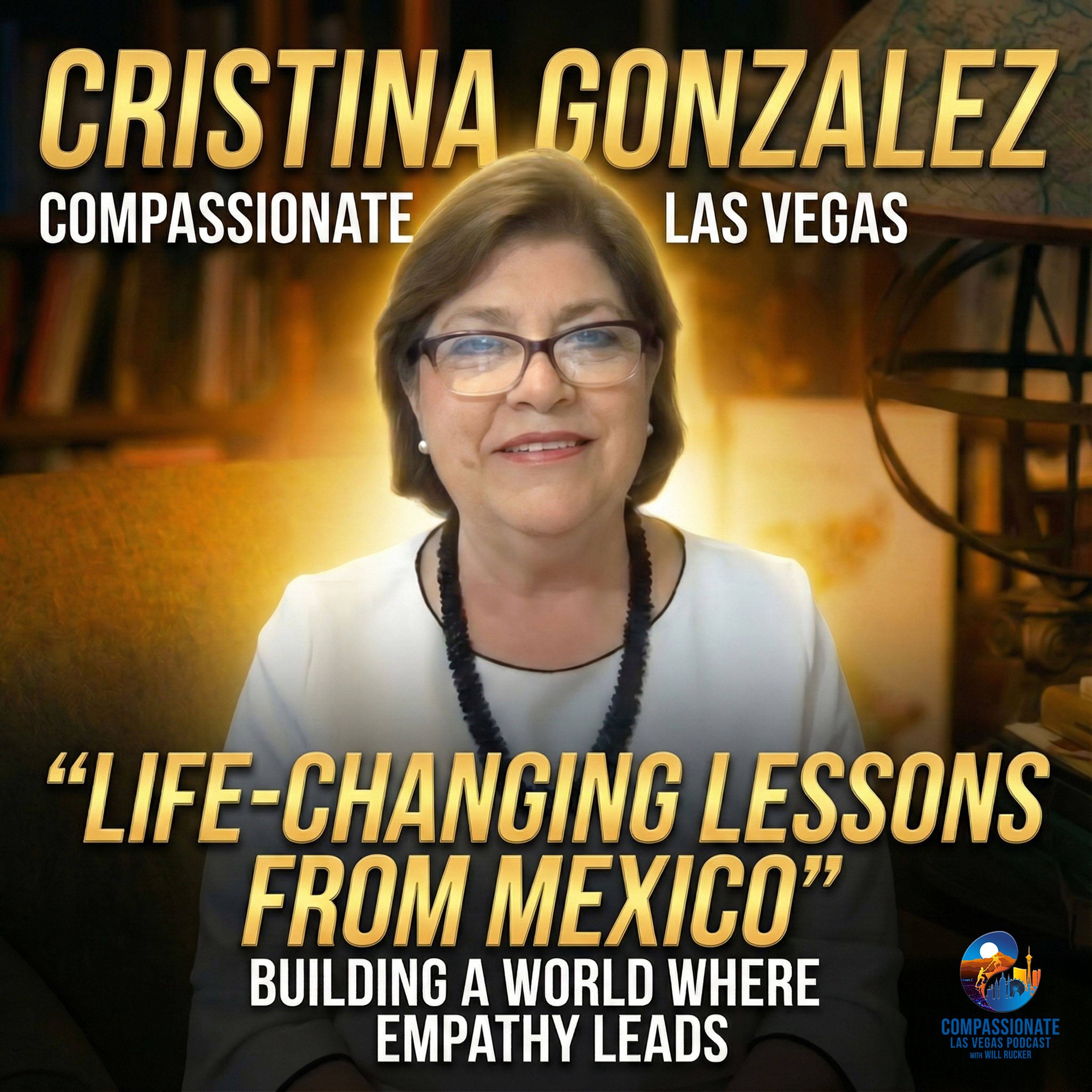
Compassion as Policy: How to Build Integrity in Government & Education
Jan 1700:40:56Tap to summarizeThey said you can’t build policy on compassion. Cristina Gonzalez proved them wrong. On this week's episode, we take a journey to Monterrey, Mexico, with special guest Cristina Gonzalez. In a world that often feels fractured, Cristina reveals how she has successfully united diverse sectors—from the halls of government to local classrooms—under the banner of compassion. Join host Will Rucker for a conversation that will challenge you to develop a "sensitized heart." You’ll discover how programs like Think Equal are proving that when we teach integrity and empathy, we don't just change individuals; we reshape entire societies. If you are looking for hope, practical tools for social justice, or a new way to view your own personal growth, this episode is the blueprint you’ve been waiting for. In this episode, you will learn: How to turn empathy into a living practice that changes policy. The secret to uniting opposing sectors for a common good. Why a "sensitized heart" is your greatest strength in a divided world. Let’s discuss in the comments: Do you think compassion has a place in politics and government? Why or why not? Step forward. Tune in to future episodes of Compassionate Las Vegas for more inspiring dialogues on building a compassionate world.
Transcribe →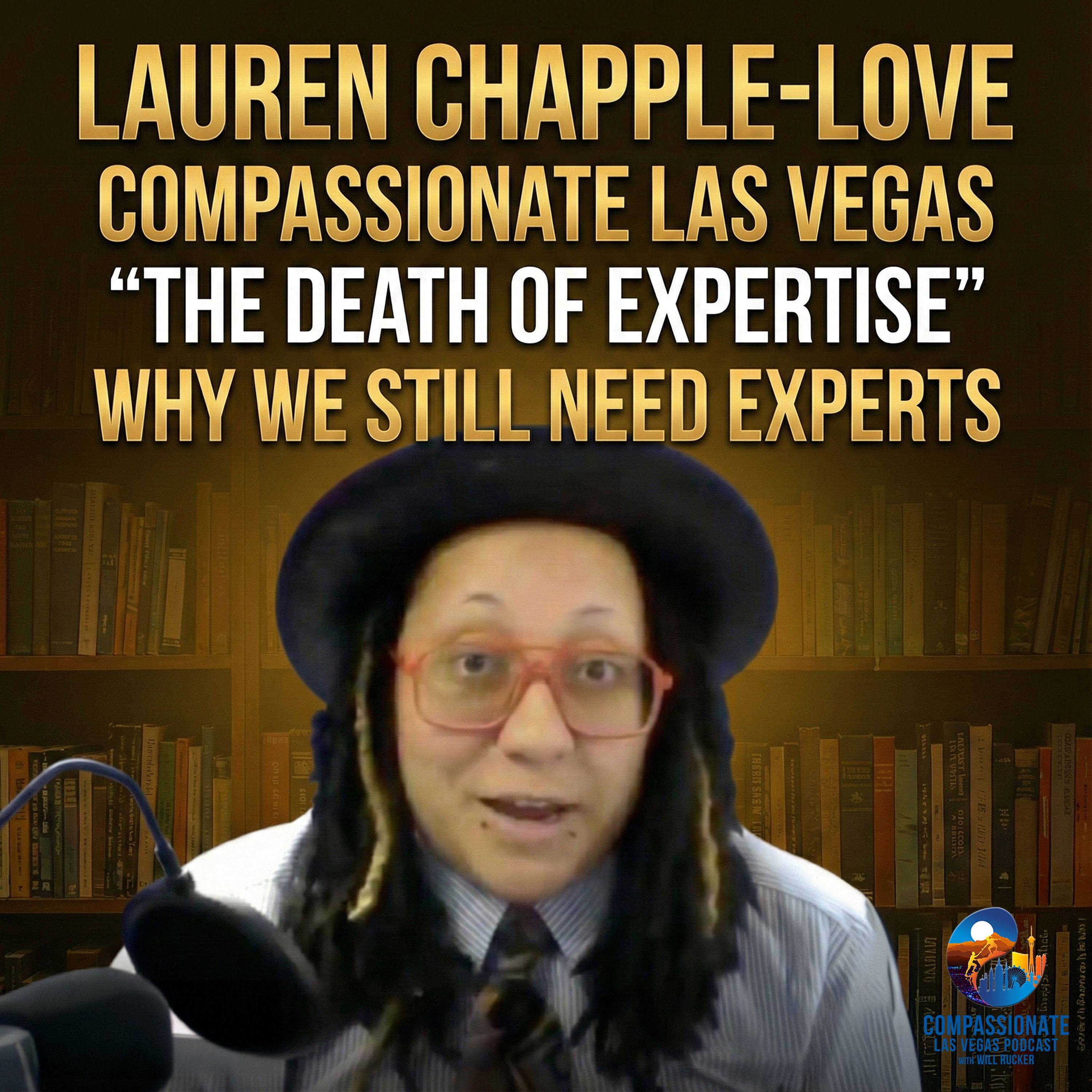
The Psychology of Fear & Conspiracy Theories w/ Dr. Lauren Chapple-Love
Jan 1000:47:15Tap to summarizeWhy do we cling to fear instead of facts? Can empathy actually "fix" a broken prison system? In this powerful episode of Compassionate Las Vegas, Will Rucker sits down with Dr. Chapple-Love —a forensic psychologist and the first Black President-Elect of the Nevada Psychological Association—to decode the human mind. From the psychological mechanisms behind conspiracy theories and the "death of expertise" to the reality of rehabilitative justice, Dr.Chapple-Love pulls no punches. We dive deep into how fear hijacked our collective empathy during the pandemic and why the current prison system might be failing us all. If you’ve ever wondered why society feels so divided or how we can actually bridge the gap, this conversation is the blueprint. IN THIS EPISODE, WE COVER: The Psychology of Conspiracy: Why fear makes us reject facts. Justice vs. Revenge: The case for rehabilitation over incarceration. The "Death of Expertise": Why we stopped trusting professionals. History in the Making: Dr. Chapple-Love’s journey as a trailblazer in Nevada psychology. Radical Empathy: How to connect with people you fundamentally disagree with. WE WANT TO HEAR FROM YOU! Dr. Chapple-Love argues that prisons should focus on rehabilitation rather than just punishment. Do you agree? Or is punishment necessary for justice? Let us know your thoughts in the comments! SUBSCRIBE FOR MORE: Don't miss out on conversations that challenge the status quo. In summary, this episode fosters a deeper understanding of how compassion and empathy can shape a more inclusive and just society. To uncover more intricate details and insights shared by Dr. Chapple-Love, be sure to listen to the full episode. Stay tuned for more compelling conversations on Compassionate Las Vegas, as we continue to explore the transformative power of empathy in building vibrant, nurturing communities.
Transcribe →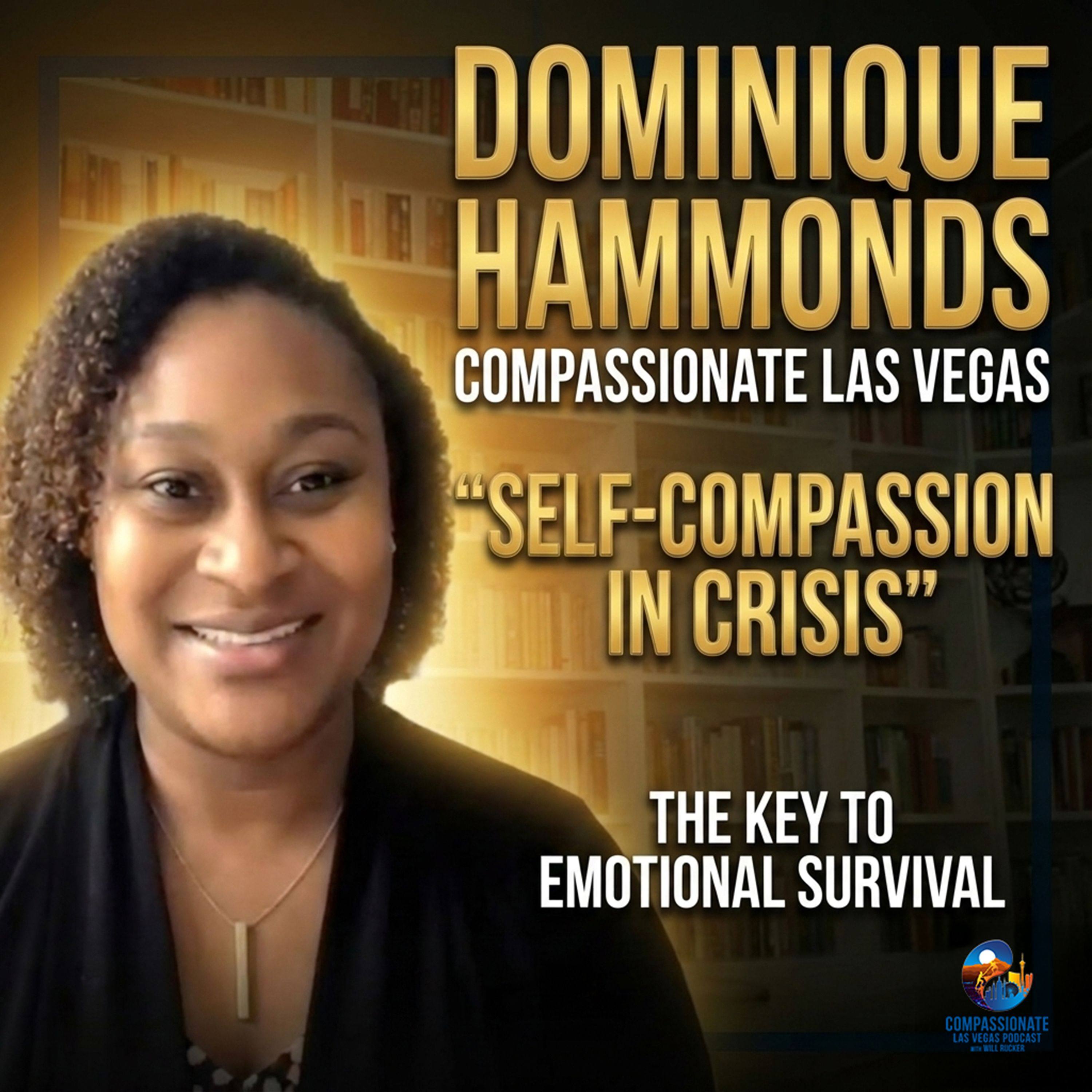
Finding Compassion in "Survival Mode" w/ Dr. Dominique Hammonds
Jan 300:43:31Tap to summarizeDoes "going back to normal" feel impossible? You aren't alone. In this episode of Compassionate Las Vegas, Will Rucker sits down with Dr. Dominique Hammonds—distinguished educator, Licensed Clinical Mental Health Counselor, and owner of Hammonds Counseling. They unpack the viral moment that changed how we see mental health during the pandemic and why "survival mode" is still affecting us today. From the rise of telehealth (and why it’s actually better for some) to the critical need for cultural competence in therapy, Dr. Hammonds breaks down why the old way of doing mental health is over. If you’ve ever felt "unseen" by a doctor or overwhelmed by the pressure to bounce back, this conversation is for you. WE DISCUSS: The Viral "Maslow" Moment: Why millions resonated with being in "survival mode." Telehealth Revolution: Is Zoom therapy as good as the real thing? Cultural Competence: Why "colorblind" therapy fails Black communities. Self-Compassion: How to stop beating yourself up for "not doing enough." QUESTION OF THE DAY: Dr. Hammonds argues that compassion isn't just a feeling—it's a tool for survival. Do you think telehealth has made mental health care better or worse? Let us know in the comments!
Transcribe →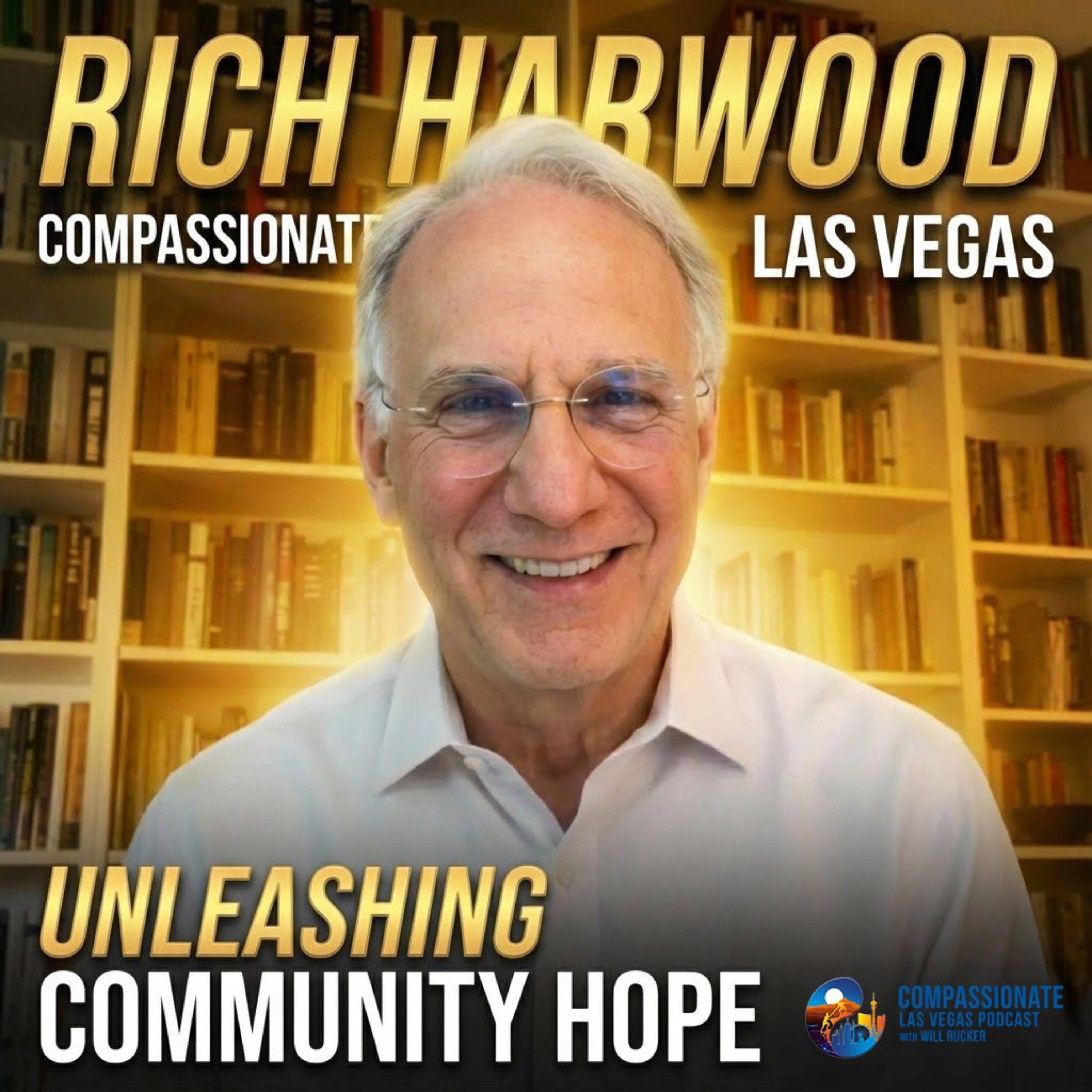
Why "Nice" Isn't Enough: The Uncomfortable Truth About Compassion (w/ Rich Harwood)
Dec 2800:46:47Tap to summarizeIs "hope" just a buzzword, or can it actually rebuild our cities? We often think of compassion as something soft, easy, and purely positive. But what if true compassion is actually uncomfortable? What if it requires us to face hard realities rather than chase utopian dreams? In this episode of Compassionate Las Vegas, host Will Rucker sits down with Rich Harwood, founder of The Harwood Institute and a legendary voice in community transformation. From Flint, Michigan to right here in Las Vegas, Rich has spent decades helping divided communities find their way forward. They discuss why "Turning Outward" is the key to solving our biggest problems, why we need to stop waiting for everyone to agree before we act, and how to create a "positive contagion" of change. Watch to discover: Why compassion requires the courage to be uncomfortable. The critical difference between "Authentic Hope" and "Utopian Fantasy." How to start a movement with just a few people who are "ready to roll." Rich’s proven strategies for healing divides and inequality. Notable Quotes: "When one truly engages in compassion, it can make us uncomfortable… How is it that we're opening our soul to other people?" — Rich Harwood "We need to start with folks who are ready to roll…and allow this to spread over time." — Rich Harwood "Compassion creates connections that we didn't think existed or may not have believed could exist." — Rich Harwood Subscribe to join the movement for a more compassionate society!
Transcribe →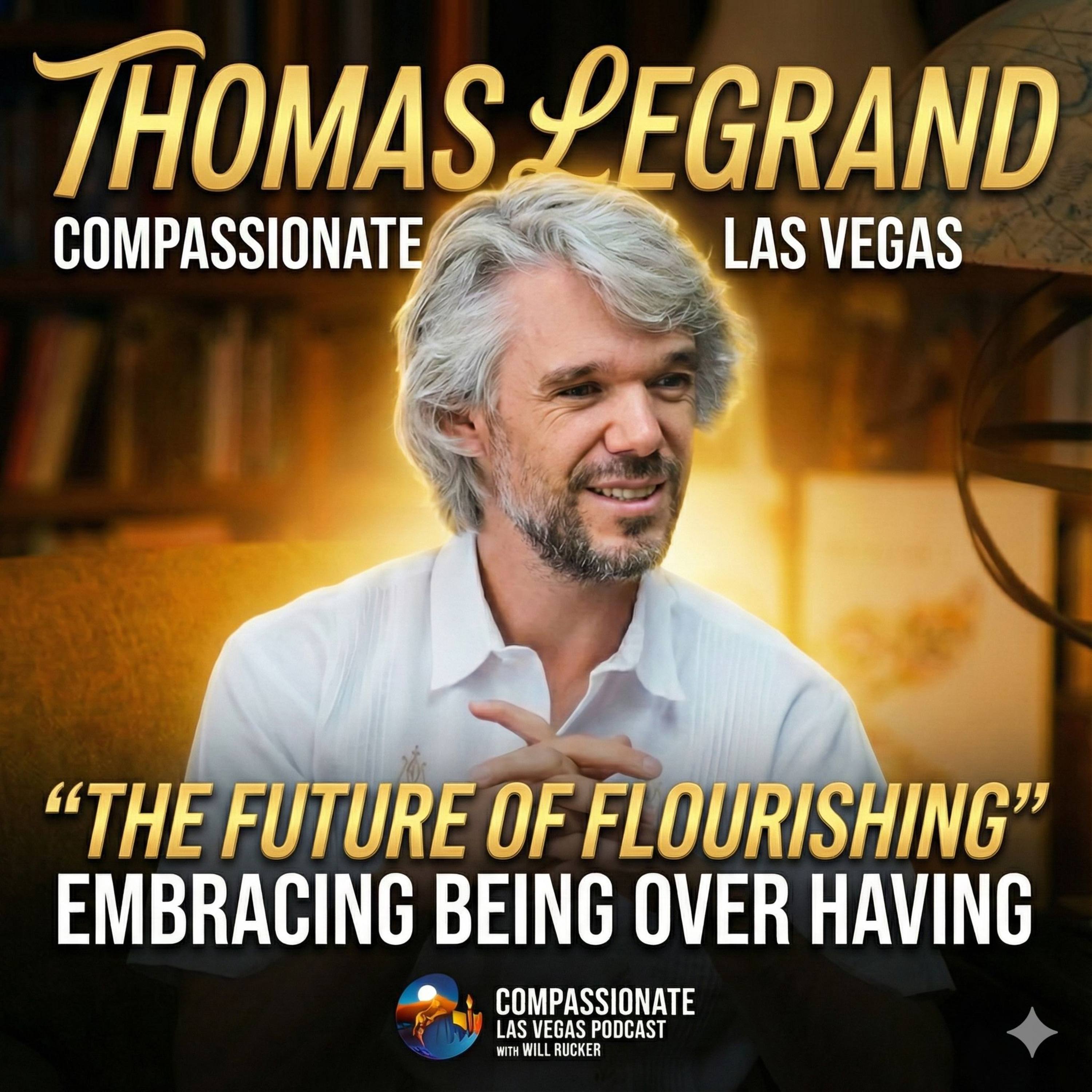
The Future of Flourishing: Why We Need 'The Politics of Being' | Thomas Legrand
Dec 2100:27:26Tap to summarizeAbout the Guest: Thomas Legrand is a renowned expert in sustainable development, ecological economics, and public policy. Having worked extensively with UN agencies, Legrand brings a wealth of experience in examining the intersections of environmental sustainability and socioeconomic systems. As an author, his acclaimed book, "The Politics of Being," explores transformative societal paradigms, advocating for a shift from growth-focused metrics to human flourishing. His background is further enriched by a deep spiritual journey which influences his holistic approach to social change. Episode Summary: Join host Will Rucker in a compelling episode of "Compassionate Las Vegas" as he engages with Thomas Legrand, a seasoned expert and author on sustainable development and social evolution. This particular episode is a rich exploration of how compassion serves as a timeless principle, connecting diverse facets of life, society, and the policy changes needed to support human flourishing. Dive deep into understanding how compassion translates from an individual practice to institutional policies promoting collective well-being. Thomas Legrand shares insights from his book "The Politics of Being," which calls for a fundamental shift from traditional economic paradigms to prioritizing human growth and connections. Reflecting on his personal and spiritual journey, Legrand discusses the need for profound changes in public policies — such as parental leave and educational reform — which are pivotal for societal transformation. The episode emphasizes a redefinition of societal progress beyond economic growth, encouraging an evolved political, social, and cultural understanding for global well-being. Additionally, Will Rucker and Thomas Legrand delve into reconciling individualism with collective prosperity, highlighting the role of compassionate public policies as essential tools for promoting flourishing societies. Key Takeaways: Shift to Human Flourishing: Redefining societal progress beyond economic growth to focus on human well-being and relational connections. Compassion as Catalyst: Compassion as a bridge to dissolve illusions of separation between individuals and the environment. Transformative Policies: Emphasis on policies like parental leave and education reform as sustainable investments for societal flourishing. Balancing Individualism and Collectivism: Advocacy for unique self-expression within a supportively collective environment. Cultural Storytelling and Evolution: The US as a focal point for recognizing and evolving past deeply entrenched societal values. Notable Quotes: "Compassion is part of true being; it connects us to others and even the land." — Thomas Legrand "We need a shift from survival to self-expression — that's what society should strive for." — Thomas Legrand "America must recapture its story, moving from economic growth to human flourishing." — Thomas Legrand "When basic needs are met, individuals can fully express who they are." — Thomas Legrand "Being is a natural, healthy aspiration… part of our nature, even in children." — Thomas Legrand Discover more about fostering a compassionate society by listening to the full season of "Compassionate Las Vegas - the podcast." Stay tuned for more insightful conversations that inspire transformative actions in communities worldwide.
Transcribe →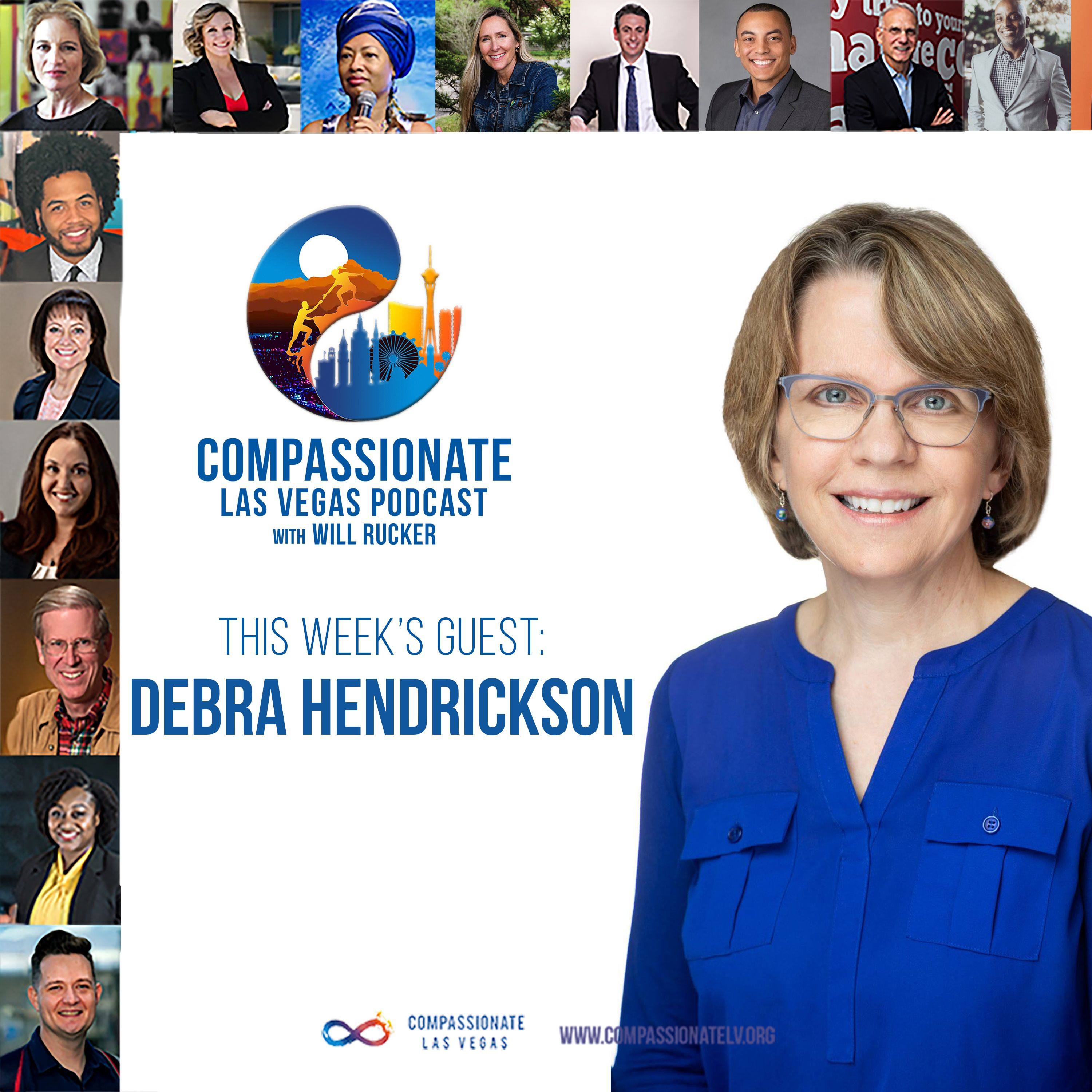
Climate Crisis Confronted: A Pediatrician's Perspective with Dr. Debra Hendrickson
Dec 14, 202400:30:42Tap to summarizeAbout the Guest: Dr. Debra Hendrickson is a seasoned pediatrician operating in Reno, Nevada, renowned for its status as the fastest warming city in the United States. With a dual background in environmental science as an environmental analyst and planner, Dr. Hendrickson merges her expertise to address the health implications of climate change on children. Her extensive career spans nearly two decades in pediatric care, where she consistently advocates for children’s health in the evolving climate landscape. She is also the author of the book The Air They Breathe, which examines the intersection of climate change and pediatric health. Episode Summary: In this thought-provoking episode of "Compassionate Las Vegas," host Will Rucker welcomes Dr. Debra Hendrickson, a frontline pediatrician from Reno, to delve into the compelling intersections of climate change and children's health. Dr. Hendrickson brings her expertise as both an environmental analyst and a pediatrician to the forefront, addressing the acute impacts of rising temperatures and poor air quality on young people. Her book, The Air They Breathe, serves as a cornerstone for the discussion, unearthing the pressing need for action against climate change amidst growing smoke crises and temperature spikes in Nevada's landscapes. The dialogue unveils the stark reality of climate change's effects on young generations, especially through phenomena such as smoke from wildfires and emergent mosquito-borne diseases like dengue fever. Highlighting actionable steps, Dr. Hendrickson emphasizes the importance of shifting towards renewable energy and advocates for community-driven efforts to combat the climate crisis. Her insights offer hope and direction for collective action, presenting a clear call to unite behind creating a sustainable and healthy future for our children. The conversation is anchored in the shared humanity and love for children that can drive significant change. Key Takeaways: Climate Change's Impact on Children: Dr. Hendrickson emphasizes the severe health impacts on children due to worsening air quality and rising temperatures in Nevada, particularly amidst wildfire smoke crises. Practical Actions for Families: Strategies such as using MERV 13 filters and freestanding air purifiers in homes, and the importance of monitoring air quality through apps, are effective measures for maintaining children’s health. Mosquito-Borne Diseases: The rising prevalence of diseases like dengue fever, due to adaptable mosquito species flourishing in warmer temperatures, presents a new environmental health challenge addressed in Dr. Hendrickson's research. Role of Clean Energy: Transitioning to renewable energy sources is essential in curbing carbon emissions and providing a healthier environment for future generations, according to Dr. Hendrickson. Empowering the Next Generation: Encouraging actions towards sustainability and climate awareness instills hope and empowers youth to engage in meaningful climate advocacy. Notable Quotes: "Action is the antidote to despair." – Dr. Debra Hendrickson "The science shows that if we actually put our mind to it and stopped carbon pollution, the Earth would stop warming in three to five years." – Dr. Debra Hendrickson "Climate change is more than anything a crime against children." – Dr. Debra Hendrickson "The love that parents have for their kids and the love a lot of us have for each other, that is something I think we should all tap into." – Dr. Debra Hendrickson "We have so many alternatives. If we just focused on this the way we focused on winning World War II…" – Dr. Debra Hendrickson Resources: Dr. Debra Hendrickson's Website The Air They Breathe: A Pediatrician on the Front Lines of Climate Change – Available on Amazon and other major book platforms. NV Energy Green Energy Program (NV Energy's website, as referenced for further action) Tune into this enlightening episode to hear Dr. Hendrickson's passionate call for collective action against climate change and stay connected for more insightful discussions on "Compassionate Las Vegas." Your proactive engagement today contributes significantly to shaping a sustainable future for our children.
Transcribe →
When the Bottom Falls Out: Building Inner Strength in Times of Crisis with Rick Hanson
Nov 15, 202401:04:35Tap to summarizeThe lecture titled "When the Bottom Falls Out: Building Inner Strength in Times of Crisis" was held on November 14, 2024, at UNLV in Las Vegas. The session featured Rick Hanson, Ph.D., a renowned psychologist and best-selling author, who discussed strategies for building resilience in the face of personal and societal challenges. This lecture is valuable during uncertain times when individuals seek ways to maintain personal well-being amidst external chaos. Speaker Highlights: Rick Hanson, Ph.D., is a psychologist specializing in positive neuroplasticity—how to cultivate inner strengths such as resilience and peace of mind. He is the author of several books, including the New York Times bestseller "Hardwiring Happiness." His expertise lies in combining neuroscience, psychology, and contemplative practices to offer practical tools for immediate application. Key Takeaways: Life's inevitable challenges demand inner resilience. Neuroscience shows that beneficial experiences often pass us by unless intentionally cultivated as traits. The societal and individual level challenges require both systemic change and personal strength. Practice positive neuroplasticity by intentionally cultivating beneficial experiences. Adopt the four principles: take heart, see clearly, do what you can, and find peace. Slow down to let positive experiences "land" in the brain for enduring impact. Additional Resources: Recommended reading includes Rick Hanson’s book “Hardwiring Happiness” for further insights into achieving personal resilience. The Global Compassion Coalition offers resources and opportunities for joining broader efforts to foster systemic change. Judson Brewer’s work on addiction and anxiety offers a perspective on managing personal reactions to stress, complementing the session’s themes. In conclusion, this lecture delivered valuable insights on maintaining personal well-being and effecting impactful societal change amid adversity. Attendees were encouraged to take proactive steps by strengthening their inner resilience using practical, neuroscience-backed strategies. https://rickhanson.com/ #compassion #mentalhealth #news
Transcribe →Beyond Borders: Global Youth Leaders Shaping the Future
Nov 1, 202400:49:34Tap to summarize"Never dim your light. If somebody tells you you're shining too bright, tell them to put their shades on." — Fajr DeLane About the Guests: Fajr DeLane is the CEO of Fun Fit Fabulous (F3), an organization dedicated to empowering young girls and women through personal development and wellness initiatives. Her journey into advocacy began in high school after observing food inequities and has since evolved to address broader public health concerns. Hameeda Syed is the co-founder of Dignity Indifference, an organization focused on countering digital violence and promoting gender equity. Her work stems from personal experiences with online toxicity, and she seeks to provide support and develop solutions for those impacted, particularly within marginalized communities. Luke Addison is a peace education teacher and the coordinator for Peace Jam Europe. With a background in drama education, he integrates creative arts to inspire youth activism and facilitate understanding across cultural and generational divides. An advocate for intergenerational collaboration, Luke is involved in peace-building initiatives worldwide. Episode Summary: In this inspiring session moderated by Will Rucker, youth advocates come together to discuss their vital work in strengthening youth engagement for compassionate advocacy. The panel features Fajr DeLane, Hameeda Syed, and Luke Addison, each bringing unique insights and experiences from their respective fields. Fajr shares her commitment to addressing public health inequities, Hameeda discusses her battle against online violence, and Luke emphasizes the transformative power of drama and intergenerational collaboration. The conversation explores themes around empowering young leaders to address systemic issues within their communities, integrating arts in advocacy, and fostering safe digital spaces. Fajr Delane speaks about her initiatives aimed at providing equitable food access and health education. Hameeda Syed reflects on combating digital harm and amplifying the voices of marginalized communities online. Meanwhile, Luke Addison provides perspectives on engaging youth through drama and the importance of cross-generational dialogue in effecting lasting change. The session encourages listeners to reflect on their roles in driving positive societal changes, reinforcing the notion that individual efforts can have a global impact. Key Takeaways: Fajr Delane emphasizes the importance of addressing food deserts and providing equitable health and wellness education. Hameeda Syed highlights the necessity of understanding and countering digital violence, advocating for inclusive and safe online spaces. Luke Addison discusses the power of drama and role-play in facilitating empathy and understanding among young people. The session stresses the value of intergenerational collaboration in overcoming societal challenges and fostering innovative solutions. Personal stories and experiences shared across the panel illuminate the diverse ways individuals can contribute to meaningful advocacy. Notable Quotes: "Ask yourself: how can we still persevere, get healthy food, live our best lives, even though we have systems of injustices still in play?" — Fajr DeLane "My feelings are not facts. Just because I feel a certain way doesn't really reflect the reality of what I'm facing." — Hameeda Syed "Think what it was like for these young people to have crossed over and had these difficult experiences." — Luke Addison "If the funds stopped, I would still do my work because my purpose is to empower girls and change communities." — Fajr DeLane For a deeper dive into the insights shared by these passionate advocates, listen to the full session, and stay tuned for more enlightening discussions that drive us toward a more compassionate world.
Transcribe →
Beyond Bias: Discovering Common Ground for Peace in Polarized Times
Oct 18, 202400:56:37Tap to summarizeAbout the Guests: Will Rucker: Reverend Will Rucker is a key figure dedicated to fostering compassion throughout Las Vegas. He serves as a Global Council Trustee for the United Religions Initiative (URI) North America and is at the forefront of promoting peaceful and ethical engagement in faith communities. Karen Volker: Karen is the Director of Partnership and Violence Prevention at URI. With over a decade of experience at Cure Violence Global, Karen brings a wealth of knowledge on the health approach to violence prevention. Medina Moore: Medina is the Voting Rights Organizer for the Arizona Faith Network. She focuses on promoting peaceful political engagement and fostering unity across diverse communities through prayer, dialogue, and partnerships. Geneva Blackmer: Geneva is a Global Council Trustee for URI North America and a PhD candidate specializing in digital theology and religious communication. She is actively involved in countering digital disinformation and promoting digital literacy. Episode Summary: In this episode of Compassionate Las Vegas: The Podcast, hosted by Reverend Will Rucker, listeners are invited to explore the critical role of faith communities in promoting peaceful political engagement during election seasons. Recorded as a live webinar, this session brings together experts Karen Volker, Medina Moore, and Geneva Blackmer to discuss actionable strategies against violence, spreading misinformation, and fostering inclusive dialogue amid political divides. The episode unveils how faith communities can leverage their influence to prevent electoral violence, create dialogues, and counter harmful narratives. Karen Volker delves into the health-based approach to violence prevention, highlighting its behavioral science roots. Medina Moore emphasizes the import of maintaining neutrality while engaging politically, offering the Arizona Faith Network's methods of promoting peace through prayer vigils and partnerships as prime examples. Geneva Blackmore tackles the digital age's challenges by urging communities to improve digital literacy to combat misinformation and hate speech effectively. Key Takeaways: Faith communities are pivotal in mitigating electoral violence by endorsing nonviolence as common ground among divided groups. Open dialogue and partnerships across various community groups can significantly reduce potential conflicts during high-stress events like elections. Embracing prayer vigils and meditative practices can foster a peaceful atmosphere, helping to alleviate the anxiety surrounding elections. Effective use of digital platforms by faith communities can counteract the spread of misinformation and promote truthful, peaceful narratives. Engaging young people and amplifying their voices in faith spaces is crucial for effective peacebuilding and fostering future leadership. Notable Quotes: "A little consideration, a little thought for others, makes all the difference." - Reverend Will Rucker "Violence is a behavior that can be prevented." - Karen Volker "Prayer is going to be the essential key in elections in this work in ensuring that we have peace at our polling locations." - Medina Moore "Digital spaces are not neutral, we all possess a bias when processing information online." - Geneva Blackmore "Healing isn't just personal, but also systemic in this way." - Geneva Blackmer Resources: United Religions Initiative: URI - Organization fostering inclusive, interfaith cooperation. Cure Violence Global: Early work experience of Karen Volker, focusing on health approaches to stopping violence. Arizona Faith Network: Engage with current initiatives for peaceful political engagement at azfaithnetwork.org. Digital Theology Resources: Access interfaith America's curriculum for deeper learning into engaging religious diversity online. Tune into the full episode to enrich your understanding of the pivotal role faith communities play in diffusing political tension and promoting peace. Stay connected with Compassionate Las Vegas for more dialogues designed to inspire and enact compassion across all communities.
Transcribe →