
Podcast
Conscious Design Podcast™
Hosted by Ian Peterman · EN
Sustainability should support people, our planet, and be profitable. Ian Peterman, leading expert in Conscious Design, legacy branding, and product development, shares his personal experience as well as interviews forward thinkers, designers, and entrepreneurs on how to make a better world through conscious design. Join us for weekly episodes packed with unique perspectives and innovative ideas.
10episodes
Episodes
Newest firstAll episodes
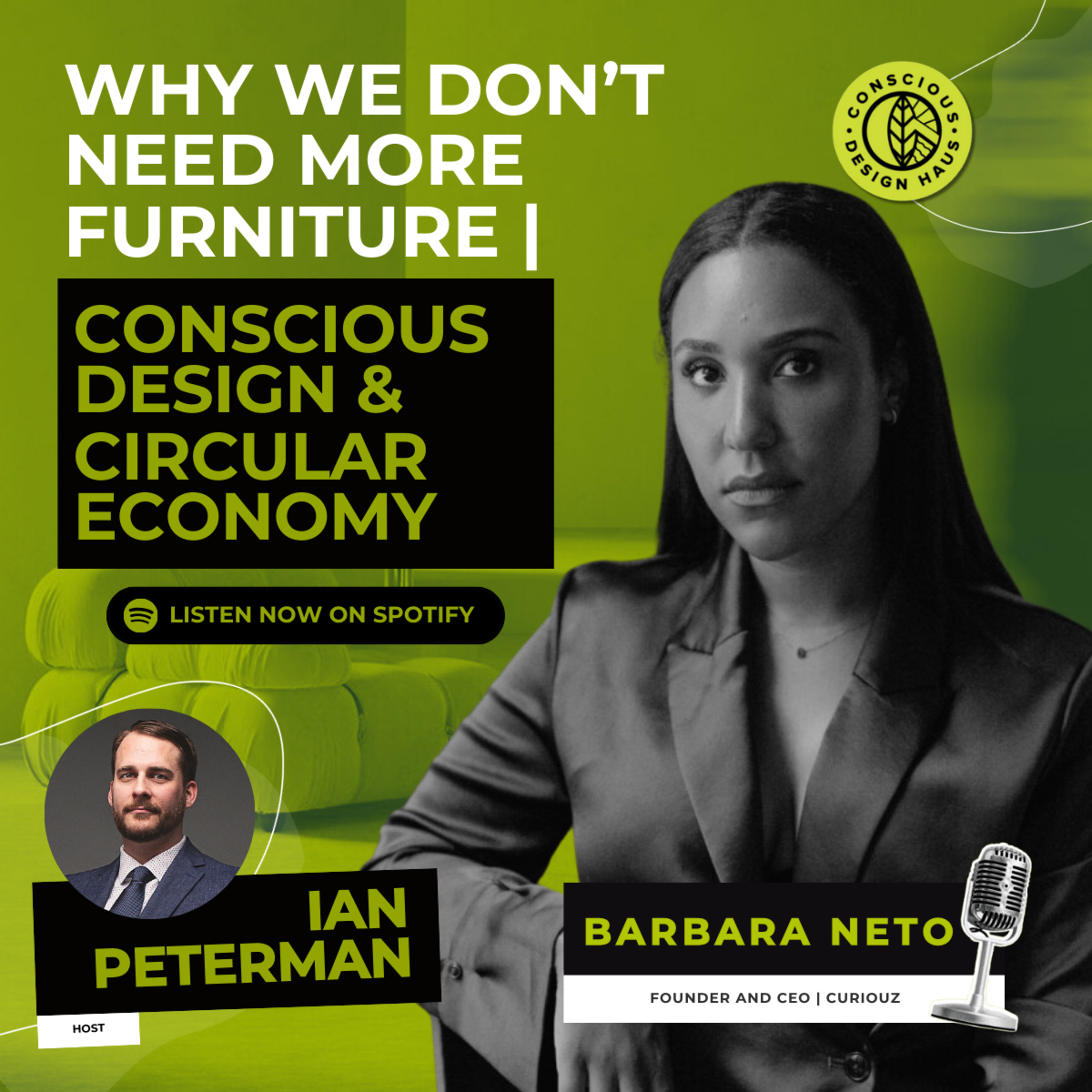
Why We Don’t Need More Furniture | Conscious Design & Circular Economy
Jan 700:38:31Tap to summarizeMost homes don’t need more furniture.They need better choices.The world is already full of furniture. Yet homes feel disposable, budgets get drained, and sustainability feels like a sacrifice instead of a smart decision.In this episode of the Conscious Design Podcast, host Ian Peterman sits down with Barbara Neto, Founder and CEO of Curiouz, to challenge the biggest myth in the furniture and interiors industry: that progress means producing more.Barbara shares her decade-long journey in luxury furniture and interior design, the frustration that led her to build Curiouz, and why visibility, trust, and access matter more than new production. Together, they unpack how conscious design, vintage furniture, AI authentication, and sustainable logistics are reshaping the future of interiors.This conversation reframes sustainability from guilt to value and shows why choosing better, not more, is the real mark of good taste.If you work in interior design, architecture, furniture, sustainability, logistics, or conscious consumer brands, this episode will permanently change how you think about quality, longevity, and impact.This episode covers:Why we don’t need more furniture and why that idea makes brands uncomfortableThe hidden waste problem in the furniture and interiors industryWhy fast furniture fails consumers and the planetHow vintage furniture builds identity, quality, and long-term valueThe role of AI in authentication and trustSustainable logistics and the future of furniture deliveryBuilding a scalable circular economy platform for interiors⏩ Jump to your favorite parts:00:39 Meet Barbara Neto: Founder of Curiouz00:59 The Journey to Building Curiouz03:20 Research and Market Validation05:45 Rapid Growth and Market Response07:36 Creating a Unique Marketplace09:59 Sustainability and the Furniture Industry23:01 Logistics Challenges and Solutions36:54 Conclusion and Contact Information👤 About Barbara Neto & CuriouzBarbara Neto is the Founder and CEO of Curiouz, a tech-powered platform transforming how the design world sources vintage and classic furniture. With over a decade of experience in the interiors and furniture industry, Barbara built her career at the intersection of design, sustainability, and storytelling.After founding her own interior design studio, she identified major inefficiencies in sourcing, logistics, authentication, and transparency. Curiouz was born to solve these challenges by combining AI-powered verification, curated global sellers, and smarter logistics into one intelligent platform.Barbara is a leading voice in conscious design and the circular economy, building Curiouz as a global brand for a new generation of buyers. She is based between Porto, London, and Dubai.🏛️ About CuriouzCuriouz is a global marketplace and collaborative platform connecting interior designers, collectors, and artisans with curated vintage furniture. The platform blends AI authentication, sustainable logistics, and over 500 hand-vetted sellers worldwide.With more than 2,000 unique pieces spanning from the early 1800s to today, Curiouz makes sourcing vintage furniture accessible, trustworthy, and scalable. Positioned as a sustainable alternative to traditional luxury marketplaces, Curiouz is redefining how conscious design shows up in modern interiors.🌐 Website: https://curiouz.com/🔗 LinkedIn (Barbara): https://www.linkedin.com/in/bneto/📸 Instagram (Barbara): https://www.instagram.com/imbarbaran📸 Instagram (Curiouz): https://www.instagram.com/curiouzofficial/📘 Get the “Conscious Design” book:https://www.amazon.com/dp/B09KNMN9BTLearn more:https://www.consciousdesignhaus.com/Want to turn visionary ideas into market-ready, sustainable products?👉 https://www.petermanfirm.com/🤝 Connect with UsInstagram: /cdesignhausTikTok: /consciousdesignLinkedIn: /conscious-designhausX (Twitter): https://x.com/CDesignHaus
Transcribe →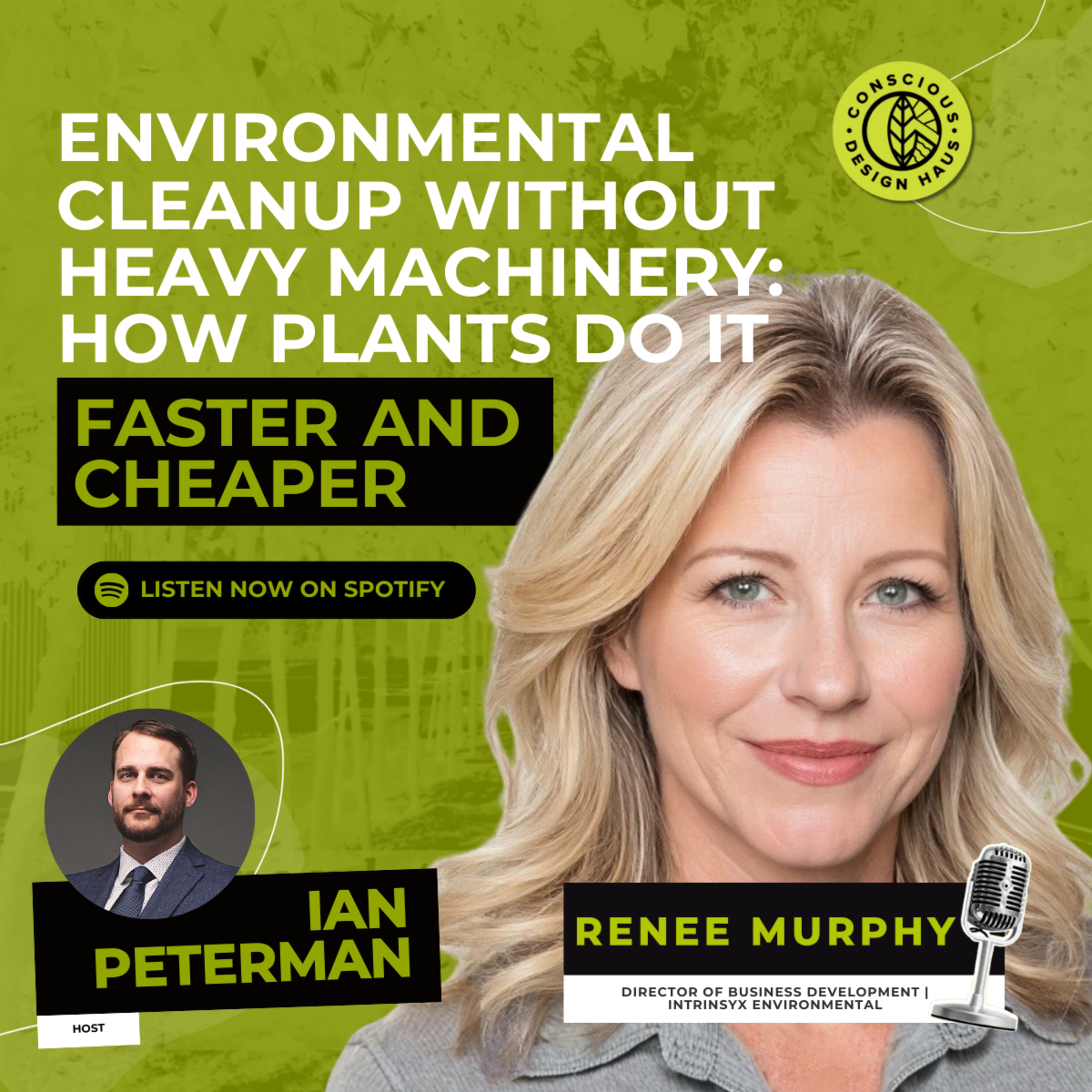
Environmental Cleanup Without Heavy Machinery: How Plants Do It Faster and Cheaper
Dec 1600:47:16Tap to summarizeWhat if the most powerful environmental cleanup technology on Earth is not a machine but a tree? In this mind blowing episode, environmental scientist and TEDx speaker Renee Murphy reveals how plants, microbes, and fungi are quietly solving some of the world’s biggest pollution problems: toxic soil, contaminated groundwater, PFAS, landfill leachate, mining waste, and more.This is the future of environmental remediation: fast, affordable, circular, regenerative, and already happening at NASA, industrial sites, landfills, and damaged ecosystems around the world.If you have never heard of endophyte assisted phytoremediation, this episode will completely change how you see land use, water treatment, city planning, and the future of sustainability.Watch this if you care about clean water, climate resilience, biodiversity, or how nature can outperform our most advanced technologies.🔎 This episode covers:-How NASA pioneered plant based cleanup-How trees and microbes remove toxins from soil and groundwater-Why EV batteries, plastics, and PFAS require new circular thinking-Real case studies: landfill leachate, mining, brownfields, contaminated aquifers-How cities can redesign infrastructure to work with nature-What industries must change to avoid ecological collapse-How phytoremediation can be faster and cheaper than traditional cleanup⏩ Jump to your favorite parts00:48 Meet Renee Murphy: From Fashion to Environmental Science03:04 Discovering Phytoremediation: A Life-Changing Trip to NASA05:50 The Science Behind Phytoremediation10:56 Implementing Phytoremediation in Real-World Scenarios22:10 Proactive Environmental Solutions and Future Outlook25:57 Understanding Indicator Species26:06 Innovative Water Management Solutions28:06 Challenges in Sewage Treatment28:56 Leachate Management in Landfills30:45 Circular Systems and Plastic Recycling Issues31:42 Electric Vehicles and Battery Recycling33:25 Mining and Environmental Restoration41:36 Residential Applications and Challenges44:46 Final Thoughts and Call to ActionAbout Renee Murphy and Intrinsyx EnvironmentalRenee Murphy is a two time TEDx speaker, environmental scientist, and Director of Business Development at Intrinsyx Environmental. She helps industries use nature based remediation to clean toxic sites, restore ecosystems, and build regenerative circular systems.About Intrinsyx EnvironmentalIntrinsyx Environmental specializes in using nature-based solutions, including endophyte-assisted phytoremediation (plants and microbes), to clean up contaminated sites and restore ecological health.Website: https://www.intrinsyxenvironmental.com/ LinkedIn (Renee): https://www.linkedin.com/in/reneepmurphy/ LinkedIn (Intrinsyx Environmental): https://www.linkedin.com/company/ranpak/posts/?feedView=all Instagram: https://www.instagram.com/midlifefarmgirl/Instagram (Intrinsyx Environmental): https://www.instagram.com/intrinsyx_environmental/ Join the Conscious Design Movement📘 Get the “Conscious Design” book: https://www.amazon.com/dp/B09KNMN9BT Learn more: https://www.consciousdesignhaus.com/Want to turn visionary ideas into market-ready, sustainable products? 👉 https://www.petermanfirm.com/Connect with UsInstagram: /cdesignhaus TikTok: /consciousdesign LinkedIn: /conscious-designhaus X (Twitter): https://x.com/CDesignHausWhat shocked you most about how trees and microbes can clean toxic sites?👍 Like, subscribe, and share to support conscious innovation.
Transcribe →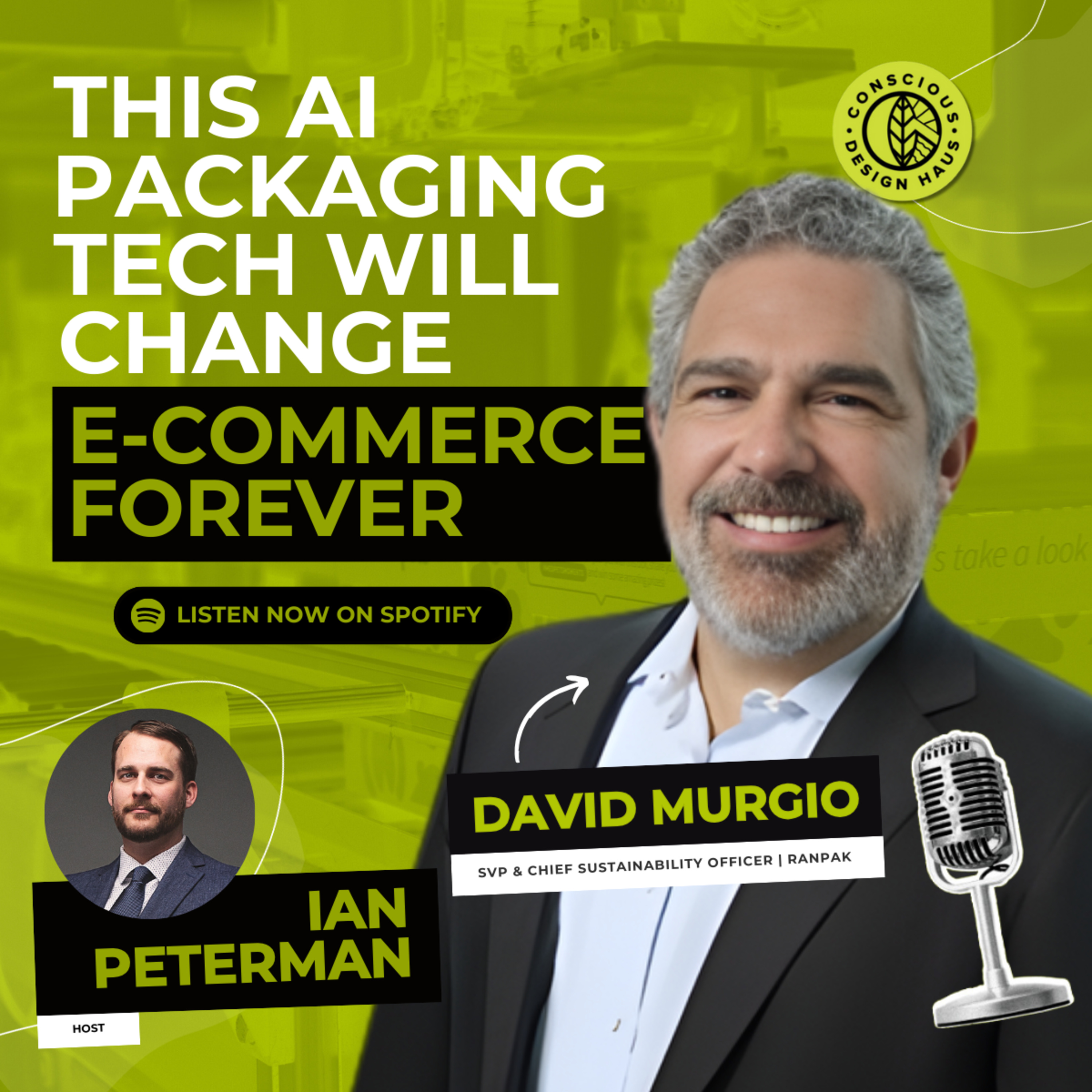
This AI Packaging Tech Will Change E-Commerce Forever
Dec 900:39:28Tap to summarizeEvery day, millions of packages are shipped in boxes that are too big, filled with plastic, padded with unnecessary materials, and wasting money, space, and fuel. This inefficiency costs e-commerce brands billions, increases carbon emissions, and clogs supply chains with avoidable waste — yet most companies still don’t realize how harmful their packaging systems really are.In this episode of the Conscious Design Podcast, Ian Peterman sits down with David Murgio, Chief Sustainability Officer at Ranpak, to break down the root causes of packaging waste and the rise of paper-based packaging, sustainable materials, right-sizing technology, packaging automation, and data-driven fulfillment. Discover how leading brands are eliminating empty space, reducing shipping costs, improving sustainability metrics, and moving toward a circular, low-waste supply chain.If you work in e-commerce, product design, sustainable packaging, supply chain, or logistics — this conversation will transform how you think about packaging efficiency and environmental impact.🔎 This episode covers:• How paper-based solutions are finally outperforming plastic• The rise of AI-driven box sizing and packaging automation• How Ranpak’s EVO Machine cuts waste, cost, and emissions• Why efficiency is sustainability • Global trends reshaping packaging regulations (EU + beyond) • How Gen Z is accelerating the sustainability movement • The data revolution coming to shipping and fulfillment⏩ Jump to your favorite parts00:39 Meet David Murgio: SVP & Chief Sustainability Officer of Ranpak 00:59 The History and Evolution of Ranpak 02:09 Innovative Packaging Solutions by Ranpak 03:49 The Philosophy of Sustainability 14:30 Generational Shifts in Sustainability Mindset 16:58 Global Trends and Future Outlook 19:41 Engineering and Design Challenges in Packaging 20:15 Automation in Packaging: The Evo Machine 21:19 Sustainability and Cost Efficiency in Shipping 30:29 The Future of Packaging: Data and Innovation 38:06 Conclusion and Final ThoughtsAbout David Murgio & RanpakDavid Murgio oversees Ranpak’s global sustainability strategy, regulatory reporting, product development alignment, and their annual Sustainability Impact Report. He also serves as General Counsel for One Madison Group and played a key role in the acquisition of Ranpak. His background includes roles at Harbinger Capital Partners and Weil, Gotshal & Manges LLP, with degrees from Dartmouth College and Columbia University.About Ranpak Founded in 1972, Ranpak is a global leader in environmentally sustainable, paper-based packaging and advanced automation solutions for e-commerce and industrial supply chains. Their mission: replace plastic with renewable, recyclable, and high-performance packaging that reduces waste and increases efficiency.Website: https://www.ranpak.com LinkedIn (David): https://www.linkedin.com/in/david-murgio-98a1a816/ LinkedIn (Ranpak): https://www.linkedin.com/company/ranpak/posts/?feedView=all Instagram: https://www.instagram.com/ranpak_global/🌍 Join the Conscious Design MovementGet the “Conscious Design” book: https://www.amazon.com/dp/B09KNMN9BT Learn more: https://www.consciousdesignhaus.com/Want to turn visionary ideas into market-ready, sustainable products? 👉 https://www.petermanfirm.com🤝 Connect with UsInstagram: /cdesignhaus TikTok: /consciousdesign LinkedIn: /conscious-designhaus X (Twitter): https://x.com/CDesignHaus
Transcribe →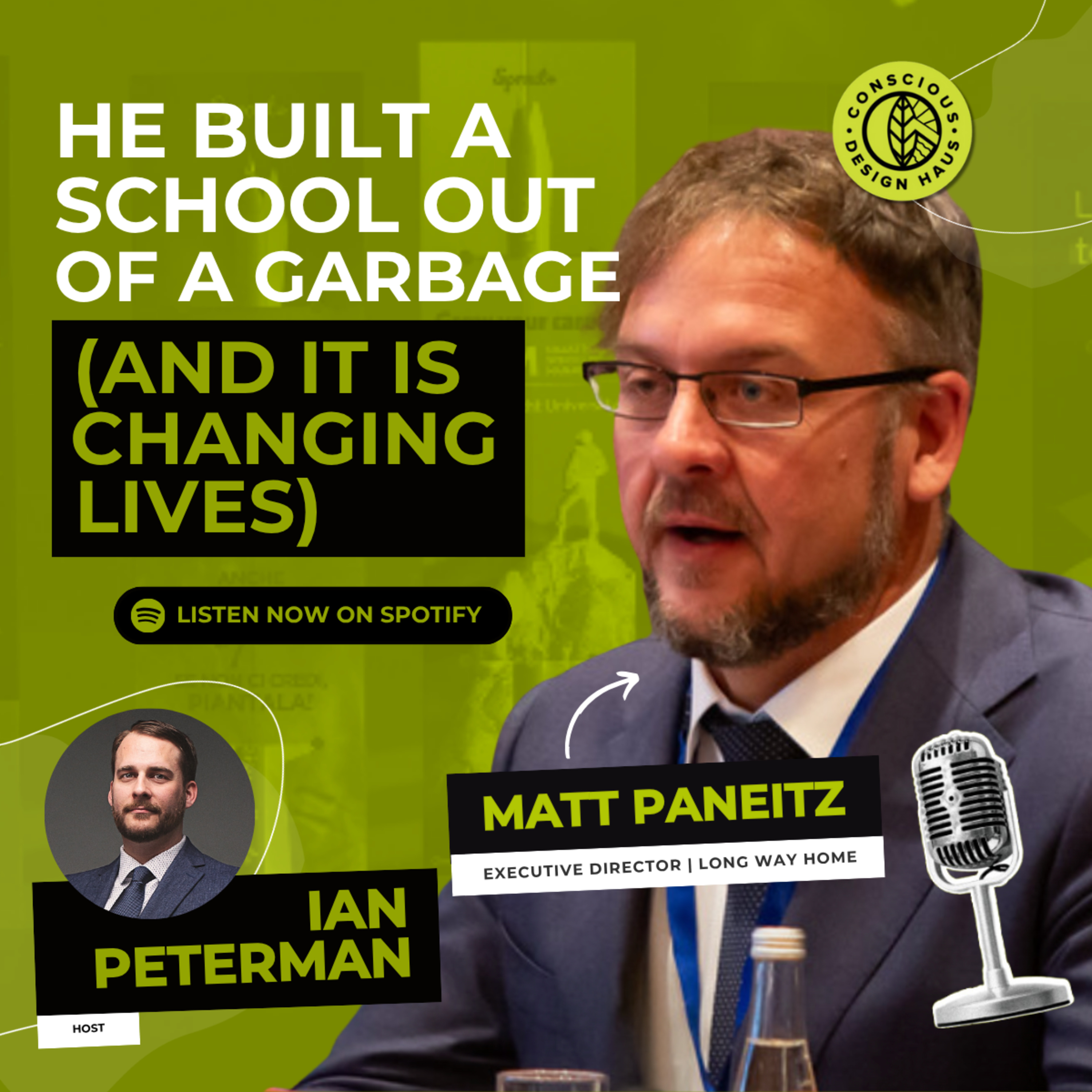
He Built a School Out of Garbage — and It’s Changing Lives
Dec 300:35:18Tap to summarizeHe literally built schools from trash, and it works. 👀Meet Matt Paneitz, founder of Long Way Home, who turned 550 tons of waste and 35,000 used tires into sustainable classrooms in rural Guatemala. Discover how his team built the Hero School, where sustainability, community, and education collide, proving that you can build schools from trash that last for generations.If you believe in green innovation, conscious design, the circular economy, and education for change, this episode will move you. 💚⏩ Jump to your favorite parts00:28 - Welcome to the Conscious Design Podcast00:39 - Meet Matt Paneitz: Turning Trash into Schools01:00 - The Origin Story: From Peace Corps to Trash Schools01:38 - Building with Trash: The First Steps03:33 - Challenges and Innovations in Sustainable Construction06:20 - Creating a Sustainable Campus12:49 - Durability and Resilience of Trash Buildings24:07 - Integrating Sustainability into Education30:53 - Future Plans and Community Impact32:14 - How to Get Involved and Final ThoughtsAbout Matt Paneitz & Long Way HomeIn 2002, Peace Corps volunteer Matthew Paneitz arrived in San Juan Comalapa, Guatemala. By 2004, he founded Long Way Home (LWH) to fight poverty through sustainable construction and education. From 2008 to 2025, his team turned trash into classrooms, building the award-winning Hero School Green Campus, a replicable model for eco education. Matt earned degrees in Sustainability and Education and is now pursuing his Doctorate at Antioch University.🌐 Learn more: https://lwhome.org | https://lwhomegreen.org🔗 Connect with Matt Paneitz & Long Way HomeWebsite: https://lwhome.org/ Website (Long Way Home Green): lwhomegreen.org LinkedIn (Long Way Home): https://www.linkedin.com/company/lwhome/ LinkedIn (Matt Paneitz): https://www.linkedin.com/in/matt-paneitz/ Instagram (Long Way Home): https://www.instagram.com/lwhome_org/ Instagram (Matt Paneitz): https://www.instagram.com/mattlwhome/ Facebook: https://www.facebook.com/lwhomeorg YouTube: https://www.youtube.com/@LongWayHomeOrg Get the “Conscious Design” book: https://www.amazon.com/dp/B09KNMN9BTLearn more: https://www.consciousdesignhaus.com/Want to turn visionary ideas into market-ready, sustainable products? 👉 https://www.petermanfirm.com/🤝 Let’s Connect Instagram: https://www.instagram.com/cdesignhaus/ TikTok: https://www.tiktok.com/@consciousdesign LinkedIn: https://www.linkedin.com/company/conscious-designhaus/ X (Twitter): https://x.com/CDesignHaus💬 Question for you: Would you live or study in a school made from trash? Tell us below!
Transcribe →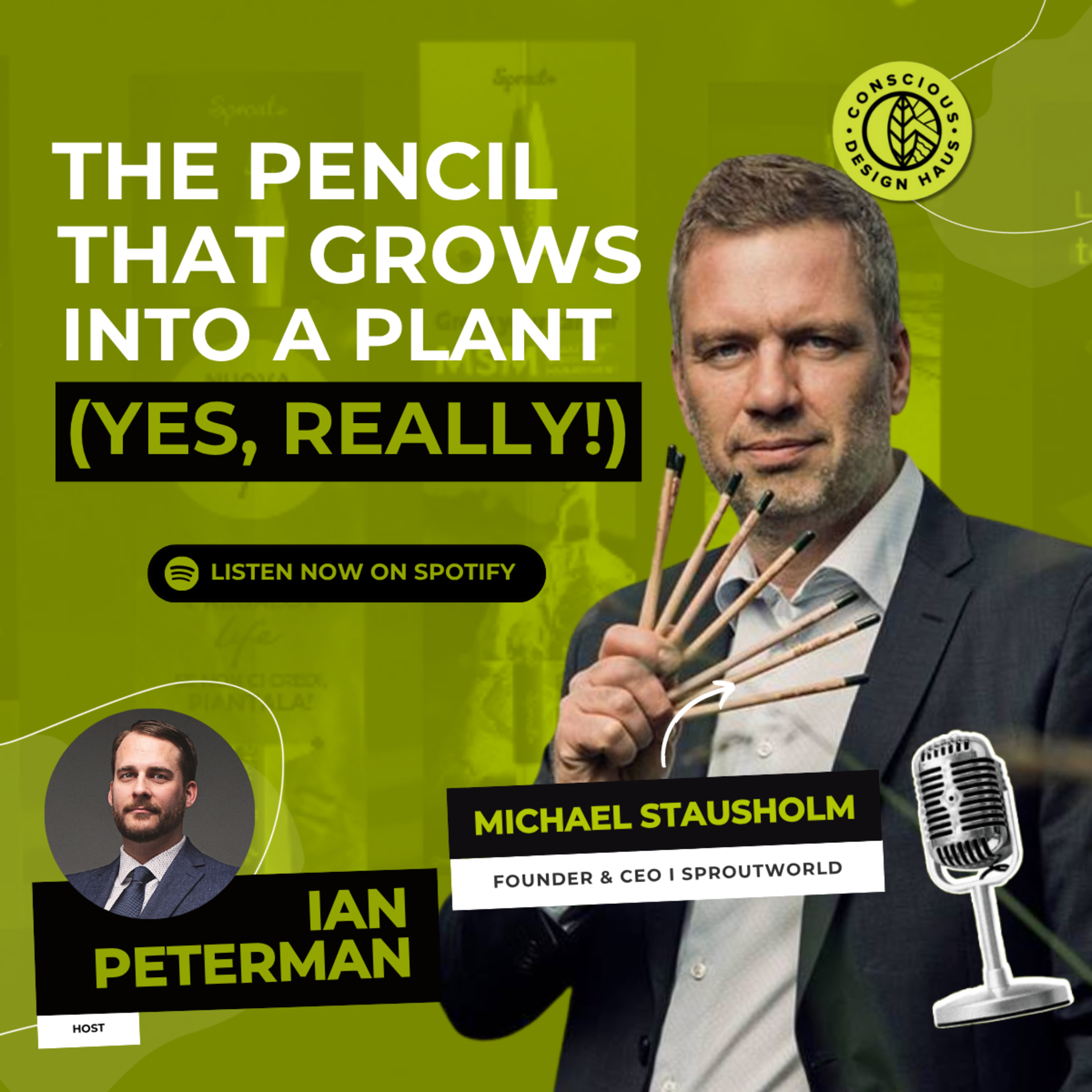
The Pencil That Grows Into a Plant (Yes, Really!)
Oct 300:33:50Tap to summarizeMeet the world’s first plantable pencil. A pencil you can grow into a plant. 🌱 In this Conscious Design Podcast episode, SproutWorld founder & CEO Michael Stausholm reveals how this simple idea became a global eco brand, selling over 80 million pencils worldwide and expanding into plantable makeup.Michael shares the full journey: from discovering the idea at MIT, to building a certified B-Corp, to redefining what sustainability means for everyday products. Whether you’re an entrepreneur, eco-conscious consumer, or design thinker, this episode shows how a single idea can spark a worldwide movement.🔎 In this episode you’ll learn:What a plantable pencil is and how it worksHow SproutWorld grew from MIT invention to 80M+ sales globallyWhy corporations and consumers are embracing plantable productsThe meaning and impact of B-Corp certificationHow SproutWorld developed plantable eyeliners, brow liners, and lip linersWhy sustainability storytelling builds stronger brandsThe future of eco-innovation and plantable everyday items⏩ Jump to your favorite parts:00:33 Welcome to the Conscious Design Podcast00:49 : Meet Michael Straus: CEO of Sprout World01:09 : The Origin of Plantable Pencils03:27 : Sprout World's Market and Popularity06:48 : Sustainability and Certifications11:02 : Innovative Expansion into Makeup20:33 : The Future of Sprout World32:36 : Conclusion and Contact InformationAbout Michael Stausholm and SproutWorldMichael Stausholm is the Founder & CEO of SproutWorld, the company behind the world’s only patented plantable pencil. What began as a Kickstarter idea by MIT students became a global eco innovation. Today, SproutWorld is a certified B-Corp proving that business can be best for the world, not just in the world.🔗𝗖𝗼𝗻𝗻𝗲𝗰𝘁 𝘄𝗶𝘁𝗵 Michael Stausholm and SproutWorldWebsite: https://sproutworld.com/ LinkedIn: https://www.linkedin.com/in/michaelstausholm/ LinkedIn (SproutWorld): https://www.linkedin.com/company/sprout-europe/ Instagram: https://www.instagram.com/michaelstausholm/ Instagram (SproutWorld): https://www.instagram.com/sproutworldofficial/ Facebook: https://www.facebook.com/michael.s.christiansen.9 𝗚𝗲𝘁 𝘁𝗵𝗲 “𝗖𝗼𝗻𝘀𝗰𝗶𝗼𝘂𝘀 𝗗𝗲𝘀𝗶𝗴𝗻” 𝗯𝗼𝗼𝗸: https://www.amazon.com/dp/B09KNMN9BT Learn more: https://www.consciousdesignhaus.com/Want to turn visionary ideas into market-ready, sustainable products? 👉 https://www.petermanfirm.com/🤝 𝗟𝗲𝘁’𝘀 𝗖𝗼𝗻𝗻𝗲𝗰𝘁: Instagram: / cdesignhaus TikTok: / consciousdesign LinkedIn: / conscious-designhaus X (Twitter): https://x.com/CDesignHaus💬 Question for you: Would you buy plantable makeup or stationery if it was available in your local store? Share in the comments!🔔 Enjoyed this episode? Like, subscribe & share to support conscious innovation!
Transcribe →
The Biggest Waste in Construction (and How to Fix It)
Sep 2600:38:56Tap to summarizeWhat if the wood we throw away could build the cities of tomorrow? 🌍Every year, millions of tons of “waste wood” from storms, demolition, and urban trees are trashed. But companies like Cambium are turning salvaged lumber into carbon-smart building materials. From mass timber buildings to sustainable furniture, this shift could change the future of construction forever.In this Conscious Design Podcast, Cambium co-founder Theo Hooker reveals how their “Uber for Logs” platform is reshaping the circular economy of wood with full carbon tracking, supply chain transparency, and scalable solutions for architects, builders, and designers.👉 If you care about sustainable construction, mass timber, or circular economy materials, this episode is packed with insights you won’t want to miss.🔎 This episode covers:Why waste wood is the hidden solution for sustainable constructionHow Cambium created an “Uber for Logs” platform for arborists & sawmillsMass timber, millwork, and furniture made from salvaged lumberThe rise of thermally modified wood in design and architectureHow circular forestry and carbon-smart wood support climate action⏩ Jump to your favorite parts:00:00 - Welcome to Conscious Design Podcast00:37 - Meet Theo Hooker: Co-Founder of Cambium00:56 - The Genesis of Cambium: Combining Technology and Lumber01:27 - Addressing Climate Change with Innovative Solutions05:56 - Cambium's Product and Service Offerings07:42 - Innovations in Lumber Supply and Transportation23:02 - Thermally Modified Wood: A Sustainable Solution30:45 - Grading and Utilizing Salvaged Material33:55 - Connecting the Dots in the Lumber IndustryAbout Theo Hooker and CambiumTheo Hooker is the Co-Founder and Chief Commercial Officer at Cambium, where he leads sales and supply teams to bring salvaged lumber and waste wood to market while supporting the supply needs of enterprise clients.Cambium makes it easy to buy, sell, move, and track fiber through a transparent digital platform. Working across the entire lumber supply chain, Cambium maximizes the use of salvaged material at the best value while delivering carbon tracking and supply chain transparency data for architects, builders, and manufacturers.🔗𝗖𝗼𝗻𝗻𝗲𝗰𝘁 𝘄𝗶𝘁𝗵 Theo Hooker and CambiumWebsite: https://cambiumcarbon.com/ LinkedIn: https://www.linkedin.com/in/theo-hooker/ Instagram: https://www.instagram.com/cambiumcarbon/ Facebook: https://www.facebook.com/cambiumcarbon/ 𝗚𝗲𝘁 𝘁𝗵𝗲 “𝗖𝗼𝗻𝘀𝗰𝗶𝗼𝘂𝘀 𝗗𝗲𝘀𝗶𝗴𝗻” 𝗯𝗼𝗼𝗸: https://www.amazon.com/dp/B09KNMN9BT Learn more: https://www.consciousdesignhaus.com/Want to turn visionary ideas into market-ready, sustainable products? 👉 https://www.petermanfirm.com/🤝 𝗟𝗲𝘁’𝘀 𝗖𝗼𝗻𝗻𝗲𝗰𝘁: Instagram: / cdesignhaus TikTok: / consciousdesign LinkedIn: / conscious-designhaus X (Twitter): https://x.com/CDesignHaus🗨️ Would you choose salvaged wood over traditional lumber if it was available in your next project? Share your thoughts in the comments!🔔 Enjoyed this episode? Like, subscribe & share to support conscious innovation!
Transcribe →
7-Stage Purification That Beats Bottled Water
Sep 2100:35:51Tap to summarizeWhat’s really in your tap water? This episode breaks down PFAS, lead, and microplastics and why tap water safety is a growing concern. Then FloWater CEO Rich “Raz” Razgaitis explains the science of 7-stage purification: RO at 0.0001 microns, advanced carbon, and remineralization for taste and hydration. If you’re evaluating a PFAS water filter for schools, an office water dispenser, or a gym refill station, here is a practical field guide, plus bottled water alternatives that reduce waste. (Also called bottle filling stations or water bottle refill stations.)This episode covers: • How contaminants get past aging infrastructure • Why RO alone isn’t the full story (remineralization matters) • Refill stations vs fountains: speed, hygiene, behavior change (~9s vs ~35s) • Practical steps for parents, PTAs, and facilities to launch a pilot fast⏩ Jump to your favorite parts: 00:00 - Welcome to Conscious Design Podcast 00:43 - Introducing Rich “Raz” Razgaitis and FloWater 01:16 - The Origin Story of FloWater 02:58 - The Problem with Tap Water 06:56 - FloWater’s Solution 11:24 - Advocating for Clean Drinking Water 24:35 - Future Plans for FloWater 30:28 - Conclusion and Contact InformationAbout Rich “Raz” Razgaitis and FloWaterRich “Raz” Razgaitis is the CEO and Co-Founder of FloWater, a Denver-based company focused on tap water safety and better hydration. After early roles at J&J and Eli Lilly, Raz led several growth-stage companies, including scaling Univera from $35M to $100M in annual revenue. Recognized as EY Entrepreneur of the Year (Mountain West) and a TEDx speaker, Raz co-founded FloWater in 2013 to deliver clean, great-tasting water where people refill most: schools, gyms, hotels, and offices.FloWater Refill Stations use 7-stage purification with RO at 0.0001 microns, advanced carbon, and remineralization. FloWater states its systems remove up to 99.9% of contaminants such as lead, PFAS, and microplastics, and reports saving 1B+ plastic bottles from the environment. Trusted by 10,000+ locations, including Google, Hyatt, Xponential, and Oakland Unified School District.🔗𝗖𝗼𝗻𝗻𝗲𝗰𝘁 𝘄𝗶𝘁𝗵 Rich “Raz” Razgaitis 𝗮𝗻𝗱 FloWaterWebsite : https://drinkflowater.com/ LinkedIn: https://www.linkedin.com/in/richrazgaitis/ Youtube: http://www.youtube.com/@RichRazgaitis Instagram: https://www.instagram.com/richrazgaitis/ 𝗚𝗲𝘁 𝘁𝗵𝗲 “𝗖𝗼𝗻𝘀𝗰𝗶𝗼𝘂𝘀 𝗗𝗲𝘀𝗶𝗴𝗻” 𝗯𝗼𝗼𝗸: https://www.amazon.com/dp/B09KNMN9BT Learn more: https://www.consciousdesignhaus.com/Want to turn visionary ideas into market-ready, sustainable products? 👉 https://www.petermanfirm.com/🤝 𝗟𝗲𝘁’𝘀 𝗖𝗼𝗻𝗻𝗲𝗰𝘁: Instagram: / cdesignhaus TikTok: / consciousdesign LinkedIn: / conscious-designhaus X (Twitter): https://x.com/CDesignHaus🗨️ What gets people to drink more water, taste, temperature, or convenience?🔔 Enjoyed this episode? Like, subscribe & share to support conscious innovation!
Transcribe →
How a DIY Lip Balm Idea Became a Zero Waste Makeup Brand
Sep 1400:33:13Tap to summarizeCan an eco-friendly beauty brand compete with mainstream makeup brands? Corinne Lefebvre, founder of River Organics, shares how she built a vegan, zero-waste beauty brand that challenges big cosmetics while staying true to sustainable values.In this episode of the Conscious Design Podcast, host Ian Peterman uncovers the journey behind River Organics, from paper packaging innovations to creating high-performance makeup without compromising the planet.𝗧𝗵𝗶𝘀 𝗲𝗽𝗶𝘀𝗼𝗱𝗲 𝗰𝗼𝘃𝗲𝗿𝘀:Sustainable beauty & vegan cosmeticsZero waste makeup packaging innovationsCompeting with big brands like Sephora without VC fundingHow to grow a profitable sustainable businessRiver Organics founder story⏩ 𝗝𝘂𝗺𝗽 𝘁𝗼 𝘆𝗼𝘂𝗿 𝗳𝗮𝘃𝗼𝗿𝗶𝘁𝗲 𝗽𝗮𝗿𝘁𝘀:00:00 Intro00:36 Founding River Organics: The Origin Story02:04 Sustainable Packaging Innovations04:21 Challenges and Growth in the Beauty Industry05:22 The Importance of Sustainable Business Practices08:32 Packaging Details and Customer Feedback18:34 Expanding Product Lines: From Lip Balm to Mascara24:21 Future Innovations and Customer Loyalty31:22 Conclusion and Contact Information𝗔𝗯𝗼𝘂𝘁 𝗖𝗼𝗿𝗶𝗻𝗻𝗲 𝗟𝗲𝗳𝗲𝗯𝘃𝗿𝗲 𝗮𝗻𝗱 𝗥𝗶𝘃𝗲𝗿 𝗢𝗿𝗴𝗮𝗻𝗶𝗰𝘀Corinne Lefebvre is the Owner and Founder of River Organics, a vegan and sustainable beauty brand. River Organics is a thoughtfully crafted zero-waste makeup line that prioritizes transparency in both ingredients and packaging, while working to reduce its environmental footprint and yours.🔗𝗖𝗼𝗻𝗻𝗲𝗰𝘁 𝘄𝗶𝘁𝗵 𝗖𝗼𝗿𝗶𝗻𝗻𝗲 𝗟𝗲𝗳𝗲𝗯𝘃𝗿𝗲 𝗮𝗻𝗱 𝗥𝗶𝘃𝗲𝗿 𝗢𝗿𝗴𝗮𝗻𝗶𝗰𝘀Website : www.riverorganics.orgYoutube: https://www.youtube.com/@RiverOrganicsBeautyFacebook: https://www.facebook.com/riverorganics/Instagram: https://www.instagram.com/riverorganicsbeauty/𝗚𝗲𝘁 𝘁𝗵𝗲 “𝗖𝗼𝗻𝘀𝗰𝗶𝗼𝘂𝘀 𝗗𝗲𝘀𝗶𝗴𝗻” 𝗯𝗼𝗼𝗸: https://www.amazon.com/dp/B09KNMN9BT Learn more: https://www.consciousdesignhaus.com/Want to turn visionary ideas into market-ready, sustainable products? 👉 https://www.petermanfirm.com/🤝 𝗟𝗲𝘁’𝘀 𝗖𝗼𝗻𝗻𝗲𝗰𝘁: Instagram: / cdesignhaus TikTok: / consciousdesign LinkedIn: / conscious-designhaus X (Twitter): https://x.com/CDesignHaus💄 What’s the #1 thing you look for in a sustainable beauty brand: performance, price, or packaging?🔔 Enjoyed this episode? Like, subscribe & share to support conscious innovation!
Transcribe →
From College Idea to $2M Sustainable Business
Sep 800:39:28Tap to summarizeEmma Rose Cohen, founder of FinalStraw, turned a simple idea into a $2M Kickstarter and a movement against single-use plastics. In this episode of the Conscious Design Podcast, she shares how small changes spark massive environmental impact.Emma Rose Cohen is the CEO and founder of Final, the company behind FinalStraw and other sustainable alternatives to single-use plastics. What started as an idea during college parties turned into a viral Kickstarter campaign that raised nearly $2 million and has since kept over 300 million straws out of the ocean. 🌊In this episode, Emma opens up about:How to turn passion for sustainability into a thriving businessWhy simplicity beats complexity in product designThe power of voting with your dollars and influencing othersWhat’s next for Final and the fight against waste✨ If you care about sustainability, startups, or how to bring a product idea to life, this episode is a must-watch.⏩ 𝗝𝘂𝗺𝗽 𝘁𝗼 𝘆𝗼𝘂𝗿 𝗳𝗮𝘃𝗼𝗿𝗶𝘁𝗲 𝗽𝗮𝗿𝘁𝘀:00:00 - Guest Intro00:18 - The Birth of Final Straw00:46 - The Journey to Sustainability02:17 - From Kickstarter to Sustainable Living Innovations05:34 - From Feedback to Innovation: Growing the Product Line10:49 - Material Choices and Environmental Impact15:57 - The Ripple Effect of Sustainable Choices18:48 - Encouraging Awareness and Action21:17 - The Historical Perspective on Waste22:27 - Corporate Responsibility and Consumer Power24:39 - Consumer Impact and the Future of Sustainability27:43 - Product Development Challenges and How to Tackle Them30:12 - Sharing Ideas and Execution36:14 - Exploring New Business Concepts𝗔𝗯𝗼𝘂𝘁 𝗘𝗺𝗺𝗮 𝗥𝗼𝘀𝗲 𝗖𝗼𝗵𝗲𝗻 𝗮𝗻𝗱 𝗙𝗶𝗻𝗮𝗹 𝗦𝘁𝗿𝗮𝘄Emma Rose Cohen, CEO and founder of Final, found her passion in sustainability on a Sunday morning during college. While walking around campus in Santa Barbara, she felt as though she was drowning in a sea of single-use plastics—solo cups, straws, and water bottles.That day would stick with her. Emma went on to earn her master’s degree in environmental management and sustainability at Harvard and spent four years working at Los Alamos National Laboratory. As she watched different materials being wasted day in and day out, Emma couldn’t help but wonder if there was a better way. So she quit her job to work on her dream: to create fun alternatives to single-use plastics.FinalStraw launched on Kickstarter in April 2018 with a goal of raising $12,500. The product struck a chord. In a matter of weeks, the campaign raised $1.89 million. The momentum hasn’t stopped. Since launching, FinalStraw has prevented approximately 300 million single-use straws from entering the environment.🔗 𝗖𝗼𝗻𝗻𝗲𝗰𝘁 𝘄𝗶𝘁𝗵 𝗘𝗺𝗺𝗮 𝗥𝗼𝘀𝗲 𝗖𝗼𝗵𝗲𝗻 𝗮𝗻𝗱 𝗙𝗶𝗻𝗮𝗹 𝗦𝘁𝗿𝗮𝘄Website : https://finalstraw.com/LinkedIn : https://www.linkedin.com/in/emmarosecohen/ https://www.linkedin.com/company/finalstraw/Facebook : https://www.facebook.com/finalstrawX : https://www.facebook.com/finalstrawInstagram: https://www.instagram.com/finalstraw/🌍𝗝𝗼𝗶𝗻 𝘁𝗵𝗲 𝗖𝗼𝗻𝘀𝗰𝗶𝗼𝘂𝘀 𝗗𝗲𝘀𝗶𝗴𝗻 𝗠𝗼𝘃𝗲𝗺𝗲𝗻𝘁 SUBSCRIBE ► @ConsciousDesign𝗚𝗲𝘁 𝘁𝗵𝗲 “𝗖𝗼𝗻𝘀𝗰𝗶𝗼𝘂𝘀 𝗗𝗲𝘀𝗶𝗴𝗻” 𝗯𝗼𝗼𝗸: https://www.amazon.com/dp/B09KNMN9BT Learn more: https://www.consciousdesignhaus.com/Want to turn visionary ideas into market-ready, sustainable products? 👉 https://www.petermanfirm.com/🤝 𝗟𝗲𝘁’𝘀 𝗖𝗼𝗻𝗻𝗲𝗰𝘁: Instagram: https://www.instagram.com/cdesignhaus/ TikTok: https://www.tiktok.com/@consciousdesign LinkedIn: https://www.linkedin.com/company/conscious-designhaus/ X (Twitter): https://x.com/CDesignHausWe help creative entrepreneurs integrate social & environmental responsibility into their brand’s DNA through #ConsciousDesign.🌍 If you could ban ONE single-use plastic item forever, which would it be?🔔 Enjoyed this episode? Like, subscribe & share to support conscious innovation!
Transcribe →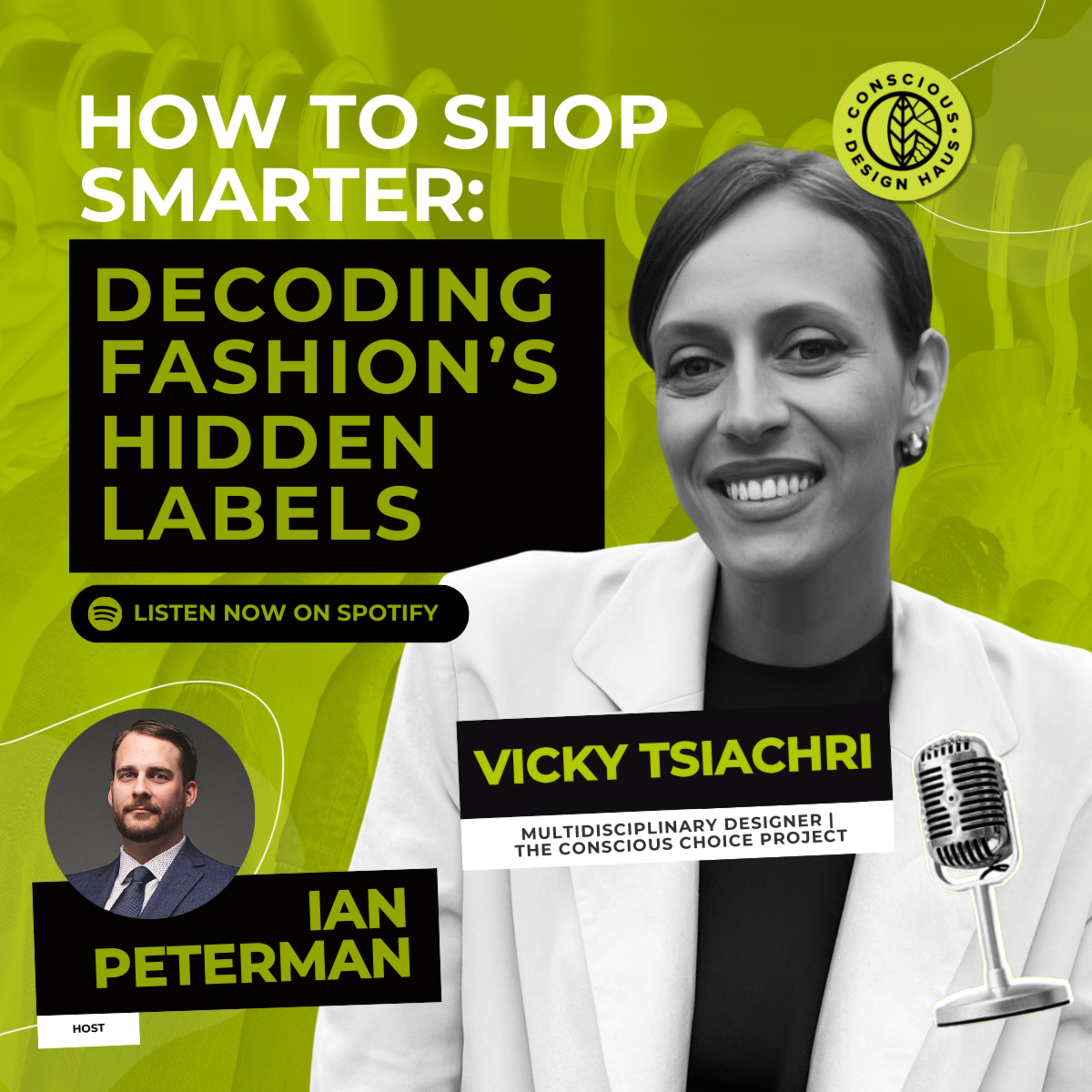
How to Shop Smarter: Decoding Fashion’s Hidden Labels
Aug 3100:45:39Tap to summarizeFashion is one of the world’s most polluting industries 🌍 Can labeling & AI make it sustainable? Host Ian Peterman sits down with designer Vicky Tsiachri to explore her A–E clothing labeling system, how transparency fights greenwashing, and why conscious design is key to reshaping fashion.💬 Do you believe fashion labels can really change how people shop, or will fast fashion always win? Let us know below!💡 What You’ll Learn:Why fashion is the second most polluting industryThe truth behind fast fashion, greenwashing & overconsumptionHow Vicky’s A–E labeling system empowers shoppersThe cultural gap between Greece & UK in sustainable designHow AI & 3D printing could reduce waste and overproductionWhy transparency builds trust and long-term profits in fashion⏩ Jump to your favorite parts:00:37 - Introduction to the Conscious Design Podcast00:49 - Meet Vicky Tsiachri: A Journey into Sustainable Design02:23 - Cultural Differences in Sustainability: Greece vs. UK04:16 - Conscious Choices: Vicky's Sustainable Fashion Project06:05 - The A to E Labeling System for Fashion08:55 - Challenges in Sustainable Fashion and Greenwashing15:47 - Consumer Behavior and Sustainable Fashion21:53 - Promoting Conscious Design and Thrifting23:30 - The Paradox of Fast Fashion and Sustainability25:39 - Consumer Perception of Eco-Labeling27:24 - AI and Sustainable Fashion Solutions29:00 - Cultural Shifts and Fast Fashion32:11 - The Role of Transparency in Sustainable Fashion38:06 - The Continuous Journey Towards Sustainability43:50 - Conclusion and Final ThoughtsAbout Vicky Tsiachri and “The Conscious Choice” ProjectVicky Tsiachri is a multidisciplinary designer and Creative Director specializing in fashion branding, digital engagement, and youth culture. Based in London, she holds an MA in Design from the University for the Creative Arts and is now a PhD candidate researching sustainable fashion through digital innovation.Her project, “The Conscious Choice,” introduces a fashion labeling system (A–E grades) designed to help consumers make informed decisions while pushing brands toward greater transparency.🔗 Connect with Vicky Tsiachri:Website: https://www.vicky-tsiachri.com/ LinkedIn: https://www.linkedin.com/in/vicky-tsiachri/ Instagram: https://www.instagram.com/vicky_tsiachri Get the “Conscious Design” book: https://www.amazon.com/dp/B09KNMN9BT Learn more: https://www.consciousdesignhaus.com/Want to turn visionary ideas into market-ready, sustainable products? 👉 https://www.petermanfirm.com/🤝 Let’s Connect: Instagram: https://www.instagram.com/cdesignhaus/ TikTok: https://www.tiktok.com/@consciousdesign LinkedIn: https://www.linkedin.com/company/conscious-designhaus/ X (Twitter): https://x.com/CDesignHausWe help creative entrepreneurs integrate social & environmental responsibility into their brand’s DNA through #ConsciousDesign.💬 Do you believe fashion transparency can fix fast fashion—or is it too late? Comment below!🔔 Enjoyed this episode? Like, subscribe & share to support conscious innovation!
Transcribe →