
Podcast
Consider This from NPR
Hosted by NPR · EN
The hosts of NPR's All Things Considered help you make sense of a major news story and what it means for you, in 15 minutes. New episodes six days a week, Sunday through Friday.
Support public media by joining NPR+ at plus.npr.org. You’ll get perks for over 25 NPR podcasts, including sponsor-free listening for Consider This.
Support public media by joining NPR+ at plus.npr.org. You’ll get perks for over 25 NPR podcasts, including sponsor-free listening for Consider This.
621episodes
Episodes
Newest firstAll episodes
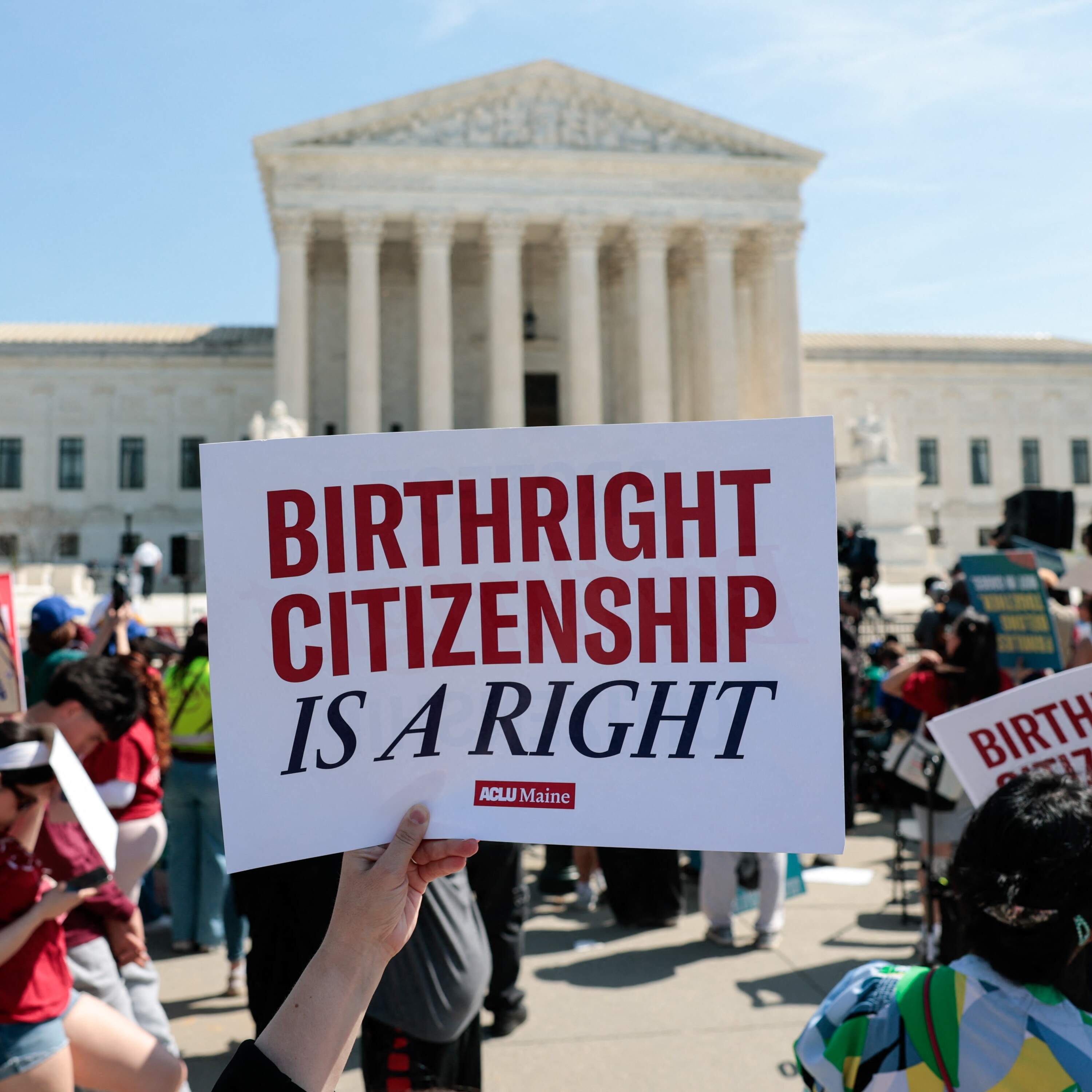
In a rebuke of President Trump, the Supreme Court upholds birthright citizenship
Jun 3000:13:01Summary readyThe Supreme Court ruled Tuesday that the Constitution guarantees automatic birthright citizenship to virtually all children born in the United States.It was one of the most closely watched cases of this Supreme Court term -- and is considered a rebuke of President Trump's goal to end birthright citizenship.But the Court is divided. We break down the ruling and how the justices are thinking about the Trump administration's arguments.For sponsor-free episodes of Consider This, sign up for Consider This+ via Apple Podcasts or at plus.npr.org. Email us at considerthis@npr.org.This episode was produced by Jeffrey Pierre, Tyler Bartlam and Megan Lim, with audio engineering by Ted Mebane. Our director is Alejandra Marquez Janse.It was edited by Anna Yukhananov, Mallory Yu, Sarah Handel , and Tinbete Ermyas.Our interim executive producer is Courtney Dorning.See pcm.adswizz.com for information about our collection and use of personal data for sponsorship and to manage your podcast sponsorship preferences.NPR Privacy Policy
Summary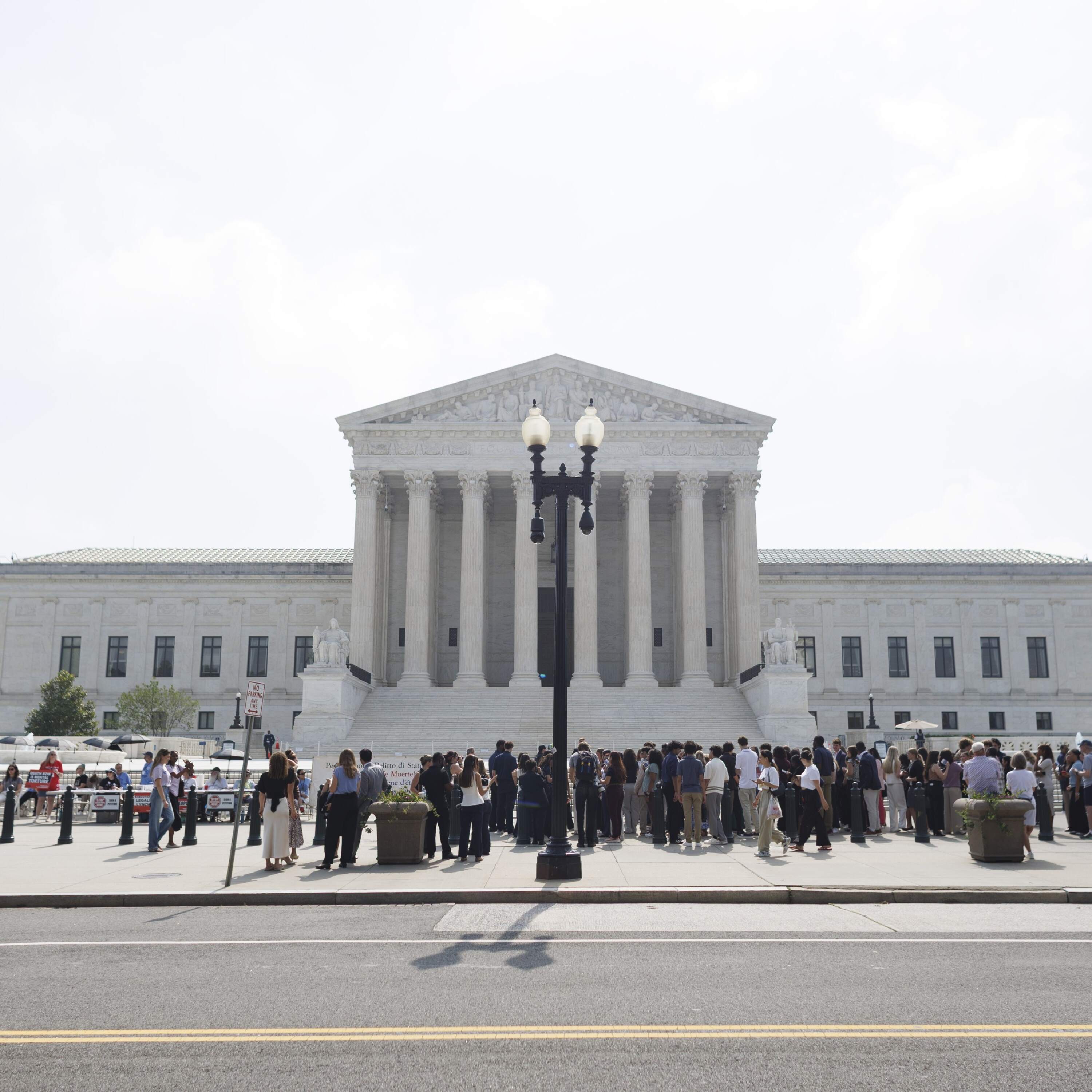
In two landmark rulings, the Supreme Court wades into major political battles
Jun 2900:10:52Summary readyToday, the Supreme Court ruled on two cases that deal with major political battles. The first deals with mail-in voting, which President Trump has criticized for years. The Supreme Court upheld a Mississippi law that allows election officials to count mail-in ballots postmarked by Election Day but received up to five days later.In another ruling, the High Court ruled that Lisa Cook, a member of the Federal Reserve Board of Governors, can stay in her job for now.Both rulings are considered a loss for President Trump. But are they the final word on these two issues?For sponsor-free episodes of Consider This, sign up for Consider This+ via Apple Podcasts or at plus.npr.org. Email us at considerthis@npr.org.This episode was produced by Jeffrey Pierre and Vincent Acovino, with audio engineering by Ted Mebane. Our director is Alejandra Marquez Janse.It was edited by Benjamin Swasey, Patrick Jarenwattananon, and Tinbete Ermyas.Our interim executive producer is Courtney Dorning.See pcm.adswizz.com for information about our collection and use of personal data for sponsorship and to manage your podcast sponsorship preferences.NPR Privacy Policy
Summary
A new bridge meant to expedite Canada-U.S. trade is built, but not open. Why?
Jun 2800:12:00Summary readyThe Gordie Howe International Bridge spans the most important border crossing between the U.S. and Canada. President Donald Trump has said he doesn’t want it open yet. For sponsor-free episodes of Consider This, sign up for Consider This+ via Apple Podcasts or at plus.npr.org.Email us at considerthis@npr.org.This episode was produced by Henry Larson. Our director is Elena Burnett. It was edited by Sarah Robbins. Our interim Executive Producer is Courtney Dorning.See pcm.adswizz.com for information about our collection and use of personal data for sponsorship and to manage your podcast sponsorship preferences.NPR Privacy Policy
Summary
Balancing the risks of catching Ebola while covering the outbreak
Jun 2700:09:23Summary readyNPR often relies on reporters going into dangerous places to get the story. It can mean covering a war, natural catastrophes, or highly contagious, deadly diseases — like the current Ebola outbreak in the Democratic Republic of the Congo that has killed hundreds of people so far.For this week’s Reporter’s Notebook, we hear from Emmet Livingstone about how he balances the risk of reporting in an area where Ebola is spreading.For sponsor-free episodes of Consider This, sign up for Consider This+ via Apple Podcasts or at plus.npr.org. Email us at considerthis@npr.org.This episode was produced by Gabriel Sanchez. It was edited by Adam Raney. Our director is Elena Burnett and our interim executive producer is Courtney Dorning.See pcm.adswizz.com for information about our collection and use of personal data for sponsorship and to manage your podcast sponsorship preferences.NPR Privacy Policy
Summary
Trump's State Department spokesperson discusses the administration's foreign policy
Jun 2600:09:59Summary readyTommy Pigott, the State Department's spokesperson, has just returned from a trip to the Middle East. He was there with Secretary of State Marco Rubio to meet with Gulf leaders about the administration's ongoing negotiations with Iran.While there, Secretary Rubio pledged the administrations commitment to helping Venezuela recover from this week's deadly earthquakes. Pigott joins us to discuss his recent trip, the Iran negotiations, and the U.S.'s role in the aftermath of Venezuela's deadly earthquake.For sponsor-free episodes of Consider This, sign up for Consider This+ via Apple Podcasts or at plus.npr.org.Email us at considerthis@npr.org.This episode was produced by Christopher Harland-Dunaway and Karen Zamora.It was edited by Patrick Jarenwattananon and Tinbete Ermyas.See pcm.adswizz.com for information about our collection and use of personal data for sponsorship and to manage your podcast sponsorship preferences.NPR Privacy Policy
Summary
The Supreme Court sides with the Trump administration in two major immigration cases
Jun 2500:10:24Summary readyToday, the Supreme Court sided with the Trump administration in two major immigration rulings.One allows the administration to move forward with revoking temporary legal status for hundreds of thousands of people. The other puts limits on how people can claim asylum.How could these rulings shape U.S. immigration policy?For sponsor-free episodes of Consider This, sign up for Consider This+ via Apple Podcasts or at plus.npr.org.Email us at considerthis@npr.org.This episode was produced by Grady Martin, Michelle Aslam and Tyler Bartlam.It was edited by Krishnadev Calamur and Tinbete Ermyas.Our interim executive producer is Courtney Dorning.See pcm.adswizz.com for information about our collection and use of personal data for sponsorship and to manage your podcast sponsorship preferences.NPR Privacy Policy
Summary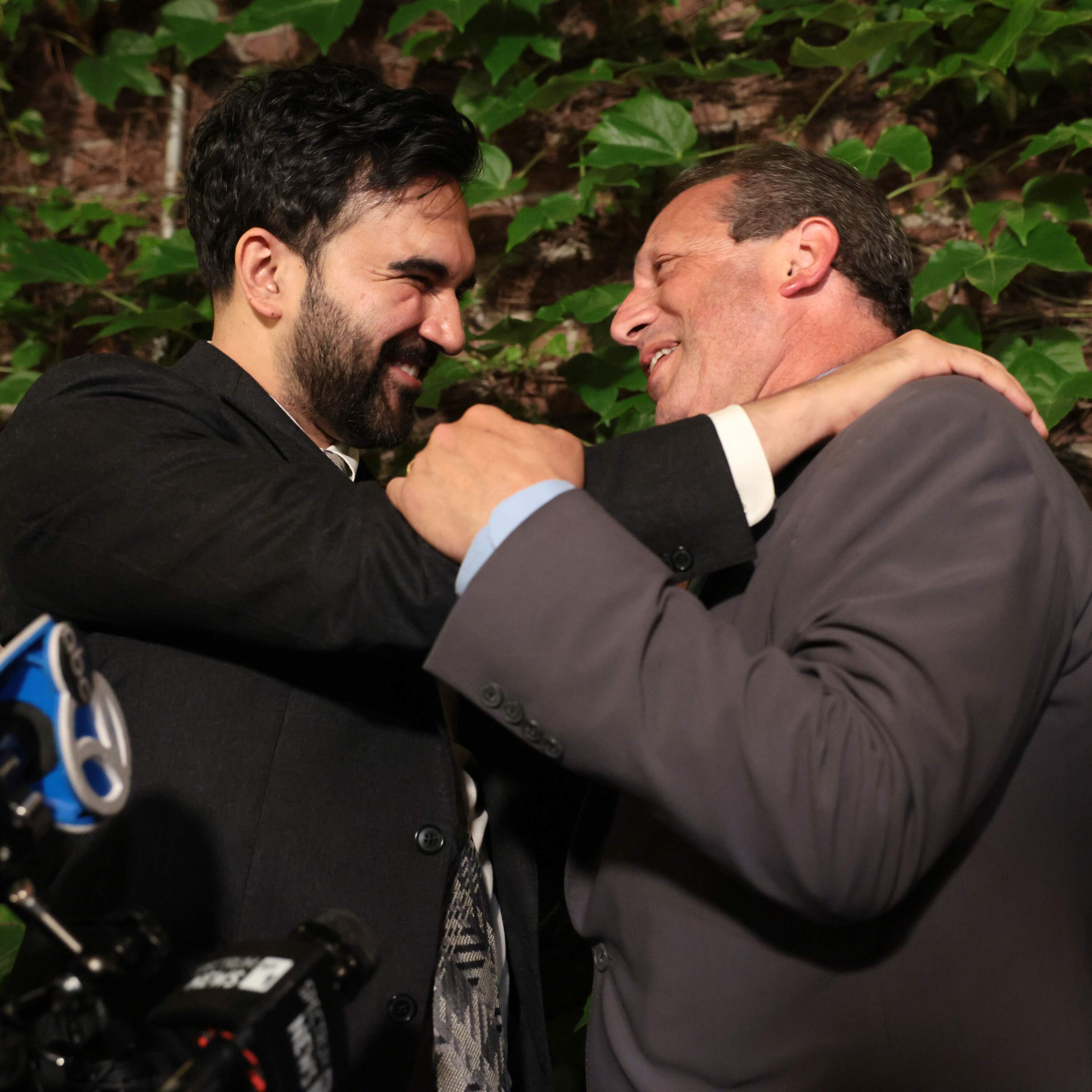
Democratic Socialists won big in NY. Do they offer a way forward for Democrats?
Jun 2400:09:34Summary readyOn Tuesday, Congressional candidates backed by New York City Mayor Zorhan Mamdani performed well in the New York primaries.The electoral victories were a major win for Mamdani, who put his political reputation on the line by endorsing the slate of leftist candidates.But about a year ago, centrist Democrats seemed skeptical of Mamdani's politics and approach. Do they have something to learn?For sponsor-free episodes of Consider This, sign up for Consider This+ via Apple Podcasts or at plus.npr.org.Email us at considerthis@npr.org.This episode was produced by Michelle Aslam and Tyler Bartlam.It was edited by Patrick Jarenwattananon and Tinbete Ermyas.Our interim executive producer is Courtney Dorning.See pcm.adswizz.com for information about our collection and use of personal data for sponsorship and to manage your podcast sponsorship preferences.NPR Privacy Policy
Summary
Albanians are protesting a real estate deal with ties to Jared Kushner & Ivanka Trump
Jun 2300:08:52Summary readyEvery day since the beginning of June, Albanians have protested the development of a proposed luxury resort along the country's Adriatic coast.The real estate development is linked to two people with close ties to President Trump: Ivanka Trump, his daughter, and her husband Jared Kushner.Albanians are protesting government corruption -- and calling for the country's president to resign. How did we get here?For sponsor-free episodes of Consider This, sign up for Consider This+ via Apple Podcasts or at plus.npr.org.Email us at considerthis@npr.org.This episode was produced by Christine Arrassmith, Kathryn Fink, and Karen Zamora.It was edited by Hannah Bloch and Tinbete Ermyas.Our interim executive producer is Courtney Dorning.See pcm.adswizz.com for information about our collection and use of personal data for sponsorship and to manage your podcast sponsorship preferences.NPR Privacy Policy
Summary
Alan Greenspan was a titan among Federal Reserve chairs. What's his legacy?
Jun 2200:06:18Summary readyAlan Greenspan, who led the Federal Reserve for nearly two decades, died Monday at his home in Washington. He was 100.Greenspan was the rare celebrity among central bankers, lionized for his economic stewardship in the 1990s — and a reputation tarnished by the global financial crisis of 2008.With a career that spanned decades and four presidents, what legacy does he leave behind?For sponsor-free episodes of Consider This, sign up for Consider This+ via Apple Podcasts or at plus.npr.org.Email us at considerthis@npr.org.This episode was produced by Mia Venkat and Karen Zamora.It was edited by Pallavi Gogoi, Christopher Intagliata and Tinbete Ermyas.Our interim executive producer is Courtney Dorning.See pcm.adswizz.com for information about our collection and use of personal data for sponsorship and to manage your podcast sponsorship preferences.NPR Privacy Policy
Summary
Can the U.S. find the strategic patience needed to end war with Iran?
Jun 2100:11:07Summary readyHigh-stakes negotiations at the Lake Lucerne summit in Switzerland between the U.S. and Iran have been strained from the start. Former Ambassador Ryan Crocker says Iran is settling in for the long haul, so the U.S. needs “strategic patience” if it wants long-term stability in the Middle East.For sponsor-free episodes of Consider This, sign up for Consider This+ via Apple Podcasts or at plus.npr.org. Email us at considerthis@npr.org.This episode was produced by Jason Fuller. It was edited by Sarah Robbins. Our interim executive producer is Courtney Dorning.See pcm.adswizz.com for information about our collection and use of personal data for sponsorship and to manage your podcast sponsorship preferences.NPR Privacy Policy
Summary