Podcast
Conspiracy Theories Exploring The Unseen
Hosted by Michael Fortune · EN
The act of conspiring an evil, unlawful, treacherous, or surreptitious plan formulated in secret by two or more persons; plot. A combination of persons for a secret, unlawful, or evil purpose. An agreement by two or more persons to commit a crime, fraud, or other wrongful act, any concurrence in action; combination in bringing about a given result.
Become a supporter of this podcast: https://www.spreaker.com/podcast/conspiracy-theories-exploring-the-unseen--5194379/support.
Become a supporter of this podcast: https://www.spreaker.com/podcast/conspiracy-theories-exploring-the-unseen--5194379/support.
376episodes
Episodes
Newest firstAll episodes

The Shifting Horizon_ Is the American Dream Dead
Yesterday00:03:10Tap to summarizeFor generations, the American Dream was shorthand for a very specific picture: a white picket fence, a stable job, and the promise that if you worked hard, you could own a home and secure a comfortable life for your family. But walk through any neighborhood or hop onto a social media thread today, and you will hear a different story. The definition of that dream is undergoing a massive rewrite. It is shifting away from purely material markers like homeownership and toward a broader, more personal vision of success that prioritizes freedom, individual rights, and the ability to define one's own path. This evolution isn't just about semantics; it represents a fundamental change in how we measure a good life. Even though we are redefining what the dream looks like, there is a lingering tension in the air. Recent data shows a sobering trend: while most of us still believe in the power of the dream as an idea, fewer than half of Americans actually believe it is attainable for everyone.Become a supporter of this podcast: https://www.spreaker.com/podcast/conspiracy-theories-exploring-the-unseen--5194379/support.
Transcribe →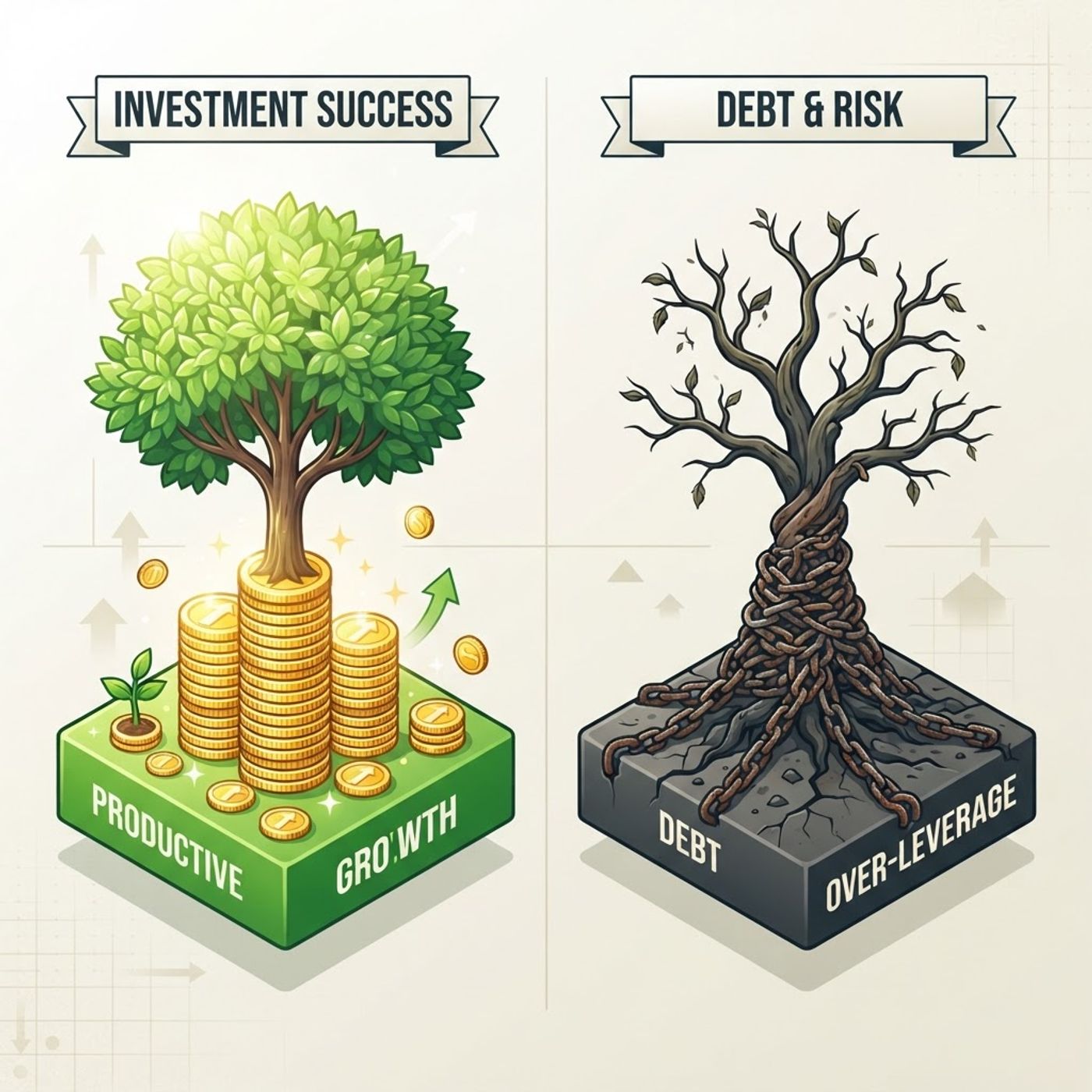
The Weight of Gold_ Navigating the $307 Trillion Debt Era
Yesterday00:02:28Tap to summarizeImagine a global mountain of debt that has grown so massive it now sits at 307 trillion dollars. This isn't just a number on a spreadsheet; it is a weight pressing down on the global economy, influencing everything from the price of your groceries to the strength of your national infrastructure. When we look at where this debt is concentrated, it is clear that developed nations—like the U.S., Japan, the UK, and France—are leading the charge. But why does this matter? Well, economists often talk about a delicate balance called the debt-growth nexus. Research shows that once a country's debt-to-GDP ratio crosses the 75 or 80 percent threshold, it starts to act like a heavy anchor on economic performance. Every additional percentage point of debt can shave off about 3.3 basis points of real growth. TBecome a supporter of this podcast: https://www.spreaker.com/podcast/conspiracy-theories-exploring-the-unseen--5194379/support.
Transcribe →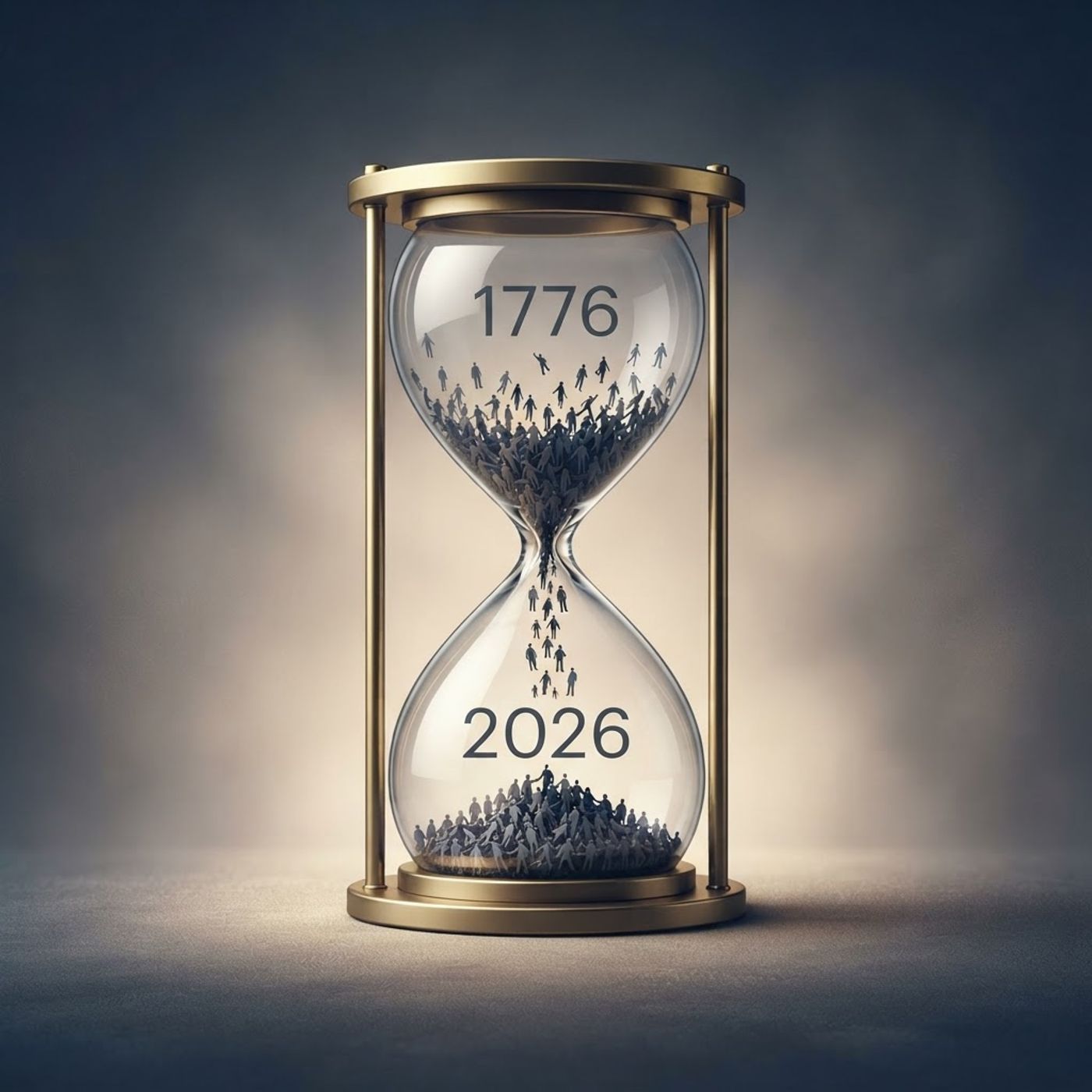
The Soul of the Nation_ Navigating America's Crossroads (1)
Yesterday00:02:21Tap to summarizeAs we approach the 250th anniversary of the United States, the country feels like it is standing at a major intersection. We are in the middle of a deep, often painful debate about who we are and where we are headed. This isn't just about politics in Washington; it is about our shared identity and the health of the democratic foundations we stand on. Political polarization has moved beyond just disagreeing on policy. It has become a part of our daily lives, coloring how we interact with neighbors and even family. This divide is often fueled by a fundamental disagreement over what makes us American. On one side, you have the creedal view, which says being American is about believing in a set of shared principles and ideals, like liberty and equality for all. On the other side, some argue for a definition based more on heritage, culture, and traditional identity. Become a supporter of this podcast: https://www.spreaker.com/podcast/conspiracy-theories-exploring-the-unseen--5194379/support.
Transcribe →
The Silicon Shield_ Why Taiwan Defines Our Economic Future
Yesterday00:02:36Tap to summarizeImagine a single stretch of ocean, only about a hundred miles wide, that holds the entire global economy in a delicate balance. The Taiwan Strait isn't just a body of water; it is arguably the most critical artery for world trade. Every year, over two and a half trillion dollars in goods pass through these waves. But the stakes are even higher than the shipping lanes alone suggest. This is the home of the Silicon Shield. Taiwan is the world's primary manufacturer of advanced semiconductors—those tiny, essential chips that power everything from your smartphone to fighter jets and electric cars. If production here stops, the modern world essentially grinds to a halt. The potential fallout is staggering. Economists estimate that a full-scale conflict in this region could strip ten trillion dollars from the global economy. Become a supporter of this podcast: https://www.spreaker.com/podcast/conspiracy-theories-exploring-the-unseen--5194379/support.
Transcribe →
The Strategic Triangle_ How NATO, Russia, and China are Reshaping the World
Yesterday00:02:52Tap to summarizeThe map of global security is being redrawn, not by single events, but by a complex, high-stakes game of strategic geometry. For decades, the focus was on regional stability, but today we are living in a world defined by a new strategic triangle: NATO, Russia, and China. At the heart of this shift is NATO’s 2022 Strategic Concept. This wasn't just a policy update; it was a fundamental pivot back to the basics of collective defense. For the first time in a generation, the Alliance officially declared Russia its most direct and significant threat. But the real evolution lies in how they address China. It is no longer just a trade partner; it is officially labeled a systemic challenge to security, interests, and our shared values.Become a supporter of this podcast: https://www.spreaker.com/podcast/conspiracy-theories-exploring-the-unseen--5194379/support.
Transcribe →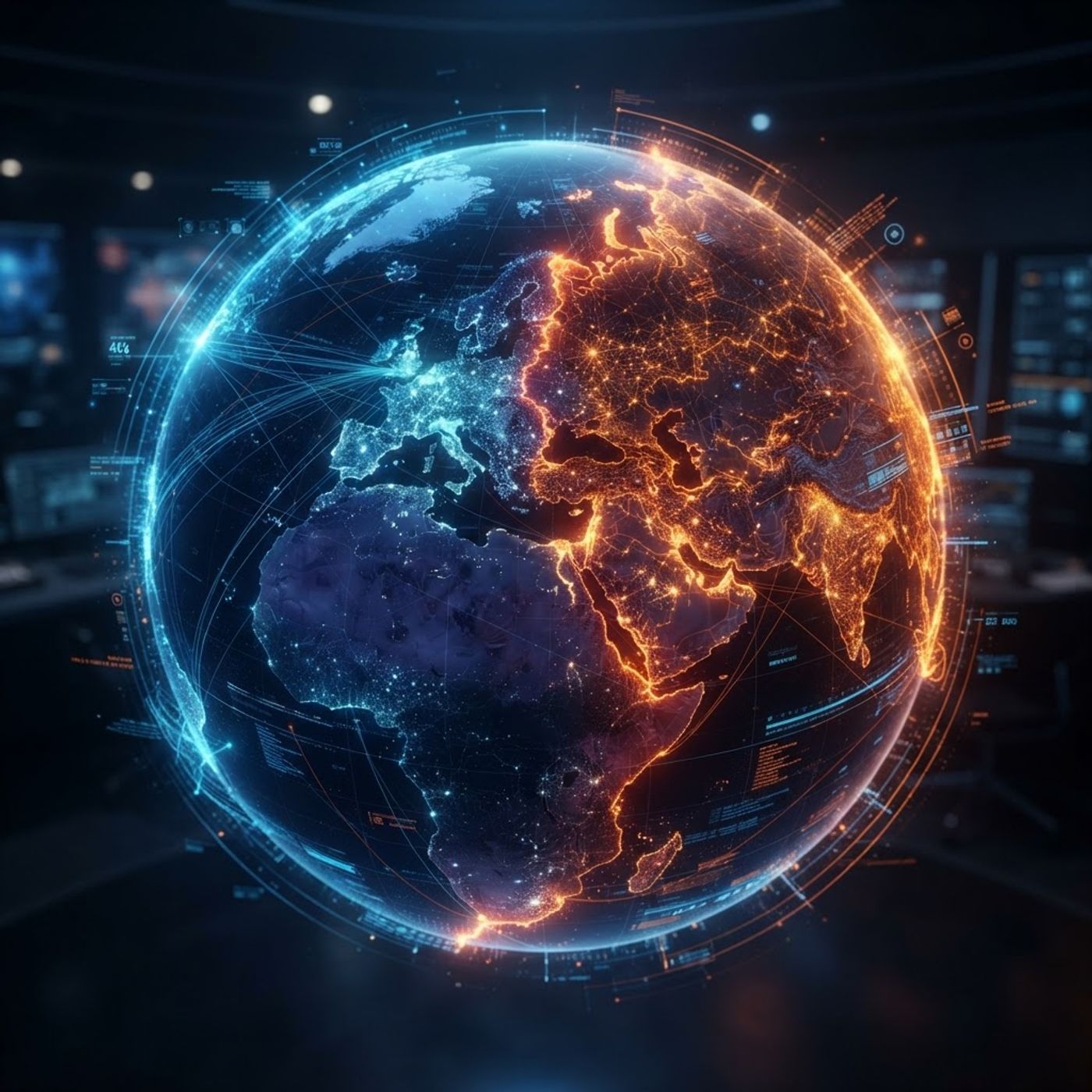
The Global Shift_ Are We Witnessing World War III
Yesterday00:03:06Tap to summarizeThe headlines feel heavier lately, don't they? Every time we scroll through the news, it feels like the world is teetering on the edge of something massive. People are asking the big question: Are we sliding into a third world war, or are we just watching the furniture of the global order get rearranged? To understand where we are in 2026, we have to look past the panic and examine the mechanics of this new era. It is not necessarily a sudden explosion, but a grinding, tectonic shift toward a new age of competition. The numbers tell a story that is hard to ignore. In 2024, global military spending hit an astonishing 2.7 trillion dollars—the highest level we have seen since the end of the Cold War. But this isn't just about traditional armies; it is about how our world is being weaponized in ways we didn't imagine a decade ago. Think of infrastructure, energy grids, and the digital systems that keep our societies running. These have become the new front lines.Become a supporter of this podcast: https://www.spreaker.com/podcast/conspiracy-theories-exploring-the-unseen--5194379/support.
Transcribe →
The Design Dilemma_ Is Dysfunction Actually Intentional
Yesterday00:03:01Tap to summarizeWe often hear the phrase that a system is broken. Whether it is a government policy, a failing corporation, or a stagnant industry, we tend to view dysfunction as a glitch—an accidental error in an otherwise well-meaning machine. But what if we have it backwards? What if the system is not broken at all, but rather working exactly as it was designed to? To understand this, we have to look at the hidden architecture beneath the surface. When we call a system broken, we imply that it has failed to meet some ideal purpose, like public service or efficiency. But from a systems analysis perspective, a system is simply a set of rules and incentives that produce specific outcomes. If the outcome is gridlock or inequality, it is not because the gears slipped; it is because those gears were cut to prioritize different goals, like reelection or partisan dominance. Become a supporter of this podcast: https://www.spreaker.com/podcast/conspiracy-theories-exploring-the-unseen--5194379/support.
Transcribe →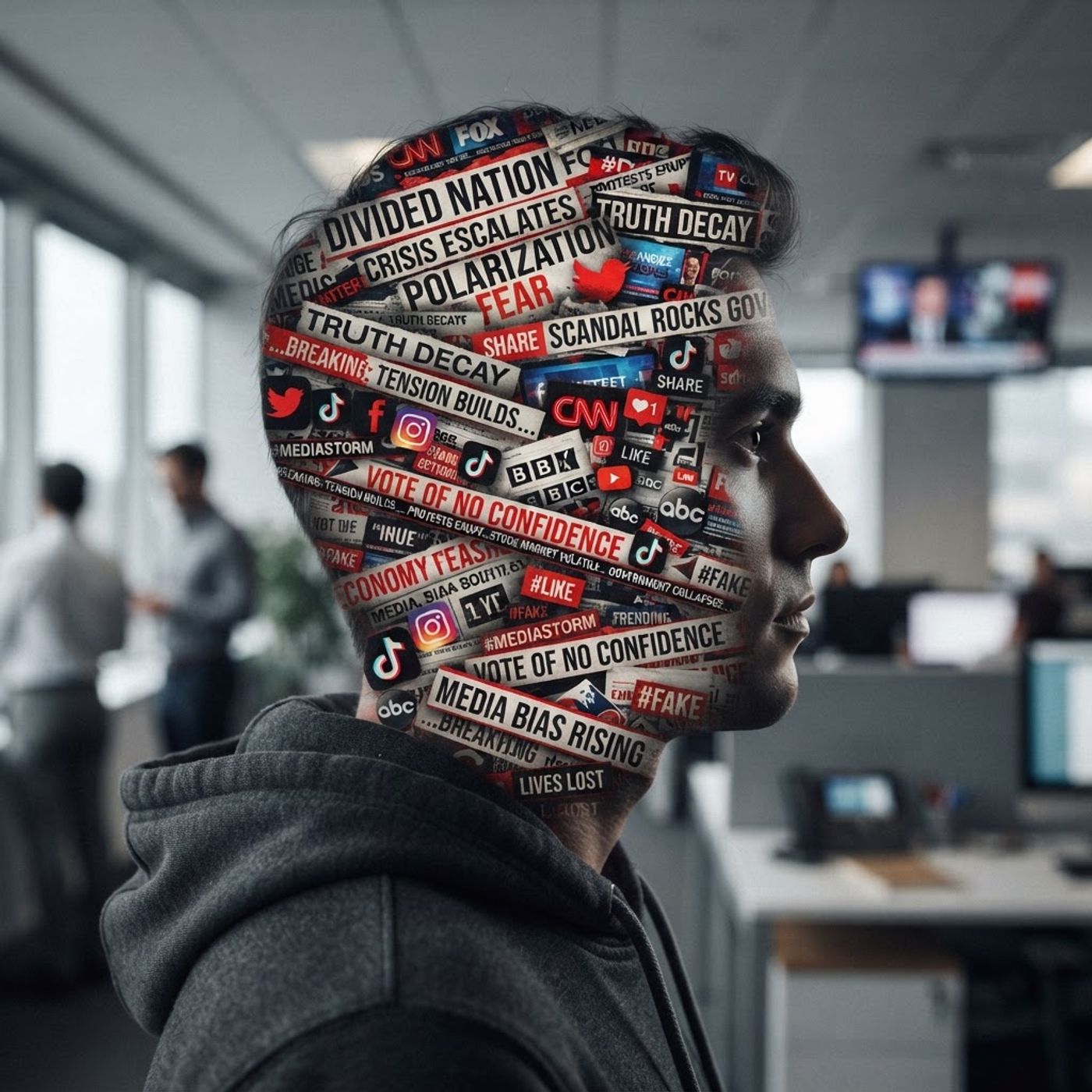
The Gatekeepers_ Who Really Owns Your News
Yesterday00:02:24Tap to summarizeImagine turning on your television, scrolling through a news app, and reading your morning paper, all under the impression that you are hearing from a diverse range of voices. In reality, the landscape of information is shrinking faster than you might think. Back in 1983, fifty independent companies owned the vast majority of media outlets in the United States. By 2020, that number had plummeted to just six massive conglomerates. This isn't just an American phenomenon; in the UK, a staggering ninety percent of daily national newspaper circulation is controlled by only three companies. This massive consolidation was fueled by decades of deregulation, most notably the Telecommunications Act of 1996, which effectively opened the floodgates for media mergers. The result is what critics call an illusion of choiceBecome a supporter of this podcast: https://www.spreaker.com/podcast/conspiracy-theories-exploring-the-unseen--5194379/support.
Transcribe →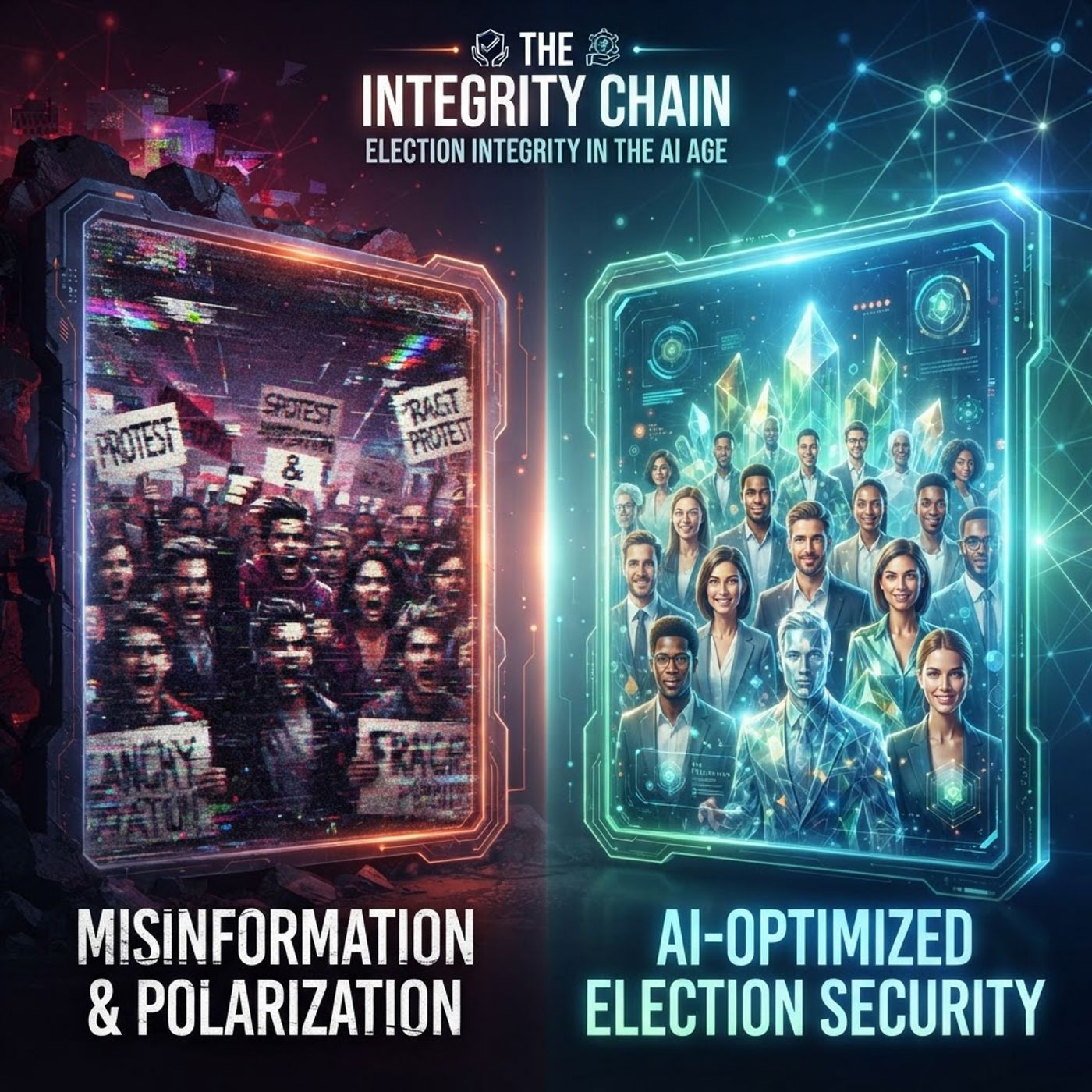
The AI Democracy Paradox
Yesterday00:02:27Tap to summarizeThe 2024 election season didn't bring the Hollywood-style robot apocalypse we were warned about, but something perhaps more subtle and persistent happened instead. We have entered an era where artificial intelligence is fundamentally changing how we consume information, talk to our neighbors, and interact with the government. Think of AI not as the root cause of our democratic struggles, but as a high-speed accelerant. Before AI, political misinformation had to be manufactured by people. Today, it can be generated at an industrial scale for pennies. Washington is caught in a state of regulatory whiplash, desperately trying to write laws that don't stifle the very innovation that could improve our government, all while trying to put the brakes on deepfakes and foreign interference. TBecome a supporter of this podcast: https://www.spreaker.com/podcast/conspiracy-theories-exploring-the-unseen--5194379/support.
Transcribe →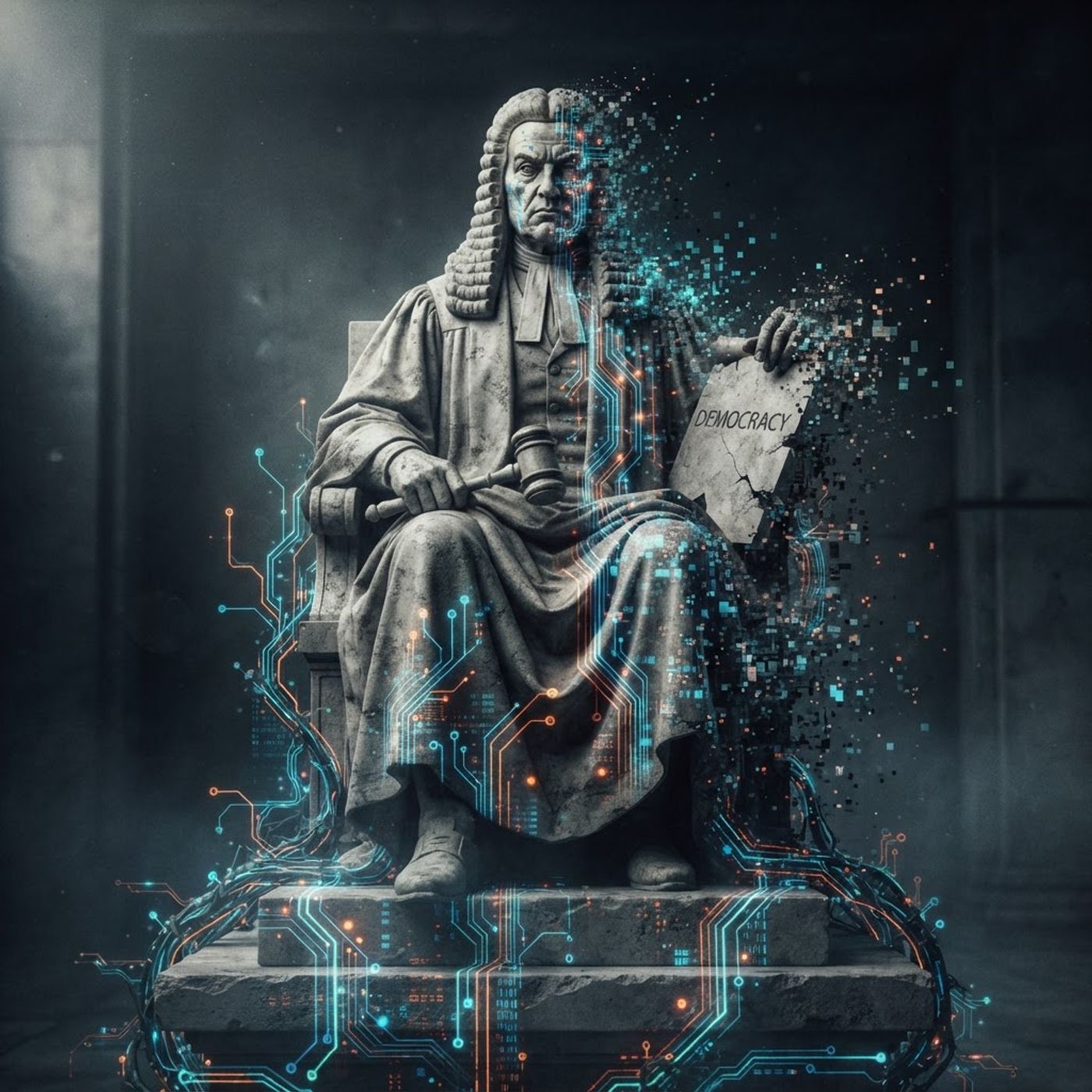
The Democracy Gap_ Navigating AI in the Age of Elections
Yesterday00:02:12Tap to summarizeImagine a world where the speed of innovation outruns the pace of law itself. That is the reality of our political landscape today, where artificial intelligence is fundamentally reshaping how we experience democracy. We are living through a massive governance gap. Technology is evolving in weeks, but Washington moves in years, leaving us in a state of regulatory whiplash. The core of the problem is that AI has essentially industrialized deception. With bot networks, sophisticated algorithms, and generative tools, the scale at which misinformation can be produced is unlike anything we have ever seen. It is not just about deepfakes impersonating candidates, although that is certainly a major part of the threat. It is also the subtle, dangerous stuff—like chatbots providing voters with incorrect election dates or confusing requirements.Become a supporter of this podcast: https://www.spreaker.com/podcast/conspiracy-theories-exploring-the-unseen--5194379/support.
Transcribe →