Podcast
Converging Dialogues
Hosted by Converging Dialogues · EN
Converging Dialogues is a podcast that is designed to have honest and authentic conversations with a diversity of thoughts and opinions. Wide-ranging topics include philosophy, psychology, politics, and social commentary. A spirit of civility, respect, and open-mindedness is the guiding compass.
convergingdialogues.substack.com
convergingdialogues.substack.com
43episodes
Episodes
Newest firstAll episodes
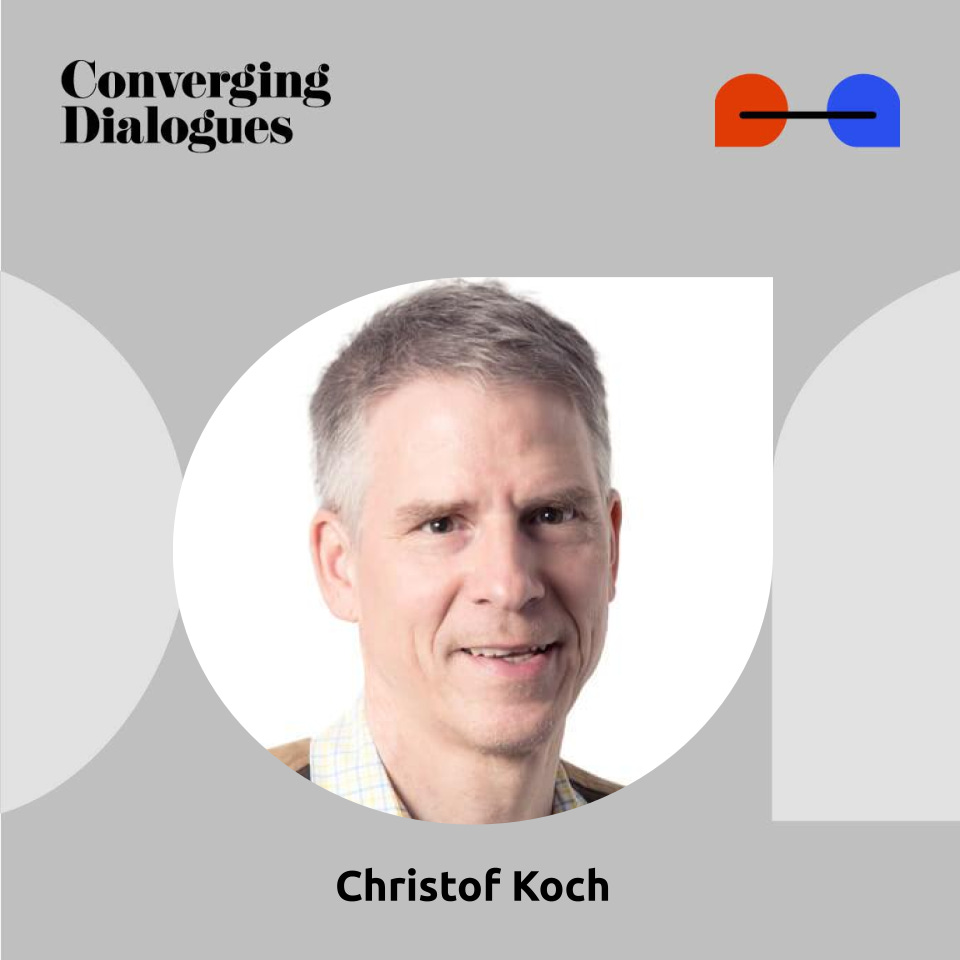
#472 - Consciousness and the Human Experience: A Dialogue with Christof Koch
Feb 800:59:01Tap to summarizeIn this episode, Xavier Bonilla has a dialogue with Christof Koch on the nature of consciousness. They talk about why consciousness is important to study, differences with subjective experiences and phenomenology, selfhood, thinking beyond interoceptive perceptions, and Cartesian dualism. They discuss panpsychism, neural correlates of consciousness, vision, Integrated Information Theory (IIT), psychedelics, the future of consciousness research, and many more topics. Christof Koch is a neuroscientist at the Allen Institute, chief scientist of the Tiny Blue Dot Foundation, the former president of the Allen Institute for Brain Science, and a former professor at the California Institute of Technology. He is the author of many books, including his latest book, Then I Am Myself the World. Get full access to Converging Dialogues at convergingdialogues.substack.com/subscribe
Transcribe →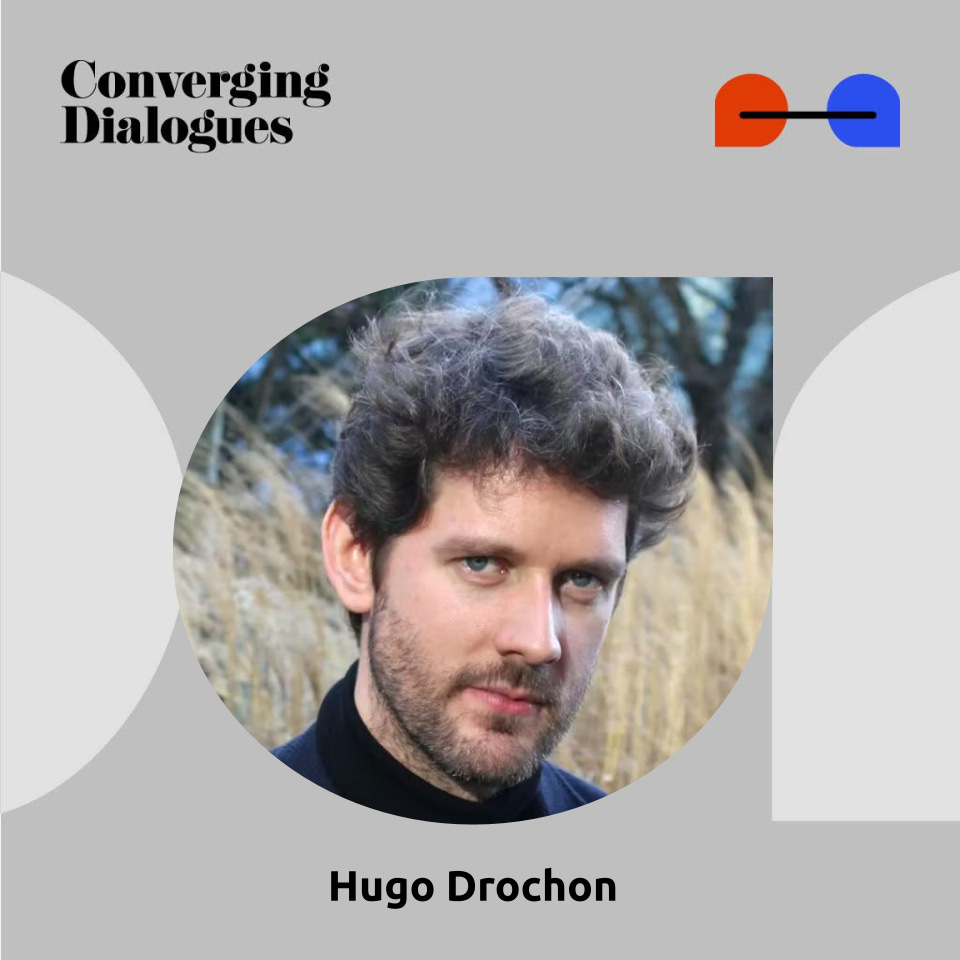
#471- Elites and Democracy: A dialogue with Hugo Drochon
Feb 501:48:49Tap to summarizeIn this episode, Xavier Bonilla has a dialogue with Hugo Drochon about elites and democracy. They discuss how elites always rule in democracies, why we need elites, dynamic democracy, social movements, distrust of elites, Nietzsche’s eternal return and circulation of elites, elites in non-democratic societies, and many more topics. Hugo Drochon is a political theorist and historian. He has his PhD from Cambridge and completed his postdoctoral fellowship there as well. He has also had fellowships at Yale, Princeton, and Royal Historical Society. His main interests are in Nietzsche’s politics, democratic theory, and liberalism. He is the author of, Nietzsche’s Great Politics and the latest book, Elites and Democracy. Get full access to Converging Dialogues at convergingdialogues.substack.com/subscribe
Transcribe →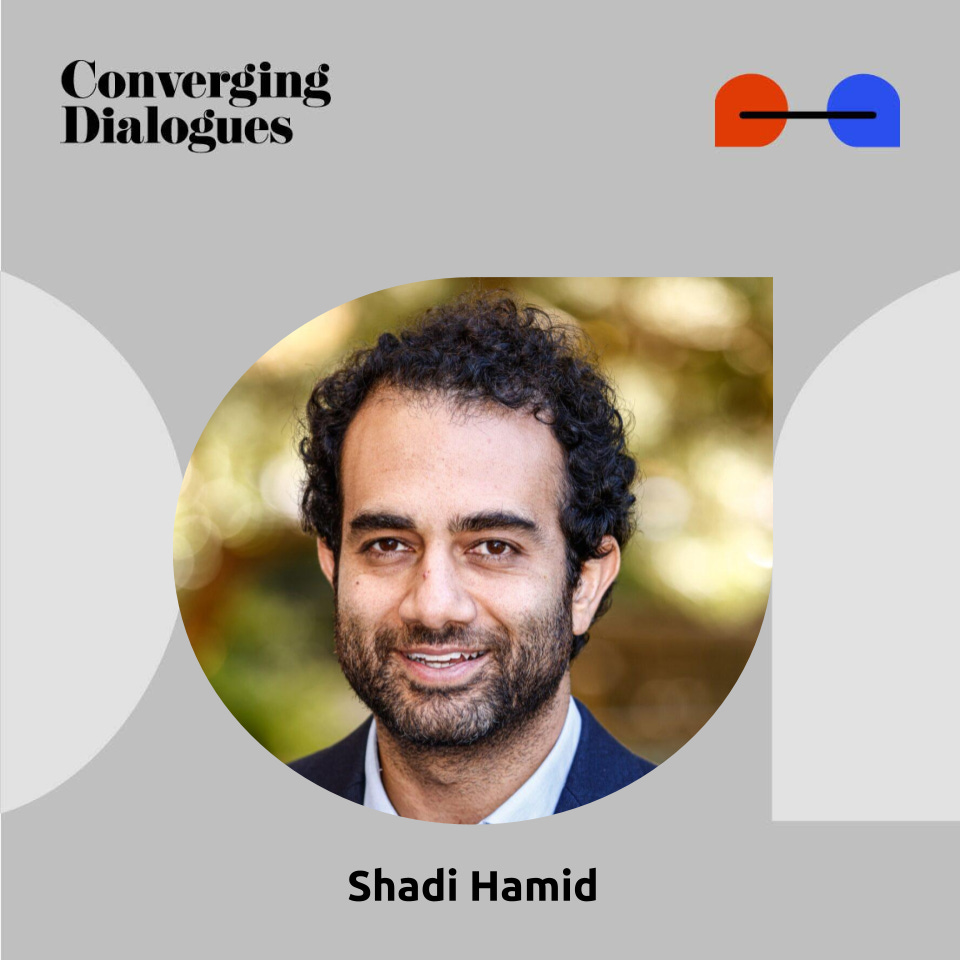
#470 - The Case for American Power: A Dialogue with Shadi Hamid
Feb 201:15:45Tap to summarizeIn this episode, Xavier Bonilla has a dialogue with Shadi Hamid about why American power is still needed. They discuss American power, American success globally, American idealism, democracy in the world, benevolent authoritarianism, future of American power, and many more topics. Shadi Hamid is a columnist at The Washington Post and a senior fellow at Georgetown University’s Center for Muslim-Christian Understanding. From 2023 to 2024, he served on the Post’s editorial board. Hamid is the author of several books, including The Problem of Democracy and Islamic Exceptionalism, which was shortlisted for the 2017 Lionel Gelber Prize for the best nonfiction book on foreign affairs. In 2019, he was named one of the world’s top fifty thinkers by Prospect magazine. He is also the co-host of the podcast, Wisdom of Crowds. He is the author of the latest book, The Case for American Power. Get full access to Converging Dialogues at convergingdialogues.substack.com/subscribe
Transcribe →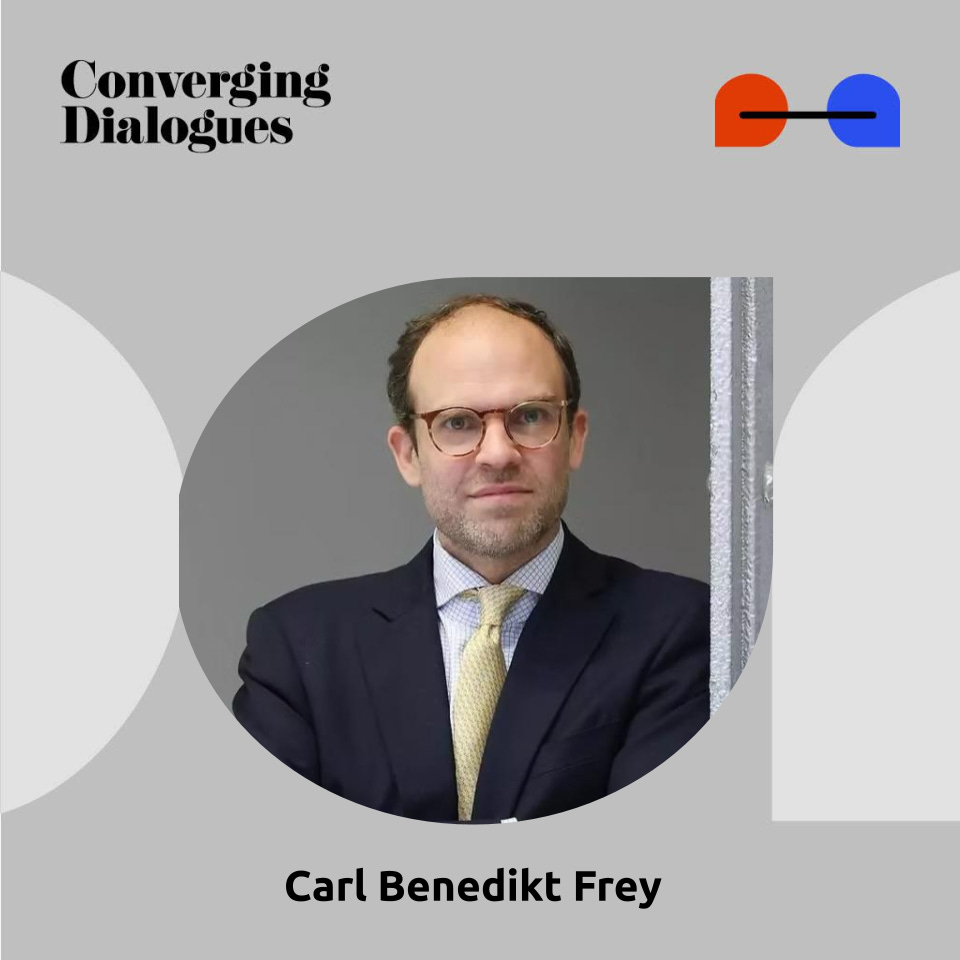
#468 - How Progress Ends: A Dialogue with Carl Benedikt Frey
Jan 2601:06:47Tap to summarizeIn this episode, Xavier Bonilla has a dialogue with Carl Benedikt Frey about technology and economics throughout history. They discuss why decentralized systems create an environment for innovation, Ancient China’s centralized efforts, Europe’s competitive state during the enlightenment, U.S. and decentralization, modern regulations, AI and our future, and many more topics.Carl-Benedikt Frey is the Dieter Schwarz Associate Professor of AI & Work at the Oxford Internet Institute and a Fellow of Mansfield College, University of Oxford. He also directs the Future of Work Programme at the Oxford Martin School, where he serves as Oxford Martin Citi Fellow.After studying economics, history, and management at Lund University, Frey completed his PhD at the Max Planck Institute for Innovation and Competition in 2011 and went on to found Oxford’s programme on the Future of Work. He is an Economics Associate of Nuffield College and Senior Fellow at the Institute for New Economic Thinking at Oxford, and remains an Associate Fellow in Economic History at Lund University. He is the author of the latest book, How Progress Ends: Technology, Innovation, and the Fate of Nations. Get full access to Converging Dialogues at convergingdialogues.substack.com/subscribe
Transcribe →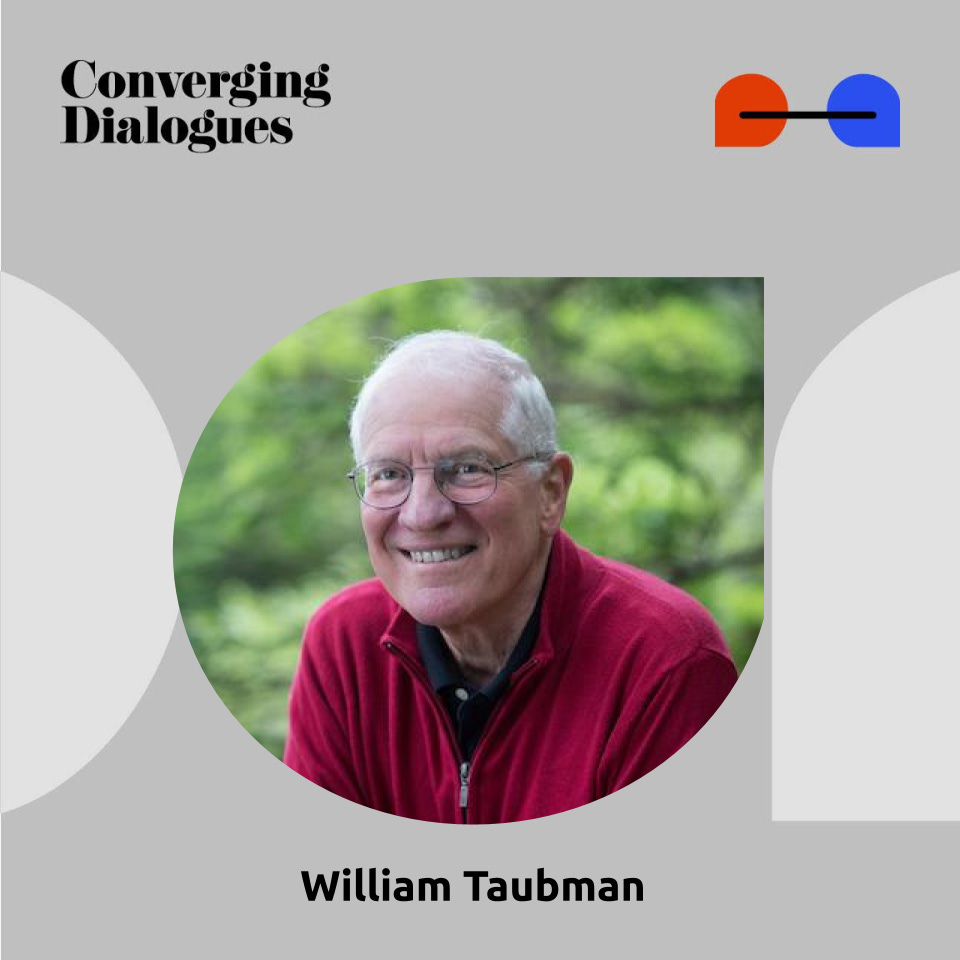
#467 - McNamara At War: A Dialogue with William Taubman
Jan 2201:28:53Tap to summarizeIn this episode, Xavier Bonilla has a dialogue with William Taubman about the complex life and career of Robert McNamara. They provide an overview of McNamara, his upbringing, temperament, and evolution. They discuss his work with the Ford Motor Company, how he organized the Defense Department, Bay of Pigs, Vietnam, World Bank, breaking his silence on Vietnam, and many more topics. William Taubman is the Bertrand Snell Professor of Political Science Emeritus at Amherst College. His book, Khrushchev: The Man and His Era, won the Pulitzer Prize and the National Book Critics Circle Award. He is also the co-author (with Philip Taubman) of McNamara at War: A New History. Get full access to Converging Dialogues at convergingdialogues.substack.com/subscribe
Transcribe →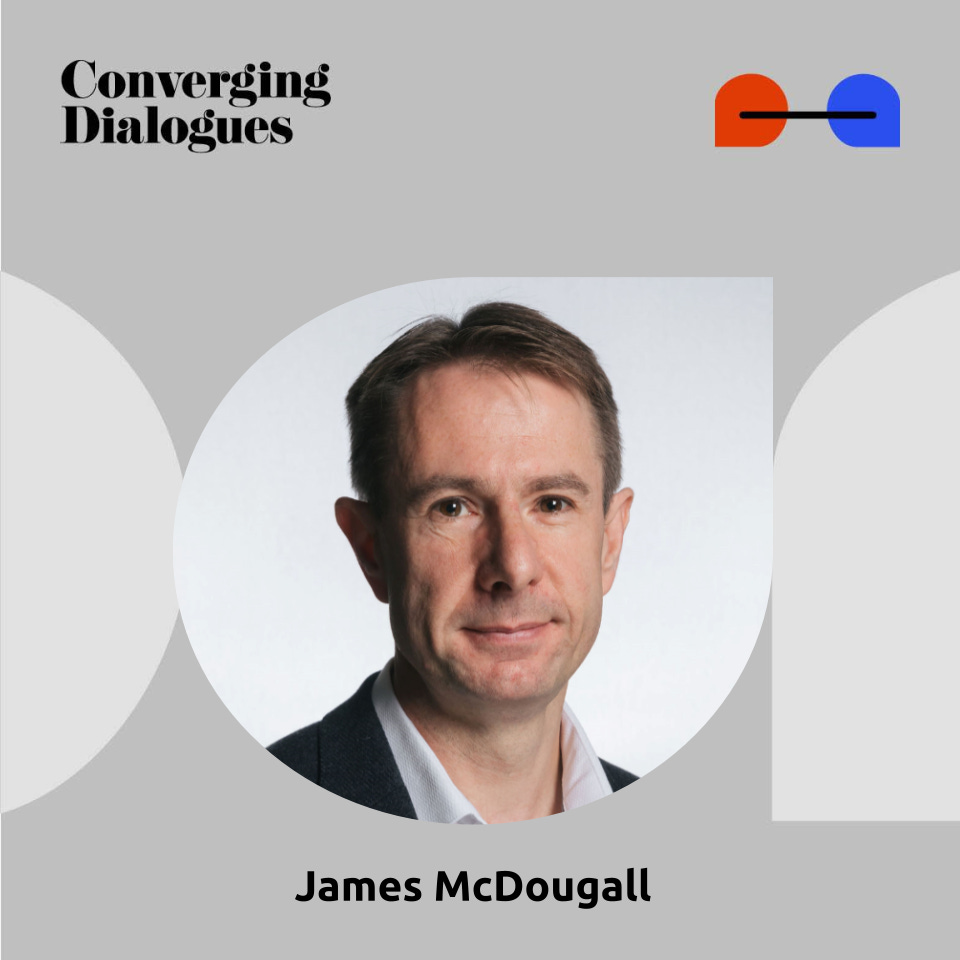
#466 - A Global History of Islam: A Dialogue with James McDougall
Jan 1901:45:55Tap to summarizeIn this episode, Xavier Bonilla has a dialogue with James McDougall about a global history of Islam. They discuss the global spread and diversity of Islam, Arabia before Muhammad, succession after Muhammad, the five pillars of Islam, emphasis on law and doctrine within Islam, Hadiths, the Ottoman Empire and spread of Islam, Islamists, Islam in the 21st century, and many more topics. James McDougall has taught history at Princeton; the School of Oriental and African Studies, University of London; and Oxford, where he is a Fellow of Trinity College. He is the author of numerous books including the most recent book, Worlds of Islam: A Global History. Get full access to Converging Dialogues at convergingdialogues.substack.com/subscribe
Transcribe →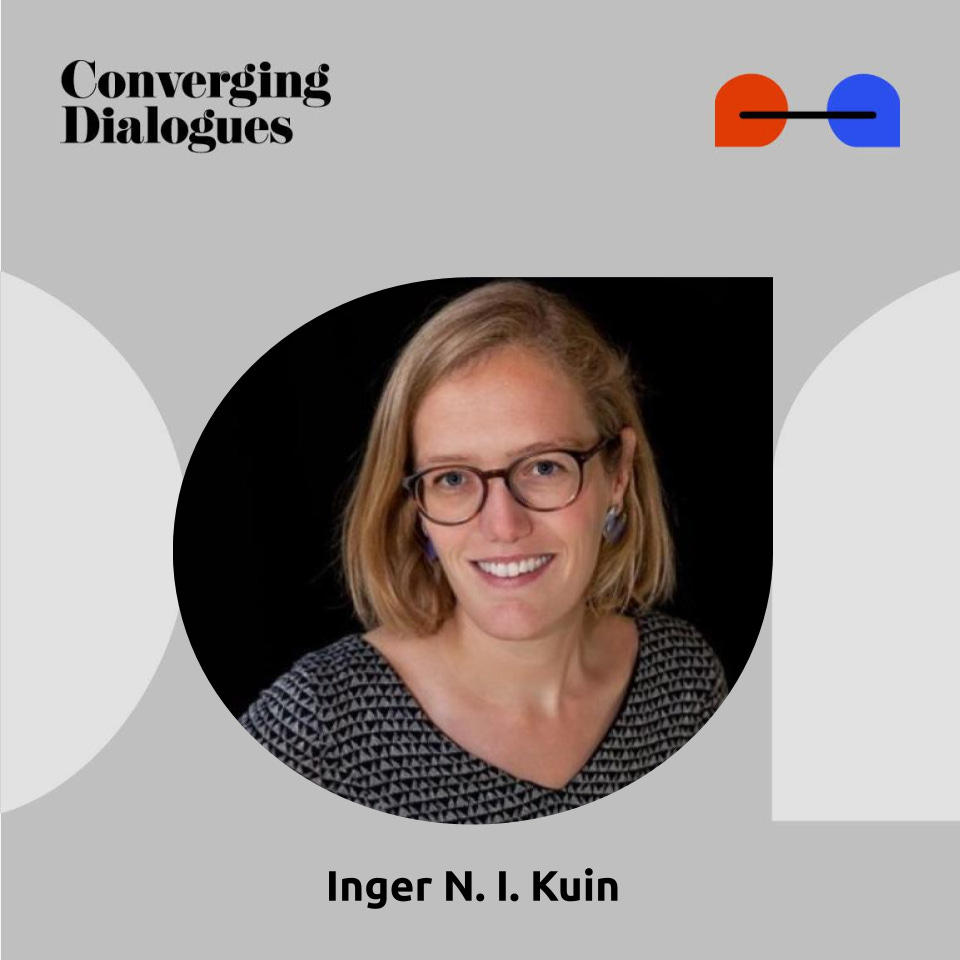
#465 - Diogenes: The Original Cynic: A Dialogue with Inger N. I. Kuin
Jan 1501:02:41Tap to summarizeIn this episode, Xavier Bonilla has a dialogue with Inger Kuin about the philosopher Diogenes. They discuss the impact of Diogenes, his personal development, embodied philosophy, human reason, interactions with Plato, suffering, pleasure, desire, and how we apply his philosophy in the modern world. Inger N. I. Kuin is an associate professor of classics at the University of Virginia. Born in the Netherlands, she worked as a journalist before receiving an MA in philosophy from the University of Amsterdam and a PhD in classics from New York University. She is the author of the book, Diogenes. Get full access to Converging Dialogues at convergingdialogues.substack.com/subscribe
Transcribe →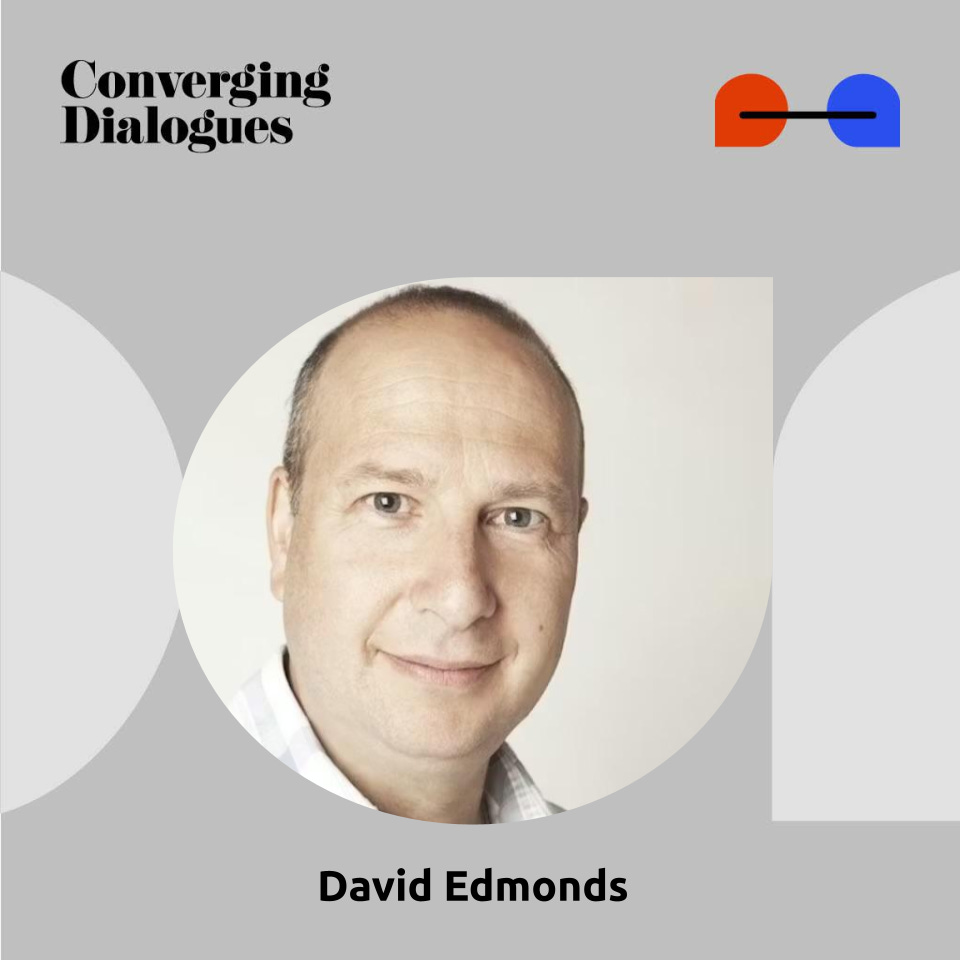
#464 - Thought Experiments, Morals, and Effective Altruism: A Dialogue with David Edmonds
Jan 1201:02:38Tap to summarizeIn this episode, Xavier Bonilla has a dialogue with David Edmonds about thought experiments and effective altruism. They talk about the shallow pond, why thought experiments are important, the trolley problem, critiques of the shallow pond, effective altruism, charities, and many more topics. David Edmonds is a philosopher and author. He is Distinguished Research Fellow at Oxford University. His main interests are in moral philosophy and ethics. He is also the co-host (with Nigel Warburton) of the popular podcast, Philosophy Bites. He is the author of numerous books including the most recent book, Death In A Shallow Pond. Get full access to Converging Dialogues at convergingdialogues.substack.com/subscribe
Transcribe →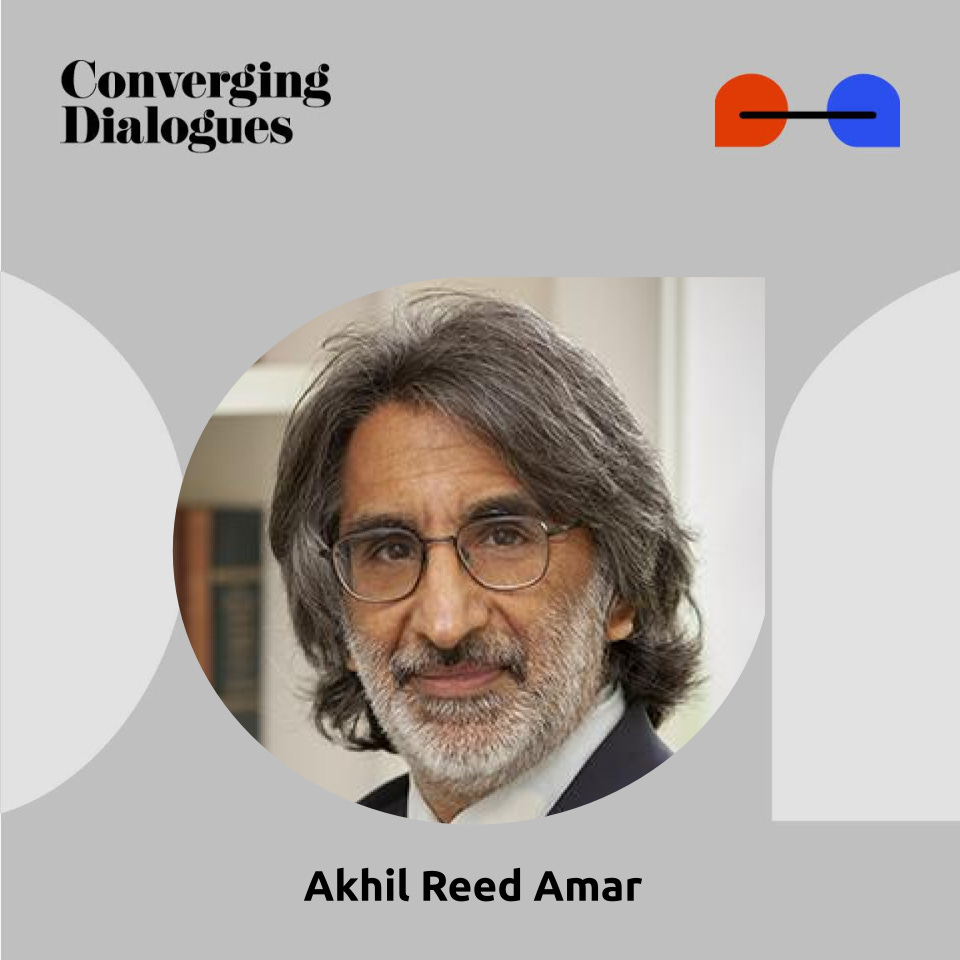
#463 - Remaking America's Constitution: A Dialogue with Akhil Reed Amar
Jan 401:36:38Tap to summarizeIn this episode, Xavier Bonilla has a dialogue with Akhil Reed Amar about the history of the U.S. Constitution from 1840-1920. They discuss America as an idea, Madison’s notes on the constitution, 3/5s rule, electoral college, slavery, Taney and Dred Scott ruling, Emancipation Proclamation, 13, 14, 15, and 19th amendments, and many more topics. Akhil Reed Amar is the Sterling Professor of Law and Political Science at Yale University and the author of several books on constitutional law and history, including America’s Constitution: A Biography and The Words That Made Us and the most recent book, Born Equal. Get full access to Converging Dialogues at convergingdialogues.substack.com/subscribe
Transcribe →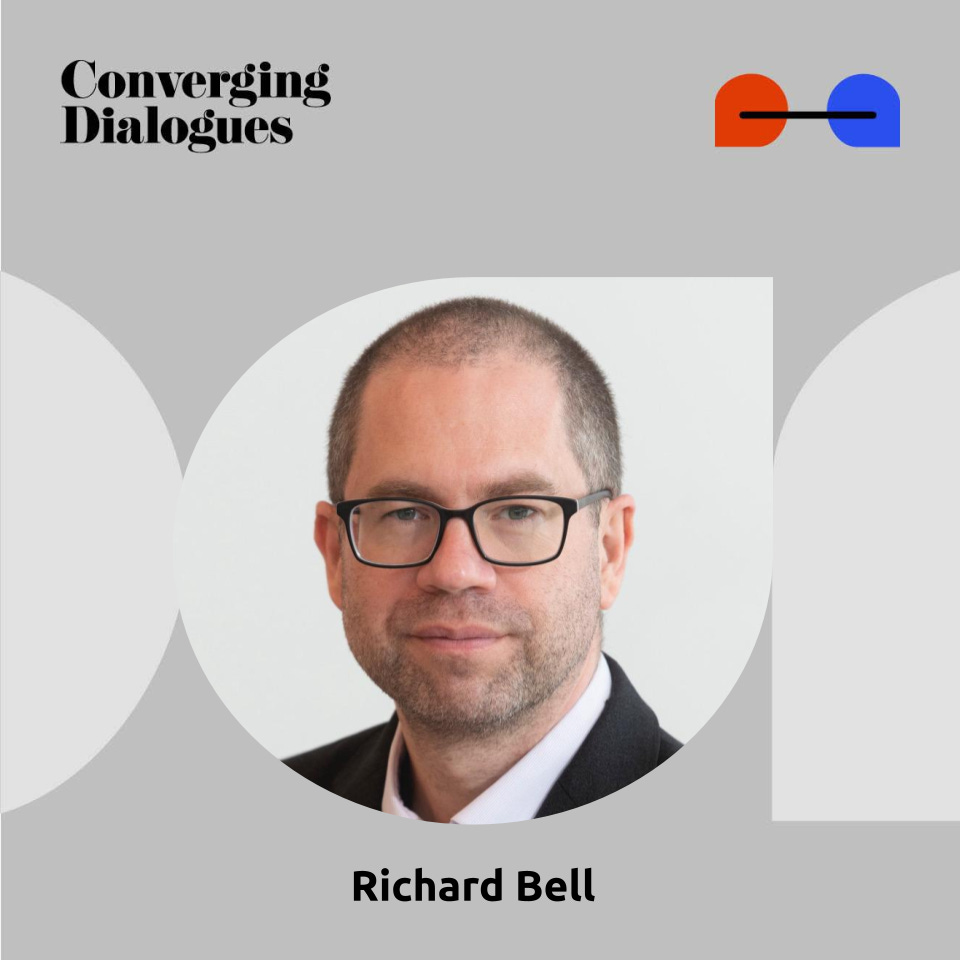
#462 - 250 Years of the United States: A Dialogue with Richard Bell
Jan 101:10:25Tap to summarizeIn this episode, Xavier Bonilla has a dialogue with Richard Bell about the American Revolution on the international stage. They discuss the American Revolution in a global context, Boston Tea Party, East India Tea Company, British citizens opinions of the American Revolution, and the Irish perspective of the American Revolution. They also talk about the Hessians, Native peoples during the American Revolution, French alliance, Spanish involvement, British loyalists, and many more topics. Richard Bell is a British-born, American-trained historian of the early United States. A professor of history at the University of Maryland, he has been an NEH Public Scholar and an Andrew Carnegie Fellow, among other honors. His previous book, Stolen, was a finalist for the George Washington Prize and the Harriet Tubman Prize. He is the author of the latest book, The American Revolution and the Fate of the World. Get full access to Converging Dialogues at convergingdialogues.substack.com/subscribe
Transcribe →