
Podcast
Conversations
Hosted by ABC Australia · EN
Conversations draws you deeper into the life story of someone you may have heard about, but never met. Journey into their world, joining them on epic adventures to unfamiliar places, back in time to wild moments of history, and into their deepest memories, to be moved by personal stories of resilience and redemption.
Hosted by Richard Fidler and Sarah Kanowski, Conversations is the ABC's most popular long-form interview program. Every day we explore the vast tapestry of human experience, weaving together narratives from history, science, art, and personal storytelling.
Conversations Live is coming to the stage! Join Sarah Kanowski and Richard Fidler for an unmissable night of unforgettable stories, behind-the-scenes secrets, and surprise guests. Australia’s most-loved podcast — live, up close, and in the moment. Find out more at the Conversations website.
249episodes
Episodes
Newest firstAll episodes
Helping other people became my business success story
Yesterday00:53:06Tap to summarizeMark Woodland is an unexpected CEO — he started his career in the Army as a tribute to his late brother, then went on to revolutionise his mum's paper-based childcare company.As a young man Mark Woodland was at a loss with what to do with his life.After years of moving around, the family — headed by Mark's single mum — settled in Ipswich, Queensland, where Mark showed himself to be a playful and enthusiastic boy, but school wasn't his first priority. When he graduated, Mark was most interested in driving around with his friends, playing music loudly with the windows down. When he needed money to fill the tank, Mark found a job at McDonald's.His younger brother was a new recruit to the Army when he was killed in a car accident. Ben was just 18.Mark decided to honour his brother by keeping Ben's wish alive, and so Mark joined the army, and served for 10 years.He left to help his mum run her childcare business, and Mark revolutionised the business' administrative system, moving from paper to a digital world.Today Mark is the founder and CEO of tech healthcare company Kismet.Further informationRead more about the short film, Versa.This episode was produced by Meggie Morris. The Executive Producer is Nicola Harrison.It covers infant loss, NDIS, digitisation, childcare subsidy, daycare, family business, Army, Navy, not giving up, not quitting, car accident, morgue, Ipswich, Brisbane, Puckapunyal, Albury-Wodonga.To binge even more great episodes of the Conversations podcast with Richard Fidler and Sarah Kanowski go the ABC listen app (Australia) or wherever you get your podcasts. There you’ll find hundreds of the best thought-provoking interviews with authors, writers, artists, politicians, psychologists, musicians, and celebrities.
Transcribe →Encore: Falling in love with 'Mao's Last Dancer'
2d ago00:50:00Tap to summarizeMary Li was a star ballerina when she fell in love with her dance partner Li Cunxin. When their daughter Sophie was born profoundly deaf, Mary walked away from dance for many years.Mary says she was the least likely girl to grow up to be a ballerina,She grew up in a family of eight kids in the rough and tumble of the Queensland country town of Rockhampton.But in a little timber hall, with cattle trains rolling by outside, Mary discovered a talent for dance.That talent, and a huge amount of hard work and family support took her to the Royal Ballet School in London at sixteen.She then became the principal dancer with the London Festival Ballet, then the Houston ballet.There in Houston Mary fell in love with her dance partner Li Cunxin.Li had also come a long way from his home in rural China, defecting to the U.S. as an adult and then becoming an internationally celebrated dancer.In Houston Li and Mary married and had their first child, a beautiful daughter named Sophie.But when Sophie was 16 months old their lives were turned upside down.This episode was first broadcast in 2020Further informationMary's Last Dance is published by Penguin
Transcribe →The doctor who learnt to walk again, using exercise
3d ago00:52:41Tap to summarizeAfter a catastrophic car crash in the parking lot of her hospital, Dr Olivia Ong became a paraplegic. But her obsession with learning how to walk again was stronger than her incomplete spinal cord injury.When Olivia Ong was 28 years old, she had the world at her feet.She had recently qualified as a doctor, something she had dreamed of since she was a child growing up in Malaysia.She had married a man she loved deeply, and they were busy building their future together.Then, everything changed after a car crashed into her in the parking lot of the hospital she worked in.Olivia now refers to herself as a 'walking paraplegic'.She spent years working hard to walk again, using simple exercise therapies she discovered in the United States.Back On My Feet: From Doctor to Patient is published by HarperCollins.This episode of Conversations was produced by Meggie Morris. Executive Producer is Nicola Harrison.It explores medicine, university, love, faith, spinal cord injuries, paraplegia, car crashes, from doctor to patient, marriage, love, motherhood, pain specialist, rehab specialist, California, Project Walk, exercise therapy, surgery, wheelchair user, people living with disability, parenting with disability, accessibility.To binge even more great episodes of the Conversations podcast with Richard Fidler and Sarah Kanowski go the ABC listen app (Australia) or wherever you get your podcasts. There you’ll find hundreds of the best thought-provoking interviews with authors, writers, artists, politicians, psychologists, musicians, and celebrities.
Transcribe →Finding my mother alive and becoming invincible
6d ago00:52:59Tap to summarizeLynne Shori grew up with her hero dad, thinking her Papua New Guinean mother was dead. As an adult, she discovered the truth and set about finding her lost family.When Lynne was growing up, it was just her and her dad.Lynne's dad was her hero; he was different and adventurous but she always felt safe with him when they went on hair-raising adventures together in the Highlands of Papua New Guinea.He had always told Lynne that her mum had died in childbirth.But when she became an adult, Lynne discovered this wasn't true.Just as she turned 40, Lynne set off to a remote island in northern Papua New Guinea to discover the truth of her family story.Once she started gathering all the answers to her lifelong questions, Lynne and her father then set about healing their own, very special relationship.Find out more about Wantaim PNG, and the work they're doing across remote Papua New Guinea, online.This episode of Conversations was produced by Meggie Morris. Executive Producer is Nicola Harrison.It explores the Pacific, Pasifika, family origin stories, Stolen Generations, charity work, tok Pisin, Manus Island, father daughter relationships, mixed race children, Australia's relationship with PNG, sanitation, education, discovering your truth, mental health, mother daughter relationship, Melanesian culture, family, siblings, blended families, Oceania, geopolitics, knowing your parents, therapy, estrangement, reunion, forgiveness, grief, identity, Sydney, finance, mid-life crisis, rehab, sense of community, family secrets.To binge even more great episodes of the Conversations podcast with Richard Fidler and Sarah Kanowski go the ABC listen app (Australia) or wherever you get your podcasts. There you’ll find hundreds of the best thought-provoking interviews with authors, writers, artists, politicians, psychologists, musicians, and celebrities.
Transcribe →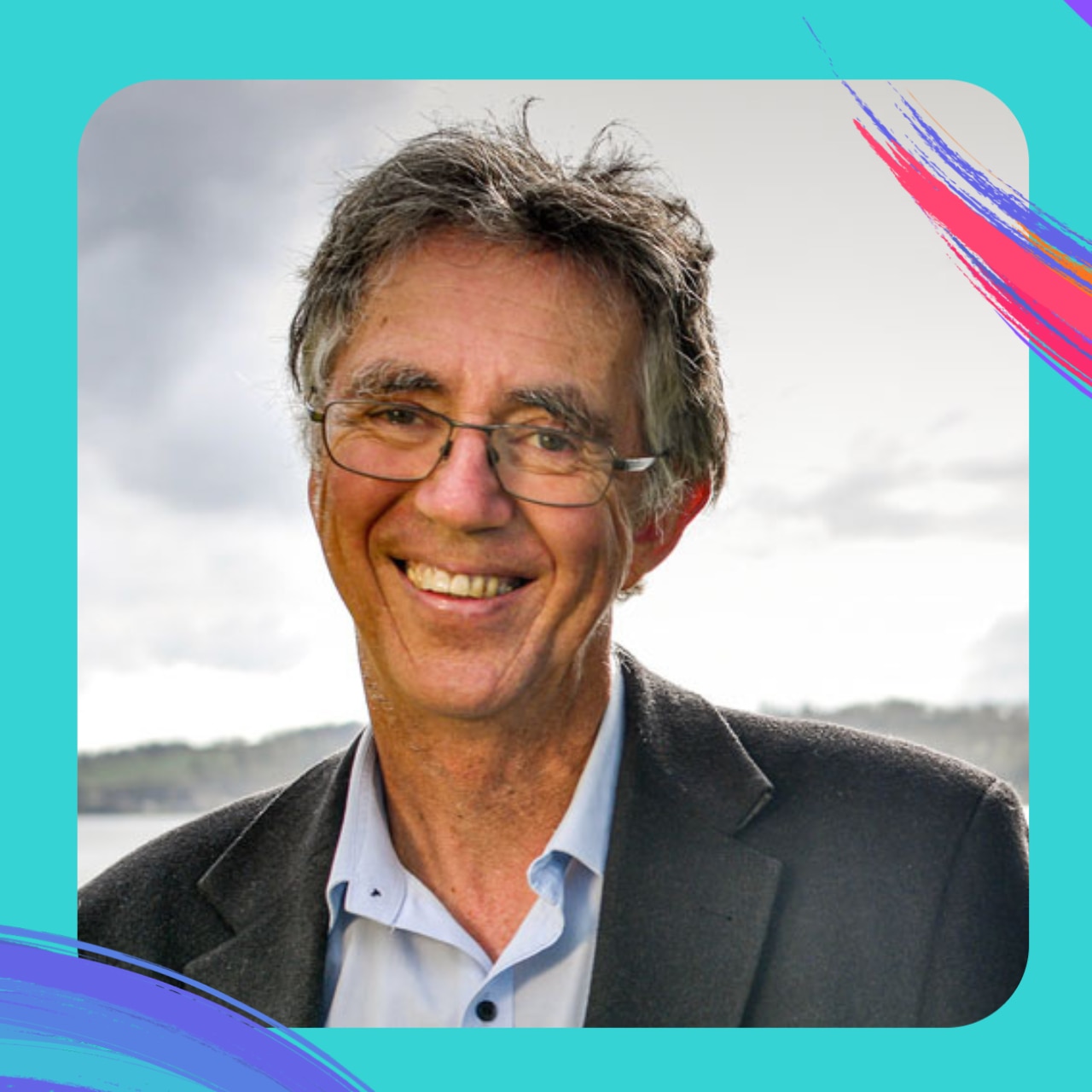
Encore: A parenting educator on making sense of his own childhood
1w ago00:48:00Tap to summarizeSteve Biddulph spent decades working to understand what children need as they grow, but then in his mid-50s, Steve gained an insight that shifted almost everything about how he saw himself.Steve likes to remind us that humans are 'big sensitive mammals' with needs for connection and self awareness.As a psychologist (now retired) and parent educator, he has been at the forefront of an evolving conversation about masculinity, emotional intelligence, caring for our children and making sense of our own childhoods.His best-selling books include The Secret of Happy Children, Raising Boys, Raising Girls and Manhood.But it wasn't until he was in his mid-50s that Steve gained an insight into a huge facet of his own story.He was having a lunch with a friend, a psychiatrist, who began asking him a series of pointed questions.That conversation shifted almost everything about how Steve saw himself.This episode of Conversations was first broadcast in 2021 The producer was Nicola Harrison and the Executive Producer was Carmel Rooney.Further informationFully Human: A New Way of Using Your Mind is published by Pan Macmillan
Transcribe →Zoonoses — the diseases that jump from animals to people
1w ago00:51:10Tap to summarizeEnvironmental journalist, Michael Dulaney looks at viruses and bacteria that can move between bats, horses, seals, pigs, voles and even polar bears, and the conditions that lead to human infection.These diseases are known as zoonoses.Michael says climate change, urban sprawl, animal farming and even homelessness contribute to wild animals coming into ever closer contact with people, leading these illnesses to move from creatures to us.To understand how this process works, Michael has researched the volunteers dedicating their lives to conservation. He has camped out on a freezing Victorian night to try to catch ducks with a net shot from a cannon, to test them for bird flu. He has gone frog hunting in the jungles of Indonesia, and he’s visited a suburban Melbourne apartment where a dedicated citizen gives up her master bedroom to a collection of injured flying foxes, while she sleeps in the spare room.Michael also explains how the curious case of Trench Fever fits into the zoonotic puzzle. It was found first in Edmonton, Canada in 2022, when patients developed a serious heart condition after they were given organs donated by homeless victims of the opioid crisis.Further informationSentinels: When diseases spread between animals and humans is published by Scribe.This episode was produced by Alice Moldovan. Conversations' Executive Producer is Nicola Harrison.This episode covers H5N1 bird flu, covid-19, pandemic, lockdown, flu, cat flu, swine flu, hendra virus, horse racing, horse trainer, fly by night bat clinic, Werribee poo ponds, necropsy, chicken farms, disease-proof pigs, PRRS, CRISPR, vaccines, vaccination, smallpox, pox virus, borealpox and northern red-backed vole.To binge even more great episodes of the Conversations podcast with Richard Fidler and Sarah Kanowski go the ABC listen app (Australia) or wherever you get your podcasts. There you’ll find hundreds of the best thought-provoking interviews with authors, writers, artists, politicians, psychologists, musicians, and celebrities.
Transcribe →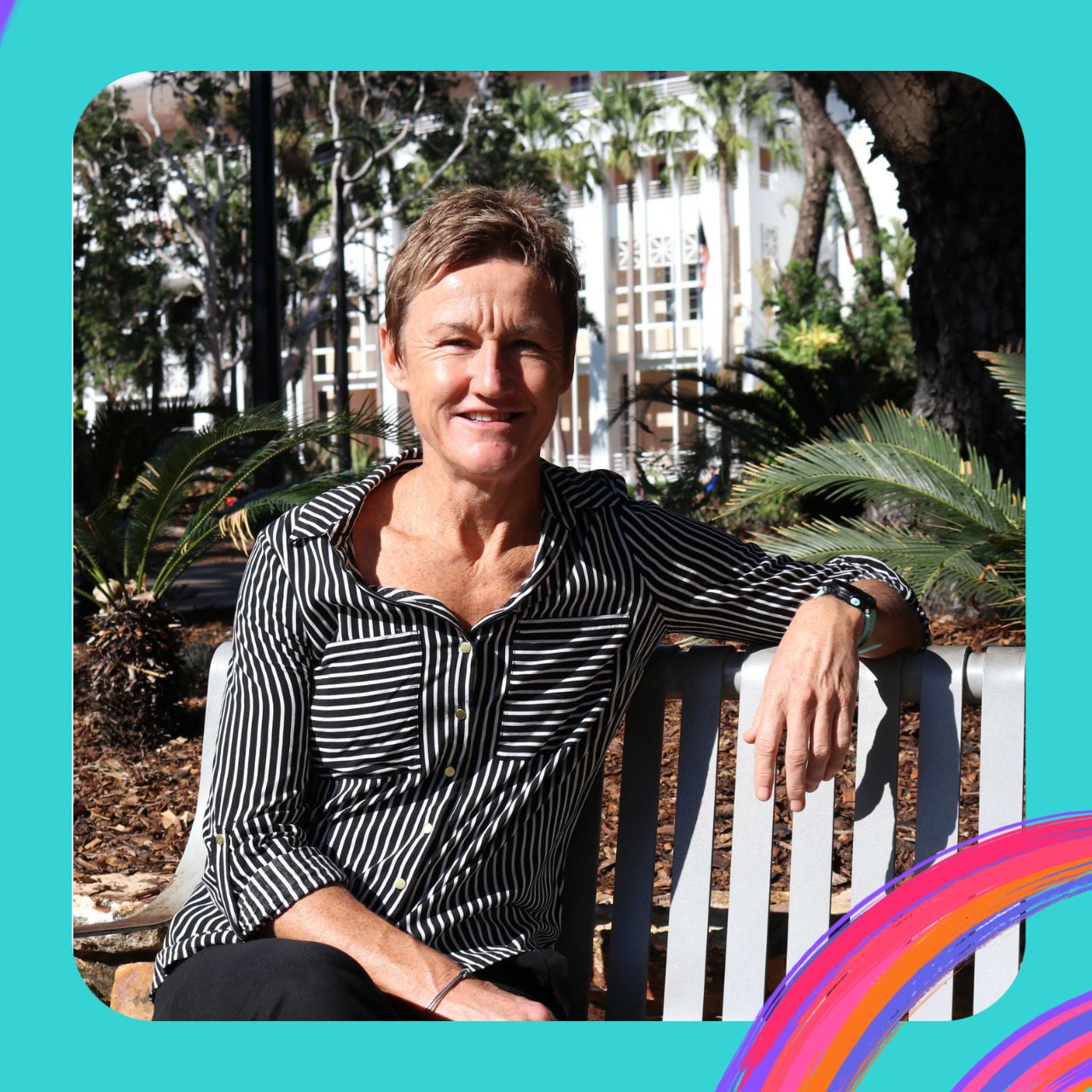
Encore: The cop who stared down Peter Falconio's outback killer
1w ago00:49:00Tap to summarizeColleen Gwynne led the investigation into the murder of the British backpacker and eventually confronted his killer in prison.In 2001, Peter Falconio and his girlfriend Joanne Lees were ambushed on a remote stretch of road in the outback and Peter was shot dead.Colleen was working as a cop in Alice Springs when she was asked to take over the complex murder case.With help from the F.B.I, her work saw Bradley John Murdoch arrested and charged.She confronted him in prison, and refused to be intimidated, despite his intense aggression towards her.Murdoch was sentenced to life imprisonment and died in 2025.After leaving the police force, Colleen took up another challenging job.She became the Northern Territory Children's Commissioner, tasked with protecting vulnerable children.Colleen's own story mean she brings a unique understanding to the work.This episode was first broadcast in 2018 The producer was Nicola Harrison and the Executive Producer was Pam O'Brien.
Transcribe →What seven ancient traditions can teach us all about living a good life today
1w ago00:52:35Tap to summarizeNikki Goldstein was in a coma in the ICU at St Vincent's Hospital when she first 'met' Rabbi Eli Schlanger. When she woke, the pair embarked together on a project to share the wisdom, compassion and universality of several Jewish teachings.Although they were from very different worlds, when Nikki gained consciousness and met Rabbi Eli properly the two became fast friends.Then, they started writing a book together - based on the deep and expansive conversations they began having about hope, personal growth, spirituality and modern life.Rabbi Eli wanted Nikki's help to share seven ancient Jewish guidelines on living a good life, which he believed could be helpful to anyone, Jewish or not, who was looking for a way to live in a world that feels increasingly chaotic.While Nikki and Rabbi Eli didn't agree on everything all the time, they did both believe these teachings to be universal in their compassion and wisdom.The pair had just recorded their last conversation for the project in December last year, when Rabbi Eli was one of 15 people killed in the Bondi Beach terror attack.Nikki decided to honour his memory by finishing their book alone.Conversations with My Rabbi is published by HarperCollins.This episode of Conversations was produced by Meggie Morris. Executive producer is Nicola Harrison.It explores religion, faith, modern living, disconnection, hope, radical empathy, togetherness, multiculturalism, learning from others, spiritual, family, near-death experiences, autoimmune disease, anti-Semitism, terrorism, grief, tragedy, suffering, meaning of life, spiritual teachings, friendship, prayer, meditation, Judaism, secularism.To binge even more great episodes of the Conversations podcast with Richard Fidler and Sarah Kanowski go the ABC listen app (Australia) or wherever you get your podcasts. There you’ll find hundreds of the best thought-provoking interviews with authors, writers, artists, politicians, psychologists, musicians, and celebrities.
Transcribe →Growing the goodness of the world—Hannah Moloney on why we garden
2w ago00:52:41Tap to summarizeGardening Australia's Hannah Moloney on the heartwarming and heartbreaking reasons humans continue to lovingly tend to their gardens — for healing, beauty and joy.For thousands of years, tending to a garden or a small farm meant human survival. But now, with massive commercial farms, genetically modified crops, refrigerated freight and modern irrigation, we don't need to tend to our own gardens to survive.So why, then, do so many of us still lovingly plant, water and cultivate flowers, fruits and vegetables? Or watch 'lawn porn' to relax?It's a question that Hannah Moloney has asked thousands of gardeners from around the world.Hannah is a permaculture educator, landscape designer and the Tasmanian presenter for ABC TV's Gardening Australia. Gardening is in Hannah's blood, having grown up in a herb nursery run by her green-thumbed father in the Brisbane suburbs.For Hannah, gardening remains a lifeline, a way to bond with her family and a joyful act of protest.Why We Garden is published by Simon & Schuster.This episode of Conversations was produced by Meggie Morris. Executive producer is Nicola Harrison.It explores gardening, hobbies, outdoor activities, mental health, grief gardening, why we like being outdoors, gardening as meditation, the beauty of our gardens, Australian native gardens, vegetable patches, how to grow your own vegetables, fruit trees, family origin stories, losing a parent, pregnancy, motherhood, postpartum depression, gardening for healing, creative inspiration, human history, horticulture, climate change, global warming, food scarcity, food supply, drought, flood, famine, Costa Georgiadis, green thumb, meditation.To binge even more great episodes of the Conversations podcast with Richard Fidler and Sarah Kanowski go the ABC listen app (Australia) or wherever you get your podcasts. There you’ll find hundreds of the best thought-provoking interviews with authors, writers, artists, politicians, psychologists, musicians, and celebrities.
Transcribe →Encore: How Zenith became a death walker, and her true self
2w ago00:52:00Tap to summarizeZenith Virago was a married mother of two, when she left her family to begin again as a lesbian. Then she found a new path as a death walker, helping people navigate their life's end. Zenith grew up in England, and she was still at school when she fell in love with another student. At seventeen, she married Richard, Head Boy of the local Comprehensive school. They had two children, Jodie and Todd.Then at 24, Zenith had a realisation about who she really was. She left her husband and children to begin a new life as a lesbian in New Zealand,Eventually she arrived in Byron Bay, where she met a community of people who inspired her.One day, Zenith's dear friend Sylvia died unexpectedly doing yoga in her garden. Rather than outsourcing to the funeral industry, Sylvia's loved ones took over her funeral and cremation themselves.This experience launched a new path for Zenith, and she became a ‘death walker’, helping people navigate the end of life with reverence and calm.In the midst of her new chapter, the death of a former lover brought her third son Tane back into her life unexpectedly.Further informationOriginal broadcast February 2019Learn about Zenith Virago's Natural Death Care CentreHelp and information are always availableLifeline 13 11 14 24 hour counsellingBeyond Blue's telephone and online counselling 1300 22 4636
Transcribe →