
Podcast
Creative Retrieval
Hosted by Creative Retrieval · EN
A Catholic philosophical/theological podcast aimed at retrieving great works of the tradition. Works discussed: Dostoyevsky's Brothers Karamazov, Gregory of Nyssa, Norris Clarke (St. Thomas Aquinas Lecture), Plato's Republic, Hans urs von Balthasar's Theo-Logic, Dickens' A Christmas Carol.
If you have thoughts, questions, or comments please email us; we love receiving feedback! CreativeRetrieval@gmail.com
18episodes
Episodes
Newest firstAll episodes
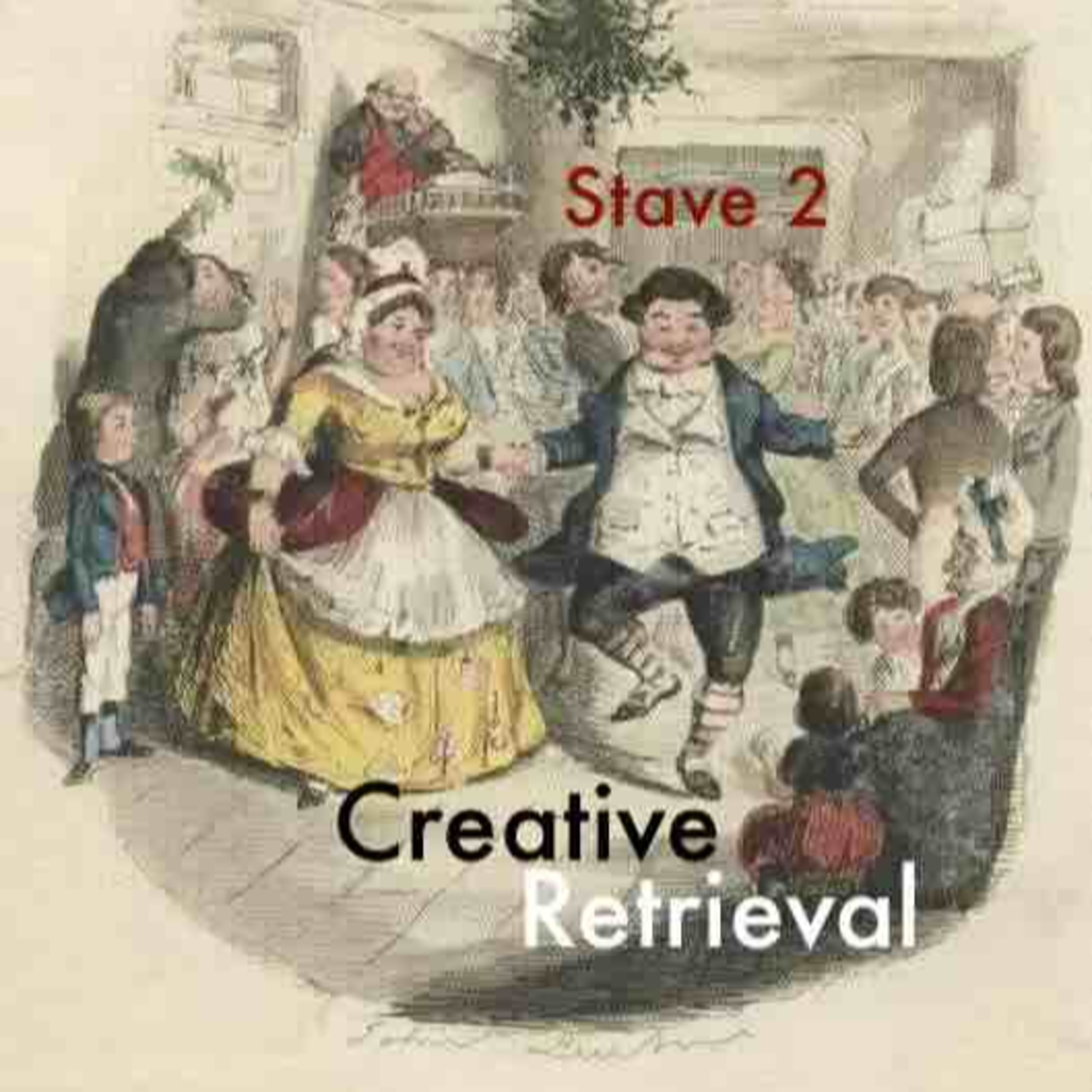
81. A Christmas Carol (Stave 2): Ghost of Christmas Past
Nov 19, 202401:00:39Tap to summarizeIn stave 2 of Charles Dickens' A Christmas Carol, we find Scrooge visited (haunted) by the ghost of Christmas Past - which is his own past. Our pasts can often haunt us, and perhaps they should haunt us. The root of this haunting is that we are able to judge our present lives in light (not the Ghost has a light shining forth from his head) of our past life...or better yet, in the case of Scrooge, we are able to judge our current death in light of our former life. This awakens us to what we once knew and experienced so clearly but have since forgotten - viz. that the meaning of life lies in the gratitude and joy of being.
Transcribe →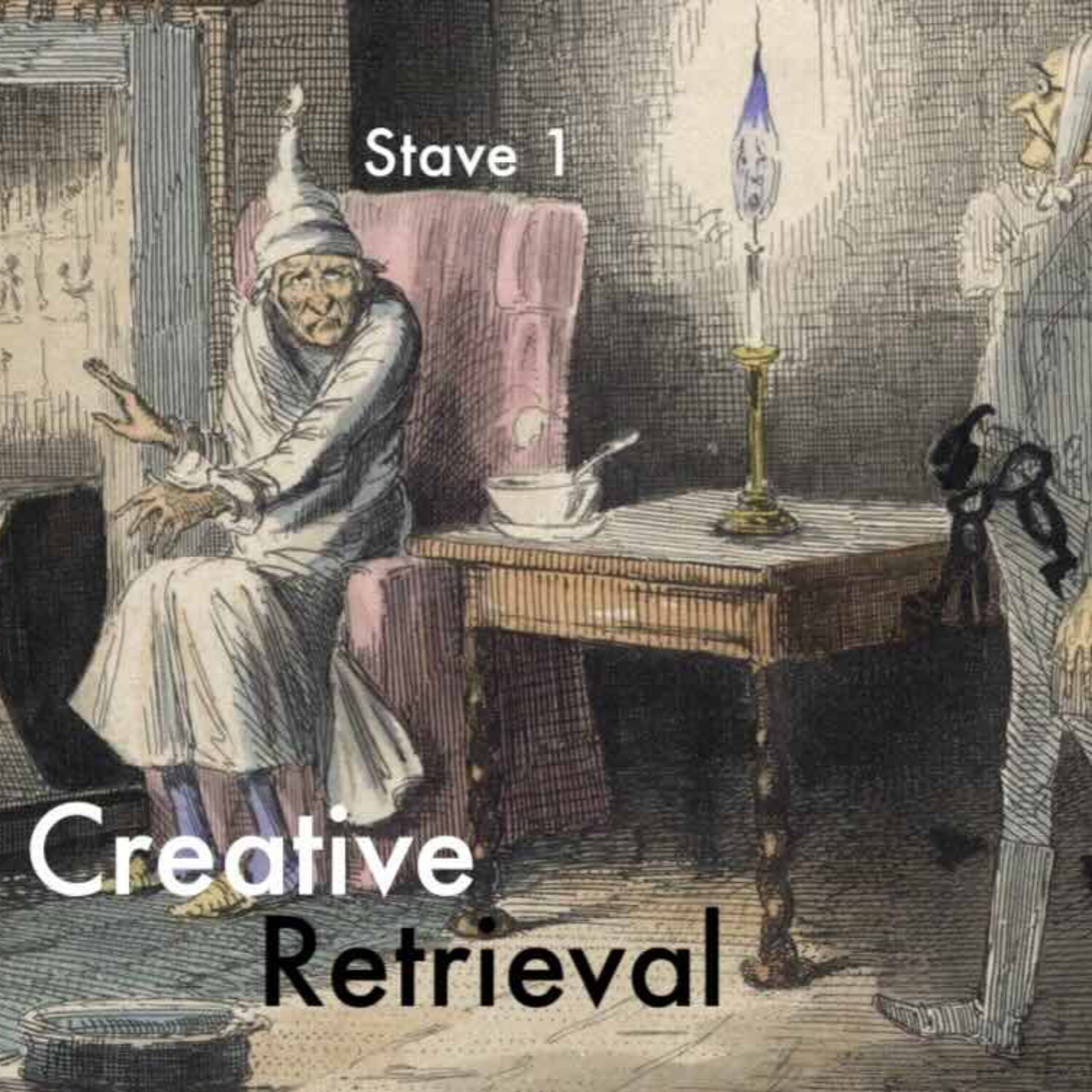
80. A Christmas Carol (Stave 1): An Existential Reading
Nov 14, 202400:51:07Tap to summarizeIn this first of five lectures, I offer a Christian existentialist reading of Charles Dickens's masterpiece A Christmas Carol. This work is about the meaning of Christmas, which is the meaning of the incarnation. The life of the world, the eternal, entering into the now, in order to redeem the past, present and future through his death. The incarnation isn't separable from the crucifixion, just as the meaning of life is not separable from the meaning of death, and the meaning of the past and future is not separable from the present. Scrooge's conversion must begin with the acceptance of his death - which he comes to accept in the person of Marley (who is himself; he never painted out 'Marley' from the "Marley and Scrooge" sign) ; with the fact that he is a "...covetous old sinner." Scrooge cannot approach the meaning of his life until he acknowledges that he - like Marley, or even more so - is truly a dead man, as dead as a door nail. The book opens with "Marley was dead to begin with," it could just as well began: "Scrooge was dead to begin with"...and unless we accept this fact "nothing wonderful can become of this story."
Transcribe →
79. The Brothers Karamazov: Memory Eternal and The Goodness of Brokenness
Dec 4, 202300:40:58Tap to summarizeI talk about the importance of memory throughout the Brothers Karamazov. I also talk about the power of the Good to bring good out of all things, even trama, sin, and brokenness.
Transcribe →
78. The Brothers Karamazov - Book 12, 9-14, Call No Man Father
Nov 29, 202300:45:58Tap to summarizeWe talk about fatherhood, and why Dimitri is a Job figure.
Transcribe →
77. The Brothers Karamazov - Book 12, 1-8
Nov 29, 202300:30:48Tap to summarizeWe talk about the trial of Mitya.
Transcribe →
76. The Brothers Karamazov - Book 11, 1-5, "Hymns from Underground"
Nov 21, 202300:42:28Tap to summarizeWe talk about the first part of book 11, and especially Dimitri's discussion on the Hymns he will sing underground in Siberia.
Transcribe →
75. The Brothers Karamazov - Book 10, "School Boys"
Nov 21, 202300:41:23Tap to summarizeWe talk about Kolya, Illusha, and the roll of children in the Brothers Karamazov.
Transcribe →
74. The Brothers Karamazov - Book 9, "Why are the Wee One's Weeping?!"
Nov 13, 202300:46:45Tap to summarizeIn this lecture, I talk about Dimitri's dream about the suffering of the "wee ones" and link it up with Ivan's suffering children, and Smerdyakov's hatred of the 'wee ones.'
Transcribe →