← Cuerpos especiales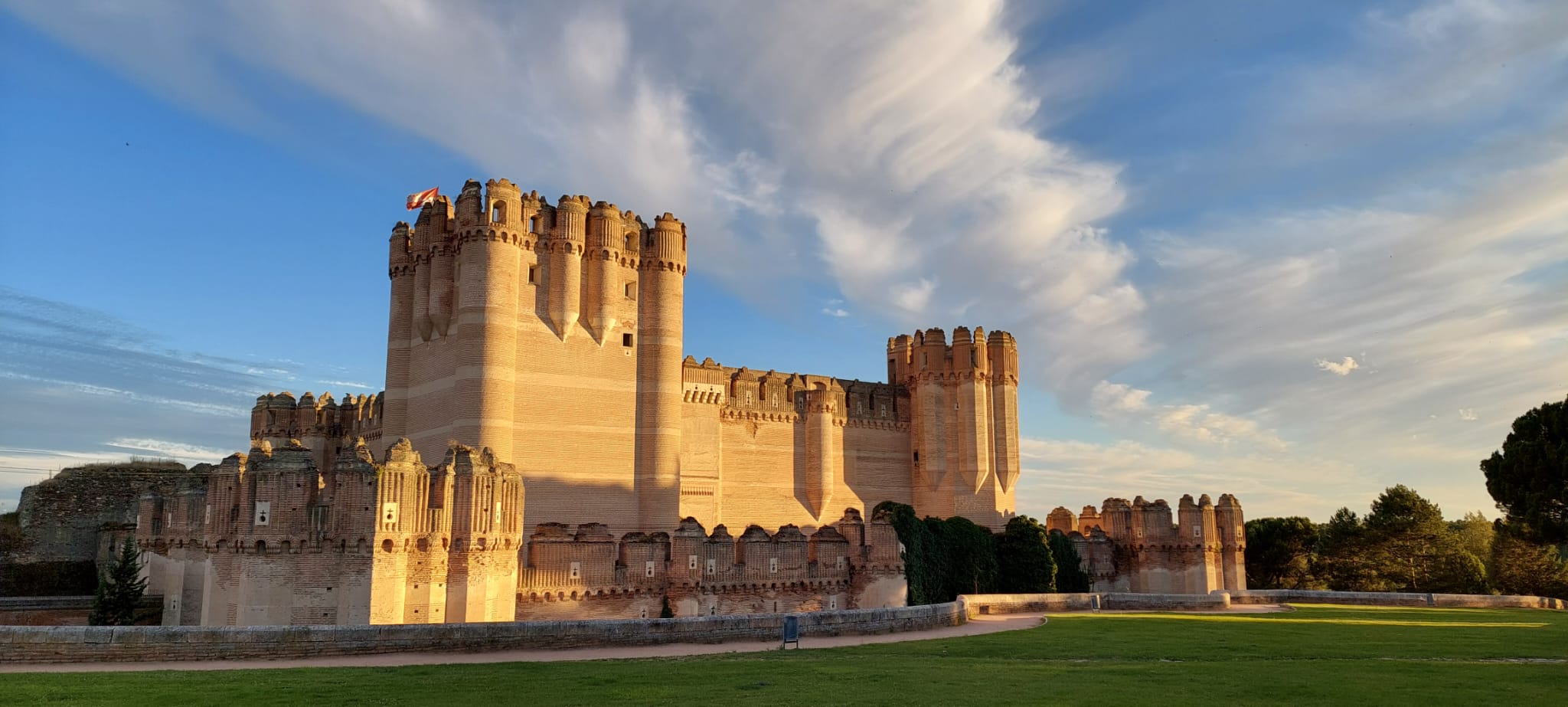
Cuerpos especiales
Coca (Segovia)
00:05:15
Población - 1.706 habitantes | Reclamo - su castillo gótico mudéjar propiedad de la Casa de Alba | Otras cosas típicas - las fiestas en honor al nacimiento del emperador Teodosio I el Grande, la torre huérfana de San Nicolás y la gastronomía con plato...
Loading summary
Transcript41 lines
- [00:00]
A
Especiales en Europa FM. Y ahora empieza la sección donde el censo se hace a mano alzada porque llega Pueblos especiales.
- [00:06]
B
Hoy vamos a hablar con el primer pueblo de la semana. Ya sabéis cómo va la cosa. Cuando terminemos de hablar con el último, el viernes abriremos votación en EUROPFM. Com para que el representante del pueblo que más votos consiga se lleve un kit de cuerpos especiales.
- [00:18]
A
Y ya tenemos al habla nuestra embajadora rural de hoy. Buenos días, Anael, ¿Cómo estás?
- [00:23]
C
Buenos días, chicos, ¿Qué tal?
- [00:24]
A
Buenos días. ¿Dónde nos llamas? ¿Perdón?
- [00:28]
C
Desde Coca, un pueblecito en Segovia.
- [00:30]
A
Hombre, Coca de Segovia, claro.
- [00:34]
C
¿Lo conoce seguro?
- [00:34]
B
Yo lo conozco, yo lo conozco porque está. Porque si vas de Valladolid a Madrid por carretera, por lo ves el desvío siempre.
- [00:41]
C
Estamos muy cerquita de Valladolid y muy cerquita de Segovia.
- [00:44]
A
Vale, Anael, cuéntame.
- [00:45]
B
Y muy cerca de otro pueblo, perdóname, que se llama Pollos, que me hace muchísima gracia. Es maravilloso.
- [00:51]
A
Pues ningún chiste de hacerlo, así que todo bien.
- [00:54]
B
Cuéntanos cosas de Coca en Segovia, ¿Qué nos puedes contar de ahí?
- [00:57]
C
Bueno, somos conocidos por un castillo maravilloso que tenemos, que es del arte gótico mudéjar y viene la cosilla porque pertenecía a la casa de Alba. La leyenda cuenta que estaba en muy mal estado y para conservarlo y demás Cayetana de Alba lo alquiló por una peseta al mes al Ministerio de Agricultura y ahora es una escuela de capataces forestales. Así que los chavales estudian y viven en el castillo.
- [01:21]
A
Qué guay. Y viven en un castillo como. Mira, como Joaquín Reyes. Vale. ¿Que tenéis allí de fiestas, o sea, ¿Qué fiestas podemos encontrar en Coca?
- [01:32]
C
Las fiestas patronales son en agosto, que es Nuestra Señora de la Asunción y San Roque, que son el 15 y 16 de agosto. Pero cualquier excusa es buena. Este fin de semana han estado celebrando la Exaltación del Cerdo, la matanza popular. En carnavales hay charán, que tenemos fiesta.
- [01:46]
A
La Exaltación del Cerdo, o como yo lo llamo, mi cumpleaños, porque fue el
- [01:50]
B
fin de semana también.
- [01:52]
C
Pues mira, coincide, fíjate.
- [01:54]
A
Jolines, Qué casualidad. Vale, ¿Hacéis matanza también?
- [01:58]
C
¿Perdón?
- [01:58]
A
¿Matanza has dicho también?
- [02:00]
C
Sí, hacen la celebración de la tradicional matanza del cerdo, con todo lo que es para luego los chorizos, los jamones y demás, para saber exactamente de dónde vienen los productos ricos de la tierra.
- [02:10]
A
Vale, vale, vale. Que me había quedado yo ahí.
- [02:13]
B
He visto que en Coca nació el emperador romano Teodosio I el Grande.
- [02:18]
C
Eso es. Allí nació el emperador, Sí. Y tenemos parte de la villa de Romana, el puente de Romano. Teodosio el Grande es conocido porque fue el último emperador del imperio, o sea que tenemos gente muy importante en el pueblo.
- [02:34]
B
La confianza que hay que tener para llamarte Teodosio I y decir va a haber más Teodosios.
- [02:38]
A
Y te pones no, voy a estar
- [02:40]
B
yo solo aquí el grande. Hombre, claro. ¿Cuál se podría decir que ha sido el mayor evento de la historia de tu pueblo?
- [02:49]
C
Nosotros es que tenemos a lo largo de todos los años hay muchos eventos. El nacimiento de Teodosio el Grande es uno de ellos, pero luego tenemos un montón de actos que hacen la celebración allí. Todos los años hace una celebración de la marcha de la luna llena. Va asociada siempre a una asociación, a una organización, y todo lo que se recauda se destina para ello.
- [03:12]
B
Qué guay.
- [03:13]
A
Anael, ¿Y cómo es el gentilicio?
- [03:16]
C
Caucenses, Porque el pueblo antes era Cauca. En la época romana era Cauca, entonces el chiste actual con el nombre da para mucho. Pero el gentilicio es caucense, del nombre anterior.
- [03:27]
A
Caucense. Vale, pues como buena caucense, tienes un minuto de alegato para decirnos por qué Coca tiene que ser el pueblo especial de esta semana. Y tu minuto empieza ya.
- [03:38]
C
Bueno, pues si buscáis un lugar donde la historia no se lee, que si no se toca, pues hay que venir a Coca. Somos conocidos por el castillo, pero tenemos una magnífica iglesia, una torre huérfana popularmente, pero se llama la Torre de San Nicolás, porque solamente queda en pie la torre, el puente romano, la muralla, pero sobre todo nuestra gastronomía. Aquí en el pueblo, cualquier momento es una ocasión buena para tomar un cochinillo, los torreznos. Todos los restaurantes en el pueblo son maravillosos, pero bueno, yo tiro por el de la familia que está cerquita del castillo. Y las fiestas siempre acaban con el almuerzo del segador, que es un plato de huevo, chorizo, lomo, y muchos no lo han copiado, pero el auténtico plato nació en el pueblo. Así que por esto y mucho más no os voy a contar todo, porque tenéis que venir a vernos y os esperamos, porque Coca mola y estáis todos muy, muy imitados.
- [04:29]
A
Me parece maravilloso. Qué buen alegato final, Anael. Muchísimas gracias por participar en Pueblos Especiales. Mucha suerte.
- [04:37]
C
Muchas gracias, chicos. Feliz día.
- [04:39]
A
Gracias a ti.
- [04:39]
B
Igualmente. Que tengas buen día. Chao. Recordadle a todo el mundo, si queréis hablarnos de vuestro pueblo, queréis entrar en directo y contarnos a todos lo que queráis de vuestro pueblo, las anécdotas que queráis, lo que os dé la gana, lo típico de allí, lo que se come en las fiestas, cualquier cosa, solo tenéis que escrib al 619-441-7466 1-9441-746 y nosotros os llamamos para que entréis en directo. 619-441-746. Vámonos.
- [05:05]
A
619-441-7406 y mira, con este ritmo ya vámonos para arriba, Vámonos a las 8 de la mañana, Europa.