← Cuerpos especiales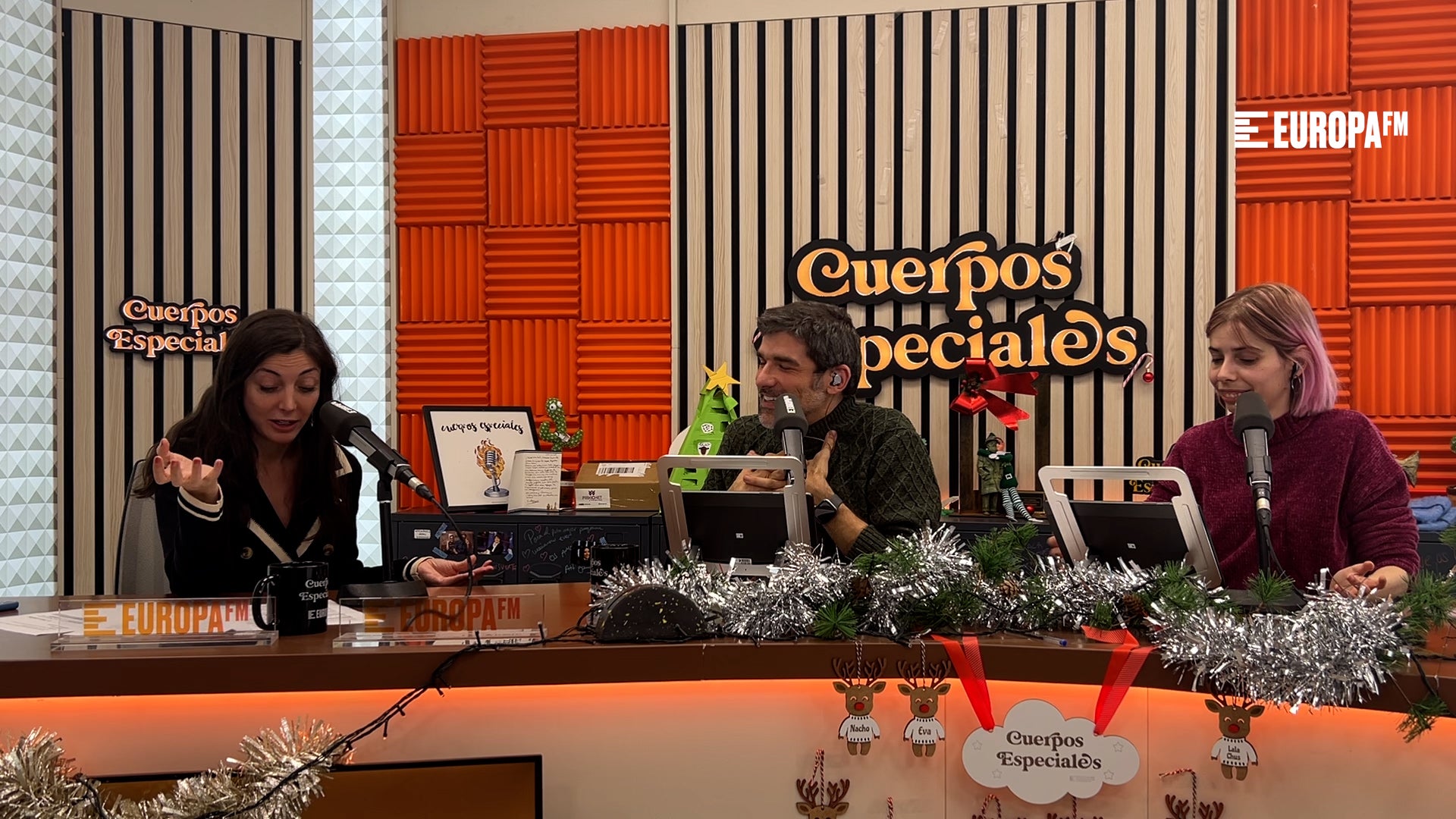
Cuerpos especiales
Espido Freire analiza 'El burrito sabanero' de Bisbal comparándolo con 'Platero y yo'
00:08:40
Espido Freire analiza el villancico de moda: El burrito sabanero, que comparte propósito con Platero y yo de Juan Ramón Jiménez. El escritor propone en su personaje "una espiritualidad sin solemnidad, una fe sin dogma, una alegría sin exceso, un caraco...
Loading summary
Transcript68 lines
- [00:00]
Raquel
En Europa FM. Y hoy regresa con nosotros una escritora que cuando no está escribiendo libros o ganando premios Planeta, viene aquí a analizar canciones. Buenos días, Espido Freire.
- [00:09]
Espido Freire
Buenos días.
- [00:09]
Co-host
Buenos días, Espido. ¿Cómo estás? ¿Has estado en Rumanía?
- [00:12]
Espido Freire
Sí. Te han llegado rumores.
- [00:15]
Co-host
Te comentaba como cuando estuviste aquí hace dos semanas y dijiste bueno, me voy a Rumanía.
- [00:21]
Espido Freire
Qué detallista. ¿Cómo es?
- [00:22]
Co-host
¿Qué tal estás? ¿Cómo están tus viajes?
- [00:24]
Espido Freire
Mis viajes muy bien, gracias. Este era el último y entonces ya anunciaré para el año que viene qué es lo que hago para poner los dientes muy largos.
- [00:30]
Co-host
La gira Spido Freddy de Liv 2026.
- [00:33]
Espido Freire
Esa es otra. Esa es otra. Pero bueno, en fin, yo soy muchas. Dentro de mí vivimos muchas, tú eres.
- [00:40]
Co-host
Muchas y una de ellas está aquí haciendo la chufla.
- [00:43]
Espido Freire
No solamente estoy aquí haciéndola, quiero decir, participando en este programa que tanto me respeta y me ama, sino que además estoy hoy que es el 250 aniversario del nacimiento de Jane Austen, autora en la que soy mega ex, la persona.
- [00:55]
Raquel
Que más sabe de Jane Austen.
- [00:57]
Espido Freire
Bueno, Raquel, ahí anda, pero.
- [00:59]
Raquel
Y aquí te tenemos a la tontería.
- [01:01]
Espido Freire
Pues nada, de todas maneras me voy al Ateneo, leeré cartas.
- [01:04]
Raquel
Bueno, perfecto.
- [01:05]
Co-host
Volverás a ser la de siempre, me.
- [01:06]
Espido Freire
Codearé con mis pares y a partir de ahí vamos a hacer otra cosa.
- [01:11]
Co-host
A Cervantes haciendo pedorretas, lo que estamos haciendo.
- [01:15]
Espido Freire
Y nosotros despido y vosotros hoy me ponéis a analizar mi burrito sabanero. Con mi burrito sabanero voy camino de Belén.
- [01:24]
Co-host
Con mi burrito sabanero voy camino. Contentarimos hoy a la duda. ¿Que es sabanero?
- [01:31]
Espido Freire
Ah, claro, de la sabana.
- [01:32]
Co-host
De la sabana. Pues ya está.
- [01:38]
Raquel
Se nos acaba de abrir un mundo ahora mismo.
- [01:39]
Espido Freire
¿Pero no habíais parado dos minutos a escuchar la letra de esta canción?
- [01:43]
Raquel
La verdad que no, solo dábamos palmas.
- [01:46]
Co-host
A destiempo, flipármela para cuando vinieras tú a hacer la secuela.
- [01:49]
Espido Freire
Habéis tenido aquí a David Bisbal, Es verdad. Cuya versión interpretamos porque sin duda es una de las canciones más honestas, sencillas y claras y directas, no solamente de las que hemos analizado, sino de la Navidad. Pues es obviamente uno de los hits de David Bisbal. Un beso, David. Y bueno, ¿Sabéis cómo surge? ¿De dónde es esta canción?
- [02:08]
Raquel
No, cuéntanos. Tampoco no sabemos. Somos unos ignorantes. Os pido.
- [02:12]
Espido Freire
Bueno, pues es venezolana y tiene ya más de 50 años. Surge en 1972, es uno de esos llamados villancico de aguinaldo. Entonces es tan fácil y tan pegadiza de seguir, porque estaba pensada para coros de niños con distintos arreglos y con distintas cosas, y Bisbal, que es mucho Bisbal, no necesita un coro y absorbe el todo.
- [02:33]
Co-host
Sí, totalmente. Una persona que tiene rizos en los.
- [02:35]
Espido Freire
Rizos no necesita ayuda y bueno, pues nos devuelve, pues nos devuelve esto.
- [02:41]
Co-host
Es bastante fan del Burrito sabanero, te diré, sin haberle prestado mucha atención a.
- [02:45]
Espido Freire
La letra, yo la aborrezco con todo mi corazón, no solamente por sí mismo, sino porque además es pegadiza, como la sa.
- [02:53]
Raquel
Es que es muy pegadiza, es que la escuchas una vez y no se te va hasta el 8 de enero.
- [02:56]
Co-host
El nivel del gato volador. Me gustaría que los oyentes pudiesen ver la cara que pone Speedo cada vez que suena la canción, porque cada vez que suena es una puñalada.
- [03:07]
Espido Freire
Es que tengo migraña además, o sea, todo mal hoy, todo mal. Bueno, la cosa está en que yo ayer estaba acabando de dar los últimos detalles al guión y demás y tengo que escucharla. Bueno, pues era qué pongo por la noche, o sea, qué pongo alguna sintonía del PP, algo para que me quite esto, para quitarme esto, o sea, cualquier cosa es mejor el tará tará. Ojo, también el burrito sabanero, Pero bueno, vamos a la letra, vamos a la letra. Aquí, por primera vez en todo lo que hemos analizado, no hay metáforas innecesarias, no hay trauma infantil que podría, porque oye, un cono infantil cantarte ahí, no hay un yo desgarrado, no hay peces que beben y beben, porrón, pompón, nada, nada, nada. Hay solo un hecho, Alguien va camino de Belén con su burrito y ya.
- [03:50]
Co-host
Está, esa es la información y ya.
- [03:53]
Raquel
Está, y lo repite, te da lo que promete el título, lo repite todo.
- [03:56]
Espido Freire
El rato y además cuando algo es importante, ya sabéis que hay que insistir. Claro, pues este no da el brazo a torcer. El texto, dilectos amigos, oyentes respetadísimos. Pese a esto, el texto es de una simplicidad casi mística, El narrador no duda, no se contradice, no entra en bucles psicológicos. ¿Os acordáis de todas las oscuridades profundas que hemos durante este pasado año? Él va camino de Belén, y si lo ven, que lo sepan, ya está.
- [04:24]
Co-host
No tiene por qué esconderle a nadie que va camino de Belén no lleva nada en el burrito sospechoso.
- [04:31]
Espido Freire
¿Por qué se te ocurren esas cosas?
- [04:32]
Co-host
He tenido una vida.
- [04:33]
Espido Freire
El mundo exterior existe si me ven, pero el mundo no juzga, ni él juzga al mundo tampoco, no interfiere, no.
- [04:40]
Co-host
Hay drama, ya está, voy a Belén con mi burro.
- [04:44]
Espido Freire
Claro. El burrito, por su parte, y esto os va a sorprender, no simboliza tampoco nada oscuro.
- [04:52]
Co-host
Perdóname, pido, es que hoy te hemos dado. Hoy te hemos dado un palo y dos piedras. Nada, hoy estás escalando una pared lisa, o sea, hoy estás speed of freire escalando un bloque de mármol, pero oye.
- [05:08]
Espido Freire
Con toda la elegancia. En fin, es un burrito que trota. Hay incluso una ligera, ligerísima tensión narrativa, Apúrate, mi burrito, que implica solo una logística que hay que llevar a cabo, llegar a tiempo, ver a Jesús, nada más. La música lo subraya con ese tuki tuki que no es que incluya precisamente un gran conflicto. Tuki tuki es una canción donde nadie se pregunta nada, porque, a ver.
- [05:43]
Co-host
Es.
- [05:44]
Espido Freire
Que aquí es donde llega la metáfora, la comparación literaria, el poder literario, el fondo, el trasfondo, el contexto, la semiótica. A ver, entonces aparece quién, ¿Con quién relacionamos esto? Con Platero, naturalmente. La comparación con Platero y yo es justa y necesaria, porque Platero también acompaña en este caso a Juan Ramón Jiménez, también vive en un mundo donde lo pequeño importa. Pequeño, peludo, suave, tan blando, etc. Platero y el burrito sabanero comparten una cualidad rarísima, no estorban, no, la gente sí, la gente es un rollo, la gente no para de generar drama. Eso es verdad, burrito no. Juan Ramón Jiménez propone en Platero una espiritualidad sin solemnidad, una fe sin dogma, una alegría sin exceso, un caracol sin cuernos, un jardín sin flores. El burrito sabanero hace lo mismo con una pandereta.
- [06:37]
Co-host
¿Es que es verdad, es que un burrito no te va a hacer costino.
- [06:39]
Raquel
No, Un burrito es una persona majísima, no?
- [06:43]
Espido Freire
Es un animal majísimo, un animal entrañable.
- [06:46]
Raquel
Terco, da ternura, con buen pelo.
- [06:50]
Espido Freire
Esto es lo que hay. Entonces, donde otros relatos convierten el viaje en un viaje iniciático del héroe, en una prueba, en un sacrificio, aquí el viaje es suficiente en sí mismo. Cuando un tren sale desde Albacete, tal cual, no hay problema, no hay nada, no hay otro que se cruza por el camino. Platero no tenía prisa, el burrito Sabanero Sí, pero ambos saben algo. Que llegar, amigos míos, niños y niñas, importa menos que cómo se avanza, que el sentido no está en la meta. Quizás por esto esta canción tan aparentemente ingenua, funciona. Porque en medio de estas Navidades, de este ruido emocional, nos recuerda una verdad casi olvidada. A veces ir cantando con un burro es más que suficiente. Bravo. Bravo.
- [07:36]
Co-host
Un aplauso para Spido freire, por favor. ¿Has conseguido analizar la letra de Mi burrito sabanero? Después de esto te vamos a pedir que la semana que viene comentes algo con más nivel, como por ejemplo un canto rodao.
- [07:49]
Espido Freire
Yo sigo esperando el nivel al que me degradáis.
- [07:54]
Co-host
La verdad que lo de hoy ha sido una prueba. ¿Tenemos alguna idea de canción para la semana que viene o lo vamos a ir pensando? Vamos a ir pensando para la vuelta de las Navidades. ¿Eres muy navideña, Espido?
- [08:05]
Espido Freire
Depende.
- [08:06]
Raquel
Ahora, después de escuchar 752 veces mi burrito sabanero creo que no.
- [08:10]
Co-host
Ahora mismo no estoy bien.
- [08:11]
Espido Freire
Dejando en a mí básicamente lo que no me gusta es el kitsch que rodea la Navidad, del cual estamos más que sobradamente representantes sentados en este estudio. Pero todo lo otro sí me gusta. Contacto con la espiritualidad, la esperanza, el solsticio. Yo que sé.
- [08:25]
Co-host
El solsticio, las cosas. Espido Pues entonces Feliz Navidad. Feliz año. Porque te vemos a la vuelta.
- [08:29]
Espido Freire
Feliz Navidad. Feliz año. Felices Reyes. Que os traigan todo lo que os merecéis y más.
- [08:33]
Co-host
Eso es.
- [08:33]
Espido Freire
Ojalá.
- [08:34]
Co-host
Y de momento lo que nos van a traer, que nos merecemos es una pausita y seguimos en nada, en Cuerpos especiales. Muchas gracias, Espido.