
Podcast
Curious City
Hosted by WBEZ Chicago · EN
Ask questions, vote and discover answers about Chicago, the region and its people. From WBEZ.
29episodes
Episodes
Newest firstAll episodes

Chicago came under martial law after the Great Fire. Did it help?
Mar 1800:24:31Tap to summarizeThe mayor of Chicago declared martial law after the Great Fire in 1871. The military occupation ended days later, after the death of a civilian. We look back at that history and get the help of legal experts to answer these questions: Was Operation Midway Blitz — the Trump administration's aggressive immigration enforcement campaign in Chicago — an example of martial law? What is martial law, anyway?
Transcribe →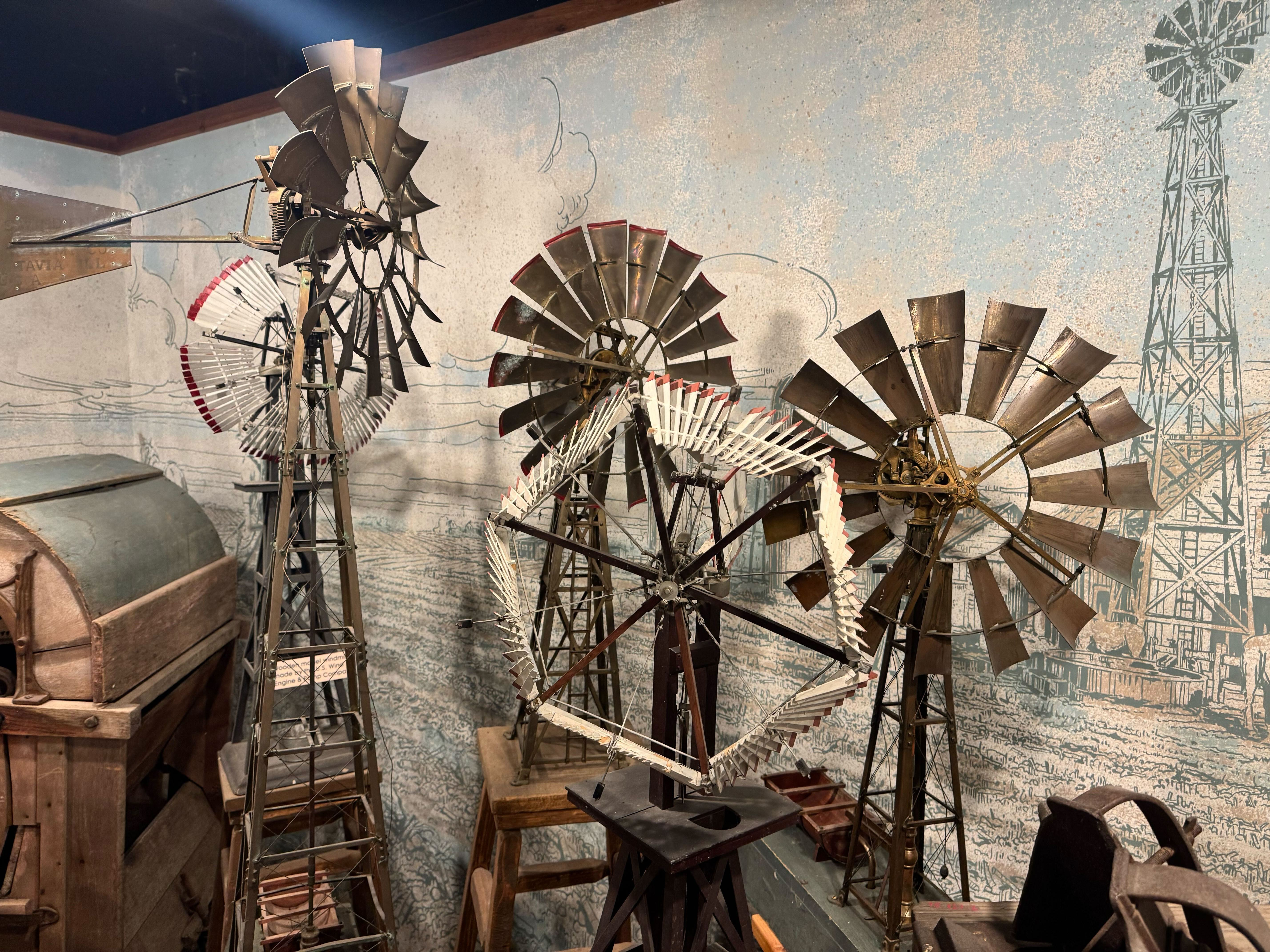
The ‘windmill capital of the world’ used to be down the road from Chicago
Mar 1200:11:04Tap to summarizeSuburban Batavia, just 30 miles west of Chicago, used to be known as the windmill capital of the world. But eventually, technological advances took the wind out of the industry’s sails. In our last episode, we looked into why there are no wind turbines in the Great Lakes even though conditions are favorable. Legal and political hurdles continue to challenge the offshore wind energy business in the Midwest. Today, we’re going to take an historical look at the wind industry in our region. In modern times, Batavia is known for Fermilab, America’s particle physics and accelerator laboratory. But long before that, Batavia was on the map for hosting six windmill factories. Batavia Mayor Jeff Schielke and City Clerk Kate Garrett dive into the town’s history. They take pride in the past, but look forward to the future.
Transcribe →Why aren’t there wind turbines in Lake Michigan?
Mar 1100:04:41Tap to summarizeStrong and consistent winds that sweep across Lake Michigan could provide significant electricity generation. But there are no wind turbines in the lake or any of the Great Lakes. This Curious City story is made possible through a partnership between WBEZ and Grist, a nonprofit environmental media organization.
Transcribe →No cars, no road salt: How one Midwestern community avoids salt all winter
Feb 2600:09:23Tap to summarizeChicago — like so many other frigid American cities — can’t seem to kick its dependence on road salt.In our last episode, we learned how winter weather on both ends of the thermometer can impact the local economy. Some businesses come out on top during the coldest winters: auto mechanics repairing cars when they hit a pothole, snow plow companies shoveling out small businesses and rock salt providers when the roads get icy.But chloride from salt is harmful to both our natural and built environments. You’d be hard-pressed to find a cold-weather community that avoids road salt altogether, but we found one! In this encore presentation, we visit a place way up north, Mackinac Island, Michigan. Dominick Miller, chief of marketing at the Mackinac State Historic Parks, tells us about how the island deals with snow and ice in the winter without laying down a single grain of salt. And it has a lot to do with the fact that cars have been banned on Mackinac Island for over a century.
Transcribe →What’s the history of Chinese gangs in Chicago?
Aug 7, 2025Tap to summarizeChicago is known for crime bosses like Al Capone, but the city is also home to two Chinese gangs that were once fierce rivals. This story first aired in 2018.
Transcribe →Bachelor’s Grove Cemetery: History, Hauntings, and Preservation
May 16, 2024Tap to summarizeBachelor’s Grove Cemetery in Midlothian is rumored to be haunted with alleged sightings of a woman in white. But there’s more to this place than spooky stories. Learn about the early settlers who called this place home and why a historian worries the ghost stories are overshadowing the history here.
Transcribe →What’s the History of the Medinah Temple and Its Original Owners?
Sep 28, 2023Tap to summarizeBefore it was a place to gamble or shop, the Medinah Temple was the longtime home to the Medinah Shriners, an organization shrouded in secrecy.
Transcribe →
Why Aren't There Any Federal Indian Reservations In Illinois?
Dec 9, 2021Tap to summarizeThe Chicago region was home to a number of Native American nations, and Illinois’ native history is rich and varied. But unlike neighboring states like Michigan, Wisconsin, and Iowa, Illinois doesn’t have any Indian reservations. Curious City looks into the history to find out why.
Transcribe →Looking For Quarantine Recipes? Try This Chicago-Invented Dish
Apr 26, 2020Tap to summarizeTwo Albany Park chefs turned a Chinese-Korean chicken dish into a signature Chicago food. Listen to the history, then go to wbez.org/curiouscity for recipes to make at home.
Transcribe →