Podcast
Day One®
Hosted by Day One · EN
We're for founders & operators.
https://dayone.fm/shows
79episodes
Episodes
Newest firstAll episodes
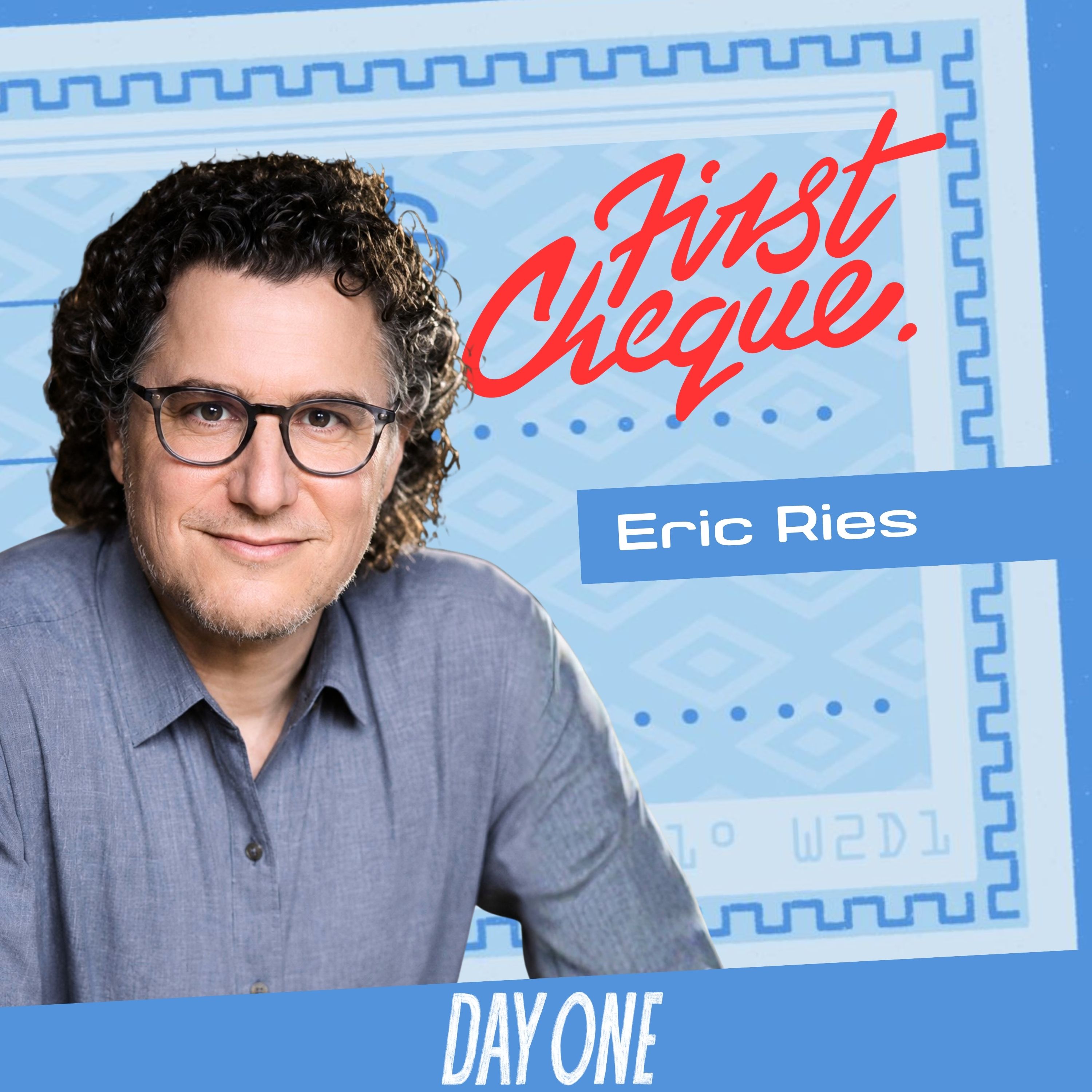
Eric Ries on What Investors Get Wrong About Governance
2w ago01:00:42Tap to summarizeEpisode SummaryEric Ries is the author of The Lean Startup and The Startup Way, and the founder of IMVU and the Long-Term Stock Exchange. His new book, Incorruptible, examines why companies drift from their mission once investors and boards take over, and what founders and early investors can do to prevent it.In this episode, Cheryl and Maxine unpack what Eric calls "financial gravity," the force that pulls companies toward extractive, value-destroying behavior even when everyone believes they're pursuing profit. Eric explains why many widely taught governance best practices are actually shareholder-value destroying, and why the earliest stage of a company is the easiest time to build in protections against this drift.You'll also hear Eric break down the "spiritual holding company" structure, using Novo Nordisk's century-old nonprofit foundation as an example of why mission-guardian structures make companies far more likely to survive long term. The conversation covers why founders get talked out of protective provisions until it's suddenly too late, and Eric shares the real story of a startup that took a million dollars from Purdue Pharma to push opioids to doctors, and why it destroyed the company.He closes with his Big Cojones moment: a board meeting early in his career where he expected to be fired for refusing to abandon his unconventional methods, and the lesson that "harder is easier" when you stand for something you believe in.Time Stamps00:00 – Intro04:10 – Eric's first investment: putting his own money into IMVU's friends and family round09:15 – From Lean Startup to Incorruptible: why it's always felt like one continuous project to Eric17:40 – The tortilla company, private equity, and why "pricing power" explains so much bad behavior21:30 – Why so-called governance best practices are often value destroying25:50 – Naming the problem: financial gravity and why our grandparents would have called it corruption30:20 – What founders and early investors can actually do at the earliest stage36:45 – The Olympic athlete analogy: why protective structures only work if built in early41:10 – The spiritual holding company explained through Novo Nordisk's origin story48:30 – Why companies rated for "good governance" have underperformed since 200852:15 – The Purdue Pharma story and how a million dollars destroyed a company58:40 – Big Cojones moment: the board meeting Eric thought would get him firedSponsors:First Cheque is supported by our wonderful sponsors:Deel: Founders scale faster on Deel. Set up payroll for any country in minutes, hire anyone anywhere, and get visas handled fast, so you stay focused on scaling. Deel takes care of onboarding, HR, IT, EOR, benefits, and compliance, so your team can grow without borders.It’s why more than 40,000 fast-growing companies trust Deel to move fast.Visit https://www.deel.com/dayone___Pear Tree: Pear Tree helps Australian and New Zealand founders build high-performing offshore teams without the agency middleman.As local hiring becomes more expensive and harder to fill, many operators are turning to offshore talent across engineering, development, marketing, accounting and operations at a fraction of local salary costs.The offshore horror stories you hear usually aren’t a talent problem. They’re the result of outsourcing agencies that overcharge clients while underpaying staff. Pear Tree takes a different approach through a direct, transparent model where your team is paid fairly, fully compliant, and focused entirely on your business.As part of the Day One community, you’ll receive a free team audit to identify where offshore talent could move the needle in your business, plus 20% off your first hire. Learn more at http://dayone.fm/peartreeFirst Cheque is part of Day One.Day One helps founders and startup operators make better business decisions more often. To learn more, join our newsletter to be notified of new First Cheque episodes and upcoming shows.Mentioned in this episode:Pear TreeIf you're a founder or operator trying to scale, here's the reality — Australian hiring is getting harder, salaries are at record highs, and the talent you need is increasingly out of reach. The best operators are quietly building offshore teams of engineers, marketers, accountants and analysts at a fraction of the cost. Pear Tree does it differently. We headhunt highly skilled talent from the Philippines and South Africa with full transparency on where every dollar goes, so your team is paid fairly and fully focused on your business. As a Day One listener, you’ll receive a free team audit to identify where offshore talent could move the needle in your business, plus 20% off your first hire.Deel x PX_Script 1Pear TreeIf you're a founder or operator trying to scale, here's the reality — Australian hiring is getting harder, salaries are at record highs, and the talent you need is increasingly out of reach. The best operators are quietly building offshore teams of engineers, marketers, accountants and analysts at a fraction of the cost. Pear Tree does it differently. We headhunt highly skilled talent from the Philippines and South Africa with full transparency on where every dollar goes, so your team is paid fairly and fully focused on your business. As a Day One listener, you’ll receive a free team audit to identify where offshore talent could move the needle in your business, plus 20% off your first hire.This podcast uses the following third-party services for analysis: Podtrac - https://analytics.podtrac.com/privacy-policy-gdrpSpotify Ad Analytics - https://www.spotify.com/us/legal/ad-analytics-privacy-policy/
Transcribe →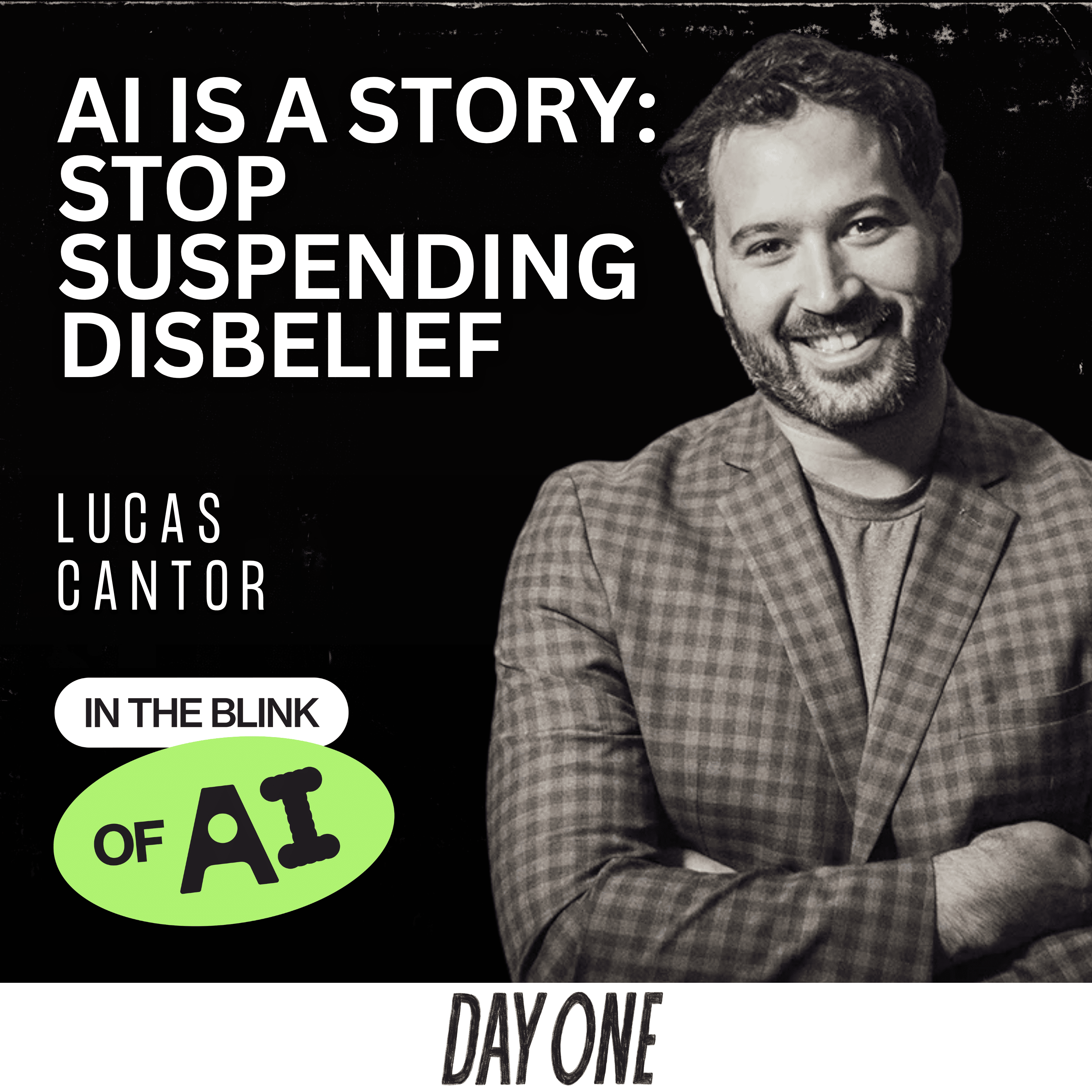
Lucas Cantor: "I Don't Think Anybody Knows What AI Is"
3w ago00:58:09Tap to summarizeLucas Cantor has an unusual claim on the AI conversation. In 2019, Huawei asked him to finish Schubert's Unfinished Symphony using artificial intelligence, and he did it. He's an Emmy-winning composer who has worked on every Olympics since 2002, produced a cover of Everybody Wants to Rule the World with Lorde, and now invests in music technology. His new book is Unfinished: The Role of the Artist in the Age of Artificial Intelligence.In this episode Georgie Healy gets Lucas to take apart the story we're all being told about AI. Why he thinks nobody actually knows what the term even means. Why every single person he asks assumes AI can do the job they're not an expert in, and can't do the job they are. Why the claim that AI democratizes creativity is a fallacy sold by AI companies, and what it actually democratizes instead. Why B2B SaaS isn't dead, and who benefits from you believing it is. And why the music industry, supposedly murdered by Napster, is bigger now than it was before.If you build, market, or operate anything, this is a useful hour of pressure testing. Lucas isn't a doomer and he isn't an evangelist. He's someone who has been inside the technology long enough to tell the difference between what it does and what it's sold as.Recorded ahead of his first trip to Australia for BIGSOUND - which is September 1st - 4th in Brisbane!Chapters:00:00 Cold open00:54 Welcome, and who Lucas Cantor is02:49 The AI hack: stem separation04:14 Taylor Swift's wedding04:55 BIGSOUND, and the fear around AI in music06:23 Why the purist argument falls apart07:25 Tuning has drifted since the Renaissance10:02 Composer, producer, author, investor11:16 What Suno is, and the ethics problem12:20 Why all music sounds better now15:33 What it actually means to have your music stolen16:56 Covering Everybody Wants to Rule the World with Lorde19:19 Source Connect, Audio Movers, and remote studios20:22 The fallacy that AI democratizes creativity22:38 Black Swan, conductors, and the war on expertise24:26 The doctor who said AI could write a pop song27:38 Why he called himself a Luddite30:18 Hans Zimmer's studio, and saying yes to Huawei32:34 Finishing Schubert's Unfinished Symphony37:00 "I don't think anybody knows what AI is"38:49 Every AI agent ad shows something nobody needs42:14 Hot take: is B2B SaaS dead?45:13 AI is a story, and that's the problem46:25 What actually wins in music tech49:28 Amusing, but not amazing50:20 Ben Affleck, Scorsese, and AI in the creative process53:30 Two Emmys and a coach of the year award55:36 The one takeaway from Unfinished57:33 Georgie's Substack, Attention Is All I Need
Transcribe →How Do You Sell Software to an Industry That Won't Change? Mitchell Baker on Claimstack
3w ago00:22:33Tap to summarize$320 billion flows through Australia's commercial construction industry every year — and far too much of it still moves on spreadsheets and re-keyed purchase orders. Mitchell Baker spent 12 years inside that machine as a contract administrator — on John Holland's $250M shopping-centre rebuild, and on Facebook's £150M London HQ with Kier — watching well-paid people burn their days copying data that already existed.So he built Claimstack, a workflow platform that follows the money from tender to final account across the whole contractor chain. In this special Melbourne edition of Pick My Brain, recorded at Cremorne Digital Hub, Alan Jones digs into the genuinely hard part: selling new software into an industry famous for resisting it, and coaching a solo, self-taught founder on when — and how — to stop wearing every hat.You'll also hear the vibe-coding origin story (DataButton, then Cursor, then Claude Code in VS Code), how Mitch is funding the dream by selling off possessions while his partner foots the bills, the milestone-based "startup leave" deal that kept the relationship healthy, and the 15% ESOP he carved out of his friends-and-family round to lure senior talent.Time Stamps00:00 – Intro: $320B a year, still moving on spreadsheets02:07 – What Claimstack does: one platform for the whole contractor chain02:36 – The $320 billion inefficiency it targets03:35 – 12 years in the trenches: John Holland and Facebook's London HQ05:32 – Live in market: onboarding the first pilot customers05:55 – Vibe-coding it solo: DataButton, Cursor, then Claude Code06:45 – Why he didn't wait for a co-founder07:43 – Funding the dream, and the deal with his partner11:08 – Selling into an industry that resists new software14:26 – Building a sales team without losing credibility15:37 – Marketing yourself with a LinkedIn feature series17:48 – A solo founder's leadership gaps, and the 15% ESOP19:26 – Wrap-upResources🔗 Claimstack – https://claimstack.com.au🎙 Ask Alan a Question – https://speakpipe.com/pickmybrain🎧 More from Alan Jones – https://www.startupfoundercoach.comFounders scale faster on Deel. Set up payroll for any country in minutes, hire anyone anywhere, and get visas handled fast, so you stay focused on scaling. Deel takes care of onboarding, HR, IT, EOR, benefits, and compliance, so your team can grow without borders.It's why more than 40,000 fast-growing companies trust Deel to move fast.Visit https://www.deel.com/dayoneEpisode Summary$320 billion a year flows through Australian commercial construction, and much of it still moves on spreadsheets and re-keyed data. Mitchell Baker spent 12 years as a contract administrator — including on Facebook's London HQ — before building Claimstack to follow the money from tender to final account across the whole contractor chain. In this Melbourne edition of Pick My Brain, Alan Jones coaches Mitch on selling software into an industry that resists change, and on when a solo, self-taught founder should start building a team.Time Stamps00:00 – Intro: $320B a year, still moving on spreadsheets02:07 – What Claimstack does: one platform for the whole contractor chain02:36 – The $320 billion inefficiency it targets03:35 – 12 years in the trenches: John Holland and Facebook's London HQ05:32 – Live in market: onboarding the first pilot customers05:55 – Vibe-coding it solo: DataButton, Cursor, then Claude Code06:45 – Why he didn't wait for a co-founder07:43 – Funding the dream, and the deal with his partner11:08 – Selling into an industry that resists new software14:26 – Building a sales team without losing credibility15:37 – Marketing yourself with a LinkedIn feature series17:48 – A solo founder's leadership gaps, and the 15% ESOP19:26 – Wrap-upResources🔗 Claimstack – https://claimstack.com.au🎙 Ask Alan a Question – https://speakpipe.com/pickmybrain🎧 More from Alan Jones – https://www.startupfoundercoach.comMentioned in this episode:Deel x PX_Script 1Deel x PX_Script 2Deel x PX_Script 1
Transcribe →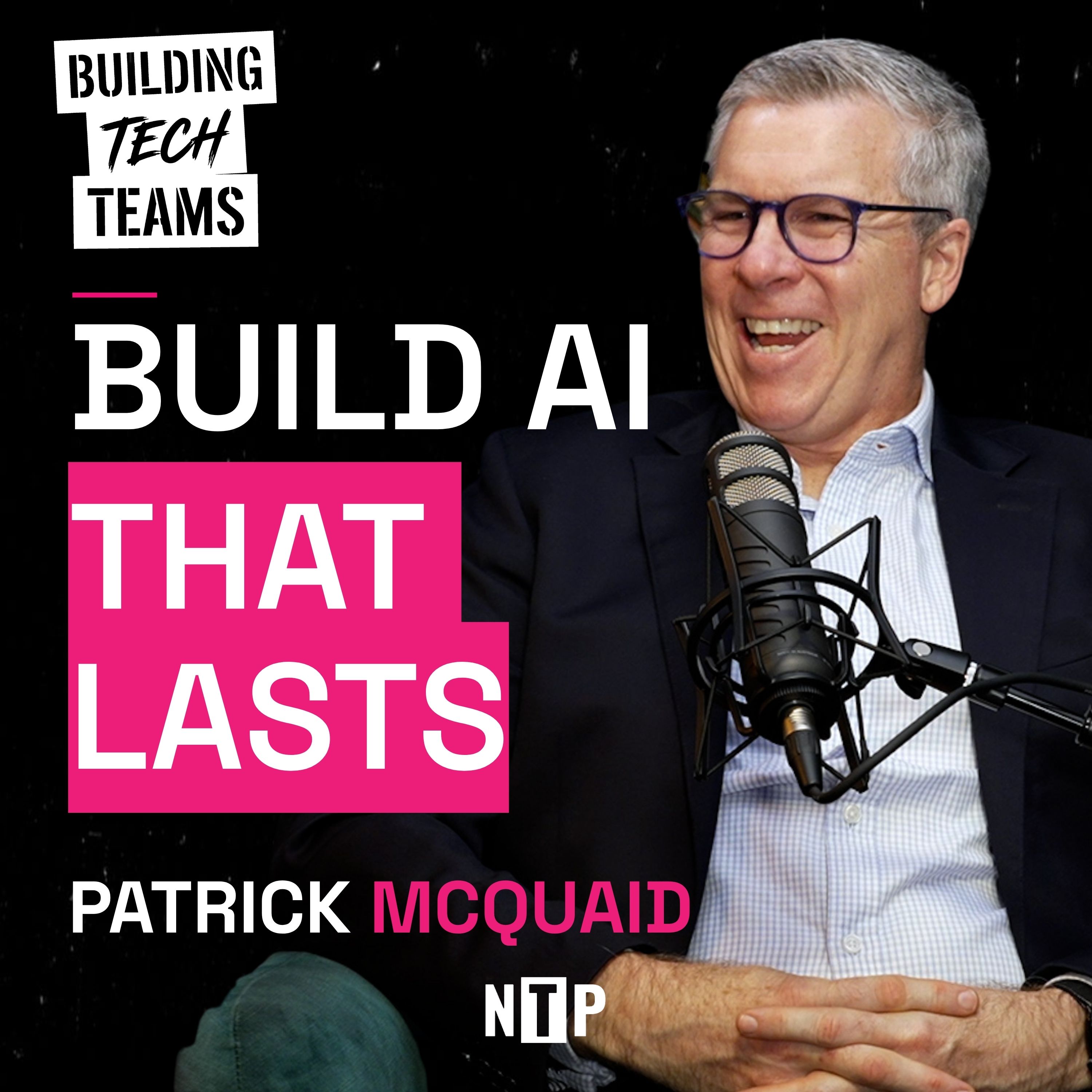
How to Build AI Capability Without Chasing Every New Model, with Patrick McQuaid
3w ago01:13:53Tap to summarizeMost organisations are asking which AI model they should use. Patrick McQuaid thinks that is the wrong conversation.Patrick is Group Head of Data, Analytics & AI at NGM Group. He joins James MacDonald to explain how leaders can build practical AI capability without getting trapped by hype, vendor lock-in or an endless cycle of new tools.They discuss how NGM approaches AI inside a regulated banking environment, where privacy, risk and customer trust make it impossible to turn a weekend prototype straight into production. Patrick explains why teams need both strong foundations and useful short-term wins, why the people closest to the work should own their technology costs, and where generative AI should not be used for decision-making.The conversation also explores what AI means for technical careers. Patrick shares why he hires for attitude, curiosity and problem-solving ability, rather than waiting for candidates with years of experience in technology that has only just emerged. He and James discuss the continuing value of junior engineers, the rise of AI enablement and orchestration roles, and the human skills that remain difficult to automate.If you are responsible for introducing AI into an established organisation, hiring a technical team or preparing your own career for the next wave of change, this episode offers a grounded alternative to the fear and hype.Chapters0:00 — Stop arguing about AI models0:46 — What this episode covers1:15 — Meet Patrick McQuaid1:38 — Leading experts without being the deepest technical expert4:37 — Deployment, flexibility and avoiding model lock-in6:45 — Vibe coding versus production inside a regulated bank8:30 — Shadow AI and choosing enterprise tools10:10 — Junior engineers and hiring for attitude16:15 — Who should own AI and token costs?19:34 — Building, buying or partnering for AI capability21:21 — Where generative AI does not belong25:41 — Joining NGM during a major data transformation30:17 — Building foundations and delivering quick wins34:20 — Planning in a fast-moving AI market35:45 — Agentic tools and the value of staying flexible37:04 — Can specialist software companies defend their advantage?39:18 — What organisations should and should not build themselves41:33 — Technology's role in a human business49:44 — The human skills AI cannot replace52:33 — What AI could mean for the next generation54:33 — Remote work, relationships and learning together58:35 — Cutting through AI FOMO and LinkedIn hype1:00:27 — The AI advantage for smaller organisations1:01:24 — Managing legal, financial and reputational risk1:06:43 — AI sycophancy and why chatbots agree with you1:07:57 — The skills technology professionals should build now1:09:26 — AI enablement and orchestration roles1:12:46 — James's key takeawayAbout the GuestPatrick McQuaid GAICD is Group Head of Data, Analytics & AI at NGM Group, one of Australia's largest customer-owned banking groups. NGM Group operates the Greater Bank and Newcastle Permanent brands.LinksPatrick McQuaid — LinkedIn: https://www.linkedin.com/in/patrick-mcquaid/NGM Group: https://www.ngmgroup.com.au/National AI Centre: https://www.industry.gov.au/science-technology-and-innovation/technology/artificial-intelligence/national-ai-centreJames MacDonald — LinkedIn: https://www.linkedin.com/in/james-macdonald-au/ · NTP Talent: https://ntptalent.com.au/Day One: https://dayone.fm/Hosted by James MacDonald, Managing Director of NTP Talent.Building Tech Teams is produced by Day One®, trusted partners in the technology space and the production partner behind Blackbird Ventures' Wild Hearts. Sister shows include First Cheque, Oversubscribed and In The Blink of AI. Episodes are cross-promoted across the network.
Transcribe →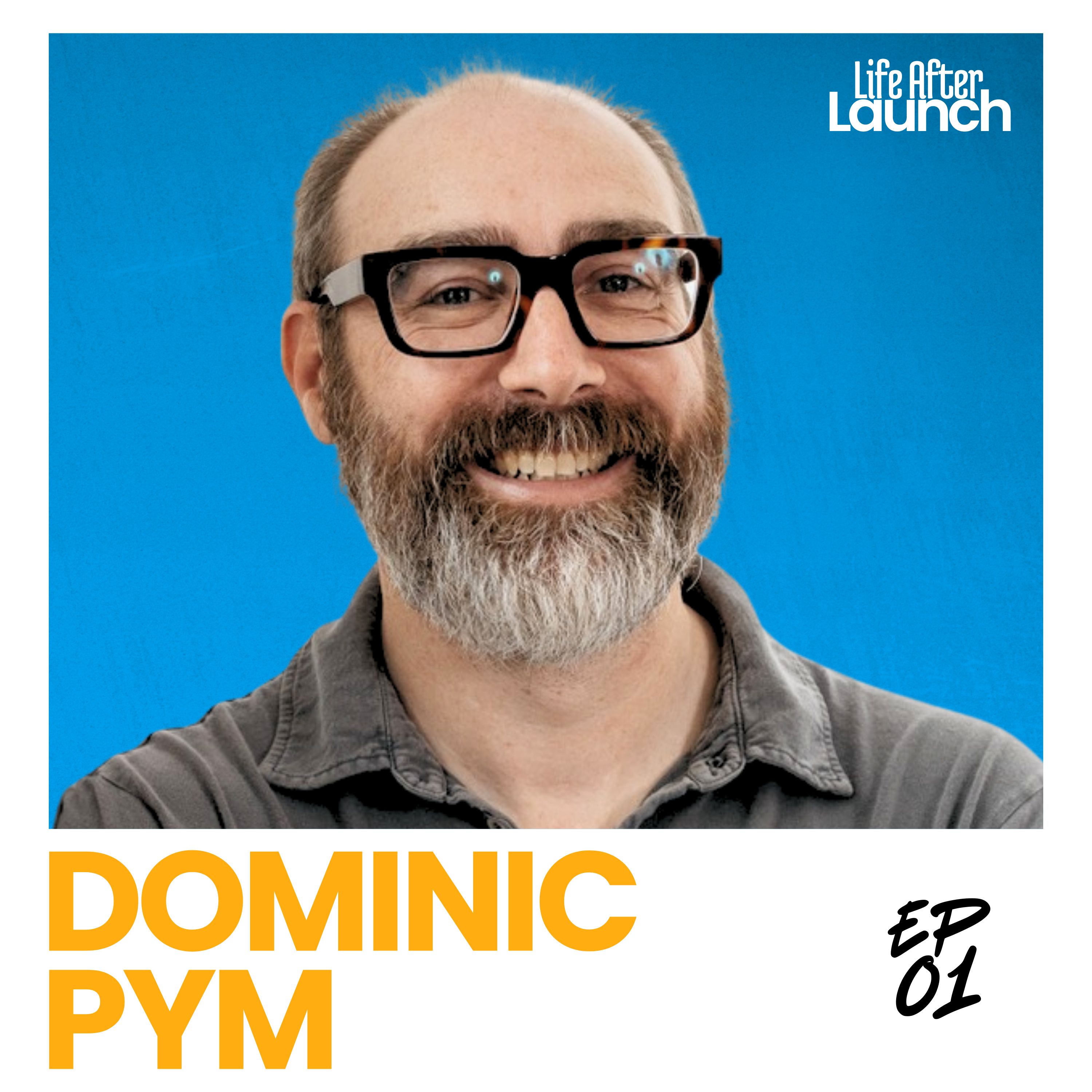
Dom Pym – How To Build From Abundance, Even When You Have Nothing
3w ago00:47:43Tap to summarizeExplore sponsorship and partnership opportunities at https://lifeafterlaunchpod.com/partner-with-usIf you've ever talked yourself out of reaching out to someone because they're "too successful to reply," this episode will change how you send your next message.Dom Pym co-founded Up, one of Australia's fastest growing digital banks, and has personally invested $85 million into the Australian startup ecosystem. But he started with nothing. Dom tells Megan and Geo about growing up in a family that lost everything, and the "golden purse" his mum kept that somehow always had just enough in it, a lesson in abundance he's carried into every company since.You'll hear the full story of how Dom and his co-founder walked into Bendigo Bank asking for money and walked out bidding to rebuild their entire banking system, with a team of two and zero banking experience. You'll learn why he treats confidence and honesty as two separate skills you need at the same time, the exact cold outreach tactics that have actually worked on him (including one that involves sticky-taping a $1 coin to a letter), and why he believes chasing busy, successful people a hundred times is a feature, not a flaw.Dom also shares the two policy ideas he's pushing right now, free universal childcare and a dollar-for-dollar rebuild of the R&D tax incentive, that he reckons could make Australia a world superpower.Stay to the end for the quickfire round, where Dom reveals the plane crash he survived in 1999 and the one interview question that lets him see straight into a founder's soul.Time Stamps00:00 Cold open and welcome to Life After Launch01:17 Introducing Dom Pym02:33 The childhood moments that shaped Dom: footy, family, and sliding doors06:09 The golden purse: building an abundance mindset from nothing08:20 The three people who taught Dom how money really works11:03 Why you should chase successful people a hundred times (the Marty Howell story)14:15 The most creative cold outreach Dom has ever received16:07 The $1 coin letter and why positive affirmation actually works19:19 The Bendigo Bank story: two people, supreme confidence, and a live demo that broke the rules26:26 Confidence vs honesty: crossing ThoughtWorks off the whiteboard29:13 Up's world firsts: Afterpay, Apple Pay instant issuance, and Google Cloud31:05 Comparing your bank to Instagram: the activity feed that banks worldwide copied32:48 Fixing Australia: free universal childcare and rebuilding the R&D tax incentive37:38 1.4 million customers and the countdown to overtaking the big banks40:30 Quickfire: the 1999 Qantas crash, the ecosystem stars you should know, and the question that reveals a founder's soul46:56 Outro
Transcribe →
The A$2.2B Myricx Bio Deal, AI's Healthcare Land Grab and Preventive Health
3w ago00:59:34Tap to summarizeNovartis has agreed to acquire Myricx Bio for up to US$1.5 billion, approximately A$2.2 billion, in a major outcome for a UK biotech company with deep Australian venture backing.In the inaugural What the Health Wrap, host Emily Casey is joined by Dr Jackie Rabec, co-founder and Chief Product Officer at ThinkMD.ai, and Dr Prashanth Rajan, Associate at Brandon Capital, to work through what the fortnight's biggest healthcare stories actually mean.Prashanth explains how Myricx Bio evolved from small-molecule science into a new class of antibody-drug conjugate payloads. He discusses why the proposed acquisition matters for cancer therapeutics, investors and Australia's biotech ecosystem, while cautioning that the ultimate test will still come through clinical development.The conversation then turns to artificial intelligence. Jackie argues that healthcare companies need more than a powerful model. They need a genuine problem, sustainable economics, clinical workflow integration and the change management required for adoption. Prashanth applies the same test to AI drug discovery, where molecular designs must still survive laboratory testing and clinical trials.The panel also examines proposed changes to Australia's R&D Tax Incentive. Under the current proposal, the offset would be refundable for eligible businesses younger than ten years and non-refundable for older businesses. Prashanth explains why that distinction could affect biotech companies just as expensive clinical programs begin to scale, potentially pushing investment, clinical activity and company growth offshore.AdvanCell's US$315 million Series D offers a timely example of what sustained local support can produce. The company is advancing a Lead-212 targeted alpha therapy for metastatic prostate cancer while expanding its isotope supply and manufacturing infrastructure.Finally, the panel asks whether preventive health and longevity represent the future of care or another layer available mainly to people who can afford it. Everlab's A$65 million Series A and Neko Health's US$700 million Series C demonstrate growing demand, but questions remain about equity and whether earlier intervention can reduce pressure on public healthcare systems.GuestsDr Jackie Rabec is co-founder and Chief Product Officer at ThinkMD.ai, which builds offline-capable clinical decision-support tools for frontline health workers. She previously worked at Google and was Head of Product at Heidi Health.Dr Prashanth Rajan is an Associate at Brandon Capital and leads its activities in New South Wales. He has a background in bioinformatics, biochemistry and molecular biology.Chapters00:00 Introducing the What the Health Wrap08:07 Myricx Bio's proposed US$1.5 billion acquisition11:13 Antibody-drug conjugates and Australian biotech15:35 AI in healthcare beyond administration24:50 The promise and limits of AI drug discovery28:46 Proposed changes to Australia's R&D Tax Incentive35:22 AdvanCell's US$315 million Series D42:25 Preventive health, longevity and primary care53:28 Rapid fire: platform risk, companies to watch and useful resourcesLinks and resourcesThinkMD.ai: https://www.thinkmd.ai/Dr Prashanth Rajan at Brandon Capital: https://brandoncapital.vc/team_member/prashanth-rajan/Myricx Bio acquisition announcement: https://brandoncapital.vc/2026/07/06/brandon-capital-announces-agreement-for-novartis-to-acquire-portfolio-company-myricx-bio-to-advance-new-class-of-cancer-therapeutics/Australian Treasury's R&D Tax Incentive proposal: https://treasury.gov.au/sites/default/files/2026-06/p2026-781365_0.pdfClaude for Healthcare: https://www.anthropic.com/news/healthcare-life-sciencesChai Discovery's US$400 million Series C: https://www.chaidiscovery.com/news/series-cAdvanCell's US$315 million Series D: https://svhealthinvestors.com/news/advancell-closes-us-315-million-oversubscribed-series-d-financing-to-advance-targeted-alpha-therapies-and-expand-clinical-and-commercial-manufacturing-infrastructureEverlab: https://www.everlab.com.au/Neko Health's US$700 million Series C: https://www.nekohealth.com/se/en/press/neko-health-raises-usd700m-series-c-ahead-of-us-launchAbout the hostEmily Casey is the founder of What the Health and host of the What the Health Wrap, making major developments in health technology and innovation easier to understand.The What the Health Wrap is brought to you by What the Health in partnership with Tenmile Ventures.What the Health is part of Day One Network, the podcast and media network from W2D1 Media: https://dayone.fm/
Transcribe →Introducing What The Health with Emily Casey | Official Trailer
4w ago00:01:20Tap to summarizeFive years of health innovation coverage, millions of reads, and a community of 11,000+.Now finally, What the Health has a podcast too — bringing the content to convos you can now listen to on the go and in video. Host Emily Casey brings the founders, clinicians, investors, operators, and policymakers shaping the future of health into the room for candid, useful, and occasionally unruly conversations.This trailer offers a first taste of the questions the show will tackle. What happens when billions flow into biotech while policy struggles to keep up? How reliable are the latest AI health tools? What can at-home screening change for patients and the wider health system? And when everyone is talking about AI, where is the real advantage?What The Health goes beyond the headlines to work out what is real, what is hype, what is worth paying attention to and why it matters.Expect:candid conversations with leading minds in health innovationclear explanations without the health-speaksharp takes backed by factspractical context on the companies, ideas and policy shifts changing healthcarea smarter way to stay ahead without drowning in noiseWhat The Health is more than a podcast. It is a newsletter, events platform and private community built for people who want to stay switched on to health and health tech.Subscribe to the newsletter and join the What The Health community: https://www.whatthehealth.io/Follow the show: https://dayone.fm/show/what-the-health-with-emily-casey/Brought to you by Tenmile.Tenmile partners with teams tackling major unmet needs in human health, helping turn bold ideas and breakthrough science into companies that can improve lives.Learn more: https://www.tenmile.com/What The Health is part of the Day One Network and produced by W2D1 Media.This podcast is for general information and commentary and is not medical advice.
Transcribe →Introducing What The Health with Emily Casey | Official Teaser
4w ago00:01:20Tap to summarizeFive years of health innovation coverage, millions of reads, and a community of 11,000+.Now finally, What the Health has a podcast too — bringing the content to convos you can now listen to on the go and in video. Host Emily Casey brings the founders, clinicians, investors, operators, and policymakers shaping the future of health into the room for candid, useful, and occasionally unruly conversations.This trailer offers a first taste of the questions the show will tackle. What happens when billions flow into biotech while policy struggles to keep up? How reliable are the latest AI health tools? What can at-home screening change for patients and the wider health system? And when everyone is talking about AI, where is the real advantage?What The Health goes beyond the headlines to work out what is real, what is hype, what is worth paying attention to and why it matters.Expect:candid conversations with leading minds in health innovationclear explanations without the health-speaksharp takes backed by factspractical context on the companies, ideas and policy shifts changing healthcarea smarter way to stay ahead without drowning in noiseWhat The Health is more than a podcast. It is a newsletter, events platform and private community built for people who want to stay switched on to health and health tech.Subscribe to the newsletter and join the What The Health community: https://www.whatthehealth.io/Follow the show: https://dayone.fm/show/what-the-health-with-emily-casey/Brought to you by Tenmile.Tenmile partners with teams tackling major unmet needs in human health, helping turn bold ideas and breakthrough science into companies that can improve lives.Learn more: https://www.tenmile.com/What The Health is part of the Day One Network and produced by W2D1 Media.This podcast is for general information and commentary and is not medical advice.
Transcribe →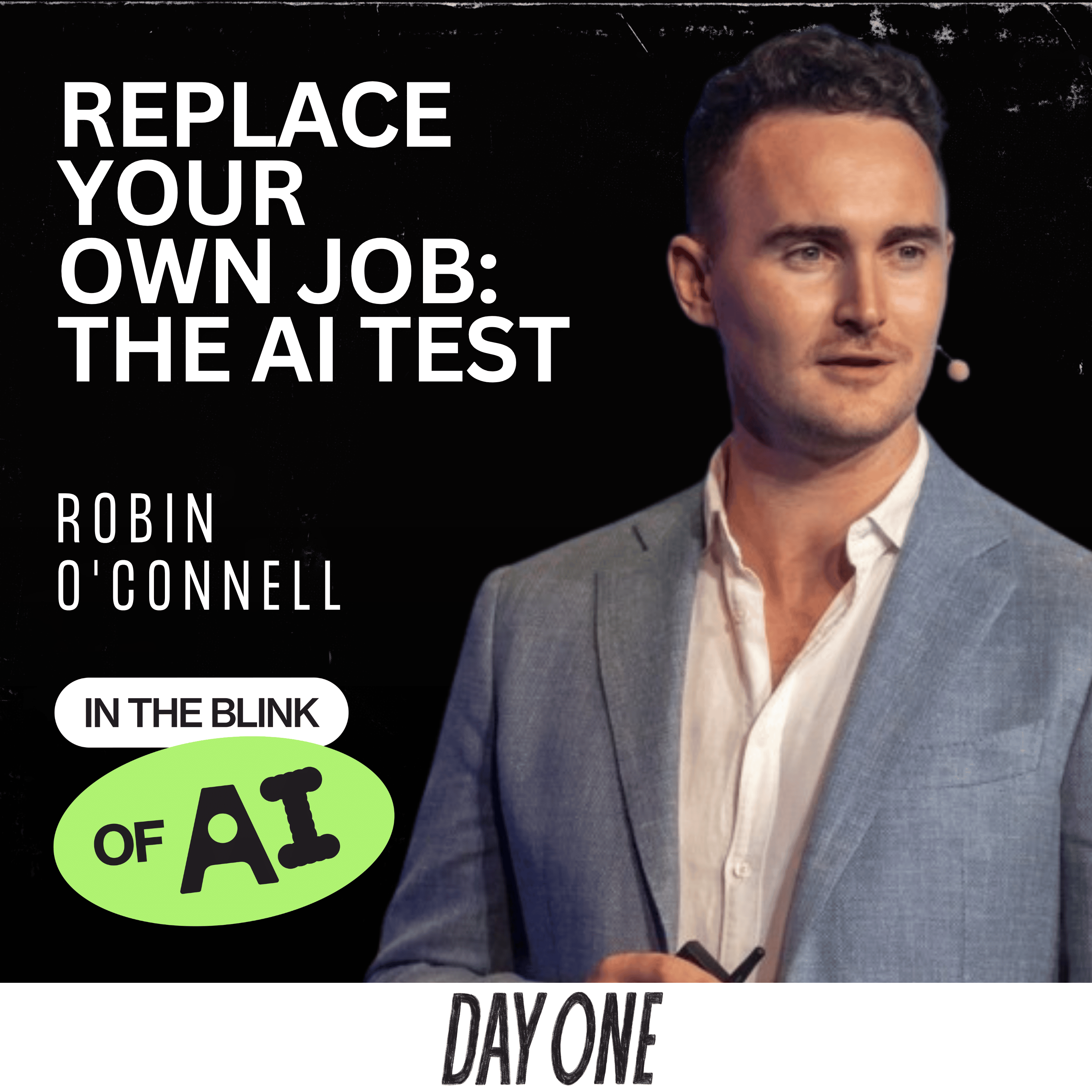
Why AI Can't Replace Marketing Strategy - with LinkedIn's Robin O'Connell
4w ago00:52:48Tap to summarizeRobin O'Connell spends his days inside LinkedIn's marketing and advertising team in Australia, working with founders and brands on content strategy - which makes him a rare voice on where AI genuinely helps marketers, and where it still falls flat. In this episode, Robin makes the case that the smartest move for any marketer right now is trying to replace parts of your own job with AI, just to find out fast what it can't do. His answer: strategy. AI can automate tactics at scale, but it still can't replace the judgement that comes from genuinely understanding a customer.Georgie and Robin get into how brands actually stand out on LinkedIn (hint: it's not by looking like Apple), why comments and DMs are a better growth signal than impressions, and how to tell when AI-written content is quietly killing your credibility.The standout story, though, is personal: Robin's dad Dennis, a serial entrepreneur in Dublin who lost his retail business during COVID, now runs a landscaping venture - and uses AI image generation on an iPad to show clients exactly what their garden will look like before a single spade hits the ground. It's one of the clearest, most human examples of AI actually changing how someone runs a small business.Find Robin on LinkedIn for more on marketing, AI, and content strategy.
Transcribe →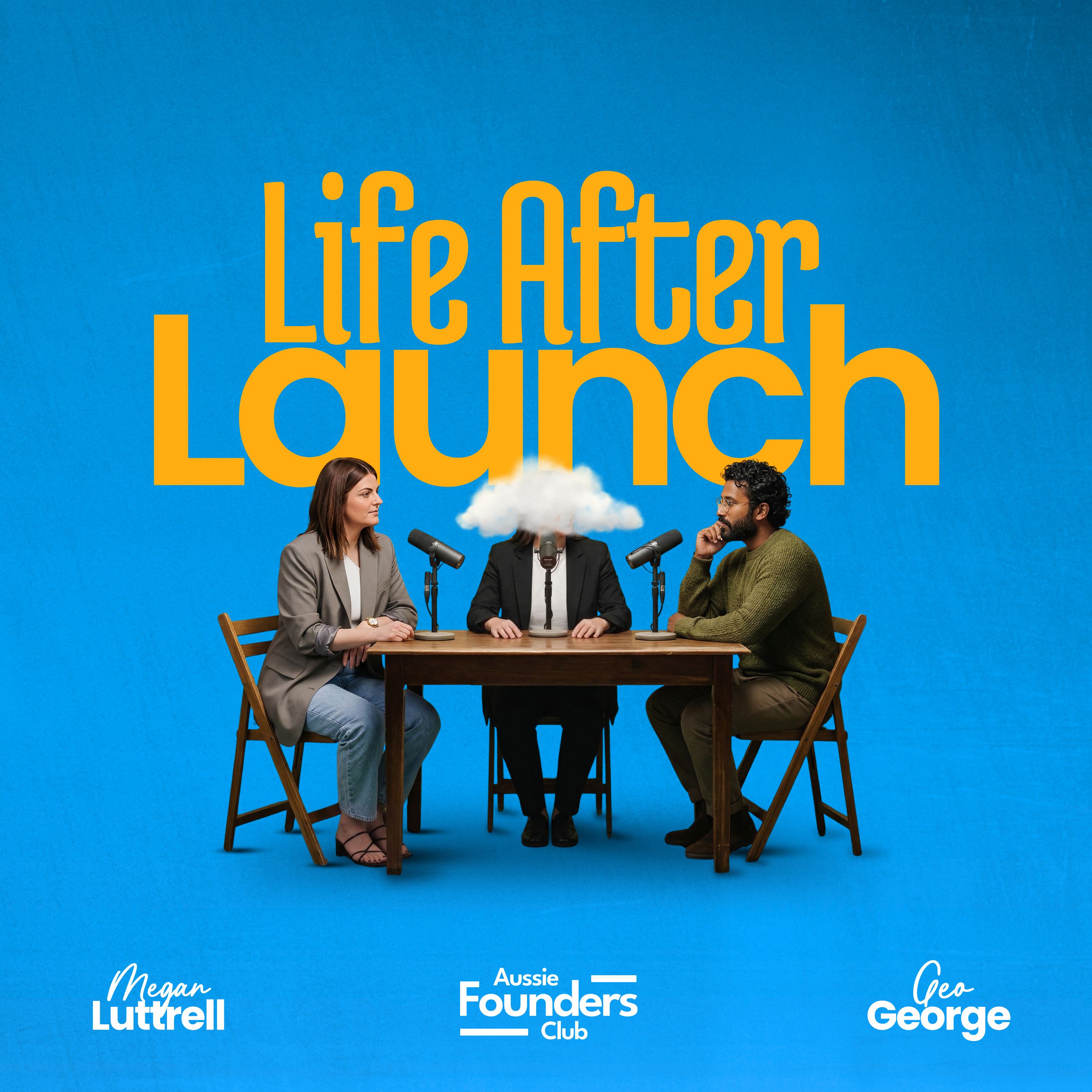
COMING SOON: Life After Launch
4w ago00:00:52Tap to summarizeWatch this space.
Transcribe →