Podcast
Deadbeat Philosophy
Hosted by Dave Baumeister · EN
10episodes
Episodes
Newest firstAll episodes
Everything has an end . . . including Deadbeat Philosophy
Dec 3101:01:40Tap to summarizeThere’s a saying in German: everything has an end, except for the sausage, which has two . . . So it is with podcasts as with human beings. Everything has its end. Everything ends, sometime. Even the sausage, which simply ends twice. Deadbeat Philosophy is no sausage (at least not in the traditional sense). Hence, its end is singular. Just like 2025: it only ends once. And its end, like that of 2025, is now.In this final episode of the Deadbeat Philosophy Podcast, Dave signs off, and leaves you with a curated sequence of short works released over the past year on the Deadbeat Philosophy YouTube channel, but not yet released as part of the podcast (or via the Hegel-Haus YouTube channel). These segments were released between April and September, and, taken together, feature treatments of 17 and 3/4 (to be exact) essential works of philosophy and literature, ancient and modern.A huge thanks to each of the fantastic guests who contributed their voices and perspectives to this project over the past year: Thibaud Henin, Lauren Eichler, Ross Heintzkill, Dan Thomas, Andrew George, Miranda Siegel, Rob Mottram, Russell Duvernoy, Eva Hoffmann, Aidan Beatty, Lucy Schultz, Justin Hagge, Patrick Reinhardt, Jim Martin, Tasha Brownfield, Chris Anderson, Brian, Ivo Martin, Tatjana Schönwälder-Kuntze, Sierra Deutsch, Caleb Ward, Jacob Barto, and Kristen Jakstis.Many thanks to all those who subscribed to Deadbeat Philosophy on Substack, including the handful of paid subscribers (see, you actually did help me feed my children!).Finally, a very special thanks to my skilled and generous counterpart at the Museum Hegel-Haus, Marie-Sophie Hoenle (without whom Deadbeat Philosophy would never have gotten off the ground) and to their excellent team at the Stuttgart StadtPalais. I look forward to our collaborations ahead.It has been a true joy developing and sharing Deadbeat Philosophy with you during 2025. While this particular project has reached its end, I might someday turn to other experiments in audio-video/new media philosophy, assuming the emerging cohort of AI-generated influencer-philosophers don’t use up all the good ideas first.So, perhaps see you again someday in digital-virtual space. In real life, for a while at least, you’ll find me down by the pond. Look around: I’ll be the guy napping under a tree with a piece of straw between his lips, a dusty paperback in his outstretched hand. No smartphone in sight.Thanks for watching, listening, and reading. Keep up the good ol’ fashioned deadbeat work. Adios and auf Wiedersehen . . .Segments and historical texts featured in the episode:I. “Ancient & Modern Political Philosophy Classics Everyone Should Read”* Plato, Republic* Aristotle, Politics* Thomas Hobbes, Leviathan* Jean-Jacques Rousseau, Discourse on Inequality* Karl Marx, The Communist ManifestoII. “A Philosopher Says: Don’t Tell Me to ‘Be Natural’!”III. “Ancient & Modern Literary Classics for Everyone”* Homer, Odyssey* Sophocles, Antigone* Beowulf* Dante, Inferno* Shakespeare, Richard IIIV. “Do Birds Have Language? The Philosophy of Birdsong” V. “Five Essential Works of Modern Philosophy”* Baruch Spinoza, Ethics* Immanuel Kant, Critique of Pure Reason* Georg Wilhelm Friedrich Hegel, Phenomenology of Spirit* Søren Kierkegaard, Fear and Trembling* Friedrich Nietzsche, On the Genealogy of MoralsVI. “A Prehistoric Feminist Psychoanalysis”* Sigmund Freud, Totem and Taboo* Simone de Beauvoir, The Second Sex This is a public episode. If you would like to discuss this with other subscribers or get access to bonus episodes, visit deadbeatphilosophy.substack.com
Transcribe →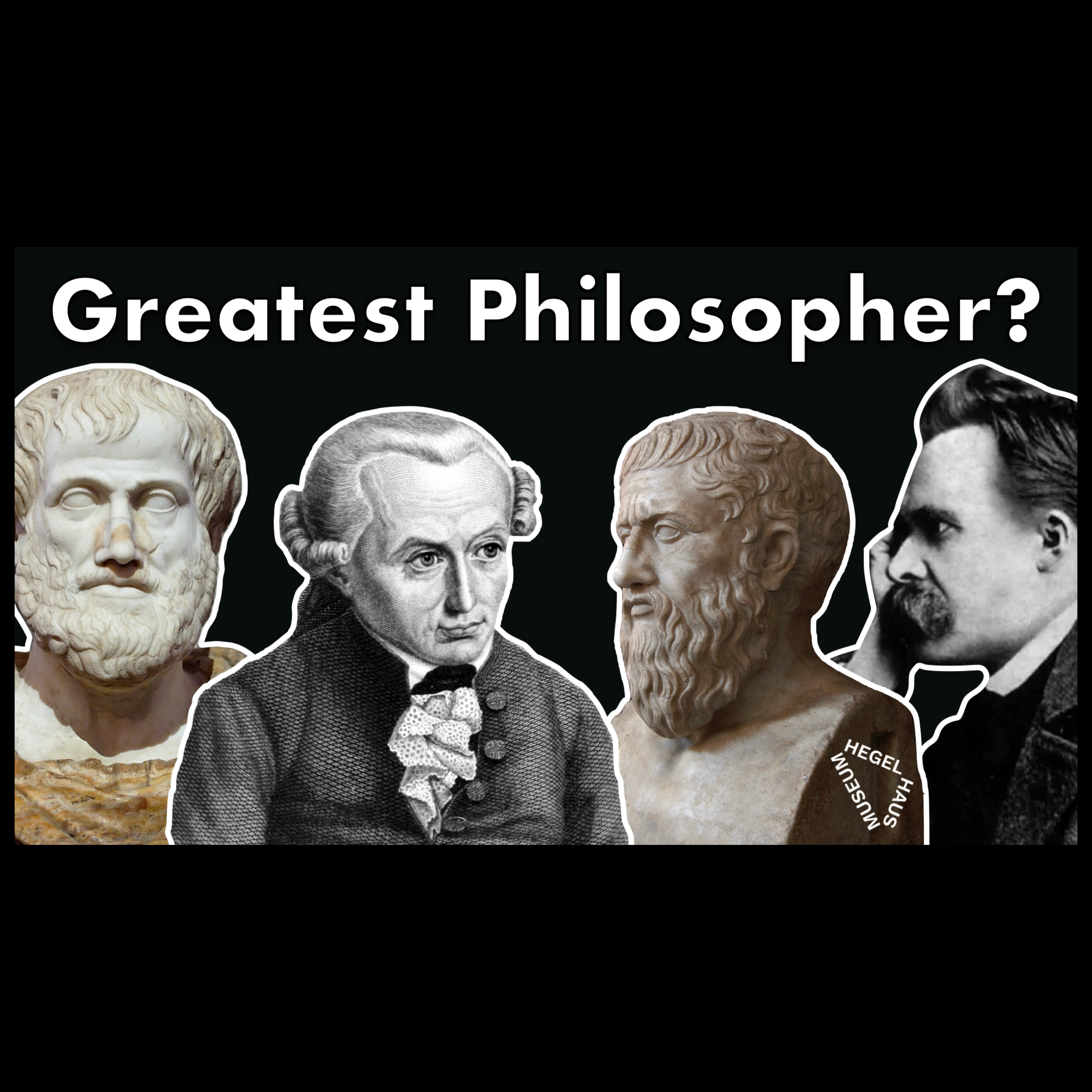
Plato vs. Kant, Aristotle vs. Nietzsche - Who’s the Greatest Philosopher?
Dec 1800:42:38Tap to summarizeIn this first of two “year in review” episodes, Dave shares two of his favorite pieces from the past year–a pair of “philosophical smackdowns” featuring titans from the history of western philosophy. The first pits Plato against Immanuel Kant, the second Aristotle against Friedrich Nietzsche. Who will win out? Whose text should you gift to your mother on mother’s day? Watch to find out!Featuring analyses of the following works:Plato, RepublicPlato, PhaedoAristotle, PoliticsAristotle, PoeticsKant, Critique of Pure ReasonKant, Groundwork for the Metaphysics of MoralsNietzsche, On the Genealogy of MoralsNietzsche, Thus Spake Zarathustra This is a public episode. If you would like to discuss this with other subscribers or get access to bonus episodes, visit deadbeatphilosophy.substack.com
Transcribe →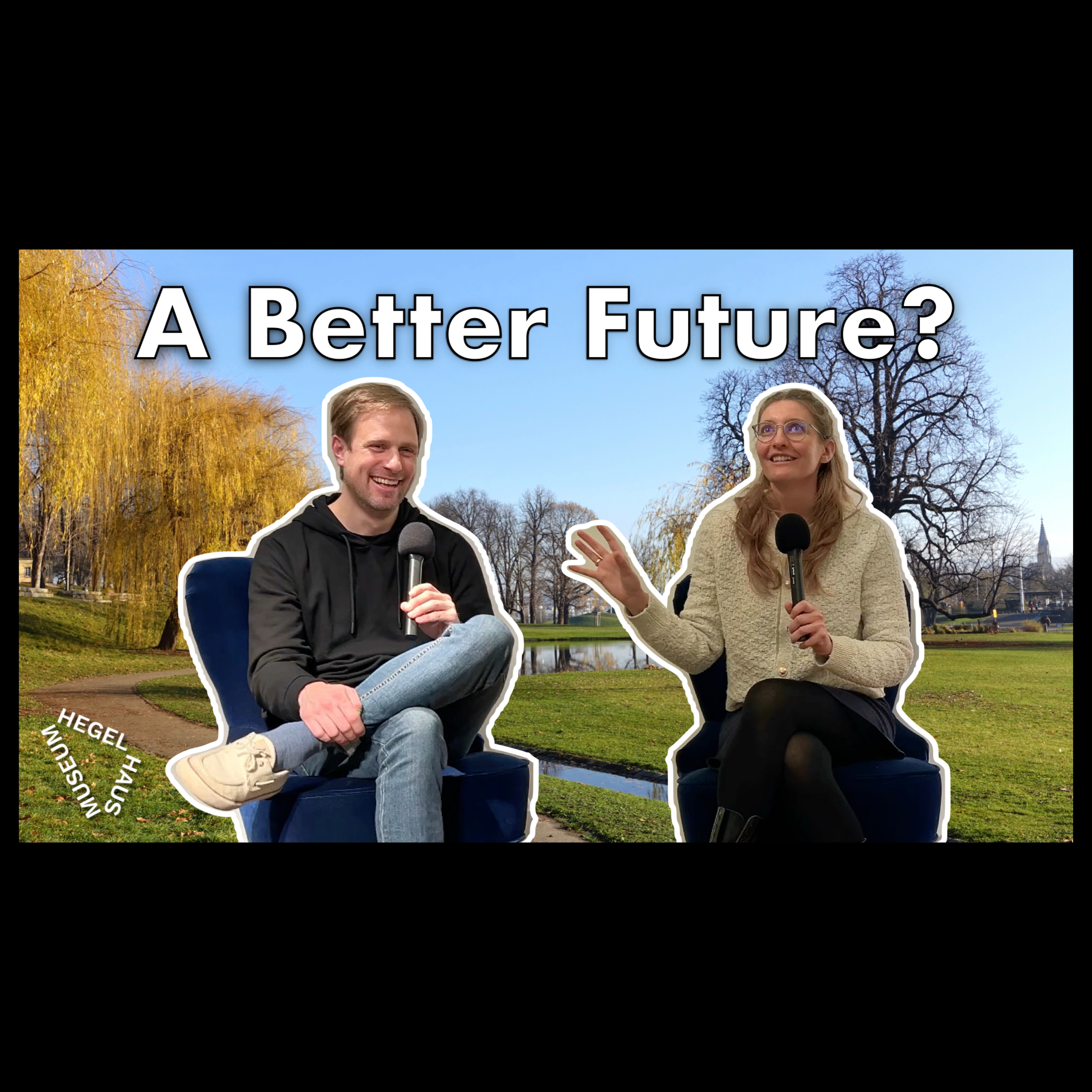
Stories for a Better Future (w/ Kristen Jakstis)
Dec 401:00:52Tap to summarizeKristen Jakstis is a researcher at the Institute for Landscape Planning and Ecology at the University of Stuttgart. In this episode, recorded live at the Museum Hegel-Haus, Dave and Kristen explore the power of storytelling as a vehicle for optimism, critique, and experimentation in the midst of the unfolding global environmental crisis. They cover Kristen’s doctoral research in urban ecology, the contribution of the history of philosophy (and of Hobbes and Rousseau in particular) to how the human/nature relationship is framed today, and the need for a “Swabian Sasquatch.” They also open a window onto the interdisciplinary project they are co-leading this semester: “Stories for a Better Future: The Power of Myth in Philosophy, Urban Ecology and Politics.”Kristen’s Recommendations:Miles Richardson, “Reconnection: Fixing Our Broken Relationship with Nature” (Book): https://findingnature.org.uk/2023/04/25/reconnection/Rob Hopkins, “From What Is to What If” (Book): https://www.robhopkins.net/2019/10/10/first-review-of-from-what-is-to-what-if/Modest Mouse, “Good News for People Who Love Bad News” (Album): https://en.wikipedia.org/wiki/Good_News_for_People_Who_Love_Bad_News This is a public episode. If you would like to discuss this with other subscribers or get access to bonus episodes, visit deadbeatphilosophy.substack.com
Transcribe →
Revolution or Collapse? On Humans and Nature (w/ Andrew George)
Nov 2001:09:45Tap to summarizeAndrew George is an Australian environmental activist and social organizer. Dave and Andrew chat about Andrew’s life on an uninsurable floodplain, the material weight and faux-permanence of urbanized consumer-capitalist existence, the peril and promise of social media and AI in our age of environmental crisis, Rousseau, Roger Hallam, and the dialectic of revolution and collapse shaping the (in)human future of planet earth.Andrew’s newsletter (subscribe!)Andrew’s Recommendations:Rutger Bregman, “Humankind: A Hopeful History” (Book)“KPop Demon Hunters” (Film)Renata Rosa, “Zunido da Mata” (Album) This is a public episode. If you would like to discuss this with other subscribers or get access to bonus episodes, visit deadbeatphilosophy.substack.com
Transcribe →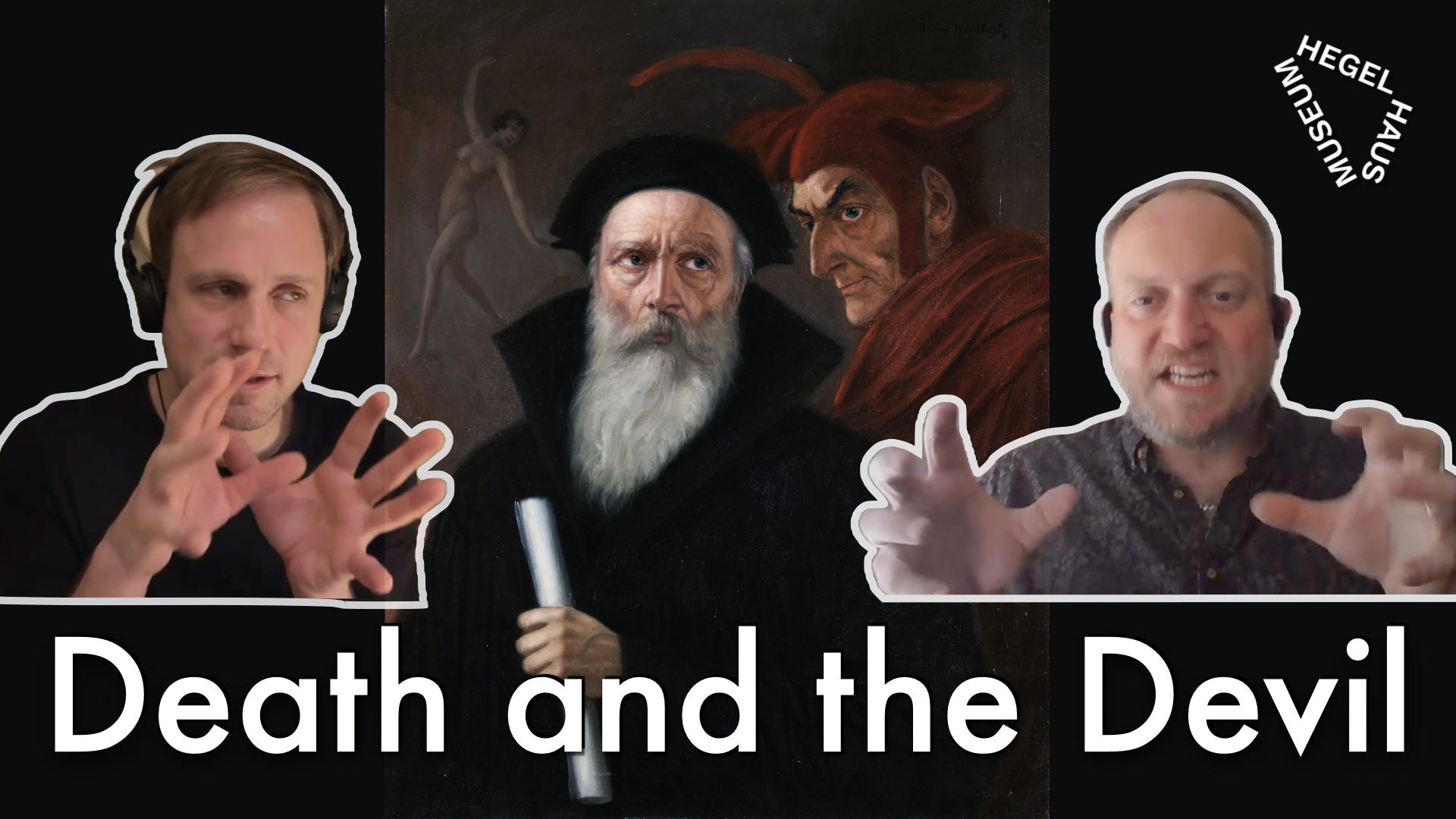
Halloween Special: Death and the Devil in Goethe, Dante, and Others (w/ Jacob Barto)
Oct 3101:26:34Tap to summarizeJacob Barto is an expert in German literature and language, currently adjunct assistant professor of German at Bellevue College. In this Halloween-themed conversation, Dave and Jacob claw their way through a splattering of spooky classics from European literary history, encountering as they go child-seducing ghosts, philosophical demon-devil hybrids, and even a few subversively bloodthirsty lesbian vampires. They end by sinking their teeth into the question: what accounts for the power that horror as a genre has within society today?Works discussed, among others: Goethe, “Erlkönig” (Poem, 1782); Goethe, “Faust” (Verse Tragedy, 1808/1832), Schubert, “Erlkönig” (Lied, 1815). Dante, “Inferno” (Poem, 1321), Sheridan Le Fanu, “Carmilla” (Novella, 1872), Benjamin, “The Origin of German Tragic Drama” (Book, 1925), Murnau, “Nosferatu – Eine Symphonie des Grauens” (Film, 1922), Herzog, “Nosferatu the Vampyre” (Film, 1979).Jacob’s Recommendations:Mikhail Bulgakov, “The Master and Margarita” (Novel, 1928–1940)Ludwig van Beethoven, “The Symphony No. 7 in A major, Op. 92” (Symphony, 1811–1812)Akiyuki Shinbo, “Puella Magi Madoka Magica” (Anime, 2011) This is a public episode. If you would like to discuss this with other subscribers or get access to bonus episodes, visit deadbeatphilosophy.substack.com
Transcribe →
What is Philosophy?
Oct 2300:38:42Tap to summarizeHow can philosophy be defined? Who can philosophize, and what roles do age, language, or geography play in one’s aptitude for philosophizing? When and where in planetary history did philosophy “begin” and will it someday “end”? To what extent should knowledge of past philosophy and philosophers determine how philosophy is done today?In this episode, Dave approaches philosophy “in a broad way” and “in a general sort of sense,” drawing upon Aristotle’s identification of philosophy with wonder and defending his own idiosyncratic definition: philosophy as the art of asking questions. This is a public episode. If you would like to discuss this with other subscribers or get access to bonus episodes, visit deadbeatphilosophy.substack.com
Transcribe →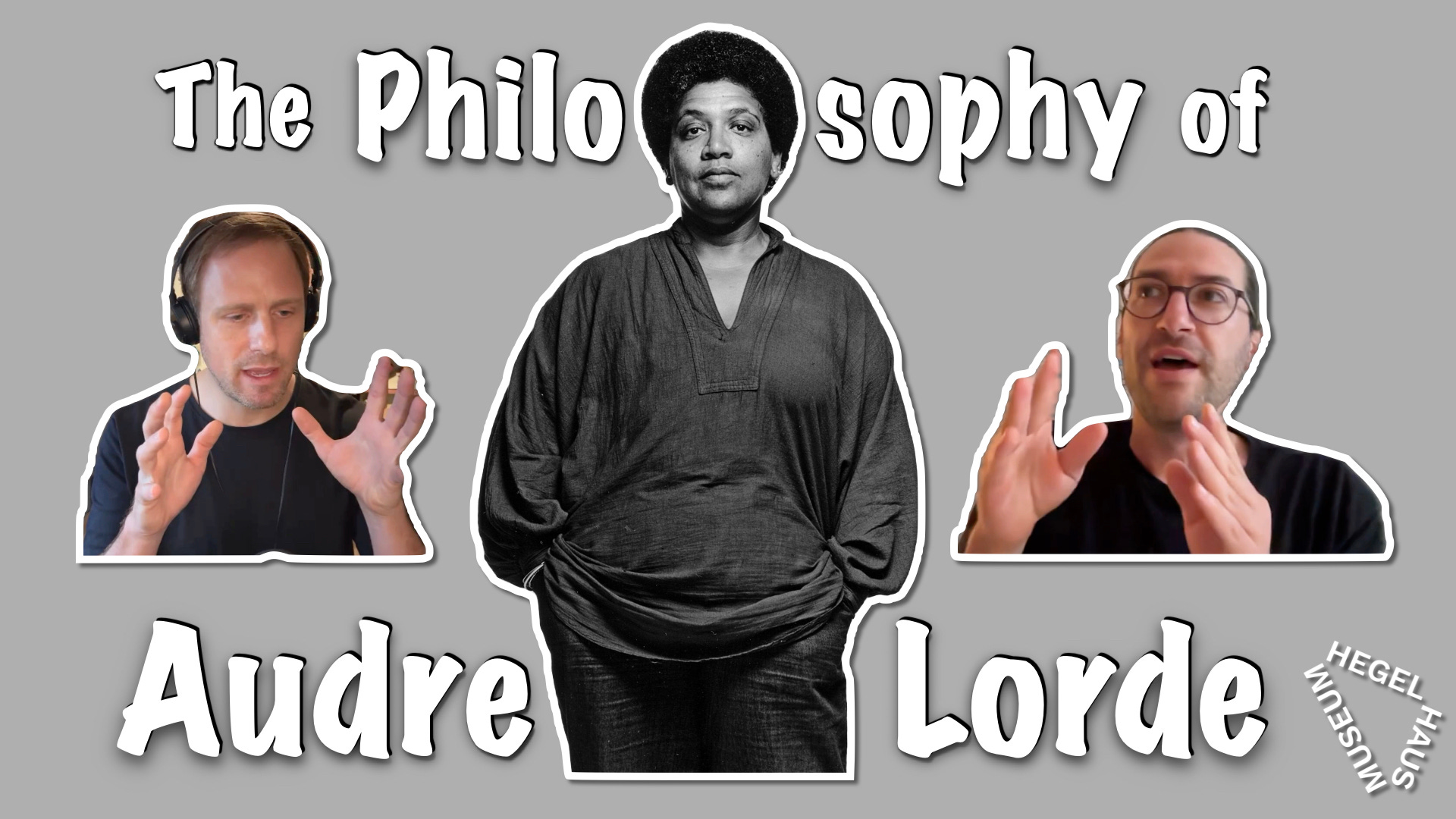
Audre Lorde as Philosopher (w/ Caleb Ward)
Oct 700:42:20Tap to summarizeCaleb Ward is postdoc in philosophy at University of Hamburg and leader of the DFG project “Moral Opposition and Political Agency under Oppression.” Author of multiple articles and book chapters, their monograph–on the philosophy of Audre Lorde–will appear in 2026.Caleb’s webpage. This is a public episode. If you would like to discuss this with other subscribers or get access to bonus episodes, visit deadbeatphilosophy.substack.com
Transcribe →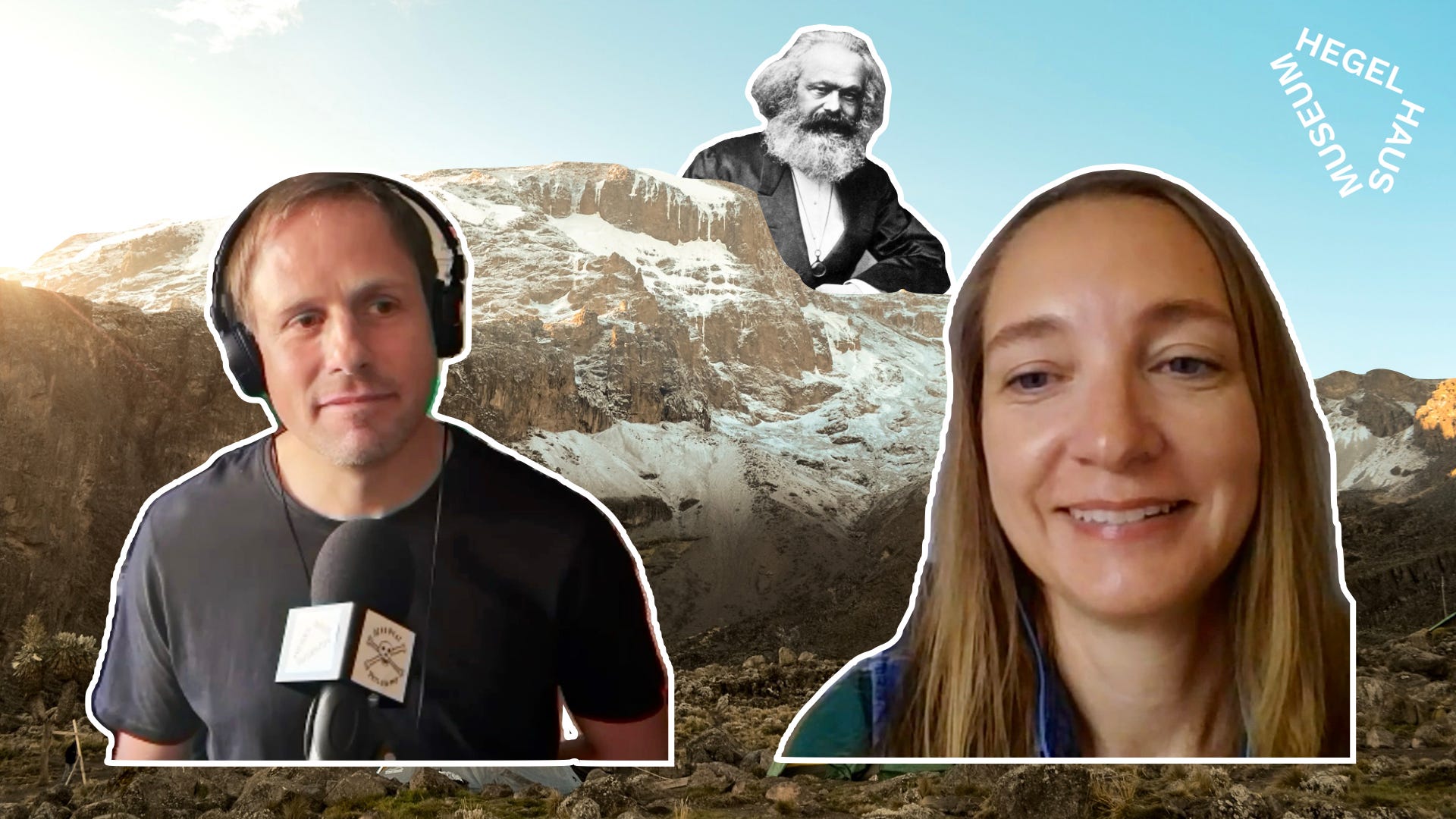
A Political Ecologist Climbs Mount Kilimanjaro (w/ Sierra Deutsch)
Sep 2301:17:52Tap to summarizeSierra Deutsch is an interdisciplinary political ecologist in the department of geography at the University of Zurich. Dave and Sierra chat about Euro-American academic identity, Sierra’s grueling recent trip to the top of Africa’s highest mountain (where she nearly developed altitude sickness), the global economic-political-environmental polycrisis, the deep tradition of Marxist environmental theory, the importance of foregrounding Indigenous voices in our efforts to combat entangled structures of colonialism and capitalist environmental exploitation, and more.Sierra’s Recommendations:Zero 7, “In the Waiting Line” (Song)Nancy Fraser, “Cannibal Capitalism” (Book)Indigenous environmental theorists–among others:Winona LaDuke, Kyle Powys Whyte, Taiaiake Alfred This is a public episode. If you would like to discuss this with other subscribers or get access to bonus episodes, visit deadbeatphilosophy.substack.com
Transcribe →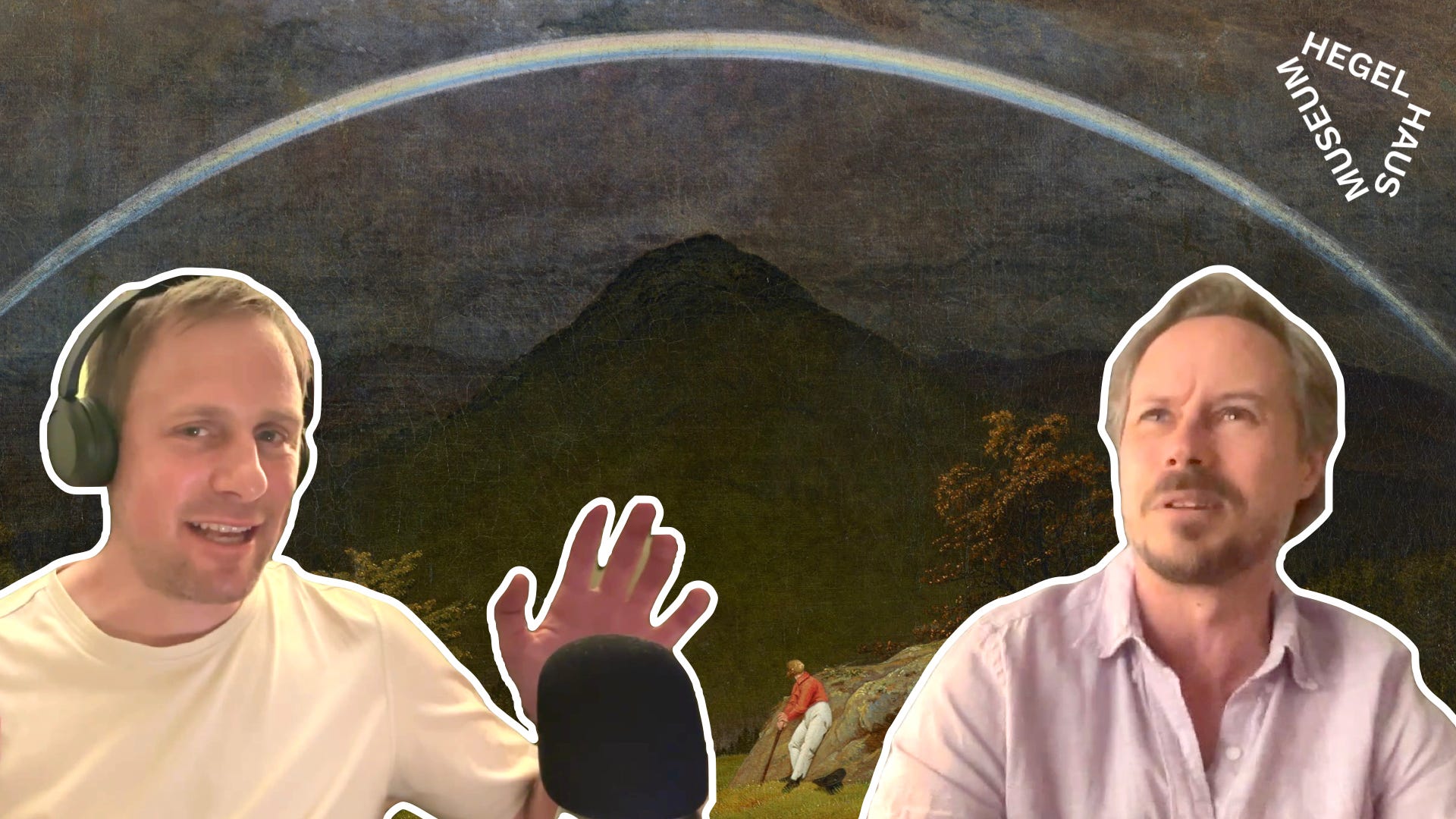
Mountain Landscape with Rainbow (w/ Rob Mottram)
Sep 900:38:42Tap to summarizeRob Mottram is a scholar of modern European literature and culture, and senior lecturer in German studies at Whitman College.Rob and Dave chat about sandwiches, nostalgia, encountering computers as kids in the 1980s and early 1990s, AI (including AI term papers and AI podcasts), the overwhelming power of aesthetic experience, Goethe’s Faust Pt. II, and Rob’s transformative melding into Caspar David Friedrich’s “Mountain Landscape with Rainbow.”Rob’s Recommendations:Don’t Go to Montana and Don’t Enter Academia!The Flaming Lips, “At War with the Mystics” and “Embryonic” (Albums):George Steiner, “Real Presences” (Book) This is a public episode. If you would like to discuss this with other subscribers or get access to bonus episodes, visit deadbeatphilosophy.substack.com
Transcribe →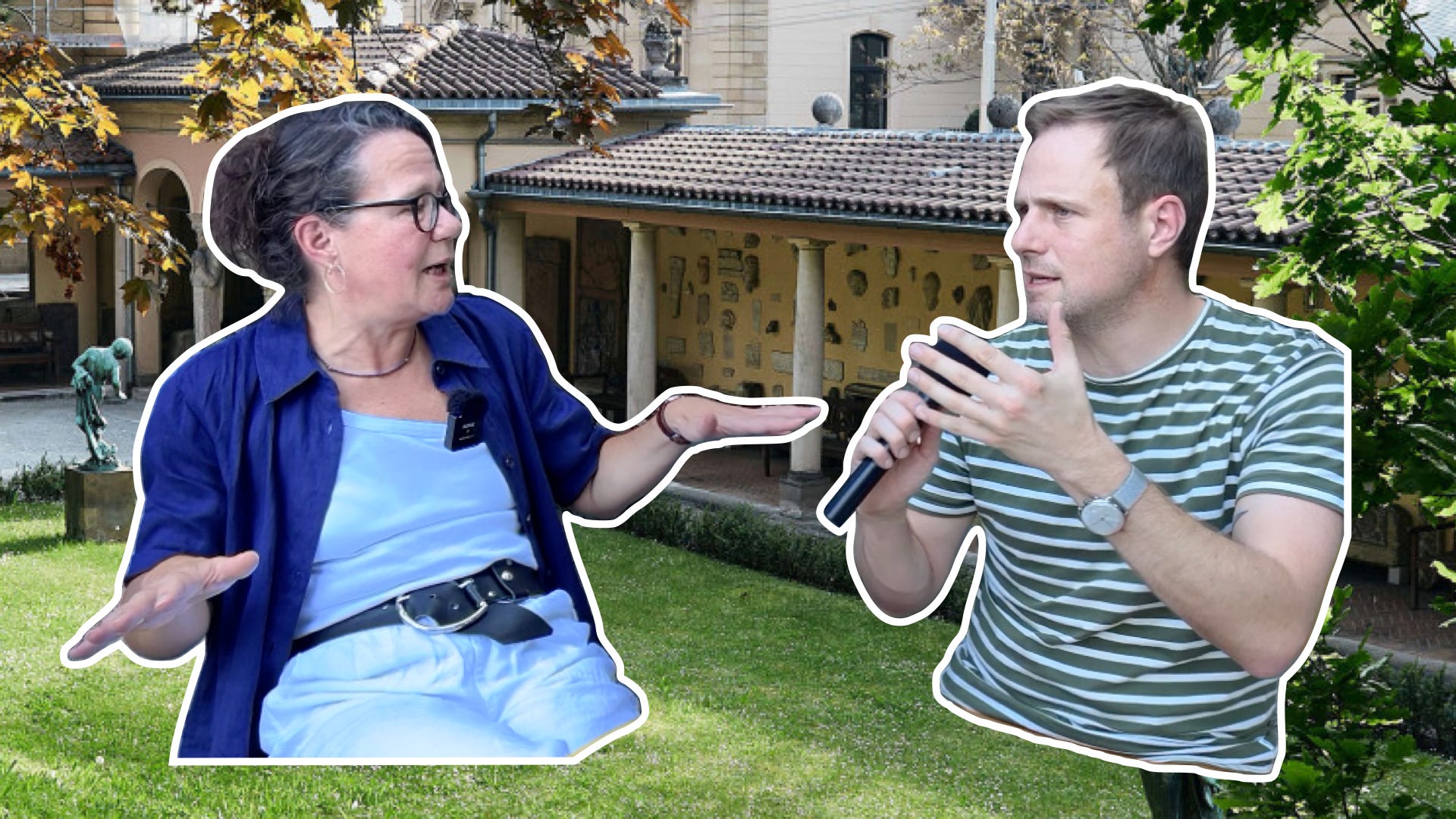
Die Freiheit der Philosophie (w/ Tatjana Schönwälder-Kuntze)
Aug 2601:06:06Tap to summarizeTatjana Schönwälder-Kuntze is a philosopher based in Munich and the author of, among other books, Freiheit als Norm? Kritische Theoriebildung und der Effekt Kantischer Moralphilosophie, Philosophische Methoden, and Judith Butlers Philosophie des Politischen: Kritische Lektüren.This is the first (but probably not the last?) German-language episode of the podcast. Recorded with a live audience at the Städtisches Lapidarium Stuttgart: https://www.lapidarium-stuttgart.de/Tatjana’s Recommendations:Ilija Trojanow, “Der Weltensammler” (Novel)Prince, “Sign o’ the Times” (Album)Lasse Hallström, “Gottes Werk & Teufels Beitrag” (Film) This is a public episode. If you would like to discuss this with other subscribers or get access to bonus episodes, visit deadbeatphilosophy.substack.com
Transcribe →