← Decoder Ring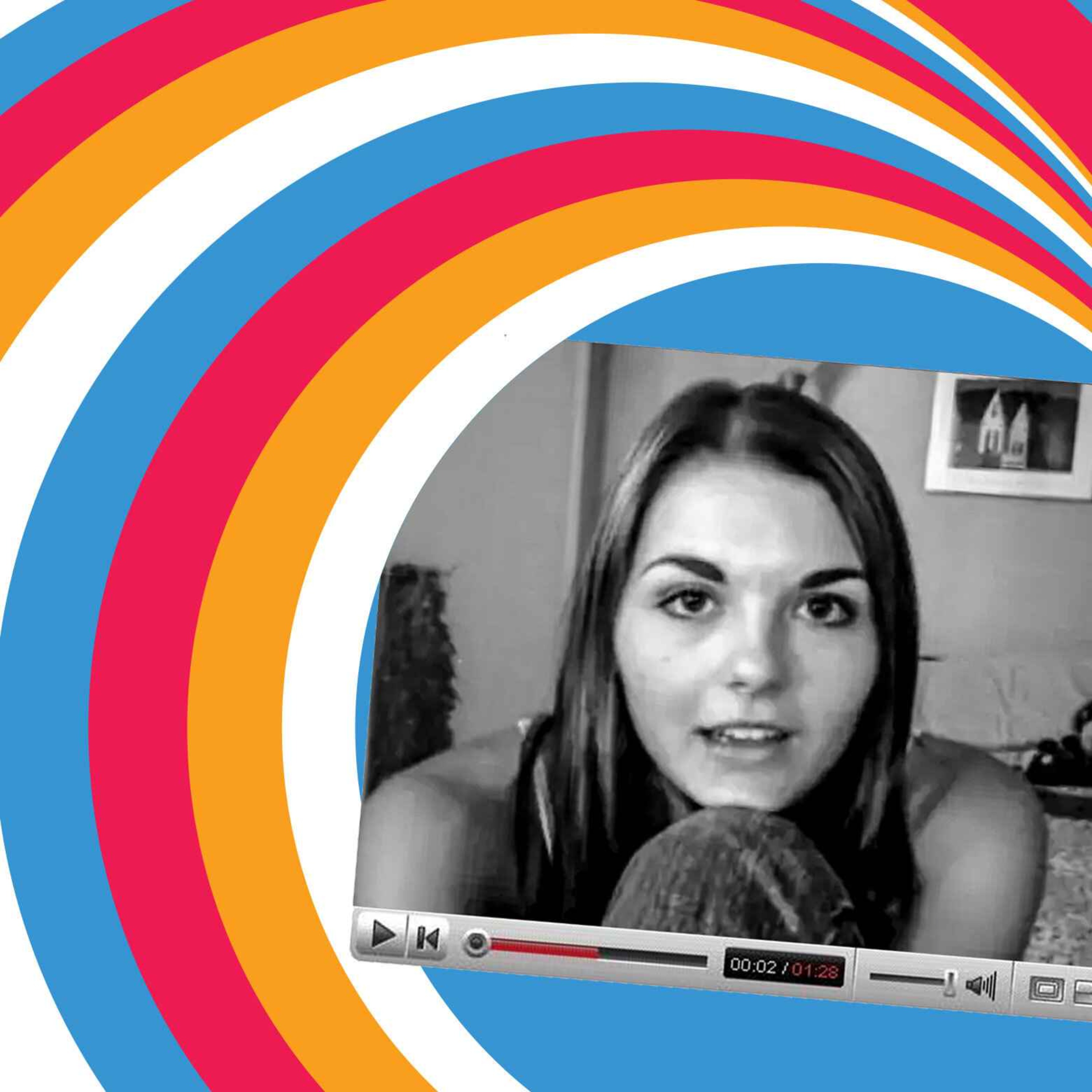
Decoder Ring
Who Was Lonelygirl15?
00:58:50
20 years ago, a teenage girl talking to her camera took the internet by storm. She was not who she seemed.
Loading summary
Transcript300 lines
- [00:00]
Paige Desorbo
Hey, this is Paige desorbo from Giggly Squad and today I want to talk to you about Boost Mobile. Quick question. Why are we letting our phone bills bully us? Here's a money tip. Stop paying a carrier tax when you bring your own phone and Switch to boost mobile's $25 unlimited forever plan. You can unlock up to $600 in savings. That's real life money, not money trapped in a pricey phone bill. $600 is a trip, a shopping spree, or paying something off. Your money belongs in your life. You get unlimited data, talk and text for $25 a month with with no contracts and no minimum line requirements. Your phone, your rules. Head to boost mobile.com to switch today and unlock the savings you actually deserve. After 30 gigabytes, customers may experience lower speed. Customers pay $25 per month while active on Boost Mobile Unlimited Plan savings claim based on a January 2026 Boost Mobile survey comparing average annual payments of major carrier customers to 12 months on the Boost Mobile Unlimited plan. Visit boost mobile.com for details.
- [00:56]
Lowe's Advertiser
Pros Just because something on the job runs out doesn't mean you have to order it. Lowe's app Myloes Pro Rewards members get free same day delivery on eligible orders over $25. Get the fasteners, hardware or tools you need to keep the job Moving. Order by 2pm and get eligible in stock items delivered right to your job site by 8pm members get more at Lowe's Loyalty program subject to terms and conditions Subject to availability restrictions and terms@lowe's.com shippingterms subject to change.
- [01:32]
Narrator / Willa Paskin
In 2006, Virginia Heffernan was a TV critic at the New York Times and regularly doing something that is now very common but at the time was pretty unusual. She was watching a lot of YouTube,
- [01:44]
Virginia Heffernan
which still my colleagues had not heard of. I think we had to call it like the video hosting clearing house or whatever.
- [01:53]
Narrator / Willa Paskin
YouTube had just been born the year before, in April 2005, and on the Internet there really is. Before YouTube and after YouTube. Before YouTube there were online videos, but distributing, finding and watching them was a pain. You had to download them on your computer or they were shared in email attachments and on janky websites.
- [02:13]
Virginia Heffernan
There was always this buffering, buffering, buffering, you know, and you would crash the site that you were downloading from.
- [02:19]
Narrator / Willa Paskin
After YouTube there was an easy way to watch videos and there was an easy, easy way for anybody to make and upload their own. Virginia was thrilled.
- [02:29]
Virginia Heffernan
I like the idea of creators like that. They were making little films in these early days.
- [02:36]
Narrator / Willa Paskin
Most YouTube content did not yet rise to this description, but there was lots of experimentation. Skateboard fails, parody movie recuts, lots of cats, and a burgeoning genre Virginia thought of as such sad girl videos.
- [02:52]
Virginia Heffernan
You know, like teenage girls sort of like, leaning into the camera, talking about their problems about the breakup.
- [02:58]
Narrator / Willa Paskin
It was pretty much my fault because I lied and told him that I was home doing homework.
- [03:03]
Mesh Flinders
But instead, I was at my friend's
- [03:04]
Narrator / Willa Paskin
house sleeping over, and Virginia was watching all of this.
- [03:09]
Virginia Heffernan
I just really wanted to see where the form was going. It all seemed like online video was a footnote, but I was looking for it to take on a life of its own.
- [03:19]
Narrator / Willa Paskin
And then one day, a video caught her eye.
- [03:22]
Virginia Heffernan
I mean, I was drawn to the thumbnail. I saw this really kind of beautiful, striking face looking at the camera, diary style.
- [03:33]
Jessica Rose (as Bri / Lonelygirl15)
Well, I guess a video blog is about me. My name is bre. I'm 16. I don't really want to tell you where I live because you could, like, stalk me. Yeah.
- [03:45]
Narrator / Willa Paskin
In the video, Bri has long brown hair parted to the side, and she seems a little nervous. She keeps breaking eye contact, and her knee is pulled up to her chin, and she's hugging it as if for comfort.
- [03:57]
Jessica Rose (as Bri / Lonelygirl15)
Well, what you need to know about my town is that it's really boring. Like, really boring. Really, really boring. That's probably why I spend so much time on my computer.
- [04:09]
Narrator / Willa Paskin
Behind her, you can see her bedroom. There's a stuffed animal on the bed and a pink feather boa hanging off a doorknob. And she's just talking.
- [04:17]
Jessica Rose (as Bri / Lonelygirl15)
I didn't really have a plan for this video blog, but I guess I'll just do this.
- [04:26]
Narrator / Willa Paskin
She pulls a bunch of goofy faces and signs off.
- [04:29]
Jessica Rose (as Bri / Lonelygirl15)
Okay, I hope you guys enjoyed that.
- [04:32]
Jessica Rose (Interview)
Bye.
- [04:34]
Virginia Heffernan
You know, I just have always, always loved to figure out how other people live in their rooms. And I was like, what is this girl alone in her thinking about?
- [04:44]
Narrator / Willa Paskin
Virginia started watching all of Bree's videos. There were a few each week. Sometimes Brie would just do things like lip sync to Nellie or talk about how much she loved science.
- [04:55]
Jessica Rose (as Bri / Lonelygirl15)
The Uncertainty principle states that no one can truly observe the universe in its present state because as soon as you look at it, it changes.
- [05:04]
Narrator / Willa Paskin
Other times, she'd share about her life.
- [05:06]
Jessica Rose (as Bri / Lonelygirl15)
Well, I'm homeschooled. And that's not weird or anything. If you're thinking that it is. It's not. It's not. It's not. Okay.
- [05:14]
Narrator / Willa Paskin
From the vantage of now, these videos look beyond familiar. They're of a cute teenage girl speaking Direct to camera, about nothing much. They're akin to millions of YouTube videos, millions of Instagram Reels, millions of TikToks. But when Virginia was watching in 2006, this format was newly possible, and she started to feel Bri might be exactly who she'd been looking for. Someone giving audiences a front row seat to a previously inaccessible experience. In this case, the inner life of a teenage girl. And doing so in videos that were better crafted than those of the other vloggers out there. Regina started to write about Bri all the time on screens. One of the New York Times first ever blogs.
- [06:03]
Virginia Heffernan
I really wanted to signal you should be interested in this.
- [06:06]
Narrator / Willa Paskin
And in the summer of 2006, hundreds of thousands of people were interested as Bri, who published under the online handle lonelygirl15, became a sensation. Meet this summer's Internet superstar, Bree, or Lonely Girl 15.
- [06:24]
News Reporter
Her videos have been seen more than
- [06:26]
Narrator / Willa Paskin
2 million times on the Internet.
- [06:28]
Miles Beckett
The moment she appeared there, thousands reached
- [06:30]
Mesh Flinders
out just to be her her friend.
- [06:33]
Narrator / Willa Paskin
Lonely Girl 15 was the first proper YouTube star. She was charismatic, she was magnetic, she was obsessed over, and she was also not at all what she seemed. This is Dakota Ring. Hi, I'm Willa Paskin. 20 years ago feels both very recent and simultaneously like it was a long time ago. In my own experience, I usually feel like it was just two decades ago, like time's flying. But so much has happened since, especially online. In 2006, people were finally on the Internet in massive numbers. And yet social media platforms, iPhones, YouTube, they were still brand new. It's an in between time, near and far, familiar and strange. And into this moment burst lonelygirl15, an in between times phenomenon, if there ever was one. She briefly became the most famous YouTuber in the world, even though for a while nobody knew anything about her. The impassioned quest to identify her is an artifact of this earlier era, but one that helped birth the Internet as we know it. An Internet that's full of video diaries and parasocial relationships, influencers, hyper engaged fandoms, and the knowledge that you cannot always believe your eyes. So today on Decoder Ring, what happens when a viral phenomenon is right on time and also a little bit too soon? So lonelygirl15 became extraordinarily popular in the summer of 2006. And I want to walk you through exactly how that happened, because it's a little hard to understand today. The early videos especially are very low key, like Bri sitting in her bedroom playing with her stuffed animals. Low key?
- [08:57]
Jessica Rose (as Bri / Lonelygirl15)
I can't believe I didn't bring out the purple monkey puppet. She doesn't like to know that she's a puppet.
- [09:04]
Narrator / Willa Paskin
She also spends lots of time hanging out with her friend Daniel, who edits her videos.
- [09:09]
Jessica Rose (as Bri / Lonelygirl15)
Daniel, what are you reading?
- [09:11]
Narrator / Willa Paskin
Who is too bad for that's not stupid.
- [09:15]
Jessica Rose (as Bri / Lonelygirl15)
I like this hat. It's from Australia. Do you like this hat?
- [09:20]
Narrator / Willa Paskin
Is that all? And it's whatever was going on between her and Daniel, their whole will they, won't they thing, that really drove interest in the videos. At first, people watching and commenting on YouTube, especially other teenagers, wanted to know if the two of them liked each other. But Bri would brush it off in the comments and in emails and even in occasional response videos.
- [09:42]
Jessica Rose (as Bri / Lonelygirl15)
So a lot of you guys were commenting and I was. I mean, I was laughing at the fact that everybody was saying that he liked me and that asking us if we were dating and if we liked each other.
- [09:56]
Narrator / Willa Paskin
That's what the videos were like at first, a charming window into teen life with maybe a dash of IRL Dawson's Creek. But then in early July reposted a video called My Parents Suck.
- [10:10]
Jessica Rose (as Bri / Lonelygirl15)
I'm really upset right now. Daniel and I were supposed to go hiking today. Then my parents said that we couldn't go.
- [10:22]
Narrator / Willa Paskin
It was the first time she had been anything other than sweet and peppy. It was also the first mention of any conflict with Daniel or with her parents, who seemed both strict and devout.
- [10:33]
Jessica Rose (as Bri / Lonelygirl15)
I understand that we have certain beliefs and that means that I can't do the same things as other kids all the time.
- [10:41]
Virginia Heffernan
Maybe it just was the trapped ness, you know, I loved that this might be a little rebellion.
- [10:46]
Narrator / Willa Paskin
Virginia Heffernan at the New York Times was watching all of this, and the intimation that Bree's videos might be a reaction to her parents controlling tendencies fascinated her.
- [10:57]
Virginia Heffernan
Girl trapped in her room, who has zero people to talk to, turns out to be talking to tens of thousands of people online
- [11:06]
Narrator / Willa Paskin
by now. Just a few weeks in, Lonely Girl did have tens of thousands of view. The videos were climbing YouTube's most commented and most watched charts. And much of that audience was doing something that we now expect but was pretty new online. They were totally fanning out.
- [11:27]
Virginia Heffernan
Everyone was like squealing about the tiniest flat turn, just like, what is this? What is going on in this girl's life?
- [11:37]
Narrator / Willa Paskin
On YouTube and even more so on online forums devoted to Lonely Girl, a feverish conversation was going on. Not about Bree's crushes, but about her life. For all that Brie had seemed to share, there was just a lot of basic Information she had withheld, like her last name, like where she lived, like, what religion her family really belonged to.
- [11:57]
Chris Patterson
Yeah, we would overanalyze every single detail in the scene. Did you see this or did you notice? Or what about when she said Chris
- [12:04]
Narrator / Willa Paskin
Patterson lived in Tulsa, Oklahoma, and became a mainstay on the forums?
- [12:09]
Chris Patterson
You know, you're making a game of it. It's like people used to get together on Thursday night and watch Friends. Well, we would get together and review the episode right after it aired.
- [12:17]
Narrator / Willa Paskin
And then they would try to come up with answers like, well, where do
- [12:20]
Chris Patterson
you think she is? She's 100 miles from the nearest mall. Is it rural Idaho? People were, like, trying to look at indigenous plants.
- [12:28]
Narrator / Willa Paskin
Someone claiming expertise in botany zeroed in on the flora found in the videos when Bree and Daniel went for a hike.
- [12:36]
Miles Beckett
Why don't you wear your hiking boots?
- [12:38]
Narrator / Willa Paskin
They claim to spot a specimen of a plant n to California, leading posters to conclude she must be living somewhere in the Sierra Nevada mountains. As the summer progressed, they got more hints about her religion too, as Bri kept making more oblique references to it.
- [12:55]
Jessica Rose (as Bri / Lonelygirl15)
Yeah, it's a religious camp and we, we learn a little bit about religion and we, we do fun activities.
- [13:02]
Narrator / Willa Paskin
At one point, Bri made it clear that whatever her family's beliefs were, they weirded Daniel out.
- [13:08]
Jessica Rose (as Bri / Lonelygirl15)
It's not like anybody just, like, came up to him and was trying to recruit him or change him or make his beliefs any different. It's. That's not what we do now.
- [13:19]
Narrator / Willa Paskin
The forum started to ask trickier questions than, does she like Daniel and where does she live? They started to wonder, is she okay?
- [13:28]
Jenny Powell
A friend of mine, he actually came to me because he was concerned. He was kind of like, I think she's in a cult or something. And I was like, what? What are you talking about?
- [13:38]
Narrator / Willa Paskin
Jenny Powell hadn't been watching Lonely Girl until her friend expressed his alarm. Intrigued, she found one of the forums dedicated to it and instantly fell deep into the conversation.
- [13:48]
Jenny Powell
Every day I was online talking to fans, it was clear there was an audience that had kind of rallied around her and they were concerned.
- [13:57]
Narrator / Willa Paskin
They only became more worried in early August when Brie posted a video about an off camera conversation between Daniel and her father.
- [14:05]
Jessica Rose (as Bri / Lonelygirl15)
So today I decided that I was gonna find out what Daniel and my dad talked about.
- [14:11]
Jenny Powell
Like, Bree was just talking and, like, moving her camera around, which she didn't do a lot. She usually had her camera just steady. But at one point, she was talking to Cameron. She was moving it around, and they spotted like a Shrine in the background.
- [14:26]
Jessica Rose (as Bri / Lonelygirl15)
Did he ask you if you stop? No.
- [14:28]
Narrator / Willa Paskin
What?
- [14:28]
Jessica Rose (as Bri / Lonelygirl15)
Stop.
- [14:29]
Narrator / Willa Paskin
Stop.
- [14:30]
Jenny Powell
And like, everybody took that video apart.
- [14:33]
Narrator / Willa Paskin
And when they freeze framed and zoomed in on the shrine, they realized there was a photograph there of a man and someone recognized him as Aleister Crowley, the famed British occultist. In the early 20th century, Crowley was an infamous practitioner of performative dark magic, a public figure who founded an esoteric religion and was dubbed the wickedest man in the world by the British tabloids. At the sight of Crowley, some viewers became more frantic than ever on Bree's behalf.
- [15:12]
Chris Patterson
I think people were like, is she captive? Is it some weird, you know, ritualistic thing? You know, is this a cry for help?
- [15:19]
Jenny Powell
It's like, what do you do, call the police and say, hey, there's this girl. We can't, like, force her. We don't know where she is.
- [15:26]
Narrator / Willa Paskin
And yet there was a growing faction within the lonelygirl15 community that was now circling another possibility. It was the same group of people who had noticed that Bree's videos were unusually well edited, who had noticed that her lighting was really good, who had heard what they thought was an Australian accent sneaking out of Bree's mouth from time to time, who thought it was a little strange that someone who was posting to YouTube all the time had basically no other Internet footprint to speak of. These people were starting to feel increasingly confident that Bree was not a member of a dangerous cult, and that's because they were increasingly confident that the whole thing was made up.
- [16:15]
Chris Patterson
Yeah, I was like, this is not a real blog post.
- [16:19]
Jenny Powell
This is somebody scripting something and they're trying to play it off as real.
- [16:24]
Narrator / Willa Paskin
I mean, Aleister Crowley. Aleister Crowley shows up in your B movie when you want to signal someone's got an intimate relationship with Satan, the character of Brie.
- [16:34]
Miles Beckett
It got out of our control. I didn't think it would be that big.
- [16:41]
Narrator / Willa Paskin
When we come back, the truth behind lonelygirl15
- [16:48]
Virginia Heffernan
foreign.
- [16:52]
Narrator / Willa Paskin
Is sponsored by Nerd Wallet's Smart money podcast. Nerd Wallet Smart Money Podcast breaks down financial decisions. With a team of trusted journalists, you'll get research backed insights and clear pros and cons. Whether you're planning a big purchase or just want to grow your wealth, they explain the why behind decisions like investing home buying and choosing credit cards. With clear research backed insights. No jargon, no misinformation. Make your next financial move with confidence. Follow NerdWallet's Smart Money podcast on your favorite podcast app.
- [17:29]
Paige Desorbo
Hey, this is Paige Desorbo from Giggly Squad, and today I want to talk to you About Boost Mobile Quick question. Why are we letting our phone bills bully us? Here's a money tip. Stop paying a carrier tax when you bring your own phone and Switch to boost mobile's $25 unlimited forever plan. You can unlock up to $600 in savings that' life money, not money trapped in a pricey phone bill. $600 is a trip, a shopping spree, or paying something off. Your money belongs in your life. You get unlimited data, talk and text for $25 a month with no contracts and no minimum line requirement. Your phone, your rules. Head to boost mobile.com to switch today and unlock the savings you actually deserve. After 30 gigabytes, customers may experience lower speed. Customers pay $25 per month while active on Boost Mobile Unlimited Plan savings claim based on a January 2026 Boost Mobile survey comparing average annual payments of major carrier customers to 12 months on the Boost Mobile Unlimited plan. Visit boostmobile.com for details. Hey, it's Paige from Giggly Squad. And if you've been thinking about tackling any home or yard projects lately, this is your sign. Lowe's Spring Fest is on Lowe's Spring Fest is happening right now at Lowe's, featuring great deals to help you refresh your homes and outdoor spaces. Just in time for spring. We talked about airing out your home and Lowe's is just taking it to the next level. You can save up to 40% on major indoor appliances and help supercharge your chores. Springfest is happening now and our best lineup is here at Lowe's, valid through April 22, 2026, while supplies last selection varies by location. See lowe's.com for details. Mulch offer excludes Alaska and Hawaii.
- [19:12]
Narrator / Willa Paskin
By August of 2006, Lonely Girl was the most popular vlogger on YouTube and questions about her identity had reached a fever pitch. Who was she? Was she real? Was she fake? Was she a hoax? What viewers didn't know yet was the truth, which is that among other things, lonelygirl15 was the co creation of a disillusioned plastic surgeon.
- [19:34]
Miles Beckett
I was like, I should not be a doctor. I don't want to be a doctor. This is stupid. Why am I being a doctor?
- [19:40]
Narrator / Willa Paskin
Miles Beckett was born and raised in the Valley. An ambitious straight A student, he wound up in medical school because, he says, he didn't have any better ideas. Becoming a doctor was prestigious, remunerative, and the career path was clear. None of this was necessarily the case about a career in the field. Miles was truly interested in entertainment, so he told himself he'd do Both.
- [20:02]
Miles Beckett
I was just very much like, okay, I'm gonna be like Michael Crichton. That was kind of always my vision. It was like, oh, he went to med school. But then, like, he made ER and he made Char. Jurassic park. And, like, I can do all that too.
- [20:14]
Narrator / Willa Paskin
But by 2005, the Jurassic park dream hadn't materialized. Miles was in his mid-20s, living in LA and working a day job as a doctor. His side hustle, which he wanted to be his main hustle, was making online video shorts with comedians. But they weren't really going anywhere because it was hard to get online videos to a big audience. And then along came YouTube.
- [20:40]
Miles Beckett
I was literally just like, oh, my God, YouTube is the greatest thing ever. This is gonna take over Hollywood. Like, it's gonna happen now.
- [20:48]
Narrator / Willa Paskin
Miles became a super user, and of all the stuff he was watching, he, too was captivated by one genre in particular.
- [20:55]
Miles Beckett
It was literally just kids blogging in their bedrooms. So turning on their camera and talking
- [21:03]
Jessica Rose (as Bri / Lonelygirl15)
about their lives tomorrow is like a short day at school. Yeah, I have to, like, practice piano.
- [21:09]
Miles Beckett
I don't want to go to school. My life is boring. My parents suck.
- [21:14]
Narrator / Willa Paskin
My mom is trying to kill me.
- [21:15]
Jessica Rose (as Bri / Lonelygirl15)
Okay?
- [21:16]
Narrator / Willa Paskin
She made me take on things that cover my windows because she said I'm a freak. I don't.
- [21:20]
Paige Desorbo
I don't get it.
- [21:23]
Narrator / Willa Paskin
One night, as Miles was falling asleep, a thought popped into his head. Maybe there was a way to take all of these earnest, personal, homemade videos he'd been watching and put a twist on them.
- [21:37]
Miles Beckett
What if somebody was uploading videos to YouTube and they were not telling the truth? You wouldn't be able to tell if it was true or if it wasn't true.
- [21:51]
Narrator / Willa Paskin
There was no way to know if the people appearing in these videos were who they said they were. Which meant you could invent a fictional character and just not tell anyone. Do your best to make it seem authentic, and viewers might believe it was a real kid with a real video diary. Unlike now, there was still a kind of default assumption that, especially on video, coming across as real was hard to fake. And Miles was familiar with work that had played around with these kinds of assumptions before. He'd loved the Blair Witch Project, an independent horror movie that claimed to be made of found footage.
- [22:30]
Jessica Rose (as Bri / Lonelygirl15)
It's all full of blood.
- [22:34]
Narrator / Willa Paskin
And he'd been fascinated to learn about Orson Welles, War of the World's radio broadcast, which had aired back in 1938,
- [22:40]
Miles Beckett
which I always thought was, like, the craziest, coolest thing ever. That, like, the world, for a minute thought aliens were Invading. Good heavens.
- [22:47]
Narrator / Willa Paskin
Something wriggling out of the shadow like a gray snake.
- [22:50]
Miles Beckett
Now it's another one and another one and another one. It looks like tentacles to me.
- [22:55]
Narrator / Willa Paskin
What if he could do something like this on YouTube? And it was while Miles was mulling over exactly what kind of story would work that he met a guy at a friend's karaoke birthday party, this guy, Mesh Flinders.
- [23:09]
Miles Beckett
And he said, oh, I'm a screenwriter.
- [23:12]
Mesh Flinders
And I was flying high at that point because I had just actually sold a screenplay for. For a decent amount of money, so I didn't have a day job.
- [23:18]
Narrator / Willa Paskin
This is Mesh Flinders. He was also in his mid-20s and also trying to break into the business, though he'd made a bit more progress. Unlike Miles, though, he didn't grow up in the Valley.
- [23:29]
Mesh Flinders
I grew up on an ashram, which is like a meditation commune. My parents had a spiritual teacher, and he presided over, you know, 45, 50 other people that all meditated according to his teachings, which sounds a little culty.
- [23:50]
Narrator / Willa Paskin
Is it a cult? Like, was it a cult?
- [23:53]
Mesh Flinders
I think so.
- [23:55]
Narrator / Willa Paskin
Mesh was also homeschooled on the ashram, where he didn't have many friends. He also had essentially no access to popular culture until he was a teenager. So when he finally had a chance to see a movie, it was a revelation.
- [24:07]
Mesh Flinders
I remember seeing Back to the Future in the theaters and just feeling like, oh, my God, this is amazing. And I remember telling myself, myself, if I can get out of here, meaning, like, the ashram, like, that is what the world looks like out there.
- [24:23]
Narrator / Willa Paskin
So when he could, Mesh got out of there. He went to college, made a short film, worked as a director's assistant, landed an agent, and now here he was at a friend's karaoke birthday, clicking with Miles Beckett.
- [24:37]
Mesh Flinders
We were. I mean, we were made for each other. It was just, you know, kismet.
- [24:42]
Miles Beckett
We just started talking, and I remember thinking to myself, I was like, should I tell him this idea? Is he going to steal my idea? Should I not? And I'm like, ah, screw it. Like, I'll tell him the idea.
- [24:52]
Mesh Flinders
And he was like, have you seen this site, YouTube? And I was like, no.
- [24:55]
Narrator / Willa Paskin
Nash was barely on the Internet. So miles explained what YouTube was all about and about all those kids with their homemade video diaries and how it would be possible to create and distribute their own work of fiction inspired by them.
- [25:08]
Mesh Flinders
When I saw YouTube, I realized why he was so excited about it. This was its own medium.
- [25:15]
Miles Beckett
Literally, the whole party, we were just at the bar talking about this idea and decided it's a girl, she's homeschooled. There's this cult, Aleister Crowley. Like all this stuff happened in this first conversation at the bar. Next day, I, like called him up and I said, dude, we're doing this.
- [25:34]
Narrator / Willa Paskin
Over the next two weeks, Miles and Mash hammered out the details of what the project could look like. Their ambitions were not small.
- [25:42]
Miles Beckett
Number one, make the most famous YouTuber. That was goal number one.
- [25:47]
Narrator / Willa Paskin
To achieve it, they planned to begin as you've heard they did. They'd start with a small scale teen drama and then slowly begin to hint at something darker. And then, with viewers hooked, they'd move on to the next phase.
- [26:01]
Miles Beckett
Gradually, as you watch these videos, you realize she's in this cult. She's being prepared for a virgin sacrifice type ceremony. She's going to be killed.
- [26:11]
Mesh Flinders
And then they disappear.
- [26:12]
Miles Beckett
No more videos.
- [26:13]
Mesh Flinders
We get the audience to be like, oh my God, what happened to them?
- [26:17]
Miles Beckett
This girl we all Love, the famous YouTuber, just went missing.
- [26:22]
Mesh Flinders
There's a mystery and we could make a feature film that would answer the question, what's happened to her?
- [26:28]
Narrator / Willa Paskin
If goal number one was make the most famous YouTuber in the world, this was goal number two. Use that YouTuber's success to launch a lonelygirl15 movie, which would be more respectable and remunerative than some YouTube show.
- [26:43]
Miles Beckett
In my estimation, the only way to make money off of this was make this huge thing that leads into a movie that we can sell as a dvd.
- [26:52]
Narrator / Willa Paskin
At the time, did you feel as confident as me? Like, did you think, like, oh, if we do this right, it will work?
- [26:58]
Miles Beckett
I mean, it sounds ridiculous, but I did. I mean, and I'm not. I don't. I know that sounds sort of arrogant, but it's not. I did. I did. I was positive it was going to be number one.
- [27:10]
Narrator / Willa Paskin
But for that to happen, they needed a lonely girl.
- [27:13]
Miles Beckett
It was really challenging because we had a bunch of constraints. Like, we needed somebody cute but, like, not too hot. We wanted, like a very, like, approachable girl that was like a girl that nerds felt like might actually like them. And we needed her to be a really great, believable actress who had done basically nothing because you needed to not recognize her or find her.
- [27:40]
Narrator / Willa Paskin
Mesh and Miles posted a casting call on Craigslist for what they said was an independent horror movie and held auditions.
- [27:47]
Miles Beckett
The first day, all the actresses sucked. And Mesh and I were both like, ugh, it's over. Our dream is dead. It's not going to work. And then the next day, Jessica came in and we were like, oh my God, she's perfect.
- [28:02]
Mesh Flinders
I mean, she was so not la. She was just like, just had this totally innocent quality to her.
- [28:13]
Jessica Rose (Interview)
Yeah, I wouldn't say I was innocent at all, just. Just probably naive.
- [28:19]
Narrator / Willa Paskin
This is Jessica Phillips, though at the time she went by Jessica Rose. She grew up in New Zealand, but she'd quit school at 15, hoping to be an actress. A few years later she came to the US where her dad's from, to go to a one year acting program in la.
- [28:33]
Jessica Rose (Interview)
As soon as my parents let me and I turned 18, I was like, see you later. I'm off to go be an actress now. I just wanted to go straight to Hollywood and be in it.
- [28:43]
Narrator / Willa Paskin
She'd only graduated a few weeks before she spotted that ad on Craigslist and booked the leading role. She was thrilled. But then she met up at a coffee shop with Mesh and Miles and Yousef Abu Talib, the actor who'd been cast as her best friend Daniel. And she learned what she'd been told was an independent film was some Internet thing.
- [29:05]
Jessica Rose (Interview)
And I just felt like my heart drop. You'd heard all these stories about LA and you have to be careful and people are going to try to scam you and trick you. And I felt like, oh, that's what this is. Like they've tricked me.
- [29:20]
Narrator / Willa Paskin
Specifically, she thought they were probably making porn.
- [29:23]
Jessica Rose (Interview)
I was just so devastated. Like, I think I cried on the way back just like, I'm so stupid. How could I believe that? I booked a film like straight away from acting school. Like, of course I didn't. That's just silly.
- [29:35]
Narrator / Willa Paskin
Miles assured her they were not making porn. And as Jessica watched some YouTube and thought more about the offer, it seemed like an opportunity, even if it was one she didn't entirely understand, as one of her acting teachers told her she could always quit. So she agreed to be Lonely Girl. By now, a million things were happening at once. Miles had enlisted a young lawyer acquaintance named Greg Goodfried to help get the business end of things in order. They'd already bought up a Lonely Girl domain name. Miles had also seeded the ground on YouTube, starting to comment as lonelygirl15 before Jessica had even been cast. He also posted a couple of reply videos from Brie's account, just mashups of other YouTube clips, nothing showing her face, but enough to ensure that she'd have an audience waiting for her. Miles and Mesh also went on a shopping spree at Target in order to turn Mesh's bedroom into that of a 16 year old girl's. And then Using exactly the camera equipment a real YouTuber would have, they started filming.
- [30:37]
Jessica Rose (as Bri / Lonelygirl15)
Hi, guys. So this is my first video blog vlog. I've been watching for a while, and I really like a lot of you guys on here.
- [30:49]
Mesh Flinders
I mean, I vividly remember putting up the first video and staying up all night and watching the views tick up. It was like, oh, my God, 20,000, 25,000, 30,000 more people watched that video in the first five minutes it was posted than the short film I'd spent three years making before that.
- [31:09]
Narrator / Willa Paskin
You know, they were off. And you know what happened. The first few episodes were extremely low key.
- [31:15]
Jessica Rose (as Bri / Lonelygirl15)
I haven't really got anything interesting to say right now, so I'm gonna get back to schoolwork, but if I think of anything, then I'll tell you for sure.
- [31:24]
Narrator / Willa Paskin
But as, you know, viewers responded. There were more for every episode, and they seemed to believe Brie was real.
- [31:31]
Jessica Rose (Interview)
And for me, that was very validating as an actress. Like, what I'm doing is resonating with somebody else.
- [31:37]
Narrator / Willa Paskin
Was it fun?
- [31:38]
Jessica Rose (Interview)
It was so fun. I was acting like it was my job. It was something that I got to do that was acting every day. I loved it.
- [31:47]
Mesh Flinders
It was thrilling. I mean, it was absolutely thrilling. You know, when we were in my room and it was just the three of us making this thing work, collaborating with people you're really in sync with. That was an experience I'd never had.
- [32:01]
Narrator / Willa Paskin
With everything going so well, they moved on to the planned second phase of the show. They aired an episode we mentioned already called My Parents Suck, which they began to hint at something just a little bit darker.
- [32:12]
Jessica Rose (as Bri / Lonelygirl15)
So Daniel is really mad right now, and I don't know if he'll be allowed to come over anymore.
- [32:20]
Narrator / Willa Paskin
And just this little hint that something more was going on was enough to send the show to a new level. Do you remember when you found out it was the number one video on YouTube?
- [32:30]
Miles Beckett
Oh, yeah. I mean, I'll never forget. Yeah. I mean, it changed my life, like, actually getting emotional.
- [32:40]
Narrator / Willa Paskin
The My Parents Suck video had been uploaded early on the morning of the 4th of July. Then Miles had gone to a party on a friend's sailboat.
- [32:48]
Miles Beckett
I distinctly remember being on that boat, like, kind of looking up at the stars and thinking, like, my life is never going to be the same again. Thank God.
- [32:59]
Narrator / Willa Paskin
It hadn't even been three weeks since Brie first appeared on camera, and now they had the top video on YouTube. Their strategy to this point had worked perfectly. They'd unveiled Bri. People thought she was real. They'd introduced just the slightest complications. And now hundreds of thousands of people were watching and watching today. You, if you're anything like me, might wonder why. What stands out to me about Bree's channel is how slow and familiar it is by today's standards. We've all watched videos of charismatic girls doing nothing much on screen, but this is way less sticky and frenetic than what we have become accustomed to. Really. Very little happens. But for the time, Lonely Girl was unusual. It looked good. There was a subtle through line, if you were paying attention. But most of all, there was something we can't see anymore. Not the videos, but the conversation around them. So much of what was exciting about lonelygirl15 was unfolding in real time in fan forums.
- [34:12]
Miles Beckett
People were freeze framing every single video. Even though we were teasing them with plot, that plot was like plenty for them to, like, go over and over and over.
- [34:22]
Mesh Flinders
People would watch a Bri video, they would talk about it endlessly for three or four days until the next one came out, and they'd go and talk about that one for three or four days endlessly and dissect that one.
- [34:32]
Miles Beckett
So the experience of the plot was almost occurring more in the dialogue among fans, in the forums and in the comments.
- [34:41]
Narrator / Willa Paskin
The way lonelygirl15 was being treated is now so familiar. People do it all the time with both TV shows and real life mysteries. It wasn't yet clear which Lonely Girl was, but the energy being expended to find out was so new that Miles and Mesh had not seen it coming.
- [35:00]
Mesh Flinders
When we were talking about producing the show, I thought, well, we'll just post a video twice a week and that'll be how people engage. No, this was a new medium. You know, it was like we had made a movie, but the movie was going on 247 and people could interact with the characters.
- [35:14]
Narrator / Willa Paskin
It was the arrival of this impassioned, obsessive, unexpected level of attention that finally forced the project to diverge from the original plan. For starters, Miles and mesh realized that YouTube success might be a goal unto itself, not some booby prize. They had an audience that liked what they were doing right now. They abandoned the idea that all of this would be leading to a traditional film. But since the audience was so engaged, there was a much higher risk than they'd been expecting of the whole thing being exposed before they were ready. Remember, by this point, fans were freeze framing on plant life, arguing about why Bri was so hard to find and what Aleister Crowley had to do with it. One day, a fan even posted that she thought she'd recognized Brie at a Barnes and Noble in Santa Monica. She was right. It really was Jessica. After that, Miles told the actors they had to stay out of public places, which meant Jessica had to quit her jobs at Abercrombie and Fitch and TGI Fridays.
- [36:14]
Jessica Rose (Interview)
They're like, no, we can't have you working at really public places where you're seeing hundreds of people every day. So they started paying us a real low salary, just enough to get by.
- [36:23]
Narrator / Willa Paskin
For what it's worth, the actors hadn't been getting paid anything before. They also realized they couldn't keep Bree's entire online Persona going by themselves.
- [36:34]
Amanda Goodfried
If she was truly a YouTuber, she was going to be in the comments. She was going to be talking to the people, not as fans, but as friends.
- [36:45]
Narrator / Willa Paskin
Amanda Goodfried was a recent law school graduate who worked at the talent agency CIA and was married to Greg Goodfried. We mentioned Greg in passing before he was part of the Lonely Girl 15 brain trust, one of its co creators. But on the business side, as Greg's wife, Amanda was one of the few people who knew the Lonely Girl secret. And so when Mesh and Miles needed someone to take over all of Lonely Girl's correspondence, she was the obvious choice.
- [37:11]
Amanda Goodfried
At that time, I was like very online and they had realized none of us have ever been a 16 year old girl before.
- [37:20]
Narrator / Willa Paskin
If Jessica was Lonely Girl on screen and in people's minds, Amanda became Lonely Girl online. She made bree her own MySpace page. She commented on every comment, she responded to every email.
- [37:33]
Amanda Goodfried
I felt like I had a responsibility. I just, I pictured these kids at home on the other side of the world, on the other side of the country, thinking that they were connecting to another real teenager and how desperate they probably were for connection and that they would want a response back.
- [37:53]
Narrator / Willa Paskin
Amanda says, barring the occasional foot photo request, the people writing to Brie really were young people. They sent compliments and questions like what shirt are you wearing? And what camera do you use? And what's it like being homeschooled? And do you like Daniel? There was one question that was trickier though.
- [38:14]
Amanda Goodfried
If they messaged her and said, are you real? We just ignored it. I'm never going to lie to somebody. That was the ethical line that we drew.
- [38:25]
Narrator / Willa Paskin
But questions about Bree's true identity were becoming inescapable. With Lonely Girl growing in popularity and the fan forums consumed with debate over the nature of the videos, curiosity about Brie was intensifying every day. The mystery of the Lonely Girls started
- [38:44]
News Reporter
in June on YouTube.
- [38:46]
Narrator / Willa Paskin
Fans are investigating every detail of Lonely Girl, including the most fundamental who is she?
- [38:54]
News Reporter
Is Bri lonelygirl15 real or a hoax?
- [38:58]
Miles Beckett
I was scared the entire way through making it that people were gonna realize it was fake now. There were like cracks in the dam.
- [39:06]
Narrator / Willa Paskin
When we come back, the dam breaks.
- [39:23]
CarGurus Advertiser
Buying a car is a big deal, so you shouldn't go in blind with the Cargurus app. The new dealership mode is like having a personal cheat sheet in your pocket. Instantly compare the car in front of you to similar options, see deal ratings and price history, and estimate your final price. It's no wonder Cargurus is the number one most visited car shopping site according to SimilarWeb's estimated traffic data. Buy or sell your next car today with CarGurus@CarGurus.com Go to CarGurus.com to make sure your big deal is the best deal. That's C A R G u r u s.com cargurus.com hey, this is Paige
- [40:00]
Paige Desorbo
Desorbo from Giggly Squad, and today I want to talk to you about Boost Mobile. Quick question. Why are we letting our phone bills bully us? Here's a money tip. Stop paying a carrier tax when you bring your own phone and switch to boost mobile's $25 Unlimited Forever plan, you can unlock up to $600 in savings. That's real life money, not money trapped in a pricey phone bill. $600 is a trip, a shopping spree, or paying something off. Your money belongs in your life. You get unlimited data, talk and text for $25 a month with no contracts and no minimum line requirement. Your phone, your rules. Head to boost mobile.com to switch today and unlock the savings you actually deserve. After 30 gigabytes, customers may experience lower speed. Customers pay 25 do dollars per month while active on Boost Mobile Unlimited Plan savings claim based on a January 2026 Boost Mobile survey comparing average annual payments of major carrier customers to 12 months on the Boost Mobile Unlimited plan. Visit boostmobile.com for details.
- [40:58]
Narrator / Willa Paskin
Miles and Mesh had always intended lonelygirl15 to be a mystery. Now it was, but not exactly in the way they'd intended. People weren't trying to figure out what was happening to Bri inside of their story. They were trying to figure out something outside of it. Was the whole thing a fiction? Was it all made up? Was Bri real or not? And this mystery had turned into a major caper. It may have started in insular online forums and YouTube comments, but now it was in the news, and there were partisans on both sides.
- [41:34]
Virginia Heffernan
I just like, to believe. I mean, like, I just feel like I always want to just be like, can we just carve out a tiny bit of room for fun?
- [41:41]
Narrator / Willa Paskin
Virginia Heffernan had been writing about Lonely Girl for the New York Times since July. She knew there were skeptics, but she still found Bri utterly plausible. Everything about her seemed too authentic to fake, down to the movie poster in her bedroom.
- [41:56]
Virginia Heffernan
I remember saying, napoleon Dynamite, that's proof it's real. That seemed really perfect.
- [42:02]
Narrator / Willa Paskin
She started an email correspondence directly with Bri herself and was so taken with her tone, she didn't even wonder why she hadn't hopped on the phone. She told her readers that Bree's email, which was actually written by Amanda Goodfried, seemed entirely guileless and true to a teen girl's way of talking.
- [42:22]
Virginia Heffernan
This is like an early time. I think that I probably did cross the line from being a critic to being a straight up fan.
- [42:29]
Narrator / Willa Paskin
As Virginia put it to her readers, there were now three options in her mind. One was that what was going on was just sweet. Bri was an entirely genuine and normal and real teenager. Option two was that what was going on was real but weird. Like she was an actual person, but perhaps also in a Satanist cult. And then there was option three, which was that the whole thing was a fake, probably perpetrated by some corporation to market something, but it was a fraud.
- [43:04]
Virginia Heffernan
Worse than a fraud. Like a hoax.
- [43:06]
Narrator / Willa Paskin
But it felt like you were, like, rooting for it to be real.
- [43:10]
Virginia Heffernan
Absolutely. Like, I wanted her to be in control of the camera. I just wanted her to be in control of the story and it to be like a first person narrative rather than like a bunch of guys in the room, which felt a little exploitative.
- [43:26]
Narrator / Willa Paskin
Virginia's rooting interest in Lonely Girl being real wasn't keeping her from trying to figure out what was going on. She was also hard at work trying to determine the identity of Lonely Girl, which was exactly what a number of doubters were doing, too.
- [43:39]
Chris Patterson
It immediately had, like, that off feeling, like, okay, this feels very, like, staged. But until we had proof, you never know.
- [43:47]
Narrator / Willa Paskin
Chris Patterson, one of the fans you heard from earlier in this episode, was a tech guy in his 30s. He'd never before or since been in a fandom, but he was extremely savvy about the workings of the Internet.
- [43:59]
Chris Patterson
If you looked up nerd in the dictionary, that's where I would be, like, right on the right page.
- [44:04]
Narrator / Willa Paskin
He'd been suspicious. Lonely Girl was real from the moment he first started watching, but that hadn't put him Off. It had intrigued him. The whole show felt to him like a puzzle, a game that he wanted to solve.
- [44:16]
Chris Patterson
That's when there was a few of us on the forum that were like, yeah, let's see if we can figure this out.
- [44:22]
Narrator / Willa Paskin
They began obsessively searching for information about Brie's real identity. And they weren't the only ones.
- [44:28]
Richard Rushfeld
I just had this feeling like this wasn't real and that, I'm gonna solve this. I'm gonna crack this case.
- [44:35]
Narrator / Willa Paskin
Richard Rushfeld was a writer for the LA Times who also became entirely consumed with solving The Mystery of Lonelygirl 15.
- [44:42]
Richard Rushfeld
Once I was a week or two into this, I kind of pushed aside, like, every. Everything of my job that wasn't absolutely necessary and started blowing off meetings and whatever my other responsibilities were. Just totally obsessive and manic for weeks.
- [44:58]
Narrator / Willa Paskin
Like Virginia, Richard was blogging about the Lonely Girl investigation but for the LA Times, and people started reaching out to him with all sorts of leads.
- [45:07]
Richard Rushfeld
We were getting calls, my partner, Claire Hoffman and I, we went to meet someone at Hamburger Hamlet in Milk who claimed he knew who she was.
- [45:16]
Narrator / Willa Paskin
How did the guy. The guy just, like, call the LA Times and is like, meet me at the Hamlet, Like, Deep Throat.
- [45:20]
Richard Rushfeld
Yeah.
- [45:22]
Narrator / Willa Paskin
When they met up, the guy sent them on what turned out to be a wild goose chase for an actress in Texas. Other fans, convinced Brie had a trace of an Australian actress, thought they could crack the case using school photos.
- [45:34]
Richard Rushfeld
There were a lot of people sending me lots of pictures of Australia and yearbooks saying, there she is.
- [45:40]
Narrator / Willa Paskin
Meanwhile, the amateur detectives on the Lonely Girl forums were exploring any and all possibilities. For Chris Patterson, it had become an
- [45:48]
Chris Patterson
obsession, like, to the point where, you know, you're out shopping and, like, you would get a message, you'd be like, oh, wait, oh. And, you know, next thing you know, you're sitting on your mobile browser, which has zero bandwidth, trying to load, like, a link that they sent you, and you're like, wait, is this them? Is this that?
- [46:04]
Narrator / Willa Paskin
On September 1, a poster shared a key discovery on the forums. A Los Angeles lawyer had filed for a US trademark of the term lonely girl 15. The lawyer's name was Kenneth Goodfried. He was the father in law of Amanda Goodfried.
- [46:21]
Amanda Goodfried
That's when things got actually scary. And we, we were like, wait, what?
- [46:26]
Narrator / Willa Paskin
Amanda, remember, was in charge of Lonely Girl's online correspondence. And now her father in law's name was all over the forums. She did her best to cover up their digital trail immediately.
- [46:36]
Amanda Goodfried
Like, I scrubbed as much as I could.
- [46:40]
Narrator / Willa Paskin
But nobody had connected Amanda directly to Lonely Girl yet. She was just a name in a growing list of possible leads. And for a while, that's all she remained.
- [46:51]
Richard Rushfeld
There were points there where I just felt like, this is never going to be solved. This is impossible. We've hit dead ends everywhere we go. So it really did feel hopeless.
- [47:01]
Narrator / Willa Paskin
Was there any time where you were like, I can't believe I'm doing this.
- [47:04]
Richard Rushfeld
Yes, it was totally ridiculous. I was widely mocked by my wife and colleagues and everybody else for this obsession. But it was exciting. And I mean, the feeling when we cracked it and finally stepped through the looking glass was an incredible sense of, I can't believe it. It finally happened.
- [47:29]
Narrator / Willa Paskin
That moment came with the help of three fans on the forums, including Chris Patterson, who you've been hearing from and who contacted Richard Rushfield directly.
- [47:38]
Chris Patterson
We reached out to him and said, hey, we have a plan to try to track and see if we can get them to answer us and get at least a location.
- [47:45]
Narrator / Willa Paskin
The plan was to send a message to Bree on MySpace with a hidden code planted in it, a tracker cookie.
- [47:52]
Chris Patterson
It's just very simple tracking technology. You know, dropping a pixel on a page that's invisible.
- [47:56]
Narrator / Willa Paskin
When someone opened it, the tracker would trigger a script that would send them the IP address of whoever had opened the message. If it was really Bree, they would expect to see an IP address somewhere remote.
- [48:08]
Chris Patterson
We sent one message on MySpace, you know, just something fanish. And then we just sat and watched the logs on the PHP server and we're just like, nothing, nothing, nothing yet. It's like, oh, we got it open.
- [48:22]
Amanda Goodfried
So as I mentioned, if someone on MySpace messaged Bri, I would always message back.
- [48:29]
Narrator / Willa Paskin
Amanda Goodfried was at work when she saw a new message come in.
- [48:33]
Amanda Goodfried
And so this particular fan wrote a comment. I went to their page, went back and responded to their message. And unfortunately, I was answering their message from Creative Artist Agency.
- [48:47]
Chris Patterson
We looked at the location and we looked who the IP address was registered to. This isn't some farm in rural California or Utah or Idaho. Just happened to be at a talent agency in la.
- [49:00]
Richard Rushfeld
When I saw that the email had been opened at the CAA server, I knew immediately who it was. Amanda Goodfried.
- [49:09]
Narrator / Willa Paskin
Richard knew it was Amanda because of all the detective work he'd done. She'd been on his long list of names because she was the daughter in law of the lawyer who'd registered the lonelygirl15 trademark. And he looked into her enough to know she worked at CIA. And now he was finally able to surmise she was the one answering lonely girl 15 emails. From there, it all happened fast. Richard called up CAA and told them they better go talk to Amanda and get him a story. Meanwhile, someone else unearthed a cached version of Jessica's deleted MySpace page. A friend of Mesh's leaked on set photos to Virginia Heffernan at the New York Times. It was clear the jig was up.
- [49:53]
Mesh Flinders
I was. I was.
- [49:54]
Miles Beckett
Oh, fuck.
- [49:55]
Mesh Flinders
This is not because you can't control
- [49:57]
Miles Beckett
it, but our biggest fear was, like, people are gonna hate us. They're gonna think we lied to them. They're gonna think we, like, we're taking them for a ride. It was like some hoax or something. And we were like, that's not what this was. This is art. This is a story. This is a show.
- [50:15]
Narrator / Willa Paskin
Nesh and Miles had been watching fans and reporters investigate for weeks now, but they were still unprepared when the truth came out. How stressful was this at the time?
- [50:27]
Miles Beckett
100 out of 10. So stressful.
- [50:29]
Narrator / Willa Paskin
What were you worried about?
- [50:31]
Miles Beckett
My entire life falling apart. At this point in time, I was $30,000 in debt. I had been paying the actors out of my bank account from the work I was doing as a doctor. To me, this was like, I have struck gold. You know, we've caught magic here, and we cannot screw this up.
- [50:52]
Narrator / Willa Paskin
The creators gathered a crisis PR team at caa, and they agreed to grant interviews to both Richard Rushfeld at the LA Times and Virginia Heffernan at the New York Times. Both of their articles came out on September 13, 2006, and the story hit the TV news that night.
- [51:07]
News Reporter
A major cyber mystery has been solved over the last few months. A young woman calling herself lonely girl 15 created a sensation with an UN online video diary viewed more than two and a half million times. Many thought her story was too good to be true, and they were right. Lonely girl 15 turns out to be actress girl, 20 something years old.
- [51:28]
Jessica Rose (Interview)
Once they sort of called me and they said, they know who you are. They're going to release your name in the morning. I just, like, cried.
- [51:35]
Narrator / Willa Paskin
Jessica Rose hadn't created Lonely Girl, but she knew she would bear the brunt of the fallout.
- [51:41]
Jessica Rose (Interview)
I'm the one who, you know, you think of lonelygot15 and you think of my face. Should I be frightened? At that point, it was. It kind of all hit at once, I think.
- [51:54]
Narrator / Willa Paskin
And some fans were really upset.
- [51:56]
Chris Patterson
I think some people felt very betrayed. I think there was a really strong sense of disappointment and probably anger that they had been fooled.
- [52:05]
Jenny Powell
And most of those people left. They just left, and they never came back.
- [52:11]
Narrator / Willa Paskin
That's Jenny Powell again. She came to Lonely Girl because a friend was concerned and then became a fan herself.
- [52:16]
Jenny Powell
They were just, nope. You know, we thought this person was in danger. You made us have feelings for them, and then it turns out they're not even real.
- [52:26]
Amanda Goodfried
I do take responsibility in the fact that I was. I was tricking people.
- [52:32]
Narrator / Willa Paskin
Amanda Goodfried, the member of the Lonely Girl team who was corresponding the most directly with fans, says she understands there
- [52:39]
Amanda Goodfried
was a kind of reach, and there's an aspect to that that is not nice. And so I. I. So I. I see that, and part of me, like, feels poorly about that.
- [52:54]
Narrator / Willa Paskin
Did you feel conflicted about it at the time? Yeah, I did. No, I did.
- [52:58]
Jessica Rose (Interview)
Yeah.
- [52:58]
Amanda Goodfried
I was like, I absolutely questioned it, but, like, not enough.
- [53:06]
Narrator / Willa Paskin
Twenty years later, Miles and Mesh, the creators of bri, are nearly so bothered.
- [53:11]
Mesh Flinders
Oh, God, no. I mean, when I look. I mean, I look at, like, the stuff that people do on the Internet now, and I'm like, oh, we pretended a girl was real for a few months who wasn't. Like, it's no.
- [53:22]
Miles Beckett
Like, it was fine, and we had some moral ground. Like, our. Our whole thing was like, we never lied to anyone, ever.
- [53:30]
Virginia Heffernan
I was like, I just don't like it.
- [53:32]
Narrator / Willa Paskin
Virginia Heffernan wasn't upset that she'd been deceived, but with the reveal, she did become almost immediately disinterested.
- [53:40]
Virginia Heffernan
She's now lost her charm to me, and, you know, like, an actress is just different from a, you know, person.
- [53:48]
Narrator / Willa Paskin
She had hoped Lonely Girl, whoever she was, was in charge of the camera, but she wasn't. It was just some guys in a room making another TV show. But lots of people, like Jenny Powell, liked that TV show.
- [54:05]
Jenny Powell
Okay, that was actually really clever that you did that and that you kept it going for as long as you did. But we still care about the story, and we want to see the story continue.
- [54:17]
Narrator / Willa Paskin
Maybe the most surprising thing about the Lonely Girl reveal is this, that upon learning the truth, many people did not care.
- [54:27]
Mesh Flinders
I was surprised when I opened my laptop and, like, people were still watching the videos because now they knew it was completely fake.
- [54:37]
Narrator / Willa Paskin
In fact, the show's viewership increased. The truth was out, and the show had not imploded. The creator's worst fears had not been realized. The attention brought in new viewers, as did the stupendous growth of YouTube itself. Lonely Girl was, to that date and, bar none, the best known and most discussed YouTube series ever. Everyone involved seemed to be exactly where they wanted to be at the beginning of their Hollywood careers. Jessica, who's never done any professional acting, says now she's getting a stream of calls from Hollywood. Hollywood agents.
- [55:16]
Jessica Rose (Interview)
I was meeting with caa, like uta, like everyone that you could possibly want to meet with. I was meeting with them to represent me. So at first, it was amazing.
- [55:29]
Narrator / Willa Paskin
In the weeks after the reveal, it wasn't just Jessica Rose who was awash in possibilities. Miles and Greg were eyeing how to turn the show into a functioning, profitable business. MASH was hopeful he could spring board off into a screenwriting career. After all, they had a viral phenomenon on their hands. But the show itself was starting to change rapidly. Once the truth was out, the creators felt they couldn't just keep it as it was.
- [55:56]
Mesh Flinders
Now that we know this isn't a girl in her bedroom, that this is an actress portraying a girl in her bedroom, we gotta do some shit. We gotta, like, blow shit up, have. Have her run from the dark side.
- [56:06]
Narrator / Willa Paskin
If everyone knew the show was a fiction, it needed to be more obviously fictional, more obviously a TV show. So they introduced cult rituals, kidnappings, secret codes, as Brie and Daniel went on the run.
- [56:19]
Mesh Flinders
Could you please take this more serious?
- [56:21]
Jessica Rose (as Bri / Lonelygirl15)
How can I take it more seriously? This is a bad situation.
- [56:24]
Narrator / Willa Paskin
Just shut up. Just. That's it. That's all.
- [56:26]
Verizon Advertiser
Just.
- [56:27]
Narrator / Willa Paskin
That's all I want. But not everyone was wild about the show's new direction.
- [56:33]
Jessica Rose (Interview)
I think it started to go to a point where I was like, oh, this is not really the genre that I enjoy or feel connected to anymore. Whereas, like, when Brie was a normal person, just this girl with some regular girl problems, I felt very connected to that character.
- [56:52]
Narrator / Willa Paskin
Ultimately, Jessica landed a traditional acting gig like she'd always wanted a role on the ABC Family series Greek. And soon after, she left lonely girl 15. On August 5, 2007, a little over a year since she first appeared on camera, the character of Bri lonelygirl herself was killed off. Lonelygirl15 continued without her, and soon without mesh. The people making the show hadn't been friends before the project, and as it extended and the excitement abated and it became a job, they started to go their own ways.
- [57:33]
Mesh Flinders
It became more apparent that. That I needed to leave that, you know, that run its course. Just kind of like my partnership kind of coming to an end.
- [57:44]
Narrator / Willa Paskin
The remaining creators launched spin offs of lonely girl 15, some run by Amanda Goodfried, who did all sorts of innovative audience work and hired, among other people, the fan Jenny Powell. But Lonely Girl was, at the time, one of one the viral breakout scripted YouTube show and people didn't quite know what to do with it. They all might have struck gold, but it was turning out to be hard to extract. By the end of the aughts the whole thing was over. Lonelygirl15 remains all these years later one of the most successful ever scripted online dramas. A high point of the form as well as the careers of all involved. For better or worse, it's look, I've.
- [58:28]
Miles Beckett
I've made more money off other things that I have done since then but from a mind share and like probably impact on like the world and culture and stuff like this is the biggest thing that I've ever done still. It's probably the most press I'll ever get in my life. You know, it was insane.
- [58:49]
Narrator / Willa Paskin
Miles has run a number of businesses including helping celebrities oversee their online content. Today he's the CEO and co founder of a dental AI company. Mesh is out of Hollywood and lives in North Carolina.
- [59:02]
Mesh Flinders
To find an audience for something that I was creatively responsible for was really intoxicating. It was the time of my life and I don't have any recovery rats.
- [59:14]
Narrator / Willa Paskin
What do you think about this chapter in your life? Like in hindsight, like the Lonely Girl chapter.
- [59:21]
Jessica Rose (Interview)
There was definitely a long period of time where I hated it. I hated that I was a part of it. You've got to keep in mind I was 19 so I didn't understand maybe how one in a million it it was.
- [59:35]
Narrator / Willa Paskin
Jessica lives in Australia now and she acts sometimes but it's not her full time job like she hoped it would be. And lowly girl still follows her around when she's dropping her kids at school when someone asks for an interview.
- [59:46]
Jessica Rose (Interview)
I actually stopped doing interviews about it about five or six years ago. For some reason I felt like I had to do every single interview that someone asked to do about it. And I was doing them a lot for years, for 15 years probably. And then I started to realize that I felt really bad afterwards.
- [60:04]
Narrator / Willa Paskin
What? Why does it make you feel bad?
- [60:06]
Jessica Rose (Interview)
Yeah, I think. Yeah, I don't really know. I think it's just something that was really successful and then it kind of wasn't. And it is a reminder of a dream that you chase that you didn't get. Sorry. So yeah, it's just. Yeah, I think that's why. I think you think when you get some form of success that that's just it's going to continue and I felt like I had already done it. The hard part I thought was getting in. I didn't think the hard part would be staying
- [60:56]
Narrator / Willa Paskin
in 2006, lonelygirl15 was heralded as the future of online video, of television, of media. Here was a scripted show delivered through the Internet to hordes of interactive fans, and we were going to get more stuff like that. The Internet, in other words, would look like scripted television and there'd be all the jobs that go with it. Actors and writers and directors. We all know now that wasn't quite right, but it turns out the real future of online video was in lonelygirl15. It opened with what has turned out to be the most popular and sticky visual format of the last 20 years. Not the scripted TV show, but someone just speaking directly to their camera about whatever they want and accruing massive audiences who just relate. And that's not all. Lonelygirl15 was the most high profile to date. Example of so many things we take for granted now. YouTube as the center of the streaming universe, Internet sleuthing, obsessive fan communities, parasocial relationships, even hoaxes. Predicting the future is hard. Hard even when you get so many things about what it's going to look like, right? Even when you help other people see it more clearly, you can still miss just enough to wind up another online video. This is Decoder Ring. I'm Willa Paskin. Please consider signing up for Decoder Ring plus. You get to hear Decoder Rings back, skip all the ads and support the work that we. You can join by going to the Decoder Ring show page on Apple Podcasts or Spotify or visiting slate.comdecoder ring this episode was written by me and Evan Chung. Our supervising producer. Evan also produced this episode. Decoder Ring is also produced by me, Katie Shepard and Max Friedman. Merritt Jacob is Senior Technical Director. Thank you to Greg Goodfried, Matt Foremski, and Tom Peretz. I also want to say thank you to Ryan Broderick and Grant Irving. Ryan writes the Garbage Day newsletter and hosts the podcast Panic World with Grant. Before I knew anything about lonelygirl15, they had me on their show to tell me all about it and suggested it might make a good topic for Decoder Ring. They were right. We'll link to the Panic World episode on our show page. If you have any cultural mysteries you want us to decode, please email us at Decodering or call us at 347-460-7281. We'll see you in two weeks.
- [64:15]
Mesh Flinders
This episode is brought to you by Progressive Insurance. Do you ever think about switching insurance companies to see if you could save some cash? Progressive makes it easy to see if you could save when you bundle your home and auto policies. Try it@progressive.com Progressive Casualty Insurance Company and affiliates. Potential savings will vary. Not available in all states.
- [64:35]
Verizon Advertiser
Think Verizon is expensive? Think again. Anyone can bring their AT&T or T mobile bill to a Verizon store today and we'll give you a better deal. So bring us your bill. Walk in running Hogo, sticking teleport if you can ride on the back of a rollerblading yak or fly in on the wings of a majestic falcon. Any way you can bring your AT&T or your T mobile bill to a Verizon store today and we'll give you a better deal. On the Best Network based on RootMetric's best overall mobile network performance US 2nd/2025 all rights reserved. Must provide a very recent postpaid consumer mobile bill in the name of the person redeeming the deal. Additional terms, conditions and restrictions apply.