Podcast
DeepBlu Project
Hosted by Chris Workman · EN
The DeepBlu Project reflects on stories and events that have shaped my life professionally and personally and shares those stories and conversations with you. DeepBlu Project is a UNSCRIPTED weekly podcast where we share stories of personal experiences, leadership lessons learned, wellness, current issues, and problems with you and guests from different backgrounds, knowledge, and experiences
The DeepBlu Project opens the door to many inspiring speakers and personalities that are out in the world sharing their message of self awareness, mental health and leadership provides us with a better understanding of the challenges that we face everyday.
These unscripted podcasts can lead to some intense and deep conversations.. Welcome to the Deepblu Project - Let’s Dive in!.
11episodes
Episodes
Newest firstAll episodes
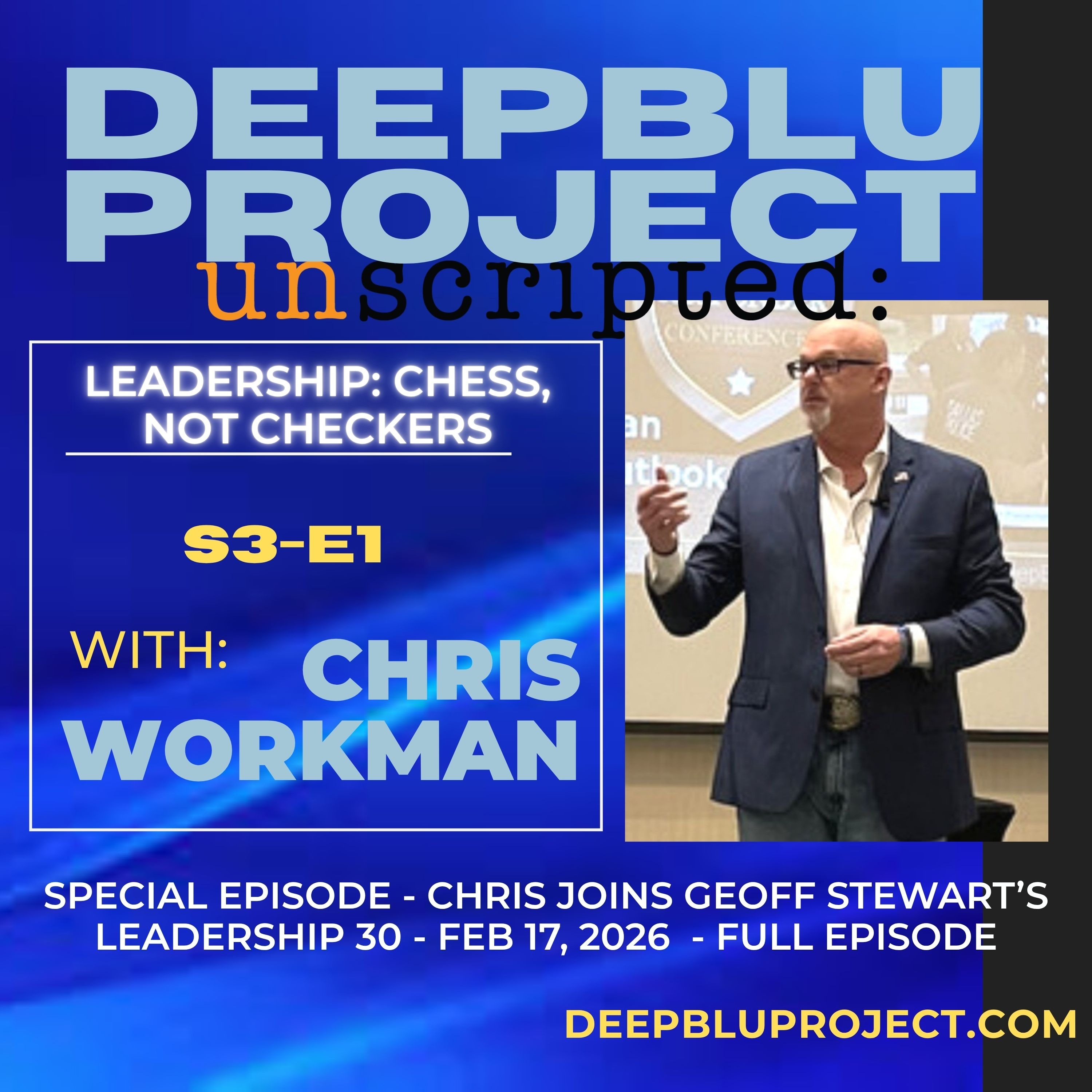
Leadership: Chess, Not Checkers - Geoff Stewart's Leadership 30
Mar 2700:32:12Tap to summarize♟️ Are you playing chess or checkers? If you are an aspiring leader—or even a seasoned one—you need to stop what you're doing and listen to this. I just sat down with an online audience and Chris Workman, Chief of Police at the Cheswold Police Department, for our latest Leadership 30 session. Chris brings a raw, authentic style that cuts through the noise and hits home. The core message? Culture doesn't live on this 40-minute deep dive,Chris challenges the "checking the box" mentality and explores what it actually takes to play the long game. We covered some heavy hitters that every leader should keep on their desk:🔹 Compliance is not culture. Activity is not progress. Completion is not transformation.🔹 Watch what you tolerate. People don’t just listen to what you say; they watch what you allow.🔹 The true measure of leadership. It’s not about how indispensable you are, but how prepared others become because of you.After listening to this, you’ll be asking yourself: Am I a checkers player, or a chess player?
Transcribe →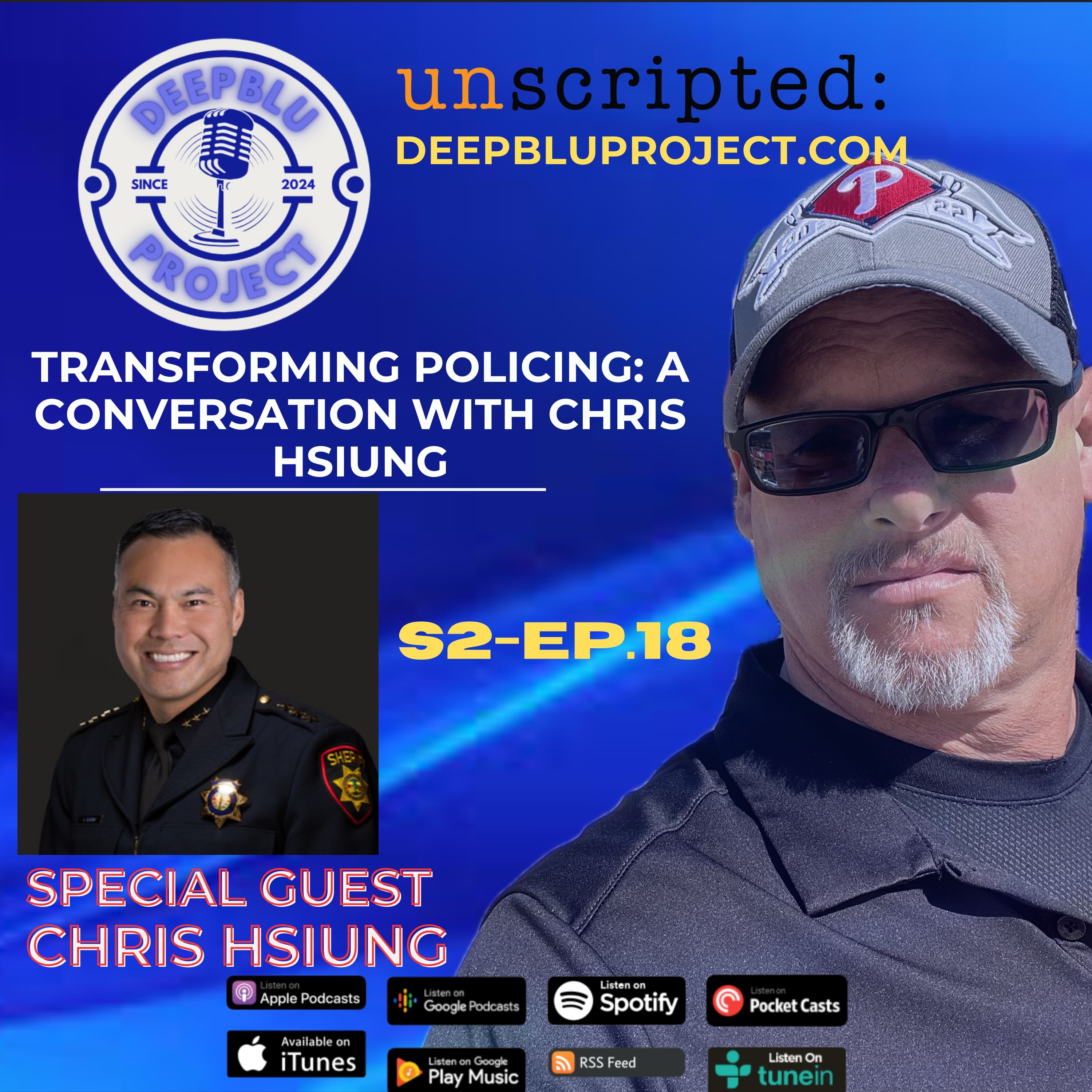
Transforming Police: A Conversation with Chris Hsiung
Oct 200:39:36Tap to summarizeIn this conversation, Christ talks with Chris Hsiung, a former police chief and current executive director of The Curve, a nonprofit focused on modernizing policing culture. They discuss Hsiung's extensive background in law enforcement, the evolution of leadership styles, the importance of self-awareness, and the need for cultural shifts within police departments. They also address the challenges of wellness programs in law enforcement and the significance of effective communication. Hsiung emphasizes the need for leaders to be available and vulnerable, and the importance of learning from other industries to improve policing practices.
Transcribe →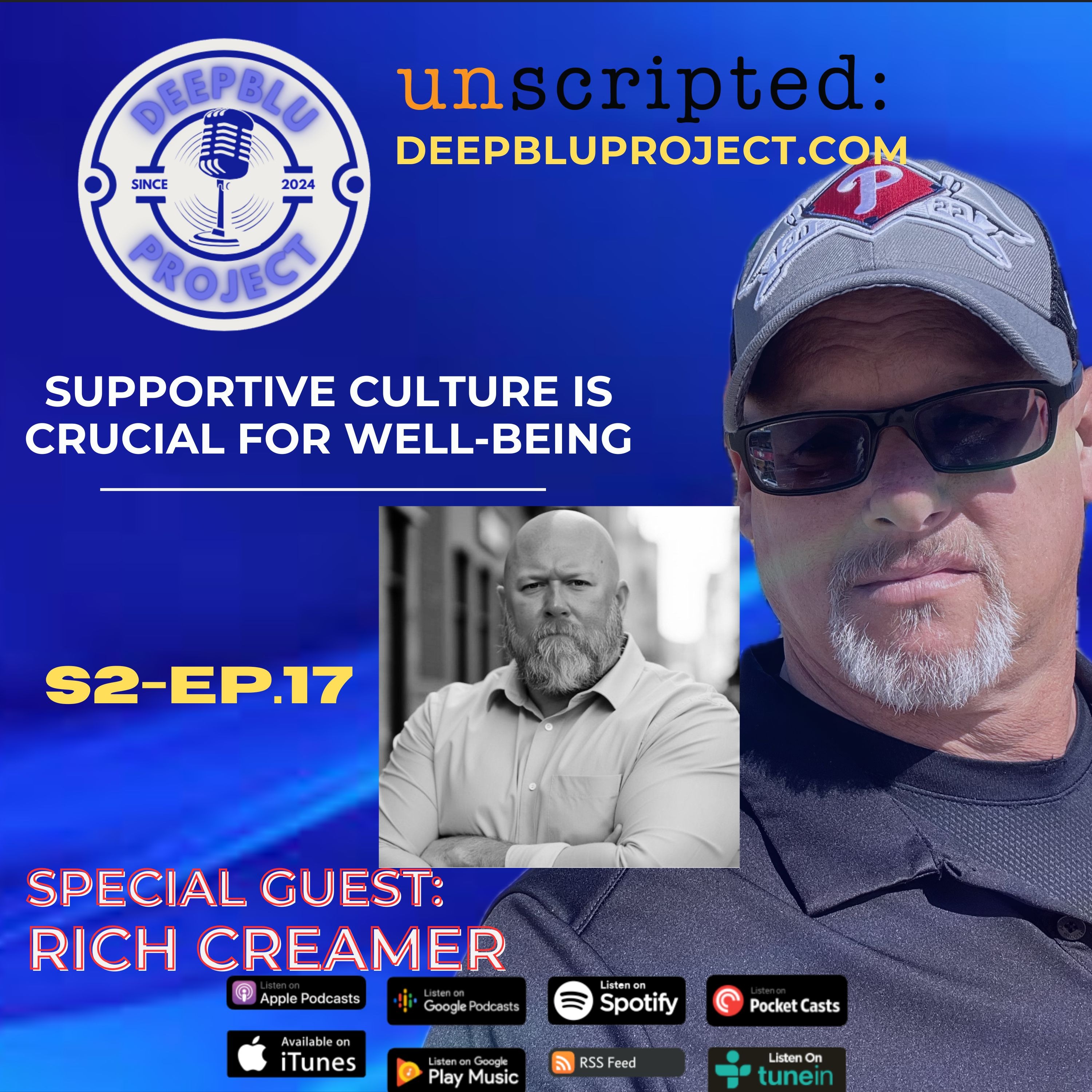
Supportive Culture is Crucial for Well-Being w/ Rich Creamer
Aug 2500:50:53Tap to summarizeIn this conversation, Chris and Rich delve into the complexities of mental health within public safety, emphasizing the importance of trust, peer support, and proactive strategies. They discuss the challenges faced by individuals in crisis, the stigma surrounding mental health, and the need for a supportive culture that encourages open dialogue. Rich shares his experiences and insights on navigating the mental health landscape, highlighting the significance of self-awareness and continuous growth. The conversation concludes with a call to action for creating a more compassionate and understanding environment in public safety agencies.
Transcribe →
The Five Pillars of Wellness w/ James Espinoza
Aug 1700:46:41Tap to summarizeIn this episode, Chris interviews James Espinoza, CEO of American Freedom Consulting, who shares his personal journey through grief and trauma after losing his brother to suicide. They discuss the importance of mental wellness, the five pillars of wellness, and the challenges faced by veterans and first responders in navigating their careers and mental health. James emphasizes the need for supportive leadership and the importance of addressing mental health issues within law enforcement. The conversation highlights the significance of mentorship, advocacy, and the need for a cultural shift in how mental health is perceived in the first responder community.
Transcribe →
Navigating Sensory Modulation for First Responders w/ Bonnie Eckman
Aug 10, 202500:49:24Tap to summarizeIn this episode of the Deep Blue Project, Chris speaks to Bonnie Eckman, a sensory specialist at After Action Care with a background in occupational therapy. They discuss the unique sensory needs of first responders, the impact of hypervigilance on mental health, and the importance of sensory modulation in regulating emotions and responses. Bonnie shares practical tools and techniques for first responders to manage their sensory input and emotional states, emphasizing the need for self-regulation and the benefits of sensory rooms. The conversation also highlights the After Action program, which aims to provide mental health support and resources for first responders.
Transcribe →
The Challanges of Police Leadership w/ Doug Shoemaker
Aug 4, 202500:44:54Tap to summarizeIn this episode of the Deep Blue Project, host Chris engages with Doug Shoemaker, a retired police chief, discussing the complexities of policing, the importance of wellness, and the challenges faced during the transition from law enforcement to private life. They explore the significance of family support, the loss of identity after leaving the force, and the innovative approach of The Curve in reshaping police leadership. The conversation emphasizes the need for building trust within communities, addressing mental health issues, and celebrating the successes of law enforcement professionals.
Transcribe →
After Action: Building Trust in First Responder Care w/ Arthur Mogilevski
Jul 22, 202500:44:33Tap to summarizeIn this conversation, Chris interviews Arthur Mogilevski, the founder of After Action, a mental health program dedicated to supporting first responders. Arthur shares his journey from geriatric care to mental health, emphasizing the importance of trust and tailored care for first responders. The discussion highlights the unique challenges faced by female first responders and the need for a safe environment for treatment. Arthur explains innovative programs designed to support first responders, including a two-week reset program and sensory modulation therapy. The conversation concludes with a focus on the critical role of leadership in fostering a culture of wellness within agencies.
Transcribe →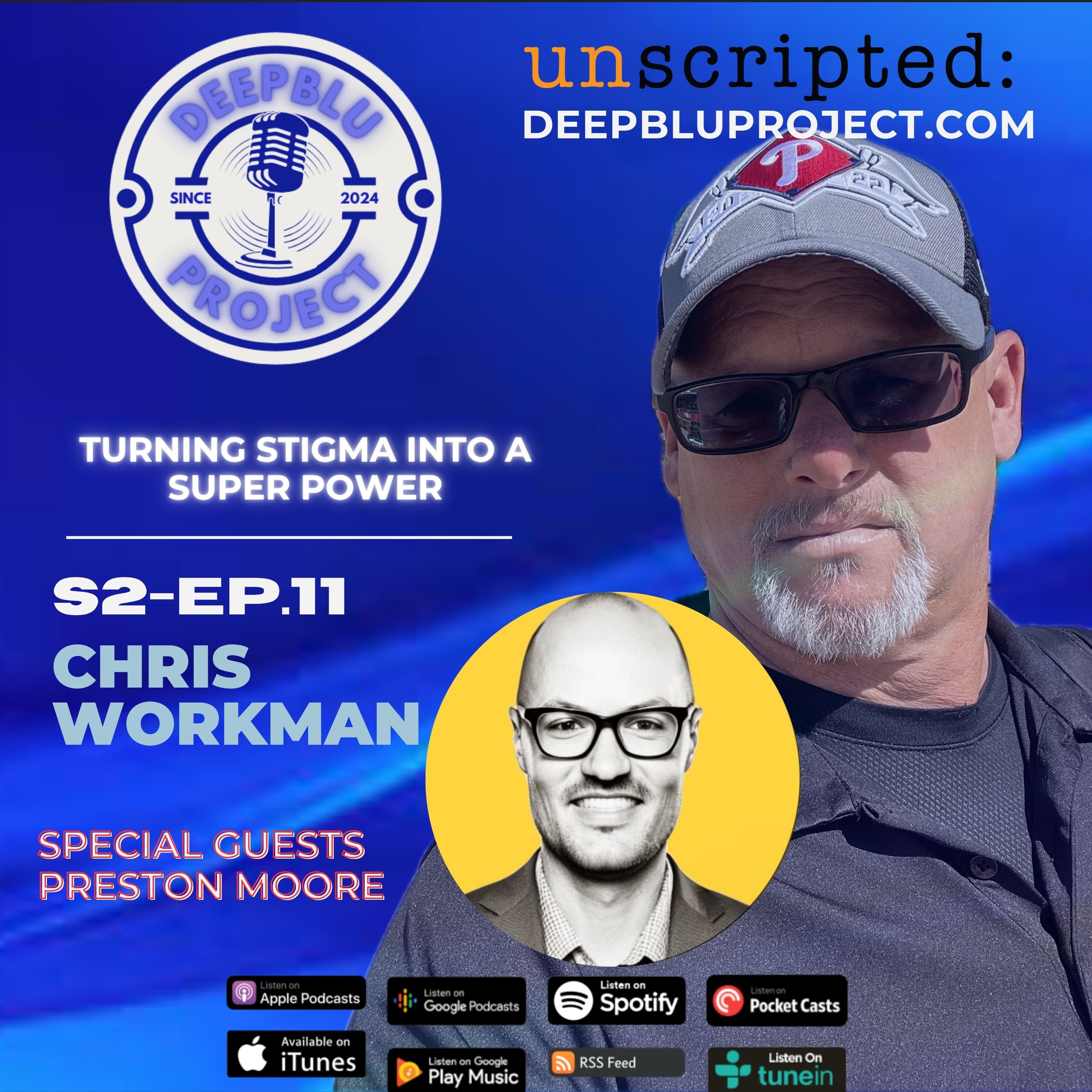
Turning Stigma into a Superpower w/ Preston Moore
Jul 6, 202500:45:39Tap to summarizeIn this episode of the Deep Blue Project, Chris speaks with Preston Moore about the critical issues surrounding mental health stigma, particularly in the context of first responders. Preston shares his personal journey of recovery from addiction and how it has shaped his understanding of mental health. The conversation delves into the importance of family support, proactive mental health strategies, and the need for cultural shifts in how mental health is perceived and discussed. They emphasize the significance of continuous growth and the necessity of creating a supportive environment for those in high-stress professions.
Transcribe →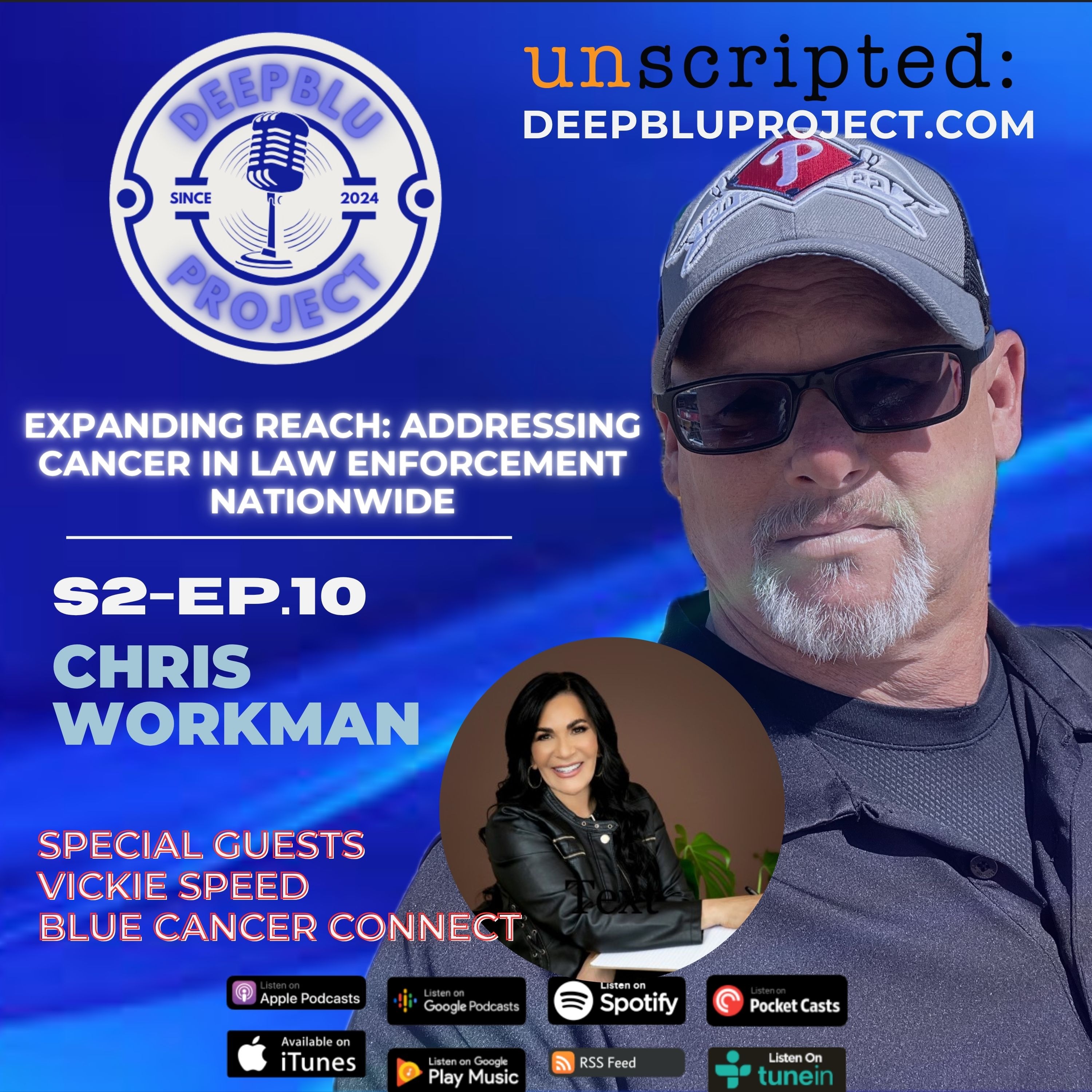
Expanding Reach: Addressing Cancer in Law Enforcement Nationwide w/ Vickie Speed of BCC
Jun 22, 202500:49:05Tap to summarizeIn this episode of the Deep Blue Project, Chris speaks with Vickie Speed, the CEO and founder of Blue Cancer Connect. Vickie shares her journey of loss and how it propelled her to create a support network for law enforcement officers facing cancer. The conversation highlights the significance of early screening, peer support, and the necessity of comprehensive health and wellness initiatives within law enforcement. Vicki emphasizes the significance of community and mentorship in navigating the challenges of cancer, and she outlines future initiatives aimed at raising awareness and providing resources for officers and their families.
Transcribe →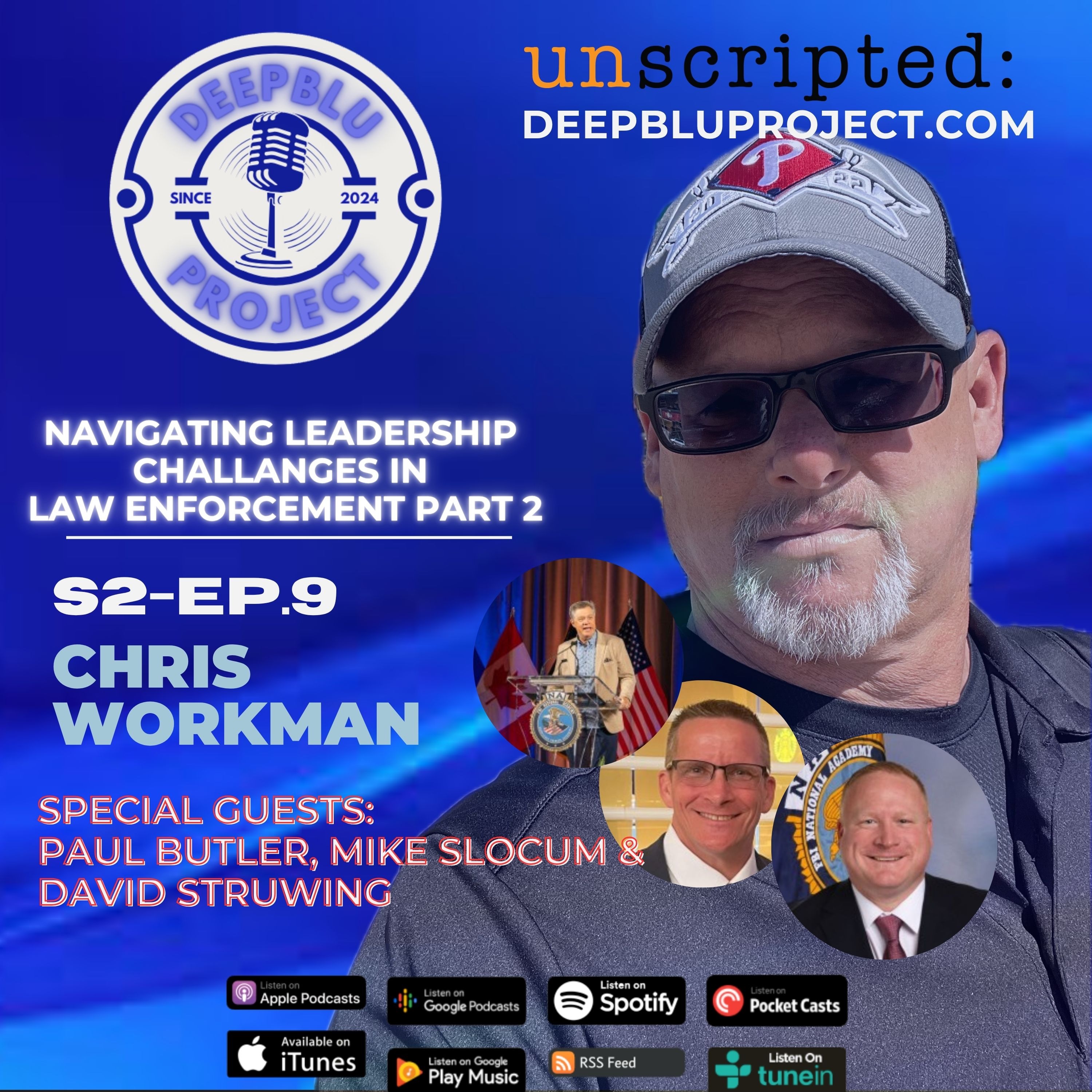
Navigating Leadership Challenges in Law Enforcement w/ Paul Butler, et al - Part du
Jun 13, 202500:31:56Tap to summarizeIn this conversation, Paul Butler and the hosts discuss the evolving nature of leadership within law enforcement, emphasizing the importance of relationships, support systems, and the generational shifts in attitudes towards work-life balance. They reflect on personal sacrifices made in their careers and the need for leaders to genuinely care for their teams. The discussion highlights the significance of living fully and creating a legacy that inspires future generations.
Transcribe →