
Podcast
Deeper Look At The Parsha
Hosted by Rabbi Pini Dunner · EN
In the late 1990s Rabbi Dunner presented his own daily 2-hour radio show on London’s multiethnic station, Spectrum Radio. Tens of thousands of listeners – Jews and non-Jews alike – tuned in every day to hear Rabbi Dunner’s take on current events. In 2011 Rabbi Dunner relocated to the US and became the senior Rabbi at Beverly Hills Synagogue.
Weekly the Rabbi holds a parsha shiur that delves deeper into the Parsha of the week.
17episodes
Episodes
Newest firstAll episodes
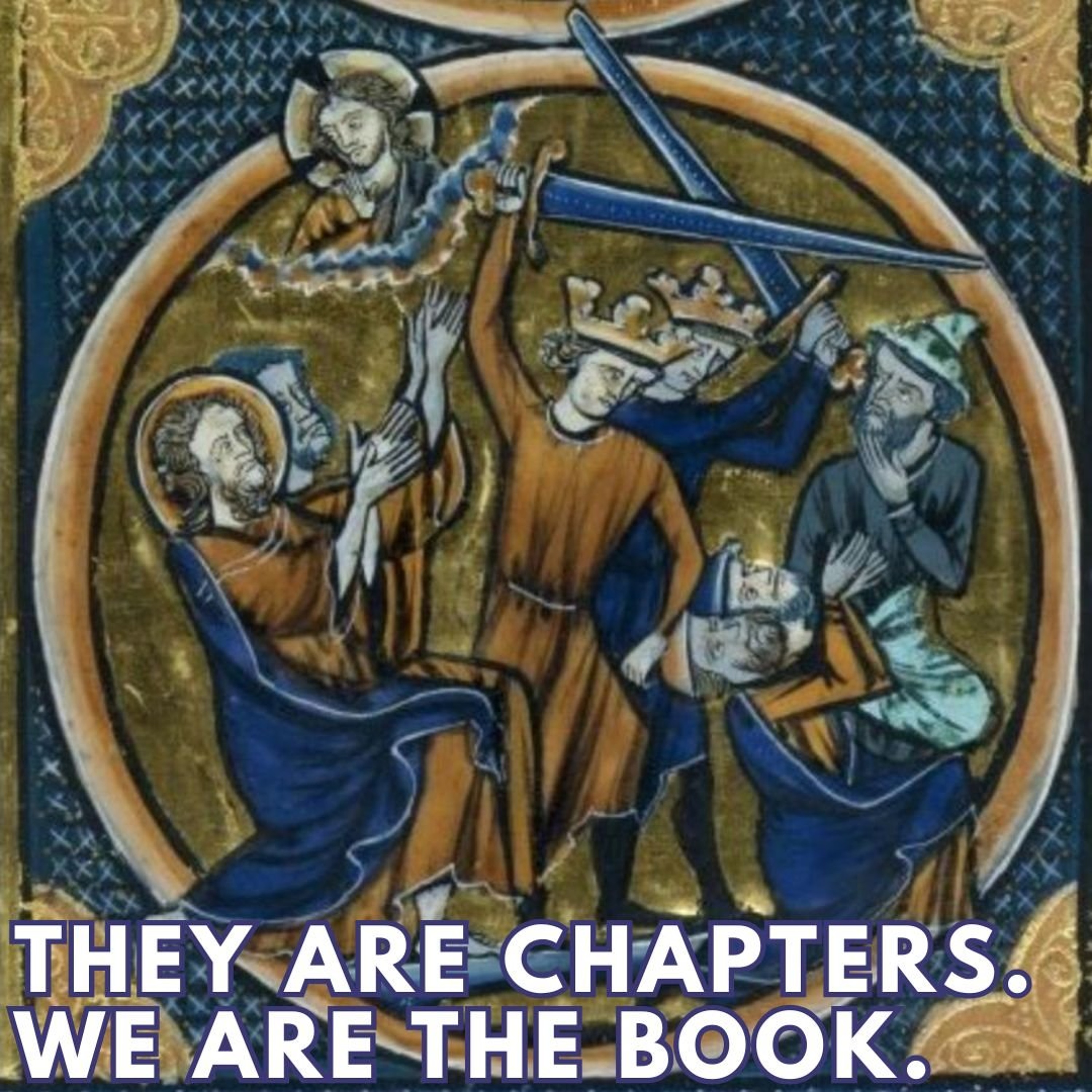
THEY ARE CHAPTERS. WE ARE THE BOOK.
1w ago00:08:36Tap to summarizeTisha B’Av asks us to sit with the darkest moments in Jewish history: destruction, exile, massacre and loss. But what are we meant to carry with us when the fast ends and we rise from the floor? Is the lesson that Jews have suffered? The Shabbat that follows, Shabbat Nachamu, offers an answer—and perhaps it is the most important lesson of all.
Transcribe →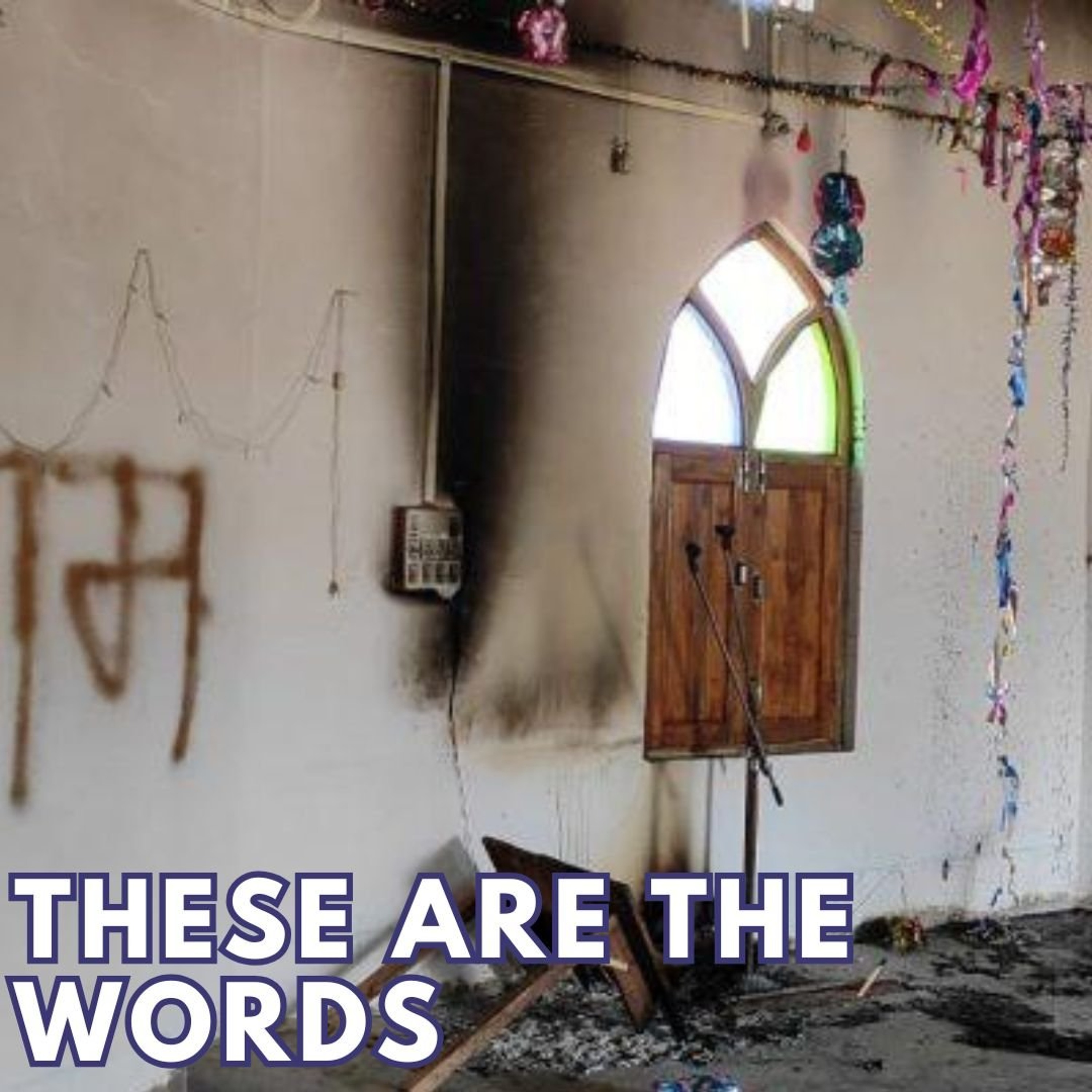
THESE ARE THE WORDS
2w ago00:08:58Tap to summarizeThe Church of England just voted to "hear" a document accusing Israel of genocide thirty times over. Meanwhile, as Rabbi Dunner learns from Archbishop Joseph D'Souza of Hyderabad, his Anglican flock in India is persecuted, and the Church of England couldn't care less. Why do they platform a libel against Israel while ignoring their persecuted brethren? For an answer, Rabbi Dunner turns to Parshat Devarim and Moses' final warning: justice means hearing both sides.
Transcribe →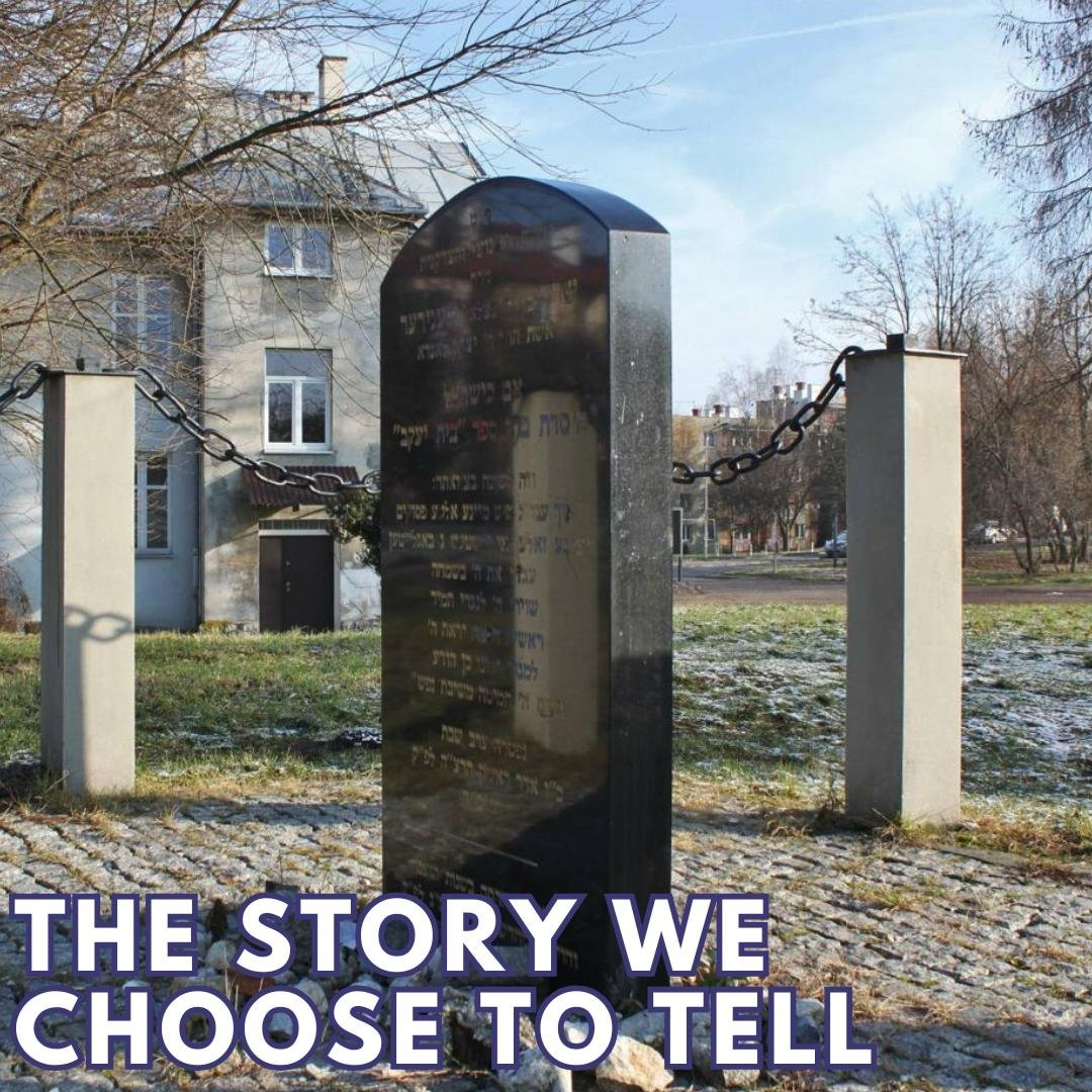
THE STORY WE CHOOSE TO TELL
2w ago00:35:17Tap to summarizeDuring a recent journey through Poland, one unexpected stop transformed Rabbi Dunner's understanding of Parshat Devarim. Standing in a place where the past had seemingly been erased, he discovered why Moshe's final words are not a history lesson at all, but a timeless guide to Jewish fortitude, renewal, and - most importantly - hope.
Transcribe →
AN EARLY WARNING FROM BELGIUM
Jun 2500:08:45Tap to summarizeBelgium’s prosecution of Antwerp mohalim is more than a local legal dispute. As the Three Weeks approach, it offers an early warning about how Jewish life is eroded: not always through violence, but through regulations that redefine sacred practice as criminal conduct. History shows where such pressure can lead when Jews are welcome only after Judaism has been stripped away.
Transcribe →
WHEN OLD ANSWERS STOP WORKING
Jun 2500:39:48Tap to summarizeParshat Chukkat unfolds amid death, transition, failed leadership, poisonous speech, and unanswered questions. Rabbi Dunner explores why Moshe’s old methods no longer worked, how grief disguises itself as anger, why blessings become invisible, and how sacred symbols can become idols. The message is bracing: faith is not certainty, but rather it is the courage to keep moving forward through mystery, loss, and change.
Transcribe →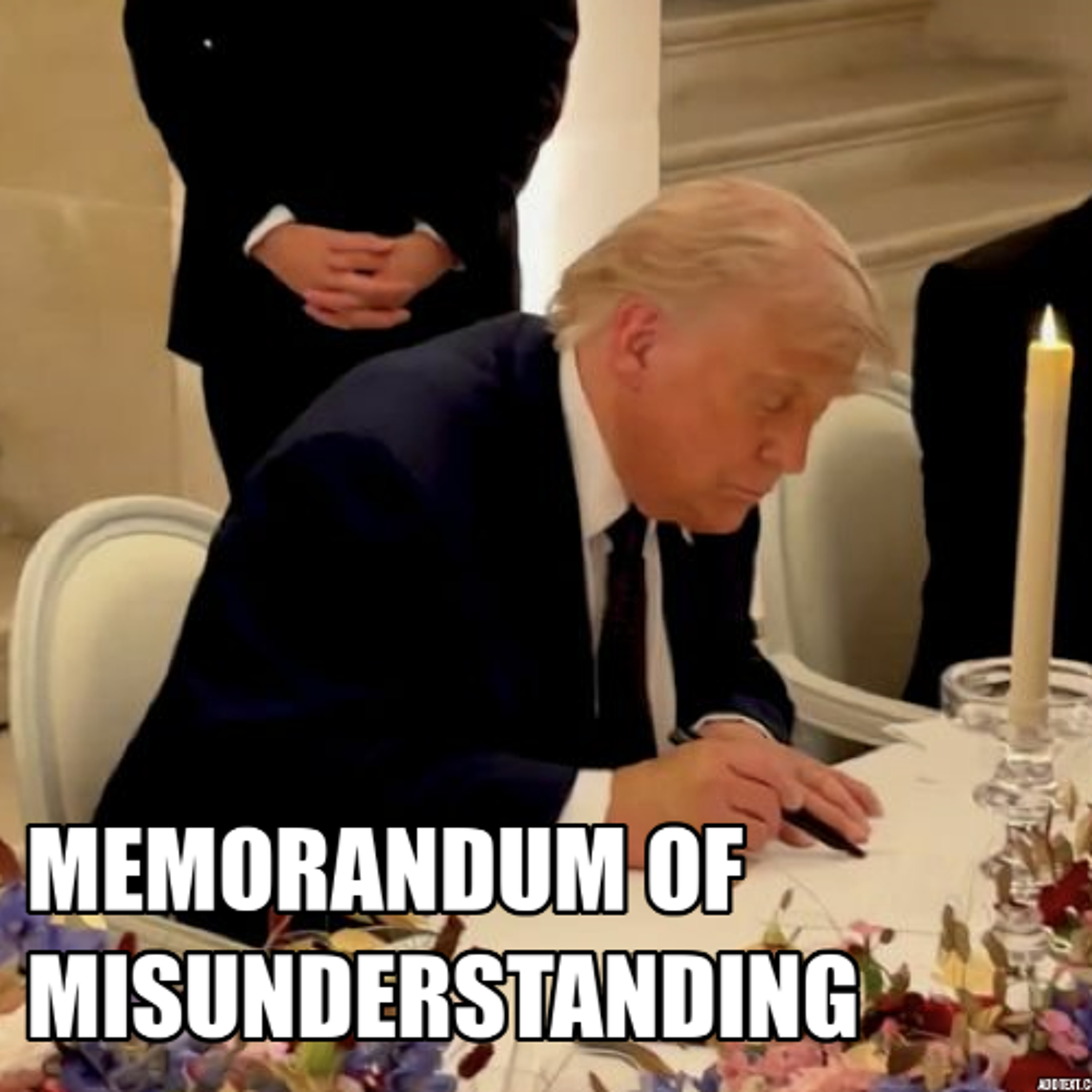
MEMORANDUM OF MISUNDERSTANDING
Jun 1900:08:27Tap to summarizeThe U.S.–Iran MoU arrived wrapped in the soothing language of peace, restraint, and understanding. But Parshat Korach is a warning that beautiful words can conceal ugly intentions. Korach spoke of holiness while seeking power; hostile regimes speak of diplomacy while buying time. The Torah’s lesson is clear: noble language must always be tested against truth before it is allowed to shape policy decisions.
Transcribe →
SPIRITUALITY IS NOT AN EXCUSE
Jun 1100:09:30Tap to summarizeHaredi opponents of military service argue that army life threatens the spiritual refinement of Torah students. But the spies in Parshat Shlach made the same mistake: treating withdrawal from the world as the only way forward. Their story teaches that when Jewish survival requires responsibility and sacrifice, spirituality cannot become an excuse for leaving the danger to other Jews who must fight instead.
Transcribe →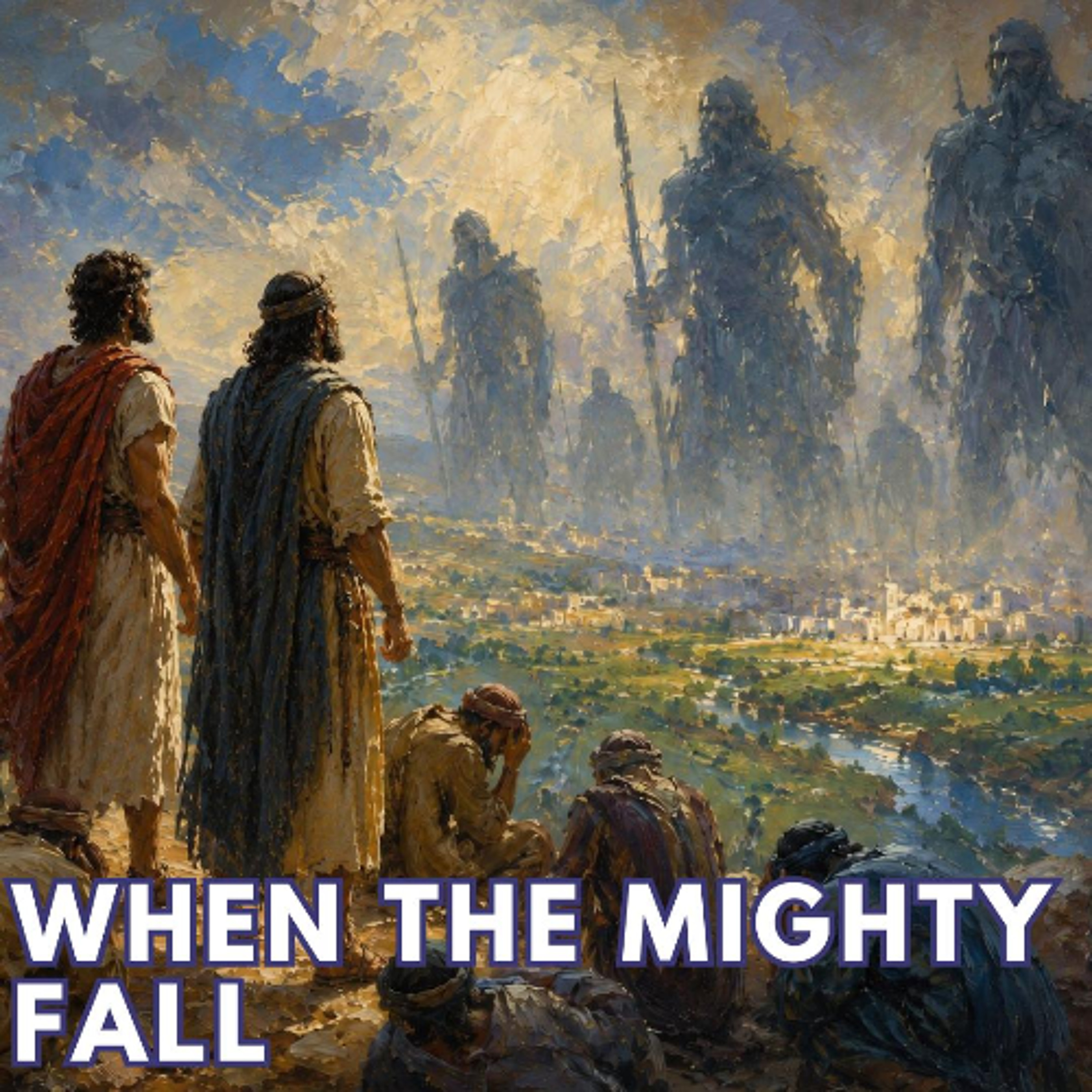
WHEN THE MIGHTY FALL
Jun 1100:32:53Tap to summarizeThe spies were righteous leaders, yet greatness offered no immunity from failure. Rabbi Dunner explores why Yehoshua needed Moshe’s prayer, why Kalev prayed at Chevron, and why humility is not weakness but spiritual protection. From leadership and groupthink to tzitzis and prayer, this shiur reveals how honest vulnerability gives us the courage to face giants without losing faith in God.
Transcribe →
THE GOOD OLD DAYS
Jun 400:09:08Tap to summarizeA ruined castle that was never a castle. Memories that improve with age. Longing for places that never existed. In Parshat Beha'alotecha, the Israelites look back at Egypt and remember only the fish, forgetting the slavery. Rabbi Dunner explores nostalgia, memory, and why the greatest danger of idealizing the past is losing sight of the future.
Transcribe →
THE DETOX DELUSION
May 2900:08:50Tap to summarizeModern society swings endlessly between indulgence and denial. One day we binge, the next we detox. But in Parshat Nasso, the Torah’s mysterious Nazir presents a far more nuanced vision of spirituality. While Judaism values discipline and restraint, it remains deeply suspicious of extremism, performative piety, and the fantasy that holiness can be achieved by escaping ordinary life.
Transcribe →