
Podcast
Dementia Stories
Hosted by Heather Robertson · EN
Podcasts of conversations with people living with dementia.
8episodes
Episodes
Newest firstAll episodes
Living with James Part 2
Jan 28, 202200:24:22Tap to summarizeStarting with her return from the short break in Florida in 2015 Dot talks about how things began to change and sadly deteriorate. James stopped eating and stayed in his bed most of the time. Despite being seen at the hospital nothing helped .Dot certainly needed the break that working at the Thrift Shop on a Friday provided-even though it meant leaving James on his own. Eventually he was in so much pain James himself asked Dot to get the doctor and was taken to the Royal Infirmary where they were asked to consider a 'Do Not Resuscitate decision' During his last days in the hospital ,James was visited by his family and Dot remembers him smiling at his six-month-old grand-daughter Lily. Dot tells us about some the things that they investigated to help support them :groups were not a success ,but James did enjoy going to the bookies and placing a bet. His memory and confusion issues also meant that over time he didn't enjoy seeing the family-apart from the baby. The changes in James personality and moods were the hardest for everyone. Dot describes this as being like Jekyll and Hyde-or that James had been taken over by an alien-as he was not the man she knew or loved .Her faith is very important and at times she would go to the church for some peace-even if she was sometimes angry with God. Her advice for someone in a similar situation? Don't shout, try not to get too upset, go off and have some quiet time. Dot always had a standby bar of chocolate or a cake to make her feel better. Looking back on those last years and final days, Dot knows she has lots of lovely memories and funny times which help block out the difficult ones. Despite the long goodbye, Dot and James were able to to say their final goodbyes which is a great comfort to her
Transcribe →Living with James Part 1
Jan 24, 202200:18:52Tap to summarizeDementia has been described as the long goodbye and in this podcast in our Dementia Stories feature we hear Dot Yorkston talking about saying goodbye to her husband James. She tells us about the last years when they lived with his Vascular Dementia describing his first symptoms in particular his mood and temper issues and how it was an eye specialist who advised them to go for further tests. The original diagnosis from the Western General was a surprise but despite increasing worries about his memory and lack of appetite support and advice was slow. Unfortunately these also did not prove very helpful sometimes contact and sessions resulted in upsetting James more. A social work referral led to the Living Memory Association becoming involved and Miles starting visiting James at home. James and Miles established a good relationship which allowed Dot to have some time for herself. Some days were better than others and they did have days when they enjoyed reminiscing but taking on the household management caring for James and the worry of his moods meant Dot herself was shattered . With her family's support Dot booked a short trip to Florida. Despite her anxieties about leaving James she went to places that they had visited together and when she returned home they had a lovely time together for two weeks as James seemed more settled. Although his mood did change again suddenly Dot is positive that she benefitted from the holiday and was able to relax while she was away
Transcribe →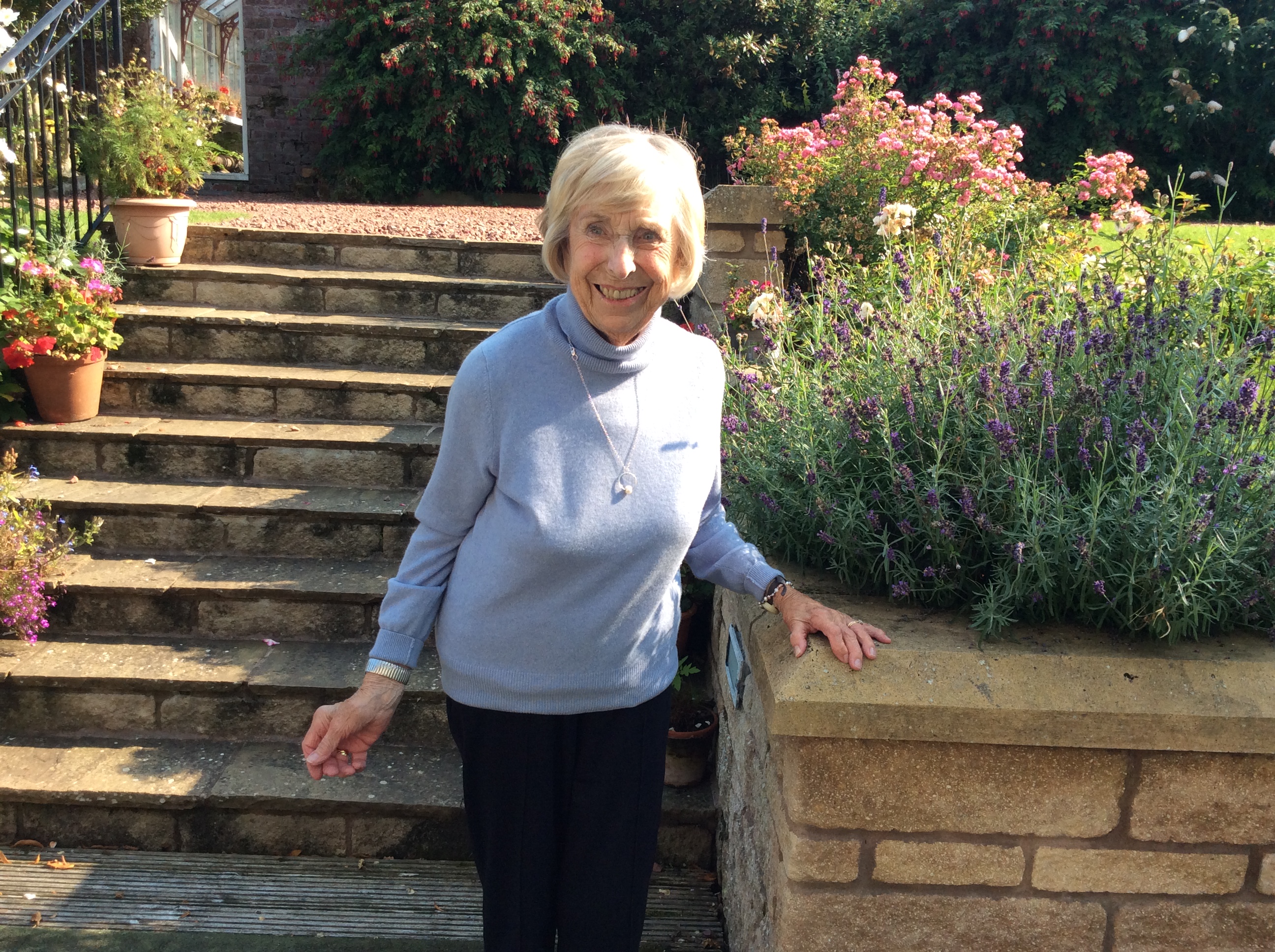
May Barbour (and Otto)- remembering Douglas part two
Oct 26, 202100:12:25Tap to summarizeIn this second part of our conversation about living with dementia ,with Otto still listening, and making his presence heard, May talks about the loss of communication with Douglas and how she felt they had lost much of the laughter in their lives. As Douglas had lost interest in many of the things he had loved doing the day-to-day routine dominated and May's own health suffered. May movingly describes how Douglas's death was not so distressing for her as the man she loved had already disappeared. His funeral held when there were limits on numbers due to Covid was only the family who had been with him and cared for him during his dementia journey and May feels this right for Douglas and for her. Although May's grief about Douglas's death is fresh she is also grieving about the last years they had together May comments that the condition runs in Douglas's family as two of his brothers as well as his Mother also had dementia so this is something that may affect their children in the future. May feels strongly that families should be helped to understand the diagnosis and its implications to help support their partner or parent living with dementia. There is no doubt that May's story will resonate with others who may have experienced or be experiencing similar circumstances and emotions
Transcribe →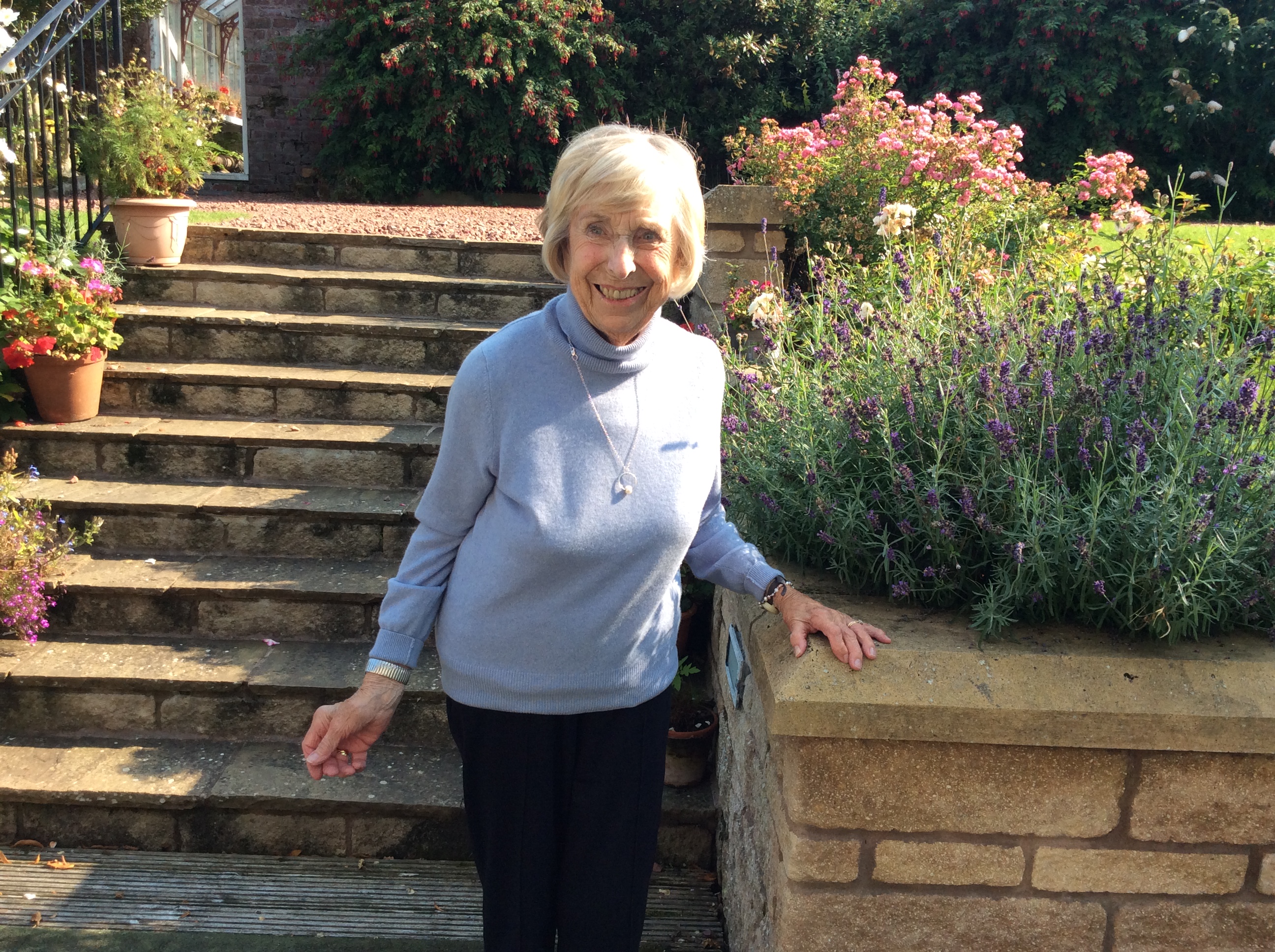
May Barbour (and Otto the Labrador)-Remembering Douglas part one
Oct 25, 202100:16:41Tap to summarizeDouglas Barbour who died last year, and his wife May lived with Alzheimer's Dementia for many years. In this podcast May describes noticing early changes in Douglas's memory and how these changes affected their lives. May's background in nursing as well as volunteering at the local day centre meant she had a bit of experience, knowledge and some insight into the challenges that faced them. Her primary concern was always to protect him and this need to protect also extended to their family which meant that May was quite reluctant to make use of other support services. With hindsight she feels that'....did not handle things as well as she could' When Douglas did start going to and enjoying visits to the day centre May's first reaction was to feel resentful and a little jealous his happy smile going off in the bus was a reminder of how Douglas used to be. Living with dementia for so many years affected their health and well being however having a family dog continued to be very important to everyone in the family particularly Douglas and May and the current Labrador Otto misses Douglas a lot. He joined us sitting at Mays feet with a couple of barks and a wagging of his tail against the table leg
Transcribe →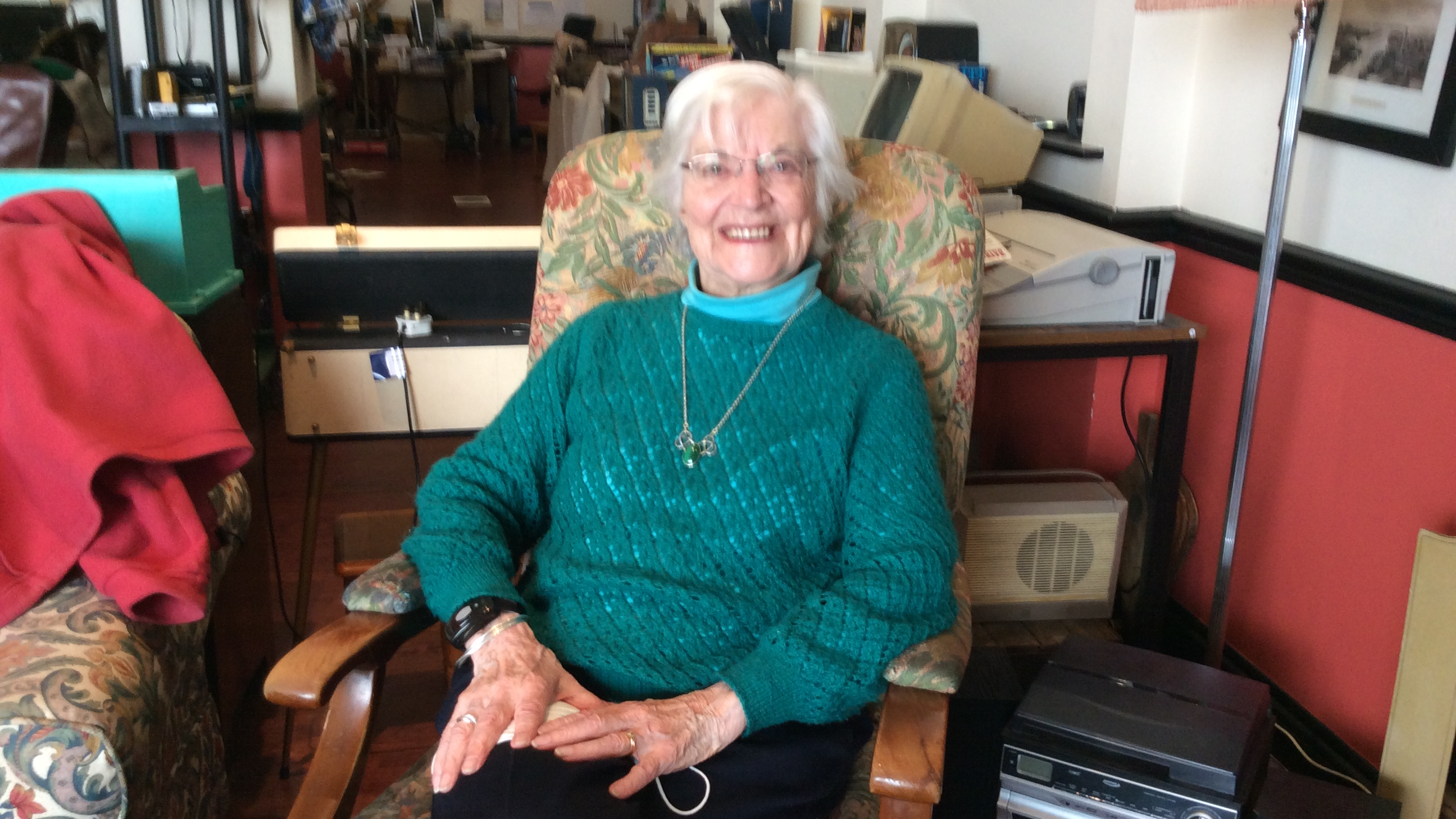
May Hoare: My Diary and Me
Sep 2, 202100:15:39Tap to summarizeIn this podcast May discusses using her diary and used it to remember what she has done this week She finds it very important to record what she will be doing from day to day and would be quite lost without it May also describes how she became aware of her memory problems and explains how she moved back to Edinburgh from Somerset to be near her family despite not having lived here since she was a student physiotherapist. For the most part, she says, she tries not to worry too much about things and occupies her time, knitting, listening to the radio , walking up and down stairs for exercise, how much she enjoyed Fran's Thursday craft group at The Living Memory and is still enjoying coming in to visit us. May also introduces some phrases that she used as a child in Malawi.
Transcribe →
Robert Hogg : a husband's experience
Aug 4, 202100:15:56Tap to summarizeThis is a conversation with Robert Hogg whose wife Sophie was featured in an earlier podcast. Robert tells us a little about his background, meeting Sophie, and his work as a lorry driver. He describes their reaction to Sophie's diagnosis of vascular dementia and how this made Sophie feel very anxious about the future. Robert's practical and emotional support has been crucial to how they have managed this diagnosis as a couple. They have had to develop systems and approaches which work for them both: his sense of humour has helped enormously ,as has talking and listening. Both Sophie and Robert found the supper club for people living with dementia and their carers a useful support group and which he hopes will restart. As he observes people and families all react differently to the condition and its impact on their lives and different things suit different people. Covid and lockdown have certainly affected their day-to-day lives, Robert feels that Sophie has been more anxious, her confidence being outside the house or in shops has been shaken and her moods have been a bit more variable. His response to these changes is to keep busy plan ahead and plan an alternative. We could all benefit from adopting a bit of Robert's philosophy.
Transcribe →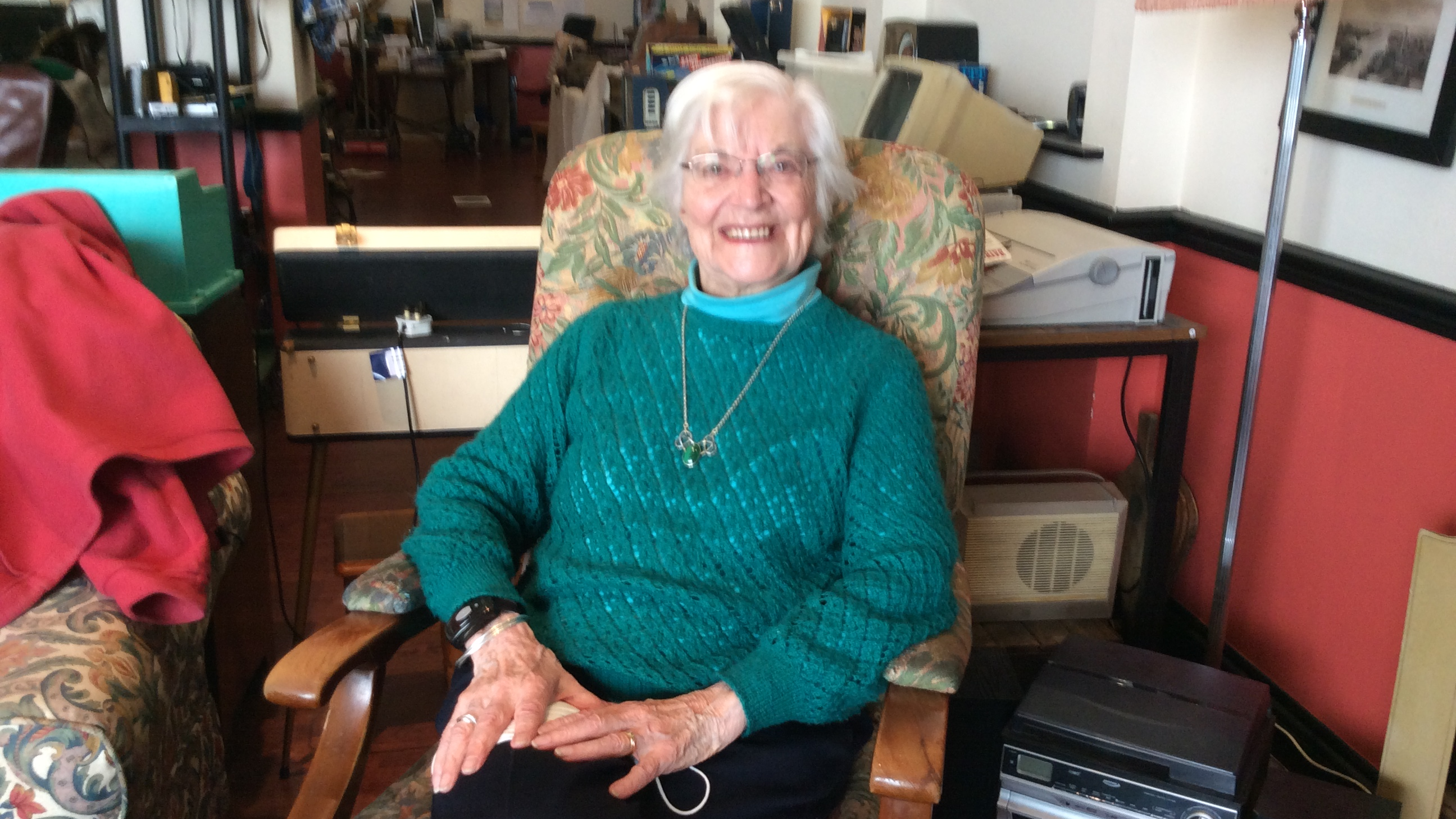
May Hoare
Jul 23, 202100:08:17Tap to summarizeIn this short conversation May Hoare tells us about her time boarding at Dollar Academy. May's parents were from Scotland and she was born in Blantyre Malawi. Aged11 she and her older sister were sent to boarding school in Fife as both grandmothers lived nearby. Beyond the classroom and lessons May remembers with great happiness meeting boyfriends and playing hockey Her first boyfriend was called David. She also talks about not seeing her parents for a long time and spending time at her grannies houses. She enjoys making sure we know how to pronounce the names of some Fife places correctly.
Transcribe →
Sophie Hogg : Dementia Stories
Jul 22, 202100:12:02Tap to summarizeSophie Hogg talks about how she felt when she was given the diagnosis of Vascular Dementia. She had no idea that she had dementia and it took some time to accept, and come to terms with, her condition. The shock and issues such as power of attorney were very confusing for both Sophie and her husband. She tells us how they have adapted to living with dementia as a couple-before and during Covid Lockdown how difficult it was and what support and activities, such as going to the gym and swimming, that she found helpful. She also has ideas for on-going support that she would like to have as things start to reopen after Lockdown, particularly for carers
Transcribe →