← Design Better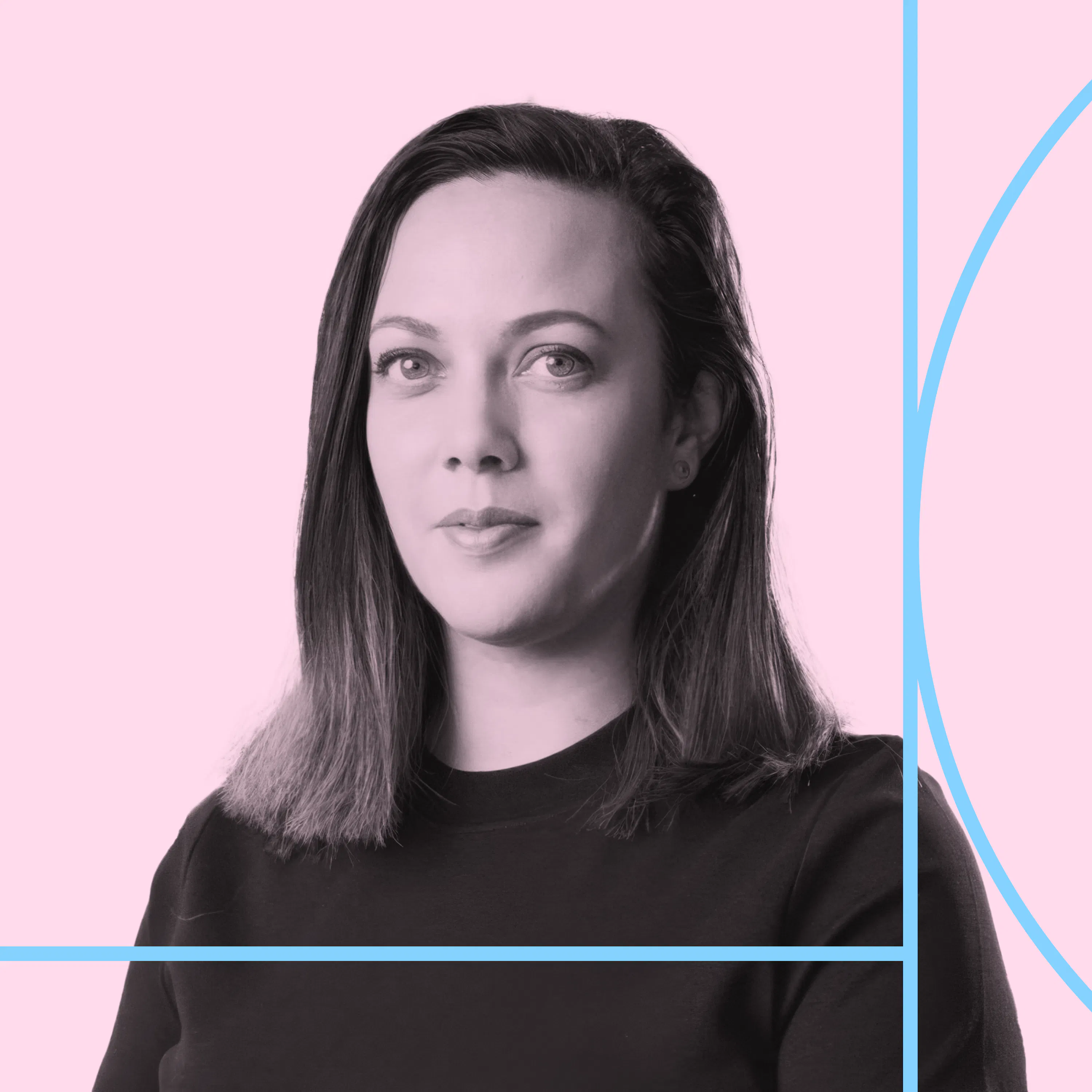
Design Better
Bonus Episode: Gali Erez, head of Wix Studio
00:38:21
We speak with Gali Erez about how AI is changing web design workflows, the research process her team uses, and what’s kept her excited to work at Wix for over 10 years.
Loading summary
Transcript37 lines
- [00:02]
Gali Erez
Anytime you want to make a big change, you definitely don't want to do it at once. You kind of want to do it at baby steps. So you even as a manager have an opportunity to see if something is not working and not being in a point where you completely committed to an idea that in actuality is not so good. So I really believe in something that keeps growing and changing and shifting.
- [00:25]
Eli Woolery
Gali Erez, head of WIX Studio at wix, has had quite a journey from a background in graphic design at CalArts through transitioning from print to digital in her early work at Warner Brothers, where she helped envision media's digital future. Along the way, she has learned some principles that helped her during her time as an individual contributor and also guide her as a leader, sharing ideas early, giving tough feedback, and using storytelling as a leadership tool.
- [00:50]
Aaron Walter
We speak with Gali about how AI is changing web design workflows, the research process that her team uses to developed their platform, and what's kept her excited to work at Wix for over 10 years. This is a sponsored bonus episode that we're excited to share as wix Studio is a product that helps diverse users, from casual creators to professional web designers and developers with a platform that balances simplicity and customization.
- [01:18]
Eli Woolery
This is Design Better, where we explore creativity at the intersection of design and technology. I'm Eli Woolery.
- [01:24]
Aaron Walter
And I'm Aaron Walter. You can get ad free episodes, bonus content, discounted workshops, and access to our monthly AMAs with big names in design and tech by becoming a Design Better premium subscriber. It's also the best way to support the show. Visit designbetterpodcast.com subscribe to learn more. We'll return to the conversation after this quick break. Hey Web Designers, let's talk about Creative Burnout. You're working on a site for a really big client, but between resourcing, feedback, tight budgets and even tighter deadlines, it just doesn't make the cut. Wix Studio helps close that gap so you can deliver your vision with less friction. Built for agencies and enterprises, you get total creative control over every last pixel with no code, animations, AI powered tools, reusable design assets, advanced intuitive layout tools, and a figma to WIX Studio integration, which is very cool. You can design the way that you want to and deliver when you need to. And if you're worried about the learning curve eating into time you don't have, don't be. Wix Studio is intuitive by design, so your entire team can hit the ground running for your next project check out wix studio.com. that's wix studio.com w I x S T U D I O and now back to the show. Gallia Rez. Welcome to Design Better.
- [03:13]
Gali Erez
Thank you for having me.
- [03:14]
Aaron Walter
Yeah. We're excited to talk to you about the work that you and your team are doing at wix. You've been doing a lot of interesting things for quite some time, actually. But it's always fun to start from the beginning and learn a little bit about your origin story. You studied graphic design at CalArts, is that right?
- [03:32]
Gali Erez
Yes, I did. I came to CalArts in 2004. I studied in the graphic design department. I think it's a life changing experience.
- [03:46]
Aaron Walter
Let's talk a little bit about the program and the types of things that you learned there. Studying graphic design in 2004, that's probably a lot of print concepts. So presumably you're learning layout, typography, et cetera. Were you also learning about web technologies simultaneously?
- [04:02]
Gali Erez
Yes, we were, but I think we were exactly in that transition. And I actually remember this really incredible project we did in typography where we started from actually drawings, creating hundreds of versions. We each had to pick a letter, creating hundreds of drawings of like, I think mine was a B. And then when we showed up to the next class, our teacher, they told us, pick your favorite one. And then everybody picked one without knowing what's going to be the next step. Right. And then they said, you have to sculpt it. And we're like, okay. Of course. I somehow picked the most decorative, complex drawing I had. And then they told us we have to use that sculpture to print with it. And then we take that print and bring it into Photoshop and start playing around with it and creating kind of a digital version of that. And I think that project really represents a lot of that transition we were going through from print to digital and trying to find our way through that. Because everything was also very much at the beginning state all the tools, like, of course, Photoshop and all the Adobe suit, you could do incredible things with it. But like, web design was boxes, boxes and links. Right? So I think it was an incredible time to be part of kind of this revolution and start thinking how we transform all we know about print into a completely different context of consuming content.
- [05:28]
Eli Woolery
So it looks like one of your early roles after Cal Arts was as a product designer at Warner Brothers. And at least at the face value, if you look at that, oh, that sounds cool and exciting. And maybe that was your experience or maybe it wasn't, but Tell us about what that was like as coming into that as one of your first jobs.
- [05:45]
Gali Erez
So I don't know if it's my personality that draws me to all these starting points of things, but I think it reflects a lot of who I am and what I love. But when I came to Warner Brothers, I was coming in as an intern. Actually, the creative director There was a CalArts alumni, and they were searching for students to join this new and, like, exciting department that was trying to think, how would people consume our media online? We came very fresh into that because there wasn't a lot going on out there, and we tried to kind of invent what that would be. So that was an incredible experience. I stayed after the internship and continued to work there. One of the first projects there that we did was so every year for the Academy Awards, they would send all of the Academy members these DVDs to show them all the movies, of course, and to get them to vote. And every year there was the same issue where, first of all, there was copyright issues, where some would copy and share it with friends, movies that didn't come out even yet. And another thing was, you know, you kind of wanted all this information while you're watching the film. You wanted to know a little bit about the production or the actor and about the special effects and all of that. And you couldn't really do that with watching a dvd. So we were trying to think how we're going to transform that experience and bring it online. So that was again, kind of this moment in time where we had no idea what we were doing. But it was extremely exciting because nobody did that before and it was, again, changing the context.
- [07:21]
Aaron Walter
So it's pretty rare these days for people to stay in one job at one company for a long time. And you've been at Wix for about 10 years. That's super interesting because presumably you've seen a lot of change, change in the industry, growth in the company, change in team and so forth. What's kept you there for 10 years?
- [07:44]
Gali Erez
So I actually changed many roles and even product throughout my time here. It's funny because I'm definitely a person that, like, changes my constant state. And I feel like it's even more surprising that I stayed here for that long. But when I look back, I started up as a UX designer on a team that was creating the first, like, visual experience of the DIY editor we have today. So I started out there and it was an incredible experience being part of this huge project and the company. I think we were barely 300 people at the time and now we are more than 5,000. So everything has changed throughout my time here. And after that I came into this UX kind of guild role where we take new concepts and projects and try to create this first draft of the project and kind of this task force team. And then one of the projects there was what we call WIX adi that was this thought and understanding after talking to many, many users what makes the process difficult for them and in general, like wix's vision was, you know, democratizing the website creation. How do we bring people, anybody, to be able to build their business from their home and have the power to do it on their own. And we learned that, you know, there are many struggles when it comes to creating the content and feeling like you're making an actual professional site that reflects the professionalism of your business. So we're trying to find ways how we can do a lot of the process kind of automated and use the start of AI that was around at the time and try to find that balance between like automations and making something your own, like how much we do for the user, but how much they can actually go ahead and do change it, still keeping it professional and look good. So we created ADI there. I actually moved into management. I started managing the UX team and then I moved to managing the product team and then I moved on to managing multiple products across wix's product and ux. And after that we had great success with WIX Adi. About half of the WIX traffic was going actually into WIX adi. After that we saw this incredible process that started happening for wix. We saw that more and more people are using what we call kind of the classic editor as their professional tool. They started creating for other websites. We have many, many stories of, you know, my brother opened a store, they needed help creating a website. I started playing around with wix. I felt like I was pretty good at creating a website and another person asked me and then another one, and I started to create a client base and becoming very professional at IT and learning SEO and learning marketing. So more and more professional users were either growing as a professional with WIX or coming to WIX already as a professional. And they started asking for more professional features.
- [10:53]
Aaron Walter
That's got to feel really good to be able to make a product that creates a job for a person that they didn't know was going to be a job. That's very cool.
- [11:02]
Gali Erez
Yeah. I think there were multiple moments that really, you know, expanded my heart throughout my time here. I'll go into the side story just for a second, but when we were doing usability in New York, we were trying to understand why some people like adi, why some people like the WIX Classic Editor. And we met this woman who was almost 90 years old and we thought she was for sure a WIX ADI user because it was so simple to use. And she's like, no, I love the Classic Editor. I sit on it all day since I'm not working anymore. And I have created my whole family's history as a website. And every time I have a new grandkid or something incredible happens in the family, I document it and it's my scrapbook. And she showed us to us and I think we were all like, you know, with tears on the sides. And it was so incredible. It was a completely different story. I never even had in my head when I was thinking about, you know, user intents and all these big words and big processes we try to use here when we're trying to think of our product. So it was very moving.
- [12:11]
Eli Woolery
It's a wonderful story. I love that. We'll come back and we want to talk to you more about the product and specifically about wix Studio. But before we go there, you mentioned this transition from IC to management. And just on the topic of leadership, I was perusing your LinkedIn profile earlier and I kind of pulled away three things that you shared that are principles around leadership, which I think are interesting because they're also principles that are relevant to an IC designer. And I think there are, I'm sure, some number of folks in our audience who are ICs and thinking about that transition, and for them to understand that they can pull some of those same skills or principles into leadership or management would be interesting. So we don't necessarily have to talk about them all, but I'll just outline them here. There's this idea of sharing ideas early, giving tough feedback, and then storytelling and leadership. So starting with sharing ideas early, that's critical. If you're a designer where you want to bring people into the process, you want to start with sketches, have other people sketch. You want to test ideas, you want to bring them along so you're not showing them something that's high fidelity at the end of a process and they're wondering how you got there. Talk to us about how that applies to being a manager or leader.
- [13:23]
Gali Erez
Sure. So brings up kind of two different areas for me. One is that I think one of the challenges managing at scale is that many times you are just starting to Think of a direction or something very raw. And on the one hand, you want to be very transparent with your team and share as soon as possible. On the other hand, if the it's too raw, I think it can create a feeling of like, people are not clear on what their direction is or what's happening. Like, sometimes people need more clarity and that balance of when am I too transparent and creating a mess for people and they go home, they're like, what are we doing? Even my manager doesn't know to like having, you know, something super closed off where they can't really push their ideas or change the story. So I think that's something that I ask myself almost on a daily basis. And it's a challenge. So when it comes to managing, that's something that I try to find what is the right spot. There's also the process of working with your managers, you know, and being very transparent with your managers and sharing those ideas. And they can really shift and change how we approach to bringing in change or to bringing in a new idea for a whole new vision for the product. I think I've learned that anytime you want to make a big change, you definitely don't want to do it at once. You kind of want to do it at baby steps. So you, even as a manager, have an opportunity to see if something is not working and not being in a point where you completely committed to an idea that in actuality is not so good or some parts of it were good. And so I really believe in something that keeps growing and changing and shifting. And in general, kind of my whole perspective, I think everything is about context. Just as an example, last year we worked really hard on creating our 2024 game plan. We create a yearly game plan, and the easiest thing would be right now to go ahead and say, let's just take that long process we did and redo it now for 2025. But so much has changed. And I think taking exactly what we did and reapplying it, I don't think it's going to bring us to the place we want to be. Principles and beliefs are something that stay with you for a long time. But, you know, for example, if I'll take the work culture or I try as a manager to create a creative work environment, things constantly change. And maybe that belief stays with me, but how I implement it changes all the time. If it's how much we've grown as a company, just amount of people, okay, how do you do it with a different amount of people, different amount of Managers, how do you do it with a generational shift? Things that work with certain generations don't work with another generation. And we see that a lot. You know, when we look at all the juniors we have, the whole way we work, I feel, is changing. The way we communicate things has changed. So I think it's great to have beliefs and to have principles that you go with, but you have to love change and to be very open to it.
- [16:35]
Aaron Walter
Yeah, that's very true of this industry. It's. It is all change all the time. But could you just maybe say more about how generations think and operate differently in workspace? Are there specific examples of how you've noticed that?
- [16:52]
Gali Erez
We see definitely a change of, like, the impact of individualism or kind of what can the company do for me versus what I can do for the company? I don't know if you relate to that, but, like, I feel that has changed a lot. I think many of the younger people we have here, they are thinking a lot about the process of how they can evolve and what they can take from the company for themselves. And it's very, very different. Makes me feel old, but it's very, very different from when I was a junior and I was just thankful every day that somebody is allowing me to be, you know, if it was at Warner Brothers or if it's the beginning of WIX being there and taking part of it and meeting all these people with tons of experience, that every word they said, you know, I would really take to heart and think about later. And I definitely feel that's a big generational change that I'm experiencing. And how do you get people like that to become a team and to work for a goal together and to think about the goal and how they can combine their beliefs and their capabilities into something bigger than them and not the other way around. So it's definitely a challenge.
- [18:09]
Aaron Walter
We'll return to the conversation after this quick break. Hey, web designers. Let's talk about creative burnout. You're working on a site for a really big client, but between resourcing, feedback, tight budgets and even tighter deadlines, it just doesn't make the cut. WIX Studio helps close that gap so you can deliver your vision with less friction. Built for agencies and enterprises, you get total creative control over every last pixel. With no code, animations, AI powered tools, reusable design assets, advanced intuitive layout tools, and a figma to WIX Studio integration, which is very cool. You can design the way that you want to and deliver when you need to. And if you're worried about the learning curve eating into time you don't have. Don't be. Wix Studio is intuitive by design, so your entire team can hit the ground running for your next project. Check out wix studio.com that's wix studio.com W I X S T U D I O and now back to the show. We talked earlier about how you've been at WIX for a long time, you've seen a lot of change, but one of the big changes in that time period is just how web design has become so complex. I gotta tell you, I've been at this for more decades than I'd like to admit. But hand coding everything and building everything from scratch, that's kind of not the game anymore. If you're hand building a website, you're doing it from terminal. You're using a framework like Tailwind, you're using a lot of node js, all kinds of frameworks. You're building for multiple screen sizes. Everything's responsive. And so your images that you're generating are also like there's some image processor I can go on and on. It's complex. Like if you're just starting, buckle up, you've got a lot to learn. And so I think it's interesting the story that you told earlier about this 90 year old woman who's publishing and WIX makes that easier. But ironically, as web design has become more complex, I feel like the market is just so much bigger to even encompass gray hairs like me who have been building websites for many decades. Talk to us about the changes that you've seen in web design and how WIX and WIX Studio confronts that and tries to make this something that is doable for mere mortals.
- [20:52]
Gali Erez
Like you said, so much has changed. I think it's kind of this constant game of the technology is evolving and the way we can package that technology and make it accessible is evolving. Right? One keeps trying to run after the other. We try to keep packaging more and more capabilities and making them either easy to use or trying to take a designer state of mind and turning that very dev oriented experiences into something a designer would love to use and will help them express exactly the vision they had in mind. So I think that keeps changing on and on. And an interesting of course year in AI where there are more and more tools and abilities, we can use AI to kind of bootstrap the process. So I think it's been a very interesting year and it's just the beginning of it. So I can say from the WIX perspective, At least if to continue kind of the way WIX has grown. When we had more and more professionals using the platform, asking for more and more professional capabilities, we started to understand that we cannot cultivate our DIY platform, making it not DIY anymore. That we need to create another platform that would cater all these professionals and keep them in mind. Like I said, we try to package a lot of the capabilities, but when you package too much, you also eliminate customization capabilities. We try to really work our way through what would make. Designers loved doing web design. And for us, the big thing was I have a vision in mind. How do I make it happen on the canvas without necessarily needing a developer? That was a pretty big challenge. And I think that was one of the things that we are really proud of with wix Studio. Our thing was all about how do I make this canvas feel like I'm drawing right, and I'm still creating all this, like you said, all these complexities behind the scenes. We created kind of this concept where you're actually working in pixels. The whole thing is actually responsive behind the scenes. Like you are working on the composition. You get it exactly how you want. And then you can start playing around with how you want things to move as the screen size changes and all of that. And of course, we have very complex ways of how we digest media, what we do with that, right? How it changes sizes and keeps its quality and keeps the design intent you had. Of course, all those places are pretty complex. So every day it's like a new and incredible thing somebody is doing. And we want to bring that in and we want to make that available, but still keep the ability to customize and make exactly what you want.
- [23:41]
Eli Woolery
You touched briefly on an AI in your last response, and I'm curious how you're thinking about the future with products like WIX Studio, where generative AI is making experimentation so much faster, it's making coding more accessible to folks who are designers. And then also there may be this shift in paradigms for how we interact with the web. Maybe there's more voice or AR VR interfaces. So how are you thinking about not only the current challenges, but what interfaces might look like in the future?
- [24:13]
Gali Erez
We are very invested in AI. We do a lot of research here at wix, even when it comes to like generating layouts. And I think what's interesting to see is also how professionals like to use AI. I think that's something super cool. You know, there would be this statement a long time ago where like professionals want to show that they can do Everything on their own. And if we generate the whole thing, then where does that leave the designer? So that's comments we got when we started with Adi. And it's funny, you know, Adi is so many years ago. And look, there's still designers and incredible agencies out there doing insane stuff. What we see a lot is that each agency has different needs from AI. And it's not just about the creation, but it's also like the help to get to a new level of quality and making your vision like as exact as possible. So even when we look at the creation of content, like media for the website, you can help today your customers generate incredible media for their business, which not everybody had the budget to do so beforehand. So that's really, really cool. And we see just things like that, how you are helping your client just get to a much higher quality of a website or a web experience. And we also see a lot of things that have to do with efficiency. I think professionals are trying to find how they spend as much time as possible on the things they actually like doing. And that's different for every designer. Some designers love typography and some designers love doing all the layout. There are even some designers that enjoy the accessibility part and SEO, which can be very mechanical and, you know, cumbersome. But I think every agency and every professional likes to do different things. And it's really cool that we can create this huge set of tools that is very much exactly for us and what we like to do and we don't like to do. So that's a place that we look into a lot, how we can do this kind of radical efficiency. And it depends on you and how you like to work and what your workflow is. And I think when it comes to layout and all of that, even if we were able, and I don't think anybody's there yet, but to really generate something that looks like one of our internal designers here did it. I still think that every business and every client would need to adapt that. It's not going to be enough, I think, like the amount of editing and expertise that you need to bring into a project after you have like, maybe this incredible first draft is still huge, and the editing experience afterwards and making it your own is going to make a huge difference at how good your end project is. So I think it's going to take a very long time until we feel like we are able to get to a result that is at the level of professionals today. The experience we expect from web creations is changing. Like our interaction with it when we look at voice, when we look at kinetic experiences where the website sees us and reacts to us and all of that, I think that's just going to make us learn new worlds and change our profession. Like I said, I love change and I want to see what kind of product we create when the technology is there.
- [27:45]
Aaron Walter
Let's talk a little bit about customer research. You alluded to one insight, which is you build a really powerful tool and all of a sudden designers, especially freelancers, get nervous like, hey, there's got to be some space for my expertise here. Don't make it too easy. That's maybe something that you wouldn't expect if you hadn't spent time with customers. What does your research process look like? How do you bring people into the design process and also how do you communicate this to the company? So you've got multiple teams in different locations working on the same problems. How do you communicate that research and get everybody on board?
- [28:27]
Gali Erez
So I think something pretty unique to wix is that we have a huge internal customer base and an external customer base. And I'll explain. We actually have an internal studio here with a lot of designers and they create templates, they create the WIX brand and they have many, many different products where they're using the product. You know, we are dog fooding our own product. And of course they have different challenges. They don't have the same challenges. An agency that has a budget from a client and when they encounter an issue they can just pick up the phone and call me. Right? So of course they don't have exactly the same experience as a customer. But it's an incredible source of understanding for ourselves. When we started creating WIX Studio, we had this like alpha version that had a lot of exposed css and we told them start working, you know, start creating a template. And we started to see what parts of the CSS they use more, what parts they use less, what is super difficult to use, super raw, what we need to pack it and all of that. It was one of the ways we researched and we also do a project where we call it a site a year where each person in the studio has to find a real customer and build a website for them. And that's when people really feel all the complexities our clients feel. First of all, working with a client, right, and their needs and their shifting needs and with a real life problem and a real intent. So that's incredible. And it's also an opportunity now that WIX is so big, we have so many different tools and we have so many applications and business solutions that only when you build a site for a real client, you encounter so many parts of WIX across all the way from, you know, start with the brief to understanding what applications you need, all the way to connecting the domain and dealing with different premium flows and all of that. So that's an incredible project. We also have the marketing team that creates all of the marketing pages on Studio. So that's again, an incredible resource for us for learning. That's very much internal, but when we talk about externally, we have multiple teams that work with external users, we have account managers, we have support. We of course do tons of usability. I'll talk about a little bit more in a second. We also have advisory boards. We actually try to many times when you start a new project to show even sketches to our advisory board, get feedback. And when we actually have some sort of first poc, we let them play around with it. That's a great way for us to get real feedback because they test it while they're working on a real project. I think the problem with usability, we do tons of usability, but there's always that challenge of that person is sitting next to us or in a room next to us and it feels pressured because, you know, of course they're reading every word of the explanation we put there. But at home, I'm not sure they're gonna have that patience to read that explanation or the patience to search for something they are not in the middle of working on a real project. So I think that's a challenge with usability. But we still do it. We like to, of course, see for our own eyes, giving certain tasks within feature and all of that, to see how people are looking into the space and finding the right actions and understanding the words that we wrote there and all of that. So we have tons of sources. We also have the community where we read everything that they write. And once every quarter we do like this session where we share all the new features that came out and we talk afterwards with many of the WIX partners using our platform. So we have so many resources. I think our challenge is how do we balance all of these needs.
- [32:26]
Eli Woolery
So wix is in this very competitive space. There's a lot of tools available to people and you may have already touched on this in your last answer, but maybe there's other nuance to it. How do you make sure you remain competitive and very relevant to your customers?
- [32:41]
Gali Erez
So I think one of the things that we took on is that we love the first Premise of wix, of like making website creation available for everybody. And we tried to envision what that means for professionals. Like, what does that mean making for every professional that ability to feel like they can create their vision or their brief exactly how they wanted. And I think that kind of something that we are very like spiritually connected to. And it's throughout everything we do, it's there. And there are incredible tools out there. I think each one has kind of their own vibe, their own way that they approach the creation process and the management process and all of that. I think for us, we really believe in visual creation. Again, really making the canvas a place of creation and making it as close to feeling like you are designing and not developing. I think that's where we really started to fall in love in the product, when we started doing that, when we were putting kind of our designer way of thinking into the whole process. Even when we talk about business solutions and tools that are less design oriented, we try to think in that way. So I think that's something that makes us special or at least makes us us. And I think also the WIX ecosystem is so huge that I feel like there is no project you can't do. One of our challenges actually as a company is that anybody that comes to wix Studio knows about it. How do we help you create the project that you want without every second popping up, you know, and saying, oh, by the way, we have this, we have that and we have that. Even helping you choose the right tool is sometimes complicated. I had this incredible user who is doing the super cool tours in San Francisco to walk around and he stops every place that there's a famous film or TV show that was filmed. And he talked to me about, you know, I wasn't sure if I should be using the WIX booking platform or the WIX Ecom platform or the WIX event platform. Like, what is the best business solution that is going to help me fit my needs? So that's kind of a challenge that we also deal with that is not just on the side of designing. My team, who's in charge of the editor itself, is very, very much focused on that, on the creation process.
- [35:15]
Aaron Walter
Kali, what are you most proud about the work that you have done on WIX Studio?
- [35:21]
Gali Erez
I will answer that in two hats. One is that the team that we've built while working on it. There is something very challenging in building a team that can work on creating something new, completely new. And we had a crazy timeline that we decided for ourselves and the type of people that we attracted to the team are the type of people that love production work. We could all work on a TV show afterwards and on live tv. That was the feeling if you watched West Wing and they walk around between the rooms and they talk really fast and they make decisions in the hallway. So we felt like that for a few months working on before the launch, we were just working so fast and everything was so creative and we were letting all these juniors bring in crazy ideas and we're like, okay, let's do that. So that was an incredible process, building the team and all that. So I'm very proud of that. I think we created something incredible on the other side. I think the responses that we got, that was something that I was really proud of. I felt like we were seeing people falling in love with the product and working on it all day. It's very different than the DIY crowd that maybe I was used to working on. Adi on the editor. These are people that have to sit all day in front of what you created, and even though they're pressured, you know, to finish on time and to do something really good for their client, they still love your product and they enjoy being it all day and they feel they are still letting their creative juice going on while they're working. So I was really excited about that. I think after working so hard many months and then seeing the type of projects coming out and talking to some of the people who are customers was very exciting.
- [37:17]
Aaron Walter
That's amazing. Lots to be proud about.
- [37:19]
Gali Erez
Yeah.
- [37:20]
Aaron Walter
Well, Gali Erez, where can people learn more about WIX Studio?
- [37:23]
Gali Erez
Of course you can search WIX Studio or you can go to wix studio.com you can find us on all the socials as well.
- [37:32]
Aaron Walter
Fantastic. Golly. Thank you so much for sharing your story.
- [37:35]
Gali Erez
Thank you. Thank you so much for having me.
- [37:41]
Aaron Walter
This episode was produced by Eli Woolery and me, Aaron Walter, with engineering and production support from Brian Paik of Pacific Audio. If you found this episode useful, we hope that you'll leave us a review on Apple Podcasts, Spotify or wherever you listen to finer shows. Or simply drop a link to the show in your team's Slack channel designbetterpodcast.com It'll really help others discover the show. Until next time.