← Diabetes Connections | Type 1 Diabetes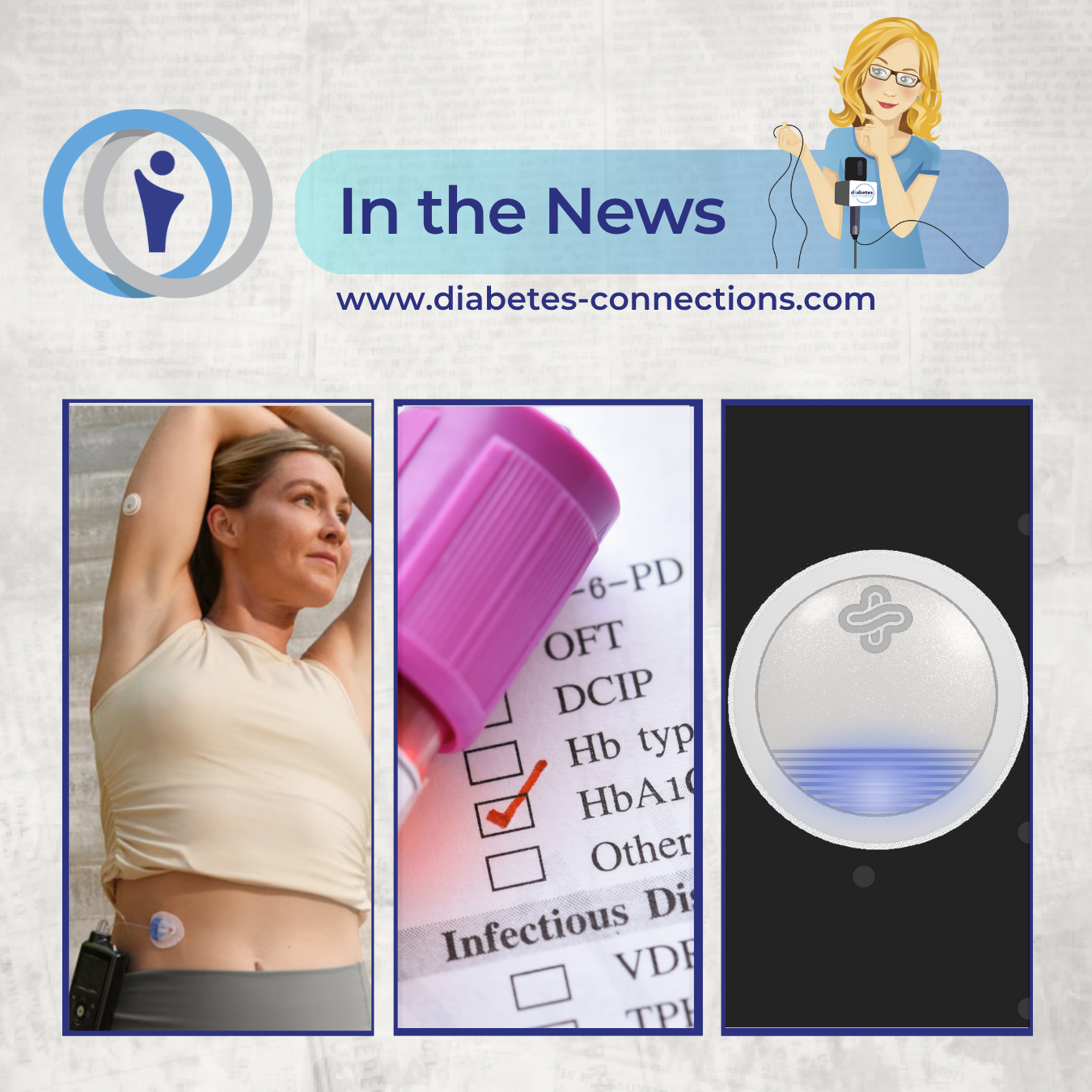
Diabetes Connections | Type 1 Diabetes
In the News.. Insulin pricing, oral pill for T1D prevention studied, false low A1Cs, MedT's new sensor, and more!
00:09:25
It's In the News.. a look at the top headlines and stories in the diabetes community. This week's top stories: Sanofi lowers prices, oral pill for T1D prevention studied, updates from Medtronic, Tandem, and Sequel Med Tech, falsely lower A1Cs (and why...
Loading summary
Transcript1 lines
- [00:00]
A
Foreign hello and welcome to Diabetes Connections in the News. I'm Stacey Sims, and in these shorter episodes, we talk about the top diabetes stories and headlines happening now. French drug maker Sanofi says it will offer a month's supply of any of its insulin products for $35 to all patients in the US with a valid prescription, regardless of insurance status. This program has been operating for uninsured patients, but will now include those with commercial insurance or Medicare starting January 1st. Lilly and Novo have similar programs through which they offer insulin products for $35 a month, regardless of insurance in the U.S. it's interesting to note that there is no law at work here. The only legislation that has changed the price of insulin came with the Inflation reduction act in 2022. The Medicare cap helping lower the cost here, perhaps biosimilars hitting the market and the huge profitability for GLP1 drugs for Novo and Lilly, a pill typically prescribed for rheumatoid arthritis and alopecia might help slow the progression of type 1 diabetes. In a new study, Baricitinib safely preserved the body's own insulin production in people newly diagnosed with T1D. Their diabetes started progressing once they stopped taking the drug. Baricitinib works by quieting signals in the body that spur on the immune system. It is already approved for treating a few other autoimmune conditions. These researchers are moving on to larger phase 3 trials in people recently diagnosed with type 1 as well as in earlier stages of T1D. It's important to note that this has not been published in a peer reviewed journal, so we will be following an existing transplant drug has shown promise in slowing the progression of type one in newly diagnosed young people. This is atg. We have talked about this on and off throughout the years on the podcast. It is currently used together with other medicines to prevent and treat the body from rejecting kidney transplants and even lungs. The findings here are very promising, showing that atg, even at a relatively low dose, can slow the loss of insulin producing cells in young people. The people in this study were age 5 to 25 and the lower dose here caused fewer side effects, making it, the researchers say, a more practical option. The FDA has delayed its feedback on the application to bring sotaglifizin to people with type 1 diabetes. They were going to respond this month. They're now going to wait until the fourth quarter after reviewing new data from ongoing studies. The brand name here, Xinquista, is an oral drug meant to be used with insulin and it has been approved for heart failure. But Last year, an FDA advisory committee said its benefits do not outweigh the increased risk of DKA in people with type 1. The company behind it is still pushing forward, hoping additional submissions will strengthen their case again, a decision supposed to come later this year. A common but often undiagnosed genetic condition may be causing delays in type 2 diabetes diagnosis and increase the risk of serious complications for thousands of Black and South Asian men, a new study found. Around one in seven black and one in 63 South Asian men in the UK carry a genetic variant known as G6PD deficiency. This doesn't cause diabetes but it makes your A1C appear artificially low during testing. This study found men with a deficiency are at a 37% higher risk of developing diabetes related microvascular complications like eye, kidney and nerve damage compared to other men with diabetes because quite often the their diabetes is diagnosed later because of the lower A1C, these researchers say. The study highlights that preventative measures are needed to ensure that black people and South Asian people, especially men, are not under diagnosed or diagnosed too late. Novo Nordisk has resubmitted a biologics license application to the FDA for a weekly injection. Now I'm not saying a weekly, I am saying I'll spell it a weekly A W, I Q, L Y A I gotta give it to him. Terrific drug name. This is a once weekly basal insulin treatment for adults living with type 2. If approved a weekly which is insulin, Ichadec would become the first once weekly basal insulin available in the United States. It's already approved in the EU and 12 additional countries. This resubmission is in response to the FDA's action letter received late last year. Sequel Medtech has signed an agreement with Recor to pair the Twist pump with an ultra concentrated ultra rapid insulin in development. This company also has a deal with Medtronic to develop insulin for new pumps. This insulin isn't yet approved. It's called at 278 and it is five times stronger than your standard fast acting insulin. It's hoped a clinical study will begin next year. This company says that it could be the only option capable of enabling and catalyzing the next generation of longer wear and miniaturized automatic insulin delivery systems. Tandem Diabetes announces that its T Slim X2 insulin pump is now cleared for use with Eli Lilly's Lumev Ultra Rapid acting insulin in the US Lumev in the X2 is cleared for people with type 1, ages 2 and above and all adults with type 2. They are continuing to work towards securing Lumev for the Tantom Mobi pump. You can now place your order for the MiniMed 780G system with the Instinct sensor made by Abbott. This is a 15 day wear sensor with no transmitter or overtape required. It looks the same as the other Abbott sensors that you know, such as the Libre, but this one is proprietary only works with Medtronic. Shipments are scheduled to start in November Kind of a good news, bad news headline here. The global type 1 diabetes burden continues to increase rapidly, but that is driven by aging populations. That's a good thing as people with type 1 are living longer. Improved diagnosis and falling death rates also good things, but the study estimates that type one will affect 9.5 million people globally in 2025 and that is up 13% since 2021. The really bad news here is that due to lack of diagnosis and big challenges, the actual number of people living with type 1 is likely much higher. They think there are about 4 million missing people who would have been alive in 2025 if they hadn't died prematurely from poor type 1 care. This is particularly true in India alone, where an estimated 160,000 people are thought to have died from misdiagnoses. Co author of this report and friend of the podcast renza Schabelia from Breakthrough T1D says early diagnosis, access to insulin and diabetes supply and proper healthcare can bring enormous benefits with the potential to save millions of lives in the coming decades by ensuring universal access to insulin and improving the rate of diagnosis in all countries. A new study finds that semaglutide, the active ingredient found in some GLP1 medications, may help protect the eyes from diabetic retinopathy. Researchers think about 40% of all people with diabetes also have diabetic retinopathy. There's currently no cure. There are ways to manage this study showed that semaglutide may be able to repair damage that has already been done and improve sight. Clinical trials are now needed to confirm these protective effects in patients. Biolink has received de novo classification from the U.S. food and Drug Administration for the Bio Link Shine. This is a patch that provides real time glucose feedback through a primary color coded LED display visible with or without a phone. So it's a CGM patch that changes color. It is a little tricky here. There's not a lot of information. This is called a needle free cgm, but then it also says it uses micro needles. There's no information about mard. They're really not talking about this. For people who use insulin or and as many of you know de novo is not exactly the same as what we think of for FDA approval for medical devices. It's not as rigorous. It is a streamlined route. It's a real route here for novel low to moderate risk devices with no existing equivalent. So we're watching this one closely. Non invasive glucose monitoring is coming. We all know that. Is this the one we shall see and that is in the news. If you like what you heard, please share it. And I mentioned the Medtronic sensors. Next week's interview episode is with Medtronic. We are going to be talking about real world results about their automated insulin delivery systems. We're going to be talking about what's next and they're going to be answering your questions. We'll see you back here for that in just a couple of days. Until then, be kind to yourself. Diabetes Connections is a production of Stacy Sims Media. All rights reserved. All wrongs avenged.