Podcast
Diabetics Doing Things Podcast
Hosted by Diabetics Doing Things · EN
Hosted by T1D Rob Howe, Diabetics Doing Things tells amazing stories of people with diabetes from across the globe, digging deep into everything it takes to Live Well with Diabetes and sharing exciting adventures along the way.
34episodes
Episodes
Newest firstAll episodes
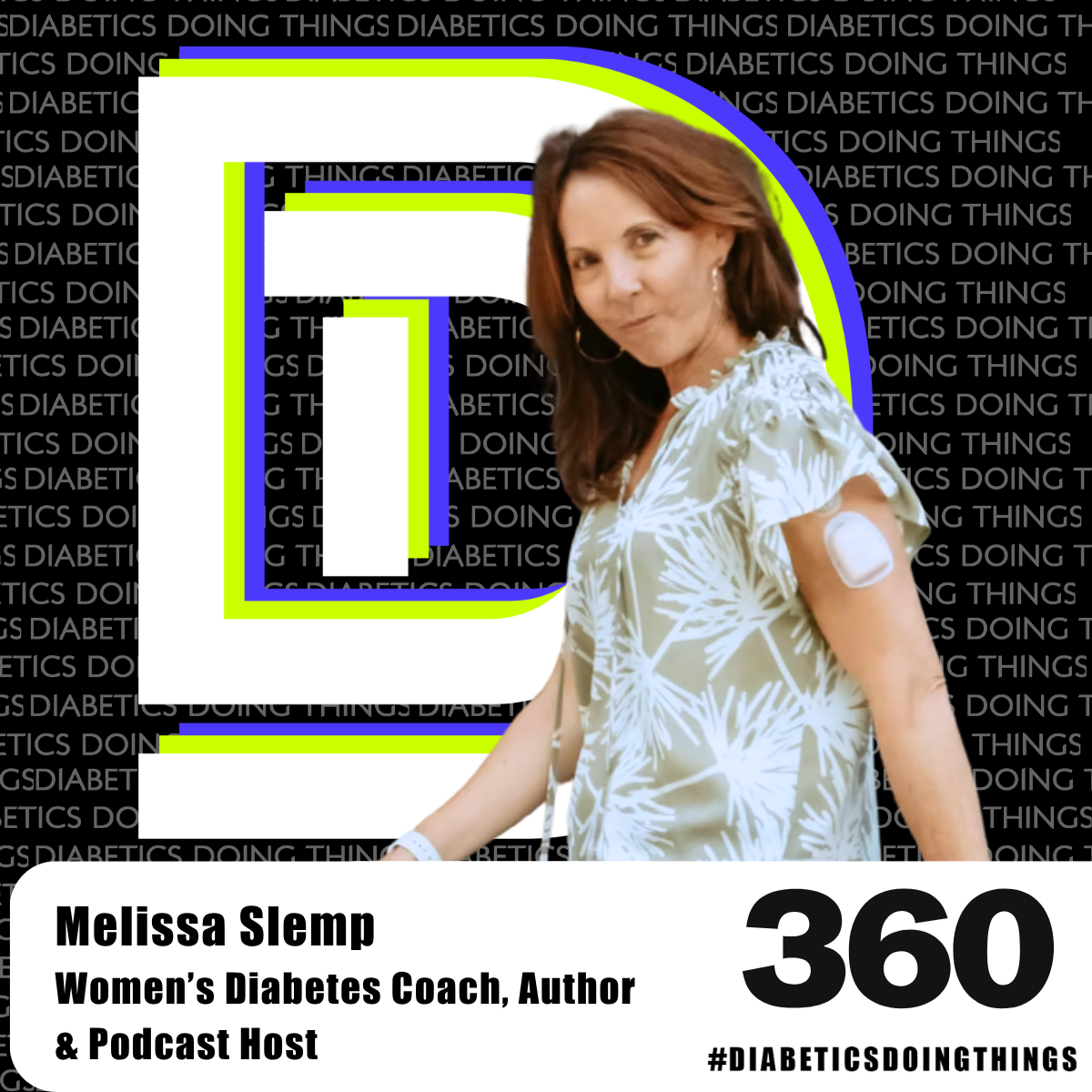
Episode 360 - Highs, Lows, and Hormones: Aging with Type 1 Diabetes with Melissa Slemp
3w agoTap to summarizeMelissa Slemp has lived with type 1 diabetes for 44 years — since she was diagnosed in 1982, before glucometers, before CGMs, back when insulin came from vials and syringes and "boiling your needles" was still a recent memory for a lot of people. In this episode, we trace that whole arc: what early management actually looked like, the high-risk pregnancy she navigated in the 90s, and the moment — after more than four decades on injections — she finally switched to a pump. If you've ever wondered what it's like to hand over that much control after that much time, this is the conversation. But the real heart of this episode is what happens to blood sugar when a woman with type 1 diabetes hits perimenopause. Melissa walks through her own experience of watching her basal insulin needs climb for no obvious reason, the years she spent without an explanation, and what she eventually learned about estrogen, progesterone, and insulin resistance — knowledge she says she had to dig up herself, because most endocrinologists and OBGYNs simply aren't trained in the overlap. That research became the reason she wrote Highs, Lows, and Hormones, a survival guide for women navigating diabetes from their monthly cycle through menopause. Along the way, we get into hormone replacement therapy, why so many women blame themselves before they ever think to blame their hormones, and the bigger pattern underneath it all: how much of diabetes research and care has historically centered men, and what it costs women when it does. There's also a genuinely great story about how Melissa met her husband, who also lives with type 1 — on the side of the road, of all places. This one's for anyone managing type 1 diabetes as a woman, anyone who loves someone who is, or anyone who's ever felt like their body changed the rules without telling them why. Chapters: 00:00 Cold open and introducing Melissa Slemp 01:21 Welcome, and 44 years living with type 1 diabetes 02:24 Diagnosed in 1982, before glucometers existed 04:03 Reframing: the best and hardest time to have diabetes 04:59 Growing up rural with limited access to healthcare 07:09 Early management: injections, mixed insulin, urine strips 07:46 A high-risk pregnancy in the 90s 08:13 Switching to a pump after 40+ years on injections 10:24 How Melissa met her husband, also living with T1D 13:06 Introducing the hormone and diabetes connection 20:14 Rising basal needs and insulin resistance in perimenopause 25:25 Community stories and menopause's hidden career toll 29:44 The gender gap in diabetes research 33:04 Hormones, GLP-1s, and insulin as hormone therapy 36:03 Advocating for yourself with doctors and specialists Resources: Melissa’s Book: Highs, Lows, & Hormones: A Survival Guide for Women With Diabetes From Monthly Cycles to Menopause The Menopause Society Type 1 In Midlife Podcast
Transcribe →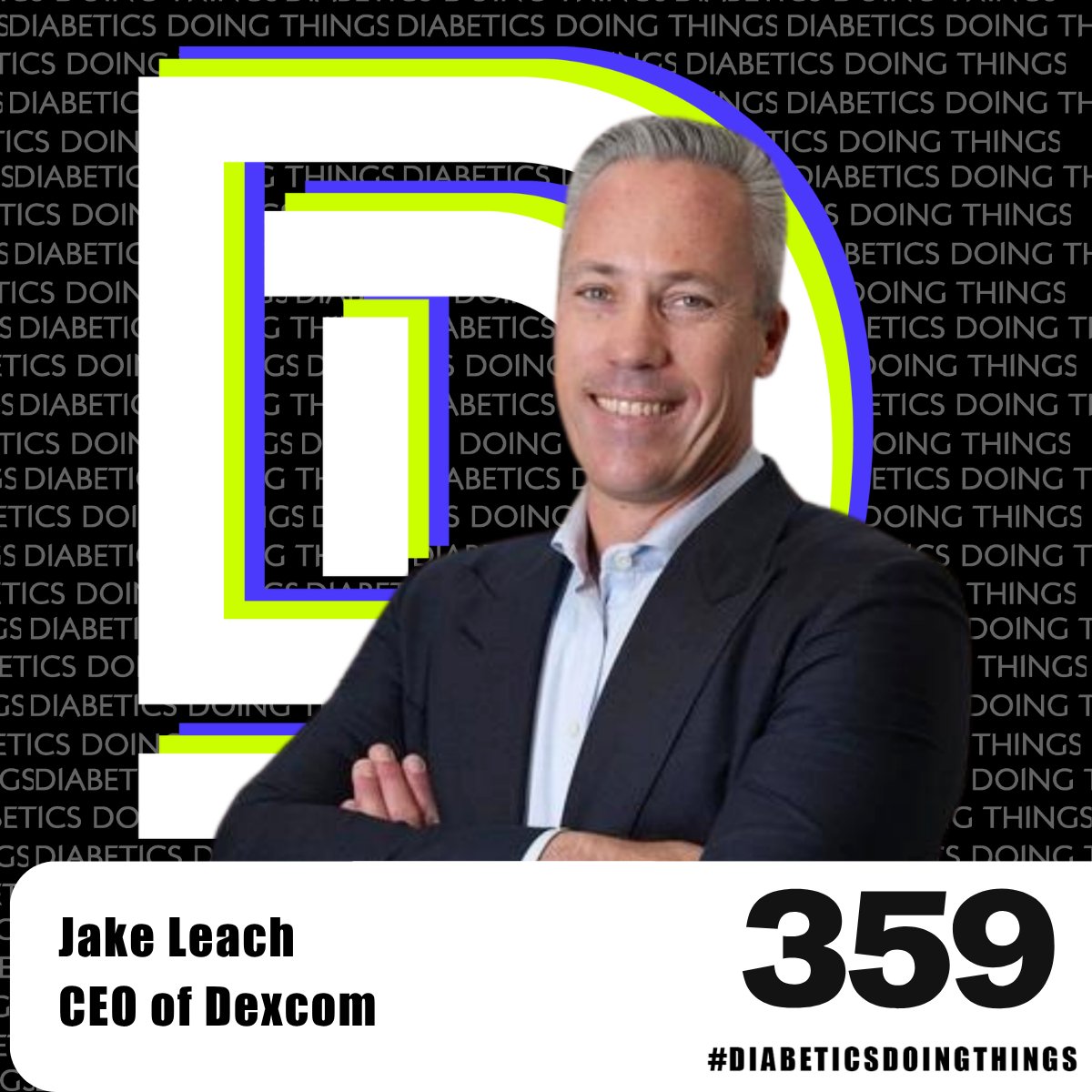
Episode 359 - Dexcom CEO on G8, Stolen Sensors, and the Truth from their New Advisory Council
4w agoTap to summarizeRob was at ADA 2026 in spirit — armed with press access and a list of questions unrelated to the usual conference talking points. His first guest from that coverage is Jake Leach, Dexcom's new CEO, who took over the role on January 1st after 22 years at the company. This is Jake's first time on Diabetics Doing Things as CEO. It sounds like two people having a real conversation about what it means to lead a company that millions of people with diabetes depend on every single day. They get into the research that came out of this year's scientific sessions — specifically, the CONNECT trial, a global randomized controlled study that examined what happens when people with type 2 diabetes who aren't using insulin start using the Dexcom G7. The numbers are striking: an average 1.6% reduction in HbA1C, 5 additional hours per day in range, and 97% sensor utilization over 6 months. That last number might be the most telling — it answers the question the diabetes world has been asking for years about whether people without hypoglycemia risk would actually wear a CGM consistently. Turns out, they will. Rob also pushes the conversation into territory that most executive interviews don't touch. When Dexcom products intended for destruction were stolen and resold to patients, Jake had to go from leading conference sessions to serving as something closer to a chief detective. His candid answer about feeling genuinely betrayed — and how the newly launched Customer Advisory Council became an unexpected asset in getting the word out — is one of the more honest moments you'll hear from a medical device CEO. The council itself, publicly announced and facilitated externally to get truly unfiltered feedback, is something Jake stood up as one of his first acts as CEO. They close on the bigger picture: G8 on the horizon (half the size of G7, with adaptive sensor technology that auto-corrects signal drift), the Nutrisense acquisition adding nutrition coaching to the platform, and where Jake sees Dexcom going as it scales toward serving hundreds of millions of people globally. If you've ever wondered what the person at the top of your CGM company is actually thinking about, this episode gives you a pretty clear answer. Chapters: 00:00 Rob sets up ADA 2026 remote coverage 01:46 Welcoming Dexcom CEO Jake Leach back 02:30 First 90 days: Jake's three CEO priorities 04:39 The Customer Advisory Council goes public 06:47 What the council revealed about communication gaps 08:44 Stolen sensors: Jake's personal reaction 10:39 How the council helped contain the crisis 11:20 CONNECT trial: CGM for non-insulin type 2 users 15:16 97% adherence and five more hours in range daily 16:16 G8 preview: smaller, smarter, adaptive sensing 16:44 Acquiring Nutrisense and redesigning the app experience 19:52 Optimizing beyond insulin: smart bolus and GLP-1s 21:13 Why CGM and GLP-1s are surprisingly powerful together 22:27 Jake's long-term vision for Dexcom's global impact 24:14 Transparency as the foundation of high-performance culture Resources: * Dexcom — dexcom.com | Follow Jake and the team for updates on G8, Stello, and the Customer Advisory Council findings * CONNECT Trial — The full study results from ADA 2026 Scientific Sessions.
Transcribe →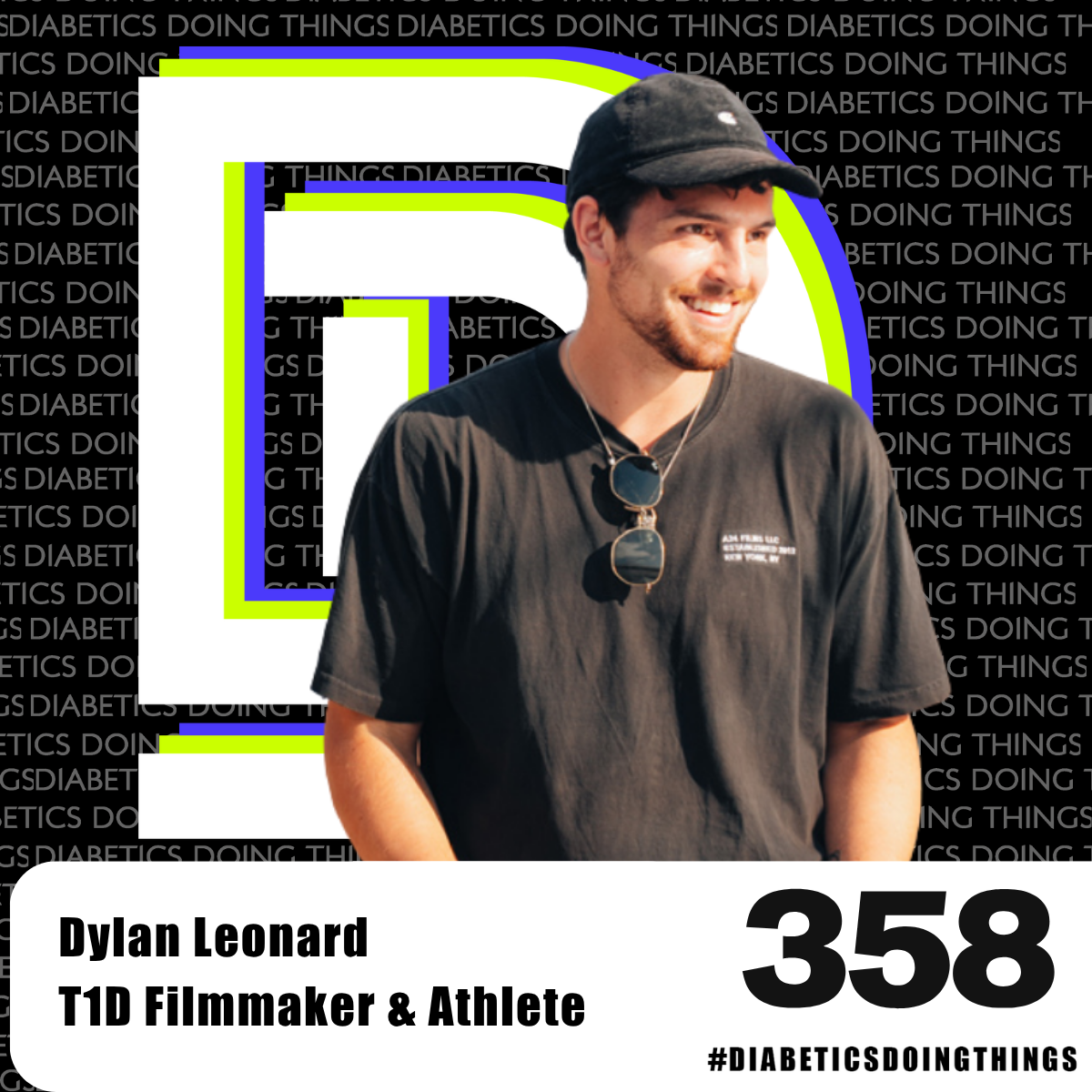
Episode 358 - Travel, Diabetes, and Disrupting What You Think You Know with Dylan Leonard
Jun 17Tap to summarizeWhen mutual friends in the diabetes community kept telling Rob he had a doppelganger in LA, he figured they were exaggerating. Then he met Dylan Leonard — creative director, documentary filmmaker, college basketball player, type one diabetic, philosophy reader, world traveler — and yeah, the comparisons held up pretty well. Dylan was diagnosed at 15, having dropped 45 pounds before anyone realized something was wrong. He went from a hospital bed thinking he'd never eat sugar again to playing college basketball while managing T1D without a CGM, without a pump, and without knowing a single other person with diabetes for his first decade. What carried him through was activity — six hours of workouts a day during basketball season — and a mindset he's been intentionally building ever since through reading, travel, and genuinely hard conversations with himself. This episode goes wide. Rob and Dylan dig into Dylan's upcoming documentary Breaking Limits: Life on the Edge, which follows elite athletes with type one diabetes across seven different sports — from Olympic competitors to IndyCar drivers to American Ninja Warriors. Dylan invested his own money and thousands of hours into this project, not to make a cent, but to hand a 15-year-old sitting in a hospital bed the resource he never had. They also get into the philosophy of travel as the cheapest education on earth, why our brains literally haven't caught up to the abundance of modern life, the difference between manifesting and obsessing, and what a five-hour train conversation with a Norwegian stranger taught Dylan about human connection. Oh, and they're making plans to run a hoop session next time Rob's in LA. Cameras included. Chapters: 00:00 Rob's T1D doppelganger, meet Dylan 01:49 Dylan introduces himself: creative, hooper, T1D 02:39 Dylan's diagnosis story: 45 lbs lost at 15 04:36 First pickup game post-diagnosis, flying blind 06:26 How activity literally saved his diabetes management 07:28 Life after college ball: blood sugars out of whack 09:12 Morning routine: walk, no phone, delayed caffeine 10:34 Civilized to Death and the myth of progress 14:48 Our brains weren't built for this level of abundance 17:21 Phones, phones everywhere — even for T1D management 19:45 Abundance mindset, FOMO, and the creative career trap 21:01 Why athletes list it: delayed gratification is a superpower 24:20 Self-help books, repetition, and finding what actually works2 7:48 Manifestation is obsession with action behind it 29:15 Compounding growth: who were we six years ago? 33:14 Breaking Limits documentary: T1D athletes across seven sports 38:59 Nine months of travel: Vietnam, Norway, Australia, Mexico 40:00 "The cheapest education on earth is a one-way flight" 44:44 Japan and what loneliness taught him about human connection Resources: * Dylan Leonard on Instagram * Civilized to Death by Christopher Ryan — the book Dylan cites on the myth of perpetual progress and why foraging societies may have been happier than ours * The Game of Life and How to Play It by Florence Scovel Shinn — Dylan's twice-a-year read, ~95 pages, written 100 years ago, still hitting * Risley Health / Rising Above T1D — where Dylan has previously appeared on podcast and debuted early cuts of Breaking Limits (link to Riseley Health podcast)
Transcribe →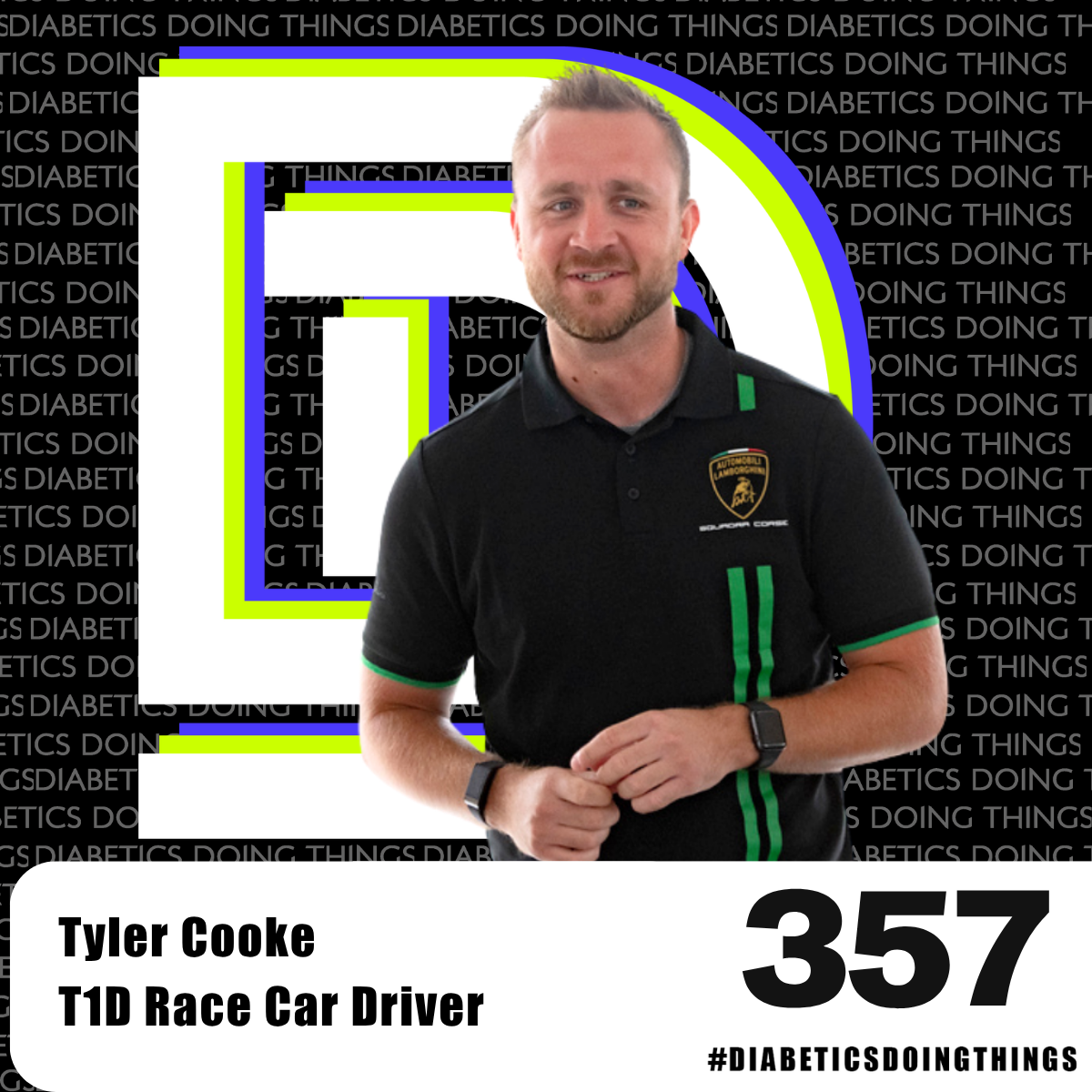
Episode 357 - Racing at 150 MPH with Type 1 Diabetes: Tyler Cooke's Life in the Fast Lane
Jun 10Tap to summarizeTyler Cook is a professional GT3 racing driver who has competed in some of the most grueling endurance races on the planet, the 24 Hours of Spa, the 24 Hours of Nürburgring, IMSA, and GT World Challenge Europe. He's also been living with type 1 diabetes since he was 11 years old. This episode gets into what it actually looks like to manage blood sugar in a fire suit, in a 130-degree cockpit, at 150 miles per hour, sometimes at 3 a.m. Tyler takes us back to his diagnosis in 2006 — an ICU stay, four IVs, and a very specific grief over the chocolate mousse at Epcot's France pavilion. From there, he walks us through the journey from go-karts in his dad's garage to GT3 race cars with 650 horsepower. Along the way, there was bullying in middle school over his diet, sneaking to the bathroom to give injections on dates, and a decision somewhere along the line to stop hiding his diabetes and start owning it. We get into the technical side, too: how OmniPod changed his race management strategy, why adrenaline sends his blood sugar climbing instead of crashing, what a 24-hour-race insulin plan actually looks like, and what it means to have a Gatorade button wired into your cockpit as an emergency low-blood-sugar protocol. Tyler also talks about the physical training side of racing — heart rate zone work, neck day (yes, neck day), and why a GT3 driver can be pressing 1,200 pounds of brake force per pedal. The episode wraps with something that's been sitting with both Rob and Tyler: the idea of trusting the process. For Tyler, the lesson comes through racing — you can't skip steps from spec Miata to GT3. For people with T1D, it's the same. Wherever you are in your management journey, that's where you are — and it's going to get better if you just keep going. Chapters: 00:00 Climbing out of a race car at 2 a.m. 00:51 Introducing Tyler Cook, GT3 driver with T1D 01:52 Diagnosis at 11: ICU, four IVs, and Epcot chocolate mousse 04:16 Go-karts at three, racing in the family DNA 06:20 Racing pre-CGM: going off vibes and feeling lows 07:29 Bullied for his diet in middle school 09:53 Dating with diabetes and deciding to stop hiding it 12:29 Going public: from fear of losing opportunities to advocacy 13:35 A potential cure and why staying healthy now matters 17:19 What GT3 racing actually is — and why you should go watch it 23:02 The Gatorade button: CGM and cockpit glucose management 24:28 130-degree cockpits, adrenaline spikes, and pre-race hydration 25:39 WHOOP strain scores: practice vs. race stint 28:37 Training for the car: heart rate zones, neck day, 1,200-lb brakes 36:45 What Tyler would tell 11-year-old himself: trust the process Resources: * Tyler Cooke Instagram * Breakthrough T1D * Conor Daly (T1D IndyCar driver Tyler mentioned)
Transcribe →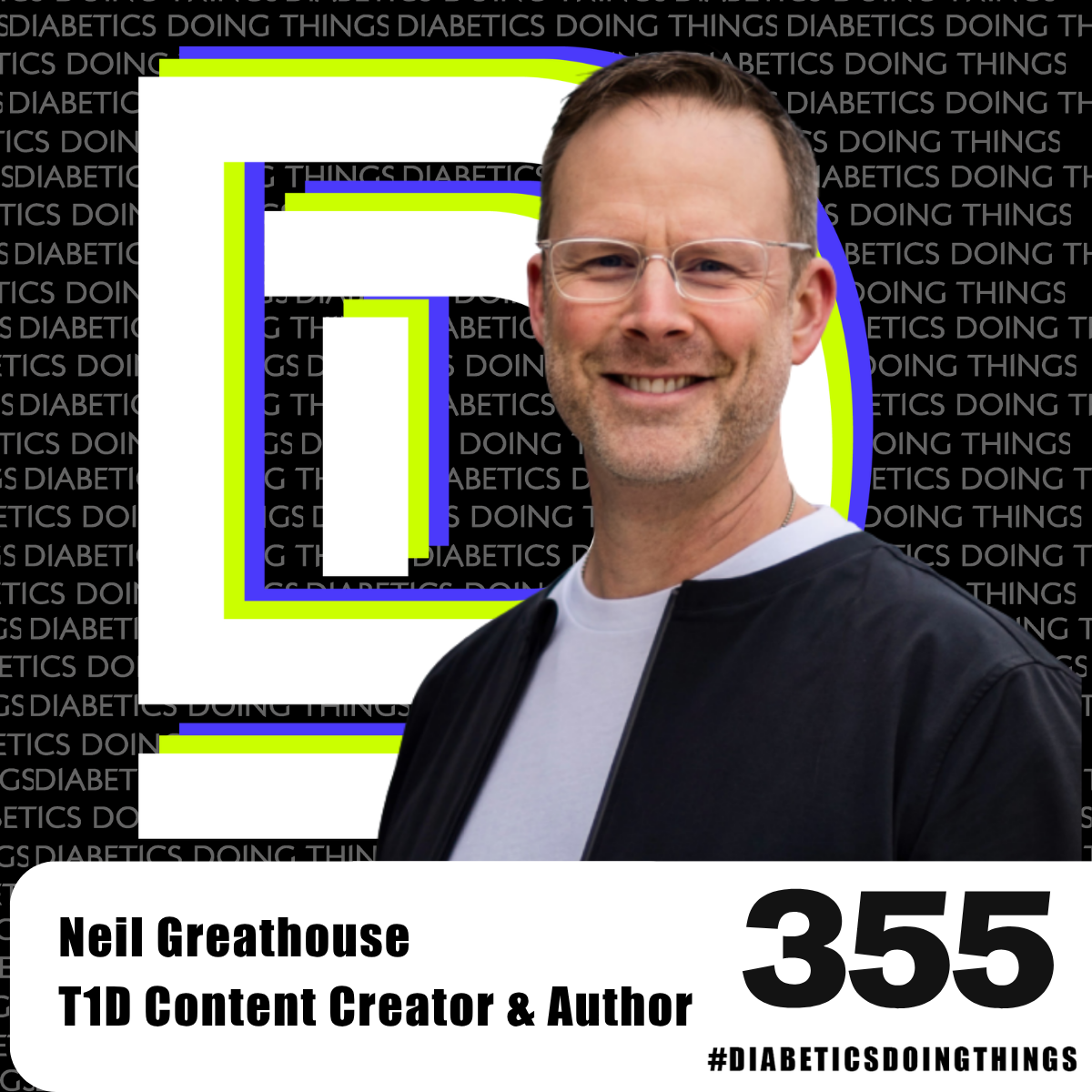
Episode 355 - Hydration, Sleep, and a Possible T1D Cure with Neil Greathouse
May 20Tap to summarizeRob and Neil have been doing this a long time, long enough to get bored with the safe version of things. This conversation started as a Friday-at-5 PM debrief between two guys who've spent years making diabetes content, and it ended up going somewhere worth sharing. They talk about the trap of waiting until you've "figured it out" before helping anyone and why being in the middle of something is actually more useful than standing on the other side of it. Neil makes the case that saying "I'm proud of you" to someone still in the fight might be the most underrated thing a diabetes creator can do. Rob shares what hydration, sleep consistency, and the Steph Curry shooter's mentality have to do with managing blood sugars. Both of them are honest about the fact that none of this is ever really mastered. There's also a surprisingly vulnerable cure conversation. Neil opens up about what happened when he recorded a podcast episode with Katie Beth, one of the 10 participants in the Eladon trial who are now insulin independent and why it wrecked him in a way he didn't expect. Neither Rob nor Neil is putting all their chips on a timeline, but something has shifted: for the first time in 34 years, Neil feels like the house needs to be in order. They also get into the business side of being a diabetes creator, the AI spam in the inbox, the economics of running a mission-driven podcast, why both of them have turned down deals they could have taken, and why the audience is just too small to make the math work unless you actually care about the people in it. It's candid, it's funny, and it's the kind of conversation that only happens when two people have been in the same weird niche long enough to just say the thing. Chapters: 00:00 Intro: Why this episode exists and who Neil is 02:04 Friday at 5 PM and the Tim Ferriss random episode format 03:42 Why there aren't enough guys doing diabetes content 05:21 The mastery trap: waiting until you've figured it out 07:02 The CDC educator who Good Will Hunting'd Neil on camera 09:24 "I'm proud of you" — the most underrated thing to say 13:50 Hydration, diet soda, and what Rob's mom figured out by 65 19:45 Neil is running the NYC Marathon again (breaking news) 20:13 Sleep consistency vs. sleep duration — the stat that'll surprise you 25:41 James Clear, LeBron, and the cost of keeping options open 28:43 400+ episodes and what consistency actually looks like 33:11 The Eladon trial, Katie Beth, and why Neil finally felt hope 38:20 Steve Jobs, saying no, and the current era of tech 44:36 Glow Glucose Gummies and how Neil thinks about brand deals 49:17 The real economics of running a diabetes-focused business Resources: Neil Greathouse Instagram Your Best T1D Year Website
Transcribe →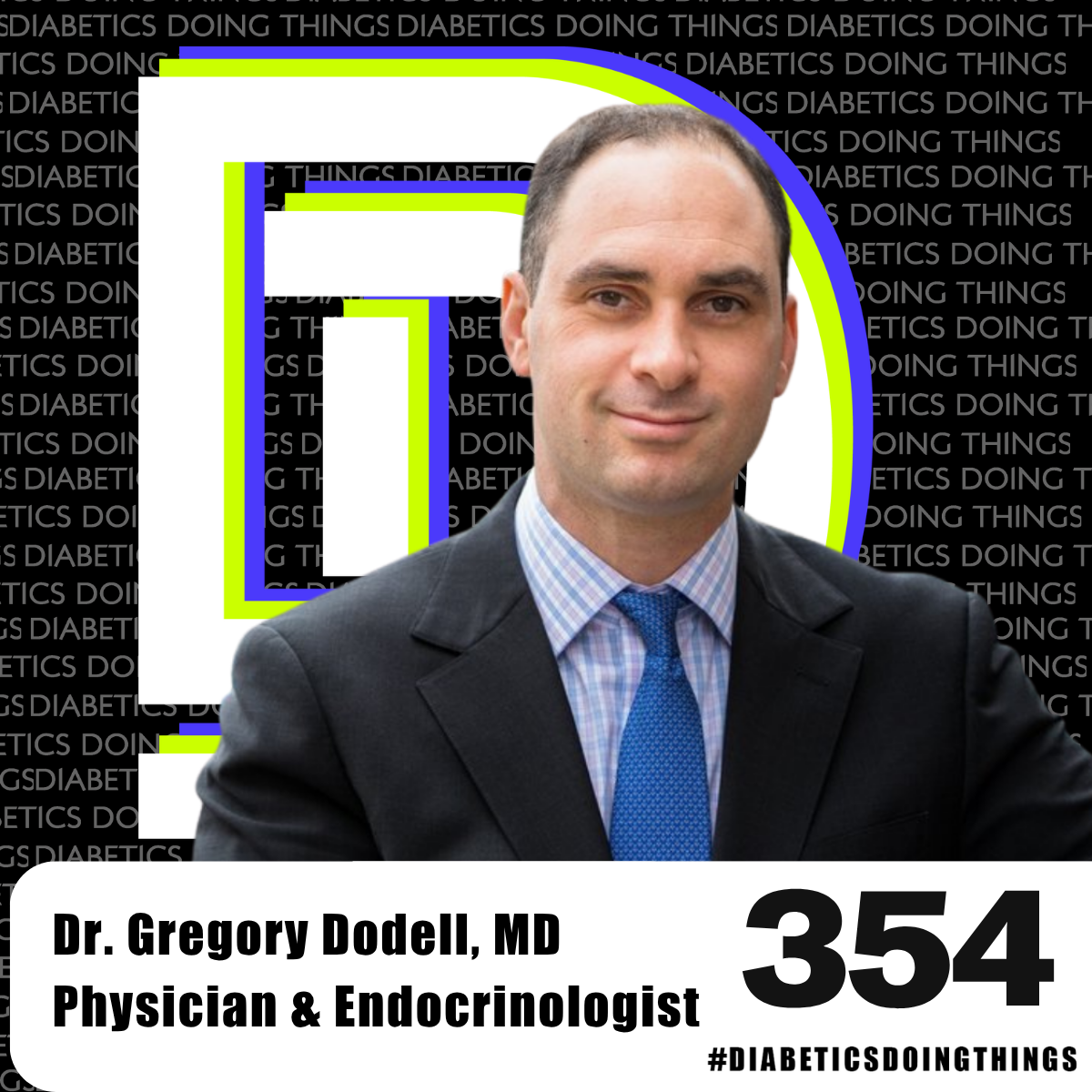
Episode 354 - This Doctor Gets It: Burnout, Bureaucracy, & Better Diabetes Care, Dr. Gregory Dodell
May 14Tap to summarizeRob sits down with Dr. Gregory Dodell, an endocrinologist from New York City and one of the more honest voices in the diabetes space online. What starts as a conversation about why a doctor would bother making Instagram videos turns into something a lot more real, a candid look at what actually happens between patients and their providers, why those relationships succeed or fall apart, and what it takes to feel like a full person inside a system that was mostly built around numbers. Dr. Dodell talks about the thing he keeps learning from patients that wasn't in any textbook: stress. How it silently drives blood sugars up, how burnout and over-fixation on every CGM reading can quietly hollow out your quality of life, and why a slightly elevated number is sometimes worth it if it means you actually got to live your day. It's not a permission slip to ignore your management. It's a reminder that the goal was never the A1C itself. The goal was always life on the other side of it. They also dig into the infrastructure problems that make good diabetes care so hard to deliver, the prior authorization nightmare, the endocrinologist shortage, and the 20-patient days that leave almost no room to actually sit with someone. Dr. Dodell shares, for the first time publicly, that he's moving toward concierge primary care, not out of ambition, but out of frustration with a system that makes it structurally almost impossible to do the job he trained for. If you've ever left an endo appointment feeling like you only got halfway through what you needed to say, or worse, left feeling judged, this one's for you. Chapters: 00:00 Who is Dr. Gregory Dodell? 01:41 Why HCPs Are Becoming Content Creators 04:06 Reaching Patients Beyond the Office 05:16 Preparing for Short, High-Stakes Endo Visits 06:29 Fitting Everyone Into One Box Doesn't Work 07:18 Listening First — How to Read the Room 08:26 The Surprising Role of Stress on Blood Sugar 09:59 Diabetes Distress and Over-Fixation on Numbers 10:35 Quality of Life vs. Perfect Blood Sugar Control 11:37 There's More to Life Than an In-Range Number 13:33 Complications — Compassion Over Judgment 14:59 Stigma, A1Cs, and the Morality Trap 16:03 How Patients Have Been Traumatized by Healthcare 17:37 The Endocrinologist Shortage Crisis 20:04 Prior Authorizations — A System-Wide Failure 24:38 Dream Scenario: What Ideal Diabetes Care Looks Like 26:10 Concierge Medicine and the Future of the Endo Practice (First Announcement) 28:44 Exciting Research — T-ZELD, GLP-1s, Autoimmune Breakthroughs 32:47 How to Find and Advocate for Yourself with Your Endo Resources: * Dr. Gregory Dodell on Instagram (@EverythingEndocrine) * Central Park Endocrinology
Transcribe →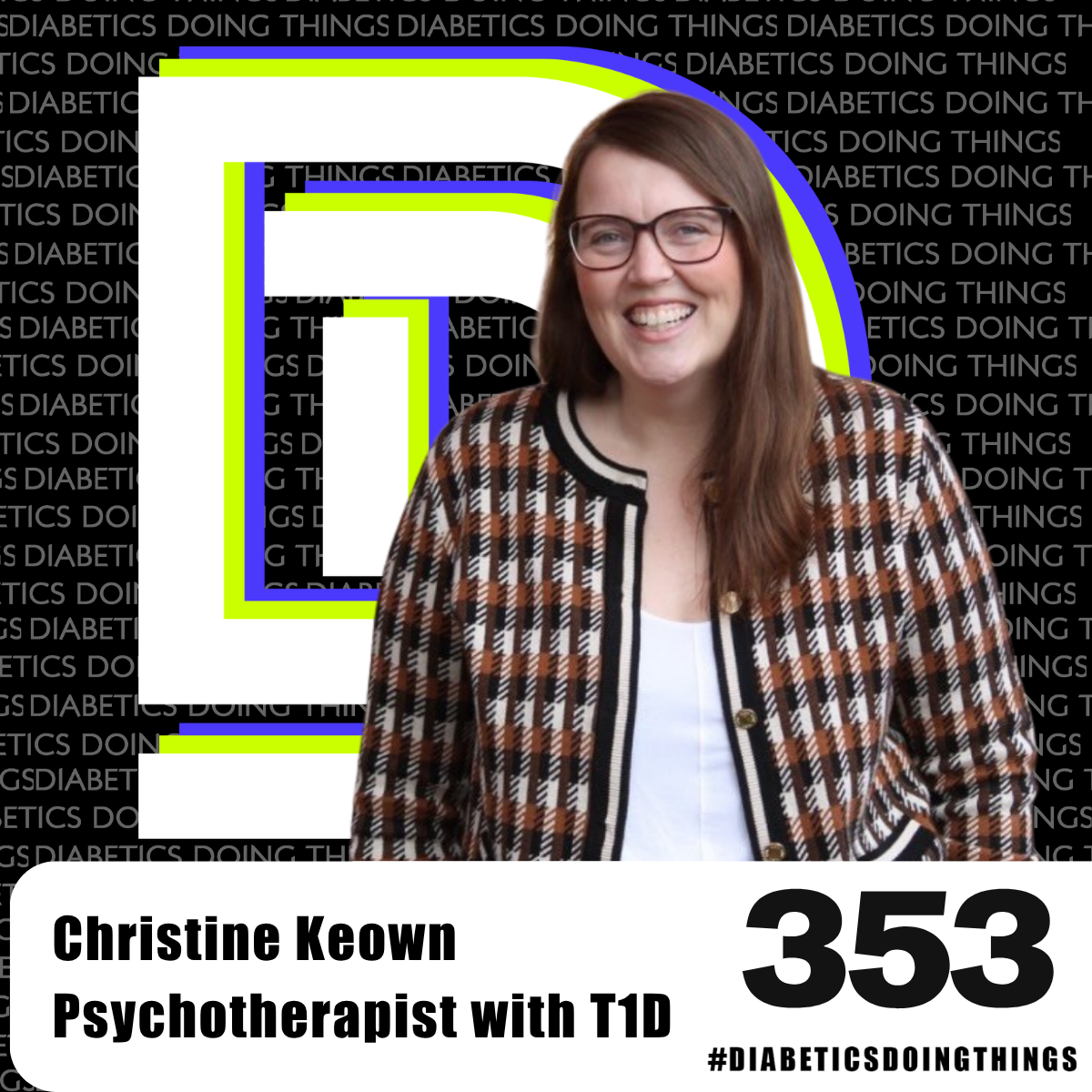
Episode 353 - The Hidden Mental Load: A T1D Pshycotherapist on Burnout, Grief, and Letting Go
May 6Tap to summarizeWhat happens in the room when a therapist with Type 1 diabetes hears the same fear over and over, that everyone else has their numbers under control, and you’re the only one who doesn’t? Rob sits down with Christine Keown, a registered psychotherapist and T1D since age four, to have the conversation that doesn’t get nearly enough airtime. Recorded right in the middle of the Diabetes and Mental Health Conference, this one covers a lot of ground and goes places most diabetes content never does. Christine shares what she calls her “meta-analysis” of her clients: the common threads she sees across every person with diabetes who walks through her door. The fear of judgment around numbers. A fractured sense of identity after diagnosis. The compounding spiral of healthcare avoidance. And high-functioning burnout, the kind that looks completely fine at work and only shows up at home. Rob opens up, sharing what a recent diabetes meditation retreat revealed to him about conditional joy, self-compassion, and why he’s been sitting with the uncomfortable truth that he’s not nearly as in control as he’d like to be. One of the standout moments is Christine’s live demonstration of an ACT (Acceptance and Commitment Therapy) exercise using a literal piece of paper. The idea: we exhaust ourselves pushing our fears away. What if we just put them down instead? Rob couldn’t stop laughing, and neither could we. This episode is for anyone who has ever felt like they’re failing at diabetes, quietly avoided the endocrinologist, or thought everyone else has it figured out except them. You’re not alone. Not even a little bit. As Christine and Rob both land on: we’re all just doing our best, every single day. Chapters: 00:00: Rob introduces Christine Keown, registered psychotherapist 01:46: Recording live at the Diabetes and Mental Health Conference 02:26: Why people seek out a therapist who also has diabetes 04:01: Fear of judgment keeps people away from community 05:45: When the endocrinologist becomes the threat 06:44: Diabetes distress and physician-related avoidance 07:58: The compounding loop: wanting care, avoiding it anyway 08:58: The therapist’s privilege: normalizing what everyone feels 10:27: The meta-analysis: what every T1D client shares 11:11: Fear of comparison and the myth of perfect control 12:36: Conditional joy: happiness gated behind blood sugar 13:37: Christine’s pre-podcast low and the reality of T1D 15:13: The messenger matters more than the message 16:23: A joy shared is a joy multiplied 17:42: Identity shifts after a chronic illness diagnosis 18:15: Christine’s story: leg muscles, mountains, and Costco 21:07: Rob on learning to ‘be’ instead of always ‘do’ 21:31: Grief, anxiety, and diabetes pulling us from the present 23:51: ACT therapy: the paper exercise for carrying fear 28:03: Naming the fear instead of making it the main character 30:18: Chronic illness and the desperate need for control 31:08: High-functioning burnout: invisible to everyone around you 32:43: Signs at home no one at work will ever see 34:49: Distraction through overwork and the “next thing” trap 35:30: A call to curiosity, self-compassion, and getting help Resources: * Christine Keown on Instagram: @your_health_therapist * Diabetes & Mental Health Conference: Session recordings still available at dmhconference.com
Transcribe →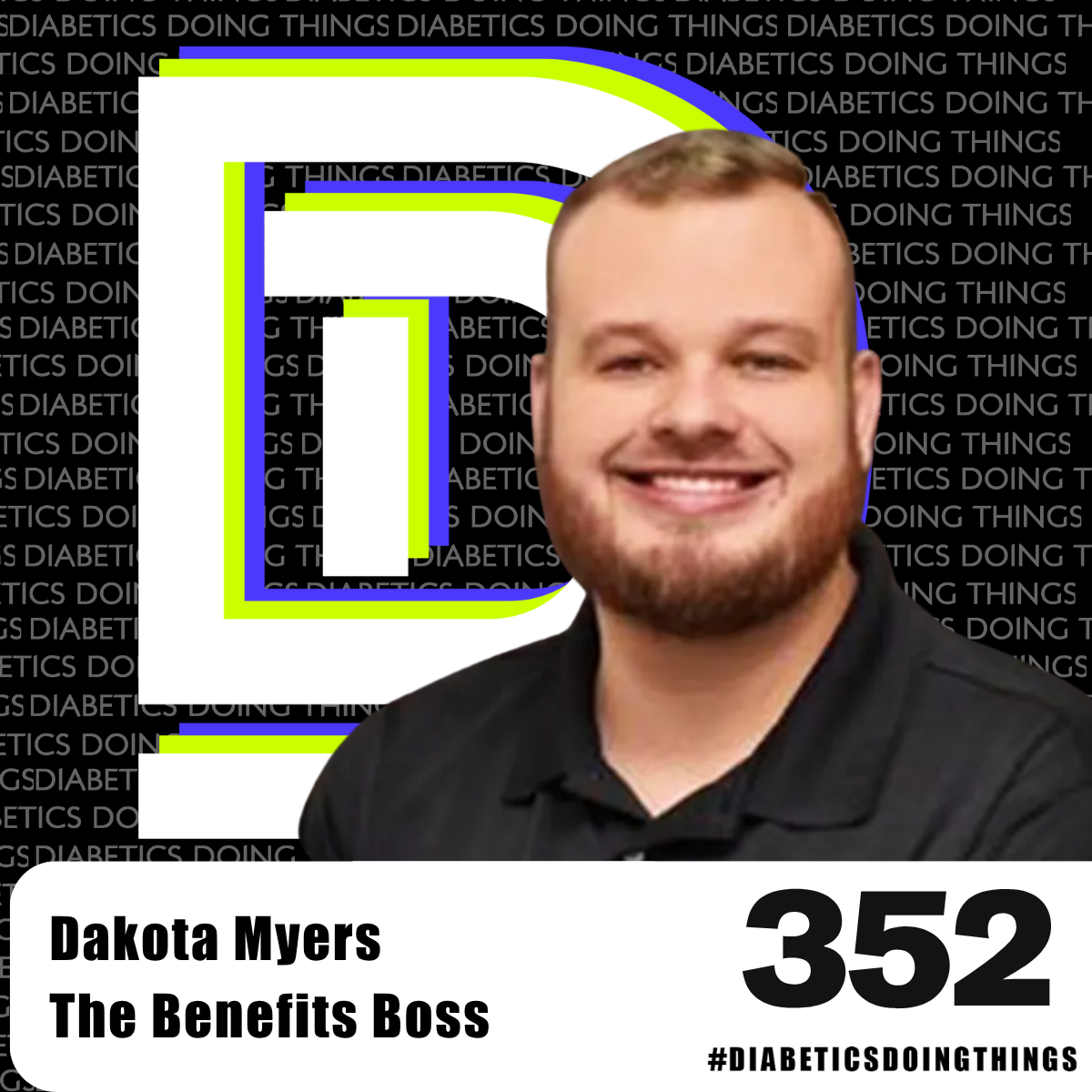
Episode 352 - Health Insurance 101: What Every Diabetic Needs to Know Before Open Enrollment
Apr 29Tap to summarizeHealth insurance is one of those things that's genuinely important and genuinely confusing. When you're managing diabetes or any chronic illness, the stakes are a lot higher than for most people. One wrong plan choice can mean insulin coverage disappears, specialist visits become out-of-pocket, or you get hit with a bill you didn't see coming. Rob sits down with Dakota Myers, known online as The Benefits Boss, for a no-nonsense breakdown of health insurance fundamentals through the lens of chronic illness. Dakota walks through the terminology that trips most people up (premiums, deductibles, co-insurance, out-of-pocket maximums), explains the real difference between PPO, HMO, and HSA plans, and makes a compelling case for why working with a broker costs you nothing and can save you thousands. The conversation covers some genuinely useful stuff that most people don't know, like the Medicaid Decline Hack for getting back onto the marketplace outside of open enrollment, the COBRA backdating loophole for gap coverage, and how income and health status together should drive your marketplace vs. private plan decision. If you've ever stared at an open enrollment portal feeling completely overwhelmed, this one is for you. Dakota and his team at The Benefits Boss shop every plan in all 50 states, and as he puts it, the goal is always to build the best package for each individual situation, not to sell a product. By the end of this episode, you'll have a much cleaner framework for evaluating your options and asking the right questions. Chapters: 00:00 Rob's intro: why this episode exists 02:43 Introducing Dakota Myers, The Benefits Boss 04:33 Starting with the basics: premiums defined 04:51 The three-step cost breakdown explained 06:25 Short-term and long-term disability coverage 07:07 High premium vs. high deductible: how to choose 09:30 What employers actually pay — a business owner's view 10:54 PPO, HMO, and network basics demystified 13:56 The doctor network hack: verify your coverage 14:44 What a good broker actually does for you 17:07 Should you use a broker? Here's the case for yes 17:40 HSAs: who they're actually useful for 19:10 Evaluating employer plans: three things that matter 22:26 Navigating the ACA marketplace and open enrollment 22:57 The Medicaid Decline Hack for qualifying events 27:02 COBRA explained — and the backdating loophole Resources: The Benefits Boss IRS HSA Contribution Limits & Eligibility Healthcare.gov
Transcribe →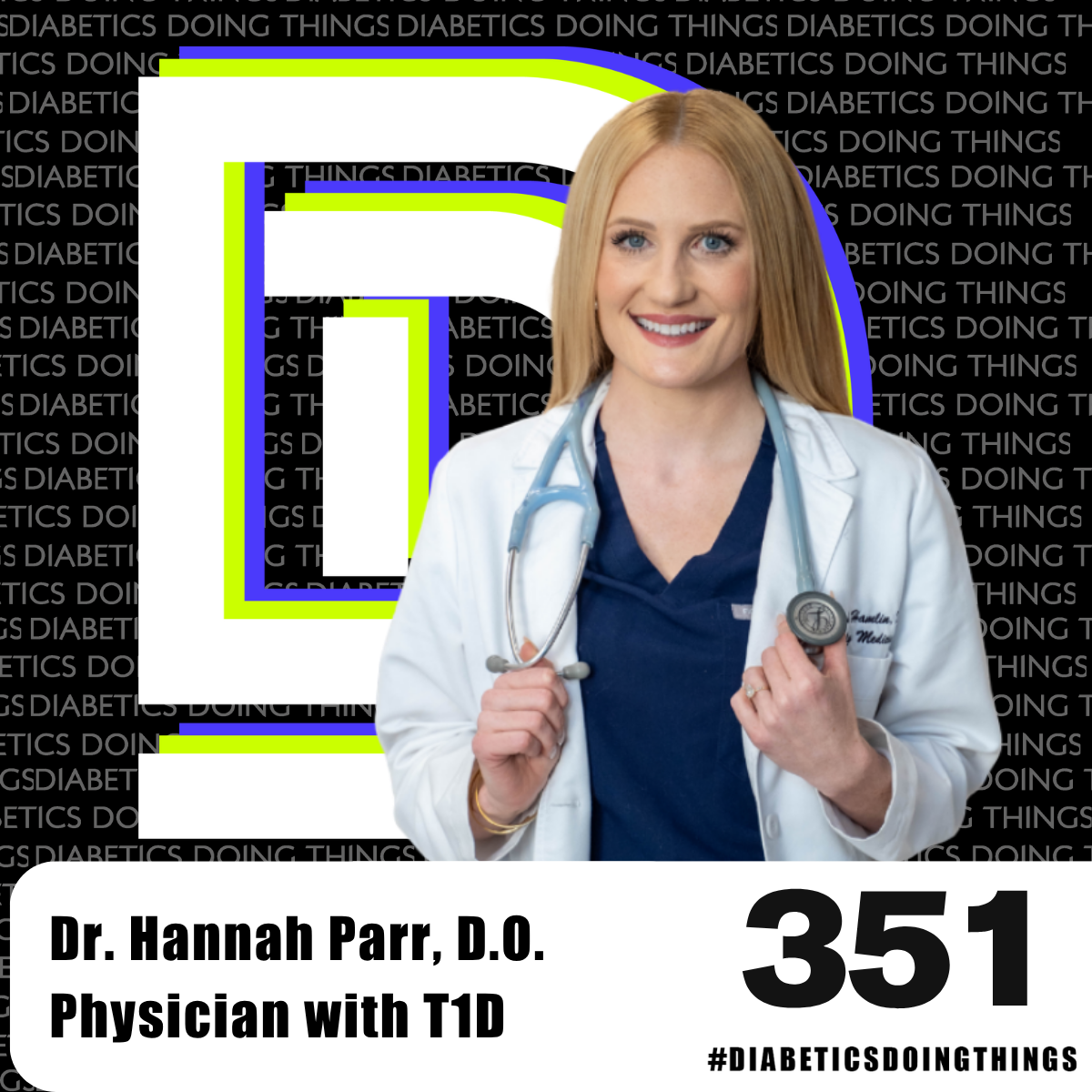
Episode 351 - What Your Doctor Was Never Taught About Diabetes with Dr. Hannah Parr, D.O.
Apr 23Tap to summarizeTen years ago, Hannah Hamlin came on the pod (Episode 8!) as a medical school student with type 1 diabetes trying to figure out how to manage blood sugar while surviving boards. She's back now as Dr. Hannah Parr, D.O., a physician with additional training in integrative medicine and diabetes education, and the conversation is a completely different one. This episode is about what happens after you get the diagnosis under control, the emotional, philosophical, and practical work of actually living well with a chronic illness. Hannah walks through why she felt angry at her doctors in her early 20s (and why that anger wasn't entirely fair), what medical school actually teaches versus what it leaves out, and how she eventually built education specifically designed to fill the gap between a 15-minute endocrinology appointment and real, whole-person health. One of the most honest moments in the episode comes when Hannah describes a phase of her life where she had nearly perfect blood sugars on a low-carb diet and her cholesterol was climbing, her hormones were off, and she was gaining weight. Her A1C looked great. The rest of her health didn't. It's a good reminder that optimizing one number in isolation isn't the same as taking care of yourself. What she landed on instead is something much simpler: treat yourself like a human first. The diabetes management follows. Dr. Parr also shares details about her free monthly support group for people living with diabetes and her six-week Living Well with Diabetes course built for the emotional and psychological side of chronic illness that most diabetes education never touches. Chapters: 00:00 Rob introduces Dr. Hannah Parr, 10 years later 01:04 Reconnecting after a decade on the podcast 02:23 The diagnosis story: DVD in Spanish, sent home 03:53 Going from frustrated patient to med school 06:41 What medical training actually covers (and skips) 09:56 Why endocrinologists aren't failing you 12:50 How to prepare for your next diabetes appointment 17:36 Taking ownership when the system can't do it for you 20:30 Why A1C alone doesn't equal quality of life 24:42 The balance between control and actually living your life 28:27 Resilience, heart health, and the unexpected gifts of T1D 30:42 How Hannah found her way through six months of illness 36:28 Letting go of limiting beliefs about what's possible 38:49 The Living Well with Diabetes course and free support group 41:00 What Hannah has changed her mind about in 10 years Resources: Dr. Hannah Parr's website Dr. Hannah Parr on YouTube Dr. Hannah Parr Instagram Free Support Group Sign Up
Transcribe →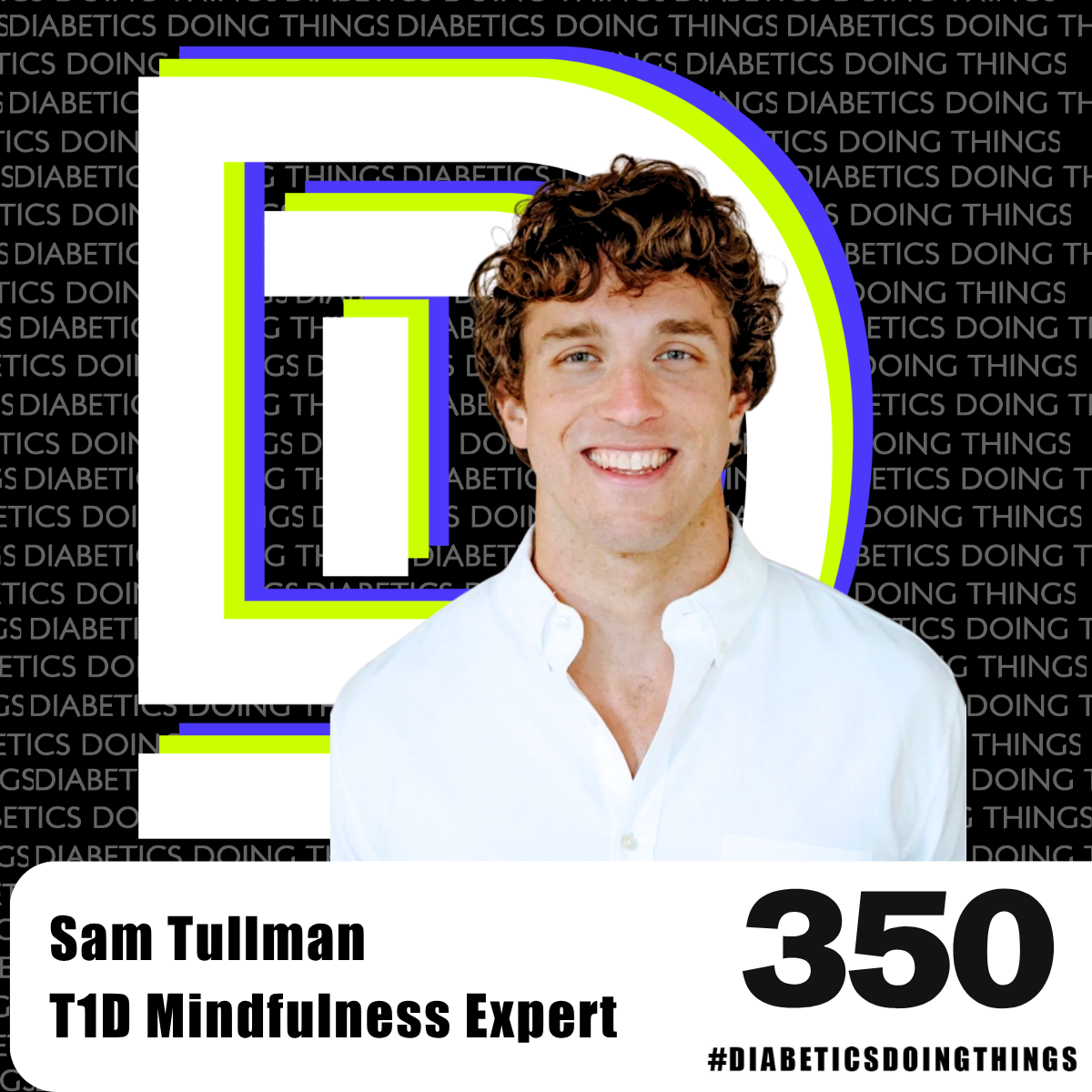
Episode 350 - Why You Hold Your Breath Every Time You Check Your Blood Sugar with Sam Tullman
Apr 15Tap to summarizeMost of us know diabetes affects the body. Fewer of us talk honestly about what it does to the mind and what the mind does right back. In this episode, Rob sits down with Sam Tullman, co-founder and facilitator of Diabetes Sangha and a dedicated student of Rinzai Zen, for a wide-ranging conversation on mental health, mindfulness, and what it actually means to live well with diabetes. Not managing it perfectly. Live well with it. They get into the neuroscience of why checking your CGM makes you hold your breath, why rage bolusing is as much an emotional event as it is a physical one, and how the concept of interoception, your brain's ability to read signals from inside your body, turns out to be both a burden and a hidden advantage of life with type 1. Sam introduces a question that quietly reframes everything: what is your actual goal in living with diabetes? His answer might surprise you. The conversation winds through predictive processing theory, Zen master stories dating back to 17th-century Japan, the research behind mindfulness-based stress reduction, and Rob's own discovery of what he calls "rage gratitude", a practice that started with 35 lines scribbled on a page and changed how he moves through his days. If you've ever wondered whether mindfulness is actually practical for someone who's already managing a chronic illness on top of everything else, this episode makes the case. Sam is also a fellow podcaster and one of the most thoughtful voices in the T1D mental health space. By the time this episode is published, Rob will be sitting with Sam and the rest of Diabetes Sangha at their spring retreat. Which, honestly, feels like the right note to publish on. Chapters: 00:00 Introduction: Sam Tullman and Diabetes Sangha 01:14 Welcome back: catching up since last time 02:03 Mental health as part of the whole body 03:29 How the mind directly impacts blood sugar 04:42 Rage bolusing: a behavioral health problem 07:16 Rob's real-time low and what he noticed 08:58 Predictive processing theory and Dr. Lisa Feldman Barrett 10:12 How the brain makes its best guess 13:03 Interoception: the hidden strength of living with T1D 15:02 Awareness as both burden and advantage 18:33 Holding it in both hands: grief and gratitude together 24:09 Mindfulness as a muscle: how to start building it 25:22 The question that reframes everything: what is your goal? 29:00 Two kinds of meditation practice: relief and long-term growth 31:51 Growth is uncomfortable — and that's okay 36:18 The Zen master Hakuin story 40:34 After ecstasy, the laundry — and changing your CGM 44:44 Rage gratitude: Rob's discovery of a simple practice 47:17 Many paths to the same place: finding what works for you 48:13 Diabetes Sangha: community, retreats, and resources Resources: Diabetes Sangha — weekly meditations, newsletters, events, and retreats for people living with diabetes How Emotions Are Made by Dr. Lisa Feldman Barrett — referenced by Sam on predictive processing theory and interoception Dr. Brad Liechtenstein — retreat facilitator and breath expert mentioned by Sam, works with people with chronic conditions: search "Dr. Brad Liechtenstein" or find him through naturopathic health directories
Transcribe →