← Fame Under Fire: The Tupac Murder Trial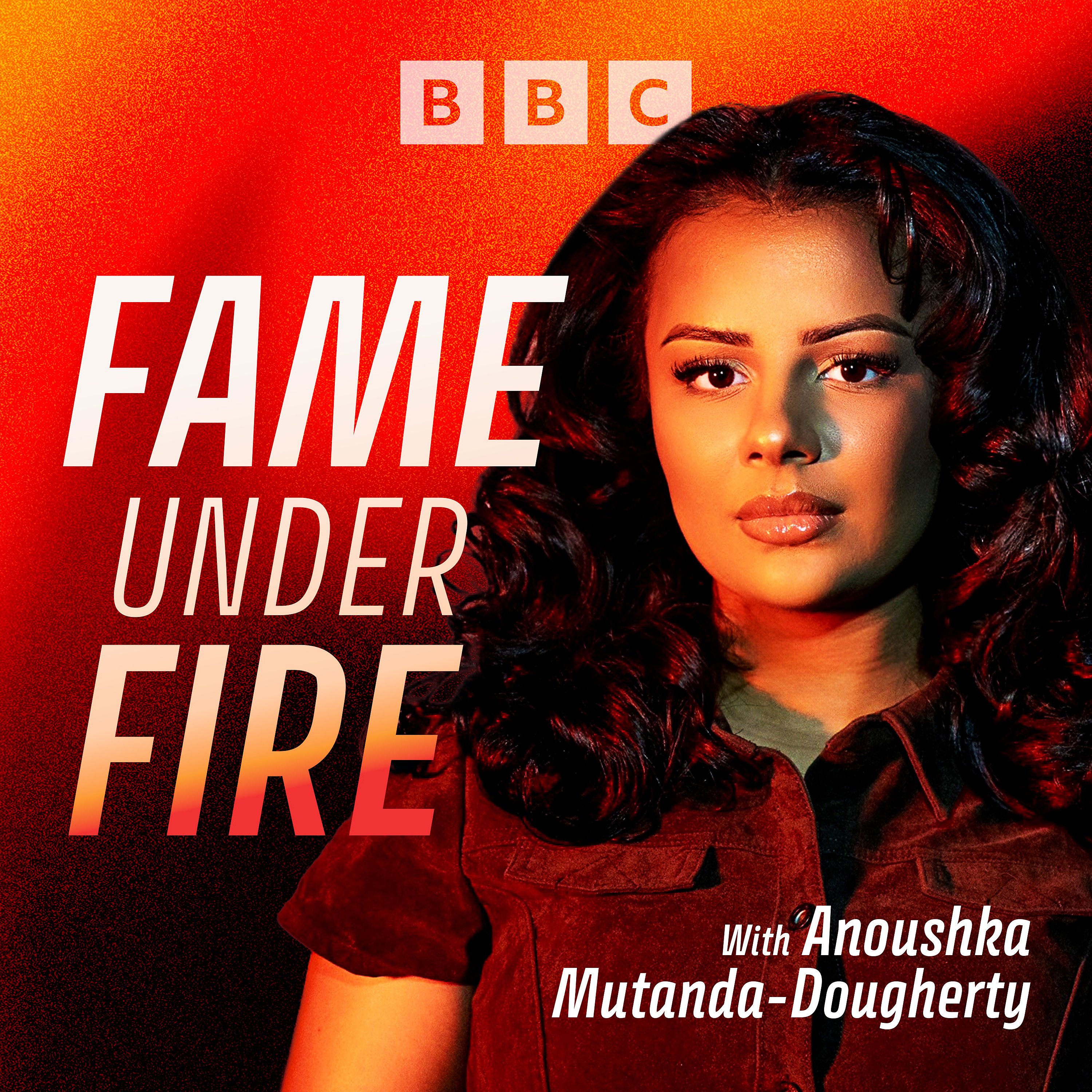
Fame Under Fire: The Tupac Murder Trial
Live at the Crossed Wires Festival 2026
00:53:06
With a live audience Anoushka and Shaun Kent explore how social media is changing trials
Loading summary
Transcript160 lines
- [00:00]
BBC Podcast Host
This BBC podcast is supported by ads outside the uk.
- [00:06]
BBC Podcast Advertiser/Narrator
The ultimate cookout starts with the ultimate ingredients at Whole Foods Market. No antibiotics ever. Burgers and kebabs are prepped and ready to throw on the grill. Fire up a juicy ribeye, grab creamy potato salad and savory flatbreads from the prepared foods department and round it all out with 365 brand condiments, chips and dips at everyday low prices. Whole Foods Market make your summer sizzle. He's widely recognized as one of the greatest footballers in history.
- [00:37]
BBC Podcast Host
He's won the prestigious Ballon d' or award five times.
- [00:41]
BBC Podcast Advertiser/Narrator
He's the all time leading goal scorer in professional football.
- [00:44]
BBC Podcast Host
And according to the Bloomberg Billionaires Index, he's the first active footballer in history to achieve billionaire status.
- [00:50]
BBC Podcast Advertiser/Narrator
Guess who we're talking about yet?
- [00:51]
BBC Podcast Host
That's right. Good Bad Billionaire is exploring the life and fortune of football icon Cristiano Ronaldo.
- [00:58]
BBC Podcast Advertiser/Narrator
That's Good Bad Billionaire from the BBC World Service.
- [01:00]
BBC Podcast Host
Listen now, wherever you get your BBC podcasts.
- [01:15]
Anoushka (Podcast Host)
Hello, and welcome to a very special episode of Fame Under Fire. And not just because I have America's favorite lawyer. That's not an opinion fact sat next to me. Well, it depends who you ask.
- [01:25]
Sean Kent (Lawyer and Legal Commentator)
50 50.
- [01:26]
Anoushka (Podcast Host)
But we have a amazing live audience with us and we are very excited to do this and take you behind the scenes of some of the world's biggest trials. So let's get started. I have to go over some ground rules. This is live, so no swearing, no heavy gesticulating.
- [01:45]
Sean Kent (Lawyer and Legal Commentator)
Why are you making eye contact with me? You literally, since we sat down, have cursed four times.
- [01:49]
Anoushka (Podcast Host)
No pledging allegiance to the flag, even though it is the 4th of July. Shout out to America. Happy birthday. We have passed older than your country. But that's okay.
- [01:59]
Sean Kent (Lawyer and Legal Commentator)
I'm gonna behave. America.
- [02:02]
Anoushka (Podcast Host)
I think we might sing the national anthem at some point, but we'll see.
- [02:05]
Sean Kent (Lawyer and Legal Commentator)
You don't even know what the national anthem is about.
- [02:07]
Anoushka (Podcast Host)
Well, we discovered on the podcast that you can sing national anthems because everything else has been copyrighted. So when we were doing Diddy, I was like, I'll rap. I can sing. No, you can't. But you can sing anthems so frequently. I do sing, rather incorrectly. The American anthems are Sean. But. But now, how many of you have been with us since Diddy on trial? Just show me. Raise your hands.
- [02:26]
Sean Kent (Lawyer and Legal Commentator)
Wow, that's awesome.
- [02:27]
Anoushka (Podcast Host)
Okay, right, so for those of you who don't know, Diddy was my first court case. I was 24 years old, so it was last year. And I don't Mean, my first celebrity trial. I mean, my first court case ever. I'd never done UK Court cases anything. I did not know what to expect until I pulled up at that court in the Southern District of New York. And since then, we've come to specialize in celebrity trials. And helpfully, these guys are always getting in trouble. So there's been no shortage of stuff to talk about.
- [02:54]
Sean Kent (Lawyer and Legal Commentator)
America.
- [02:55]
Anoushka (Podcast Host)
Yeah, Period. Thank you, guys. So there was no real debate about what to do today. This is going to be Faye modifiers not quite so potted. History of the celebrity trial. Now, why do we do this? I get a lot of people thinking that the program is just kind of celebrity gossip. And I get that from the title, maybe if you haven't listened to the program. But this is a examination of non traditional power figures.
- [03:17]
Audience Member / Commentator
Right.
- [03:17]
Anoushka (Podcast Host)
With the same level of journalistic rigor we would apply to a politician because they control industries. We buy their films, we listen to their music, we go to their shows. And it's important that we know what is going on behind the scenes. And that's why we do this podcast. And as you know, it's very legal. So it's very helpful that Sean decides to turn up every week. But when I start thinking about the first celebrity trial, my mind goes back to that Bronco chase. And very helpfully, I have a primary source here who was actually alive for that. So.
- [03:46]
Sean Kent (Lawyer and Legal Commentator)
What do you mean, alive for that?
- [03:48]
Anoushka (Podcast Host)
Honey, I was not born. I learned about O.J. through the conspiracy that he was Khloe Kardashian's dad. So that was my kind of like, oh, that's who he is. But, Sean, can you take me back to June 1994 in the United States?
- [04:02]
Sean Kent (Lawyer and Legal Commentator)
It was a big deal. I remember I was in Somerville, South Carolina. My family had just purchased a home, and so I was sitting on their land in a little trailer that they had. We had just got done playing soccer. We were sitting there. The NBA Finals was on. It was the New York Knicks were playing Houston Rockets. It was game five. And we were all watching. And I think I remember everybody in America remembers. They were when that OJ Bronco change came, because they cut through. And all of a sudden you just see O.J. s Bronco going on the news, and we were all just enthralled. And everyone thinks that that is the beginning of when America became enthralled with crime, because that was the advent of or the second advent of Court tv. That's when people started watching Court tv. OJ Was such a celebrity in the United States. We started to realize that that was tied into the Menendez trial. Eric and Lyle Menendez case was so tied into the O.J. simpson's case at the time. And so it's. I just remember watching both of those as I think I was a sophomore in college at the time. What people don't realize is Lyle and Eric Menendez's case. And everybody remembers the Menendez brothers. You hear about it, but they were arrested in 1989. There was a lot of legal wranglings. And so they went to trial well before O.J. simpson went the first time. And that's what Case actually started, Court tv. And so the world was watching these two individuals. And I remember watching it, and there was a lot of talk about the way that they dressed in the courtroom, you know, the fact that they were wearing their sweaters. And they were trying to show the world that, you know, what. How they look. They were trying to influence juries and people on the way that they addressed. And then right after the Menendez trial, it turned out to be a hung jury, which means they didn't get a verdict. Then O.J. simpson got arrested in 1994. O.J. simpson is tied into the Menendez brother. A lot of people don't realize this, but Eric and Lyle Menendez's father worked for Hertz Enterprise. He was an executive for Hertz Enterprise. And so he is the reason who O.J. simpson started working for Hertz. He did this famous ad in which he's running through the airport. And so they were tied into each other. So when they went to the same jail cells in California, they were like, separate. They live next to each other. And the Menendez brothers are the ones who went to O.J. and said, Hey, I think you should hire this lawyer guy named Johnnie Cochran. So Johnnie Cochran ended up getting on O.J. simpson's team because of the Menendez brothers. And it's a history, a little group of history that we don't realize. And that's what ended up started to me, that I believe the celebrity attorney trials. People obsessed with the legal system, people watching it, and it created Court TV in America.
- [06:30]
Anoushka (Podcast Host)
But when we say Court TV before, we're thinking about the prosecution and the defense presenting to those 12 everyday American jurors. But Court TV meant you were presenting to the entire country.
- [06:41]
Sean Kent (Lawyer and Legal Commentator)
The entire. And now it's the world. But at the time, it was the entire country. Everybody was glued in, watching. Which is wild. Cause we never. Before the Menendez trial And before the O.J. simpson trial, we didn't have TVs in the courtroom. Like nobody was watching.
- [06:53]
Anoushka (Podcast Host)
This changed the way that they taught you the law at school.
- [06:56]
Sean Kent (Lawyer and Legal Commentator)
Absolutely. Like I remember studying the O.J. simpson case, the Menendez brothers case, and we studied them more. And I remember specifically watching Johnnie Cochran in a courtroom in the way he dressed, the way he was able to personal hair, just saying fashion is important. But I remember specifically focusing because before America was all about, it was just about the law. We didn't focus on the jury, we didn't focus on the optics, we didn't focus on how people looked. And those cases changed everything because the world was able to watch the way that people looked inside of the courtroom. And, and it changed the way we tried cases.
- [07:32]
Anoushka (Podcast Host)
So that was fundamental in shifting, I guess, the court experience from inside that room into the whole country.
- [07:37]
Sean Kent (Lawyer and Legal Commentator)
To the whole country, yes.
- [07:39]
Anoushka (Podcast Host)
And then if you jump forward to about 2024, there's a really rather confused 24 year old me in Manchester going, I think we should do a podcast on the Diddy trial. Because every single day this man is getting sued. It was civil lawsuit after civil lawsuit. And then he was federally indicted. And it was the baby oil and the tunnels and then what is going on at the freak offs and is Jay Z involved? And it just on and on. And I was like, we got this commission just for these 12 episodes. I was trying to find a lawyer. Lord, let me tell you, I did not expect it to be like this. But around the time that that trial was taking off and everybody was becoming obsessed with Diddy, you had this infrastructure that was being created online. You had the rise of short form platforms incentivizing creators to post a certain kind of content because it made them money. And Diddy was big business for creators. So you'd see a search term, Diddy Freak Offs, Baby oil, shooting up TikTok would alert you and say, you should make content about this. So it was my whole world. That's all I was consuming. And then I saw this man in South Carolina and he was like, diddy's going to jail. Pauses, undoes his button of his suit.
- [08:49]
Sean Kent (Lawyer and Legal Commentator)
I've got a tick.
- [08:50]
Anoushka (Podcast Host)
And he was like, anybody who's not thinking that is talking out of their behind, turns around, bends over, shows the camera his bum. I was like, I'm listening. And then I was educated because me, like everybody else, I'm thinking federal indictment. So the United States of America is coming after Sean Diddy Combs because of stuff he was doing inside of his bedroom. What's going on? And you broke it down. Why it's such a unique case, and why it had charges that took down the Mafia and the interesting nuances around the type of sex trafficking that they were alleging. And I called this man, and I called this man, and I vetted this man. I really vetted this man.
- [09:31]
Sean Kent (Lawyer and Legal Commentator)
You looked into my dogs, bro.
- [09:33]
Anoushka (Podcast Host)
I'm not having a Pomeranian. I'm not having a crown on my podcast. So he was like, oh, my dog's name is.
- [09:39]
Audience Member / Question Asker
Yeah.
- [09:39]
Anoushka (Podcast Host)
I was like, sparty. Oh, my wife's name is. I know, I know, I know. I contacted professors at the university. I knew everything. So when he came on the podcast, we were ready to go, but we did not know the world that we were stepping into, because, like I say, those apps, those platforms that were being created, there's a lot of dangerous stuff that happens on there. And because certain stuff catches fire, it's usually a truth wrapped in a mistruth. So with Diddy, for example, one day we woke up, and the entire Internet had decided that Diddy's attorney, Anthony Rico. Right, yes. Had walked out, had quit because Diddy was either a necromancer or a necrophilia.
- [10:16]
Sean Kent (Lawyer and Legal Commentator)
I still don't know what that is.
- [10:18]
Anoushka (Podcast Host)
I know that you do, but I think a lot of people were, like, using them interchangeably, and they didn't really know what was going on. And this is millions and millions of views on social media. I'm Getting thousands of DMs, like, is Diddy a witch? And I'm like, maybe, but that's not a federal crime. Last time I checked. If he wants to commune with the dead, that's probably the least bad thing he's been accused of. But that entire week, that's all anybody wanted to talk about. And that was the environment we were in before we got into the trial. I just want to know, did you guys see crazy stuff about Diddy, these crazy allegations before? Put your hand up if you saw some stuff that you were like, this is insane.
- [10:54]
Audience Member / Question Asker
Mm.
- [10:55]
Anoushka (Podcast Host)
Yeah. This speaks highly of all of your characters, let me tell you. So we were expecting, like, basically, orgies with all of these celebrities. This is what we're walking into. But when we actually got to the trial, it was very, very different. And I think we've got a little bit of day one, my first ever court report. Here it is. So we just came out of court after hearing the prosecution and the defense's opening statements. Now, we've told you before, this is where they try and win over the jury. And for the defense, it was where they were Trying to endear Sean Combs to the ju here with Nada Taufik, who is the New York correspondent for the BBC. Netta, first of all, let's start with the prosecution. As they went first, what did they have to say?
- [11:33]
Netta Taufik (BBC New York Correspondent)
Yeah, it was interesting because they started off with this dramatic flair, pointing right to Sean Diddy Combs and painting him really as, you know, this larger than life icon, but saying that behind that there was another side to him, one where he used his celebrity, his power, really his entire business to force victims into unconsensual sex. And they started off by painting the picture of one night where they said he was essentially in a rage. He was on the hunt for his girlfriend, the R and B singer Cassie. And they say he kind of got wind that she was going to be with another man. And he went to one of his employees, grabbed them out of bed, forced them to go with a security guard in their SUV to the man's home, broke in, and when they found they weren't there, went off again to look for Cassie. And they depict how when he finally found Cassie, that he brutally beat her, flung her around like a rag doll. And they used that one night to paint the picture of what they say happened over 20 years, not just to Cassie, but to another woman named Jane, who they say the jury will hear from, and also an employee named Mia that they say the jury will hear from. And they say he was somebody who referred to himself as a king and expected to be treated like one, had impossible demands. So really setting the tone of the kind of character they want them to see, some really graphic testimony just about how this was not a case about celebrity sexual preferences, that this was about coercion and control.
- [13:08]
Anoushka (Podcast Host)
And so the juxtaposition between what was going on outside of the courtroom and then what was going on inside was quite frightening, actually, because it was a bit of a caricature. There were a lot of memes, there was a lot of laughter about the baby oil. There was a lot of sort of, this is happening in a realm that isn't quite real. But actually, when you went in, we were talking about intimate partner violence. We were talking about sex trafficking that was alleged to happen within the bounds of a romantic relationship. What you had going on outside the courtroom was a complete circus. But what these women, particularly Cassie, who put her name and face on this and said, you know, I'm going to go into this as Cassi Ventura. What they had to do was really, really difficult. And Sean, can you just talk us through when you put somebody up on a stand like that, what you're asking
- [13:50]
Sean Kent (Lawyer and Legal Commentator)
them to do, putting a witness on the stand is, to me, one of the most difficult things you can do, especially in this day and age, especially with social media. Because if anybody was following the Diddy trial, we saw two different trials. We saw the trial of social media and public perception. And then when the case actually started, it was a different case that was being reported. And for the year before Diddy trial, we heard just some abhorrent conduct that we were expecting to hear. We were expecting to hear children, we were expecting to hear all these things. We were expecting to hear the testimony of Cassie. And then. So what ended up happening? When she gets on the stand and she tells a story that she tells, the world immediately turned against her because it's like, it's not the story that social media was telling us that we had heard. It's not the story that news media had told us that we had heard, but it was a different story. So when she gets put on the stand, she's getting excoriated, she's getting destroyed, because everything. And people forget that when you file a lawsuit or when you're a victim in a lawsuit or when you're a witness, your entire past comes to the stand with you, and your credibility comes to the stand with you. And when you have 12 individuals who are sitting in judgment, they bring their judgmental eyes and they're watching you. And 90% of the time, this is what people don't understand. Jurors hate anyone who gets on the standard. And so people are asking the questions, why, as lawyers, you don't put your client on the stand. We know the second a client gets on the stand, the jury, by definition, is not going to like him. So when Cassie got on the stand, that jury didn't like her. We knew that was going to happen. I think I told you about that during our. During some of our interviews, that when a witness gets on the stand, juries automatically push back against them unless their story is so compelling, so amazing. And remember, Cassie had a lot of issues. She had a lot of problems. She had the lawsuit, she had the civil lawsuit. She had the going back and forth with him. She had the cond. And all of that comes on when someone goes onto the stand.
- [15:44]
Anoushka (Podcast Host)
But it was interesting to watch what was happening inside the courtroom because they were borrowing from that tradition that was established with OJ the things that were happening in there were being done not just for the eyes of the jury, but they were being done for the Eyes of the world. So the allegation with Cassie is that she was kept in these rooms for days on end in these freak offs. That's the terminology that the federal government were using, originated by Sean Diddy Combs, that she was drugged, that she was forced to perform in these sexual acts with these men over and over and over again. And it wasn't what we'd heard on social media because we heard it was orgies full of all of these celebrities. And it was scandalous and it was this and it was that. And what she was saying is, actually, from the age of 19, I was groomed into doing something I didn't want to do. But the way that they did this in the courtroom, the way that they. The defense kind of pushed back on this was to have her feel flick through a physical binder of all the men that she had slept with. And we could see the story that they were telling the jury. It's not an original tale. It's a promiscuous woman on the stand. You're either the Madonna or the other one. You're either the virgin or you are somebody who enjoys sex. Who was up for this, who was into it. And watching somebody who was nine months pregnant through a book. And every single person in there. What's his name? I can't remember. I was on drugs. When did you meet him? I can't remember. And do it over and over again. That was all that social media ran with that day. And when I come out of a courtroom and I spoke to you about this a lot when I come out, I speak to my series producer. I speak to our senior news editor. We talk about what we're going to say in the program. But the people who were in there with me, there's no ring fencing for credentialed media. You were in there with the tiktokers and the manospheres and the just people who are just trying to make money.
- [17:22]
Sean Kent (Lawyer and Legal Commentator)
Wild to me that that's what the world has become through that.
- [17:25]
Anoushka (Podcast Host)
It's. Yeah, it's crazy.
- [17:26]
Sean Kent (Lawyer and Legal Commentator)
The TikTok verse.
- [17:28]
Anoushka (Podcast Host)
And they'd come straight out of the courtroom and start streaming immediately. And I sat with these guys every day at lunch. I was friends with them. You don't know what content is that people are making. We walked out of the courtroom and one young man pulled his phone up immediately and went, cassie's testimony is so boring. This trial is over. Because basically she's a slut. That's what he said. And then I went home that day and I saw that video with 6 million views, and it was not what had happened inside that courtroom, and it was completely misreported. But this is the way that the Diddy trial was functioning, and this is the way it's going to be. That was very clear. This is the beginning of something Diddy.
- [18:06]
Sean Kent (Lawyer and Legal Commentator)
No doubt about it.
- [18:07]
Anoushka (Podcast Host)
Yeah, yeah, exactly. So like with OJ with Court TV, we now have the new version of Court TV, which is the TikTok sphere. So you have to play to two different audiences at the same time, but you also have to rely on the people in the room, the journalists that are in the room, to battle the people on these platforms and make sure that their content cuts through, which is why we were streaming so much. We were doing so many videos every day, and we did a lot of content on social media. You just had to do it. But things would get taken over because there was never a dull day at the trial, and people were trying to make spectacles of themselves there so they'd go viral on social media.
- [18:42]
Audience Member / Commentator
Diddy, everyone thinks this is a joke. Everyone laughs in every courtroom in here at you. And I don't think it's funny for people to laugh at a black man going through what he's going through right now.
- [18:55]
Anoushka (Podcast Host)
And that's what you shouted out in the actual courtroom.
- [18:57]
Audience Member / Commentator
In the actual courtroom. And it's not funny laughing at black man legacy being destroyed. Black American men do not believe in this kind of destroying of our black American legacy. Figures, father figures, Extraordinary Excellency, Black excellence. Everyone has been laughing. I don't care if it sounded funny. It's not funny.
- [19:23]
Sean Kent (Lawyer and Legal Commentator)
How did Diddy react?
- [19:24]
Audience Member / Commentator
Well, I heard he had his mouth open and shaking his head. Yeah.
- [19:30]
Anoushka (Podcast Host)
So thanks to her for illustrating what it looks like when you have your mouth open. I mean, let me tell you something. This woman was full of it. I'll tell you that for a fact. On the first day, she was crying and screaming in the courtroom about Cassie. And then three weeks later, when the tide was turning on social media, she was screaming in the courtroom about Free Diddy and black excellence. And that is all the headlines you saw that week.
- [19:50]
Sean Kent (Lawyer and Legal Commentator)
You made the comment that it's not just the social media. If you watch. And we're very. I mean, you guys are very lucky that you have a concerned and diligent media. You sometimes come to America and our media is really focused on just the headline and not looking to the background, and that's also warping people. So even though we're attacking social media, there are journalists who do the Exact same thing. They focus with just the headline. And there's a way that you can write these articles that put such a slant on what's happening in the courtroom that John Q. Public. Yeah, there you go. There's a phrase. John Q. Public is watching this and they get a different view of what's happening in the courtroom. And so I do get concerned about not only TikTok and social media, but I also get concerned about journalistic integrity, because in some situations that can also slant. And then what ends up happening is the world is reporting one thing in a courtroom, and then all of a sudden you get a verdict that the world is not expecting, and then they lose their minds because they're not getting the full story, which has happened to me, where they're not getting a full story of what actually happened to the courtroom. And I think that's a lot of what happened to Diddy's situation, is the world didn't get the full story. And had they gotten the full story, that not guilty verdict made sense.
- [20:57]
Anoushka (Podcast Host)
Diddy was charged with sex trafficking, transportation for prostitution, and rico. Now RICO is racketeering with conspiracy, and that's the charge that took down the mob, the mafia, except for in Diddy's case, they put no co conspirators on. So it was quite unique in that he was the only person up there accused of running an enterprise. Now, in the end, he was convicted of transportation for prostitution on two counts relating to two of the victims, the sex trafficking in the rico. He was facing life in jail and he, you know, he dropped to his knees and thank God when the verdict was read out. But I want to pick up on what you said there, because we're looking a lot, we're examining here, the outside and the inside of the courtroom, and that is exactly what his lawyers were doing. Mark Agnifolo frequently brought in the conversation, the cultural conversations that were happening around the trial inside the courtroom. He said to the judge after sentencing, when they were deciding whether Diddy would be in jail until he was sentenced, he said, they've called my client a groomer, a sex trafficker of children. They've called him the devil, they've called him a witch, which we know they did. And he was using this for his legal arguments, saying what he's actually been accused of here just pales in comparison. And that's one thing for Mark Agniflo to make that argument. But then the jurors came out and they spoke and they said on a documentary, which I think everybody in the UK is like, they can do that. Yeah, they can just walk out and talk to tmz. They said, yeah, we thought we were gonna see some crazy stuff, cuz we were online beforehand. But when we actually watched the Freak off tapes, it's not what TikTok told us we were gonna see. And like it, it really wasn't that bad. And ultimately the environment, the ecosystem around that trial that had been created online functioned to redeem this man's reputation. Because by the end of the trial they had successfully said, and there is a point in this, you made this man out to be the devil and he's not. What he did was this. It was a nuanced set of crimes, but it wasn't this fantastical, scandalized version of this underbelly of Hollywood that you told us it was going to be. And it actually impacted the way that the jurors were thinking, which I think is a little bit terrifying.
- [23:03]
Sean Kent (Lawyer and Legal Commentator)
Well, if you go back from the beginning of our conversation, when you start with the O.J. simpson, you start with the Menendez. We used to be able to sequester juries or leave them at home. And so they're not able to watch anything. That's how it used to be. And even if you didn't sequester them, here comes my age coming in. You didn't hear about cases until 5 and 6 o' clock because that's when the news would come on. And then you would wait till the next morning at 6am and that's when the news would come on and that's all you would hear. But now if the jury leaves, there's not a person in that courtroom who's not going and scrolling on their cell phone. So they're hearing all of this information 24, 7. And so that's why ignyfolo has to. And we've had to do. You must address the social media concerns because you have to believe. And even though the jury is being told every day, don't listen, don't watch the news. This new world is you can't not watch your cell phone, you can't not watch information. And there's no doubt that that jury was going home looking at their cell phone and they're waiting the entire time of when are the kids going to be mentioned in the Diddy case? When is this going to be mentioned in the Diddy case? And they're watching and it hurt them because the videos and you and I talked about it, they were able to show porn in a dang federal courtroom. They just did we can say it. They showed a pornography in a federal courtroom. But what ended up happening is that jury was expecting much, much, much worse. And then, I mean, sadly, they watched that and because their expectations were up here, because of social media and they saw this, they're like, this isn't as bad as we thought. So subconsciously, if it's not as bad as we think, cut him loose.
- [24:30]
Anoushka (Podcast Host)
And I find that really frightening. I don't know how you're going to address that in the legal system because it feels like it just makes a mockery of like selecting your jurors.
- [24:40]
Sean Kent (Lawyer and Legal Commentator)
We just had to do it. Like, we tried a famous case that we talked about the other day in the Rick Child case. And one of the concerns is we sat there, our team knew what was happening. So we're watching social media, which has never happened to me before. I'm trying a three week trial in South Carolina or however long it is. And we're watching this and at the end of every day we're like, what's happening on social media? And then the next day we have to come to the court and we're monitoring the juries, you know, we're monitoring the jury's social media feeds during the middle of a courtroom to see if they're going back and looking, commenting, what are they looking at. And we're not asking the jury about it, but we're addressing it because we know those are the concerns of society and that's changing the way that lawyers are trying cases, especially the high profile case. Like, I can only imagine if social media would have existed. I believe Orenthal James Simpson would be convicted if social media would have existed at the time of his trial. And I also believe in the opposite. The Menendez brothers would have been found not guilty if social media would have existed. That's how crazy the world of social media is as it's affecting juries.
- [25:39]
Anoushka (Podcast Host)
Yeah, that's the impact of this. So what do you do though? How do you fix this? I think as a team, we are thinking about that a lot. We know this is the way forward. We know this is going to happen. We're going to be covering the Russell Brand trial over here. We think exactly the same thing is going to happen over here because these people want to make money and this makes them money. This content is good for business. We were looking at the Blake Lively trial before that settled. It was exactly the same every day, 15 to 20 videos on Blake Lively. We've been looking at the many trials that Kanye west is facing. It's exactly the same. So you kind of got to get down there, get down in the trenches and get out there with them. You've got to constantly restate the facts on TikTok, on Instagram, on Facebook, on live, on the podcast, on YouTube, on iPlayer. You need to be everywhere all the time, all at once. And I think if you're looking at the evolution from OJ To Diddy, it's. I mean, it's times a million. And that's the atmosphere that we're in right now. But we have been covering so many of these cases, we're now trying to predict which is the next one that's gonna shift things, that's gonna change things and move it on a little bit. That's gonna be the next Diddy, the next oj And I think, yeah, we've had enough of Diddy. Although we are gonna be covering this Tupac case. And guess who they're saying was behind Tupac's murder. Didi. I'll be. Nice to see you again. How you been? Hey, Diddy. Yeah. You're looking a little worse for wear, hon.
- [27:05]
Sean Kent (Lawyer and Legal Commentator)
But you or him? Yo, I'm just asking.
- [27:09]
Anoushka (Podcast Host)
What the hell?
- [27:10]
Sean Kent (Lawyer and Legal Commentator)
Pronouns.
- [27:11]
Anoushka (Podcast Host)
Yo. So, yeah, we have not seen the last of him. And, I mean, he's aware of it. The head of his PR and communications team. I said, is he gonna speak to, what, cnn? NBC wants to talk to the BBC. We were thinking about, do we want to interview Diddy? How are we gonna approach this? And she was like, he's gonna do his own thing because he's gonna create content. Because if he gives his interview away to one of you guys, how can he monetize that? So he knows damn well what the situation is at hand.
- [27:40]
Sean Kent (Lawyer and Legal Commentator)
It's the world that we live in. Yeah.
- [27:41]
Anoushka (Podcast Host)
And, I mean, you can say what you want about the man, but he is a good businessman. So he's assessed the field, and he's saying, I'm going to create content when I get out. But this Macron's case, this woman is wild, because I don't know. Put your hands up if you know what I'm talking about. If I say the Macron's case, do you know what I'm referring to? Okay. Crazy, right? This is insane. Brigitte Macron is suing a podcaster, Candace Owens. She's not suing her in France. She's suing her in Delaware. Because for the past three years, Candace Owens has repeatedly alleged that Brigitte Macron was. Was born a biological male and then transitioned into a female in her 30s. Now, you might be thinking, okay, who cares? And, Brigitte, what are you doing? Why are you filing this lawsuit? But Candace's platform is so big. She has one of the most popular podcasts. And when she was posting this content every single day about Brigitte macron, we're talking 14, 15 million views a video. Now, I did actually sit down with her lawyers, and I put some of these questions to them. But Brigitte Macron and Emmanuel Macron filed a lawsuit in Delaware. This is a civil lawsuit. So they're concerned with Candace's money. This isn't about her freedom, Sean. Can you just explain how invasive the civil lawsuit process is?
- [28:55]
Sean Kent (Lawyer and Legal Commentator)
The best way that I can say it is. You almost can't, because when you're taking a civil lawsuit, you're allowed to take a deposition from anybody. A deposition is a sworn statement, and during the sworn statement, lawyers are allowed to ask, and I mean anything about your personal life that they want to. Good lawyers have private investigators who have already dug into a lot of this information, Sean, and they know all of the background. They all know your name. They know who you have dated. They know your sex life. They know your history. They know your credit card numbers. And then they're going to ask you these questions, because the whole goal is not to verify the information. It's to catch you in a lie and catch you in an uncomfortable situation. And so when you bring a lawsuit, anything whatsoever can be asked of you, and it's almost to dissuade people from bringing lawsuits. And it is such. It is so much more intrusive than anything you've ever seen. In any criminal case, civil cases, we warn every client who comes in, are you sure you want to do this? And the Macron situation, I guarantee her lawyers are like, are you sure you want the civil lawsuit in America? Because you might win the battle and lose the war, Meaning the stuff that you're worried about coming out, you might explain to the world that you were born a female. But there might be so much other information. Then you worry about selective secrets, things about being the head of state. I would have encouraged her not to bring the lawsuit, candidly, because there's so much personal information that I would worry about.
- [30:18]
Anoushka (Podcast Host)
With the Macron's case, they're suing Candace Owens. Right. But they're suing her in Delaware, which feels a little bit random because Candace lives in the South. Can you explain why Delaware?
- [30:28]
Sean Kent (Lawyer and Legal Commentator)
Well, you choose Delaware. Delaware is the best place in the United States where there's business conducts all over the world. Like, usually people, if they're trying to form corporations, they choose certain states. To file a lawsuit against anybody, you must either file it where the action occurred, where you did it, or where the person lives. And so businesses utilize a state like Delaware to incorporate because it's got the most lax business organizational rules.
- [30:51]
Anoushka (Podcast Host)
Um, now we actually got a chance to. To interview Tom Clare, who is their lawyer. And we didn't know if this was going to happen because they hadn't spoken before. I had 12 questions, and I put them directly to them. And I think we've got a clip of that interview. And you say that these claims are provably false. What is that proof?
- [31:09]
Tom Clare (Lawyer for Macron Lawsuit)
We are the plaintiffs in the case, and we're going to have the burden of proving falsity. And we're going to have the testimony of the two plaintiffs, President and Mrs. McCrone. There will be expert testimony that will come out that will be scientific in nature, that will also demonstrate the falsity of the statements. And obviously, it's incredibly intrusive for this family to have to go into open court and present this evidence, but that should just demonstrate how serious they are about it, how confident they are, their ability to prove it is false in a public forum, and how they want to put this falsehood to rest once and for all.
- [31:49]
Anoushka (Podcast Host)
That's the first time we've heard about expert testimony. Is this going to be expert testimony that scientific in nature, speaking generically, or is this going to be expert testimony from an expert who spent time with Brigitte Macron?
- [32:01]
Tom Clare (Lawyer for Macron Lawsuit)
I think it's not ready to reveal all of our strategy as it relates to presenting expert testimony, but I would just say that we're prepared to demonstrate fully, both generically and specifically, that what she's saying about Rajit Macron is false. We would not be here if we were not prepared to undertake that burden.
- [32:28]
Anoushka (Podcast Host)
I love that he says, I'm not going to tell you, and then tells me exactly what he just told you. What he said, shout out to you, Tom, that's insane. You're going to put an expert on the stand who's examined Brigitte Macron to prove that she is a biological female?
- [32:42]
Sean Kent (Lawyer and Legal Commentator)
Absolutely.
- [32:43]
Anoushka (Podcast Host)
Not just that. I said, you know, Candace is like, where are the pictures of you pregnant? I asked him. He said, we've got them. They'll be submitted into evidence. I said, they can subpoena her medical records and they're happy to do that. All of this is fair game. And you're going, now, why on earth would they do this? And I Put those questions to Tom Clare and Daniel Nadella, who came on as well. And they said that she was going to events with other heads of state and people were coming up and trying to get a closer look at her to determine her gender, that her children were being asked about it, that her grandkids were being asked about it. And it just became such a burden on her life that it was easier to essentially fight fire with fire. And the crazy thing is that we've examined, why did they speak to Fame Under Fire? Obviously one of the best podcasts that there is, naturally, but why this one? It's a youth facing podcast. Ain't nobody know who I am.
- [33:33]
Sean Kent (Lawyer and Legal Commentator)
Like I know, hello.
- [33:35]
Anoushka (Podcast Host)
Oh brother, you're supposed to hype me up. And it was very, very clear when we got going because we are fighting in the places that Candace's message is reverberating. We do the TikToks, we do the Instagram, the YouTube, the iPlayer, we have that multi platform reach. And the Macrons have recognized what Diddy had recognized. What we are recognizing is that these battles are being fought in different arenas. And if you want to fight Candace, you have to be prepared to kind of match what she's doing. And that was reflective. We did that interview was like 10 million views on TikTok people. People were going, this is insane. But a lot of people were like, well, you know what? Good for them. Like, if you're gonna do it, do it and do it with all the evidence that you have. But the crazy thing is, is that when we were talking to them, there's an awareness that it's very difficult to prove defamation in the US I was about to say, can you just explain that?
- [34:31]
Sean Kent (Lawyer and Legal Commentator)
I don't think they're going to have any problem whatsoever of proving that the statement is false. I think if what he's saying, his experts are gonna come in and they're gonna say she was born a woman. I don't think that's gonna be the issue in America. When you're dealing with a defamation lawsuit, the hardest thing to prove is actual malice. Our Supreme Court literally just. And you know, everything comes back in one of the lawyers from O.J. simpson team with a guy named Alan Dershowitz. Alan Dershowitz sued CNN just recently because he said there were certain statements that were made that were defamatory. CNN came back and said, you are a public official. Since you are a public figure, you must be prove that this statement was made with actual malice. They said you could not prove it. It's such A high burden that they threw out the lawsuit. Same situation is going to happen here. Even though we have all these things that Candace has said, they're going to have to say that the statement that she made about her being a male was proven and stated with actual malice. It seems easy to say, but it is such a high standard. And so I do not believe the McCrones are bringing this lawsuit even though they're going to say it's for money. I think think it is. For what you have just said, they want the world to quit talking about it by bringing the lawsuit because I don't believe they're going to get to the actual malice standard. It is such a high standard that people need to understand that when we're saying something is said with actual malice, getting in somebody's mind is almost impossible. And Candace, who fashions herself a journalist commentator, can say this was not done with actual malice. This was done because I really believe it.
- [36:03]
Anoushka (Podcast Host)
Candace said, as she has said many times before, that she genuinely believes what she was saying, that she's willing to fight in court, that she would have run down to the courtroom and fought it herself if she could.
- [36:12]
Sean Kent (Lawyer and Legal Commentator)
And she has said that before. She has literally said, I believe this information. This is not malice. I believe this is true. This is me reporting on the news. And that might be her defense.
- [36:22]
Anoushka (Podcast Host)
I mean, I think that's crazy. Defamation, America. Yeah, yeah. The land of the free, home of the brave. I think that, that it's one of the other things that baffles me is you can put it up to basically shoddy journalism 100%.
- [36:38]
Sean Kent (Lawyer and Legal Commentator)
And that's when. I mean, that's why. And it comes from that case, New York Times versus Sullivan that we've talked about. And as recently as last week, Donald Trump, Alan Dershowitz were trying to send these cases up to the Supreme Court because there's such a high standard to prove actual malice. Such a high standard that they were trying to get it stricken down because they know that it is so hard for somebody who is considered a public figure to sue somebody. It becomes almost impossible. Now, let's say you had an incredibly good looking, chocolaty attorney who was representing Alec Murdaugh's kid who sued Warner Brothers and got a bunch of money, but it's confidential. That guy might have been able to pull it off, but we can't discuss that. But it's harder than you think it is. America.
- [37:18]
Anoushka (Podcast Host)
Do you see what we deal with week in, week out? You're such a diva.
- [37:23]
Sean Kent (Lawyer and Legal Commentator)
I wasn't even Talking about me, but thank you, but no, it is a. It is so people understand. Like, everyone thinks. Everyone gets their feelings hurt. And what's going to happen is. I love the social media comment because what is starting to happen with social media, and I talked about this with you, Anoushka, is everybody now who fashions themselves a social media expert or a TikTok influence are now becoming public figures. And so now that you are, almost everyone's a public figure. Everybody's going to have the actual malice standard. The new world that's coming through is everybody is going to be a public figure, and no one is going to be able to sue for defamations, and it's going to hurt our defamation case
- [38:03]
Anoushka (Podcast Host)
law in the U.S. in the U.S. but over here, you can absolutely sue for defamation.
- [38:09]
Sean Kent (Lawyer and Legal Commentator)
You guys got like $130 once for a defamation case. Here, y' all can keep it.
- [38:13]
Anoushka (Podcast Host)
They're not huge amounts.
- [38:14]
Sean Kent (Lawyer and Legal Commentator)
Yeah.
- [38:15]
Anoushka (Podcast Host)
And I think if that case actually happens, that's crazy. But that is the Macrons recognizing the world that we are living in.
- [38:24]
Sean Kent (Lawyer and Legal Commentator)
They're trying to change the public perception of them. They're trying to weaponize the judiciary system, which is what you have to do now with the advent of social media. You must weaponize it to your own benefit, because if you do not, then you're going to have other people taking advantage.
- [38:37]
Anoushka (Podcast Host)
Yeah. Well, this is a positive look at the world. Those three cases are each unique and each individual, but they each tell us something about the times that we're living in. And I think that I'm just extremely proud to work on this program where we do tackle this stuff head on. I think it's time for some questions. Does anybody have any questions? Yeah, we've got some microphones going around.
- [39:00]
BBC Podcast Host
Hello. Thank you so much for an absolutely fascinating conversation. I just happened to walk in off the street, and I'm really glad I did. My question is around the idea that perhaps do you think that legal. The legal process is going to become highly subservient and the future will be a social media court, which is kind of what you've been hinting at, a kind of dystopia future vision.
- [39:26]
Anoushka (Podcast Host)
Can I talk about your case?
- [39:28]
Sean Kent (Lawyer and Legal Commentator)
Yes, please.
- [39:29]
Anoushka (Podcast Host)
We've spoken about the side of it. That is the plaintiffs, the defendants. Absolutely. We've spoken about the jury being influenced, but it's these guys now, Right. How many followers you got? 400,000 followers. He's got a community of people that tune into his stuff every single day. They feel like they know. Sean Kent, you are Influencing a jury pool on a national scale. Right. So the incentive, then, for lawyers in law school is to create content, because if you can start developing a following, you have a better chance in the courtroom, because the lawyers are now celebrities in their own right. Sean just did a case that blew up on social media, Right. And he was getting a lot of backlash because a lot of people didn't like the fact that he'd taken the case.
- [40:08]
Sean Kent (Lawyer and Legal Commentator)
Backlash, death threats. Okay. However you want to go.
- [40:10]
Audience Member / Commentator
Yeah.
- [40:10]
Anoushka (Podcast Host)
They were threatening to burn down his law firm. And I was like, don't do that, guys. We need him for the podcast. Please.
- [40:17]
Sean Kent (Lawyer and Legal Commentator)
Thank you for your concern.
- [40:18]
Anoushka (Podcast Host)
Yes, I did call him every day, and I was like, are you okay? And Sean had to kind of defend his position as a criminal defense attorney and defend why he works in that job and why he doesn't turn down cases. And then there was this new wave of people online who were like, Sean Kent, because he won this basically unwinnable. I'm being real nice about you right now. He won this. Unwinnable.
- [40:39]
Sean Kent (Lawyer and Legal Commentator)
That's what you called it.
- [40:40]
Anoushka (Podcast Host)
Okay. But then everybody was like, he doesn't lose. And then now Sean Kent. Having Sean Kent on your team means something. There's a very similar thing that happened with your friend Brian Steele, another lawyer who's kind of become a cultural figure. Drake made a song about him. He represented Young Thug in an unwinnable case and then won it. He very famously said, that thug means truly humbled under God, you, Honor. What'd you call that? Creative. Creative worry.
- [41:07]
Sean Kent (Lawyer and Legal Commentator)
Creative liberties with the facts is what I call that.
- [41:10]
Anoushka (Podcast Host)
So now you've got Brian Steele on your case. You got Brian Steele on your case. So there is, I think, an incentive for the lawyers to become celebrities in their own right. And then we spoke about this, doing jury questionnaires. You have to check. Do you follow the lawyer on TikTok? Do you know who Diddy is? Do you follow the prosecution on TikTok? I don't know. Yes. We're setting into a world that exists in the digital realm and inside the courtroom.
- [41:35]
Sean Kent (Lawyer and Legal Commentator)
I agree 100%. Like, we. One of the reasons that we do create the social media that we do is we don't monetize it. But, one, it lets me see who potential jurors are. Even so, you get the comments on social media, and they may not be the things that you like, but you're able to see what the jury pool is actually thinking about your case. Two, it gets your image, your name, image, likeness out there to potential jury Panels, you can see what they like, what they don't like. Believe it or not, I see what suits work and what don't work. They're like, I hate that scene. I'm like, well, won't wear that one. And you find out a lot more. And you would be shocked. When we're picking juries, we hear that a lot. We see that a lot. And so it is the world that I encourage when I go and teach. I encourage all lawyers to get on social media. It helps you with your public speaking. It helps you speaking. It helps you really learn the world. Because a lot of lawyers get caught in this, the little vacuum, and they don't realize what the public is actually thinking about their cases.
- [42:29]
Anoushka (Podcast Host)
I'm not trying to be negative with every answer. There's positives to it.
- [42:33]
Sean Kent (Lawyer and Legal Commentator)
It's been good for us. I mean, I'm. Social media has helped us win our last three cases. I'm not gonna lie to you. Social media has been a boom. I do not believe we win the Rick Child case without social media. I don't believe we win that massive verdict in Florence county without social media. Because as lawyers, what ends up happening is you get caught up what. You just think what the law is. And it's not necessarily what the law is. It's what the jury and the world think it is. And it's our job to explain to them the difference. One of the phrases I said in our last trial was, we don't take the law as the way that we want it. We take the law as the way that it is. What happens a lot of times with social media is as the people came out of the diddy courtroom is they were telling the world what the law should be. And you don't take the law as what it should be. You take it what it is. And that's. That's the battle that we have. And social media has helped us demystify that.
- [43:21]
Anoushka (Podcast Host)
Do we have another. I saw some other hands.
- [43:23]
Sean Kent (Lawyer and Legal Commentator)
Oh, questions. Yeah, yeah, I like questions.
- [43:25]
Anoushka (Podcast Host)
That's a great question. That's Sean's catchphrase. Can I firstly say the suit didn't disappoint?
- [43:32]
Audience Member / Question Asker
Thank you.
- [43:35]
Sean Kent (Lawyer and Legal Commentator)
I'm sorry. I'm sorry. My mic. A little louder for the people up front. Thank you.
- [43:41]
Anoushka (Podcast Host)
My question was about celebrity. And you've now covered a number of cases. And has your view of celebrities changed through that process? And do you now start to look for the dark side of celebrities when you meet them? I think that it's dangerous because of how much power they have. And I don't think I'd really conceptualize how much power these people have. Right. We all know about celebrity, we know about influence. During the Diddy trial, there were three separate people who referred to him as a God. And that wasn't satire. They said he was a God amongst men. That's a direct quote, right? And I sat in that courtroom and I just thought that's, that's an insane thing to think. And so that was crazy to me that that was what was going on inside of that courtroom and that was what people thought and felt. And they were being really vulnerable and honest and opening up in that. That's how they saw him. But I was like, it is, in a way, for a lot of people, like a religious experience. You really buy into these individuals. And I've seen people be asked to do things and they reflect on it 10 years later going, I don't know why I did that, but at that time, that person was the most important person to me. And these people, their llc, they own companies, they own industries, they control people's jobs, they control markets, some of them. So I'm like, I'm glad we're here scrutinizing them to the same level. But I didn't realize, I didn't realize just how deep it goes, I guess, for a lot of people. Until you watch three grown men refer to Diddy, who's there looking at them, as a God amongst men. That was crazy to me. It is all really deep. After I finish, I'm like, that was really deep.
- [45:20]
Audience Member / Question Asker
Hi, thank you so much. This was a really eye opening and interesting talk. My question was about juries again, actually, and how if the jury's are already known to be quite swayed, depending on who you get in the jury and if they're more commonly being influenced by social media. Do you think the role of the jury is or possibly should change and maybe jurors should be specifically trained for the position instead of being picked from members of the public or more well controlled as to who you have on the jury in age range, gender, sex, political views, and picked more specifically for that, given the change in social media.
- [45:59]
Sean Kent (Lawyer and Legal Commentator)
That question scares me so much. You can see, because that's literally what we wanted to get away from. Certain country has this little thing called the Magna Carta that used to have professional jurors, and we wanted to get away from professional jurors that do exactly what you're saying. And so that is such a great question.
- [46:15]
Anoushka (Podcast Host)
I told you it's his catchphrase because
- [46:17]
Sean Kent (Lawyer and Legal Commentator)
it Is it is the fear that that's what the world could be going back to. And that's why, to be really good, I would rather have a great jury than a great lawyer. And so when we picked, and I know a lot of you don't know, we had this case, Rick Chao. And when I'm telling you, the entire world hated this human being, and I mean hated him. And so when we had the jury pool, there were 400 people inside of that jury pool. And we had to meticulously take time. Our team spent 40, 50 hours going through the jury questionnaires, the background, their social medias, all of this little stuff to try to find 12 impartial jurors. You know, you're not supposed to get, like, people get confused that you're supposed to get 12 fair jurors. You're not entitled to 12 fair jurors. On the Constitution, you get 12 impartial jurors. You don't get 12 jurors who look like you, walk like you, talk like you. You just get 12 jurors who are supposedly impartial. And so what it is is finding 12 people who know nothing about the case. And when you put your ego aside and you realize not everybody gives a damn about us, and so it's easier to get 12 people are like, I don't follow this on social media. I don't care about your case. It's much easier than you think to get 12 neutral people. The reason is if we get ourselves caught up in social media and so forth, we think that's the way the world is. Well, if you were on TikTok, Instagram, anything, if you ask that question. One of my first questions, I asked the jury, do you have a TikTok page? Yes, I do get rid of them,
- [47:39]
Anoushka (Podcast Host)
which I love, by the way, because it's all the, like, crime creators.
- [47:45]
Sean Kent (Lawyer and Legal Commentator)
And so I do love the question, but I don't. I am fearful. And a lot of lawyers are fearful that we're going to try to go to professional jurors. But if they understand their history. July 4, 1776, if you understand your history, we don't want to go backwards and get back to where we were, because that's exactly what we are trying to get away from. Because you don't want professional jurors. Because what do professional jurors do? They look their eyes down at the common person. They look down at them and they say, stand in judgment. And that's why we wanted to get rid of those people. So I hope not.
- [48:16]
Anoushka (Podcast Host)
That was a great question. We got time for one more. Thank you so much. I agree with the lady at the back. You haven't disappointed at all, Sean, today, definite fashion. I'm sorry, Anoushka, I'm sorry. I feel like I've listened to you from day one, and I've loved every minute of it. So I've prepared my question, if I may.
- [48:36]
Sean Kent (Lawyer and Legal Commentator)
I've done all of the podcasts, every one of them.
- [48:38]
Anoushka (Podcast Host)
Okay, Sean, what's your one rule of thumb that you'd give to us listeners for separating legal facts from online speculation during a high profile celebrity case?
- [48:50]
Sean Kent (Lawyer and Legal Commentator)
I'm not allowed to say. That's a great question, but it really is, and I love it. I'm not allowed to say it, but I do love that. And the best thing that I can say is if someone is paying attention, listen to the full. Because what ends up happening is it's sort of like she said with the Diddy case. That young lady who went out, they hear the buzz phrase they want to hear and they run out the courtroom because everybody wants to report first, Everybody wants to be first. And we used to have journalists who wanted accuracy, and now it's speed. In the Diddy case, Anoushka and I were talking, and I was so appreciative of her and their team because there was a legal issue about a certain count on the Diddy case being thrown out. And Anoushka called me up and she's like, is this really thrown out? I'm like, no, it's not. But what would end up happening is everybody wanted to be free first, and they didn't want to pay complete attention. And they. When I tell you they were all completely wrong and it wasn't close. And rather than the next day saying we're wrong, they just ignored it. So the biggest thing that I would say to anybody, any true crime, anyone who's interested, listen to the entire event of what's happening. Listening to the entire podcast, like I do, because I listen to them anyway. Listen to the entire bevy of what people are talking about and not just focus on the headlines, because it's sort of like when you get into the full detail of the case, you'd be shocked. Like, I. And again, I keep going back to our Rick Chow case. Like, so many people have come to me like, how could you represent this person? How could you represent this person? This happened. This happened. I'm like, you know, 12 people said not guilty. They're like, so I'm like, well, you might want to Listen to the whole case before you decide that I'm such an awful human being. It's the same thing with people. Listen to the full case. And I. I just think, here's the age range. People don't talk anymore. People text now. People tweet now. People don't actually have adult conversations. People don't talk to one another.
- [50:32]
Anoushka (Podcast Host)
So people text now.
- [50:34]
Sean Kent (Lawyer and Legal Commentator)
Well, I mean, people don't just know what they email. Well, I'm old enough to remember when you actually would do this weird thing to be like, hello, Anushka, would you like to talk? Like, strange conversation.
- [50:43]
Anoushka (Podcast Host)
Sean likes to talk.
- [50:44]
Sean Kent (Lawyer and Legal Commentator)
And we don't do that anymore. So that's a long winded way to answer a question. Just so I guess I say just be old and just talk to people and listen and don't be Anushka. I would suggest that for anything, that would always be a go to rule for me if you want to be.
- [50:57]
Anoushka (Podcast Host)
Okay, I'm. I'm being told. One more quick question.
- [51:00]
Sean Kent (Lawyer and Legal Commentator)
One more, one more.
- [51:01]
Anoushka (Podcast Host)
If anyone says anything about how this man looks in a positive light, I'm gonna lose my mind.
- [51:06]
Sean Kent (Lawyer and Legal Commentator)
I can do it myself.
- [51:08]
Anoushka (Podcast Host)
Yeah, just like, how long do you want me to work chronologically or alphabetically?
- [51:12]
Sean Kent (Lawyer and Legal Commentator)
I'm gonna take a group picture with everybody.
- [51:15]
Anoushka (Podcast Host)
Okay. I was just, Sean, wondering what your
- [51:17]
Audience Member / Question Asker
thoughts were off the back of the lady's question about juries. What are your thoughts about AI being
- [51:22]
Anoushka (Podcast Host)
a jury instead of people?
- [51:26]
Sean Kent (Lawyer and Legal Commentator)
Why would you say that AI scares. I'm not allowed to curse. Scares the S word out of me. See what I did there? I didn't curse. AI scares me because there is that big thought. And believe it or not, there's a large push to America going towards that. And what's ended up happening is a lot of lawyers are getting in a bunch of trouble for using AI to create case sites, to create law and give it to judges. If any of you fall in. One of the big cases that happened after Rick Chow was a guy called Carmelo Anthony. Carmelo Anthony was convicted. He was a young African American child who was convicted of stabbing a young white kid in Texas. Well, he was convicted. He hired an appellate team. So the big world is talking about this appellate team. He hired the leader of his appellate team. The first lawyer just got in trouble in February for using AI to file a bunch of legal briefs that were all just made up. And that's what's ending up happening in the world is I'm afraid that everybody's loving this AI, but it's taking away from the ability to be good lawyers and do your research and do your homework, and AI makes mistakes. And literally there are 700 movies on why AI and robots are scary as hell. So, no, I do not want AIs making decisions on how jury selections and things of that nature. Because I still believe in the human condition. I still believe on what human can do. I still believe that a grown man can look at someone else and still decide if there's something suspicious or something fishy about him or if a cop is lying or somebody's mannerisms. That's stuff that AI will never be able to figure out. So I hate AI. It scares the hell out of me. It does. It scares me. I am petrified on what AI is doing to the world.
- [53:05]
Anoushka (Podcast Host)
I will say that was the wildest thing with the Diddy trial. They AI generated the jury so you could actually go and see. Based off the descriptions that were being given by the journalists that were in the courtroom, they were generating their racial profile, the age of them. And I was like, that's because these people are gonna get targeted afterwards. And lo and behold, that is what happened.
- [53:23]
Sean Kent (Lawyer and Legal Commentator)
So that's what happened. We got rid of DVDs. People had DVDs. They could watch the movies and see. It was scary.
- [53:27]
Anoushka (Podcast Host)
Yeah. I mean, Sean would fax me if he could, but, yes, I would. That is all we have time for today. I hope you guys enjoyed this. We'll be around for a little bit before I have to take him back to London, which Sheffield is not in London.
- [53:42]
Sean Kent (Lawyer and Legal Commentator)
It's not. Did you know that? Did y' all know that?
- [53:46]
Anoushka (Podcast Host)
Because he went online and said, said, join me in Sheffield. London.
- [53:49]
Sean Kent (Lawyer and Legal Commentator)
It's not in London.
- [53:51]
Anoushka (Podcast Host)
I've been trying to explain in the north south divide. He doesn't believe in it. So who knew? I mean, it's been. I'm tired, y', all, but thank you so much.
- [53:59]
Sean Kent (Lawyer and Legal Commentator)
Thank you so much for having us.
- [54:18]
BBC Podcast Advertiser/Narrator
He's widely recognized as one of the greatest footballers in history.
- [54:22]
BBC Podcast Host
He's won the prestigious Ballon d' or award five times.
- [54:25]
BBC Podcast Advertiser/Narrator
He's the all time leading goal scorer in professional football.
- [54:28]
BBC Podcast Host
And according to the Bloomberg Billionaires Index, he's the first active footballer in history to achieve billionaire status.
- [54:34]
BBC Podcast Advertiser/Narrator
Guess who we're talking about yet?
- [54:36]
BBC Podcast Host
That's right. Good Bad Billionaire is exploring the life and fortune tune of football icon Cristiano Ronaldo.
- [54:42]
BBC Podcast Advertiser/Narrator
That's Good Bad Billionaire from the BBC World Service.
- [54:45]
BBC Podcast Host
Listen now, wherever you get your BBC podcasts.