
Podcast
Diet Culture Rebel Podcast
Hosted by Bonnie Roney · EN
Ready to eat without guilt, support your actual health, and start giving diet culture the middle finger? You’re in the right place.
The Diet Culture Rebel podcast is your trusted space for breaking free from food rules, healing your relationship with your body, and learning how to eat without shame, stress, or obsession - while honoring your health in a way that actually feels good.
Hosted by Registered Dietitian and Certified Intuitive Eating Counselor Bonnie Roney, each episode delivers straightforward, no-BS guidance to help you ditch diets for good. Through expert interviews and solo deep dives, Bonnie brings you health-promoting, mindset-shifting insights that leave you feeling empowered - not overwhelmed.
“I’ve learned what’s happening inside my brain and body, and [Bonnie] gives incredible suggestions and insights on how to start the process of healing my relationship with food.”
- Diet Culture Rebel listener
With over 200 episodes and thousands of weekly listeners, this podcast is your permission slip to trust your body, reject diet culture, and take your power back - one episode at a time.
Subscribe now and listen every Wednesday.
👉 Connect with Bonnie on Instagram @DietCultureRebel
👉 Learn more about working with the DCR team at DietCultureRebel.com
40episodes
Episodes
Newest firstAll episodes
265. How to Build Positive Body Image in a World Obsessed with Thinness with Kenzie Brenna
1w ago00:47:25Tap to summarizeWhen body image feels harder than ever in today's culture, it can be easy to believe your body is the problem. This episode revisits a powerful conversation with motivational speaker Kenzie Brenna about overcoming diet culture, navigating difficult body image days, and building resilience instead of chasing perfection. Kenzie explains why body image healing isn't about reaching a place where you love your body every day. It's about building resilience so that difficult body image moments no longer define your life.✅ What You'll Learn:Why positive body image doesn't mean loving your body every day, and what real healing actually looks likeHow dieting can damage your relationship with food, your body, and your sense of self, even when it seems "healthy"Practical ways to navigate difficult body image days, including curating your social media feed and building a supportive communityHow to cope with the fear of weight gain and stop letting your body size determine your worth or hold you back from living your lifeMindset shifts that can help you become more resilient to diet culture, body criticism, and unrealistic beauty standards🔗 Resources:Connect with Kenzie on IG @kenziebrennaGrab the Hunger & Fullness Scale Guide at DietCultureRebel.com/hungerfullnessscale and take your next step toward building trust with your body and foodConnect with me over on Instagram at @diet.culture.rebelStruggling with food, but not sure where to start?You don’t have to feel 100% ready to get support. If you're tired of obsessing over food or feeling stuck in the diet cycle, my team of Registered Dietitians is here to help. We offer one-on-one nutrition counseling—and we accept insurance! Spots are limited, so head to https://dietculturerebel.com/insurance to see if we’re covered in your state and learn how to get started.
Transcribe →
264. Finding Balance with "Healthy" and "Junk" Food, Weighing Yourself, and My Missing Period Story (Q&A)
2w ago00:28:37Tap to summarize"Creating a more positive relationship with food often requires us to challenge the things diet culture has taught us to normalize."Diet culture leaves us with so many questions, especially when we're trying to heal our relationship with food and our bodies. In this Q&A episode, I'm answering three questions from Rebels in our community about balancing "healthy" and "junk" foods, my experience with hypothalamic amenorrhea, and how to stop letting the number on the scale control your thoughts and food choices. You'll hear practical mindset shifts that can help you build more trust with your body and challenge the beliefs diet culture has taught us to accept as normal!✅ What You'll Learn:How to find balance between eating foods diet culture labels as "junk" and foods that support your healthWhy food neutrality can help you build a more peaceful relationship with eatingMy personal experience with losing my period and what it taught me about underfuelingHow to recognize when the scale is affecting your mood, food choices, or self-worthQuestions to ask yourself to decide whether weighing yourself is helping or hurting your healingOne small action step you can take today to build more trust with your body🔗 Resources:Cadbury eggs Instagram reelEpisode 242: Is Your Cycle Trying to Tell You Something? Hypothalamic Amenorrhea and the Impact of Disrupted Periods with Dr. Nicola SkyesGrab the Hunger & Fullness Scale Guide at DietCultureRebel.com/hungerfullnessscale and take your next step toward building trust with your body and food.Connect with me over on Instagram at @diet.culture.rebel.Struggling with food, but not sure where to start?You don’t have to feel 100% ready to get support. If you're tired of obsessing over food or feeling stuck in the diet cycle, my team of Registered Dietitians is here to help. We offer one-on-one nutrition counseling—and we accept insurance! Spots are limited, so head to https://dietculturerebel.com/insurance to see if we’re covered in your state and learn how to get started.
Transcribe →
263. Healing Your “I’m Too Much” Story: Self-Worth and Body Image with Lily Womble
3w ago00:35:09Tap to summarizeSo many of us have spent years believing we're too much. Too emotional. Too sensitive. Too needy. Too loud. Or maybe we've believed we need to make ourselves smaller (physically or emotionally) to finally deserve love, acceptance, and belonging. In this conversation, author and founder of Date Brazen, Lily Womble, shares how those beliefs shaped her body image, relationships, and self-worth after years of dieting and questioning whether she was enough. Together, we explore why your body isn't what stands between you and love, how the weight loss fantasy keeps us stuck, and what it looks like to stop shrinking yourself and trust that you are already enough.✅ What You'll Learn:Why believing you're "too much" can affect your body image, confidence, and relationship with foodHow internalized messages about worth shape the way we show up in our relationshipsWhat the "weight loss fantasy" is and why it keeps so many women stuckHow body neutrality can help you build a healthier relationship with yourselfPractical ways to build self-compassion and become more resilient in the face of rejectionWhy you don't have to change your body to be worthy of love, belonging, or a fulfilling life🔗 Resources:Lily's book: Thank You, More PleaseDate BrazenGrab the Hunger & Fullness Scale Guide at DietCultureRebel.com/hungerfullnessscale and take your next step toward building trust with your body and food.Connect with me over on Instagram at @diet.culture.rebel.Struggling with food, but not sure where to start?You don’t have to feel 100% ready to get support. If you're tired of obsessing over food or feeling stuck in the diet cycle, my team of Registered Dietitians is here to help. We offer one-on-one nutrition counseling—and we accept insurance! Spots are limited, so head to https://dietculturerebel.com/insurance to see if we’re covered in your state and learn how to get started.
Transcribe →
262. 5 Tips for Improving Your Health Without Going on a Diet
4w ago00:29:38Tap to summarize"Health extends far beyond what we eat and how we move."Trying to be healthier often comes with a long list of diet rules, food fears, and pressure to do everything perfectly. But what if pursuing health actually meant doing less of what diet culture tells you to do? In this episode, I'm sharing five surprising ways to pursue health without dieting, including why letting go of comparison, managing stress, questioning nutrition myths, and embracing intuitive eating can support your health far better than another set of food rules.✅ What You'll Learn:Why comparing your food choices and body to other people keeps you stuckHow an unhealthy relationship with food can become a major source of stressThe nutrition myths that may be standing in the way of your healthWhy a growth mindset matters when you're healing your relationship with foodWhat the research says about intuitive eating and long-term healthFive practical ways to pursue health without dieting🔗 Resources:Grab the Hunger & Fullness Scale Guide at DietCultureRebel.com/hungerfullnessscale and take your next step toward building trust with your body and food.Episode 111: Everyone Benefits When Your Doctor Supports Your Healthy Relationship with Food and Your BodyEpisode 116: How Nicole is Breaking Generational Dieting While Healing from 30 Years of Food IssuesEpisode 120: 3 Risks of Buying Into Diet Culture That We Don't Talk About EnoughConnect with me over on Instagram at @diet.culture.rebel.Struggling with food, but not sure where to start?You don’t have to feel 100% ready to get support. If you're tired of obsessing over food or feeling stuck in the diet cycle, my team of Registered Dietitians is here to help. We offer one-on-one nutrition counseling—and we accept insurance! Spots are limited, so head to https://dietculturerebel.com/insurance to see if we’re covered in your state and learn how to get started.
Transcribe →
261. Food Order and the Glucose Scaries That Social Media Created
Jul 100:23:08Tap to summarize"The more unnecessary food rules we follow, the harder it becomes to trust ourselves around food."Are blood sugar hacks creating more fear than freedom? In this episode, I take a closer look at the research behind food order and the popular advice to eat carbohydrates last for better blood sugar control. We explore what the science actually says, some important limitations that often get left out of social media conversations, and why many of these studies don't reflect how people typically eat in real life. Most importantly, I share why body attunement matters more than following another food rule and how to navigate blood sugar conversations with less fear and more trust in your body.✅ What You'll Learn:What "food order" or "food sequencing" actually meansWhat the current research says about eating carbohydrates first versus lastWhy many food order studies may not reflect real-life eating patternsThe difference between short-term blood sugar responses and long-term health outcomesHow rigid food rules can interfere with body attunement and trust around foodWhy a balanced approach to eating carbohydrates can support both health and a positive relationship with food🔗 Resources:Grab the Hunger & Fullness Scale Guide at DietCultureRebel.com/hungerfullnessscale and take your next step toward building trust with your body and food.Nutrient intake order on metabolic outcomes in type 2 diabetes: a systematic review and meta-analysisEpisode 238, Carbs Aren't the Problem: What Actually Affects Insulin Resistance with Kristie MesserliConnect with me over on Instagram at @diet.culture.rebel.Struggling with food, but not sure where to start?You don’t have to feel 100% ready to get support. If you're tired of obsessing over food or feeling stuck in the diet cycle, my team of Registered Dietitians is here to help. We offer one-on-one nutrition counseling—and we accept insurance! Spots are limited, so head to https://dietculturerebel.com/insurance to see if we’re covered in your state and learn how to get started.
Transcribe →
260. Tigress Osborn on the Jillian Michaels Jubilee Debate and Fat Activism
Jun 2400:59:45Tap to summarize"Our worth as human beings should not be dependent on our health profile."Millions of people watched Jillian Michaels debate body positivity advocates on Jubilee, but the version we saw on YouTube was only part of the story. In this episode, I sit down with Tigress Osborn to discuss what happened behind the scenes, why she chose to participate, and what viewers didn't get to see. We also dive into bigger conversations about body positivity, fat activism, weight stigma, size discrimination, and the differences between mainstream body positivity and fat liberation. Whether you've already watched the debate or are hearing about it for the first time, this conversation offers important context and challenges some of the assumptions our culture makes about bodies, health, and worth.✅ What You'll Learn:Why Tigress ultimately decided to participate in the Jubilee debate with Jillian MichaelsWhat happened behind the scenes before, during, and after the viral debateHow Tigress defines body positivity, fat activism, and fat liberationCommon misconceptions people have about the body positivity movementHow weight stigma and size discrimination impact people's daily livesWhy civil rights protections for people in larger bodies remain an important part of the conversation🔗 Resources:NAAFA WebsiteNAAFA Instagram: @naafaofficialTigress' Instagram: @iofthetigressWilliam Hornby on SubstackEpisode 223: Have You Watched Fit for TV? Here are My Honest Thoughts on The Biggest Loser DocumentaryJillian Michaels vs. The Body Positivity MovementGrab the Hunger & Fullness Scale Guide at DietCultureRebel.com/hungerfullnessscale and take your next step toward building trust with your body and food.Connect with me over on Instagram at @diet.culture.rebel.Struggling with food, but not sure where to start?You don’t have to feel 100% ready to get support. If you're tired of obsessing over food or feeling stuck in the diet cycle, my team of Registered Dietitians is here to help. We offer one-on-one nutrition counseling—and we accept insurance! Spots are limited, so head to https://dietculturerebel.com/insurance to see if we’re covered in your state and learn how to get started.
Transcribe →
259. Is Fasting Healthy or Just Another Diet Trend?
Jun 1700:20:36Tap to summarize“Diet culture loves to exaggerate grains of truth and turn them into something extremely blown out of proportion.”Fasting is everywhere right now, but what does the research actually say? In this episode, I break down the claims, benefits, and red flags surrounding fasting, including why short-term results don’t always tell the whole story. We’ll also explore how fasting can impact your relationship with food, why it may function as another form of dieting, and the important difference between restrictive fasting protocols and meal spacing that may support certain health needs.What You'll Learn:What the current research does (and doesn’t) tell us about fastingWhy short-term health improvements don’t always translate into long-term resultsHow fasting can affect food noise, binge eating risk, and your relationship with foodWhy many forms of fasting function as another form of calorie restrictionWhen meal spacing may support gut health and how it differs from popular fasting trendsWhy the best approach to nutrition depends on your unique needs, health history, and relationship with foodResources:Grab the Hunger & Fullness Scale Guide at DietCultureRebel.com/hungerfullnessscale and take your next step toward building trust with your body and food.Episode 207: What Diet Culture Gets Wrong About Gut Healthy (with Dr. Heather Finley)Connect with me over on Instagram at @diet.culture.rebel.Struggling with food, but not sure where to start?You don’t have to feel 100% ready to get support. If you're tired of obsessing over food or feeling stuck in the diet cycle, my team of Registered Dietitians is here to help. We offer one-on-one nutrition counseling—and we accept insurance! Spots are limited, so head to https://dietculturerebel.com/insurance to see if we’re covered in your state and learn how to get started.
Transcribe →
258. From Shame, Guilt, and Restriction to Food Freedom (Mary's Story)
Jun 1000:38:13Tap to summarize"There was just this layer of shame. Whether I was a good or bad person essentially tied into all of my food choices."Food struggles can feel like they’re completely taking over, but healing really is possible, no matter how long you’ve felt stuck. In this episode, I sit down with Mary, a fellow Rebel, who shares her journey from years of food guilt, restriction, binge eating, and constant food noise to finally finding peace around eating. We talk about how sneaky diet culture can disguise itself as “healthy” living, how her attempts to eat healthy were actually making her relationship with food worse, and what it looked like to rebuild trust with her body and move toward true food freedom.✅ What You’ll Learn:How “being healthy” under diet culture can secretly make your relationship with food worseWhy restrict-binge cycles and food guilt are so hard to break free fromThe impact of food noise and body checking on mental healthWhat it feels like to rebuild trust with your body and eat with confidence againHow to recognize when “healthy” advice is actually diet culture in disguiseSmall, real-life steps you can take toward food freedom, even when it feels scary🔗 Resources:Grab the Hunger & Fullness Scale Guide at DietCultureRebel.com/hungerfullnessscale and take your next step toward building trust with your body and food.Connect with me over on Instagram at @diet.culture.rebel.Struggling with food, but not sure where to start?You don’t have to feel 100% ready to get support. If you're tired of obsessing over food or feeling stuck in the diet cycle, my team of Registered Dietitians is here to help. We offer one-on-one nutrition counseling—and we accept insurance! Spots are limited, so head to https://dietculturerebel.com/insurance to see if we’re covered in your state and learn how to get started.
Transcribe →
257. 3 Mindset Shifts That Helped Me Heal My Relationship With Food
Jun 300:31:48Tap to summarize"Having a positive relationship with food is one of the most freeing, peaceful, life giving, amazing things you can do for yourself."Healing your relationship with food isn’t about being perfect. In this episode, I share the three mindset shifts that helped me move away from all-or-nothing eating patterns, build body trust, and respond to hard moments with more compassion instead of shame. Through personal stories and practical reflection, we talk about creating a relationship with food that feels peaceful, supportive, and sustainable.✅ What You’ll Learn:The difference between striving for perfect healing and building a realistic, sustainable relationship with foodHow to pause and reflect instead of spiraling when old food struggles pop upWhy tolerating discomfort is a game changer, and how it helps you handle fullness, cravings, and body image triggersThe necessity of flexibility in mealsWhy building nonjudgmental and curious awareness supports long-term food freedomHow healing your relationship with food becomes easier and more intuitive with time and practice🔗 Resources:Grab the Hunger & Fullness Scale Guide at DietCultureRebel.com/hungerfullnessscale and take your next step toward building trust with your body and food.Connect with me over on Instagram at @diet.culture.rebel.Struggling with food, but not sure where to start?You don’t have to feel 100% ready to get support. If you're tired of obsessing over food or feeling stuck in the diet cycle, my team of Registered Dietitians is here to help. We offer one-on-one nutrition counseling—and we accept insurance! Spots are limited, so head to https://dietculturerebel.com/insurance to see if we’re covered in your state and learn how to get started.
Transcribe →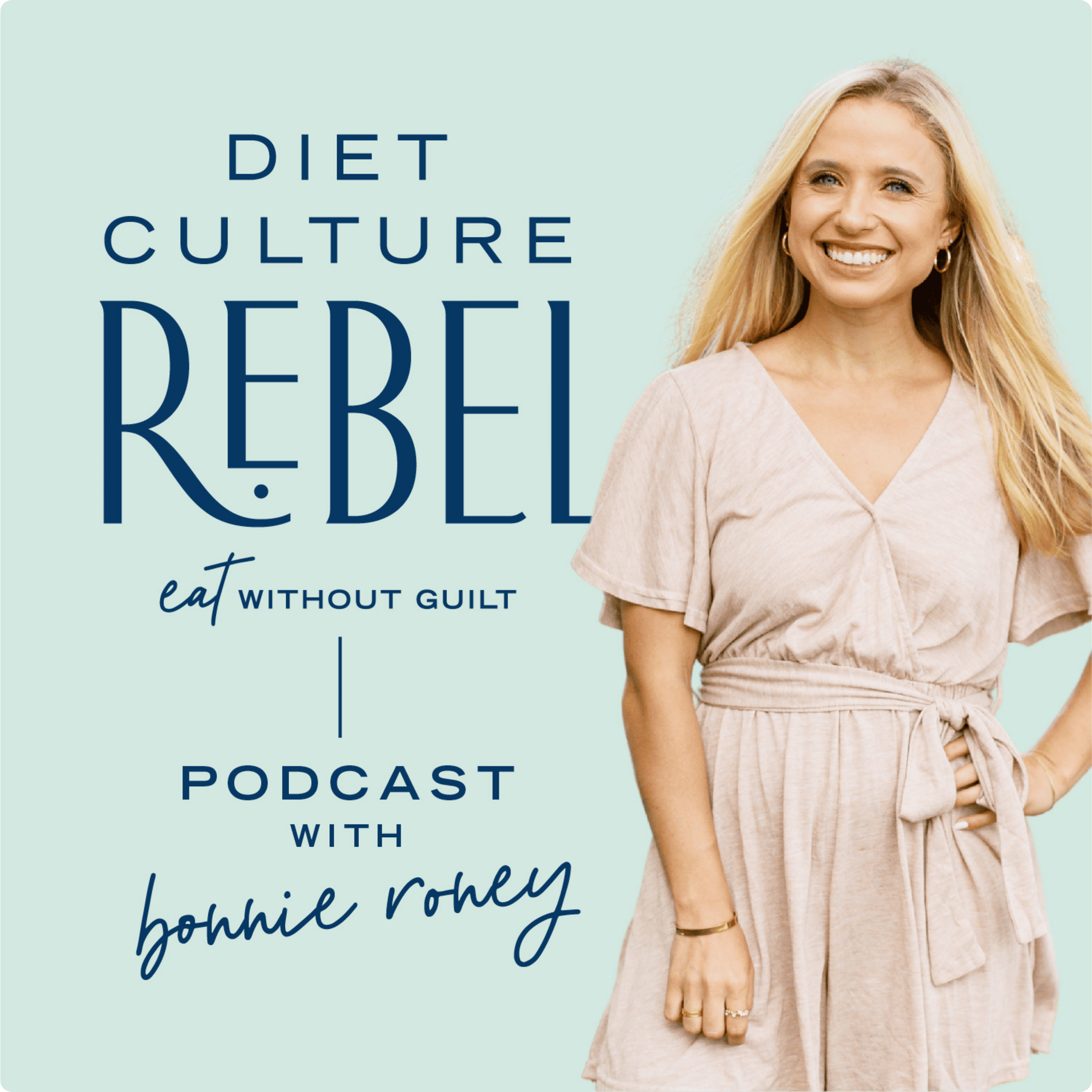
256. Should You Take Creatine? Here's What to Know About This Popular Supplement
May 2700:22:56Tap to summarize"Supplementing with creatine could have potentially benefited my exercise performance years ago, but I wasn’t ready for that then."Creatine is everywhere right now, but what does the research actually say, and should you take it? In this episode, I’m breaking down what creatine is, the benefits, which type of creatine is the gold standard, and how to think about supplements without letting diet culture drive your decisions. We’ll also talk about why eating enough and consistently has to come first, because no supplement can replace a strong nutrition foundation.✅ What You’ll Learn:What creatine actually is and why your body already naturally produces itThe surprising benefits of creatine beyond workoutsWhy your nutrition foundation matters way more than any supplement ever willThe difference between creatine gummies and creatine monohydrate, and why research mattersHow much creatine most people start with, plus whether you really need a loading phaseThe questions to ask yourself before deciding if creatine is right for you🔗 Resources:Naked Creatine: Use code BONNIE15 for 15% off!Episode 218, What Decades of Overexercising Taught me About RestGrab the Hunger & Fullness Scale Guide at DietCultureRebel.com/hungerfullnessscale and take your next step toward building trust with your body and food.Connect with me over on Instagram at @diet.culture.rebel.Struggling with food, but not sure where to start?You don’t have to feel 100% ready to get support. If you're tired of obsessing over food or feeling stuck in the diet cycle, my team of Registered Dietitians is here to help. We offer one-on-one nutrition counseling—and we accept insurance! Spots are limited, so head to https://dietculturerebel.com/insurance to see if we’re covered in your state and learn how to get started.
Transcribe →