Podcast
Doggie Stoic
Hosted by Happy Go Lucky Dog Company · EN
Welcome to Doggie Stoic, the place where aspiring dog trainers learn how to turn passion into purpose 🐶. Here, you’ll discover how to connect with dogs on a deeper level through calm, confidence, and clear communication. Whether you’re just starting your journey or dreaming of becoming a pro, Doggie Stoic gives you the tools and mindset to train with patience and purpose.
Through podcasts, real stories, and practical tips, we help you grow as a trainer — and as a person. Learn from experts, explore the philosophy behind great training, and build the confidence to handle any challenge as well as understand the intricacies of the Dog Training Business. Your path to becoming the trainer dogs trust starts here.
22episodes
Episodes
Newest firstAll episodes
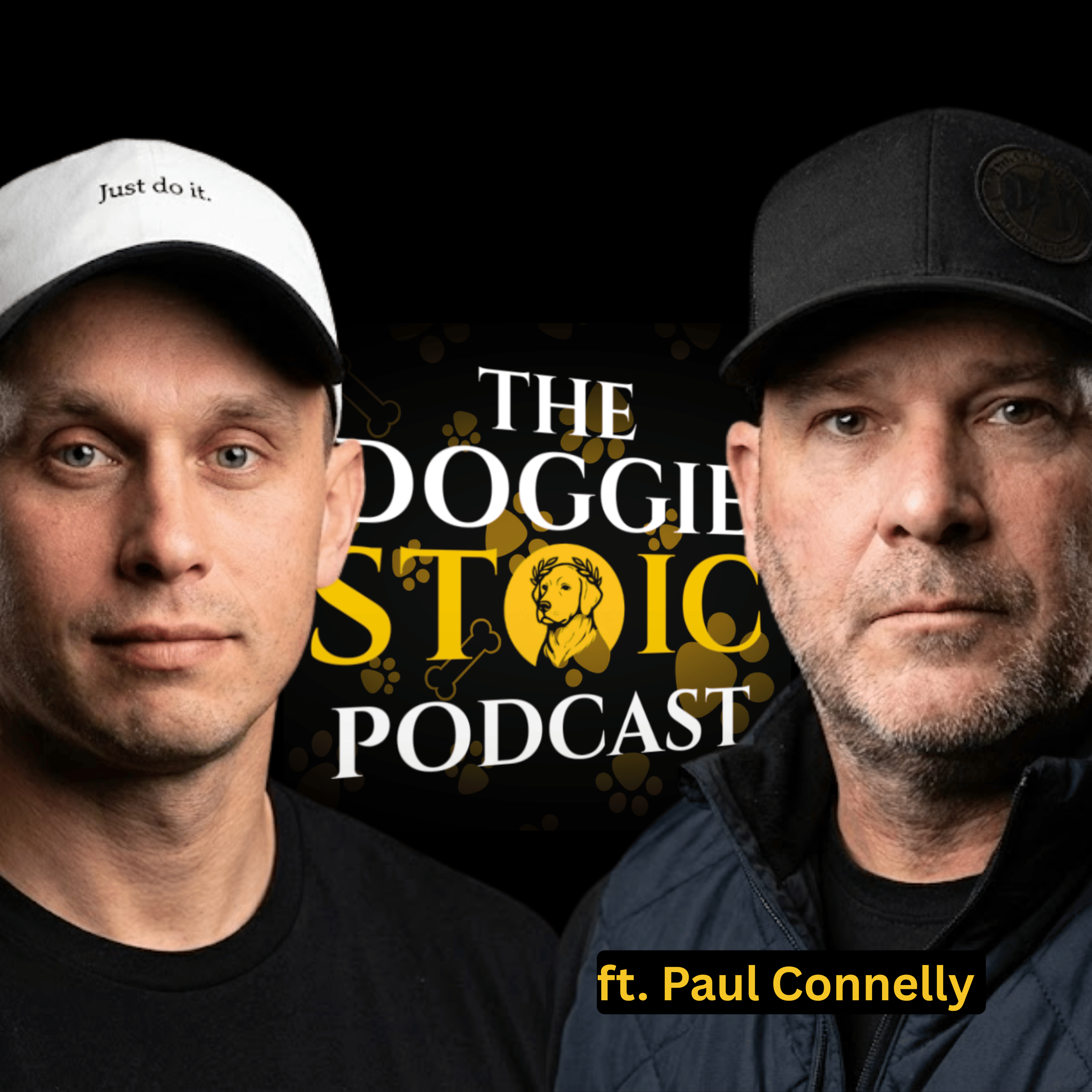
The "Love" Trap: Paul Connolly on K9 Reality, Burnout, and True Fulfillment
Feb 501:27:00Tap to summarizeDoes your dog actually "love" you, or are they just fulfilling a biological need? In this episode of The Doggie Stoic Podcast, Andrew sits down with veteran K9 officer and trainer Paul Connolly to discuss the uncomfortable realities of the dog training industry. With over 26 years of experience in law enforcement and dog training, Paul shares unfiltered insights into the recent "civil war" within the industry, offering a seasoned perspective on the Dylan Jones vs. Robert Cabral controversy. We dive deep into why "love" is often a trap that prevents rehabilitation, the critical importance of "Conditioned Relaxation" for high-drive dogs, and why Paul completely overhauled his business model from Board & Trains to Day Training to survive burnout.
Transcribe →
EXCLUSIVE - Dog Training’s Toxic Culture: Dylan Jones Exposes the "Expert" Charade
Feb 402:09:59Tap to summarizeHas the dog training industry lost its way? Andrew sits down with Dylan Jones on The Doggie Stoic Podcast to address the explosive fallout from Robert Cabral’s recent "cancer in the industry" allegations. This isn't just about an online argument—it’s a deep dive into the ethics, transparency, and future of behavior rehabilitation. In this conversation, Dylan breaks down why he believes the industry has replaced actual training skill with "social credit" and virtue signaling. From the "phantom" social media posts to the standard of evidence required to rehabilitate dangerous dogs, we explore the growing divide between balanced trainers and the "force-free" movement.
Transcribe →