← Don't Cut Your Own Bangs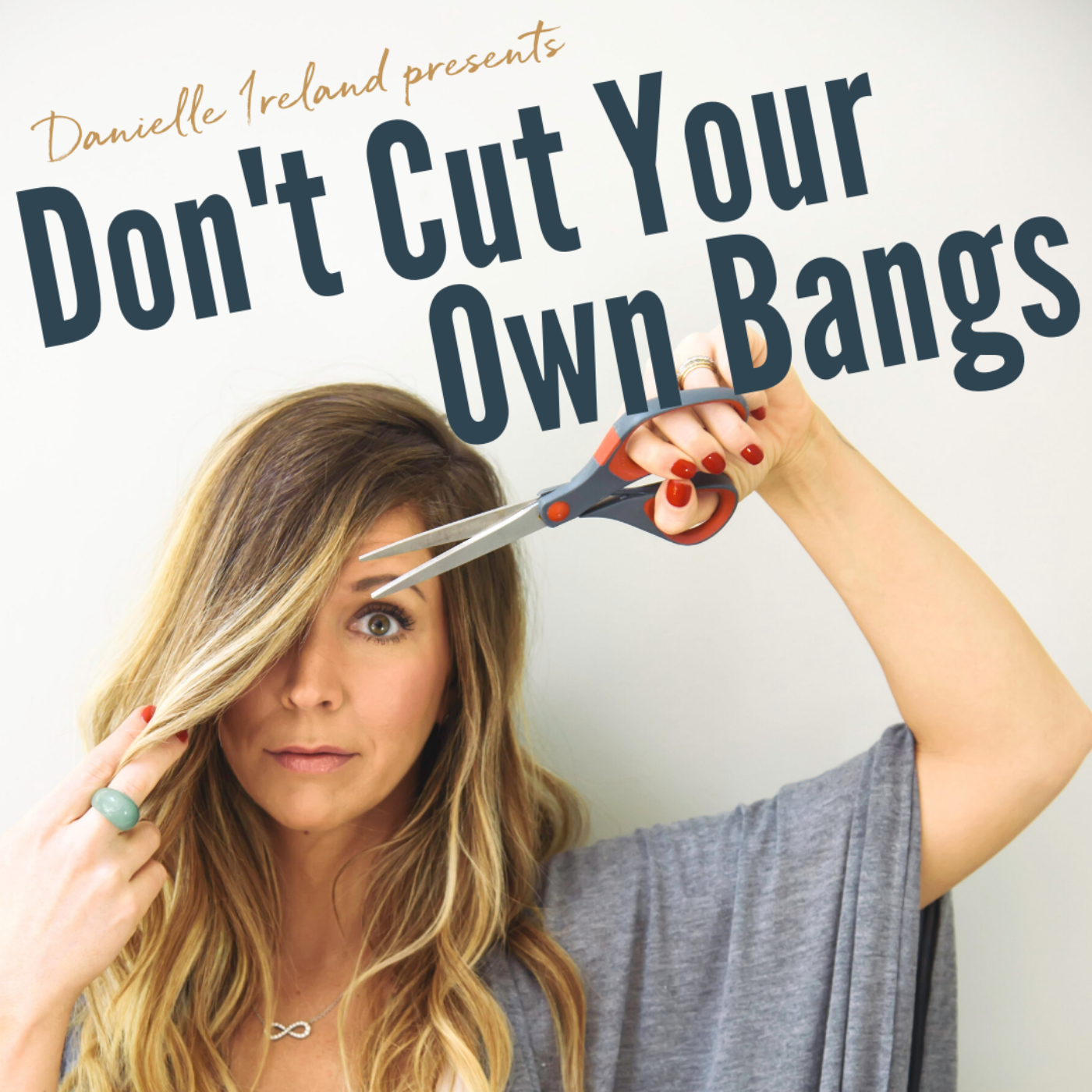
Loading summary
Transcript1 lines
- [00:00]
A
I'm standing at a ballroom dance studio Counting out loud. 5, 6, 7, 8. While Michael Buble is playing on repeat in the background. And I am working with a couple who are preparing for their first dance for their wedding. Their names have now escaped me, but their faces will probably be imprinted in my mind forever. The bride to be is wearing these satin ivory heels to match her wedding dress. The heels are just a little higher than she's comfortable wearing. And every time she takes a step backwards to learn the foxtrot, I can see her confidence slipping. She wants to feel like a princess on her big day, but right now she feels awkward, she feels off balance and maybe a little embarrassed. Her partner is trying to help, but he doesn't really know how. And technically, this was supposed to be a 30 minute introductory dance lesson provided by yours truly. The kind where you get the couple excited about dancing and then they sign up for more lessons and they think, hey, after the wedding, this should be a hobby. It was meant to be a little razzle dazzle, not borderline crisis. My job was to be teaching them steps to the foxtrot while dancing to Michael Buble. And what ended up happening that day had a lot less to do with counting steps and a lot more to do with helping someone see themselves in a new way, believe that they could walk into the most important day of their life feeling confident and supported, believing in themselves. And standing there in that dance studio, I started to get the early whispers that there was something more interesting happening in that room. And with me, that wasn't about dancing. It was happening inside the people that I was working with. That moment and several like. It's turned out to be the beginning of a question that would eventually change my entire career in the trajectory of my life. Hello, hello and welcome to don't cut your own bangs. I am Danielle Ireland, and I am really glad you're here. If you're new to the podcast, the heart of this show is an attempt at asking and answering a simple question. How do we turn our emotions into allies instead of treating them like obstacles, how do we listen to discomfort, curiosity, excitement or fear and use those signals to help guide us to our next step forward instead of feeling stuck or like we're failing because emotions aren't problems, they're information. One of the most powerful ways that we learn how to understand that information is through stories. So today I want to share a little bit more about my own story, how I went from being a ballroom dance instructor to becoming a therapist who runs her own practice and later in this episode, I'm also going to share seven simple steps that I come back to when I am feeling overwhelmed or unclear. But first, let's go back to the dance studio. I remember watching this bride. She would step back, she would step to the side, and every time she would step back in her heels, her shoulders just began to tighten a little bit more. She was counting the steps out loud, which is not something a bride wants in her wedding photography. And her partner kept asking and assuming he was doing something wrong. And she would say, no, no, it's, it's not you, it's me. And whenever the tension builds in a moment like that, it is so quick, as it often does, someone wants to find fault or blame, because if there's blame, then someone can take responsibility and make it better. This was one of those uncomfortable life moments where two people were genuinely trying their best. Nobody was doing anything wrong, nor was the bride doing anything wrong in how she was learning what was happening. Deeper below the surface is what she was feeling, and in response to that, what her partner was feeling. The first attempt is to try to correct the steps. You know, try to keep your frame tight about where you're placing your weight and how you're stepping. But the more we kept focusing on the dance, the more obvious it became that what was happening. But these two had nothing to do with the dance or their ability to dance. So we stopped. The music kept playing though. God, Michael Buble played a lot back in those days, at least in my teaching days. And I don't remember again exactly what I said. But I know that there was a moment of reframe where it essentially was, let's step out, let's just forget about the steps and tell me about what you want to feel when you walk onto the dance floor to do your first dance at your wedding. And I remember her saying, I want to feel like I belong there. Not like I'm just doing the thing you're supposed to do at your wedding. I wanna feel beautiful. And she started to get teary eyed at that. Which of course, whenever I see someone cry, I feel like I'm about to start to cry as well. And I really settled into a zone and realized that there was this really interesting part of my job that had nothing to do with choreography, but there was emotional work happening. And at the time I didn't know, I couldn't know where that curiosity was going to lead me, but I just knew or started to know that I was more interested in understanding these people than I was perfecting their steps. And eventually that curiosity led me to graduate school, where I became a therapist. Before I keep going, I wanna take just a quick break, a quick moment to share two things that actually grew directly out of the work I do, both here on the podcast and with my therapy clients. The first is the Treasure Journal. It's a guided journal in seven parts that I created for people who wanted a place slow down and listen to their thoughts, listen to their emotions instead of just trying to power through them, but felt intimidated by or frozen when they faced a blank page. It's filled with sentence, stems, quotes. It helps you find a place to put your feelings in a way that feels constructive. The second is my children's book, Wrestling a Walrus for Little People with Big Feelings, which helps kids understand big emotions in a playful way that reminds them that frustration and overwhelm are a part of learning, not signs that something's wrong. If either of those sound helpful to you, they are both linked in the show notes for your convenience. Okay, now back to the conversation. Looking back now, I can see that many of the moments in my life where things were changing direction didn't come from having a perfect answer or a perfect solution. They came from asking a better question. So here are seven simple check in questions that I've come back to many, many times when things feel overwhelming and I just want to give a quick shout out to Ashlyn Thompson for asking me for simple questions in our podcast interview, which is what inspired this one. As I go through the questions, you might notice that many of them were quietly present in the dance studio moment. Where can I be more honest right now? What am I avoiding? Where am I holding tension? If I were more gentle here, what could change? Halt. Am I hungry, angry, lonely or tired? It's one of my favorite acronyms got from aa. Who am I jealous of right now? And what might that be telling me about something I want to create, Sweet or savory? Sometimes clarity actually starts with a small choice. So now I want to invite you to connect these questions with your own life. One of the things most I love about this podcast is that it is becoming a conversation. If there is something you've heard me mention in passing that you want to hear more about, an anecdote, a tangent, a short story, or something I say I'll elaborate on, tell me a mental health topic or even a guest you would love to hear from or hear from again. Because this community is becoming something that we are building together. Sometimes not as often as I used to, but many times, I think back to that couple at the dance studio, the bride's satin shoes, the Michael Buble playing on repeats, the nervous laughter. And the moment that somebody realizes that they can trust themselves to figure it out, they can trust themselves to take a next step. That is also what a really good question can do. The right question placed at the right time to unlock new information. They don't always give us an answer. Take that job, leave that relationship. But they can help us trust ourselves enough to move forward to the next right inch, the next right millisecond. And that, more than anything, is the heart of this podcast, learning how to turn our emotions into allies instead of obstacles. Thank you for being here. Your time, your attention, they mean the world to me. And until next time, take good care of yourselves. And remember, don't cut your own bangs.