← Down These Mean Streets (Old Time Radio Detectives)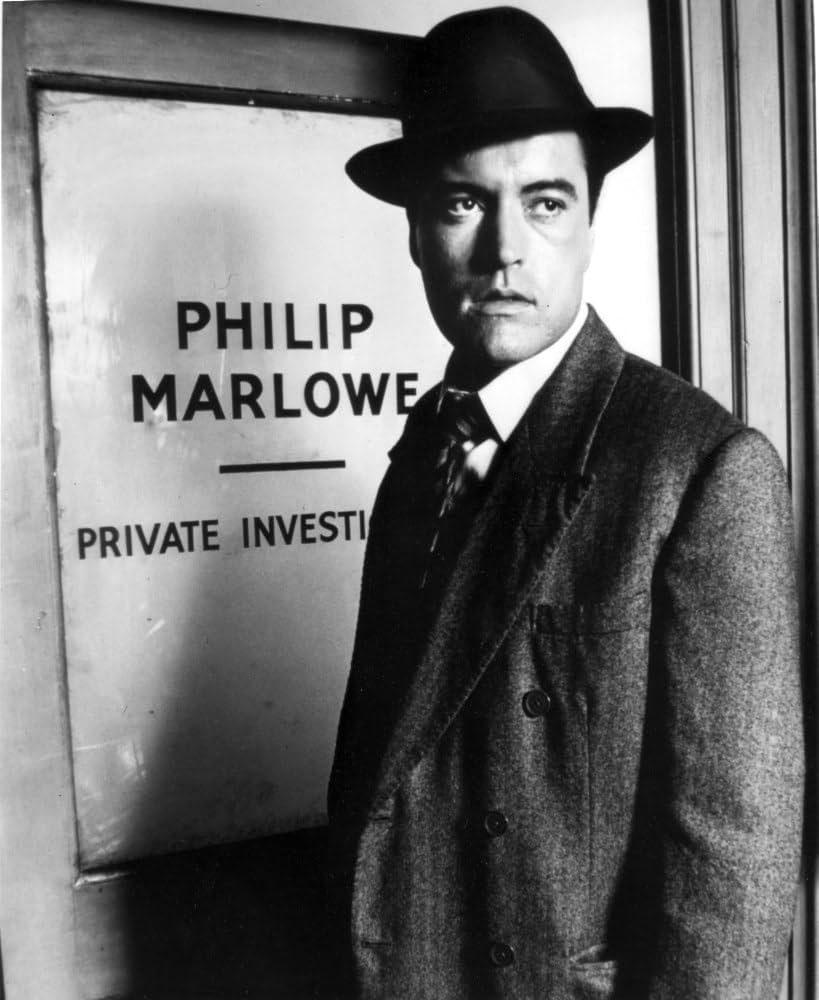
Down These Mean Streets (Old Time Radio Detectives)
Episode 642 - Marlowe Actors' Club (Philip Marlowe, Lux Radio Theatre, & Hollywood Star Time)
02:40:44
Loading summary
Transcript1,477 lines
- [00:00]
Philip Marlowe
Get this and get it straight. Crime is a sucker's road and those.
- [00:04]
Announcer
Who travel it wind up in the.
- [00:05]
Philip Marlowe
Gut of the prison of the grave. The story you are about to hear is true.
- [00:15]
Announcer
Only the names have been changed to protect the innocent. The Adventures of Sam Spade Detective the Adventures of the Saint starring Vincent Price. Bob Bailey in the exciting adventures of the man with the action packed expense account, America's fabulous freelance insurance investigator. Yours truly, Johnny Dollar.
- [00:58]
Podcast Host
Hello and welcome to down these Mean Streets with more old time radio detectives and crime solvers. This week we're hosting a meeting of the Marlow Club, that collection of actors who lent their voices to Raymond Chandler's Philip Marlowe. On radio. Many great actors have played the private eye over the Humphrey Bogart, James Garner, Robert Mitchum, Elliott Gould, dav, Danny Glover, James Caan and Liam Neeson have all taken turns in Marlo's gumshoes. Personally, my favorite screen Marlowe is Powers Booth, who starred in a 1980s HBO series that adapted several of Chandler's stories. But that's the world of movies and TV and as always we're interested in the world of radio and today we'll hear four actors with their own unique takes on the character. First up is Van Heflin who starred as Marlow in a 1947 summer series on NBC. We'll hear the first episode of that run a very good radio adaptation of Chandler's short story Red Wind. It originally aired on NBC on June 17, 1947 and it features a great cast including Loreen Tuttle as Marlow's client William Conrad. We had a spotlight show about him just a few weeks ago as a trigger happy ex con and Bill Johnstone a one time voice of the Shadow as Lieutenant Ibarra of the Los Angeles Police Department. I like Heflin as Marlow a lot and I wish we had more of his episodes available today. He plays Marlow as cynical, but with a romantic streak that keeps him from completely giving up on people. I think it's a terrific performance. Then Robert Montgomery recreates his screen role of Marlo in a Lux Radio Theater adaptation of the lady in the lake from February 9, 1948. Montgomery not only played Marlo in the movie, he also directed it. Now this radio adaptation loses the main gimmick of the movie, which is that it was shot from Marlowe's pov putting you in the detective's shoes. Your mileage may vary on how effective it is. Personally I'm not the biggest fan, so it's interesting to hear the story play out without the distracting visuals. Up third is Dick Powell, who played Marlow in Murder My Sweet, a film adaptation of Chandler's Farewell My Lovely. Powell reprised the role in an adaptation of the film presented on Hollywood Star time on June June 8, 1946. He's joined by his screen co star Mike Misurki, as well as Mary Astor, who wasn't in Murder My Suite but has her private eye Bonafides from the Maltese Falcon. Now it's hard for me to separate Powell as Marlow from his radio work as Richard diamond or on Rogues Gallery. But it's important to remember that when he starred as Marlow in Murder My Sweet on screen, he was showing a new side of his acting chops. Up until that point, Powell had primarily been known for musicals. He completely reinvented himself when he made the switch to noir, but I feel like the Richard diamond character, which was written especially for him and blended his background of musicals and comedy, may have been a better fit. And finally, we'll hear Gerald Moore, who gave Radio one of its best detectives with his electrifying portrayal of Marlowe. As I said at the top of the show, many great actors have played the detective. And as much as I love Powers Booth, I think my definitive Marlow has got to be Mr. Moore. When I read Chandler, it's his voice I hear in my head. And we'll hear him today in the Uneasy Head, an episode of the Adventures of Philip Marlowe that originally aired on CBS on June 6, 1950. Our Marlo Club meeting gets underway with Van Heflin in Red Wind right after these messages.
- [05:10]
Detective/Police Officer
This is the cold season.
- [05:12]
Announcer
What do medical authorities say about the common cold? Doctors tell us there's no known drug.
- [05:17]
Detective/Police Officer
Which will cure a cold.
- [05:19]
Announcer
There are effective medications for treating complications accompanying or following a cold.
- [05:24]
Detective/Police Officer
If you've been taking sensible precautions and.
- [05:26]
Announcer
Still have one cold after another, it's.
- [05:28]
Detective/Police Officer
Best to see your doctor.
- [05:30]
Announcer
And here's another important health tip.
- [05:32]
Detective/Police Officer
When you have a cold and need.
- [05:33]
Announcer
A laxative, that's the time to rely on gentle Ex Lax. Pleasant tasting chocolated Ex Lax helps you.
- [05:40]
Detective/Police Officer
Toward your normal regularity gently overnight. Ex Lax gets along with any cold remedies you may be taking. And Exlax works where nature wants in the lower tract, not the stomach. Taken at bedtime, Ex Lax won't disturb.
- [05:52]
Announcer
Sleep, gives you the closest thing to natural action.
- [05:55]
Detective/Police Officer
The next morning you're well on your way towards your normal regularity without upset or discomfort. So when you have a cold and need a laxative, take Ex Lax.
- [06:04]
Announcer
The laxative you can use with complete confidence. Ex Lax helps you towards your normal regularity.
- [06:09]
Detective/Police Officer
Gently overnight.
- [06:10]
Announcer
Ex Lax Are you looking for a smooth shave, men?
- [06:14]
Detective/Police Officer
Then try Fitch's no Brush Shaving Cream.
- [06:17]
Announcer
It'll give you the kind of shave you want because 40 years of experience.
- [06:21]
Detective/Police Officer
Have gone into the making of this product. Pitches no Brush contains a special skin conditioner ingredient that takes the work out of shaving.
- [06:29]
Announcer
You won't have to struggle and scrape against stubborn whiskers.
- [06:32]
Detective/Police Officer
Because the skin conditioner prepares your face beforehand, it holds the whiskers up so.
- [06:37]
Announcer
Your razor can zip them down closely and quickly.
- [06:40]
Detective/Police Officer
Even against the grain of a tough.
- [06:42]
Announcer
Beard, your razor will glide swiftly, never nicking or scraping.
- [06:46]
Detective/Police Officer
Pitches no Brush is a boon to sensitive faces because it lubricates gently, keeping.
- [06:52]
Announcer
That tender skin from being irritated.
- [06:54]
Detective/Police Officer
After this quick, easy shave, your skin.
- [06:57]
Announcer
Will feel cool and refreshed, wonderfully smooth. And if you prefer a lather cream.
- [07:01]
Detective/Police Officer
Try Fitch's Brush Cream.
- [07:03]
Philip Marlowe
It forms a rich, abundant lather when.
- [07:05]
Announcer
Applied with a brush.
- [07:07]
Philip Marlowe
This lather stays moist all during the shave.
- [07:10]
Detective/Police Officer
Fitch's Brush Cream also contains the special.
- [07:12]
Philip Marlowe
Skin conditioner for sensitive faces.
- [07:15]
Detective/Police Officer
Fitch's Brush and Fitch's no Brush Shaving.
- [07:17]
Announcer
Cream are available in handy 25 and 50 cent sizes.
- [07:21]
Detective/Police Officer
For a shave you like, switch to Fitch.
- [07:23]
Announcer
Now let's take a quick musical trip to Blue Ribbon lands to places around the world where folks enjoy internationally famous.
- [07:29]
Detective/Police Officer
Pabst Blue Ribbon beer.
- [07:31]
Announcer
Ready now.
- [07:32]
Detective/Police Officer
See how many you can guess.
- [07:38]
Announcer
Yes, Paris is right. In gay Paris, folks just like yourself enjoy that smoother tasting Pabst Blue Ribbon finest beer served anywhere now.
- [07:53]
Philip Marlowe (Narration)
That's right.
- [07:54]
Announcer
That's right. Managua, Nicaragua, another wonderful place where internationally.
- [07:58]
Detective/Police Officer
Famous Pabst Blue Ribbon is served and enjoyed.
- [08:01]
Announcer
Next.
- [08:04]
Detective/Police Officer
Chicago is right.
- [08:05]
Announcer
That's right.
- [08:06]
Female Characters (Various)
Yes.
- [08:06]
Announcer
All over America, all over the world, folks enjoy that number one international favorite, Pabst Blue Ribbon. Finest beer served anywhere. It's the beer the whole world knows about. And remember, the quality that has carried the fame around the world is yours for the asking. So next time somebody says, what'll you have? Give them the world's best answer.
- [08:27]
Detective/Police Officer
That's smoother.
- [08:28]
Announcer
Smoother, smoother past Blue Ribbon Beer. Far to the south of us is our good neighbor country, Ecuador. Let's imagine ourselves there now, dining on the roof terrace cafe of the exclusive Hotel Metropolitano in Guayaquil, Ecuador. Near us, an American has just complimented his hosts on the magnificent dinner. To which his host quickly responds, ah, yes, it is true, their foods are famous, but from your land comes a rare delicacy Also, it is the superb wine so excellent that we in Ecuador import it from your United States. My friend, I drink to you in your own delicious Roma wine. Our Ecuadorian friend is right for Roma wine's superb quality has won such favor in many far places that they import it, enjoy it as a rare luxury. But not so here in America. Here millions know and enjoy Roma wines as an inexpensive everyday delight at meal.
- [09:27]
Detective/Police Officer
Times and when entertaining.
- [09:29]
Announcer
So many in fact, that Roma is America's largest selling wine. With no high import duties to pay nor expensive shipping costs, you enjoy these distinguished wines for only pennies a glass. Ask for Roma wines which bring you old World winemaking skill plus Roma's own modern controls and testing. That's R O M a Roma wines, America's largest selling wine made in California for enjoyment throughout the world. I dedicate this program to the fight against crime. Not merely crimes of violence and crimes of dishonesty, but crimes of intolerance, discrimination and bad citizenship. Crimes against America. For the safety of your smile, use Pepsodent twice a day. See your dentist twice a year. Lever Brothers company presents the pepsident program. The Adventures of Philip Marlowe starring Van Heflent presents Philip Marlowe, Hollywood's famous private detective, created by Raymond Chandler. Philip Marlowe, tough, cynical, private eye of murder my sweet, the sardonic case hardened detective of the Brasher Doubloon, the Lady in the Lake and the Big Sleep. You've seen him in action in all of those top flight mystery pictures. Now, in order that you may continue to enjoy this exciting mystery series, pepsidant brings you the Adventures of Philip Marlowe on the air with a cast of noted radio players and starring MGM's brilliant and dynamic young actor Van Heflin. Now families all over America have named their favorite toothpaste New Pepsodent with Irium New Fresh tasting Pepsodent with a new cool minty flavor. It's the 3 to 1 favorite over all other toothpastes.
- [11:44]
Female Characters (Various)
It's true. With families all over America, new Pepsodent is the favorite.
- [11:49]
Announcer
Three to one families from coast to coast recently compared new Pepsodent to with other toothpastes at home. They preferred new Pepsodent by an overwhelming average of 3 to 1 over all other brands. They tried these families 3 to 1 said New Pepsodent tastes better, makes breath cleaner, makes teeth brighter.
- [12:09]
Female Characters (Various)
Yes, families three to one say new Pepsodent tastes better, makes breath cleaner, makes teeth brighter.
- [12:16]
Announcer
Get new Pepsodent toothpaste for your family right away.
- [12:37]
Philip Marlowe (Narration)
There was a rough desert wind blowing into Los Angeles that evening. It was one of those hot, dry Santa Anas that come down through the mountain passes and curl your hair, make your nerves jump and your skin itch. On nights like that, every booze party ends up in a fight and meek little housewives feel the edge of a carving knife and study their husband's necks. Anything can happen when the Santa Ana blows in from the desert. I closed up my office early. I got tired of reading Philip Marlo Private Investigator backwards on the ground glass of my office door. So I opened the door and closed it from the outside and locked it and went out to get a beer before I went up to my apartment. Filler up again, Mr. Marlon Marlo.
- [13:30]
Detective/Police Officer
Marlo.
- [13:30]
Philip Marlowe (Narration)
Marlon is a fish.
- [13:32]
Detective/Police Officer
Yeah, I know. Hey, hey, bartender. Come in on the ride.
- [13:37]
Philip Marlowe (Narration)
That drunk again. What'd you expect in this business, autograph hounds?
- [13:40]
Detective/Police Officer
Make it snapper, you hear?
- [13:42]
Philip Marlowe (Narration)
Be right with you, sport.
- [13:43]
Detective/Police Officer
I gotta draw this man a beer.
- [13:44]
Philip Marlowe (Narration)
Crying out loud, these stumble bumps have come in here. You got another customer, Backus. Hey, bud, you seen a lady in here lately?
- [13:54]
Detective/Police Officer
A lady?
- [13:54]
Philip Marlowe (Narration)
Tall, good looking, brown hair, a print bolero jacket and a blue silk dress?
- [14:00]
Detective/Police Officer
No, sir. No, sir.
- [14:02]
Philip Marlowe (Narration)
Nobody like that's been in.
- [14:04]
Detective/Police Officer
All right, straight scotch fast.
- [14:05]
Philip Marlowe (Narration)
I left my engine running out there.
- [14:07]
Detective/Police Officer
Yes, sir.
- [14:08]
Philip Marlowe (Narration)
Yes, sir. This slick looking sarcastic guy stepped up to the bar and drank his scotch whole. Then he turned to go out and he stopped. The drunk was grinning at him. And then without changing his grin, the drunk swept a gun from somewhere so fast it was just a blur coming out. Made a couple of hard snaps and a little smoke curled very little.
- [14:35]
Detective/Police Officer
All right, show other guys. Don't move. So long, Waldo.
- [14:42]
Philip Marlowe
All right, don't move, you two.
- [14:45]
Philip Marlowe (Narration)
Oh, Waldo.
- [14:47]
Philip Marlowe
But I made his nose bleed.
- [14:50]
Detective/Police Officer
So long, boys. Drink up.
- [14:53]
Philip Marlowe (Narration)
All right, get on that phone, kid. I'll get his license number. Holy smoke.
- [14:59]
Philip Marlowe
Holy smoke.
- [15:01]
Philip Marlowe (Narration)
Ah, too late. Drove away with this dead guy's car.
- [15:05]
Philip Marlowe
Maybe he ain't dead.
- [15:07]
Philip Marlowe (Narration)
He's dead all right. Where's your phone? This is for the police. The prowl car boys were there in about five minutes. Waldo was out of business all right. And nothing in his pockets. Told who he was, but he had about $700 on him. I told the cops what I knew, including about Waldo's tall, brown haired pretty girl in the bolero jacket. It was about 9 o' clock when I stepped out of the elevator in my apartment house and almost walked right into a tall, brown haired pretty girl in a bolero jacket waiting for the elevator on my floor. Oh, Excuse me just a minute, lady.
- [15:50]
Female Characters (Various)
I said excuse me. I'm in a hurry. Now, if you'll be good enough.
- [15:52]
Philip Marlowe (Narration)
Look, you better not go outside in those clothes.
- [15:55]
Female Characters (Various)
Just what do you mean by telling.
- [15:56]
Philip Marlowe (Narration)
Me this isn't a make. You're in trouble.
- [15:59]
Female Characters (Various)
Trouble?
- [15:59]
Philip Marlowe (Narration)
Yeah. The cops are looking for you in those clothes.
- [16:02]
Female Characters (Various)
But I haven't done anything that.
- [16:03]
Philip Marlowe (Narration)
I'm in room 41 across the hall. Now, I never collected an etching in my life.
- [16:08]
Female Characters (Various)
All right, I'll go with you. I'll go.
- [16:14]
Philip Marlowe (Narration)
I got to my room and rustled up some scotch and soda and her glass. She had a small automatic in her hand. It jumped up at me, and her eyes were full of panic. I put down both glasses on the table slowly, so that I wouldn't be misunderstood. Look, sister, maybe this wind has got you crazy, too.
- [16:37]
Podcast Host
Don't move.
- [16:38]
Female Characters (Various)
Be careful. Don't move.
- [16:39]
Philip Marlowe (Narration)
A man just got shot in a bar down the street. Before he got it, he'd been asking about a tall, pretty girl with a bolero jacket like yours.
- [16:47]
Female Characters (Various)
What did he look like, this man?
- [16:49]
Philip Marlowe (Narration)
Tall, five eleven, slim, dark. Dark brown eyes with a lot of glitter. Dark suit, white handkerchief in the breast pocket. And he must have seen you earlier tonight to know how you were dressed. Am I getting anywhere?
- [17:01]
Female Characters (Various)
He used to be my chauffeur.
- [17:03]
Philip Marlowe (Narration)
You had an appointment with him, didn't you?
- [17:05]
Female Characters (Various)
Why?
- [17:05]
Philip Marlowe (Narration)
Listen, he asked for you, didn't he?
- [17:07]
Female Characters (Various)
Yes, I had an appointment with him. He'd stolen something from me. When he left three days ago. I was going to buy it back from him.
- [17:13]
Philip Marlowe (Narration)
Why didn't you tell the police?
- [17:14]
Female Characters (Various)
I couldn't tell them.
- [17:15]
Philip Marlowe (Narration)
It was valuable, wasn't it? Valuable enough for waldo to steal $15,000? Oh, it's peanuts.
- [17:19]
Female Characters (Various)
But it wasn't the value. It meant something to me. The man I love gave it to me, and now he's dead. He was a flyer shot down over Germany. Now go back and tell my husband that he probably hired you.
- [17:33]
Philip Marlowe (Narration)
He did. How much is he paying me? And where is this husband of yours?
- [17:38]
Female Characters (Various)
He's at a meeting.
- [17:39]
Philip Marlowe (Narration)
This late at night?
- [17:39]
Female Characters (Various)
He's a very important man. He's a hydroelectric engineer. I'll have you know that my husband is one of.
- [17:44]
Philip Marlowe (Narration)
Skip it. I'll take him out to lunch sometime and have him tell me himself. And about Waldo. Whatever he had on you is dead stock now. Like Waldo himself.
- [17:53]
Female Characters (Various)
You mean he's dead? Waldo is dead?
- [17:56]
Philip Marlowe (Narration)
Yes, sister, he's dead. Dead, dead, Dead. Lady, he is dead. I scream and I'll give you two black eyes.
- [18:05]
Female Characters (Various)
I'M not going to scream. Who? Who would that be?
- [18:08]
Philip Marlowe (Narration)
There's a dressing room behind that door right there. Now, don't argue with me.
- [18:12]
Female Characters (Various)
Do it. All right.
- [18:24]
Philip Marlowe (Narration)
Then. I went to the door, making a loud yawning sound. The backs of my hands were wet. I opened the door. Without a gun. That was a mistake. I certainly knew the gun. I was looking into a.22 target automatic that had already killed one man that night. And I knew the bald head and the flat, shiny eyes and the face like a poisonous lizard. Baldy put the muzzle of his gun lightly against my throat. I backed into the room and Baldy kicked the door shut.
- [18:55]
Detective/Police Officer
You alone?
- [18:56]
Philip Marlowe (Narration)
Look for yourself.
- [18:57]
Detective/Police Officer
I'm asking, not looking.
- [18:59]
Philip Marlowe (Narration)
I'm alone. You and that dumb bartender saw me dust off Waldo. What did Waldo do to you?
- [19:05]
Detective/Police Officer
Who's asking?
- [19:06]
Philip Marlowe (Narration)
Just making conversation.
- [19:09]
Philip Marlowe
He stooled on me on a bank.
- [19:10]
Philip Marlowe (Narration)
Job we did together. Got me four years in Michigan Pen.
- [19:15]
Detective/Police Officer
How is he?
- [19:16]
Philip Marlowe (Narration)
Dead. I'm still good, drunk or sober.
- [19:23]
Detective/Police Officer
Tell me why I came here, Paul.
- [19:26]
Philip Marlowe (Narration)
You heard the bar keeper and me talking. I told him my name, where I lived, that's how. Pal, I said, why, I skip it. The hangman won't ask you to guess why he's there. Oh, you're pretty tough at that, ain't you?
- [19:39]
Detective/Police Officer
But you're slamming off, pal.
- [19:41]
Philip Marlowe (Narration)
All right. But you could get that gun out of my neck and try somewhere else.
- [19:45]
Philip Marlowe
Oh, yeah, sure.
- [19:46]
Philip Marlowe (Narration)
Is this better, this search?
- [19:47]
Detective/Police Officer
All right.
- [19:48]
Philip Marlowe (Narration)
Just so it isn't my neck. Say when palace your party. I leaned against the gun. The door of the dressing room showed a crack of darkness. The crack widened. I began to shake a little. The girl came quietly into the room, but there was white all around her. Irish. She was scared. She had her gun in her hand. But I was sorry for her. Dead sorry. She'd try to make the door a scream. Either way, it'd be curtains for both of us. You're scared, mister. You worried about any little thing? I couldn't talk. The girl floated in the air somewhere behind Baldy and her horrified face was drifting toward us. My mouth was as cold and dry as yesterday's toast. Well, kid, how's it feel?
- [20:34]
Detective/Police Officer
You ready yet?
- [20:36]
Philip Marlowe (Narration)
Go on, say the word. Well, don't take all night about it. If you're. If you're gonna do something about it, why not, pal?
- [20:42]
Detective/Police Officer
I like this.
- [20:43]
Philip Marlowe (Narration)
I suppose I yell.
- [20:45]
Detective/Police Officer
Go ahead, yell. Go ahead. Put out your hand.
- [20:47]
Announcer
Hey, look.
- [20:52]
Philip Marlowe (Narration)
Oh, thanks, sister.
- [20:54]
Philip Marlowe
Thanks.
- [20:55]
Detective/Police Officer
That.
- [20:55]
Philip Marlowe (Narration)
That buys me. Everything I have is yours. Now and forever.
- [21:00]
Female Characters (Various)
Is he dead?
- [21:01]
Philip Marlowe (Narration)
You flatter me. No end, lady. I only punched him. Why not get out of here while I call the cops down on this killer?
- [21:07]
Female Characters (Various)
Yes. Good night. Good night.
- [21:09]
Philip Marlowe (Narration)
Hey, wait, wait. Leave that bolero jacket here. And mocks you for the cops.
- [21:12]
Female Characters (Various)
Oh, yes. Here.
- [21:15]
Philip Marlowe (Narration)
Okay. See you again.
- [21:17]
Female Characters (Various)
Why?
- [21:18]
Philip Marlowe (Narration)
Oh, I don't know. No, I guess not. After all, who am I to be the rival of a dead flyer? I'll see that the police get Jesse James here. Good night, lady. Yeah. You mean me?
- [21:47]
Female Characters (Various)
Yes, please.
- [21:49]
Philip Marlowe (Narration)
Oh, you again, huh?
- [21:52]
Female Characters (Various)
Sit in. I must talk to you.
- [21:57]
Philip Marlowe (Narration)
You want to know what happened at headquarters, huh?
- [21:59]
Female Characters (Various)
Yes.
- [21:59]
Philip Marlowe (Narration)
Well, I went down there with the law and gave him the story. I left you out of it.
- [22:03]
Female Characters (Various)
Oh, thank you.
- [22:04]
Philip Marlowe (Narration)
You saved my life. So no one knows a thing about you. Well, incidentally, neither do I.
- [22:09]
Female Characters (Various)
Well, My name is Mrs. Frank Bossley. 212 Fremont Place, Olympia 24596. Is that what you want?
- [22:17]
Philip Marlowe (Narration)
I guess so.
- [22:19]
Female Characters (Various)
Well, there it is.
- [22:20]
Philip Marlowe (Narration)
And why did you really come back?
- [22:22]
Female Characters (Various)
I wanted my pearls.
- [22:24]
Philip Marlowe (Narration)
Pearls? Yes, pearls too.
- [22:28]
Announcer
All right.
- [22:29]
Philip Marlowe (Narration)
Tell me about the pearls. We've had a murder and a beautiful mystery woman. And a sadistic killer. And a heroic rescue. Now we will have pearls.
- [22:37]
Female Characters (Various)
I was to buy them back from the man called Waldo.
- [22:40]
Philip Marlowe (Narration)
Well, I saw everything that came out of his pockets, and there weren't any pearls.
- [22:43]
Female Characters (Various)
Could they be hidden in his apartment?
- [22:45]
Philip Marlowe (Narration)
It's possible.
- [22:46]
Female Characters (Various)
Waldo lived on the same floor you do in this apartment house.
- [22:49]
Philip Marlowe (Narration)
Why didn't I know him, at least by sight?
- [22:51]
Female Characters (Various)
He moved in last week. He managed to get a sublet.
- [22:53]
Philip Marlowe (Narration)
Great. A sort of an amateur magician on the side, huh?
- [22:57]
Female Characters (Various)
It's getting rather late.
- [22:59]
Philip Marlowe (Narration)
What about your husband? This hot, mysterious night?
- [23:02]
Female Characters (Various)
He's still at his meeting.
- [23:03]
Philip Marlowe (Narration)
You could have brought him along. You could have sat in the back seat working out a problem in hydroelectrics while.
- [23:09]
Female Characters (Various)
While what?
- [23:12]
Philip Marlowe (Narration)
Well, I didn't have any answers. They wouldn't sound cheap or just ridiculous or from the sophomore class in repartee. Had an unleashed cigarette in my hand. I threw it out of the window. I took a hold of her and kissed her. She sat very still. I was shaking when I let go of her. Her voice trembled a little when she spoke.
- [23:36]
Female Characters (Various)
I meant you to do that. I wasn't always that way. Only since Johnny Dalmas was killed in the war. He gave me those pearls. 41 of them. Perfectly matched with the diamond propeller clasp. I'd have loved them if they'd been wooden beads. Because he gave them to me. I love Johnny the way you love just one time. You understand that?
- [24:04]
Philip Marlowe (Narration)
Hmm? What's your Name?
- [24:07]
Female Characters (Various)
Lola.
- [24:09]
Philip Marlowe (Narration)
Lola, how did you explain a $15,000 pearl necklace to your husband?
- [24:15]
Female Characters (Various)
I told him they were imitation. Then I bought them myself.
- [24:17]
Philip Marlowe (Narration)
How did Waldo latch onto what they stood for?
- [24:20]
Female Characters (Various)
Well, my husband was in Argentina. Waldo and I'd go for long drives. I was restless and wretched because of Johnny. Sometimes Waldo and I had a little drink together, but that's all.
- [24:30]
Philip Marlowe (Narration)
But you confided Waldo about this pearl?
- [24:32]
Female Characters (Various)
I was a fool.
- [24:33]
Philip Marlowe (Narration)
And when your husband came back, Waldo stole the pearls and offered to sell them back to you or he'd tell Papa, huh?
- [24:37]
Female Characters (Various)
That was a fool.
- [24:39]
Philip Marlowe (Narration)
And now you think the pearls are upstairs in Waldo's apartment?
- [24:42]
Female Characters (Various)
I suppose it's a lot to ask.
- [24:44]
Philip Marlowe (Narration)
No, sweetheart, huh? I've been paid. I'll go look. Wait here, huh? Was the gun long, Lola?
- [25:11]
Female Characters (Various)
No.
- [25:12]
Philip Marlowe (Narration)
Well, no.
- [25:15]
Female Characters (Various)
No pearls.
- [25:16]
Philip Marlowe (Narration)
No pearls.
- [25:17]
Female Characters (Various)
Oh.
- [25:18]
Philip Marlowe (Narration)
There was a man in Waldo's room.
- [25:20]
Female Characters (Various)
A man who?
- [25:21]
Philip Marlowe (Narration)
You know. A man named Leon Valos.
- [25:24]
Female Characters (Various)
Not by name, I don't know.
- [25:25]
Philip Marlowe (Narration)
Mexican? South American. About 45, small, iron gray hair, very neat. Fawn colored suit, wine colored tie.
- [25:32]
Female Characters (Various)
No, I don't think I know such a man. Is he the one in Waldo's room?
- [25:36]
Philip Marlowe (Narration)
Yeah.
- [25:37]
Female Characters (Various)
What does he have to say?
- [25:38]
Detective/Police Officer
Very little.
- [25:40]
Philip Marlowe (Narration)
In fact, nothing. He's dead.
- [25:54]
Announcer
You are listening to the Adventures of Philip Marlo starring Van Heflin with music composed and conducted by Lynn Murray. Yes. Families all over America have named their favorite toothpaste New Pepsodent with invigorating irum foam. New fresh tasting Pepsodent with a new cool, minty flavor. It's the 3 to 1 favorite over all other toothpastes.
- [26:17]
Female Characters (Various)
It's true. With families all over America, New Pepsodent is the favorite 3 to 1.
- [26:23]
Announcer
The Farrell family of Evergreen Park, Illinois, preferred new Pepsodent on every single count. The ferals say new Pepsodent tastes best of all, makes breath cleaner, makes teeth brighter on all these counts by an overwhelming average of 3 to 1. Families prefer new Pepsodent over all other toothpaste they've tried.
- [26:43]
Female Characters (Various)
It's a fact. Families 3 to 1 say new Pepsodent tastes better, makes breath cleaner and makes teeth brighter.
- [26:51]
Announcer
Remember, this is not just our opinion. It's the honest conviction of the ferals and and other families who compared new Pepsodent with other toothpastes they had at home. Get new Pepsodent, the only toothpaste containing irum. Get it for your family without delay. We continue with the Adventures of Philip Marlowe, created by Raymond Chandler and starring Van Heflin, who appears by arrangement with Metro Golden Mayor producers of the Technicolor musical Fiesta starring Esther Williams.
- [27:35]
Philip Marlowe (Narration)
I sat with Lola Bosley in her car, listening to that jittery, infuriating desert wind gallop around in the midnight streets. I just told her about the Latin looking man I'd found in Waldo's room in a very dark, dead condition. I held her hands until they stopped trembling. Then I gave her the few remaining details. He had a gun and a shoulder holster, but someone had strangled him before he could use it.
- [28:01]
Female Characters (Various)
Someone? Waldo.
- [28:03]
Philip Marlowe (Narration)
Maybe. You see that convertible coupe two cars ahead of us?
- [28:06]
Female Characters (Various)
It's been there for hours. Was there before I parked here to wait for you.
- [28:10]
Philip Marlowe (Narration)
Leon. The man in Waldo's room came in that car. But according to the key he carried, that isn't his car.
- [28:16]
Female Characters (Various)
Whose car is it? Does it matter?
- [28:18]
Philip Marlowe (Narration)
Well, it belongs to a lady, according to the tag on the keys.
- [28:21]
Female Characters (Various)
A lady.
- [28:22]
Philip Marlowe (Narration)
Well, anyway, a woman if you're gonna split hairs. Eugenie Korchenko in West Los Angeles.
- [28:29]
Female Characters (Various)
Never heard of it.
- [28:30]
Philip Marlowe (Narration)
Oh, all right. Well, you go home now, huh?
- [28:34]
Female Characters (Various)
What are you going to do?
- [28:35]
Philip Marlowe (Narration)
Drive that flossy convertible around? Wave at my friends, Impress people? You run along now.
- [28:40]
Detective/Police Officer
Me?
- [28:40]
Philip Marlowe (Narration)
I've got another date.
- [28:56]
Female Characters (Various)
Yes, what is it, please?
- [28:57]
Philip Marlowe (Narration)
Ms. Eugenie Kolchenko.
- [29:00]
Female Characters (Various)
Yes, what is it?
- [29:01]
Philip Marlowe (Narration)
Did you lose or misplace a pigeon? Gray convertible.
- [29:05]
Female Characters (Various)
What are you saying?
- [29:06]
Philip Marlowe (Narration)
Now, don't be alarmed. I found it and I brought it home to you.
- [29:09]
Female Characters (Various)
Come in, please. It is a reward you wish, shall.
- [29:15]
Philip Marlowe (Narration)
We say, snap out of a dragon, lady. Who was he?
- [29:17]
Female Characters (Various)
Who was who?
- [29:18]
Philip Marlowe (Narration)
The little guy Leon you loaned your car to. He's dead. Who was he?
- [29:22]
Female Characters (Various)
Oh, no, no.
- [29:24]
Philip Marlowe (Narration)
Oh, yes, yes.
- [29:25]
Detective/Police Officer
Eugenie, darling.
- [29:27]
Female Characters (Various)
Darling, come here, please.
- [29:28]
Detective/Police Officer
What's the matter, honey? Who is this man?
- [29:32]
Philip Marlowe (Narration)
I came about Ms. Kolchenko's car. What about her car? The gentleman who borrowed it couldn't return it on account of he isn't alive.
- [29:39]
Female Characters (Various)
He's dead, darling. He's dead.
- [29:41]
Philip Marlowe (Narration)
That's putting it more bluntly, of course. Dead, huh? Completely.
- [29:46]
Philip Marlowe
Who are you?
- [29:48]
Philip Marlowe (Narration)
Philip Marlow, private investigator. My card. Mm. You told the police yet? Never do at once what can be deferred pending negotiations. Aesop, I might negotiate. Oh, peachy. What do you know, Marlo? A man named Waldo was shot in a bar tonight. I happened to have the inside as to who he was, and when I visited his apartment tonight, I found this Leo Valsanos dead. He wouldn't have had $500 in 20s on him, would he?
- [30:19]
Announcer
No.
- [30:19]
Philip Marlowe (Narration)
But this waldo had over $700 on him when he was killed at that cocktail bar mostly in 20. Is there a basis there for negotiations yet?
- [30:30]
Detective/Police Officer
Very well, Marlow.
- [30:31]
Philip Marlowe (Narration)
I'm a married man with certain unpaid bills for some stuff Ms. Kolchenko here had charged to my account.
- [30:38]
Female Characters (Various)
But you told me I might charge to your account.
- [30:40]
Philip Marlowe (Narration)
All right, so I wasn't very bright. That might be the understatement of the decade, but go on. I had the unpaid bill safely in my briefcase. Somehow this Waldo had a chance to steal the briefcase. I hired Leon and gave him $500 to buy back those bills from Waldo. Instead, Waldo took Leon's dough and was forced to kill Leon in the process. Then he went out to keep another date and accidentally walked into an old pal hostile enough to blow him down. And someone still has those bills, and I'm in for a divorce suit. The man who shot Waldo got away in Waldo's car with your briefcase in it. Yeah, it could be the cops caught him. Oh, then the police have the briefcase.
- [31:22]
Detective/Police Officer
Maybe.
- [31:23]
Philip Marlowe (Narration)
But the police are interested in solving crime, not in tossing mud for the benefit of sensation eaters. Look, I've got a friend or two at headquarters. Let me see what I can do. It's worth $500 to me. Well, then that's what it'll cost you. Well, good luck and thank you, Mr. Marlow. Philip Marlow. Remember, my name is Frank Barcelona Barsley.
- [31:46]
Detective/Police Officer
Oh, what does that mean?
- [31:49]
Philip Marlowe (Narration)
The big hydroelectric engineer?
- [31:52]
Detective/Police Officer
Yeah.
- [31:53]
Philip Marlowe (Narration)
How did you know? My voices tell me who.
- [31:57]
Female Characters (Various)
Darling, this man is manifestly insane.
- [32:00]
Philip Marlowe (Narration)
It's the heat, Ms. Kochenka. It's the Santa and it's the desert wind. May I use your telephone? Someday I must tell you about Ibera. Salt of the earth. Ibera. Detective Lieutenant Overt Central Homicide. I phoned Ibera from Ms. Kolchenko's house and told him where he could find a well dressed cadaver named Leon and furnished a few small details. I gave Ibera time to check my tip, and then I went down to see the good lieutenant and told him why I'd been up in Waldo's room, only to find Leon instead of a certain lady's string of pearls.
- [32:37]
Detective/Police Officer
Pearls, eh?
- [32:39]
Philip Marlowe (Narration)
Well, I thought Waldo might have them up there.
- [32:42]
Detective/Police Officer
Whose pearls were they?
- [32:43]
Philip Marlowe (Narration)
A lady's.
- [32:44]
Detective/Police Officer
Go on.
- [32:46]
Philip Marlowe (Narration)
Or they might have been in Waldo's car that Waldo's killer drove away in.
- [32:51]
Detective/Police Officer
Yeah. What?
- [32:52]
Philip Marlowe (Narration)
Yeah, they might have also a batch of unpaid bills charged to the account of a certain Frank Barsalay.
- [32:58]
Detective/Police Officer
Yeah.
- [33:00]
Philip Marlowe (Narration)
Well, now, the police aren't interested in domestic scandal.
- [33:03]
Detective/Police Officer
They.
- [33:03]
Philip Marlowe (Narration)
They want to prevent or to solve crime, Right?
- [33:05]
Detective/Police Officer
So?
- [33:06]
Philip Marlowe (Narration)
So I've got $500 for the police fund. If those pearls and those bills are returned to their rightful owners.
- [33:13]
Philip Marlowe
Quit.
- [33:13]
Detective/Police Officer
You kidding?
- [33:14]
Philip Marlowe (Narration)
No, no, it's. It's a valuable necklace.
- [33:16]
Detective/Police Officer
Yes, there's your necklace.
- [33:22]
Philip Marlowe (Narration)
That's it. 41 pearls. Perfectly matched diamond propeller clasp. That's it. That's the one.
- [33:26]
Detective/Police Officer
Take it away, Marlo.
- [33:27]
Philip Marlowe (Narration)
On the level.
- [33:29]
Detective/Police Officer
Just tell me straight what it's all about. All I ask.
- [33:32]
Philip Marlowe (Narration)
Sure, sure. Well, this Waldo was blackmailing a wife with the pearls and her husband with the bills. Guy by the name of Barsali. Well, Barsley sent Leon to get the bills from Waldo. Instead, Waldo killed Leon, then stepped out and happened to get shot by that guy at the bar. Now, if Barsley's name stays out of the paper, I get $500 and that goes to the police fund.
- [33:53]
Detective/Police Officer
We'll keep him out.
- [33:54]
Philip Marlowe (Narration)
Well, now, I'm not in this case for money. I just want to get back the bills and the pearls.
- [33:58]
Detective/Police Officer
And as you say, Maro, the police sound in business to sling mud.
- [34:01]
Philip Marlowe (Narration)
Well, you can deliver the pearls to the lady yourself if you like. She lives at night.
- [34:04]
Detective/Police Officer
No, no, Marlo. You better take them to her. You see, except for the diamond propeller clasp on them, they're. They're phony.
- [34:14]
Philip Marlowe (Narration)
Phony?
- [34:14]
Detective/Police Officer
But all with the clasp, Marlo. All but the clasp.
- [34:27]
Philip Marlowe (Narration)
Well, I stared at Hebera. So the flyer, Johnny Dalmas, the great lover, had given Lola a string of fake pearls. Well, I didn't know how to tell her. But I called her up and told her to meet me at the beachcombers at 2. I was gonna slip her the bad news slowly.
- [34:48]
Female Characters (Various)
I'm glad you asked me to meet you here, Mr. Marlowe. See, I. I had to have someone to talk to.
- [34:55]
Philip Marlowe (Narration)
Go ahead, go ahead, talk.
- [34:56]
Female Characters (Various)
I mustn't now, Mr. Marlowe. Now more than ever, I must. I must have those pearls.
- [35:03]
Philip Marlowe (Narration)
Why? Money trouble?
- [35:04]
Female Characters (Various)
Oh, no, no. It's just that everything's gone wrong. This morning my husband told me where to separate.
- [35:13]
Philip Marlowe (Narration)
Oh, I'm sorry, Lola.
- [35:14]
Female Characters (Various)
But if I had Johnny's pearls, it would be a link with the past and with Johnny, and only meant to me. It's how a woman feels, Mr. Marlowe. I wouldn't blame you for not understanding.
- [35:25]
Philip Marlowe (Narration)
Maybe I do, though.
- [35:27]
Female Characters (Various)
So please, Mr. Marlowe, please. You'll try to find my pearls, Lola. Look, even if it isn't all of them, any part of them, any. Any single, smallest one of them, it'll be Johnny's.
- [35:41]
Philip Marlowe (Narration)
Look, will you meet me here again around 4 o'?
- [35:44]
Announcer
Clock?
- [35:44]
Female Characters (Various)
I'll be Here.
- [35:45]
Philip Marlowe (Narration)
Okay, I'll see what I can do. There was only one earthly decent thing I could do. I took Lola's glass pearls to a jeweler and I had him take off the diamond clasp and put it on one of those strings of so called simulated pearls that they sell you for three bucks, tax included. And went back to keep my four o' clock date with Lola. The beach combined.
- [36:11]
Female Characters (Various)
Well, Mr. Marlow, anything new?
- [36:14]
Philip Marlowe (Narration)
Yes, the police found some pearls in Waldo's car.
- [36:18]
Female Characters (Various)
They found my pearls?
- [36:19]
Philip Marlowe (Narration)
No, no, not. Not exactly.
- [36:21]
Female Characters (Various)
Not exactly.
- [36:21]
Philip Marlowe (Narration)
Well, Waldo was getting set to gypsy. He had the diamond clasp of your necklace attached to a string of cheap imitations and then he sold the real pearls.
- [36:31]
Female Characters (Various)
Oh, how.
- [36:33]
Philip Marlowe (Narration)
Oh, these are the imitations here.
- [36:36]
Female Characters (Various)
Yes, but it is my clasp. The clasp is real.
- [36:41]
Philip Marlowe (Narration)
Is that all right?
- [36:41]
Female Characters (Various)
Yes, it's the clasp that Johnny Dalmas gave me. Of course. Of course it's all right.
- [36:46]
Philip Marlowe (Narration)
That's.
- [36:46]
Female Characters (Various)
Well, thank you so much, Mr. Marlowe.
- [36:49]
Philip Marlowe (Narration)
Forget it.
- [36:50]
Female Characters (Various)
I won't. Not ever. Well, is this goodbye?
- [36:57]
Philip Marlowe (Narration)
Yeah, I think so. You'll never get over Johnny Dalmaslo. If anybody ever bothers you again, though, well, let me know. Name's Philip Marlow. I drove almost to Malibu and then I parked and walked out on a rock cliff jutting into the Pacific Ocean. Then I reached in my pocket and dug out the string of Bohemian glass pearls that Lt. Ibarra found in Waldo's car. I cut the knot at one end and slipped the pearls off one by one. One by one. I flipped them into the water. The gull swooped down on him and then flapped up again, screaming indignantly. The phony pearls had fooled Waldo and Lola Barsley. But they couldn't fool a seagull. I said to myself, to the memory of Johnny Dalmas, just another four flusher. I listened a while to the wheeling seagulls. All at once I realized that the wind had died. The Santa Ana had blown itself out. The red wind was done. It was over.
- [38:20]
Announcer
You have just heard Van Heflin starring in the first of a new mystery series, Raymond Chandler's the Adventures of Philip Marlowe. Brought to you by the Lever Brothers Company, makers of Pepsodent. Have you tried? Have you tasted the new Pepsodent toothpaste? Its lingering, minty flavor is so fresh and inviting families prefer it by an overwhelming average of 3 to 1 over all other toothpastes. In a recent nationwide test, they said new Pepsodent tastes better, makes breath cleaner and makes teeth brighter. Remember, new Pepsodent gives you more invigorating Irium foam. It sweeps dulling film away. No Wonder it's the 3 to 1 favorite with families all over America. Get new Pepsodent with Irium for your family right away. Tonight's story on the adventure of Philip Barlow was based on Red Wind, written by Raymond Chandler, creator of Philip Marlowe. The screen's most famous private detective was adapted for radio by Milton Geiger. Heard with Van Heflin was Lorene Tuttle as Lola Barsley. And this is Wendell Niles inviting you to listen again next week at this same time to another exciting story on the adventures of Philip Arlo, starring Van Heflin with a distinguished distinguished cast.
- [39:39]
Detective/Police Officer
This is NBC, the National Broadcasting Company Lux presents Hollywood.
- [39:56]
Announcer
Lever Brothers Company. The makers of Lux Flakes bring you the Lux Radio Theater. Starring Robert Montgomery and Austin in lady in the Lake. Ladies and gentlemen, your producer, Mr. William Keeley.
- [40:17]
Detective/Police Officer
Greetings from Hollywood, ladies and gentlemen. Almost all of us at one time or another have a secret hankering to play detective. Tonight we give you that opportunity to join in solving the one of the screen's most baffling murder mysteries. You'll meet the possible suspects and you'll find the clues in Metro Golden Mare's thrilling screen hit lady in the Lake, based on Raymond Chandler's novel and currently playing in theaters throughout America. And you'll have the help of Robert Montgomery in the starring role of ace detective Philip Marlowe. Co starred with Bob is that exciting new performer, Audrey Totter, who adds romantic interest to our story at the same time that she stirs up plenty of action on her own. For women are often as persistent as men in tracking down the answer to a problem. And when it comes to the problem of caring safely for fine fabrics, they found a ready answer in luxe Flakes. Now, I won't say it takes any detective work to discover the merits of luxe flakes. But their ever increasing popularity does reflect on the smartness of our modern housewives. We invite them now to exercise that smartness in solving the mystery of the lady in the Lake. Starring Robert Montgomery as Philip Marlowe and Audrey Totter as Adrienne Fromset. My name is Marlow. Philip Marlow. Occupation, private detective. You know, somebody says, follow that guy. So I follow him. Or find that female. So I find her. And what do I get out of it? 10 bucks a day in expenses. Right now, you're hearing a lot about a murder. They call it the Case of the lady in the Lake. That's a good title. It fits. But what you've heard about is one Thing. And the real thing is something else again. There's only one guy who knows that. I know it. I started finding out about it a few days before Christmas. I was tired of being pushed around for nickels and dimes. So I decided I'd write about murder. I pounded out a story and sent it to the Kingsby Publications, Incorporated. Specialists in literary gore.
- [42:52]
Female Characters (Various)
Oh, come in, Mr. Marlowe. You hear about the story you wrote?
- [42:56]
Detective/Police Officer
Yeah. Yeah, I got a letter from a guy named A. Fromsett.
- [43:00]
Female Characters (Various)
I'm Fromsett. Adrian Frost, to be precise. Tell me something, Mr. Marlowe. Have you done much writing?
- [43:06]
Detective/Police Officer
No.
- [43:06]
Female Characters (Various)
You do very well for a beginner.
- [43:08]
Detective/Police Officer
Well, it's based on an authentic case. You run this publishing business all by yourself, Ms.
- [43:13]
Female Characters (Various)
Prompt? Oh, no. Mr. Kingsby runs it. Tell me, are there really detectives like the one in your story. Who never lie, cheat or double cross a client?
- [43:20]
Detective/Police Officer
Yeah, there are a couple of dopes like that.
- [43:22]
Female Characters (Various)
Good. Then you were writing about yourself.
- [43:24]
Detective/Police Officer
Look, you don't really want to buy my story, do you?
- [43:27]
Female Characters (Various)
I was about to offer you $200.
- [43:29]
Detective/Police Officer
Oh, no, you weren't. Why don't you quit being cute? The real reason I'm here is because you want a smooth operator who keeps his mouth shut. When you read my story, you said, that's my boy. He's dumb, he's brave and he's cheap. Am I right?
- [43:41]
Female Characters (Various)
Partly.
- [43:42]
Detective/Police Officer
Then why all this Mickey Mouse about my story?
- [43:44]
Female Characters (Various)
I want you to find Mr. Kingsley's wife without his knowing you're looking for her. She's a vicious woman. A liar.
- [43:50]
Detective/Police Officer
I don't want to be nosy, miss. From what makes that any of your business.
- [43:54]
Female Characters (Various)
I handle all of Mr. Kingsby's affairs. He wants to divorce her. And I don't like your manners.
- [44:00]
Detective/Police Officer
I'm not selling my manners. I'm not selling my story either. I don't like getting mixed up with a tricky female. Even one as good looking as you. Who wants to dispose of the boss's wife. And just so she can marry him herself.
- [44:10]
Female Characters (Various)
People don't talk to me like that, Mr. Marlowe.
- [44:12]
Detective/Police Officer
Maybe somebody should talk to you like that more often. I beg your pardon.
- [44:15]
Female Characters (Various)
Hogan Minderry, this is Philip Marlowe. He submitted a story. Mr. Marlowe, Mr. Kingsby.
- [44:20]
Detective/Police Officer
Hi. Always nice to see one of our writers, Mr. Marlowe.
- [44:23]
Female Characters (Various)
But he isn't one of our writers. He just turned down an offer of $200. Rather indignantly too. But maybe he's right, Derry. This story has part of Mr. Marlowe's soul in it. I would say it's worth $500 as souls go these days.
- [44:37]
Philip Marlowe
Congratulations, Mr. Marlowe. A businessman as well as a writer, eh?
- [44:40]
Female Characters (Various)
And a private detective.
- [44:42]
Philip Marlowe
Detective.
- [44:42]
Female Characters (Various)
That's what makes the story so authentic. It's so full of. What would you say it's full of, Mr. Marlowe?
- [44:49]
Detective/Police Officer
Short sentences.
- [44:51]
Philip Marlowe
Adrian, if there's anything you want before I leave.
- [44:53]
Female Characters (Various)
I don't believe so, Derry.
- [44:54]
Philip Marlowe
Good night, darling.
- [44:54]
Female Characters (Various)
Good night.
- [44:55]
Detective/Police Officer
Glad to have met you, Mr. Marlowe. Yeah. $500, eh?
- [45:00]
Female Characters (Various)
200 for your story, 300 for your services and finding Mrs. Kingsby.
- [45:04]
Detective/Police Officer
You don't need any help there, darling. Not you.
- [45:07]
Female Characters (Various)
Please don't be too difficult.
- [45:09]
Detective/Police Officer
I do need help like I need four thumbs.
- [45:13]
Female Characters (Various)
I wonder how it would be to discuss this over a couple of ice cubes. Would you care to try?
- [45:18]
Detective/Police Officer
Imagine you needing ice cubes. Sure, Ms. Promptset. Let's try. She had a very cozy apartment, Ms. Promsett did. She left me alone while she fixed a drink. I couldn't help spotting the telegram. It lay there staring at me on top of the piano. It was addressed to Darris Kingsby going to Juarez, it said. To get a divorce and marrying Chris Lavery in Mexico. Your loving ex wife to be Crystal.
- [45:52]
Female Characters (Various)
If you're going to take this case, Mr. Marlowe, the first person you should see is Chris Laverick.
- [45:57]
Detective/Police Officer
Who's he?
- [45:57]
Female Characters (Various)
Mr. Kingsby ran away with him a month ago. Or so we thought.
- [46:00]
Detective/Police Officer
A month ago, eh? Take him that long to get to El Paso.
- [46:04]
Female Characters (Various)
Who said anything about El Paso?
- [46:06]
Detective/Police Officer
A telegram on the piano. Why didn't you tie it on my ear? I might have found it quicker. Oh, what's the mystery if Kingsby's wife is in Mexico?
- [46:13]
Female Characters (Various)
The mystery is that Chris Lavery's here in town and she isn't. She's vanished.
- [46:17]
Detective/Police Officer
And the telegram's a phony, huh?
- [46:18]
Female Characters (Various)
Must be.
- [46:18]
Detective/Police Officer
Maybe you had it sent.
- [46:19]
Female Characters (Various)
Oh, very funny.
- [46:21]
Detective/Police Officer
If she's missing, why isn't Kings be looking for it?
- [46:23]
Female Characters (Various)
I don't know.
- [46:24]
Podcast Host
Maybe.
- [46:24]
Female Characters (Various)
Think she's off on a toot. But a Mexican divorce with no property settlement? Oh, no, that's not Crystal. Besides, she'd never marry Chris Lavery.
- [46:32]
Detective/Police Officer
Why not?
- [46:32]
Female Characters (Various)
You don't marry the Chris Laveries of this world. You just lend them all the money they need and forget to ask for it back.
- [46:37]
Detective/Police Officer
You seem to know all about him.
- [46:38]
Female Characters (Various)
I see I'm Wasting your time, Mr. Marlowe. Why don't you just run along now and play with your fingerprint collection?
- [46:43]
Detective/Police Officer
Yeah. Lavery, eh? Where does he Live?
- [46:47]
Female Characters (Various)
Bay City. 676 Altair St. The edge of the canyon.
- [46:51]
Detective/Police Officer
And you hope he throws me into it, huh? One more question, miss. From what would happen if I kissed you?
- [46:58]
Female Characters (Various)
Why don't you try and see?
- [47:00]
Detective/Police Officer
Do you always close your eyes when you think somebody's gonna kiss you?
- [47:04]
Female Characters (Various)
What stopped you?
- [47:05]
Detective/Police Officer
Did you close your eyes when Lavery kissed you?
- [47:07]
Female Characters (Various)
Get out.
- [47:07]
Detective/Police Officer
You want to marry Kingsby because Lavery jilted you, huh? Get out. Sure, and I'll see Lavery. But don't try to be cute anymore. Just edit my manuscript.
- [47:16]
Female Characters (Various)
Yes, I plan to smash the emotion right out of it.
- [47:19]
Detective/Police Officer
That's the manuscript. This is me. Good night, sweetheart. Yes? Arm Lavery. Mr. Marlow. Come right on in, sir. Well, I declare. Business must be bad if you have to go from door to door soliciting clients. Look, Uncle Tom, I don't need a job. I've got one. And if you tell me where Mrs. Kingsby is, I'll stop bothering you. I haven't seen Crystal in two months.
- [47:49]
Announcer
And I've never been to El Paso.
- [47:51]
Philip Marlowe
If that's what you're about to ask.
- [47:52]
Detective/Police Officer
Oh, you know about the telegram, huh?
- [47:54]
Philip Marlowe
Why, yes.
- [47:55]
Detective/Police Officer
Ms. Adrian told me. Miss Adrian did, did she? Well, I guess there's nothing to do then but go to the cops.
- [48:00]
Philip Marlowe
For some reason, Mr. Marlowe, I don't.
- [48:02]
Detective/Police Officer
Think Mr. Kingsby would allow that, sir. He might have to, to protect himself. In case anything's happened to his wife. Happens? Crystal Kingsby has money. Once in a while, boys like you have to make it the hard way. You offend me, Mr. Marlow. Loosen up, Lavery. You'll save yourself a lot of trouble. I never speak disrespectfully of a lady. Not even one as. As fascinating as Mrs. Kingsby was. Was, sir?
- [48:25]
Philip Marlowe
Oh, just a slip of the tongue, Mr. Marlowe.
- [48:29]
Detective/Police Officer
No, no. I don't hanker for any part of Mrs. Kingsby. The little lady must have sent that telegram just to embrangle me. Embrangle you? Oh, yes. You're a Yankee.
- [48:41]
Philip Marlowe
You wouldn't understand. But. Pardon me, sir, do you have the time?
- [48:46]
Detective/Police Officer
What's the matter? Your clock. And brangle too.
- [48:51]
Philip Marlowe (Narration)
Pardon me, sir, do you have the time?
- [48:54]
Detective/Police Officer
Do you have the time? Shortening bread had let me have it when I looked at my watch. Bread, brass knuckles, Southern fried. When things came back in focus, I was in the Bay City jail. A detective opened the cell and walked me down the corridor. Like our jail, Mr. Marlow. Fine. What's the matter? Your eye hurt? Oh, no, it's fine. When you came out of your blackout, you started slugging I had to put you asleep again. Oh, fine. All right, wise guy. In here. Captain King wants to see you. Come here. Na Gama. This is Marlow, Captain. He likes our jail. Everything is fine. What's the charge, Captain? Drunk in your car, ran up over the curb when found you were out cold. This empty bottle was in your hand. Oh, fine. We don't think it's fine at all. The only reason I'm talking to you instead of the judge is that your papers say you're a private detective. You're on some kind of a case, aren't you? Sure. And my client slugged me, dumped me in my car, ran it up over a curb and poured whiskey on me. Then he phoned for you boys. Maybe it wasn't a client. You're right. It was a Southern gentleman named Chris Lavery. Who is your client? I don't reveal my client's name. You're talking to the police. The names of my clients are confidential. If they weren't, I wouldn't have any clients. Okay, but that private license doesn't give you the right to start trouble in Bay City without letting me in on what you're after. I don't like private dicks, Captain. I never met one yet that wasn't a crook. I've heard of people that don't like cops. And that seems impossible, doesn't it? Your car's in back of the jail. Get in it, Marlow, and get out of this town. Good morning, Ms. Promsett.
- [50:41]
Female Characters (Various)
How did you get in here without being announced?
- [50:43]
Detective/Police Officer
I told the receptionist it was an emergency.
- [50:45]
Female Characters (Various)
You looked like an emergency.
- [50:46]
Detective/Police Officer
Well, it's an old sickness. Reoccurring black eyes.
- [50:50]
Female Characters (Various)
Mr. Lavery impressed you?
- [50:51]
Detective/Police Officer
His brass knuckles did well? Well, nothing. I woke up in the Bay City Jail.
- [50:55]
Female Characters (Various)
We're right back where we started.
- [50:57]
Detective/Police Officer
Yeah. Maybe this is a good place for me to get off. What do you want for $300? A funeral?
- [51:01]
Female Characters (Various)
You were hired to find Crystal Kingsby. It'll be asking too much to start working as a detective. Crystal Kingsby was last seen at Little Fawn Lake. That's a place in the mountains beyond Arrowhead. A few cabins and a private leg owned by Mr. Kingsby. Drive up there and talk to the caretaker. Excuse me, Ms. Bronson? Yes? There's a man here to see Mr. Kingsby and Mr. Floyd Greer. Greer? He's a newspaper man. He says it's about something that's happened at the lake. Ms. Bronson, I'll find Mr. Kingsby. Show Mr. Greer in. You'd better sit down, too. Mr. Marlowe.
- [51:32]
Detective/Police Officer
You're a reporter, Mr. Greer.
- [51:33]
Philip Marlowe
What can I do for you?
- [51:34]
Detective/Police Officer
We just got word about tragedy at A little far and luck, Mr. Kingsley.
- [51:37]
Philip Marlowe
Tragedy?
- [51:38]
Announcer
Do you have a caretaker named William Chess?
- [51:40]
Philip Marlowe
Why, yes, I do.
- [51:42]
Detective/Police Officer
He's suspected of murder. His wife was found drowned in the lake. Muriel? That's right. Muriel Chess. How long since you've been up there, Mr. Kingsley?
- [51:49]
Philip Marlowe
Oh, not since last month.
- [51:50]
Detective/Police Officer
How about your wife? Would she know anything about Muriel Chess?
- [51:53]
Philip Marlowe
Of course not. Nothing more than I would.
- [51:55]
Female Characters (Various)
Mr. Marlowe. Would you mind stepping out in the hall with me? Excuses, please. You'd better get right up to the lake.
- [52:02]
Detective/Police Officer
You think Crystal Kingsby shoved this lady in the lake, eh?
- [52:05]
Female Characters (Various)
It's quite possible. She hated Mrs. Jess and you.
- [52:07]
Detective/Police Officer
You like the idea, don't you?
- [52:09]
Female Characters (Various)
Yes, I do. Find out what happened. Report to no one about it but me.
- [52:19]
Detective/Police Officer
Little Fawn Lake. It reminded me of Adrian from so Beautiful and so Cold. First she wants me to find Mrs. Kingsby. Then she wants me to prove she's a murderer. She's a sweetheart, Adrian is. Well, I'm back in town at four in the morning and I go straight to Adrian's apartment. If I can tramp through the mountains, she can get waked up, have to.
- [52:42]
Female Characters (Various)
Come here, go to phoned.
- [52:44]
Detective/Police Officer
You know I didn't have a nickel. You know something, Ms. Promson? You look good in this life.
- [52:50]
Female Characters (Various)
What did you find at the lake?
- [52:51]
Detective/Police Officer
Snow.
- [52:52]
Female Characters (Various)
Who's being cute now?
- [52:54]
Detective/Police Officer
You are. There'll be an item on your bill for the bribes I spent finding out that Muriel Chess had another name.
- [53:00]
Female Characters (Various)
What name?
- [53:00]
Detective/Police Officer
Mildred Haviland. Ever hear of her? She married your boss's caretaker because she wanted a place to hide. It seems that a cop was after her.
- [53:07]
Female Characters (Various)
What's this got to do with Crystal Kingsby?
- [53:09]
Detective/Police Officer
Crystal Kingsby and Muriel, or shall I call her Mildred? Had a fight over a man.
- [53:12]
Female Characters (Various)
What man?
- [53:13]
Detective/Police Officer
The guy I was slipping the $20 bills to. Kept claiming he didn't know.
- [53:16]
Female Characters (Various)
But I suppose you do.
- [53:18]
Detective/Police Officer
Yeah. Look. Look what I found. An ankle bracelet engraved To Mildred from Chris. It was hidden in Kingsby's cabin.
- [53:26]
Female Characters (Various)
There could be any number of Chris.
- [53:27]
Detective/Police Officer
Oh, come on now, Ms. Fromsett. Lavery's our boy. That ties him up with two women. Crystal Kingsby and Muriel.
- [53:33]
Female Characters (Various)
You think he drowned Muriel Chess?
- [53:34]
Detective/Police Officer
He would have drowned me if there'd been any water handy.
- [53:36]
Female Characters (Various)
Oh, no. Crystal did it. Maybe you could find something else. A gun, maybe.
- [53:42]
Detective/Police Officer
Oh, look, just give me the dough I put out for expenses and I'll.
- [53:46]
Female Characters (Various)
Go on home without finding Mrs. Kingsley.
- [53:48]
Detective/Police Officer
Why don't you concentrate on just looking beautiful. And quit worrying about guns and dead females and missing ones and that million bucks you want to marry, huh?
- [53:58]
Female Characters (Various)
Crystal drank a Lache. She had a violent temper.
- [54:01]
Detective/Police Officer
Start being a woman. Quiet down long enough to hear your heartbeat. You might wake up and find it's a different world.
- [54:07]
Female Characters (Various)
I'm paying you to wake up and find Crystal Kingsby.
- [54:11]
Detective/Police Officer
Okay. I'll go back and see Labry.
- [54:14]
Female Characters (Various)
No, no. You stay away from Labry. Go back to the lake. You did fine there.
- [54:17]
Detective/Police Officer
All right. But only because you're so full of persuasion. So full of. What would you say you were full of, Ms. Fromset?
- [54:25]
Female Characters (Various)
Ma, you're being backward for a detective.
- [54:27]
Detective/Police Officer
No, it's just that I'm tired playing around. As far as the next woman in my life is concerned, it's everything or nothing.
- [54:35]
Female Characters (Various)
Then it better be nothing. You'd be crazy to fall in love with me. Phone me from the lake.
- [54:41]
Detective/Police Officer
Let me see now. I'm not to fall in love with you, and I'm not to see Lavery.
- [54:47]
Female Characters (Various)
That's it exactly. Good night, miss. Mr. Mallow.
- [54:57]
Detective/Police Officer
I got a little sleep, and then I went straight to Lavery's house. I rang the bell. No answer, so I just walked in. He'd forgotten to lock his front door. A woman was coming down the stairs. She had a gun in her hand. And for some reason didn't seem at all concerned about my presence there.
- [55:13]
Female Characters (Various)
It's a disgrace. Just a disgrace. I rent this house to him and look at the way he abuses it. Well, just look.
- [55:19]
Detective/Police Officer
I'd be glad to if you wouldn't keep pointing that thing at me.
- [55:22]
Female Characters (Various)
Look at this. Well, if you're one of Mr. Lavery's wild friends, you can get right out of here.
- [55:25]
Detective/Police Officer
I'm not even one of Mr. Lavery's tame friends.
- [55:27]
Female Characters (Various)
The bread burns on the furniture. Carpets all stained. Look, lady, look, all I want is my rent. I own this house. I'm Mrs. Hallbrook.
- [55:33]
Detective/Police Officer
Well, I'm a truly enchanted Mrs. Hallberg.
- [55:34]
Female Characters (Various)
And who are you, may I ask?
- [55:37]
Detective/Police Officer
Finance company about his car.
- [55:38]
Female Characters (Various)
Behind in his car payments, too. I don't like that. I don't like that at all.
- [55:41]
Detective/Police Officer
Well, we don't like it either.
- [55:42]
Female Characters (Various)
If he was going away, you think he'd leave a check under the door or something. But, oh, no. All I found was this gun. I found it on the stairs. Here, you take it. I wonder why he'd leave it on the stairs.
- [55:51]
Detective/Police Officer
He probably had a hole in his pocket. So you've been looking for him upstairs huh? You're a naughty girl.
- [55:59]
Female Characters (Various)
Why, I only wanted my money. I think I should call the police.
- [56:03]
Detective/Police Officer
On the other hand, maybe we should stop and consider finding a gun. Doesn't mean anything. Everybody keeps guns.
- [56:08]
Female Characters (Various)
Oh. Oh, do they really?
- [56:10]
Detective/Police Officer
And I'm sure the Bay City Police would frown upon us disturbing them over such a trifle.
- [56:15]
Female Characters (Various)
Oh, you think so?
- [56:16]
Detective/Police Officer
Just let the Ajax Finance Company take care of this. We'll see that you get your money.
- [56:21]
Female Characters (Various)
Well, if you think that you can.
- [56:22]
Detective/Police Officer
Oh, I'm sure I can, Mrs. Holbrook. You be a good girl now and run along.
- [56:27]
Female Characters (Various)
Silly man. You know, you're sweet.
- [56:30]
Detective/Police Officer
Thank you, Mrs. Hallbrook.
- [56:32]
Female Characters (Various)
Well, goodbye now.
- [56:34]
Detective/Police Officer
Oh, brother. As soon as she left, I went upstairs. It looked at first as if if Lavery had packed a bag and blown town. On his dresser was a woman's handkerchief. I thought of Mrs. Holbrook, but the initials on the handkerchief were A.F. then I became aware of a muffled sound and I knew that I'd heard it vaguely ever since I'd come up the stairs. It was the trickle of water running in the bathroom shower. But I didn't bother to turn it off. Not when I saw the five bullet holes neatly drilled through the glass shower door. And behind the door, crumpled on the tiles, the body of that fine Southern gentleman, Chris Lavery.
- [57:25]
Announcer
Before our stars return. In Act 2 of lady in the Lake, here's Libby Collins, our Hollywood fashion.
- [57:31]
Female Characters (Various)
Reporter, reporting on one of the loveliest trousseaus I've ever seen.
- [57:35]
Announcer
Who's the lucky bride?
- [57:36]
Female Characters (Various)
Well, someone you'll never see on the screen. She was a stand in for Celeste Holm and Darrel F. Zanuck's Gentleman's Agreement.
- [57:42]
Announcer
Any part in that picture would be a great experience. It's a remarkable document of present day.
- [57:47]
Female Characters (Various)
Intolerance made outstanding by the fine performances of Dorothy Maguire, Gregory Peck and Celeste Holm.
- [57:53]
Announcer
No wonder it was voted the best picture of the year by the New.
- [57:56]
Detective/Police Officer
York Motion picture critics.
- [57:57]
Female Characters (Various)
While Gentlemen's Agreement was in production, Celeste showed me the wedding present she'd bought for her. Stand in what was it, the laciest, filmiest negligee and matching nightie she could find.
- [58:08]
Detective/Police Officer
I hope she added a box of Lux for luck.
- [58:10]
Female Characters (Various)
Well, I suggested that. Of course, Lux and Celeste are old friends.
- [58:14]
Announcer
Well, then she'll be especially interested in.
- [58:17]
Detective/Police Officer
The wonderful news about Lux.
- [58:19]
Announcer
It's the result of wartime research, but.
- [58:21]
Detective/Police Officer
The new Lux couldn't be produced until new machinery was designed and built. Now it's ready.
- [58:27]
Female Characters (Various)
There's nothing in the world just like these new tiny diamonds of Luxury. So shimmering white, so sheer, so tiny.
- [58:35]
Detective/Police Officer
They not only look different, they act different.
- [58:38]
Announcer
They are different.
- [58:39]
Female Characters (Various)
They're so much faster.
- [58:41]
Detective/Police Officer
Right?
- [58:41]
Announcer
The little diamonds burst into suds at.
- [58:44]
Detective/Police Officer
The touch of water.
- [58:46]
Female Characters (Various)
Wait till women see those thick, abundant suds that last and last.
- [58:50]
Detective/Police Officer
Ladies, Just compare these new diamonds of lux with any other soap you've ever used.
- [58:56]
Announcer
They give richer suds.
- [58:57]
Female Characters (Various)
And they keep undies lovely, three times as long. Many tests prove it. That's just like getting three pretty slips for the price of one. Smart girls avoid harsh washing methods. Always give undies gentle, luxe care.
- [59:12]
Detective/Police Officer
You can be sure anything safe in water is safe in this new luxe.
- [59:18]
Announcer
We return you now to William Keeley.
- [59:20]
Detective/Police Officer
Act 2 of lady in the Lake. Starring Robert Montgomery as Philip Marlowe and Audrey Totter as Adrian Fromsett. I didn't waste any time getting out of Lavery's house. I went straight to Kingsby Publications. They were having a Christmas party. But I managed to convince Adrian Fromsett that I wanted to see her alone.
- [59:50]
Female Characters (Various)
Are you trying to be funny, Mr. Marlowe? Where did you get that gun?
- [59:53]
Detective/Police Officer
At Lavery's house. Lavery's dead. This gun killed him. You hinted that sooner or later I'd find a gun. Were you afraid he'd talk, Miss Prompt?
- [60:02]
Female Characters (Various)
You didn't go to the lake, then?
- [60:03]
Detective/Police Officer
No. And here's another little item for you. A handkerchief. Do you recognize it? The initials are A.F.
- [60:09]
Female Characters (Various)
I don't have to ask the obvious question, do I?
- [60:12]
Detective/Police Officer
No. And so far, nobody knows about it but me and whoever killed Lavery. Yeah, whoever killed him. Or was he the type of guy who kept the secret?
- [60:19]
Female Characters (Various)
If I say no, that makes me a murderer, a good suspect. If I say yes, what does that make me?
- [60:24]
Detective/Police Officer
Human, maybe. What are you trying to do, Play the bright, hard lady? You're afraid of life, miss. From people. You don't give yourself a real chance. You never. Come in, Mr. Kingsby. Come in.
- [60:36]
Announcer
What's going on?
- [60:38]
Detective/Police Officer
Relax, Mr. Kingsby. You've seen guns before. Maybe I like a sense of humor better. Slavery. Didn't think it was funny either. He's dead. Dead? Did your wife own a gun, Mr. Kingsby? What does my wife have to do with this? Break it to him gently. Ms. From.
- [60:55]
Female Characters (Various)
I. I hired Mr. Marlowe to look for Crystal.
- [60:58]
Philip Marlowe
I told you, Crystal's to be left alone.
- [61:00]
Female Characters (Various)
Oh. No dairy. No, you didn't. What you said was you were tired to death of her.
- [61:03]
Announcer
Well, I did.
- [61:04]
Female Characters (Various)
Oh, then you're not well. Why didn't you say so?
- [61:06]
Announcer
I won't have you Prying into my private affairs?
- [61:08]
Detective/Police Officer
The police may be prying into your private affairs, Mr. Kingsby. Your wife was mixed up with labor. He's dead. The evidence points to a woman. Now, does she own a gun or doesn't she? I don't know.
- [61:19]
Philip Marlowe
What do you propose to do, Mr. Marlow?
- [61:21]
Detective/Police Officer
Call the police? What else can I do?
- [61:22]
Philip Marlowe
A thousand dollars make you change your mind?
- [61:24]
Detective/Police Officer
Ah, so your wife did have a gun, huh? Yes, but $1,000? Don't think I'm too proud to take it. I'm just too smart to get stuck with it. Very well.
- [61:34]
Philip Marlowe
I'll tell the authorities anything they want to know.
- [61:36]
Detective/Police Officer
As for you, Adrian, if you think.
- [61:38]
Philip Marlowe
You'Re going to harm Crystal, you're very much mistaken.
- [61:40]
Detective/Police Officer
And understand this clearly.
- [61:42]
Philip Marlowe
If I ever said anything endearing to you, it was because I was lonely. I don't intend to make the same mistake again.
- [61:49]
Detective/Police Officer
You say that for my benefit or yours, Ms. Fromsett?
- [61:52]
Female Characters (Various)
Mine. All mine. So you lost me my million dollars. Aren't you smart? You deliberately forced a showdown with him.
- [62:01]
Detective/Police Officer
Yeah.
- [62:01]
Female Characters (Various)
You thought you'd make me lose Kingsby and then I'd come flying straight to your arms. Tell me, Mr. Marlowe, do you always fall in love with your client?
- [62:08]
Detective/Police Officer
Only the ones in skirts.
- [62:09]
Female Characters (Various)
Well, there's more than one Kings beyond the Christmas tree, Mr. Marlowe. And I'll shake one loose yet, don't you worry. And as for you, you just haul yourself out of here and send me a bill for your failure.
- [62:18]
Detective/Police Officer
Merry Christmas. What? I said, Merry Christmas. I'm glad to have met you and have a good cry tomorrow. Wait. Why?
- [62:28]
Philip Marlowe
Please step into this other room.
- [62:29]
Detective/Police Officer
I want to talk to you.
- [62:33]
Philip Marlowe
I. I don't know what your arrangement.
- [62:34]
Detective/Police Officer
Is with Adrian, but I. There isn't any anymore. Oh.
- [62:38]
Philip Marlowe
Well, then I'd like to make one with you. Now, I know my wife has made mistakes. But no matter how things look, Crystal couldn't have killed anyone. She must be found and kept out of this.
- [62:47]
Detective/Police Officer
That'll be tough.
- [62:48]
Philip Marlowe
You can name your own price.
- [62:50]
Detective/Police Officer
I'm imploring you to help me. And if we keep your wife in the clear, who do we pin the murder on, huh?
- [62:56]
Philip Marlowe (Narration)
Well?
- [62:58]
Philip Marlowe
Well, what do either of us really know about Adrian?
- [63:00]
Detective/Police Officer
Don't you know anything about her?
- [63:02]
Announcer
Actually, very little.
- [63:04]
Philip Marlowe
Oh, I was aware she knew Lavery.
- [63:06]
Detective/Police Officer
Just how well? I don't know. Just when I was beginning to like you. You want the facts, don't you? Sure. Sure, I want the facts. She fires me, you hire me. Happy Phil Marlow, the boy detective.
- [63:16]
Philip Marlowe
Where are you going?
- [63:17]
Detective/Police Officer
Back to Lavery's house? Oh, a little yuletide celebration with the Bay City. You mean to say you've been handling this gun? How stupid are you, Marlow? I'm giving you the gun, Da Gamo. Maybe I should have tossed it down a sewer. You got an alibi, Marlow? I told you about Mrs. Hallbrook, Captain. She was here ahead of me. It could have been her, and it could have been you. You said you'd come back and get labor. Not in those words, but in that tone. I told you not to start trouble in this town. Now, who's your client this time? You better tell me. His name is Darris Kingsby. He runs a string of magazines. Keep talking. His wife ran out on him about a month ago from a place he has up in the mountains. Little Fawn Lake. How did she run off with? Well, a good guess would be Lavery. I came here the day before yesterday to ask Lavery if he knew where she was. And for my pains, I landed in the can. In case you've forgotten, we remember people. What was Lavery's story about Kingsby's wife? He said he hadn't seen her in two months. After you turned me loose, I went up to Little Fawn Lake. Why? Because something peculiar happened up there. They found a woman in the lake, a dame named Muriel Chess. Just stick to what happened. Here I am. This Muriel Chess had an ankle bracelet. It was given to her by somebody named Chris. Oh, what? So she's dead, and upstairs is a corpse named Chris. I see. So you go through this joint, take the gun, collect or steal anything you can and finally get around to calling us. Well, I don't buy it. What do I care about a drowned dame in a lake? Man's been murdered here, and that's enough for me. Who are you trying to cover, Marlow? I told you all I know. Okay, big shot. I'm going upstairs. DeGarmo. I'll see how the coroner's doing. You. You ever been to Little Fawn Lake, Da Garmo? You look kind of interested. We ask the questions, people. And when I mention the lady in the lake, you look still more interested. You heard me. Ever hear of a girl named Mildred Haviland? There was a fellow up there a few weeks ago looking for Mildred Haviland. They tell me he acted like a cop. A tough cop with bad manners, like you. What's Mildred Haviland got to do with it? She and Muriel Chess were the same girl. She changed her name because she was trying to hide from this tough cop. Does it add up? No. I think it does. They gave me a pretty good description of that cop. They said she. I was about to say that this female had a shady past. And I think you know something about her. It sort of confirms it, doesn't it, degarmo? Now we're getting somewhere. You stick your nose in my business and you'll wake up in an alley with a catch looking at you. What did she do, this Mildred dame? Bump somebody off down here? Is that what you had on him? All right, Marlowe, cut it out. What's going on here? DeGarmo? I. He got cute. Put your gun away. You keep on acting smart, Marlowe, and.
- [66:11]
Announcer
You'Ll see what happens.
- [66:13]
Detective/Police Officer
Only reason I'm giving you another chance to talk is because of what the coroner says. He claims Lavery was killed last night. That doesn't let you out, though. I'll say it doesn't. People. Come on, talk up. You better take a walk, DeGarmo. If you'd let me work him over.
- [66:23]
Announcer
Just a little while.
- [66:24]
Detective/Police Officer
Come on, take the night off. Yes, sir. Now, if the coroner's right, how can you prove where you were last night? I didn't leave Little Fawn Lake till after midnight. I stopped at red service station halfway down the mountain and got gas. Uh huh. In San Bernardino, I got a cup of coffee at the day. The waitress with the big eyes will remember me because it was 2am and I was the only customer in the place. What about Miss Hallbrook? Oh, you'll love Mrs. Hallbrook. She's charming. But I don't know where she is. One of my boys upstairs just checked. She's going to Las Vegas. We'll have her back here tomorrow. That about winds up everything, doesn't it? Do you mind if I go now? There's still a charge of striking an officer. You funny guys kill me. Captain, before you toss me in a cell, did you ever hear of a dame named Mildred Haviland? No. That's the real name of that woman drowned in the lake. Ask degamo about her. Why should I? Because degamo knew Lavery and he knew Mildred Haviland. Well, they're both dead. That's a big statement, Marlowe. Why do you think degamo slapped me around? Look, you turn me loose and I'll do some finding out tonight. You can too, by talking to De Garmo. You know what you're doing, don't you? You're practically forcing on me the rottenest job a police official can have. Investigating one of his own men. I'll work with you in any way you want. All right, here's what you do. Call the desk sergeant and get him to give you a nice quiet cell. For a minute, I thought you were on the level. But you want me out of the way, don't you? So you and Dagamo can fix this up any way that suits you. Why, you.
- [67:57]
Announcer
This wasn't Christmas Eve. And if my kids weren't waiting for me to.
- [68:02]
Detective/Police Officer
All right. You didn't murder Lavery. The charge of taking a swing at DeGarmo is dismissed. Just do me a great big favor and get out of here. Go on, Flo. I made a phone call as soon as I left. I have a friend downtown on one of the newspapers. I asked him to dig up anything he could for me on Mildred Haviland. He said he'd call me at my hotel in an hour. Come in.
- [68:29]
Female Characters (Various)
Good evening.
- [68:31]
Detective/Police Officer
And a Merry Christmas to you, Ms. Ramsey.
- [68:34]
Female Characters (Various)
I had to see you.
- [68:36]
Philip Marlowe (Narration)
Why?
- [68:37]
Female Characters (Various)
I didn't leave that handkerchief in Labry's house.
- [68:40]
Detective/Police Officer
You still worrying about that?
- [68:42]
Female Characters (Various)
I read a story once about a killer who left clues around to point at somebody else.
- [68:45]
Detective/Police Officer
That was a story?
- [68:47]
Female Characters (Various)
Oh, I wouldn't kill anyone. I wouldn't.
- [68:48]
Detective/Police Officer
Oh, of course not. Just a nice, sweet campfire girl.
- [68:52]
Female Characters (Various)
I'm all mixed up tonight.
- [68:54]
Detective/Police Officer
If it turns out that you're the little girl who held the hot and smoking pistol, you're gonna be really mixed up.
- [68:59]
Female Characters (Various)
You think I could do a thing like that?
- [69:01]
Detective/Police Officer
Yes.
- [69:02]
Female Characters (Various)
I thought you liked me.
- [69:04]
Detective/Police Officer
The girl I like won't be looking for a million dollar marriage. Or trying to hang a murder on another woman.
- [69:10]
Female Characters (Various)
What will this girl do?
- [69:12]
Detective/Police Officer
Take care of me. Unglamorous, isn't it?
- [69:17]
Female Characters (Various)
Would you consider buying me a drink?
- [69:19]
Detective/Police Officer
Now? I'm expecting a call.
- [69:21]
Female Characters (Various)
But there's a time and place for everything. This is Christmas Eve.
- [69:24]
Detective/Police Officer
See? I wasn't kidding. Hello, Dugan. Go ahead, Dugan. Here's what we have on the Millwood Haviland. She was mixed up in a suicide about a year and a half ago. Just a minute, will you? Hey, Ms. Promsett, would you mind leaving?
- [69:39]
Female Characters (Various)
I thought you were off the case. Who's your client now?
- [69:42]
Detective/Police Officer
I never reveal a client's name.
- [69:44]
Female Characters (Various)
It's Kingsby, isn't it?
- [69:45]
Detective/Police Officer
I have to eat, don't I? Blow me a kiss and close the door gently as you leave. I'll call you if I need you.
- [69:52]
Female Characters (Various)
Drexel 33391.
- [70:00]
Detective/Police Officer
I'm sorry, Dugan. Well, this Mildred Haviland was a nurse for a Doctor named Alma in Bay City. Almoy. So one night, Florence Elmore, that's the doctor's wife, was found dead. Cop named degamo investigated. Verdict? Suicide. What happened to Mildred Haviland? She. She disappeared right after that. Anybody figure Florence Almore was murdered? Just the folks. Mr. And Mrs. Grayson raised a big fuss at first. Since then, they've clammed up. Somebody scared them silly. Somebody has, has he? Where do the Graysons live? Bay City. Eugene Grayson. Names in the phone book. I'm much obliged to you, Dugan. What name did you say? Marlow. I'm a private detective, Mr. Grayson. I want to talk to you about your daughter.
- [70:43]
Female Characters (Various)
You leave us alone.
- [70:44]
Detective/Police Officer
We told the police everything. I only want to help you, Mrs. My daughter's dead.
- [70:48]
Female Characters (Various)
Can you bring her back?
- [70:49]
Detective/Police Officer
We've had just about enough, Mr. Marlow.
- [70:51]
Announcer
He was here before.
- [70:52]
Detective/Police Officer
For one solid hour.
- [70:53]
Announcer
We don't want to talk anymore.
- [70:54]
Detective/Police Officer
He was here, eh? That cop. He thinks she committed suicide, doesn't he? Well, I don't. I think your daughter was murdered. I think Mildred Haviland murdered her.
- [71:01]
Female Characters (Various)
Get out.
- [71:01]
Detective/Police Officer
He covered up for her. That's why he wants to keep you quiet.
- [71:03]
Announcer
My wife told you to get out.
- [71:05]
Detective/Police Officer
Haven't we had trouble enough? Leaving Grayson's house, I saw this other car down the block. Two miles later, it was still on my tail. I stepped on the gas and cut across town, but I couldn't shake it. All right, then I'd stop. As I started to slow down, he pulled up alongside of me and turned a spotlight full in my eyes. At 40 miles an hour, you hit a ditch pretty hard. In the split second before I passed out, I saw who it was. Degamo.
- [71:48]
Announcer
We pause now for station identification. This is cbs, the Columbia Broadcasting System.
- [72:14]
Detective/Police Officer
Our stars will return in a moment with Act 3 of lady in the Lake. Our guest this evening is lovely blonde Dorothy Patrick, who won so many admirers as Mrs. Jerome Kern. On the screen, she's just completed her latest picture in brilliant company. Robert Taylor, Audrey Totter and Herbert Marshall. Do you think the fans will envy your playing Bob Taylor's wife in Metro Golden Mayor's new thriller, High Wall? Dorothy.
- [72:40]
Female Characters (Various)
Well, perhaps until he's accused of murdering me.
- [72:43]
Detective/Police Officer
You know, Bob Taylor does a marvelous job with his spine tingling role. That picture packs plenty of mystery and high powered drama.
- [72:50]
Female Characters (Various)
Oh, and romance, too.
- [72:52]
Detective/Police Officer
Yes, you and Audrey Tarter, who, by the way, is in our radio play tonight, have won high praise from the critics for your performances. And from women for your smart costumes.
- [73:02]
Female Characters (Various)
Audrey and I were both ecstatic about some of the gorgeous blouses designed by MGM for to wear in the picture. John Kennedy may be interested in what happened one day when we were lunching at the studio.
- [73:12]
Detective/Police Officer
What was that, Dorothy?
- [73:13]
Female Characters (Various)
Well, someone jiggled the waiter's arm and he spilled some bullion on Audrey's blouse. The one she was wearing for a scene in High Wall. She was almost sure it was ruined, but.
- [73:21]
Announcer
But the wardrobe department came to the rescue with Lux.
- [73:24]
Female Characters (Various)
Well, how did you know?
- [73:25]
Announcer
Oh, it happens every day in Hollywood studios and in homes all over the country.
- [73:30]
Detective/Police Officer
That's not news. But there is big news about Lux. Lux has been improved. Yes, wonderful as Lux has always been.
- [73:38]
Announcer
These new tiny diamonds of Lux are even better.
- [73:42]
Female Characters (Various)
That's certainly interesting news, John.
- [73:44]
Announcer
Women everywhere will be thrilled with these new tiny diamonds of luxe.
- [73:48]
Detective/Police Officer
They're so shimmering white and so sheer and so tiny. They look different from any other soap. And they act different.
- [73:55]
Announcer
They are different.
- [73:56]
Detective/Police Officer
They're so much faster. Why, you can see the little diamonds burst into suds at the touch of water.
- [74:03]
Announcer
And they make richer suds that last and last. And as Libby Collins can tell you, they do more for you too.
- [74:10]
Female Characters (Various)
That's right. The new diamonds of Lux actually remove soil. Other types of suds can't. They leave things cleaner, fresher colors stay lovely up to three times as long.
- [74:20]
Announcer
Many tests prove it, so it's wise.
- [74:23]
Detective/Police Officer
To avoid harsh washing methods.
- [74:26]
Female Characters (Various)
You can be sure anything safe in water is safe in this new Lux.
- [74:31]
Announcer
Here's Mr. Keeley at the microphone.
- [74:33]
Detective/Police Officer
Act three of lady in the Lake, starring Robert Montgomery as Philip Marlowe and Audrey Totter as Adrian Fromsett. I don't really know if degamo had figured on killing me in that crash or not. I don't think it much mattered. In any event, I'd be taken care of. When I came to, there I was, soaked in whiskey in an empty bottle on the floorboards. But I got one break. I didn't sleep quite as long as degamo figured. I must have looked real cute crawling out of what was left of my car. I was dizzy and sick, my face all bloody and my legs so numb I couldn't. Across the highway was a gas station. It was closed for the night, but outside was a public telephone booth.
- [75:19]
Female Characters (Various)
Number, please.
- [75:21]
Detective/Police Officer
Los Angeles.
- [75:23]
Female Characters (Various)
Number, please.
- [75:25]
Detective/Police Officer
Drexel. Drexel, 33391.
- [75:32]
Female Characters (Various)
Your number, please.
- [75:34]
Detective/Police Officer
Bay City 187.
- [75:36]
Female Characters (Various)
Thank you. Deposit 15 cents for five minutes, please. You deposit too much, sir. We finished your cook.
- [75:44]
Detective/Police Officer
Shut up and get me my number. Hello, this. This is Marlow.
- [75:56]
Female Characters (Various)
Oh, so you've changed your mind.
- [75:59]
Detective/Police Officer
I'm in a phone booth in a gas station.
- [76:03]
Female Characters (Various)
I.
- [76:03]
Detective/Police Officer
The South Road.
- [76:04]
Female Characters (Various)
You're where?
- [76:05]
Detective/Police Officer
The South Road. Two miles out. Supposed gas station.
- [76:10]
Female Characters (Various)
Why are you talking like that?
- [76:11]
Detective/Police Officer
Come and get me. Come and get.
- [76:15]
Female Characters (Various)
Hello? Hello? Hello. Well, so you're awake. How do you feel?
- [76:30]
Detective/Police Officer
The way I look?
- [76:30]
Female Characters (Various)
You look a lot better than you did. In spite of the iodine. I've been working over you for an hour.
- [76:36]
Detective/Police Officer
How did I get here?
- [76:37]
Female Characters (Various)
I brought you here in my car. From then on, the doorman helped me.
- [76:40]
Detective/Police Officer
Doesn't the doorman think anything of dumping bruised, unconscious men on your living room sofa?
- [76:45]
Female Characters (Various)
I told him you were drunk and had fallen down. Fredo called the police?
- [76:48]
Detective/Police Officer
No, no. I love policemen. Especially one named da gamo.
- [76:53]
Female Characters (Various)
Who's DeGarmo?
- [76:54]
Detective/Police Officer
Just a hard working cop who figured to frame me. The same way Lavery. He pulls this little stunt and calls headquarters saying he's a public spirited citizen reporting a drunk driver. Only you got to me first. I much obliged.
- [77:08]
Female Characters (Various)
What's Diego got to do with all this?
- [77:09]
Detective/Police Officer
That's what I keep asking myself. How did he know I was going to visit Florence? Al Moore's folks?
- [77:14]
Female Characters (Various)
Who?
- [77:15]
Detective/Police Officer
A girl who committed suicide maybe about a year and a half ago.
- [77:19]
Female Characters (Various)
Oh, I wonder. Just get off the case. Why be a private detective at all?
- [77:24]
Detective/Police Officer
Why eat? You only get hungry again.
- [77:26]
Female Characters (Various)
You don't have to make a living that way. You can write, remember? And I can help you. Oh, we'd be fine together. In everything. We'd be fine together if only you'd.
- [77:38]
Detective/Police Officer
If only I'd what?
- [77:39]
Female Characters (Various)
Oh, you don't think you can trust me? I want you to know that you can. It's true, I. I've been a long time wanting things, thinking I wanted things.
- [77:50]
Detective/Police Officer
What do you want now?
- [77:52]
Female Characters (Various)
I want to take care of you. Maybe it isn't glamorous, but I want to be your girl. That's what I want for Christmas. And don't you laugh at me.
- [78:03]
Detective/Police Officer
I'm not laughing. Come here.
- [78:08]
Female Characters (Various)
You close your eyes too, don't you, darling? Why are you frowning? You're still not convinced I didn't kill Lavery?
- [78:17]
Detective/Police Officer
Yeah.
- [78:17]
Female Characters (Various)
How can you think that?
- [78:18]
Detective/Police Officer
I have to think of everything.
- [78:20]
Female Characters (Various)
Oh, don't just think of me. Quit being a detective, Please.
- [78:23]
Detective/Police Officer
I can't till this is over.
- [78:26]
Female Characters (Various)
You're in love with me. I might have killed someone, but it doesn't matter. It has nothing to do with it. Oh, I was going to be the bright girl with big league boots and a glass heart, stepping over people it must have been somebody else. I'm gonna start out all over again.
- [78:46]
Detective/Police Officer
Promise it. Crying.
- [78:48]
Female Characters (Various)
I always do on Christmas Eve. Oh, I wish I could tell you how I feel.
- [78:54]
Detective/Police Officer
You mean you've got that I'm scared. But it's wonderful feeling.
- [78:58]
Female Characters (Various)
Yes, scared. But it.
- [79:00]
Detective/Police Officer
Yeah, scared.
- [79:02]
Female Characters (Various)
Well, you're not scared of me.
- [79:04]
Detective/Police Officer
I don't know.
- [79:05]
Female Characters (Various)
I'm glad. It proves how you feel. You see, I'm glad about everything. I've never felt this way before. You go to sleep now. I'll see you in the morning. Good night.
- [79:20]
Detective/Police Officer
Good night. We were eating breakfast the next morning in the kitchen. She was like a little girl. I don't know. Maybe it was because it was Christmas Day. Anyway, she had our future together all figured out.
- [79:37]
Female Characters (Various)
And the first thing we'll do is leave here and go to New York.
- [79:40]
Detective/Police Officer
Yeah, New York. Sure. What'll we use for money?
- [79:42]
Female Characters (Various)
Oh, we can start with the story you wrote and go on from there. We'll make lots of money together. We'll own the world.
- [79:47]
Detective/Police Officer
Sure. And if you're the guilty girl, where does that leave me? Besides, I got another worry this morning.
- [79:50]
Female Characters (Various)
Oh, what other worry, darling?
- [79:51]
Detective/Police Officer
Degamo. By now he knows I'm on the loose. He'll start on the prowl for me with a cold, howling heart of hate and a gun full of bullets to stop me from talking about what I don't know.
- [80:00]
Female Characters (Various)
Oh, but you're safe here. At least for I won't answer it.
- [80:06]
Detective/Police Officer
You better answer it.
- [80:07]
Female Characters (Various)
No.
- [80:07]
Announcer
Adrian, open the door.
- [80:08]
Female Characters (Various)
Kingsby, let him in. Just a minute. Darris.
- [80:15]
Detective/Police Officer
What's the idea? I've been phoning you for an hour.
- [80:17]
Female Characters (Various)
I've had the receiver off.
- [80:18]
Philip Marlowe
Well, I thought you might know where.
- [80:19]
Detective/Police Officer
I could find Marlo. He knows. Oh, Marlow.
- [80:20]
Philip Marlowe
I've been searching everywhere for you.
- [80:21]
Announcer
I even went to the police.
- [80:22]
Detective/Police Officer
Oh, fine. They're looking for you too. They happen to follow you here?
- [80:25]
Female Characters (Various)
Yes.
- [80:26]
Philip Marlowe
Yes. Two detectives have been following me all morning.
- [80:28]
Detective/Police Officer
Why didn't you invite them up?
- [80:30]
Announcer
I don't know what your troubles are.
- [80:31]
Philip Marlowe
But I have my own.
- [80:32]
Detective/Police Officer
All right, let's hear yours.
- [80:33]
Philip Marlowe
Well, I've been trying to find you because, well, my wife's in Bay City.
- [80:36]
Female Characters (Various)
How do you know?
- [80:37]
Philip Marlowe
Well, Crystal. Phone me.
- [80:38]
Detective/Police Officer
She's in trouble. The police are after her. She needs money. She wants money. Take it to her.
- [80:41]
Announcer
With two detectives following me?
- [80:43]
Detective/Police Officer
Oh, no. You're gonna take her the money? Oh, I am, am I?
- [80:45]
Philip Marlowe
Look, that's $500 in this envelope. It's all I could raise on a holiday.
- [80:49]
Detective/Police Officer
It's Worth anything to me to get it to her. You've used that word anything a couple of times. How much is anything? You'll get $5,000, Marlow. That's a deal, Santa Claus.
- [81:00]
Female Characters (Various)
What's a deal? I don't want you near her. She's trouble. Two people have been killed already.
- [81:04]
Detective/Police Officer
Maybe she has some answers. Well, what else can I do? Stay here and let the cops come after me?
- [81:08]
Female Characters (Various)
Oh, we'll figure out a way for both of us.
- [81:09]
Detective/Police Officer
And end up where? And I got it with my teeth kicked in, smelling of whiskey I never drank. Running down alleys. The only way out of this is to see Crystal to south.
- [81:16]
Female Characters (Various)
Oh, let someone else the money.
- [81:18]
Detective/Police Officer
Five grand. Just in case my typewriter breaks down and I can't write stuff. It's enough to start on and more.
- [81:24]
Female Characters (Various)
Than enough to bury you with. No, I won't let you go.
- [81:26]
Detective/Police Officer
Still trying to make me duck the wind up, eh? Why? Any personal reason?
- [81:31]
Female Characters (Various)
No. Don't be ridiculous.
- [81:33]
Detective/Police Officer
I'm not. If I run away and never find the answers, I'll never know for sure about you, will I?
- [81:40]
Female Characters (Various)
All right, then go.
- [81:44]
Detective/Police Officer
Where do I meet your wife, Mr. Kingsby?
- [81:46]
Philip Marlowe
In front of a cocktail bar called the Peacock Cafe. It's on the Main Boulevard near 14th Street.
- [81:51]
Detective/Police Officer
Here.
- [81:52]
Philip Marlowe
Take my scarf.
- [81:52]
Detective/Police Officer
Wear it.
- [81:53]
Philip Marlowe
She'll recognize you.
- [81:53]
Detective/Police Officer
You leave first. Kingsby. Take those detectives on a tour of Chinatown. Keep them following you while I go down to Bay City.
- [81:58]
Announcer
Good luck, Marlow.
- [81:59]
Detective/Police Officer
Thanks.
- [82:01]
Female Characters (Various)
You realize, of course, it may be a trap that Kingsby set for you himself.
- [82:03]
Detective/Police Officer
Yeah.
- [82:04]
Female Characters (Various)
Oh, please don't go.
- [82:05]
Detective/Police Officer
I told you once, it's everything or nothing. I'm gonna trust you. If you're not on the level, I'll get a head full of bullets. If you are, I'll see you in Bay City. Get hold of Captain Kane and come after me.
- [82:13]
Female Characters (Various)
Well, how will we know where to fight?
- [82:14]
Detective/Police Officer
I'll make Crystal take me to wherever she's hiding out.
- [82:16]
Female Characters (Various)
He'll phone me from there.
- [82:17]
Detective/Police Officer
Maybe I won't be able to.
- [82:18]
Female Characters (Various)
Well, then how will we?
- [82:19]
Detective/Police Officer
There's a box of rice in your kitchen. Quoting a girl named From. I read a story once how a detective carried rice around in his pocket. It left a very nice trail. Maybe it'll work again. Are the keys in your car?
- [82:33]
Female Characters (Various)
Yes.
- [82:33]
Detective/Police Officer
I'll go down the back stairs to the garage. Goodbye, Ms. From. You've been charming company.
- [82:41]
Female Characters (Various)
Wait.
- [82:43]
Detective/Police Officer
This is the payoff, isn't it?
- [82:45]
Female Characters (Various)
Say that again about the I'm scared, but it's a wonderful feeling.
- [82:50]
Detective/Police Officer
I'm scared, but it's wonderful.
- [82:53]
Female Characters (Various)
Goodbye.
- [83:02]
Detective/Police Officer
I didn't have to wait long in front of the Peacock Cafe. The girl hardly glanced at me as she walked over to a shop window next door and stood there waiting. I tried being casual as I sewn it up.
- [83:14]
Female Characters (Various)
Give me the money.
- [83:15]
Detective/Police Officer
You get right to the point, don't you, Mrs. Kingsby?
- [83:17]
Female Characters (Various)
Just hand it over.
- [83:18]
Detective/Police Officer
Where are you staying?
- [83:20]
Female Characters (Various)
What makes it your business?
- [83:21]
Detective/Police Officer
An envelope in my pocket with 500 bucks.
- [83:24]
Female Characters (Various)
$500?
- [83:25]
Detective/Police Officer
You want it? Or would you rather just crab about it?
- [83:27]
Female Characters (Various)
Give it to me.
- [83:28]
Detective/Police Officer
I will, but not here.
- [83:30]
Female Characters (Various)
Come on.
- [83:31]
Detective/Police Officer
How far is it?
- [83:31]
Female Characters (Various)
Not far.
- [83:32]
Detective/Police Officer
I. I promised I'd phone your husband as soon as as I found him.
- [83:36]
Female Characters (Various)
He can wait another two minutes. You can phone from my room.
- [83:49]
Detective/Police Officer
After you, Mrs. Kingsby.
- [83:51]
Female Characters (Various)
Close the door.
- [83:53]
Detective/Police Officer
Yeah. It's kind of hot in here, isn't it?
- [83:57]
Female Characters (Various)
I wouldn't think of my guest being uncomfortable.
- [84:00]
Detective/Police Officer
Well, what's out there beyond that window?
- [84:03]
Female Characters (Various)
The roof. You must come again sometime. We'll take a sun bath. Now quit stalling.
- [84:10]
Detective/Police Officer
It's convenient having a pair of them, isn't it?
- [84:13]
Female Characters (Various)
Pair of them?
- [84:13]
Detective/Police Officer
A pair of little guns. Little guns that kill just the same as big guns. Why don't you take it out of your coat pocket?
- [84:19]
Female Characters (Various)
Yes, I will. It is nice, isn't it? Now, if you'll hand over that envelope.
- [84:24]
Detective/Police Officer
That was a good act you put on as Mrs. Holbrook, the landlady.
- [84:27]
Female Characters (Various)
You weren't so bad yourself as the finance company.
- [84:29]
Detective/Police Officer
The cops say Labry was killed the night before we met. What I can't figure is what you came back for the next morning.
- [84:34]
Female Characters (Various)
I was looking for money. And I still am.
- [84:36]
Detective/Police Officer
I'd be crazy to carry any money with me. Think of my trading position.
- [84:39]
Female Characters (Various)
Where is it? If you haven't got that money, you'll what?
- [84:42]
Detective/Police Officer
Shoot me?
- [84:43]
Female Characters (Various)
Don't you think I will?
- [84:45]
Detective/Police Officer
Sure I do, Mildred. What? I said, sure I do, Mildred. You don't think I really believe your Crystal Kingsby, do you? Although Kingsby believed it when you talked to him on the phone, didn't he? No. You're Mildred Haviland. You murdered the Aloa woman.
- [85:00]
Female Characters (Various)
I didn't. She was asphyxiated in a car. It was an accident.
- [85:04]
Detective/Police Officer
And the lady in the lake, instead of being you, is Crystal Kingsby. Was that an accident?
- [85:07]
Female Characters (Various)
Yes. Yes, it was. Crystal and I, we. We traded clothes one night. And she had on my things and I had on hers. And we went across the lake to see if we could fool Bill. Bill Chess, my husband.
- [85:17]
Detective/Police Officer
And Crystal fell in the lake and Sank to the bottom.
- [85:19]
Female Characters (Various)
Yes. Yes, she did. I didn't know what to do.
- [85:21]
Detective/Police Officer
So you ran away to El Paso. You met Lavery there. His death was an accident too, I suppose. He took a gun into the shower, bathroom.
- [85:27]
Female Characters (Various)
I don't know. I don't know.
- [85:28]
Detective/Police Officer
Avery was the only man who knew the real identity of the lady in the lake, wasn't he, Mildred?
- [85:32]
Female Characters (Various)
I'm through talking. And you'd better have that money on you.
- [85:36]
Detective/Police Officer
You can't shoot, Mildred. Not with a safety catch on. Here, let me fix.
- [85:38]
Female Characters (Various)
I'll kill you.
- [85:39]
Detective/Police Officer
Come out of your head. Come on. Let me give you a tip, Mildred. Never try to shoot a man when he's looking at you. I'm frightened.
- [85:52]
Female Characters (Various)
Oh, I'm so frightened. Get me out of here, Please. Please take me with you.
- [85:55]
Detective/Police Officer
I'll bet that act went over big with Lavy.
- [85:57]
Female Characters (Various)
Please.
- [85:57]
Detective/Police Officer
It went over big with Dagarmo, too, didn't it?
- [86:00]
Female Characters (Various)
DeGarmo.
- [86:01]
Detective/Police Officer
He covered up for you on the Al Moore case. Every time you look at a man, he falls over, doesn't he, Mildred?
- [86:05]
Female Characters (Various)
I'm a nice girl. You don't understand me. I'm a nice girl.
- [86:08]
Detective/Police Officer
Yeah, you're a lovely girl. I'd like to play dolls with you.
- [86:13]
Female Characters (Various)
Who's that?
- [86:14]
Detective/Police Officer
The cops, Mildred. I invited them here to meet Crystal Kingsby. They're gonna be quite surprised to see you.
- [86:20]
Philip Marlowe
No.
- [86:21]
Female Characters (Various)
Oh, no, you wouldn't.
- [86:22]
Detective/Police Officer
Come in, Adrian. And bring the gallant Captain Kane with you. Get him up.
- [86:25]
Female Characters (Various)
Marlon de Garmo. Honey. Hit him with that gun, honey. Kill him. Kill him.
- [86:30]
Detective/Police Officer
Stay just where you are, Millie.
- [86:33]
Female Characters (Various)
Don't talk to me like that, sweetheart.
- [86:35]
Detective/Police Officer
Degamo doesn't like you anymore, Mildred.
- [86:37]
Female Characters (Various)
Yes, he does. Don't you, honey? You weren't expecting Da Gamo, were you? He was expecting the other cops, honey, not you.
- [86:43]
Detective/Police Officer
It's been a long time since he's seen you, Mildred. Ever since you double crossed him. You ran away and changed your name from Mildred to Muriel and married that poor little guy named Chess. Da Gama's been looking for you.
- [86:57]
Female Characters (Various)
Have you, honey?
- [86:58]
Detective/Police Officer
Why don't you laugh, Mildred? Like he's laughing?
- [87:03]
Female Characters (Various)
Take care of him, William. Let's get out of here.
- [87:05]
Detective/Police Officer
We're not going anyplace. I thought you were dead. I wish you were. Because you're a murderer. And this time, dead's the way I'm gonna leave you.
- [87:17]
Female Characters (Various)
Oh, that's crazy. You're talking crazy.
- [87:20]
Detective/Police Officer
I went crazy the night Florence Almond died. And you made a clown out of me. Even after you ran away, I still loved you. You Made a bad cop out of me, Millie, but this is the end of it. Don't do it, degamo. She's the killer. Don't get yourself in any more trouble. Take her in if you're a good cop. Lay off, people. The Al Moore case won't come up. They'll convict her for Crystal Kingsby's murder or labories. You'll be cleared. I'll be clear. Clear? This is her gun. If she dies by it and you die by it, I'll be clear. Because I'll be the officer who investigates. You're a fool, Degas. I'm no fool. And I'll be a good cop. I'll be the best cop in the world. But she isn't gonna hurt anybody again.
- [88:02]
Female Characters (Various)
No. No, please don't. Honey, I love you.
- [88:08]
Detective/Police Officer
I'm your girl.
- [88:08]
Female Characters (Various)
I would never.
- [88:15]
Detective/Police Officer
First you cover up a murder for her, and then you kill her. It doesn't make any sense, does it, degamo? Some things don't. Petticoat fever, eh?
- [88:29]
Philip Marlowe
Yeah.
- [88:30]
Detective/Police Officer
We all get it, people. We all get it. I once had petticoat fever myself. They took a chance and lost. When you walked in that door instead of Cain a lot of things suddenly ended for me. I'm scared. But it isn't wonderful anymore. I'll say you lost my drunk driving frame. Didn't stick, but this one will. How does it feel dying in the dirty middle of somebody else's love affair? I don't want to seem selfish, but I'm thinking of my own. I followed your ice here, Marlow. Thanks a lot. I followed it and I kicked it into the street so nobody else would follow it. So don't be expecting any friends or relations. How did you know about it? How do you suppose? Your girl. Adrian. That's a lie. How else do you think I know? That was a cheap gag, that rice. But that's the way all private dicks end up. A last cheap trick. A cheap double cross. You're in the same boat I am. But you're gonna be in it dead.
- [89:22]
Announcer
Cain.
- [89:23]
Detective/Police Officer
I never thought you'd get here. Gags. Still thinking of Gags? You want me to turn around, huh? There's nobody out on that roof. How crazy do you think I am? Be careful, Kane. That gun of his is pointed right at me. Cut it out, Marlow. Get him with the first slug, Kane, or he'll get me. I'm getting you right now, Gags. Nothing but gags. Marlowe, you all right? Yeah, I'm all right. What about him? Take a Look, for his sake, I hope he's dead. I'd have been here a lot sooner, but he messed up your trailer. Rice, you got the story on all this? Yeah, I got the story. All right, let's have it. I'll write it. I'll see that you get the first copy fresh out of the typewriter. What about her? This dame Mildred Havin. She murdered the Alo woman, Crystal Kingsby and Chris Lavery. DeGarmo killed her? Yeah. He had a wonderful motive. He was in love with her. Well, I had promised Cain the first copy, and there it is. The grammar may not be so hot, but I'll let a. Oh, yeah. You're wondering about her, aren't you? About Adrian De Gamo had said she tipped him off. What had happened was that degamo had overheard Adrian's phone call to Cain. That's how degamo got to me first. Those things happen sometimes. But, Adrian, I.
- [91:06]
Female Characters (Various)
Come in.
- [91:10]
Detective/Police Officer
Come in. Have you got the tickets?
- [91:12]
Female Characters (Various)
Yes. To New York, one way.
- [91:17]
Detective/Police Officer
Are you scared?
- [91:18]
Female Characters (Various)
Mm. But it's wonderful.
- [91:50]
Announcer
In just a moment, our stars will return for their curtain calls with a very important announcement for next week. Ladies, are you in? Leafer Brothers Sensational Fur coat contestants. Remember, they're giving away $100,000 worth of furs and cash every week for four more weeks.
- [92:06]
Female Characters (Various)
First prize every week is a $3,000 mink coat.
- [92:10]
Announcer
Next, prizes are three fur coats worth $1,000 apiece.
- [92:13]
Detective/Police Officer
Fur jackets, fur scarves and 250 crisp ten dollar bills. 329 prizes every week.
- [92:21]
Female Characters (Various)
You're just in time to get in on the second of five big weekly contests. 1645 prizes in all. So hurry.
- [92:30]
Announcer
Your entry for this week's contest must be received by midnight, February 16. Entries received after that date will be.
- [92:36]
Detective/Police Officer
Entered in next week's contest.
- [92:37]
Female Characters (Various)
You still have a chance to win over 1300 prizes.
- [92:40]
Announcer
It's easy to win. Here's all you do on entry Blank available from your dealer or any piece of paper. Write 25 words or less telling why.
- [92:49]
Detective/Police Officer
You like any of six famous lever products.
- [92:52]
Announcer
Luxe Flakes, Lux Toilet Soap, Lifebuoy, Rinse.
- [92:55]
Detective/Police Officer
O Swan or Spry.
- [92:57]
Announcer
You can send in as many letters as you wish. Just be sure to enclose with each one a box top or wrapper from.
- [93:03]
Detective/Police Officer
Any one of these six products.
- [93:05]
Announcer
Print your name and address on your.
- [93:07]
Detective/Police Officer
Letter together with the name and address.
- [93:08]
Announcer
Of the dealer from whom you buy your lever products. Mail your letter together with box top.
- [93:13]
Detective/Police Officer
Or wrapper to Lever Leverage.
- [93:18]
Announcer
Lever Fur Contest, Box one, New York, eighth New York.
- [93:22]
Female Characters (Various)
Only residents of the continental United States, including Alaska and Hawaii, are eligible. These contests are subject to all federal, state and local regulations and to complete rules printed on official entry blanks which you can get from your dealer. Winners of the big prizes will be announced on this program.
- [93:41]
Announcer
Here's our producer, William Keeley.
- [93:44]
Detective/Police Officer
In this season of awards, I wish we had a special radio award for tonight's stars who gave such thrilling performances in lady in the Lake, Bob Montgomery and Audrey Totter. Bob, as one director to another, you deserve an orchid for your fine job of directing lady in the Lake for the screen as well as acting in it. Well, thank you, Bill. It did give me a chance to use a camera technique that I'd always been interested in. You mean letting the audience see the action through the hero's eyes?
- [94:23]
Female Characters (Various)
You might call it audience participation.
- [94:26]
Detective/Police Officer
Whatever happens to me in the picture happens to the audience, which is quite an experience for moviegoers.
- [94:31]
Female Characters (Various)
Well, it was quite an experience for me kissing a man who wasn't there and talking to a camera, Lynn.
- [94:37]
Detective/Police Officer
But I'm sure, Audrey, that every man in the audience got quite a thrill from the illusion of playing opposite Audrey Totter on the screen. Tell me, Bob, are you going to use that same technique again sometime? Well, it's a little early to say, Bill, but Audrey and I are currently making a picture together at Universal International called the Saxon Charm, which we look forward to with great interest.
- [94:59]
Female Characters (Various)
Bill, John Kennedy mentioned earlier a very important announcement about next week.
- [95:02]
Detective/Police Officer
Yes, something special coming up on Luxury, one of the most exciting evenings of the year. In fact, one of the year's outstanding events in radio. Not because we say so, but because theater goers all over America have said so in selecting their favorite motion picture for 1947.
- [95:21]
Female Characters (Various)
Now, what picture is it? Bill, don't keep us in suspense.
- [95:23]
Detective/Police Officer
I'm sorry, Audrey, but we're pledged to secrecy.
- [95:26]
Female Characters (Various)
You mean you can't tell us a thing about it?
- [95:28]
Detective/Police Officer
No, you'll have to use your imagination. But I can assure you it's the motion picture that moviegoers of America voted most popular of all in 1947. Not only that, but we're presenting it with two of America's best loved stars who helped to make the picture so delightful. How was the picture selected, Bill? Through a nationwide poll conducted by Dr. George Gallup's audience Research Incorporated for Photoplay magazine. The winner to receive Photoplay's coveted Gold Medal award. The name will be announced in Photoplay magazine's next issue, which reaches the stands this Wednesday, February 11. Till then, our Lips are sealed. Except to say that it's the play that our audience themselves selected, the one above all others you'll most want to hear with two superlative and famous stars. You've got me so curious now I've got to listen, Bill.
- [96:22]
Female Characters (Various)
I certainly wouldn't miss it, Bill. Good night.
- [96:24]
Detective/Police Officer
Good night. And be sure to listen in next Monday, Lever Brothers Company, the makers of Lux Flakes, join me in inviting you to be with us again next Monday evening when the Lux Radio Theater presents with two great stars, the screenplay America voted as its favorite during 1947. This is William Keeley saying good night to you from Hollywood.
- [97:00]
Announcer
If you're a Young man From 17 to 31, the United States Navy offers you perhaps the greatest opportunity of your life to continue your education, enjoy high pay, clean living, travel and adventure in a service that has won the admiration.
- [97:15]
Detective/Police Officer
Of the the world.
- [97:17]
Announcer
Get in touch with your nearest Navy recruiting office for full information on life in America's great peacetime Navy. Audrey Totter appeared by arrangement with Metro.
- [97:26]
Detective/Police Officer
Goldwyn Mayor, producers of Sinclair Lewis cast.
- [97:28]
Announcer
Timberlane, starring Spencer Tracy and Lana Turner. Heard in our cast tonight were Tom Tully as Captain Kane, Gerald Moore as Kingsby, Bill Johnstone as DeGarmo, Francis Robinson as Mildred and George Neece, Eddie Marr, Robert Griffin, Janet Scott, Herbert Butterfield and Marie Windsor. Our music was directed by Louis Silvers. This program is rebroadcast to our men and women overseas through the worldwide facilities of the Armed Forces Radio Service. And this is your announcer, John Milton Kennedy, reminding you to join us again next Monday night to hear America's favorite screenplay of 1947. Pepsident one by three to one.
- [98:08]
Detective/Police Officer
Yes.
- [98:08]
Announcer
In a recent survey, families throughout America.
- [98:11]
Detective/Police Officer
Compared new Pepsodent toothpaste with the brands they'd been using at home by an overwhelming average of 3 to 1.
- [98:18]
Announcer
They preferred new Pepsodent with Erium over.
- [98:21]
Detective/Police Officer
Any other brand they tried.
- [98:23]
Announcer
They said new Pepsidin toothpaste.
- [98:26]
Detective/Police Officer
Tastes better, makes breath cleaner, makes teeth brighter. Yes.
- [98:31]
Announcer
With families who made comparison tests, Pepsodent.
- [98:35]
Detective/Police Officer
Won by 3 to 1.
- [98:40]
Announcer
Be sure to listen next Monday night to the Lux Radio Theater presentation of America's most popular screenplay of 1947. Stay tuned for my friend Irma, which follows immediately over most of these stations. This is cbs, the Columbia Broadcasting System. You're twice as sure with two great names, Frigidaire and General Motors. Frigidaire brings you Hollywood star time at this new hour. Today we present Murder My Sweet, starring Dick Powell and Mary Aster with Mike Mi. Each week at this new hour, Frigidaire brings you you direct from Hollywood. Radio versions of the finest motion pictures with Hollywood's greatest stars. Today, Hollywood Star Time brings you a radio production based on the exciting RKO picture Murder, My Sweet, starring Dick Powell and Mary Aster. With Mike Misurki. RKO also are producers of the current picture release Batman's Territory. Now, in just a moment, Murder My.
- [100:15]
Female Characters (Various)
Sweet.
- [100:24]
Announcer
You'Re twice as sure with two great names, Frigidaire and General Motors. Frigidaire, the greatest name in refrigeration is made only by General Motors. And it is this association of experience with experience, of skill with skill that makes Frigidaire America's favorite reflection refrigerator. Today, the 7 million Frigidaires built and sold are the best proof of Frigidaire's outstanding record of dependability, of lasting satisfaction. For back of every great refrigeration principle pioneered by Frigidaire. Back of every exciting new Frigidaire feature. Back of every exclusive Frigidaire advantage is one all important purpose to keep food good to eat. Remember this when you choose your new refrigerator. Remember the record of millions of Frigidaires in millions of American kitchens. And remember, you're twice as sure with two great names for Frigidaire is made only by General Motors. Now murder My Sweet, starring Dick Powell and Mary Aster. With Mike Mazurki. The colorful news grand scores conducted by Lionel Newman. Now, let's see. Even a nightmare's got to make some sense. Yes, I see. Well, there was that first night at the office. I was getting ready to close up shop for the night when all of a sudden he was standing there.
- [102:00]
Detective/Police Officer
It the thing.
- [102:03]
Announcer
About 7ft tall and broad in proportion and dressed to kill. His eyes were flat and dull. His body was all brute power. This was brute, almost brainless power. This was danger. You. Hey, you. What brings you here, big one? You're a private eye, huh? You're a private detective, huh? I looked at his hands. Hands that could crush a man's skull with a blow. I nodded. I seen your name on a blackboard downstairs. I come up to see you. Yeah? What's on your mind? I like you to look for somebody. Well, I'm closed up, pal. Come around tomorrow, we'll talk about it. I look for her where she used to work, but I've been out of touch. Okay, pal. Tomorrow I like to show you where she worked. Look, man, Martin, I just told you, I'm all. I'd like you to look for her tonight. Look for who? Dama. I'D like to show you where she worked at Florian's place eight years ago. You come on. I pay a good look. Money, see? Money. Oh, yeah, I remember money. It used to be fun. All right, come on, show me this. Florian's place where Velma used to work. Florian's place where Velma used to work eight years ago. A cheap beer joint run by a Mrs. Florian. Old mother witch in the flesh or some poor relation. I told her who we were and what we wanted.
- [103:26]
Female Characters (Various)
Look, fella, I'm sorry about your girl. I know how you feel, but I told her she ain't here.
- [103:31]
Announcer
She used to work here. Ah, come on, pal. Eight years is a lot of gin. They don't know anything about Velma here. Who asked you to stick your face in? Well, you did. Remember me? I'm the guy that came in with you, Chunky. You hired me.
- [103:42]
Female Characters (Various)
What are you cup.
- [103:43]
Announcer
Phillip Marlo, private investigator. Don't be vulgar. My card.
- [103:49]
Female Characters (Various)
Get out of here, Marlo. Never heard of you. And get out.
- [103:52]
Announcer
Look, sister, what about this Velma Valento?
- [103:55]
Female Characters (Various)
I never knew no Velma Valento. And get out of here with that oversized gorilla.
- [103:59]
Announcer
You don't call me names like that.
- [104:01]
Detective/Police Officer
You don't call Moose Manoir names like that, see?
- [104:03]
Female Characters (Various)
Come on, get out of here before.
- [104:05]
Detective/Police Officer
I call the cops.
- [104:06]
Announcer
The cops?
- [104:06]
Female Characters (Various)
Yeah, the cops. The real cops with buttons.
- [104:09]
Announcer
No copsy, no cops. Easy, easy, easy, Moose. Take it easy. Let's get out of here. Dumb the work here. She liked me. She was going to marry me.
- [104:19]
Detective/Police Officer
Yeah, yeah, yeah, yeah, yeah.
- [104:20]
Announcer
Come on, let's get out.
- [104:21]
Female Characters (Various)
And I don't want no tin horn private detectives nosing around this respectable joint establishment, see?
- [104:30]
Announcer
Look, Moose, what about this Velma? You find her, huh? But no cop, see? Was Velma in some mess with you eight years ago? I've been away eight years, see? Oh, oh, sure, I get it.
- [104:42]
Detective/Police Officer
Now.
- [104:43]
Announcer
How do I get in touch with you? I get in touch with you. Okay, okay. I'll work on it, big boy. I'll work on it. But in the morning. I forgot about that king size eight man at Old Mother Witch. Mrs. Florian. I had a different kind of a client. His name was Lindsay Marriott and he was prettier than a summer sunrise. But he looked like money, so I listened to him. Your job is quite simple, Mr. Marlowe. I'm meeting a man in a canyon near Malibu shortly after midnight.
- [105:19]
Philip Marlowe (Narration)
I'm paying him some money.
- [105:20]
Announcer
Blackmail?
- [105:21]
Detective/Police Officer
Not at all.
- [105:22]
Announcer
Some jewels were stolen from a lady friend of mine and a hold up.
- [105:25]
Philip Marlowe (Narration)
I'm meeting the thieves and buying the jewels back.
- [105:28]
Announcer
It's that simple. It's that illegal too. Marriott. But for a hundred dollar fee to be your bodyguard. Sure, I'll tag along just for the ride. And that's how Marriott and I came to be in the darkest Fog Canyon in California that night. That's how I happened to catch a blackjack. Right behind the ear.
- [105:57]
Female Characters (Various)
Oh. What's the matter?
- [106:05]
Detective/Police Officer
Are you all right?
- [106:07]
Female Characters (Various)
What's the matter?
- [106:08]
Detective/Police Officer
Are you all right?
- [106:09]
Female Characters (Various)
What's the matter? Are you all right?
- [106:11]
Detective/Police Officer
Huh? Who are you?
- [106:13]
Female Characters (Various)
Oh, I thought.
- [106:15]
Philip Marlowe
Oh.
- [106:15]
Detective/Police Officer
Hey.
- [106:16]
Announcer
Hey, you, whoever you are, come back. I got up, staggered to Marriott's car. I looked in. Marriott was dead. No one but an amateur would have slugged a man with a blackjack. As often as Marriott had been hit, I felt like a doctor who'd lost his patient. I went to the police, told them what little I knew and went back to my office the next morning. But I hadn't heard the last of Mr. Lindsay Marriott. The late, lamented Philip Marlowe investigations. Marlow talking.
- [106:59]
Detective/Police Officer
Mr. Marlow, I'd like very much to.
- [107:01]
Female Characters (Various)
Speak to you sometime today.
- [107:03]
Announcer
Who's this talking?
- [107:04]
Female Characters (Various)
Mrs. Helen Longstreet. It was my jade necklace that Lindsay Marriott was trying to buy back when he was murdered.
- [107:10]
Announcer
Oh, I'll be right over.
- [107:12]
Detective/Police Officer
You don't know the address.
- [107:13]
Announcer
Let me find out myself. It's more fun that way. I'll be seeing you, Mrs. Longstreet. Offhand, Mrs. Longstreet, how much would you say the jade necklace was worth at the prevailing market?
- [107:28]
Female Characters (Various)
Oh, $100,000.
- [107:29]
Announcer
Do you suppose we should bother with it?
- [107:31]
Detective/Police Officer
You know, you're quite different for a detective. Nice.
- [107:35]
Announcer
Tell me about the hold up.
- [107:36]
Female Characters (Various)
I'd been out dancing with Marriott. He was bringing me home when a car on Santa Monica Boulevard forced us to the curb. Some men pointed guns and took the necklace.
- [107:44]
Announcer
Then they got in touch with you and offered to sell it back to you, is that right?
- [107:47]
Female Characters (Various)
Yes.
- [107:48]
Detective/Police Officer
I asked Marriott to represent me.
- [107:50]
Female Characters (Various)
He hired you as his bodyguard?
- [107:51]
Detective/Police Officer
That's all.
- [107:52]
Announcer
I'm sorry I didn't do better by your boyfriend.
- [107:55]
Female Characters (Various)
Lindsay Marriott was not my. He was a heel. Such a nice heel.
- [108:01]
Announcer
I didn't know there were varieties.
- [108:04]
Female Characters (Various)
I called to ask you if you will continue in your efforts to help me get my jade back.
- [108:08]
Announcer
Is this for love or is it for money?
- [108:10]
Detective/Police Officer
Well, you might buy me a drink.
- [108:12]
Female Characters (Various)
Somewhere and we talk things over.
- [108:14]
Detective/Police Officer
Philip, isn't it?
- [108:15]
Announcer
Yeah, yeah, that's right. Of the Hoboken Marlows. Okay. When do you want to see me?
- [108:20]
Female Characters (Various)
Shall we make it soon.
- [108:22]
Announcer
Look me up anytime. I'm in the book. Don't think it hasn't been captivated.
- [108:26]
Podcast Host
Mrs. Longstreet.
- [108:27]
Female Characters (Various)
Oh, are you going? Well, thank you so much for coming over.
- [108:30]
Announcer
Philip and I had a nice time at your party.
- [108:32]
Female Characters (Various)
You're hired, of course. At whatever price.
- [108:34]
Announcer
Thanks. I hope you get value for your money.
- [108:36]
Female Characters (Various)
I will.
- [108:37]
Announcer
Marriott didn't. Hey, hey. Hey, you. Stop running.
- [108:42]
Female Characters (Various)
All right. Don't let her hear you in there.
- [108:44]
Announcer
Who are you?
- [108:45]
Female Characters (Various)
Oh, your voice, please.
- [108:47]
Announcer
Who are you and why were you listening outside this door?
- [108:49]
Female Characters (Various)
Here, Let go. My wrist.
- [108:51]
Detective/Police Officer
What's your name?
- [108:52]
Female Characters (Various)
Anne Grail. I'm. I'm confidential secretary to Mr. And Mrs. Longstreet.
- [108:57]
Announcer
Why were you just eavesdropping on us?
- [108:58]
Female Characters (Various)
I can't talk to you here. Can you meet me at the Five Ravens Club at nine tonight?
- [109:03]
Detective/Police Officer
All right, all right.
- [109:04]
Announcer
All right, Annie, It's a date. Meanwhile, don't get caught looking through any strange keyholes.
- [109:19]
Female Characters (Various)
Yes, sir.
- [109:19]
Detective/Police Officer
How many, please?
- [109:20]
Philip Marlowe
Two.
- [109:21]
Announcer
I'm waiting for a lady. Two in a far corner.
- [109:24]
Detective/Police Officer
Yes, sir.
- [109:24]
Philip Marlowe
Thank you, sir.
- [109:25]
Announcer
I'll call you when your table is ready.
- [109:26]
Philip Marlowe (Narration)
Yeah.
- [109:27]
Announcer
Hey, you. Marlow. Moose, what are you doing here? You come with me, huh? Listen, let go of my arm. I got a date. Ditched up, babe. Look, I'm a big boy now. I blow my own nose and everything. Now, stop following me or I'll get mad. Ditched up, babe. I'd like you to come with me. Take it easy on that arm bone crusher. Another 10 seconds and gang green will set in. I like you to come with me, see?
- [109:48]
Detective/Police Officer
Okay.
- [109:49]
Announcer
Okay. Come on.
- [109:50]
Detective/Police Officer
Oh, just wait.
- [109:52]
Announcer
Like it to be your size. You'll be sorry. Listen, Moose, this is a nice fancy auto you got. Runs just like new. But I'd like to get out now.
- [110:06]
Detective/Police Officer
Okay?
- [110:06]
Announcer
Where's Velma? I told you, I don't know.
- [110:08]
Female Characters (Various)
No.
- [110:09]
Announcer
Haven't been working on it. Someone calls me up on a telephone. Yeah? Who called you up on the telephone? Someone says you got Velma. Yeah?
- [110:17]
Detective/Police Officer
Who?
- [110:18]
Announcer
Oh, well, I'm getting out here anyway. But I'm just curious to know who tipped you off. You tell me now, Moose. Lego my neck. You tell me where to find Velma now, Moose. Lay off and stop dancing with me.
- [110:29]
Female Characters (Various)
Moose.
- [110:30]
Announcer
Bring me Velma. I don't know where she is. I'll kill you, Moose. I'll kill you.
- [110:49]
Female Characters (Various)
Tomorrow.
- [110:50]
Announcer
Didn't you expect to see me alive again?
- [110:53]
Female Characters (Various)
Where were you tonight?
- [110:54]
Announcer
I waited for you in a ditch where a gent named Moose Malloy left me for dead. Know anything about it?
- [111:01]
Female Characters (Various)
What are you talking about?
- [111:02]
Announcer
How about inviting me into your cozy little apartment?
- [111:05]
Female Characters (Various)
It's 4 o' clock in the morning.
- [111:07]
Announcer
No. Listen, sister, you're a hot rock. I ought to toss you to the cops, but I'm going to give you a chance. Are you going to let me in now or not?
- [111:15]
Female Characters (Various)
Come in. What's the matter? Are you all right?
- [111:19]
Announcer
Yeah, I'm all.
- [111:21]
Philip Marlowe
Hey.
- [111:23]
Announcer
Say that again.
- [111:24]
Female Characters (Various)
What? What's the matter? Are you all right?
- [111:28]
Announcer
Now I remember you. You were out in the canyon the night Lindsay Marriott was murdered, weren't you?
- [111:33]
Female Characters (Various)
I didn't kill Marriott.
- [111:34]
Announcer
Just answer my question.
- [111:36]
Female Characters (Various)
Yes, I was out there.
- [111:37]
Detective/Police Officer
Why?
- [111:38]
Female Characters (Various)
Well, I. I'd overheard Mr. And Mrs. Longstreet talking about something going on out there involving Marriott. I went there too because I didn't want anything to happen.
- [111:46]
Announcer
Like the old boy killing Marriott for playing around with his beautiful young wife. The fair Helen.
- [111:50]
Female Characters (Various)
Yes. I wasn't going to let Lindsay Marriott ruin that nice old man's life as he ruined my father.
- [111:56]
Announcer
Oh, so Marriott hurt your father?
- [111:58]
Female Characters (Various)
Marriott killed my father.
- [112:01]
Announcer
Oh, so you killed Marriott.
- [112:02]
Female Characters (Various)
No, no, I know.
- [112:03]
Announcer
Then tell me you haven't got a motive. Then just tell it to me any way you like.
- [112:08]
Female Characters (Various)
All right, all right. My father. Father was a very sweet, a very gentle soul. Not very wise sometimes. One night I was in finishing school. Then one night, father was driving one of his customers home. She'd been visiting his brewery. She was a dreadful woman who ran a beer joint, but a customer.
- [112:28]
Announcer
Beer joint, Woman. Oh, just for the fun of it, Annie. Does the name Mrs. Florian mean anything to you?
- [112:36]
Female Characters (Various)
No.
- [112:37]
Announcer
Oh, go on.
- [112:40]
Female Characters (Various)
Well, to make it short, Father ran over a little girl that night. He wanted to report her to the police. But this horrible woman played on his fears what it would mean to my future and he lost his head.
- [112:52]
Announcer
Hit and run, huh?
- [112:53]
Female Characters (Various)
Yes, you can guess the rest. Blackmail to the very end, the very death.
- [112:57]
Announcer
How does Marriott get into it?
- [112:59]
Female Characters (Various)
Well, Marriott used to be a small time talent agent. Booking acts into fifth rate joints like that woman's. She told Marriott they entered into a blackmail plot against Mary. Had a girlfriend, a dancer who was costing him a lot of money.
- [113:11]
Announcer
How did he kill your father?
- [113:14]
Female Characters (Various)
Do you know anything about beer?
- [113:15]
Announcer
Oh, only what I get in a tall glass.
- [113:17]
Female Characters (Various)
Well, they let the mash ferment in great wooden vats. When they draw off the liquid, the gas of fermentation is left in the bottom of a tank.
- [113:24]
Announcer
Yeah, I know, I know. Carbon dioxide, CO2. It's heavy and stays in those vats A long time if it isn't let out.
- [113:31]
Female Characters (Various)
Well, when I was a little girl, Father always warned me never to climb down in of those great tanks. The suffocation death in the bottom of those tanks. Found father in one of the empty fermentation tanks. Dead.
- [113:49]
Announcer
It could have been an accident.
- [113:50]
Female Characters (Various)
Could have been. But it wasn't Larry. It had finally ruined his father. Committed suicide that way. The next Tillotson Brewery closed. Proudly passed. It's near here. It's on Lombardy Street.
- [114:03]
Announcer
Max Tillotson. Your father. But your name is Grail.
- [114:07]
Female Characters (Various)
I changed it to Grail when I came to work for Mr. Longstreet.
- [114:10]
Announcer
Why?
- [114:10]
Female Characters (Various)
Because I wanted to be near Marriott. To see what I could see. To bide my time.
- [114:14]
Announcer
Well, I was working for Longstreet. Going to bring you close to Marriott.
- [114:17]
Female Characters (Various)
Mr. Longstreet had married a beautiful blonde ex dancer.
- [114:21]
Announcer
Marriott's old girlfriend, Helen.
- [114:23]
Detective/Police Officer
Oh.
- [114:24]
Announcer
Oh, the Greeks. And I have another name for her.
- [114:26]
Philip Marlowe (Narration)
Velma.
- [114:27]
Announcer
Velma Valento.
- [114:29]
Female Characters (Various)
Velma Valento.
- [114:30]
Announcer
Helen Longstreet sicced that gorilla Moose Malloy on me. Did you tell her you were going to meet me at the Five Ravens?
- [114:36]
Female Characters (Various)
No, no. But I always tell Mr. Longstreet where I'll be.
- [114:38]
Announcer
Oh, sure, sure. I'm beginning to get it now. Helen used to work at a place called Mrs. Florian's. Mrs. Florian was the hag that tipped off Marriott to the blackmail scheme. And your father? Helen used to call herself Velma. She got in a jam with Moose Malloy and she's got probably wanted by the police. Mrs. Florian and Marriott have been blackmailing her. Sure, why not? She's married to a rich man. When I went to Mrs. Florian's with Moose looking for Velma, the old hag called Helen to warn her that someone was on a trail.
- [115:07]
Female Characters (Various)
Why?
- [115:07]
Announcer
Why, Helen is their meal ticket. Helen told Marriott to take me out to the canyon to murder me. Helen double crossed him and killed him. One blackmailer out of the way. See, it all ties together.
- [115:19]
Female Characters (Various)
Yes, darling, doesn't it? Helen, put down that gun. Moose reported that he'd killed you, Philip.
- [115:25]
Announcer
Oh, well then Moose can't work on my newspaper.
- [115:28]
Female Characters (Various)
Put down that gun. It was thoughtful of me to check here at Ann's apartment, wasn't it? Oh, I learned ever so much outside the door.
- [115:36]
Announcer
Well, Velma, what are you planning to do with that. 32? Anything substantial.
- [115:40]
Detective/Police Officer
Why, Philip, darling, what's a gun for under the circumstances? Circumstances except murder.
- [115:47]
Female Characters (Various)
Murder, my sweet.
- [116:08]
Announcer
In just a few moments, pretty Frigidaire will bring you the second act of Murder My Sweet Starring Dick Powell and Mary Astor. With Mike Misurki. Frigidaire, one of America's great household names. Pioneered many of the great refrigeration developments. That add so much to American living. Today, there is no more important example than the Meter Miser. Frigidaire's famous coal making mechanism. Consider its name, Meter Miser. Stingy with current. A miser on operating cost. Producing oceans of cold on a mere trickle of current. When Frigidaire engineers set out to design a mechanism. They wanted one that would do away with complicated parts and the trouble they cause. They set out to develop a mechanism that would do away with oiling and fans and belts and pulleys. And they succeeded. They made the meter miser so dependable that it can be sealed for life. Sealed in a bath of oil. So economical that it uses no more current than an ordinary light bulb. That's how the meter miser earned its name. That's why it is called the simplest refrigerator mechanism ever built. So when you choose your new refrigerator, remember, only Frigidaire has the Meter Miser. And remember, you're twice as sure with two great names. For Frigidaire is made only by General Motors. Hollywood Star Time continues with a radio production Based on the RKO picture Murder My Sweet. Starring Dick Powell and Mary Astor. With Mike Misurki. Mike Misurki's may be seen in the RKO picture Sinbad the Sailor. Now act two. Murder My Sweets. Helen Longstreet, alias Velma Valento, was holding a.32 gun on us. And I knew that a woman who could double cross Marriott and blackjack him to death wouldn't stop there. I also knew that eight years ago she'd been in some criminal jam. With her dim brained giant of a boyfriend, Moose Malloy. She stood there smiling, then gestured toward Anne and the telephone.
- [118:32]
Female Characters (Various)
Anne, darling, be an angel and call a number for me. Greenbrier 3344.
- [118:38]
Announcer
No calling Mus, are you?
- [118:39]
Female Characters (Various)
Will you dial the number, Anne?
- [118:41]
Announcer
Go ahead. Do it, Ann. I want to see what happens. You sicked your big boyfriend on me earlier tonight, didn't you?
- [118:48]
Detective/Police Officer
Oh, no, Mrs. Florian did. I called Mrs. Florian and she called Moose.
- [118:53]
Announcer
You don't mean to say you're gonna let Moose hear your voice.
- [118:55]
Female Characters (Various)
Now then, here's your number. Thank you, dear. Hello, Moose? This is Velma. Velma? Yes. I can't speak louder, dear. I'm being held prisoner. Yes, by that cheap detective, Marlowe. No, you didn't kill him. He's here. 1910 Shoreview Drive, the ground floor. Hurry, darling. I love you. Hurry. Moose will be here in 10 minutes.
- [119:21]
Announcer
So? Moose will be here in 10 minutes. He'll break me to pieces. But you'll go back to the old life with Moose. What's the percentage?
- [119:30]
Female Characters (Various)
We'll wait five minutes and make another telephone call.
- [119:33]
Announcer
Why?
- [119:34]
Detective/Police Officer
What's up? You'll see, Philip. Just relax for five minutes.
- [119:50]
Female Characters (Various)
The five minutes are up. Call the police, Anne. I won't. I don't know what deviltry you're up to now, but I won't help you with it anymore. Call the police, Anne.
- [119:59]
Announcer
Go ahead, Ann. I. I like to watch Helen works.
- [120:04]
Female Characters (Various)
Give me the police department, please.
- [120:06]
Detective/Police Officer
Watch some real technique.
- [120:07]
Announcer
Philip, my sweet.
- [120:08]
Female Characters (Various)
Here's the phone. Thank you. Hello, police?
- [120:12]
Detective/Police Officer
Quick.
- [120:13]
Announcer
Something terrible is happening here. I think I catch on.
- [120:15]
Female Characters (Various)
Two men are fighting here over some woman. They're killing each other. 1910 Shore Drive.
- [120:20]
Announcer
Hurry.
- [120:20]
Detective/Police Officer
Hurry.
- [120:22]
Female Characters (Various)
Uh huh.
- [120:23]
Announcer
I. I think I follow you.
- [120:25]
Female Characters (Various)
Of course you do, darling.
- [120:27]
Detective/Police Officer
Moose comes in, breaks you in two. Then the police come in and arrest.
- [120:31]
Female Characters (Various)
Moose for the murder of Philip Marlow. Neat.
- [120:33]
Detective/Police Officer
Neat. Now, Philip, if you'll put your hands up and clasp them behind your head.
- [120:37]
Female Characters (Various)
I'll relieve you of the gun in your shoulder holster. Thank you, dear.
- [120:44]
Announcer
Velma.
- [120:46]
Female Characters (Various)
Moose. Oh, I'm so glad you came, Velma.
- [120:52]
Announcer
You look just like you used to look eight years ago. Only more fancy.
- [120:58]
Female Characters (Various)
Gee, he was keeping me prisoner, Moose. He wouldn't let me get to you.
- [121:03]
Announcer
Him, huh? I don't like that.
- [121:04]
Detective/Police Officer
See, Moose?
- [121:05]
Female Characters (Various)
It isn't true.
- [121:06]
Announcer
Now, look here, chum. Velma's playing you for a sucker.
- [121:08]
Female Characters (Various)
Don't believe him, Moose. He's clever. He's smart.
- [121:10]
Announcer
I gave you money to find Velma. That's right. But all the time you cheated me. Huh? Listen, Jumbo, get this. Velma is married.
- [121:16]
Female Characters (Various)
He's a liar.
- [121:17]
Announcer
You're a liar, sir.
- [121:18]
Detective/Police Officer
See?
- [121:18]
Announcer
Velma says you're a liar. You're a liar.
- [121:20]
Female Characters (Various)
Get him, Moose. Get him.
- [121:22]
Announcer
I'm gonna hurt you, Moose.
- [121:24]
Detective/Police Officer
Keep away.
- [121:24]
Announcer
I'm gonna hurt you.
- [121:26]
Female Characters (Various)
Stop. Save yourself.
- [121:26]
Detective/Police Officer
It's the only way.
- [121:27]
Female Characters (Various)
Run for it.
- [121:28]
Detective/Police Officer
Run.
- [121:28]
Announcer
I'll see you later, Annie.
- [121:29]
Female Characters (Various)
Stop him.
- [121:29]
Detective/Police Officer
Moose.
- [121:30]
Female Characters (Various)
The window. The window.
- [121:31]
Detective/Police Officer
What?
- [121:32]
Female Characters (Various)
Go get him, Moose. Go get him.
- [121:34]
Announcer
Yeah, yeah, I'll get him.
- [121:36]
Detective/Police Officer
I'll hurt him.
- [121:42]
Announcer
I'm supposed to be a pretty sharp cookie, a thinker, a brain boy. But if I was so smart, why couldn't I shake this? Moose Malloy.
- [121:49]
Detective/Police Officer
Don't run away.
- [121:50]
Announcer
I'll get you. I'm big enough. I'm in pretty good Shape. But that thing, out of a nightmare, wasn't human. That was the answer. He wasn't human. He was a wild animal. But without a gun in his hands, a civilized man is no match for a tiger. This was the city. This was Moose's jungle. And he was gonna trap me in its destination.
- [122:09]
Philip Marlowe
Deserted.
- [122:09]
Detective/Police Officer
Alice.
- [122:10]
Announcer
Trap me and break me to pieces.
- [122:13]
Detective/Police Officer
Don't run away. It's no use.
- [122:16]
Announcer
I'll get you. I had one weapon. My brain. My memory.
- [122:20]
Female Characters (Various)
Max Tillotson Brewery. Near here. It's on Lombardy Street.
- [122:23]
Announcer
This was Lombardy Street.
- [122:25]
Female Characters (Various)
Found father in one of those empty fermentation tanks. Dead.
- [122:29]
Announcer
Lombardy street was a blind alley. Only a heavy iron bound door at the end.
- [122:34]
Detective/Police Officer
The breweries.
- [122:36]
Announcer
If the door was locked, I was trapped.
- [122:38]
Detective/Police Officer
Now.
- [122:39]
Announcer
Now I got you, huh? Now I get you.
- [122:43]
Philip Marlowe
Now.
- [122:44]
Announcer
I flung myself at the door. It held.
- [122:47]
Philip Marlowe (Narration)
Again.
- [122:48]
Announcer
Again it moved. I. I found the big fermentation tanks. Upstairs on the second floor, past another heavy oak door. I flashed my light at one of the huge wooden vats, dusty with age and disuse. I heard the oak door slam in the distance. Moose was inside. He was coming toward me in the darkness. Then I let out a yell to let Moose know where I was.
- [123:20]
Detective/Police Officer
Moose.
- [123:20]
Female Characters (Various)
Help.
- [123:21]
Detective/Police Officer
I'm falling.
- [123:24]
Announcer
Then I climbed down the yarn ladder into the mat.
- [123:28]
Female Characters (Various)
Hope.
- [123:29]
Philip Marlowe (Narration)
Hope.
- [123:29]
Detective/Police Officer
The best. Hope.
- [123:32]
Female Characters (Various)
Hope. Hope.
- [123:36]
Philip Marlowe
Down.
- [123:37]
Philip Marlowe (Narration)
Down.
- [123:39]
Philip Marlowe
Down.
- [123:39]
Announcer
Into the big tank. Down.
- [123:42]
Detective/Police Officer
Marlo.
- [123:44]
Announcer
Hold your breath.
- [123:44]
Detective/Police Officer
Marlo.
- [123:47]
Announcer
Save it. You'll need it. All of it.
- [123:51]
Philip Marlowe (Narration)
That's death down there.
- [123:53]
Detective/Police Officer
Suffocation.
- [123:55]
Philip Marlowe (Narration)
Down. Down.
- [124:00]
Philip Marlowe
Down.
- [124:02]
Detective/Police Officer
Hide on Marlowe.
- [124:04]
Announcer
On the bottom of the floor.
- [124:07]
Female Characters (Various)
Easy.
- [124:08]
Announcer
Save your friend.
- [124:11]
Detective/Police Officer
Save it. Hey, you down there.
- [124:15]
Announcer
I got you now, huh?
- [124:17]
Detective/Police Officer
Ariel.
- [124:17]
Philip Marlowe
Here he comes.
- [124:20]
Detective/Police Officer
He's coming now.
- [124:22]
Philip Marlowe (Narration)
It's getting tough.
- [124:24]
Announcer
Tough. Hold your breath. Milo. Hold it. Hold it. Got you now, huh? Break in pieces, huh? Like to see you run away now, huh? Huh?
- [124:44]
Detective/Police Officer
You get up, Chief Detective. Get up.
- [124:49]
Announcer
Get up. I can't. Joking.
- [124:57]
Detective/Police Officer
It's funny.
- [124:58]
Announcer
I can't breathe. I can't.
- [125:03]
Detective/Police Officer
I can't breathe. He's done for.
- [125:10]
Philip Marlowe (Narration)
The Cassie's got him now.
- [125:12]
Announcer
Get out of here, Mom.
- [125:14]
Detective/Police Officer
Get up off that floor, boy.
- [125:17]
Announcer
A ladder.
- [125:18]
Philip Marlowe (Narration)
A ladder.
- [125:19]
Detective/Police Officer
Climb.
- [125:20]
Announcer
Climb up. Step up.
- [125:25]
Philip Marlowe (Narration)
I can't.
- [125:26]
Detective/Police Officer
I can't stand it anymore. Air.
- [125:31]
Announcer
Oh, I can breathe air. Well, that's all, I guess. The cops had arrived just after I jumped through Anne's Wonder with Moose Malloy after me. They were just leaving when I got back. Helen hadn't expected me back. We don't expect Helen back from where she is. Not for a long, long time. What about that Anne What?
- [125:59]
Female Characters (Various)
About what? In just a minute, mister.
- [126:02]
Announcer
What's the matter? I'm repulsive. Why am I?
- [126:05]
Detective/Police Officer
Huh?
- [126:05]
Female Characters (Various)
A gentleman always takes his gun from his shoulder holster before he kisses a girl.
- [126:10]
Detective/Police Officer
Yeah.
- [126:11]
Female Characters (Various)
Yeah.
- [126:12]
Detective/Police Officer
Yeah.
- [126:39]
Announcer
Thank you, Dick Powell, Mary Astor and Mike Berzerki for your splendid performances on this Frigidaire program today. Dick Powell will be back in just a moment. Also, may we express our appreciation to the other members of the cast, Lorene Tuttle, Martha Wentworth and Jimmy Eagles. Due to conflicting commitments, Joan Bennett was unable to appear. As previously announced, this radio adaptation of Murder My Sweet came to you direct from Hollywood and was written by Milton Geiger with music supervised by Lionel Newman. The entire production was under the direction of Robert L. Redd. Mary Astor appeared through the courtesy of MGM producers of Two Sisters From Boston. Dick Powell appeared through the courtesy of his regular sponsor, FW Fitch, and currently may be seen in the RKO production Cornered. Hollywood Star Time is presented each week with the best wishes of your Frigidaire dealer. We invite you to come in and learn about the famous line of Frigidaire home appliances. Electric refrigerators, electric ranges, electric water heaters, home freezers and a wide variety of refrigerating and air conditioning equipment for homes, farms, stores, offices and factories. Here again is Dick Powell. Well, Dick, you've certainly turned into a radio veteran these days. Your own regular broadcast each Thursday night and then guest appearances on shows like Hollywood Star Time. That's right. When. And I've turned into a listening fan, too. A radio in every room in the house. Oh, which reminds me, when I go home this evening, I'll make a note on my listening schedule to tune in Hollywood Star Time next Saturday. I want to be sure to hear Olivia de Havilland when she does Morning Glory. So until later, Wendell, I'll say goodbye for now, okay?
- [128:35]
Detective/Police Officer
Hey, Dick.
- [128:35]
Announcer
And thanks again. This is Wendell Nile speaking for Frigidaire, made only by General Motors. This is cbs, the Columbia Broadcasting System.
- [129:23]
Philip Marlowe
Get this and get it straight. Crime is a sucker's road and those who travel it wind up in the gut of the prison of the grave. There's no other end. But they never learn.
- [129:35]
Detective/Police Officer
From the pen of Raymond Chandler, outstanding author of crime fiction, comes his most famous character in the Adventures of Philip Marlowe. Now with Gerald Moore starred as Philip Marlowe, we bring you tonight's exciting story, the Uneasy Head.
- [130:13]
Female Characters (Various)
Hey, Slattery, you letting a body?
- [130:14]
Detective/Police Officer
I should be neglecting a regular client. Okay, okay, everybody relax. Remember them Also, sir will only stand around and wait. I'm calling them Like I see him. Now you try again, chum. Another shot. Yeah.
- [130:28]
Philip Marlowe
Say, Slattery, you happen to know a guy named Sammy Archer? I was supposed to meet him here at 6. That was an hour ago.
- [130:34]
Detective/Police Officer
Hey, Archie, another shot. How's yours, friend? Rye.
- [130:38]
Philip Marlowe
Wander on the side.
- [130:39]
Detective/Police Officer
Rye and the little Hell.
- [130:41]
Philip Marlowe
Slattery, I asked you a question.
- [130:42]
Philip Marlowe (Narration)
Listen, chum, I shall win.
- [130:44]
Detective/Police Officer
I sell gin, I sell beer. Pretzels I give away. But only pretzels. If you're busting with questions, try Louis.
- [130:51]
Philip Marlowe
Louis.
- [130:51]
Announcer
And a punk in the corner there.
- [130:52]
Detective/Police Officer
The guy with the patent leather hair, Louie. Welcomes visitors. Now, you want to pay for this drink?
- [130:58]
Philip Marlowe
Oh, wouldn't miss it for the world. Mind it for me, will you?
- [131:00]
Detective/Police Officer
Hey, round boy.
- [131:01]
Female Characters (Various)
I'm gonna forget I'm a lady.
- [131:06]
Philip Marlowe
Your name Louis?
- [131:07]
Detective/Police Officer
That's me.
- [131:08]
Philip Marlowe
Slattery tells me you might have some information I want.
- [131:11]
Detective/Police Officer
Could be. What race?
- [131:13]
Philip Marlowe
Don't want any dope on ponies, Louie. I'm looking for a guy.
- [131:16]
Detective/Police Officer
A guy? Like who?
- [131:17]
Philip Marlowe
Archer. Sammy Archer. Do you know him?
- [131:19]
Philip Marlowe (Narration)
No.
- [131:20]
Detective/Police Officer
What's the matter? You welch on a bet? No.
- [131:23]
Philip Marlowe
Well, thanks anyway, Louie.
- [131:24]
Detective/Police Officer
I got something good at Belmont. If you check your beer twice, bourbon once around. Coming up now. No luck, huh, chum? I thought maybe Louis could help you.
- [131:34]
Philip Marlowe
He knows everyone in town. Yeah, well, here's the Sammy Archer, a guy I never met. How. So long, chum.
- [131:44]
Detective/Police Officer
Yeah, yeah.
- [131:45]
Announcer
Don't go away mad, huh?
- [131:46]
Philip Marlowe
Oh, not a chance, Slattery. After all, you. Hey, what kind of Scotch was that? Tastes. Tastes like boiled cabbage heads. Slattery, what did you drink? It was dope. Are you no good too? Timing for a long time. A hundred years, maybe. I felt good. The temple was beautiful. Chinese beautiful everywhere. Lacquered woodwork that had the deep bottomless luster of a pigeon blood ruby. And a thousand shelves filled with 10,000 smiling ivory Buddhas. And a lovely streamlined dancing girl beaming in a white silk Mandarin robe, waiting my pleasure. But then suddenly, the hundred years ran out. The lacquered woodwork was a bar, the boaters lines of whiskey bottles. A white silk Mandarin gown and apron. The lovely dancing girl. Slattery.
- [132:55]
Detective/Police Officer
No. Easy.
- [133:01]
Announcer
Easy now.
- [133:02]
Detective/Police Officer
Come on. Yeah. Yeah. Charm.
- [133:04]
Announcer
Come on.
- [133:04]
Philip Marlowe (Narration)
Try this.
- [133:05]
Detective/Police Officer
It'll bring you around.
- [133:06]
Philip Marlowe
Yeah, yeah. Thanks a. Oh, it's you. How dumb do you think I am? Slattery.
- [133:14]
Detective/Police Officer
Hey, hey, easy.
- [133:15]
Philip Marlowe
No.
- [133:15]
Detective/Police Officer
No way. You got it wrong, chum. I didn't sleep you that Mickey. Come on now. Lay back. You're gonna be okay.
- [133:21]
Philip Marlowe
How long have I been out?
- [133:22]
Detective/Police Officer
Oh, about an hour. You're in the storeroom behind the bar. Now just take it slow, Mr. Marlow.
- [133:28]
Philip Marlowe
How do you know my name?
- [133:29]
Detective/Police Officer
Well, I checked your wallet when you folded, chum. I saw you with a big shot private dick from Hollywood.
- [133:34]
Philip Marlowe
Yeah, that gave you my vote. Really?
- [133:36]
Detective/Police Officer
Oh yeah, yeah, I heard all about you, Mr. Marlowe. The time you nailed that lousy Paul Miles who was hitting all the bars for some old time protection. Yeah, but you, you should have said to your. You was.
- [133:48]
Philip Marlowe
Hey, Slattery, got any idea who got to my drink?
- [133:51]
Detective/Police Officer
No, it must have been the bird next to you.
- [133:53]
Philip Marlowe
Rye and water on the side, you know. Here, come on, help me out.
- [133:56]
Detective/Police Officer
Yeah, sure.
- [133:58]
Philip Marlowe
That is, you know. There we are.
- [134:01]
Detective/Police Officer
No, no, never seen him before. He shoved off when you went to see Louie.
- [134:06]
Philip Marlowe
What he looked like? Slattery? Thank.
- [134:07]
Detective/Police Officer
Oh, well, he smoked a cigar. Yeah, he had kind of a red face and was wearing a camel hair overcoat. Oh yeah?
- [134:14]
Philip Marlowe
Yeah, he was nervous.
- [134:15]
Detective/Police Officer
He kept playing with a book of matches. He tore them out one at a time and then he bent them up.
- [134:20]
Philip Marlowe
Bent him up, huh? Yeah. You don't know his name, where he hangs out?
- [134:23]
Detective/Police Officer
No, zero, chum. Except that Louie heard him ask someone about how to get to palm springs. But Mr. Marlow, I do know about Sammy Archer. You do? Yeah. I didn't want to Talk up before.
- [134:34]
Philip Marlowe
Mr. Marlowe because I didn't know you were Slattery. Where can I find Archer?
- [134:37]
Philip Marlowe (Narration)
Well, you ain't putting him on the.
- [134:39]
Detective/Police Officer
Spot for someone, eh?
- [134:40]
Philip Marlowe
No, no, nothing like that. He called my office today. Said he had some kind of a business deal with a guy he didn't trust. Wanted me to meet him here at the bar, get the details and play bodyguard. Now come on. Tell me, Slattery, who is Archer? Where can I find him?
- [134:51]
Detective/Police Officer
He's a second story man, Mr. Marlow.
- [134:54]
Philip Marlowe
He's a. You mean that?
- [134:56]
Detective/Police Officer
Yeah, he knocks off fancy places. Beverly Hills. Most of the time he's strictly a prowler.
- [135:01]
Philip Marlowe
Oh, fine.
- [135:02]
Detective/Police Officer
Well, you could probably Tag him over. 31 West Grand. He's got a basement apartment there. But look, you, you ain't going to be careless about the dope I gave out, are you?
- [135:10]
Philip Marlowe
Don't worry, I'm not going to work for him, Slattery. I still handpick my clients.
- [135:14]
Detective/Police Officer
Well, then why are you going there?
- [135:16]
Philip Marlowe
For a lead, Slattery? A lead on a nervous guy in a camel hair coat? You see, I also handpick my enemies. 31 W. Grand Ave was a dirty stone tenement propped up by a dirty stone stoop, a cracked pavement Led to the basement apartment which showed a fuzzy slice of yellow light where the door was cracked open inches. So when I knocked, I was ready for almost anything, just as long as it was on the seamy side. But I didn't expect it to come from overhead.
- [135:51]
Female Characters (Various)
You're wasting your time, big boy. When Sammy leaves his door open, you shouldn't bother knocking.
- [135:56]
Philip Marlowe
You mean he's out?
- [135:56]
Female Characters (Various)
No, I mean he's in. And he's got the blind staggers. I know I heard him falling over the furniture, but go ahead, see for yourself. If you'll pardon appearances, the big slob.
- [136:16]
Philip Marlowe
The lady was right. A tinny radio led me to the basement room where I found the two scarred wicker chairs and the single end table on hand, turned over, drawers open and overflowing, pieces of discarded clothing everywhere. And in the middle of all that, sprawled along the edge of a threadbare couch that was weak in the springs, Sammy Archer. He was facing me, eyes closed and wearing a faded blue bathrobe two sizes too big for him. And next to one hand that rested on the floor was an empty gin bottle sitting, sitting on a clipping torn out of a fashion magazine. On one side, an ad for a Bendix automatic washer. On the other, a picture of a diamond tiara, a jeweled crown, which the caption said belonged to Mrs. Bessie Dunsmuir of Palm Springs, California's most celebrated hostess. Now it was a good time to awaken mine host by shaking. Well, hey, Sammy Archer. Come on, pull yourself to get. I should have known better. You can't wake a dead man by shaking him. Especially when he's got a knife buried in the middle of his back.
- [137:53]
Detective/Police Officer
Reminis speaking.
- [137:54]
Philip Marlowe
Phil Marlow. Remini.
- [137:55]
Detective/Police Officer
Hiya, Phil.
- [137:56]
Philip Marlowe
Tribune. Got time for a few questions now? We're up to our ears with the Dunsborough story.
- [138:00]
Announcer
What do you got, Phil?
- [138:01]
Philip Marlowe
Beauty, beast, a traffic accident, skinny guy with a golf ball complexion and the name Sammy Archer. Ever hear of him?
- [138:07]
Female Characters (Various)
Sure.
- [138:07]
Detective/Police Officer
A two time out of Jolly yet Jewelry. Teamed with a fence named Christy Roach.
- [138:11]
Philip Marlowe
Roach, huh? Say, tell me, Tony, what is he. Hey, wait a minute. Remedy. What did you just say about Nun's Mule?
- [138:17]
Detective/Police Officer
Huh?
- [138:17]
Female Characters (Various)
Oh. Oh, that.
- [138:18]
Philip Marlowe
Didn't you catch PM Sheets? No.
- [138:20]
Detective/Police Officer
Someone got away with a precious tiara last night. Was insured for 100 grand.
- [138:23]
Philip Marlowe
They tag anyone for it?
- [138:25]
Detective/Police Officer
Not yet, but they're working on it. Seems that a gardener left a Palm Springs last shop the same time as a crown of diamonds.
- [138:30]
Philip Marlowe
Gardener, huh?
- [138:31]
Female Characters (Various)
Yeah.
- [138:32]
Philip Marlowe
Was working under a phony name. Well, this. This Christy Roach. What's he look like?
- [138:35]
Detective/Police Officer
Oh, big red face. Where's a cigar? Front and center. Thanks.
- [138:39]
Philip Marlowe
Now I'm really getting someplace.
- [138:40]
Detective/Police Officer
That means what, Phil?
- [138:41]
Philip Marlowe
Two feet from the corpse. Remini, there's a textbook on gardening.
- [138:44]
Detective/Police Officer
Corpse? What corpse? Where are you, Marlow?
- [138:47]
Philip Marlowe
31 West Grand Avenue. Where somebody stabbed Sammy Archer to death. Now listen, Remini, if you sit on this a while, I think I may be able to wrap it all up for you. After a quick trip to Palm Springs.
- [138:56]
Detective/Police Officer
Why not use ass of the law? What's your angle, Phil?
- [138:59]
Philip Marlowe
A very personal one, kid.
- [139:00]
Detective/Police Officer
Like what?
- [139:01]
Philip Marlowe
Like a Mickey that shredded the lining of my stomach. I don't like that kind of treatment. It's bad for the ego. I'll call you later. Goodbye. The trip to Palm Springs was two and a half hours of hard driving through sterile wasteland. And there was plenty of time for me to add what always came out to the same thing. Sammy Archer, posing as a gardener, swiped the Duns Muir tiara to pedal through Christy Roach, whom he feared. But Roach had double crossed him in a permanent sort of way, taken care of me and then headed for Palm Springs. Yeah, but there I got stopped each time. Why Palm Springs? Unless of course, Archer's apartment turned inside out meant that the tiara was still hidden someplace in the desert hamlet. Yeah, that really would make a decent to find.
- [140:02]
Detective/Police Officer
Yes, sir?
- [140:03]
Philip Marlowe
I'd like to see Mrs. Bessie Dunsmuhle, please. My name is Philip Marlow.
- [140:06]
Detective/Police Officer
Police or gentlemen of the press are no longer welcome. Good evening, sir.
- [140:10]
Philip Marlowe
Steady, Jeeves. I have information about the tiara. Now tell that to your mistress or you'll only be able to look down that long nose through one eye.
- [140:19]
Detective/Police Officer
This way, sir, if you please.
- [140:26]
Philip Marlowe
The interior of the Dunsmuhr shanty was strictly colossal. From a foyer the size and shape of the Union Station to a plush leather lined den that was about as cozy as a as a parking lot. And Mrs. Bessie Dunsmuir herself fitted perfectly. Because as the renowned party giver glided into the room, I saw enough jewelry on her arms. Even Tiffany. Carrot for carrot. She listened intently while I brought her up to date. After that, she ushered me into an uncomfortable chair, rang for Long Nose and then asked a sensible question.
- [140:57]
Female Characters (Various)
Mr. Marlow, this Sammy Archer, what did he look like?
- [141:01]
Philip Marlowe
Well, he was thin, Mrs. Dunsmuir, and Sandy hair. Does that fit your ex gardener?
- [141:05]
Female Characters (Various)
Precisely. Now perhaps we're actually going to make some progress. The police here haven't and. Come in, Martin. Oh, I'll a cure, Mr. Marlowe?
- [141:16]
Philip Marlowe
Oh, no thanks.
- [141:17]
Female Characters (Various)
Thank you, Martin.
- [141:19]
Philip Marlowe
Mrs. Dunsmuir, did you ever notice a red faced man who smokes cigars hanging around talking to Watcher, perhaps?
- [141:25]
Female Characters (Various)
No, I never did. Did you, Martin?
- [141:27]
Detective/Police Officer
No, madam, I don't believe I did.
- [141:31]
Philip Marlowe
Excuse me, madam.
- [141:35]
Detective/Police Officer
Good evening, Dunsmuhre. Who's calling, please? One moment, sir. A Mr. Endicott, madam.
- [141:43]
Female Characters (Various)
Endicott? I don't seem to know any Endicott. Hello? I'm sorry, Mr. Endicott, but I don't seem to recollect what you. Well, yes, yes, of course. I'll see you tonight. Here. Goodbye.
- [142:03]
Philip Marlowe
What's wrong, Mrs. Dunsby?
- [142:04]
Female Characters (Various)
Oh, just some more trouble over the estate. Ever since my husband passed on three years ago, we've had a mountain of trouble with his investments.
- [142:11]
Philip Marlowe
I see. Well, about the tiara, Mrs. Molo, do.
- [142:14]
Female Characters (Various)
What you can about locating it. You'll be rewarded handsomely by the insurance company. If you're successful, I'm sure they stand to lose $100,000.
- [142:22]
Philip Marlowe
Yeah, but can't you tell me anything about Archer?
- [142:24]
Female Characters (Various)
I'm afraid not. I don't believe I ever said more than two words to him. Now, excuse me, Mr. Marlow, and thank you for your interest. Martin, please show the gentleman out.
- [142:38]
Philip Marlowe
Outside. I chalked the Dunsmuir interview off at face value. Proof positive that Sammy Archer and the sticky fingered ex gardener were one and the same. Then I headed for town on the first public phone, which was at a mobile gas station. There I swapped a ten dollar bill for a pocketful of quarters and started calling people back in LA who might know more about Christy Roach and the kind of connections he could have in Palm Springs. But after four near misses, I quit and stepped aside to let a big man with a beefy face that belonged on an English bulldog take his turn. However, he had other ideas and he pointed them out bluntly with a shiny automatic.
- [143:15]
Detective/Police Officer
I wonder if you could help me, Sonny. I'm looking for a diamond tiara.
- [143:21]
Philip Marlowe
You gotta be kidding. I wear a fedora beside it.
- [143:23]
Detective/Police Officer
Right there.
- [143:24]
Philip Marlowe (Narration)
I have news for you, sonny.
- [143:27]
Detective/Police Officer
While you were gabbing into the tube.
- [143:29]
Podcast Host
There, the station attendant left closed shop.
- [143:32]
Detective/Police Officer
Went into the bar next door out of earshot.
- [143:37]
Philip Marlowe
So?
- [143:38]
Philip Marlowe (Narration)
So we're alone.
- [143:39]
Detective/Police Officer
And that means I'm gone to do very little. Stay right there, Marlowe.
- [143:47]
Philip Marlowe
Well, well, well. Christy Roach, red face, cigar and all. Glad to see you.
- [143:52]
Philip Marlowe (Narration)
Shut up. Come on, we're getting out of here.
- [143:55]
Philip Marlowe
Without our buddy then.
- [143:56]
Detective/Police Officer
Don't worry about him, Milo. He'll keep that way maybe a lot longer than you will. In just a moment, the Second act of Philip Marlowe. But first, every Wednesday night, cbs, the Network of the Stars brings you Groucho Marx in his dizzy quiz. You Bet yout Life. Be sure to hear you Bet yout Life starring Groucho Marx this Wednesday night on most of these same CBS stations, as well as Dr. Christian and that bright new musical show, the ABCs of Music. Now with our star, Gerald Moore, the second act of Philip Marlowe, and tonight's story, the Uneasy Head.
- [145:01]
Philip Marlowe
From the way Christy Roach had brought his gun barrel down on the bulldog's scalp, I know he met it when he jammed the same gun into the small of my back and marched me to my car. He didn't relax until we were driving down a dark side street toward the center of town.
- [145:16]
Detective/Police Officer
Well, kid, you jumped right out of.
- [145:17]
Philip Marlowe
The frying pan into the fire.
- [145:19]
Detective/Police Officer
You should have taken that first hint.
- [145:21]
Philip Marlowe
I tossed you the mickey.
- [145:23]
Detective/Police Officer
Yeah, that was.
- [145:24]
Philip Marlowe
That was real cute, but it was too subtle, Christy. I didn't really peg you till I found Sammy Archer. Oh, it's too bad about Sammy.
- [145:32]
Philip Marlowe (Narration)
That was more or less of a mistake.
- [145:34]
Philip Marlowe
Oh, sure, sure, sure. You only intended to carve your initials. The knife slipped.
- [145:38]
Detective/Police Officer
No, no, no, no, no. No slips, kid.
- [145:40]
Philip Marlowe (Narration)
At the time, I thought Sammy had tried to pull a fast one on.
- [145:43]
Philip Marlowe
Me, but I found out later he was just stupid.
- [145:46]
Detective/Police Officer
He had a great thing and he was just too dumb to see it. As for you, turn east the first chance you get. And don't run any stop signs, you understand?
- [145:54]
Philip Marlowe
Hmm. Where we going?
- [145:56]
Detective/Police Officer
Oh, no place in particular. Just so it's nice and quiet, you know. You don't know when to quit, Marlo. So now you're just one of the loose ends I've got to tuck in before I clean up my business here. Take it easy on the corner.
- [146:08]
Philip Marlowe
You told me to turn east the first chance.
- [146:10]
Detective/Police Officer
I also told you to mind your Mantis.
- [146:15]
Philip Marlowe
Busting my wrist isn't gonna help my driving much.
- [146:17]
Detective/Police Officer
It'll be worse the next time. I've got a lot of ground to cover you tonight and I want it smooth.
- [146:22]
Philip Marlowe
That's too bad, because there's a bump coming up fast right now. We picked up a tail. Take a look.
- [146:29]
Detective/Police Officer
Cops?
- [146:29]
Philip Marlowe
Yeah, cops. Call it laughing boy. You're the skipper. We race him out of town or do I pull over?
- [146:35]
Detective/Police Officer
Pull over. I don't know what that beef is, but play it straight, kid, because if it comes to shooting, you'll be the first to drop. Hey, can't you read, buddy? You're on a one way street.
- [146:49]
Philip Marlowe
You're Telling me.
- [146:50]
Detective/Police Officer
Yeah. Only you're going the wrong way.
- [146:52]
Philip Marlowe
Yeah, I know. Well, you see, my friend.
- [146:56]
Detective/Police Officer
What about him?
- [146:58]
Philip Marlowe
Well, he's in a hurry, officer. I was taking him as far as the corner there. He said it was okay to come this way.
- [147:03]
Detective/Police Officer
I didn't.
- [147:04]
Philip Marlowe
I'm a stranger here. Also, you're a big boy now.
- [147:07]
Detective/Police Officer
You should make up your own mind.
- [147:08]
Philip Marlowe
You're so right, Mac.
- [147:10]
Announcer
If you're in a hurry, you can.
- [147:11]
Detective/Police Officer
Go, but you better get out and walk.
- [147:13]
Philip Marlowe (Narration)
Thank you.
- [147:14]
Detective/Police Officer
Friend here is going to be tied up for quite a spell.
- [147:16]
Announcer
All right, let me see your license.
- [147:21]
Philip Marlowe
Maybe the limb of the law and I should have nailed him right then and there. But there were still too many loose ends, and I wanted Christy Roach to clear them up for me. So I watched him walk out of sight while I listened with half an ear to a lecture on blind drivers. Well, it was a small enough price to pay for the service rendered, so I thanked the officer with. And then headed back to the filling station in a bulldog with a headache who might be in a mood to talk. But when I got there, I found he hadn't waited around. After that, I checked the neighborhood and was 15 minutes getting to first base, which turned out to be the bar of a French restaurant across the street, run by one Monsieur Jean Corre, a high octane number who apparently had overheard.
- [148:00]
Announcer
A phone call earlier.
- [148:01]
Philip Marlowe
I immediately notified the police. They say, believe me, my friends, the lowest gendarme in Paris would have more sense. Throw away an important clue. Never.
- [148:13]
Detective/Police Officer
I tell you our position.
- [148:15]
Philip Marlowe
Mr. Corre, can I see you a minute?
- [148:17]
Female Characters (Various)
I.
- [148:18]
Philip Marlowe
But of course, monsieur.
- [148:19]
Detective/Police Officer
What is it?
- [148:20]
Philip Marlowe
Well, it better be in private, huh? It's about the Dunsmuir case.
- [148:23]
Detective/Police Officer
Ah.
- [148:25]
Philip Marlowe
Step this way, monsieur. All right, you. Naturally, naturally. Now, look, I understand you overheard a phone call. Oh, yes. About an hour ago, a suspicious man called the Dunsmuir place from here. What'd he look like? I am desolated, monsieur.
- [148:44]
Detective/Police Officer
I do not know.
- [148:45]
Philip Marlowe
You said it was an important clue. I assume it was important. In a case as big as this, anything may be important.
- [148:52]
Detective/Police Officer
The smallest.
- [148:53]
Philip Marlowe
Yeah, you made your point. You made your point.
- [148:55]
Detective/Police Officer
Go ahead.
- [148:57]
Philip Marlowe
He made an appointment. I only overheard, monsieur. The telephone is back this way, in the alcove, out of sight. I was passing by right here when I heard a man ask for the Dunsmere residence. He talked to his party and made an appointment. I couldn't hear where or when, so I went on about my business. But suddenly a memory exploded like a bomb in my head. Bessie Dansmur. The owner of the stolen tiara. I rushed like this, monsieur, to the phone.
- [149:29]
Detective/Police Officer
Oh, pardon, madame.
- [149:31]
Philip Marlowe
But he was gone, monsieur. I called the police at once. The rest I can fill in. Now. Tell me something else, Mr. Coray. Did you happen to notice a man with a cut on his head around.
- [149:39]
Philip Marlowe (Narration)
Here a while ago?
- [149:40]
Female Characters (Various)
A cut?
- [149:41]
Philip Marlowe
Yeah. Why, yes. One who looked as ugly as Satan himself. I saw that you went in the washroom. Ah, you mean you suspect. Well, not exactly, no. But he's connected. Where can I find him? You asked me.
- [149:56]
Detective/Police Officer
He was sick.
- [149:57]
Philip Marlowe
I tried to help him, but he refused and left. You have no idea where he went? No, but wherever it was, I'll wager.
- [150:03]
Detective/Police Officer
He was too wobbly to get there.
- [150:05]
Philip Marlowe
Monsieur.
- [150:06]
Detective/Police Officer
All right.
- [150:06]
Philip Marlowe
In that case, I better make a quick call. And the telephone, sir.
- [150:10]
Female Characters (Various)
Missy Dunsmore hasn't had a new husband for two whole years, my dear. I can't imagine how she keeps up that elaborate front of hers. Why, do you know you.
- [150:19]
Philip Marlowe
What, madame? Hang up the telephone at once. I insist.
- [150:23]
Female Characters (Various)
Vitimont. I beg your pardon, in the name of the police.
- [150:28]
Philip Marlowe
Monsieur is a detective. I demand you clear the line.
- [150:31]
Female Characters (Various)
I've paid my nickel and.
- [150:32]
Philip Marlowe
Never mind. Skip it. But I would like to know about those bent matches on the floor. What do they mean, monsieur? I better skip the call and get going. You've been a big help. Cor. Maybe I can get you. The quad de bent matches that littered the floor under the phone meant that the man who had made an appointment to meet with Bessie Dunsmuh had been the fence, Christy Roach. And to top it off, she'd lied about it. Didn't make any sense, but I added it to the rest of the question marks and made a beeline for Bessie's mansion. I parked a block away from the place, walked back and let myself through an iron gate at the side and wound up in front of a car, half hidden in a clump of hibiscus bushes. A man was leaning in the open door with a match in his hand, reading the registration on the steering post. It was the bulldog I'd seen first at the gas station. When he saw me, his hand dived under his jacket for a gun, but I was on him before he could get it out.
- [151:25]
Philip Marlowe (Narration)
Oh, my head.
- [151:27]
Philip Marlowe
You're due for another dose of the same, buster. Unless I get some fast answers, the time for games is over. And even a private detective can run out of patience.
- [151:34]
Detective/Police Officer
You're a private date?
- [151:36]
Philip Marlowe (Narration)
Yeah. You.
- [151:38]
Detective/Police Officer
I don't get it. This guy here belongs to the guy who helped you. Offense Christy Roach.
- [151:47]
Philip Marlowe (Narration)
And if he's inside, I got.
- [151:48]
Philip Marlowe
Roach didn't help me. And you've got to do nothing until I find out about you. Who are you?
- [151:52]
Detective/Police Officer
Temple.
- [151:53]
Philip Marlowe (Narration)
Fred Temple.
- [151:55]
Detective/Police Officer
Amlin Insurance Company. Oh, no. We're covering the mission. Listen, Tiara only. Something's haywire.
- [152:03]
Philip Marlowe
An insurance investigator.
- [152:04]
Detective/Police Officer
Yeah.
- [152:04]
Philip Marlowe
Yep.
- [152:06]
Female Characters (Various)
I'm not gonna make it, fella.
- [152:08]
Philip Marlowe
My head.
- [152:10]
Detective/Police Officer
You better get in there and stop.
- [152:17]
Philip Marlowe
When he passed out, he sagged against me like a sack of wet wash. I stretched him out on the grass and after one look, knew there was nothing more I could do. I went over to the house and quietly tried locked doors all the way around until I came to an open one. In the butler's quarters, a bed lamp was on, so I braced myself for another meeting with Martin. When he came to the door, he was in his night shirt. As soon as enough of his chin was showing, I swung. It was a distinct pleasure. I stepped over him and went through his rooms and on up the long hall of the main part of the house. I finally located Bessie in the leather lined den. She was alone, but judging from the rate she was burning up the jittery cigarette in her hand, she expected trouble at any moment.
- [153:02]
Female Characters (Various)
Marlow. How did you get in here? Why are you here?
- [153:05]
Philip Marlowe
Just checking up on a lie, Bessie.
- [153:07]
Female Characters (Various)
I. I don't know what you're talking about.
- [153:09]
Detective/Police Officer
Yeah.
- [153:09]
Philip Marlowe
Late date tonight. Incidentally, he's due any second now. His car is outside on my ground. Yeah?
- [153:15]
Detective/Police Officer
Yeah.
- [153:15]
Philip Marlowe
Surprised? What's so important about that? Now, look, you better tell me all about it, Bessie.
- [153:21]
Female Characters (Various)
No. Get out of here. Get out.
- [153:23]
Philip Marlowe
Later. Right now, this setup is so full of holes, even the truth is leaking out. First, roach the fence, figuring Sammy Archer, the guy who swiped your tiara, was pulling a fast one and he changed his mind and got a new angle. Second, you brushed me off because actually you're afraid of finding the tiara. And third, the insurance company that's covering your loss is suspicious. It's screwy, but it can only add one way. Like the tiara that was stolen from here yesterday is worthless.
- [153:49]
Female Characters (Various)
Are you insane? It was famous, fabulous, worth a king's ransom.
- [153:53]
Philip Marlowe
Yeah, the original, maybe, not the cheap duplicate. I may be fuzzy on the details, but the big picture's easy. You dismantled the original and sold it. Probably quite a while ago. But not before you made a duplicate to keep up appearances so gossips wouldn't know you were to going. Also, you kept up the insurance on it for the same reason. And the duplicate was stolen. People knew you'd been robbed, so you were forced to claim the insurance. But you knew that if the fake was recovered legally you'd be prosecuted by the insurance company and disgraced. Sure, Christy, Roach knows that too. He's coming here for blackmail, isn't he? Why else? Come on, Bessie. You might as well. You might as well.
- [154:33]
Female Characters (Various)
Might as well what? What are you looking at?
- [154:36]
Philip Marlowe
A cigar butt. There on the floor. Oh, it's burned a hole in your rug. What happened to make Roach drop a cigar? Bessie? Where is he?
- [154:43]
Female Characters (Various)
I don't know what you're.
- [154:44]
Philip Marlowe
Stay away from that desk. I mean it, Bessie. Next time it's for keeps. Now stay back. Where is he?
- [154:49]
Female Characters (Various)
In the closet, there. I didn't know what else to do. You were right. About the blackmail? About everything. I had to kill him. He'd have wrecked my life.
- [155:01]
Philip Marlowe
No, just your way of life. That was top heavy anyway.
- [155:09]
Female Characters (Various)
I guess so. But I thought I had to have it that way. Well, at least I'll give them all a big laugh on the way out. Bessie Dunsmuir's a great entertainer.
- [155:38]
Philip Marlowe
Bessie Dunsmuh, the world's greatest hostess, invited the police and reporters out herself. The fake tiara was found on the back of Roach's car and she wore it cocked over one eye for the benefit of the press, the photographers and her friends. By the time that party was over, it was almost dawn. Bessie was right. The papers came out and the giggles began. But Fred Temple, drinking coffee under a head full of bandages didn't seem much to laugh at.
- [156:12]
Detective/Police Officer
It's pathetic.
- [156:14]
Podcast Host
Something awful sad there someplace.
- [156:17]
Detective/Police Officer
Marlow.
- [156:18]
Philip Marlowe
I agreed. Uneasy lies the head that wears a crown. Even a phony one.
- [156:46]
Detective/Police Officer
The Adventures of Philip Marlowe. Bringing you Raymond Chandler's most famous character. Star Gerald Moore are produced and directed by Norman McDonnell and are written for radio by Robert Mitchell and Gene Levitt. Featured in the cast were Verna Felton, Wally Mayer, Lou Krugman, Ben Wright, John Dana, Edgar Barrier and Charlotte Lawrence. The special music is composed and conducted by Richard Orant. Now a special announcement for Philip Marlowe fans. Next week, Philip Marlowe will be heard Wednesday night at 10pm Eastern Daylight Savings Time. Be sure and be with us again next week on Wednesday evening when Philip Marlow says.
- [157:30]
Philip Marlowe
This time there was an innocent aboard, a noisy corpse and a quiet killer. But before I knew which was which, I'd mixed with all three while going 70 miles an hour.
- [157:52]
Detective/Police Officer
Now that warm weather's here, many of us will be doing more driving and more walking. It's the duty of every motorist and every pedestrian to take every precaution so that we may cut down on the terrible injury and death toll exacted by traffic accidents. These accidents don't just happen, they're man made. Somebody causes them. Make sure that you're not responsible for a traffic accident. Walk and drive carefully. The life you save may be your own. This is CBS where Philip Marlowe will come to you on Wednesday night. The Columbia Broadcasting System.
- [158:52]
Podcast Host
We just heard Van Heflin, Robert Montgomery, Dick Powell and Gerald Moore all starring as Philip Marlowe. That will do it for this week's show. Thanks so much for joining. I hope you'll be back next week for more Old Time Radio detectives. In the meantime, you can check out Stars on Suspense, my other Old Time Radio podcast. If you like what you're hearing, don't be a stranger. You can rate and review the show in Apple Podcasts or wherever you listen. And if you'd like to lend support to the show, you can visit buymeacoffee.com meanstsotr I'll be back next week with more Old Time Radio crime Fighters. But until then, good night and happy listening.
- [160:05]
Announcer
Now here is our star, Vincent Price. Ladies and gentlemen. In a prejudice filled America, no one would be secure in his job, his business, his church or his home. Yet racial and religious antagonisms are exploited daily by quacks and and adventurers whose followers make up the irresponsible lunatic fringe of American life. Refuse to listen to or spread rumors against any race or religion. Help to stamp out prejudice in our country. Let's judge our neighbors by the character of their lives alone and not on the basis of their religion or origin.