← DTC Podcast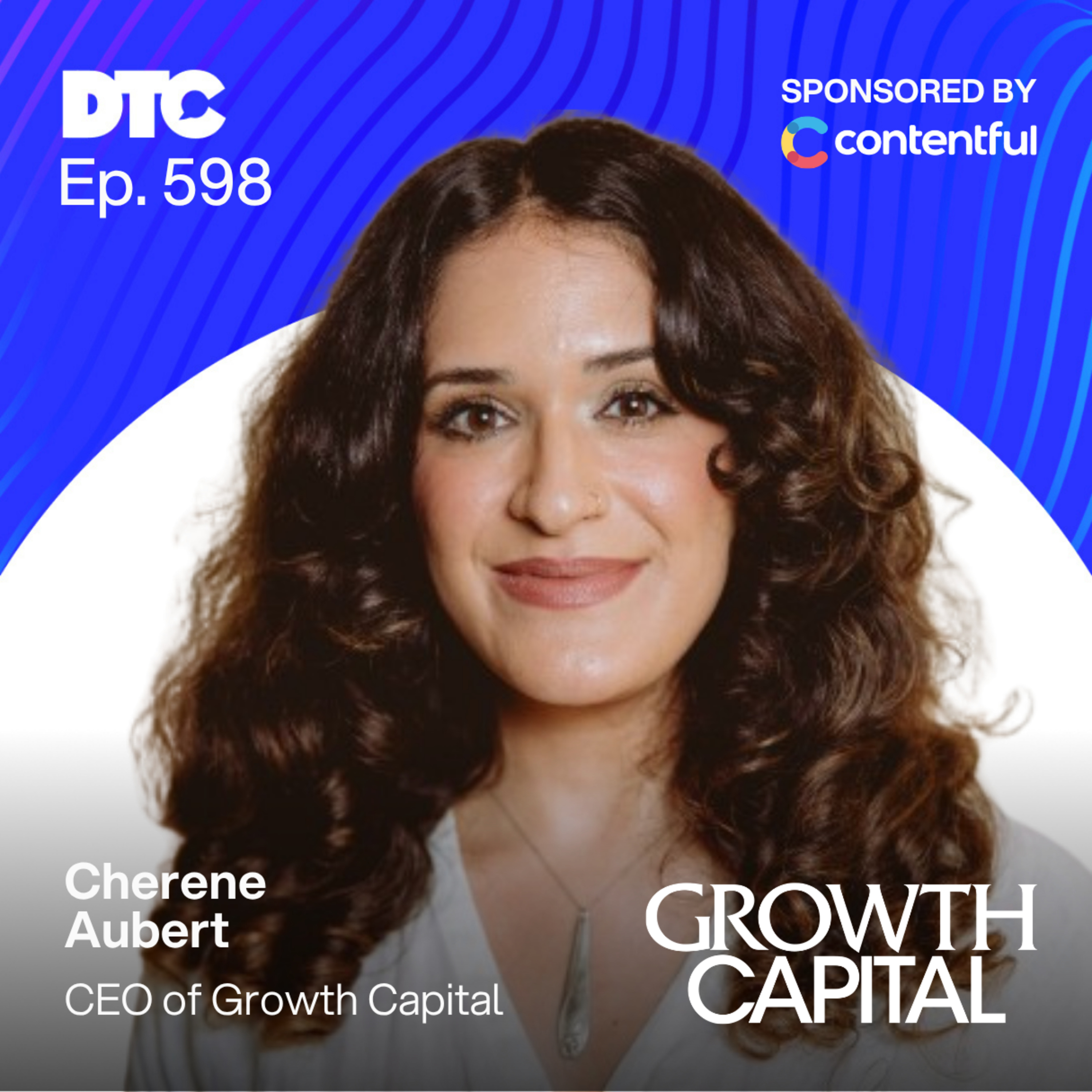
Loading summary
Transcript62 lines
- [00:00]
A
Growth in digital, it's changing so quickly and how consumers engage with digital media and shopping is rapidly changing. So you need to preserve a little bit of that experimentation, doing whatever and trying different things. And it's almost like to your detriment, to just fit into the system and process. I think what Meta has done, it's trained people to not actually be good at marketing. People are tired of seeing the same thing. Ads are fatiguing faster than ever. Social networks, they're hungry for good organic content. It's important to talk about what creative strategy used to be and what it needs to become. Because what it used to be was.
- [00:48]
B
This episode is brought to you by Contentful Marketers. You know that feeling when your creative clicks, when that social post sends engagement through the roof, when your outside of the box campaign hits ROI positive, when a personalized homepage turns prospects into customers? It's utter marketing bliss. Contentful helps you create tailored omnichannel experiences without working overtime. No stress, no limits, only possibilities. Get the feels@contentful.com we're bringing the joy, we're bringing the hype, bringing the heat. Shereen Aubert, back on the DTC podcast. Welcome. How you been?
- [01:27]
A
What is up, Eric? I've been great.
- [01:29]
B
You're keynoting everywhere. You're a Multbot master. You're a top three shitposter on Twitter. Top two, maybe even at this point I feel like Sean has become a little more earnest a little bit. So it's like you and Zayn neck and neck.
- [01:43]
A
I don't even know. I just wake up and life happens to me and then I go to bed and then it happens again. The next day I just show up.
- [01:51]
B
It's very accurate, very accurate description. So you started in house. You or started in on the agency side, moved in house with some of the biggest, fastest growing brands in the world with Bobby and Ilya. And now you've hung your own shingle in your own consulting firm. What's talk about that decision to go out on your own?
- [02:09]
A
Yeah, it's, I've always wanted to start a business. That's been my lifelong dream. And I, I feel like I got the classic, like I knew too much and in order to start a business you need to be like a little bit naive. And I was like, I, I know too much. Like, you know, if I start, start that business, the cogs are going to be terrible and there's going to be inventory problems and oh, you know, this is all the reasons that this other business is wrong. And so I Just, you know, also was in an executive role for many years and didn't have the time. Like there's no side, like real side gigging that can happen. So I was like, I'm just going to quit my job that I love and see what happens. And so here we are.
- [02:52]
B
And it worked for you because they, because you're, they are your clients as well. Right. So you quit the job but then came in as an external CMO or how's it working?
- [03:01]
A
Yeah. So I was fortunate enough to get to work with Ilia for several months after my official departure in a consulting capacity which was great for both of us. Got to help, continue to develop the team, continue to drive growth, bring in my backfill. And then I'm working with Bobby again, which is amazing and so fun. And I saw started to see this just huge disparity between like what digital businesses need and the talent pool and how kind of immature the talent pool is. Not, not the people are immature, but like E Comm and digital are so young and changing so quickly that there's just not that much domain expertise. And so I was like, I, I want to try to bring more expertise to these brands and hire the best operators that I can find, hire seasoned media buyers and creative strategists and try to bring like a what, what a nine figure growth team could do, which is more complex media planning, forecasting, kind of like brand led advertising and things that I felt were kind of missing in this growth marketing service space.
- [04:10]
B
Yeah. I guess because so many people doing this have never done it before. So many people doing it are starting their careers and growing with the businesses as they grow. So asking them to know what they don't know about operating at that nine figure level is probably a challenge.
- [04:24]
A
Yeah. And like kind of how we started off this discussion, it's a little bit nice to not know and be naive and try things, but you get to a point where you really do need the expertise. Like I feel like the naivety is what is really good for brands in their early stage. And almost like too much experience is, is hard for early stage brands because they really do need to just like try things, experiment, understand their customers, understand like get a feel, like a tangible feel for like what grows the business. Yeah. And then once you achieve a certain size, you can't like fake it anymore. You really have to know like how to steer the ship into the next stage. And that's really hard because not everybody has gotten the, you know, privilege and opportunity to see all those different stages and different categories.
- [05:13]
B
What are the stages that those early tactics of sort of throwing shit on the wall and seeing what sticks. What are the main stages where that kind of breaks?
- [05:21]
A
It's a great question, and I think it's a little bit of a loaded question because with growth and digital, it's changing so quickly. And how consumers engage with digital media and shopping, whether it's online or in store, is rapidly changing. So you need to preserve a little bit of that experimentation and just doing whatever and trying different things. And it's almost like, to your detriment, to just fit into the, like, system and process. So you get to a certain stage and the things that you need to get really good at are, you need to understand forecasting financials and how everything you're doing is rolling back to that financial model. You need to know, like, the impact of your decisions. You need to know how to measure performance. You need to know, like, marketing frameworks, like content pillars that help organize your marketing. So, like, okay, we have content pillars, we have Personas. We devise content strategies that match our Personas. These are all, like, things that have been honed in marketing for decades and decades and decades. And then you have this other swim lane, which is like, everything is just evolving so fast and you will die if you're not agile. So you need both, like, as a maturing business, and I think, like, the earlier stage businesses are great at that. Like, let's, like, try the things and let's catch up. Like, let's figure out what's new and let's figure out TikTok shop. Like, they're able to adapt to those things much faster, but then they're not able to actually understand, like, you know, their P and L or their unit economics or these other things that are like, okay, now how do you manage your cash properly and predict the future better?
- [07:01]
B
I just did a podcast with the strategy lead at Pilothouse yesterday, and he was saying that the number one question that kind of determines whether or not there is this deeper growth strategy or growth system is, is where is your growth gonna come from this year? And it's like, I think a lot of people kind of operate with, okay, we'll do more of what worked, we'll do less of what didn't. But quite often you need to have that, you know, that higher planning tier, as you're saying when you're talking about pillars. And I'm curious about whether. I think the last time we talked, you said that the funnel is dead. Long live the marketing tornado. Has the marketing Tornado evolved into any other metaphors.
- [07:35]
A
Oh gosh, I wish I had a good, I wish I had a good catchy metaphor. Here's my new stance. I'm very bearish on Meta. I'm very bearish on Meta and I still think it's the number one advertising platform and the advertising platform that can drive the highest amount of sales lift. But I'm bearish on it as it relates to brands putting their full faith and trust in the ads machine working as well as it did in the past. And I think brands get almost like tunnel visioned into like everything that they're hearing. And I think what Meta has done again is like a huge enabler of scale and success. But it's, it's trained people to not actually be good at marketing. And I think it kind of goes back to the whole tornado thing. But like, yeah, you're, you're sitting in there, you're churning out a bunch of content. Like it's all aimless. It's like a million different directions. It's iterations upon iterations and oh, now Meta's algorithm's changing and the iterations are no longer what's working. What's working is like diversity of content and every piece of content needs to be completely unique. And then brands are not actually like they're killing themselves. They're hiring agencies and they're hiring this person and that person and it's not working. And they're like missing the point that like, okay, the brands that are being that are successful at producing a high volume of content are actually building like creative engines or like media teams in house. Like they're, they're like full of like social producers or influencers or they have like a huge kind of like influencer program and they're missing like the marketing part of it and they're just like, yeah, I made these like 800 AI statics and my ROAS sucks.
- [09:25]
B
It's like, yeah, we were talking yesterday about, on this podcast about inspiration over iteration in a way, right? And we're really laying out the fact that you've got these avatars or these content pillars and each of these avatars has a journey with your product. And so each creative should be some kind of angle that helps fulfill that customer journey in one way or the other. So that, that was one way that we're thinking about the content now is having our avatars having our content pillars and then seeing where they interact and making creative about those interactions and then, and then throwing it into Meta and letting it figure out where to place them.
- [09:57]
A
Yeah. And I love the, like, thing that can get overlooked because it's very hard to execute. And I think the brands that will figure out how to execute this is like a variety of different, like, content pipes that are coming into your business from different places. So, like, one of those content pipes is like your organic social team or a contractor that can just make organic social content. One of those pipes is a static creative designer, ad designer. One of those pipes is a video editor and a creative strategist working together. One of those pipes is influencers. One of those pipes is the founder talking to the camera. But it's like, you can't just have one content pipeline. You have to have, like, all of them because Meta wants someone to log into Instagram and see not the same thing over and over again. That's just like, so simple, though.
- [10:51]
B
I had Street Talk, the founder of Street Talk, on the podcast last week. And that, to me, is such an interesting pipe or type of creative where it's. Because it kind of bypasses the ad rejection that I think a lot of people have. When you see two people talking on the street, you think, okay, it's a funny video or it's this or that. And so it has that ability to kind of like, over, you know, to make you aware of a product and then also maybe convert you by the end of it all in one creative. Have you experimented much with person on the street style creative?
- [11:18]
A
You know, I haven't. I would love to. I would love to experiment with that, and I would also love to experiment with this. There's this like, super native TikTok slideshow style, organic style content. Like, you know, my husband went to jail and it's like, but I took this supplement and whatever. It's like, not for every brand, but. But there are, like, agencies coming up that are. It's like the drop shippers figured it out and then some bros turned it into an agency. And I'm like, I really want to try to figure out how that stuff performs.
- [11:50]
B
The one that I saw that was great was like, my husband is a sultan and he makes me take this one supplement. Okay, that's an angle. That's an angle right there.
- [12:00]
A
Move on from that.
- [12:02]
B
How do you move on? How do you move on from the sultan husband? Okay, so it's still a tornado, but we're. But it's a strategic tornado. Are there any traffic? I know you don't. I know. Like, actually, no. Let me back up, because you made a post about two months ago, and I think it kind of informed your decision of your meta bearishness in a way. Right. And I think it was, I think it was at Bobby, where you had to run in an inventory lean environment and you got to do this test that not a lot of brand owners or brand operators get to do where you basically remove the traffic removed different, you know, change your landing pages to try to actually gear down the growth on the product because of an inventory crunch. But what did you find was the major lever for growth in that experiment?
- [12:41]
A
Yeah, it was, it was the offer. And I think, you know, every brand is so different, but you know, the 15% off pop up when you get to a site. We all do it because we all do it. There's like no other critical thought about why we all do it.
- [12:58]
B
Paint by numbers a lot of the times, right?
- [13:01]
A
Yeah, exactly. And so it's like, well, why do we do it? Because the consumer has come to expect it and because your submission rate looks great, but who's actually submitting that form? It's someone who's already decided to purchase your product. And so I think this is why Aaliyah has been so successful because they've kind of like created a funnel in their pop up. Like it's a, it's a pop for those that don't know. It's like a pop up tool where you can like ask questions like, what are you interested in? And then it gives you education. And it's like, duh, like it's so obvious when you come to a site for the first time, you're not ready to purchase, you're, you're checking it out, you're browsing. And so I think that kind of like dovetails into the offer strategy, which is, which is more about like understanding the customer journey. Like we're, we're seriously so tunnel visioned that we don't take a step back to think like, okay, when someone first lands on your site, first of all, like, is it a high price point product? Does it require high consideration? Do they need more education? What are the things that they need to know before making a purchasing decision? And how many touch points or you know, what is their path length? Like back in the day when people liked Ga, Google Analytics, like you could go, you could still do this in Google Analytics, but I feel like no one goes in there anymore. But you could see the path length and how many times people have to interact with your site before they purchase. You could see like what percentage of sales and how many touch points they've had. And that reveals A lot. Because it's like, well, if I know that the majority of people are coming, like you know, coming back three times before making a purchase, let's actually flesh out that journey. And so part of that journey can be an introductory offer, which I feel like is like a lower funnel offer. And then depending on the brand, like there are so many things that you can do with pop ups on site that are at different stages of the funnel. Like a lot of brands have success with quizzes. That's just one example. That's just like one thing that someone figured out that was an engaging user experience that could like move people down the funnel who may not be ready to purchase. But we, back in the day in marketing you would have like downloadable content, like now nobody wants to download content. That's totally fine. But, but I think like, yeah, it's really interesting. I think there are brands like, for example, like brands like Bobby that have high research and high consideration. They're speaking to parents who just had a baby. Well, when you just had a baby, you're like a sponge. You're trying to absorb as much information and education as possible. So how do you create like an educational journey? And I think that's applicable for like probably any kind of D2C, like supplement or wellness space. And you can say like, oh, there's like editorial landers do really well for wellness brands. I'm kind of going off on a tangent. It's not really about offers, but more about just like the funnel, the journey. Does it make sense to introduce an offer?
- [16:01]
B
I think I saw a post yesterday because I'm talking all the time about marketing strategy these days and really understanding who your audience is, what's driving them to make the purchase rather than just painting everything with a paint by numbers brush basically. And I think this is something you've talked about recently too. I think it was in a podcast recently you talked a lot like the epidemic of like copycats in our space. And this, this goes back all the way to my like affiliate marketing days where I'd, where someone would find an angle on a product or service and, or a landing page style or something and then instantly you'd have it be overrun with copycats and, and you'd have like a two week lead time on, on the other people of doing this before they'd copy you or what really innovation is where it's at. What are you seeing in the space with this epidemic of copycats?
- [16:47]
A
Yes, it's I think so applicable to advertising because this is like the huge epidemic of looking. I mean, not to put anyone down, but like, there's this tool foreplay that their whole business model is to show you what your competitor ads are. And then there's like the Facebook ads library. And it's. It's like, it's great. You're getting ideas, but you have. You know, people are tired of seeing the same thing. Like, ads are fatiguing faster than ever. So if you're just creating an ad that's already been created, you're like in. You're like, I'm gonna create something that's already probably fatigued. I'm gonna just do the same thing. So there's like some of these. For example, there's this Korean beauty brand that has really interesting content that I hadn't seen other brands doing before. And I think it's more organic, but I think organic is like the seedling for what became. Becomes really good paid content. And it's like a creator and he's in an airplane and he's. It's like a. It's a totally a skit, but it does. It seems real. And he's wearing these like under eye patches and the person next to him is like asking, what. What are you wearing? And he's like, oh, these are. These are my under eye patches. And the caption is. It's totally like a paid thing. But I. You watch, you sit there and you watch the whole thing and you believe it because of the way that it was. It kind of goes back to like the street interview style ads. Like, what is the next street interview ad? It all comes that was organic content first. That really entertained and engaged people. And we talk about like the. Back in my day is like you, back in your day was the affiliate. Back in my day, we were doing like inbound marketing. Like, the whole point was don't advertise to people because they hate advertisement. What they like is they like education, they like entertainment, they like create content that's so good that they come to you and they seek you out, attract them. I think the brands that can figure that out and then scale it with paid and figure out how to get it to convert, there's probably more opportunity there than there is copying your competitor.
- [18:50]
B
You mentioned organic is something that comes up. Organic social comes up again and again as like an absolute must for the sort of like DNA of a brand. You mentioned having someone in house or even just someone who can make social content. Have you seen it work both ways? Where. Where it's like a deep part of the DNA and It's one of the founders started it or something and, and maybe they've just. And have you seen it also work well when it can just be a contractor who can just spit out content and, and have it and, and then it. Do you find that quite often the organic fuels, the paid or. It should in a good system.
- [19:21]
A
It definitely should in a good system. Um, I mean there are so. Yeah, there are so many brands that have started with the founder, founder style content and then they just hire a puts paid behind it. There are brands that I've seen that have, you know, like mini Katana, like they built their brand on YouTube organic and it's really interesting. I think advertising inventory is limited. More and more ads are being born every day, every year. Every brand wants to increase their budget and there's like kind of limited inventory. On the other hand, social networks want creators to create engaging content. I would guess this is my guess that there's a shortage of people that are just creating entertaining content and there is inventory for like entertaining organic content that these social platforms are reserving in their algorithm to surface. And so if I were to just like forget everything I knew about advertising and just think about that, it's like okay, where's your, where's the next like year or two? Like where are the biggest bets? Like if I were to, if I were a betting woman, am I going to get the same efficiency or better efficiency by spending more and more again in an ad ad auction where everybody is trying to spend more and more and everybody is trying to get the cheapest CPAs. Well, only there are going to be the brands and the advertisers that have unlimited budgets that are willing to push you out of the auction and that's who you're competing against. Well, who are you competing against on the organic side? Like the ad that social networks want? They're hungry for good organic content. They want content that keeps people on their platform longer so that they can sell more ads. So I don't know. That would be my bet.
- [21:11]
B
You're fairly channel agnostic. It sounds like with the Tornado a little bearish relatively. On Meta, are there any channels that you've tested in the last few years that you're particularly bullish on?
- [21:22]
A
Yes, I'm still excited about TikTok and it not for every brand. It's not going to be like an immediate home run for every brand. But I work with a brand that is has like almost like a Gen Z cult following. They have a lot of like organic activity on TikTok. And we've actually seen better results by moving more spend out of meta and into TikTok. And this does not happen for every brand. But that was like a light bulb for me because everything I've ever known and was told is that meta is the best. And it was like, what will we scale? Meta and our CPAs are going up, but if we shift that same spend into TikTok we can scale and our CACs are like the same. They're not going up. And I'm like, this is crazy. And it's just because of the demographic audience that that brand has in the existing TikTok cult following. So yeah, if I, you know, if I were to start a brand today, I would go TikTok first, I would build that cult following on that platform and then have like meta advertising as like a second thing. And then TikTok ads is like the third thing.
- [22:32]
B
If you just look at people's habits or look at my own habits. Like TikTok is eating a lot of the other mediums, whether it's TV or, or anything really. So I could see it's only a matter of time. And then I'm curious about your approach there. I think I referenced Brock Mametsur from Frostbuddy on this podcast more than anyone else. He's a friend of mine and he's like everywhere on social media talking about it. But the level that they're. They have been able to scale frostbuddy on TikTok shop mainly with affiliates. It's mainly by spreading the message out. I think he was saying he la the previous year he created 300 pieces of content for TikTok and it was like up to 30, 20,000 or something like that with his affiliates. When you're talking about TikTok, are you talking about it mainly through the ads, mainly through organic, or does this also include like a very broad affiliate program as well?
- [23:14]
A
Yeah, you know, it's. TikTok is probably one of the best. Again, this is not quantified. I'm not quantifying this with data. I've done incrementality testing that I can't share the results of. But I think TikTok is one of the best brand awareness drivers for certain categories. Not, you know, I don't know about every category, but it's an amazing brand awareness driver from an organic and paid standpoint. And then you have TikTok shop, which is a fully self contained advertising and marketing channel like the first one who has done it successfully. And I've run so many different P and L scenarios for TikTok shop. And it's not margin accretive, it's margin dilutive. There's probably a low likelihood that you'll be profitable in the first year. But you can directly attribute all of those sales and costs to the sales that are happening on the platform, which you can't do with TikTok advertising. Which is the whole reason why they created TikTok shop is to get more people to invest in their platform. So you have this like fully self funded marketing channel, like one of the best brand building and marketing channels. And you know your costs are your, your, you got to pay TikTok shop, you got to pay for your samples that you're sending out to creators, you got to pay your affiliate commissions and then you pay for anything that you're advertising in your GMV campaigns and TikTok shop. So I think it's really interesting if brands don't, certain brands, some brands can scale it profitably, but I would say established brands, maybe more premium brands, if they're coming onto the platform, they should treat it as like a discovery, like a marketing channel rather than a sales channel. And if you get the sales and it's profitable, like great. But yeah, affiliate, the whole beauty of that platform is you could do influencer and affiliate at scale on a commission, which is amazing.
- [25:09]
B
Yeah, it really harnesses the platform's natural tendencies and it's, and just the amount of people that are on it, the amount and like you say, the hunger that people have for content so that, so the algorithm will see that maybe more as organic content when it's, when it's sort of affiliate based and other people talking about your brand. What about AppLovin? Have you done much in, in the AppLovin space?
- [25:30]
A
I've done, I've tested Apple AppLovin a couple of times. I haven't tested it recently. I think the performance was great when there were fewer advertisers on it for me personally. And then once they kind of let everyone in, some of the performance changed. And I think it depends like what the brand is and the audience and the content that you create. And I think if you can create content that is resonant to that platform for that audience, you can be successful. So many brands have been successful on it. It's hard for premium beauty that when I've tested it it's like hard to
- [26:05]
B
get that it's an older audience, I guess. Right on the apps.
- [26:09]
A
Yeah, I think so. And so it could be like similar to TikTok shop. It could be a great way to like build awareness or maybe I just wasn't, I just didn't hit any home runs with the content.
- [26:21]
B
I like it just because it's, it's, it's content locked so it gives you that opportunity to, to share high quality content there. Or you know, I could see like a street interview, a short, punchy, funny street interview or something potentially working well in there. But because you have that content locking opportunity, you have the opportunity to take someone from brand aware all the way down. But I imagine, yeah, premium beauty might be, might be tough for that one.
- [26:44]
A
Yeah, totally. It's like TikTok is like where the, that customer is.
- [26:49]
B
We're 30 minutes in this interview and I haven't mentioned AI once. I know that you have a talk to on. Was it Monday or. It's coming up soon here in March on the 18th with the operators. With 300 operators are on one call which is amazing. You're a keynote though, which is awesome. Can you give us a little preview of what you're going to be talking about on that talk?
- [27:09]
A
I think the biggest thing that advertisers miss is how much to spend and the content pipes like we talked about, those are all such underrated things. I think you're warming me up for that one actually. Thank you, Eric.
- [27:24]
B
Well, well, let me dig in on your. Because you made a great post on your Molt book and I'm always curious because like I think I've, I've created like five websites. I've never created a website in my life. I think I've created five in the past two weeks on Claude for various little projects. I'm now like a little like web developer. But I also like for our business we've probably created three SaaS tools that we're no longer using or that we use for a little bit and then kind of don't. I'm curious just to hold your feet to the fire. How much of your molt Liam Gallagher, your moltbot Liam Gallagher are you still working with on a daily basis?
- [27:55]
A
My open claw. I mean he's a part of the team. He works with us daily. He produces documents and presentations, he reports daily on performance, he highlights performance issues. He's hooked up to our data warehouse which has Shopify data, Facebook ads and Google Ads and TikTok based basically all the ads data. So if we want to, you know, audit an account performance, if we want to get an idea of what creative is not performing, we can just tag him in Slack and have him give us A whole quick little audit and it's amazing. Like it's true. And I think the thing that you highlight is really interesting. Like software adoption is really hard. So you built these apps internally and they probably don't get used. They have to be maintained. Like it's like a full time job to maintain them. It's a full time job for people to context switch and learn to use like build a new habit. So I think like the big revelation for me is people already have working habits. Rather than trying to create a new working habit for them, create like just fit into their existing working habit. They check Slack daily, they check Asana daily. Let's give Liam tasks in Asana with a description and he has API access into Asana. He can take on tasks. Now I feel like that's going to be agents taking on tasks and having API access into softwares that give them the information that they need is going to be where it's going. And so yeah, what I'm doing, experimenting with, we have some like really cool internal AI tools that we've been using like data, data analysis tools, reporting tools, presentation tools. And we're experimenting with giving access to clients to those tools. And I think the next experiment is creating agents, agents for clients and allowing them to have kind of like our, our brain in those agents. Because your limitation with AI or with any kind of agent is your own creativity and your ability to understand like what workflows to build and where it can fit into the business. And so I know what I want it to do, I know what I want it to learn, I know what skills I want it to have. If I can arm it with all the skills that I think are relevant for doing what I do and give that to people, then they're basically working with me. But it's an agent, like that's what I want to try to figure out.
- [30:34]
B
Are you going to make a Noel Gallagher and have them fight?
- [30:36]
A
You know, I did. I do want to do that. I do want to do that.
- [30:40]
B
I think that's a damn good idea. Are there any other like. So are you mostly a Claude Girly at this point or are you. Because I use chat. I think I use ChatGPT for like recipes and stuff now. But like all my, all my hardcore work goes on cloud. What's your split?
- [30:54]
A
Yeah, it's mostly Claude now and it's really, it's so interesting. Like I'm getting tired of switching. I just want like, you know what I mean? But I think that's the cool part of the Software that we've built is it can route between different models that are best for the job. And sometimes I'll use different models based on what it is. But I like my openclaw because he has context and memory on things that we've been working on. So I have mostly been deferring to that, which is using Opus and Claude. And then if it's like a generic question, I don't want to burn extra API tokens through my open clause, so I'll just use like my Claude account.
- [31:36]
B
With what you've built. Are. Are you also. Are you guys also creative strategists? Do you have creative strategy within what you offer, or does that have to come from the brand?
- [31:44]
A
We do creative strategy. We don't do creative production because I think it's so, you know, we majority of our clients are beauty or in premium categories where I think it's really hard for an external partner to get the creative right. So we do creative strategy because I think, you know, without creative strategy and that feedback loop between the person doing the buying and the people making the creative, like, we still want to own that glue in that process. So we do the creative strategy. We just had like a big internal discussion around AI and its ability to do creative strategy well. And sometimes you can give it too much context and the output is less focused than if you give it less context. And we're still in a place where, you know, the person, the expert doing the prompting is still coming up with the better ideas because they're thinking of things like the LLM is thinking of like the most basic, lowest common denominator, obvious things that you would think about. And that's why it can be hard to use it for creative strategy, because you actually need to think differently. And I think if we can, you know, build our own frameworks, which is like, how do we think about creative strategy? What's our framework? What is our creative strategy process? And then have the LLM support our process or adopt our process. That's where I think it could be incredibly useful.
- [33:09]
B
Can you talk a little bit about your process? I'm always. It's everyone, I think. I interviewed Nick Sharma a few weeks ago and he said the biggest change in the last year was just this, the creative strategist position being absolutely essential whether you're a profit engineer or whether you're. You're at an agency or whatever. Can you talk a little bit about how you guys think about creative strategy and when a brand comes in?
- [33:29]
A
Yeah, and I think it's important to Talk about what creative strategy used to be and what it needs to become. Because what it used to be was look at the ad account, see what's working, do more of that, look at the competitors, see what they're doing, do that. And so this kind of goes back to what we were talking about earlier. Now it's look at the ad account, see what's working and understand what's missing. What content formats do we not have in the ad account? The trend that I'm seeing, when you open up an ad account and you sort by spend and you look at the top, just even looking at the thumbnails of the top creatives, the top creatives are generally wildly different concepts and poor performing brands. Their top creatives will be visually very similar. So it's like, okay, what is completely different? And then where can we draw references based on who the customer is to come up with completely new ideas that are not in the ad account? And that's, I think, really hard for person to do. It's hard to teach a person to do that because it's not a very linear process and it's harder to teach an LLM to do that. So one of the things we do is we bring in all of our Shopify reviews and we start to create Personas. Because it's like back to the fundamentals of marketing. Like, what does the customer care about? What are their pain points? What are their desires? What is their profile? What do they love about the products? Let's come up with the Personas. Let's pull out the actual reviews of real customers and feed that in to our LLM to help us create content by Persona. Because at the end of the day, that's what you're trying, that's now your interest targeting is you're trying to match your content to the person on the other end of the screen based on their interests. And you're trying to create a through line from your content to their interests, but visually rather than through interest targeting. Yeah. So I think it's like developing the Personas and then thinking of things the way that a creative person would think about them. Like, why does AI content look so lame and not cool and tasteless? It's because it doesn't go through the same creative process that a really good creative director goes through, which a creative director is drawing inspiration. They're creating a mood board. They're drawing Inspiration from a 1980s movie, a Paris alley, you know, a small like hole in the wall burger shop. Like, you know what I mean? I'm Just making stuff up now. But they put that together. They create a mood and a vibe for their campaign, and then they use that to guide campaigns. So I think that's just an illustration to show you that the LLMs are not thinking the way really good creative people are thinking. So it's like we gotta document how do we actually think, and then how do we teach our tools to think, like, how we think?
- [36:27]
B
Give it two years. Two years. And then it'll have taste. Claude has a little taste. ChatGPT has no taste. ChatGPT is a sycophant, will just support you in whatever you're doing. I feel like Claude has a little backbone, but not much. And it uses EM dashes a little bit less.
- [36:43]
A
Yeah, exactly. It's so true. And I mean, you probably. Probably don't even have two years. I get some. They're probably already working on making their create. They're making their creative models better every day. It's like a race, which is great for us when we use the tools, but I think what they're not doing is, like, each of us has unique expertise that we've honed through our careers. LLMs are a generalist, and, you know, certain people are specialists. So how do you. How do you create, like, a framework that's uniquely yours, and how do you use the tools to, like, scale that framework in a way that an LLM won't be able to compete with?
- [37:21]
B
That's how we all keep our jobs.
- [37:23]
A
Yeah, exactly.
- [37:24]
B
What are you most excited about for 2026?
- [37:27]
A
I think I'm most excited about, like, pushing the limits of what agents can do. I was talking to Leo from Print Fresh. He's on Twitter, and you should check him out. Actually, maybe I'll introduce you because he would be really interesting to talk to. He's been doing some really cool stuff. He's the CEO of an apparel brand, and similar to Cody Plofker, he's, like, going deep into setting up AI and working with these tools directly as a inspiration and, like, you know, as a leader for the team to, like, have them emulate what he's doing. Right. That's the best way to get AI adoption. It has to come from the top. And he showed me what he's doing with his agents, and I'm, like, so inspired. I'm like, I'm just, like, doing 1% of what could be done.
- [38:16]
B
This is the new FOMO. This is the AI FOMO we all have of, like, okay, I'm using AI, but am I really using it? Am I Am I rudimentary here? But yeah, like the fact that you've got a clawbot going, that's pretty good. And the clawbot essentially right now is just serving you the information you need to see that's it's sort of best as like an information delivery layer for
- [38:33]
A
you right now that and it's taking tasks. So you know, something that I would task a person on my team to do and maybe even like a work that like a mid level associate would do, I could give to the open claw to actually do the task from end to end. So I want a presentation that shows, I think reporting is probably the easiest thing, but I want you to actually get the data, create the analysis, create the narrative, refer to the conversations I had in meetings, refer to these documents and create like a narrative presentation. And it can do that whole thing end to end. So that's just like a task or a project that was on a person before that would take them several hours and the person still has to review it, make sure that it's good. Makes sense. There's a lot of work that happens in businesses that is just people presenting to other people information to get their buy in. And so yeah, when I was at, when I was at brand side, that was 40% of the job was building presentations to talk to other people in the company. Because you're remote. There's hundreds of people in the company. You have to have like a record for the conversations that you had and a record for like the ideas and the plans that were discussed. So there's so much work, I think that can be automated.
- [40:02]
B
Very cool. Well, let's leave it there for now. We didn't also mention how great your hair is. I think that gets mentioned a lot in podcasts with you. You are one of my favorite Twitter personalities. You gotta go follow Shirin on Twitter if you are not. And then if you want to chat with her, it's growthcapital.com co. Okay. All my domains are co as well. I'm just waiting for Columbia to nationalize and then we're all screwed. But hopefully we're a ways away from that. Thanks again. I would love to. Yeah, let's stay in touch and I want to hear all about your AI evolution.
- [40:36]
A
Thank you, Eric. It was so fun seeing you and being on the pod Again,
- [40:47]
B
Thanks so much for listening to today's episode. If you're not a subscriber to our newsletter, you can do that right now at directtoconsumeralloneword. Co I'm Eric Dick and this has been the DTC podcast. We'll see you next time.