
Podcast
Eatweeds Podcast: For People Who Love Plants
Hosted by Robin Harford · EN
An audio journey through the wonderful wild world of plants. Episodes cover modern and ancient ways wild plants have been used in human culture as food, medicine and other uses.
18episodes
Episodes
Newest firstAll episodes
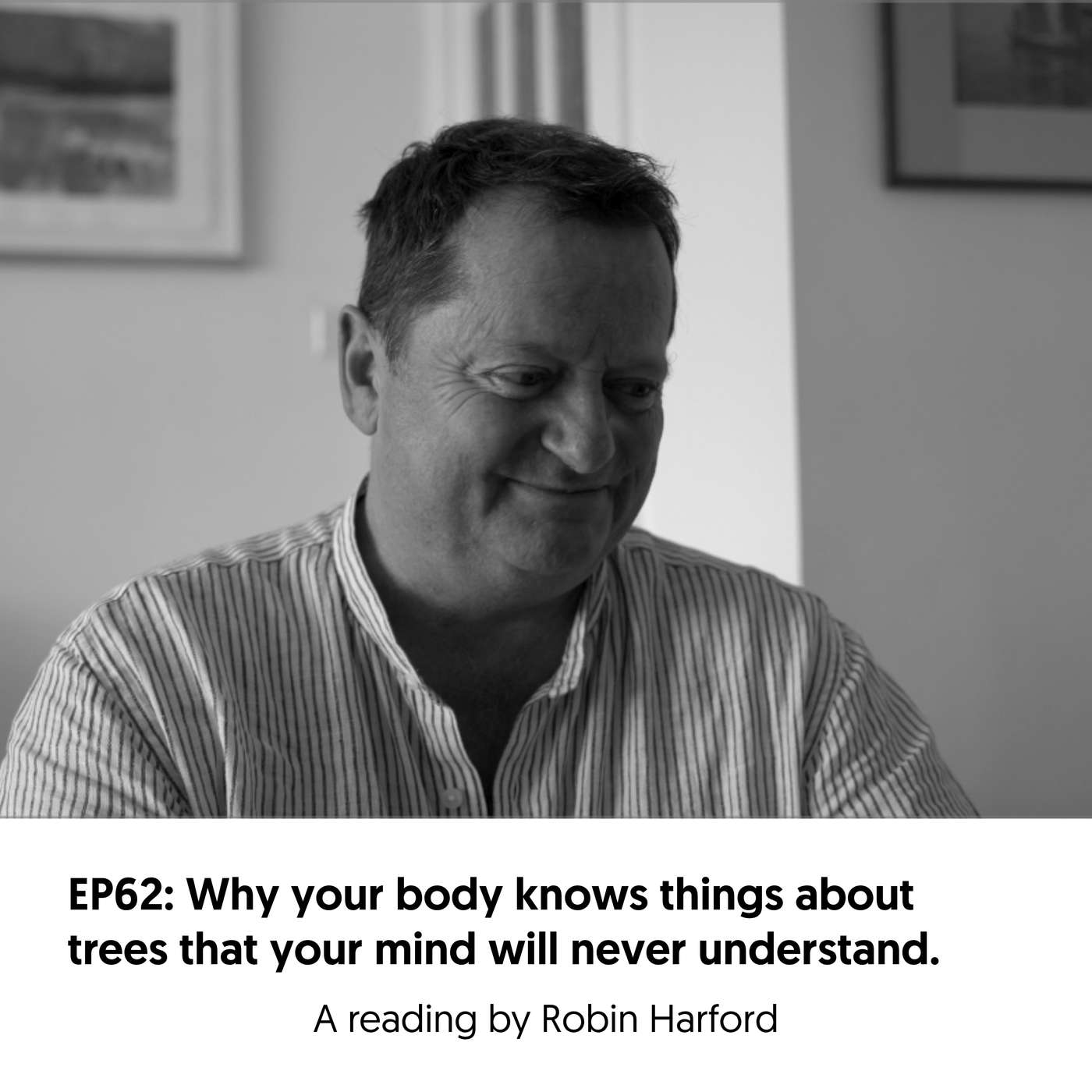
EP62: Why your body knows things about trees that your mind will never understand
Jun 1200:05:38Tap to summarizeA guided contemplative practice. Lean your back against a tree for five minutes of sensory presence.Robin opens with Tommy Cooper's "pick a card, any card." It becomes a playful doorway into stillness.He walks through breath, posture, and bodily sensation. The body settles into rhythm with its surroundings.The episode then turns reflective. Civilisation has distanced us from sensory, embodied intelligence.From hands-in-food eating to chairs and utensils, we've lost touch with our senses. This simple act of leaning against bark reclaims something.It's "the oldest conversation," Robin says. One living nervous system meeting another.This Episode Is Brought To You ByRobin HarfordTranscriptsThis episodeSelected Resources From The EpisodeConnect with Robin HarfordWebsite | Youtube | Instagram | FacebookBooksEdible and Medicinal Wild Plants of Britain and IrelandForage In SpringForage In SummerForage In AutumnThe Eatweeds CookbookAudio Courses30 Days of Domei Plant PracticesMindful In NatureThe Green PathFree ResourcesDomei NewsletterEatweeds Newsletter
Transcribe →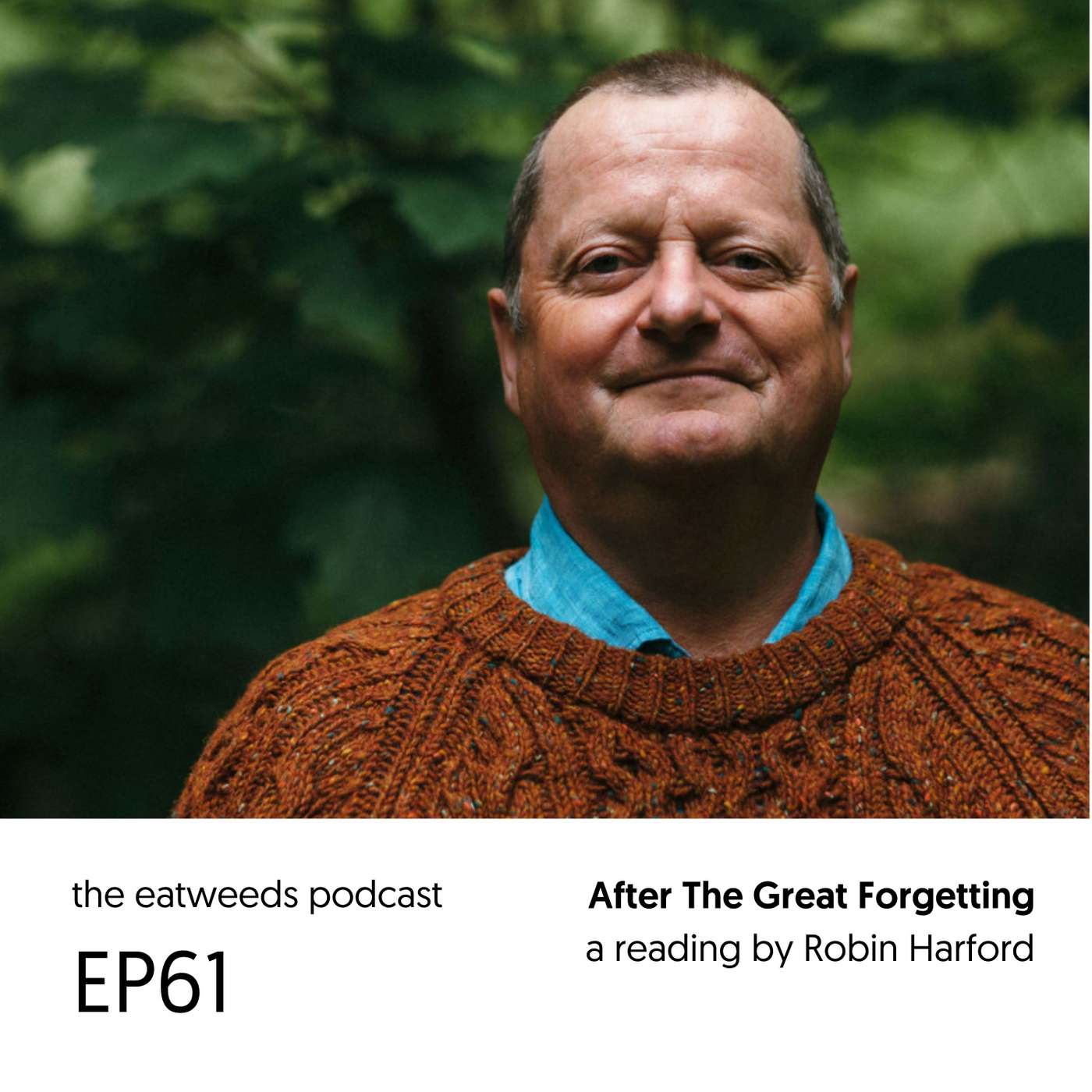
EP61: Robin Reads - After The Great Forgetting
May 2800:03:12Tap to summarizeIn the 17th century, Descartes, Galileo, and Newton transformed a living world into mechanical clockwork. Descartes drew the fatal line between mind and matter, rendering everything beyond the thinking self inert and available for measurement. This lens birthed science and medicine, but cost us what Goethean scientist Craig Holdrege calls living thinking - thought that is responsive, relational, and shaped by what it encounters.Goethe knew perception isn't passive: to truly see a plant, you must let it work on you. Through Domei's sustained attention, observer and observed dissolve into a meeting of subjects.This Episode Is Brought To You ByRobin HarfordTranscriptsThis episodeStay In TouchWebsite | Youtube | Instagram | FacebookFree NewslettersDomeiEatweedsBooksEdible and Medicinal Wild Plants of Britain and IrelandForage In SpringForage In SummerForage in AutumnThe Eatweeds CookbookCourses30 Days of Domei Plant PracticesMindful In NatureThe Green Path
Transcribe →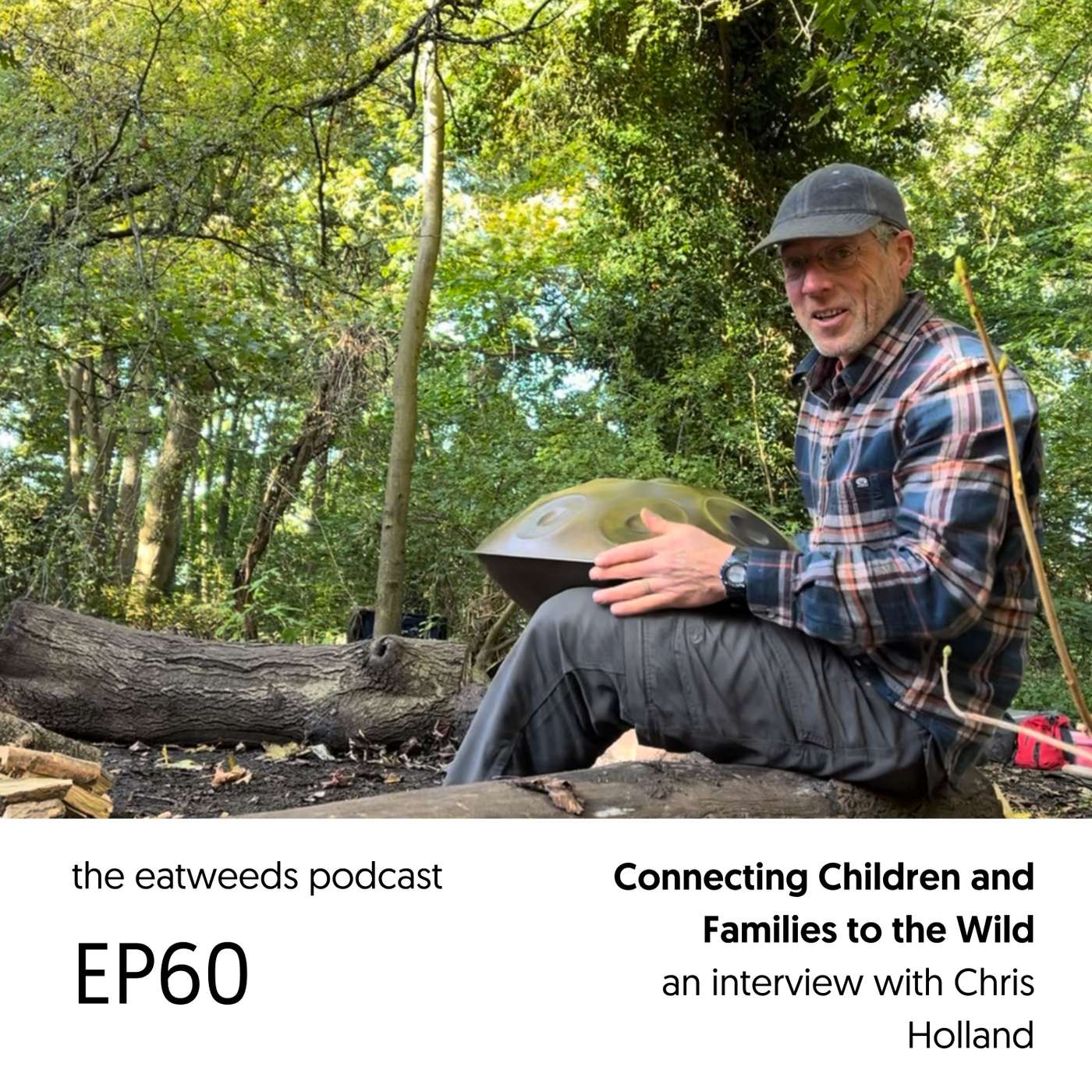
EP60: Connecting Children and Families to the Wild - with Chris Holland
May 1200:49:28Tap to summarizeChris Holland has spent over three decades helping people - young and old - find their way back to the natural world. In this warmly personal conversation, Robin and Chris reflect on the threads that have woven their lives together: a shared love of plants, the legacy of plant mentor Frank Cook, and the quiet revolution taking place in nature connection education.Chris is the author of I Love My World, widely regarded as the unofficial Forest School manual, and the founder of Natural Musicians. A practice that democratises music-making in wild places, inviting children and families to listen deeply and celebrate landscape through sound. His work sits at the intersection of nature pedagogy, John Young's Eight Shields framework, and a profound belief that connection to the other-than-human world is not a luxury, it is a necessity.They explore how children learn differently when handed a stick and a stone instead of a worksheet, why making music in a stone circle might change the listener more than the landscape, and what it means to truly stay — with a plant, with discomfort, with belonging.For educators, parents, and anyone who has ever felt the pull of a hedgerow, this episode is a quiet reminder that the wild is always closer than we think.This Episode Is Brought To You ByRobin HarfordTranscriptsThis episodeConnect with Chris HollandWebsite | Youtube | Instagram | Facebook | LinkedInBooksI Love My WorldPlant Of The WeekSharing Nature With ChildrenThe Heat Will Kill You FirstCoursesNatural MusiciansPeople, Places and Things Mentioned On The ShowBuzzard YurtKingfisher YurtCity of Bath Roman BathsFluxus Art MovementFrank CookNew Age FraudPam HortonPauline OliverosSandor KatzSchumacher CollegeTrill On The HillRelated Resources30 Days of DomeiDomei Newsletter
Transcribe →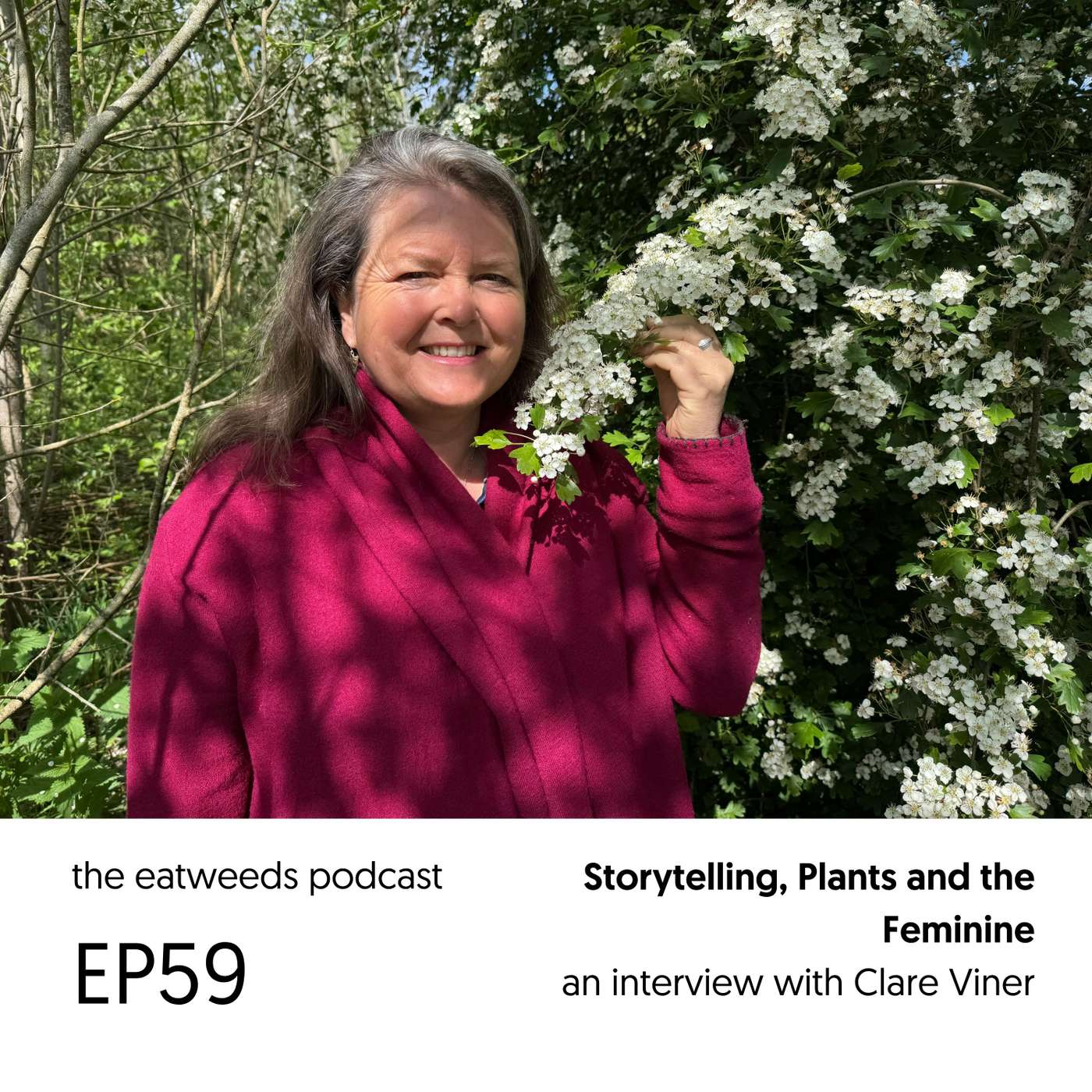
EP59: Storytelling, Plants and the Feminine - with Clare Viner
May 500:49:01Tap to summarizeRobin Harford meets storyteller Clare Viner beneath a flowering hawthorn tree in Devon to explore the living tradition of oral storytelling.Clare shares how stories belong to everyone - not fixed texts handed down by celibate monks, but breathing, evolving things shaped by the teller's felt sense and relationship with land.They discuss how patriarchy silenced women's stories, how rivers and plants carry their own narratives, and why giving yourself permission to tell an imperfect story is a radical act.The episode closes with Clare's spellbinding retelling of Merlin and the Lady Nimue - a love story rooted in hawthorn, heart medicine, and the dreaming earth.About Clare VinerClare Viner has been a storyteller for 26 years.Her roots are personal. As a child, her grandfather wove fairy tales for her. That inheritance stuck, and eventually became a vocation.She has told to audiences of every age and disposition: toddlers, teenagers, the elderly, festival goers. Clare has performed in the children’s tent at WOMAD for the last 15 years. She works without books or props, and no two tellings of a story are ever the same.Her book, The Emerald Dragon and Other Magical Tales of the Blackdown and Quantock Hills, reimagines the folklore of two beloved British landscapes from the perspective of someone who trusts and loves the earth. It was funded by a DEFRA grant.She was writer in residence for Connecting the Culm, a river conservation project that culminated in a four-day River Story Pilgrimage, walking and camping along the water's edge.She runs workshops exploring the folklore of British wild animals and trees, including Spirit of Hare, Spirit of Deer, and others. Having once been terrified herself, she takes particular pleasure in guiding the terrified through the process of finding their own storytelling voice.She takes old stories and dreams them new, again and again.This Episode Is Brought To You By- Robin HarfordTranscriptThis episodeConnect with Clare Viner, StorytellerWebsite | Email | Facebook | InstagramThings Mentioned On The ShowA Women's Book of Herbs by Elisabeth BrookeConnecting The CulmStories of the CulmRelated ResourcesHawthorn T-Shirt
Transcribe →
EP58: What Is Domei
Mar 1600:04:02Tap to summarizeShow Notes: Understanding DomeiThis episode explores Domei, a contemplative practice designed to bridge the gap between humans and the living world through sensory engagement and "deep listening."Domei ResourcesThe official Domei website30 Days of Domei: A Month of Botanical AttentionKey TakeawaysThe Origin of Domei: A neologism blending the Gaelic roots Domhain (deep) and Éist (listen).Beyond the Ears: Listening is defined as a whole-body experience—feeling into the environment rather than just hearing sound.A Shift in Perspective: The practice moves the participant from seeing nature as "scenery" to recognizing plants as "neighbors" and fellow beings.De-emphasizing Analysis: Domei encourages "wordless knowing," where the goal is to be with a plant without the need to identify, categorize, or extract information from it.The Practice: How to EngageThe core of the practice is rooted in voluntary, unhurried attention.Find a Plant: Locate a living thing, even just beyond your doorstep.Quiet the Mind: Move away from analytical thinking and botanical classification.Physical Awareness: Notice how the presence of the plant affects your own body—your breathing, your balance, and the weight of your feet on the ground.Sit in Companionship: Spend as little as five minutes simply being present with the organism.Philosophical FoundationsDomei draws from centuries of Western contemplative traditions. It suggests that humans possess an internal "sensory map" and guidance system that is revealed once they slow down enough to receive natural signals. Ultimately, it is a path toward realizing a lack of separation from the earth."Domei is not only a practice. It is a way of being."
Transcribe →
EP57: The Poor Man's Herb
Dec 1900:03:48Tap to summarizeIn this new short-form episode, Robin Harford challenges our relationship with common sorrel (Rumex acetosa) – a plant we've dismissed for centuries simply because it grows freely everywhere.This episode introduces a new podcast format: short observations (2-5 minutes) with a call to action. Robin doesn't want you to just listen, he wants you outside, engaging with plants where you are.Safety note: If you suffer from kidney stones or sensitivity to oxalic acids, avoid sorrel due to its high oxalate content.
Transcribe →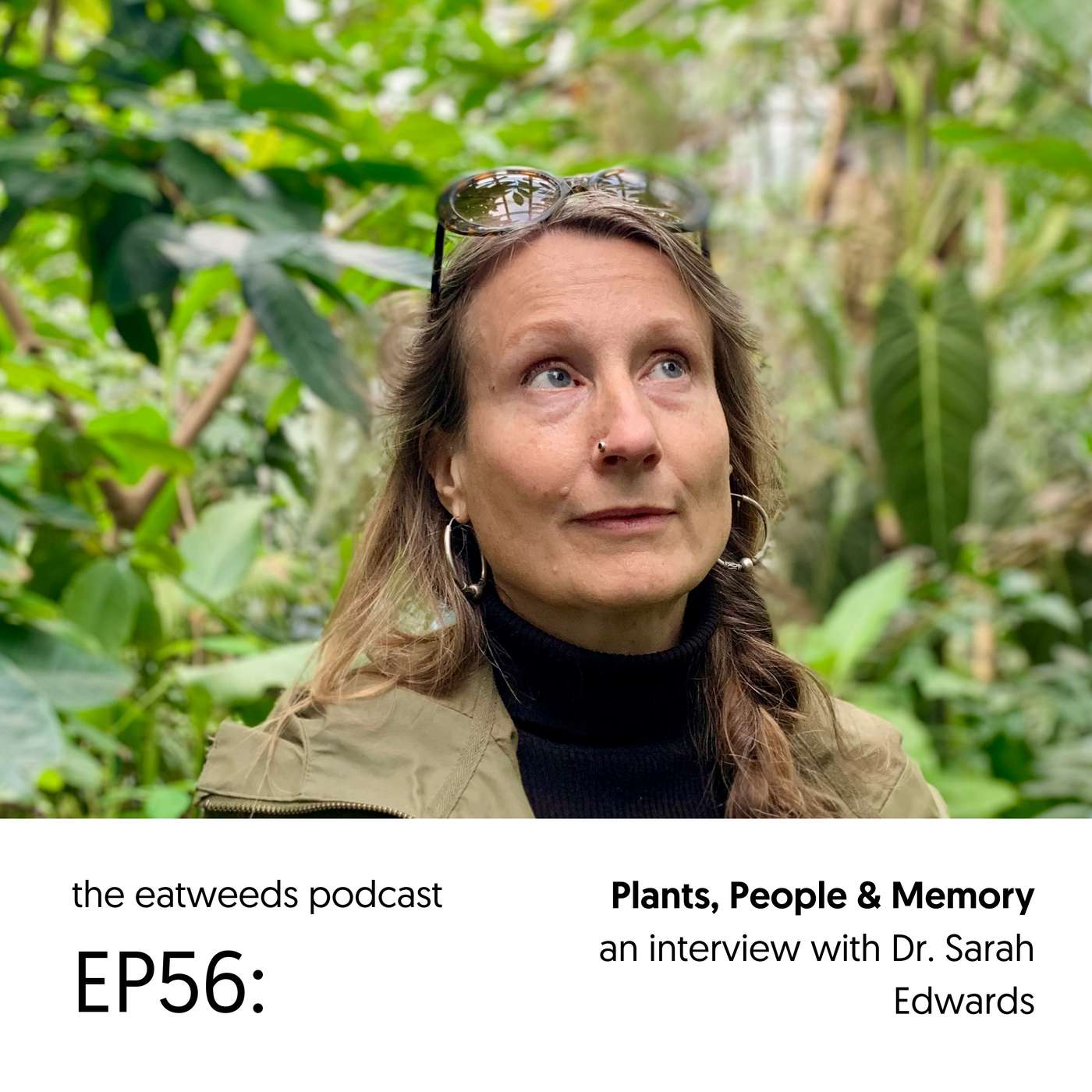
EP56: Plants, People & Memory
Aug 1900:50:43Tap to summarizeIn this episode of the Eatweeds Podcast, Robin Harford is joined by Dr Sarah Edwards, ethnobotanist at the University of Oxford. Together they explore the 400-year history of Oxford Botanic Garden — Britain’s oldest physic garden — and why ethnobotany is vital for preserving both cultural knowledge and biodiversity.Dr Edwards shares her remarkable journey from Kew Gardens to working alongside First Nations communities in Australia, documenting traditional plant use and wisdom.She reflects on the threats facing global plant diversity, the role of botanic gardens in conservation, and why re-establishing kinship with plants is essential for our future.About Dr Sarah Edwards Dr Sarah Edwards is the author of The Ethnobotanical (link) and co-author of Phytopharmacy (link). She teaches Ethnobiology and Biological Conservation at the University of Oxford and manages plant records at the Oxford Botanic Garden & Arboretum (link). Her work bridges science, culture, and art, from field collaborations with First Nations communities in Australia to recent projects with the Richmond Arts Service’s Cultural Reforesting programme.
Transcribe →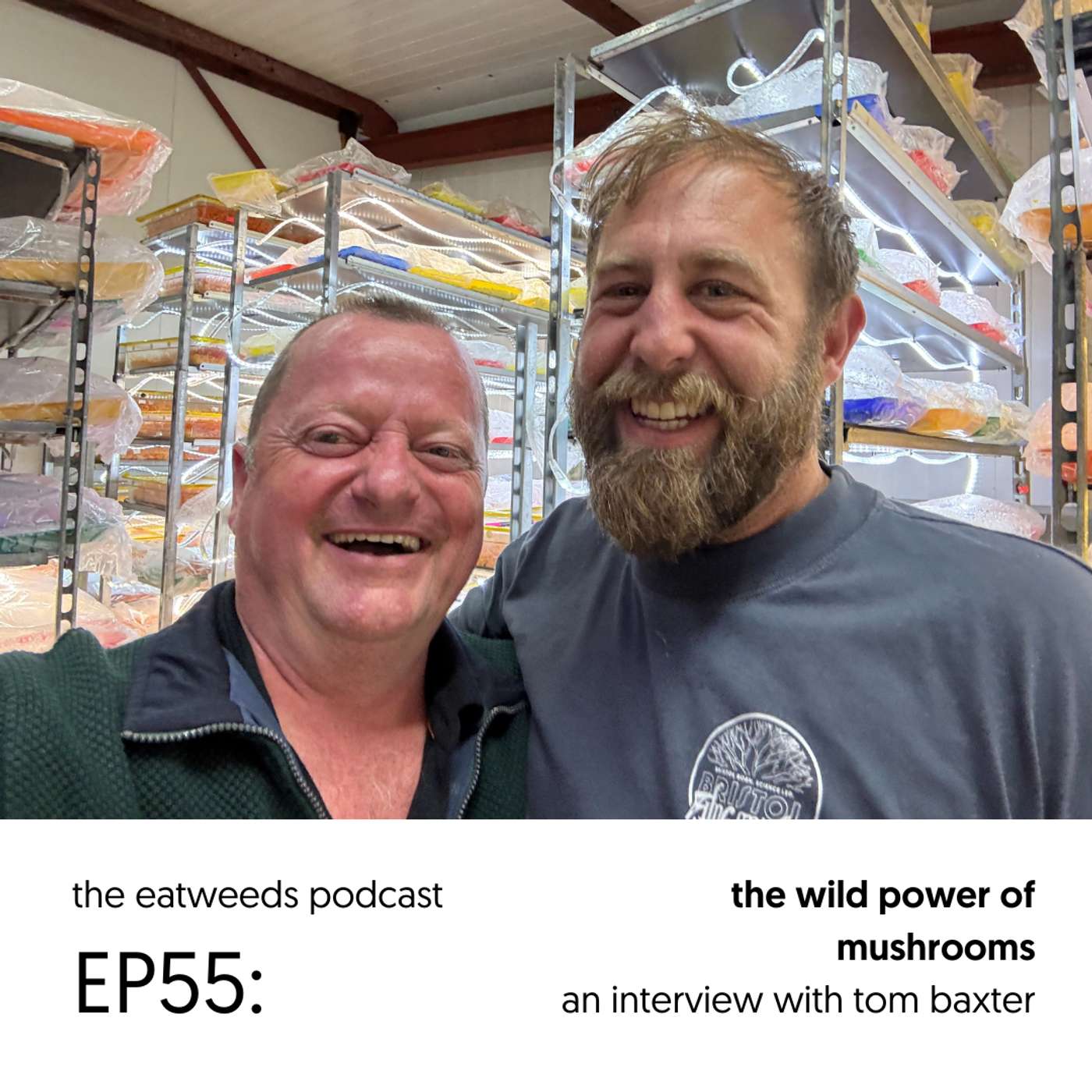
EP55: The Wild Power of Mushrooms
Jul 2, 202500:55:30Tap to summarizeTom Baxter is the founder of Bristol Fungarium, the UK’s first organic-certified medicinal mushroom farm. A former organic vegetable grower and forest school leader, Tom has spent years foraging in the wild across the Pyrenees, Siberia, and the forests of Somerset. Today, he leads a pioneering operation that not only cultivates native strains of mushrooms but also funds neuroscience research and runs the only dedicated analytical lab for medicinal fungi in the UK.In this episode, Tom joins Robin Harford for a rich and far-reaching conversation about the power, mystery, and challenges of working with medicinal mushrooms. They explore the rise of lion’s mane, the pitfalls of the supplement industry, why most mushroom powders are misleading, and what makes a mushroom extract genuinely effective. It’s a frank and passionate look into one of nature’s oldest and most complex kingdoms.🎧 Listeners get 15% off at https://bristolfungarium.com/ — use the code WILDPOWER at checkout.
Transcribe →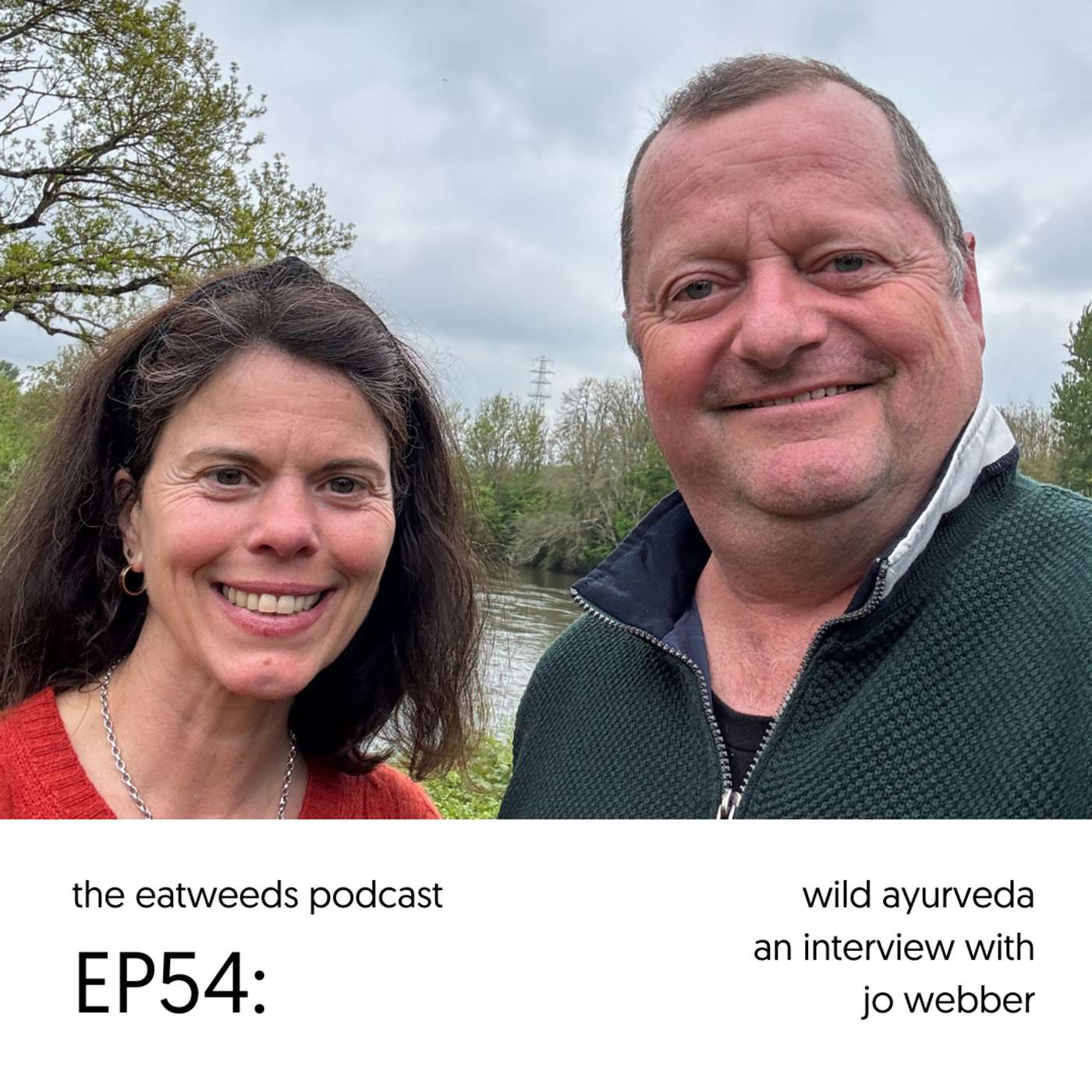
EP54: Wild Ayurveda
May 12, 202500:48:49Tap to summarizeIn this episode, herbalist and Ayurvedic practitioner Jo Webber joins Robin Harford to explore how Ayurveda — the world’s oldest system of natural health — can be rooted in the wild plants of Britain.Together, they unpack the Ayurvedic concepts of the five elements, the three doshas, and the six tastes — and how these ancient principles can guide your modern life, food choices, and foraging practice.Jo shares how local herbs like nettle, dandelion and wild garlic can be powerful food medicines, how foraging supports physical and emotional balance, and why bioindividuality is key to healing.This is a lively, grounded conversation blending Eastern philosophy with native plants, seasonal eating, and self-care rooted in the land.Links & Resources:Visit Jo’s course at: www.theayurvedaacademy.comFollow Jo and her work on Instagram: @theayurvedaacademyLearn more about Robin: www.eatweeds.co.ukMentioned books:Why We Sleep by Matthew Walker Quiet by Susan CainIf you enjoyed this episode, please consider sharing it with a friend — especially someone curious about the intersection of traditional medicine, foraging, and seasonal wellbeing.
Transcribe →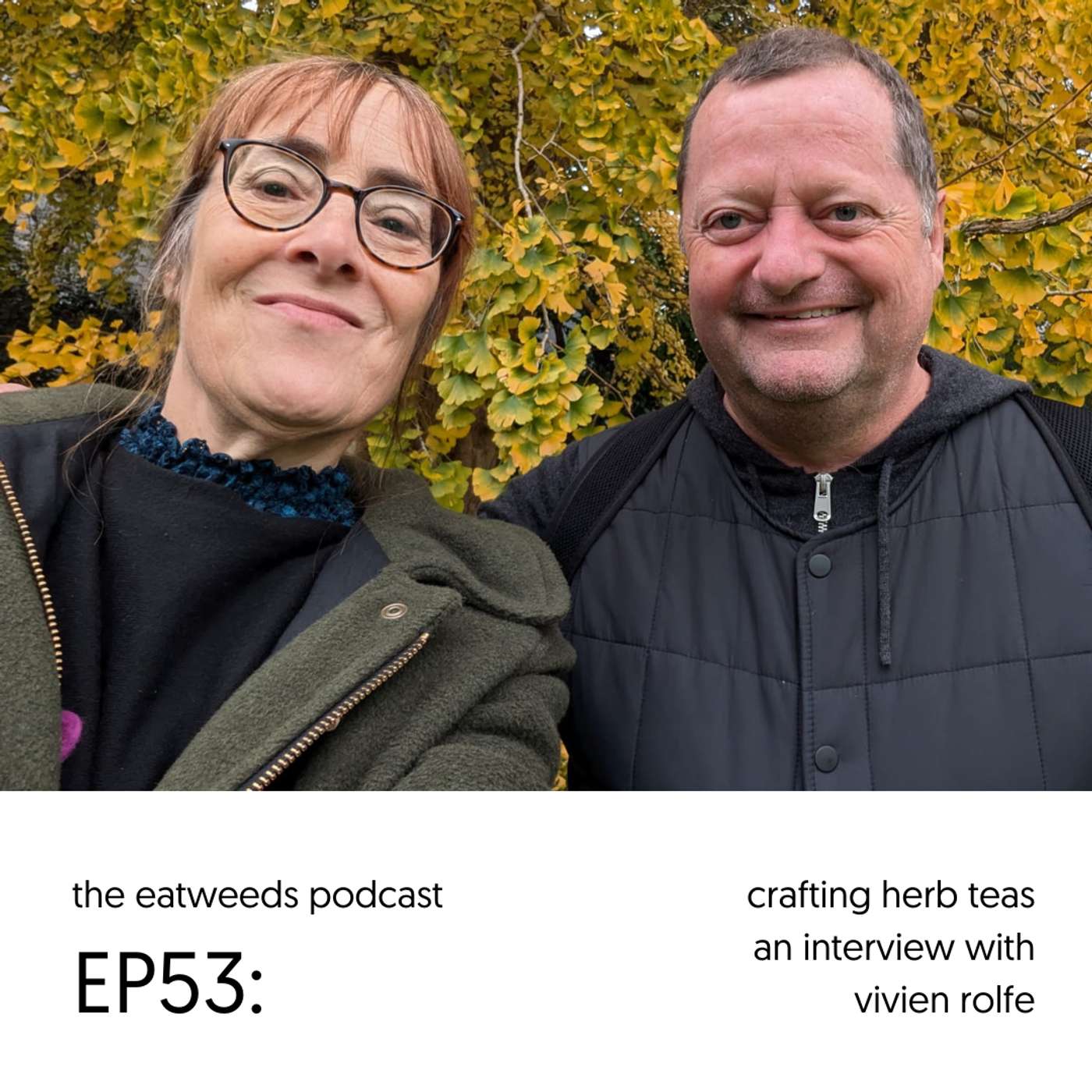
EP53: Crafting Herbal Teas
Nov 25, 202400:46:32Tap to summarizeIn this episode of the Eatweeds Podcast, Robin Harford sits down with Vivien Rolfe, a herbalist and researcher with a fascinating background in both science and herbal medicine. Recorded outdoors in the serene gardens of Penny Brohn in Bristol, this conversation delves into the art and science of herbal teas, the power of plants, and the rich cultural history surrounding their use.SELECTED LINKS FROM THE EPISODECuriosity ResearchFree Subscription: Robin Harford's Daily Plant PracticesBook: Self Sufficient Herbalism by Lucy JonesABOUT VIVIEN ROLFEViv is a keen herbal researcher, educator and tea blender (and drinker). She splits her time between the National Centre for Integrative Medicine in Bristol teaching on the diploma, and researching herbs as part of her own business Curiosity Research. She is keen that people have fun and learn more about herbs, so co-founded the Cotswold Herb Centre to provide workshops and herb walks in Gloucestershire where she lives.
Transcribe →