Podcast
Econ Dev Show Podcast - Economic Development
Hosted by Dane Carlson · EN
Dane Carlson explores the strategies, ideas, and insights that are driving economic development forward into the future. You'll hear new insights from passionate ED's about their successes and struggles, and you'll learn from attraction and retention experts about how to apply actionable strategies inside your EDO. We'll help take your organization, your community, and your career to the next level.
32episodes
Episodes
Newest firstAll episodes
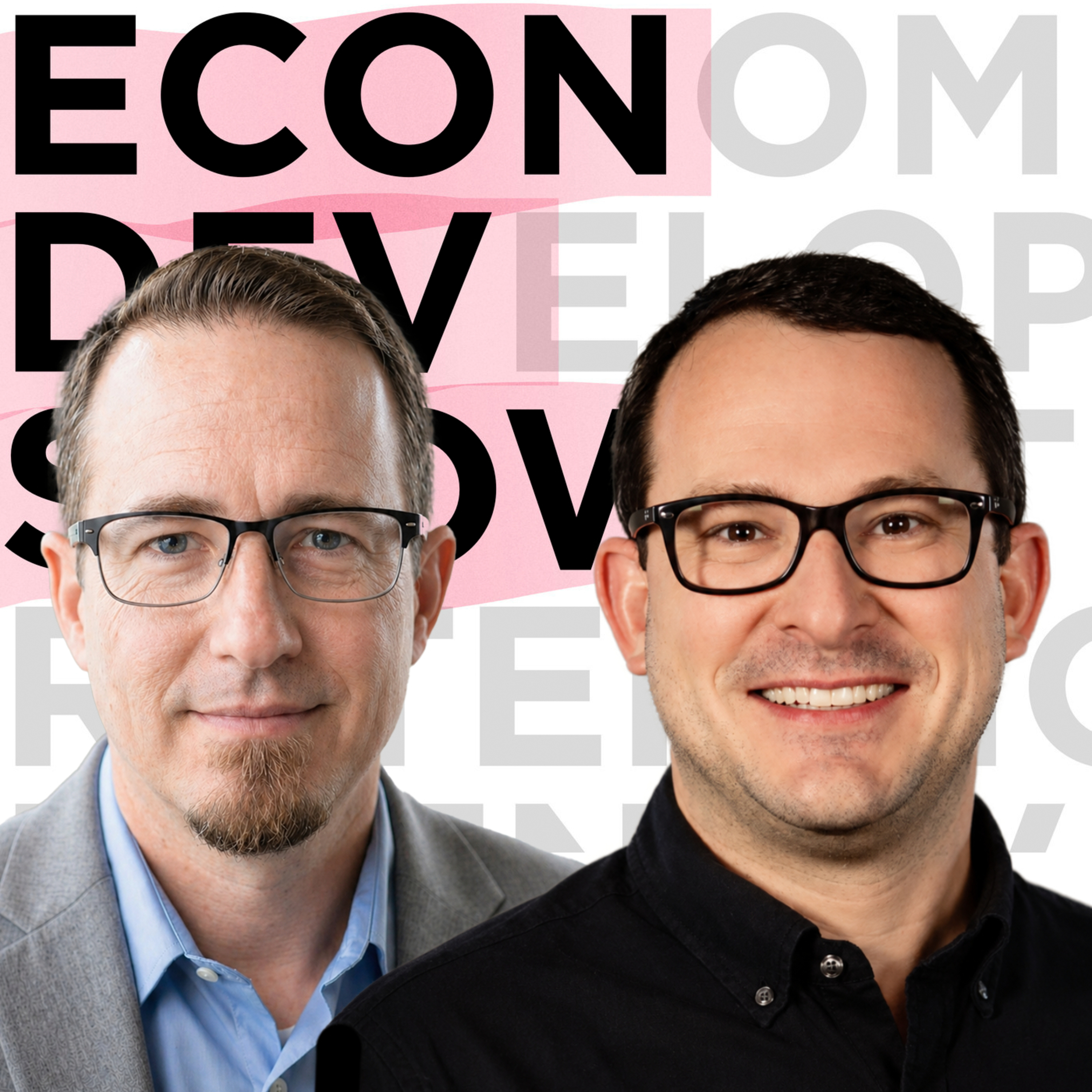
221: Music as Economic Development with Matt Mandrella
Jun 100:34:37Summary readyIn this episode of the Econ Dev Show, Dane Carlson talks with Matt Mandrella, Music Officer for the City of Huntsville, Alabama, about what it means for a city government to take music seriously as an economic development strategy. Matt explains how Huntsville’s music audit led to intentional investments in venues, programming, artist development, tourism, and workforce attraction, including the Orion Amphitheater, MidCity, Women in Music, tour grants, a central music calendar, and partnerships that help local artists and businesses grow. The conversation shows economic developers how music can strengthen quality of life, support downtown and district development, attract talent, create career pathways, and give a community a stronger identity without trying to become the next Nashville or Austin. Like this show? Please leave a review. Even one sentence helps more than you know. 10 Actionable Takeaways for Economic Developers Start with an audit. Before launching programs, study the local music ecosystem, identify gaps, and use that work to create a practical roadmap. Treat music as quality-of-life infrastructure. Think about music the same way you think about parks, trails, sports, and public spaces: as something that helps people choose to live, work, and stay in your community. Connect music to talent attraction. If your community has hard-to-fill jobs, especially higher-skill jobs, remember that people also choose places based on what life feels like after work. Design venues as district anchors. A major music venue can help catalyze surrounding private investment when it is tied to restaurants, hotels, housing, public spaces, and a broader district strategy. Program public venues beyond big concerts. Use civic venues for free and low-cost community events, fitness classes, festivals, seasonal events, and local programming so taxpayers feel ownership of the space. Support artists as small businesses. Programs like tour grants, showcases, and local performance opportunities can help musicians build momentum, gain confidence, and create professional pathways. Create a central music calendar. If residents and visitors have to check five different websites to find live music, the community is leaving value on the table. Use small programs in small communities. Even without a major amphitheater, communities can support live music on town squares, at restaurants, farmers markets, downtown events, and public gatherings. Build the behind-the-scenes workforce. Music creates opportunities beyond performers, including sound, lighting, staging, trucking, security, ticketing, marketing, hospitality, and event operations. Develop your own identity. Do not try to become Nashville, Austin, or New Orleans. Build a music strategy that fits your own community, culture, venues, talent, and long-term goals. Special Guest: Matt Mandrella.Sponsored By:Sitehunt: Sitehunt helps economic developers understand their sites, match them to projects, and respond with confidence in minutes instead of scrambling for days. Links:Matt Mandrella | LinkedIn Huntsville Music Office Trade Group to Strengthen Local U.S. Music Ecosystems Launches Catching up with Huntsville Music Officer Matt Mandrella - Axios Huntsville Be Prepared: A Practical Handbook for New Dads by Gary Greenberg — Matt's favorite book
Summary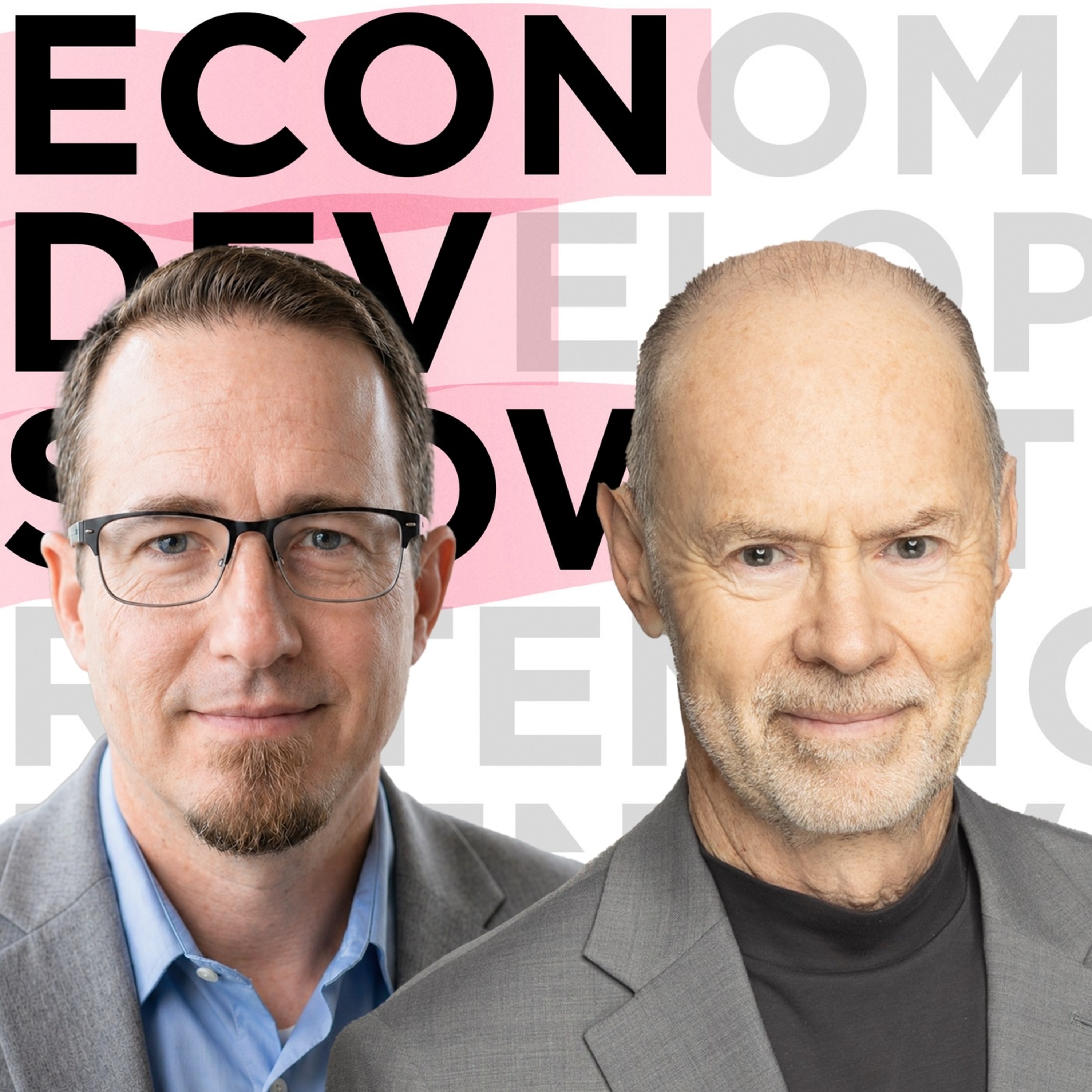
220: The Hidden Cost of Becoming Cool with Jon Roberts
May 2500:29:38Summary readyIn this episode Dane Carlson talks with Jon Roberts of TIP Strategies about his new book, The Cost of Cool: Austin's Tech Growth and the People Left Behind, and what Austin’s rise can teach economic developers everywhere. They discuss how Austin became a tech and talent magnet, why that growth created real pressure around equity, housing, and displacement, and whether tech growth inevitably widens community divides. Jon also explains why entrepreneurial ecosystems need more than enthusiasm, why universities and major companies matter, how communities like Green Bay and Racine County, Wisconsin are building on their own assets, and why economic developers need to think about AI, quantum computing, bioengineering, and the next wave of technology without forgetting the people who may be left behind. Like this show? Please leave us a review here — even one sentence helps! 10 Actionable Takeaways for Economic Developers Treat equity as a front-end strategy, not a cleanup project. If tech growth is coming, plan for housing, displacement, affordability, and access before the growth accelerates. Be honest about the tradeoffs of tech growth. Jon argues that more tech investment has historically been linked with greater inequity, so economic developers should discuss that risk openly instead of assuming growth automatically benefits everyone. Do not build an entrepreneurial strategy around vibes alone. Incubators and startup events help, but the conversation emphasized the importance of real links to research, tech transfer, and major corporate activity. Know the assets you actually have. Green Bay's example shows that communities can build from distinctive local strengths, including major institutions or brands, instead of trying to copy Austin or Silicon Valley. Create tight relationships with universities and companies, even if they are not in your backyard. Physical proximity may help, but the more important issue is whether the connection is real, active, and tied to specific development opportunities. Use major projects as platforms, not endpoints. A data center complex, corporate investment, or innovation park should raise the question: "What turns this into something more?" Protect vulnerable neighborhoods before market pressure arrives. Once high-income workers begin bidding up undervalued neighborhoods, the available responses become more limited. Understand that "cool" is hard to manufacture. Austin's music, counterculture, local institutions, and "Keep Austin Weird" identity became part of its attraction, but they were not simply chamber-of-commerce slogans. Keep a long view on technology. AI matters, but Jon cautions economic developers not to treat it as the final technological shift. Quantum computing, bioengineering, and other changes may be next. Make the uncomfortable conversations part of the work. Questions about displacement, inequality, tech disruption, and who benefits from growth may not have easy answers, but avoiding them makes communities less prepared. Special Guest: Jon Roberts.Sponsored By:Sitehunt: Sitehunt helps economic developers understand their sites, match them to projects, and respond with confidence in minutes instead of scrambling for days. Links:Jon Roberts | LinkedIn The Cost of Cool: Austin's Tech Growth and the People Left Behind | Amazon The Cost of Cool • TIP Strategies TIP Strategies: Economic Development, Strategic & Workforce Planning
Summary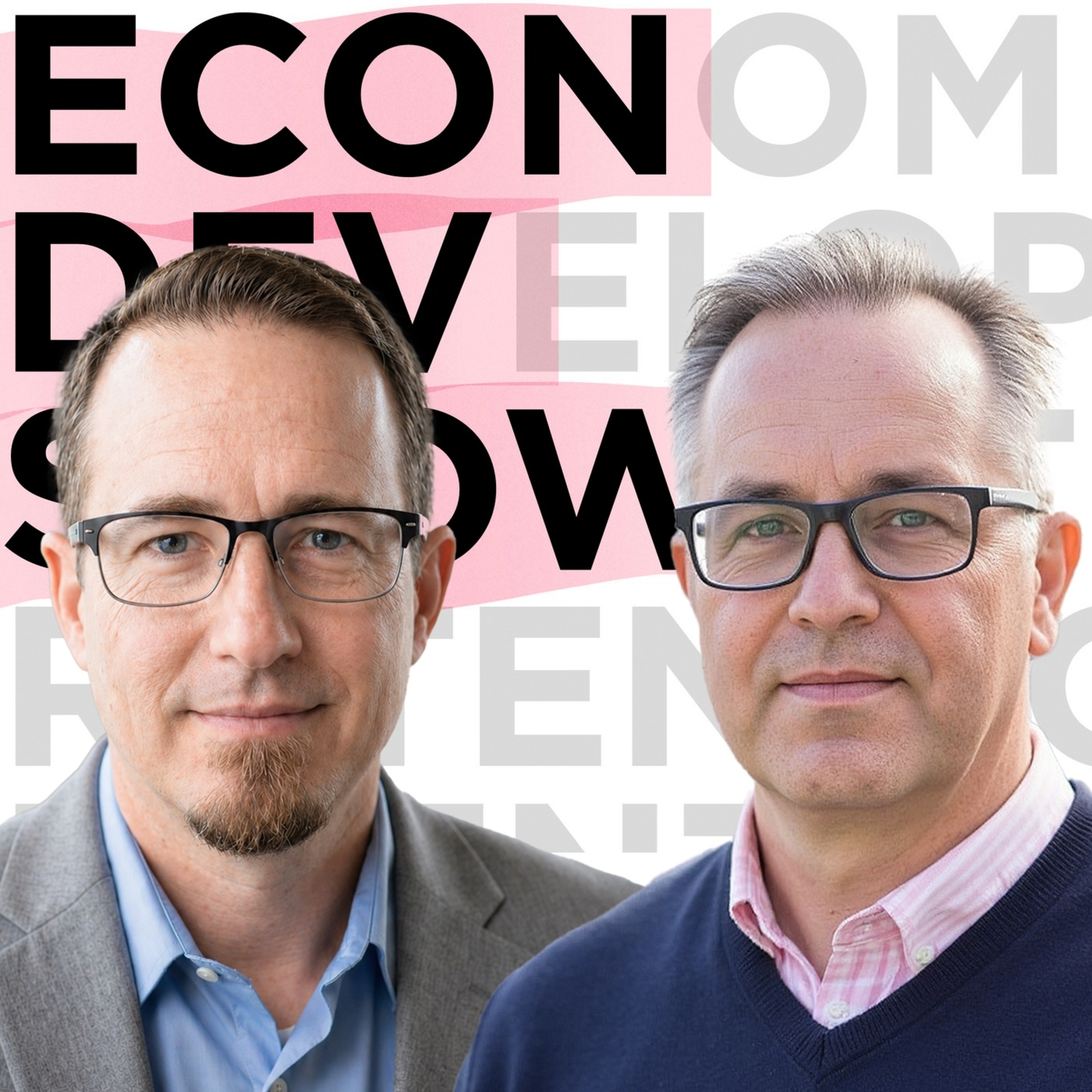
219: The Economic Development Handbook We All Needed with Glenn Athey
May 1800:29:38Tap to summarizeIn this episode of the Econ Dev Show Dane Carlson talks with Dr. Glenn Athey, author of The Local and Regional Economic Development Handbook, about what economic developers actually need to know to move from strategy to delivery. Glenn shares how growing up in northeast England during de-industrialization shaped his interest in regional economic development, why he wrote the book he wishes he had at the start of his career, and how practitioners can use international case studies without simply copying someone else’s playbook. The conversation covers action-oriented strategies, evidence that informs decisions instead of burying teams in data, the importance of local capacity, entrepreneurship support that prioritizes high-growth potential, and how sustainability can run through every part of economic development rather than sit off to the side. Like this show? Please leave us a review here — even one sentence helps! 10 Actionable Takeaways for Economic Developers Keep a working reference shelf. Economic development is too broad to know everything cold. Have reliable resources you can dip into before meetings on unfamiliar topics. Read enough to participate intelligently. You do not have to become an expert overnight, but you should understand the basics well enough to ask good questions and add value. Turn strategy into an action plan. A useful strategy should say what the community will do, what it will keep doing, what happens next, and how success will be measured. Do not confuse data with analysis. Dashboards and tables are not the point. Ask, "So what does this mean, and what should we do differently?" Borrow proven ideas, then localize them. Most communities do not need to invent something brand new. Study what worked elsewhere, then adapt it to your own economy, assets, and constraints. Be more curious. Visit the neighboring community with the strong business center. Ask how their program works. Learn from people who are already doing the thing well. Know your community's real capacity. Big ambitions require people, skills, funding, and institutional ability. A plan that ignores delivery capacity is likely to become shelf art. Prioritize business support where you can add the most value. Lifestyle businesses, high-growth startups, exporters, and innovation-driven firms may all need help, but they do not all produce the same economic impact. Connect the functions. Investment attraction depends on workforce, sites, infrastructure, universities, entrepreneurship, planning, and policy. The best economic developers see how the pieces fit together. Build confidence across the whole field. Economic development touches strategy, business growth, workforce, sites, investment, inclusion, planning, and more. You do not need to know every topic perfectly, but you do need enough range to recognize how the pieces connect. Special Guest: Dr. Glenn Athey.Sponsored By:Sitehunt: Sitehunt helps economic developers understand their sites, match them to projects, and respond with confidence in minutes instead of scrambling for days. Links:Glenn Athey | LinkedIn The Local and Regional Economic Development Handbook: Build Prosperous, Sustainable and Inclusive Local and Regional Economies on Amazon The Local and Regional Economic Development Handbook - The Local and Regional Economic Development Handbook Glenn Athey - YouTube Professional CPD and skills training in local economic development for UK practitioners. 15 hours of expert-led courses, active community. Join today. - Economic Development World
Transcribe →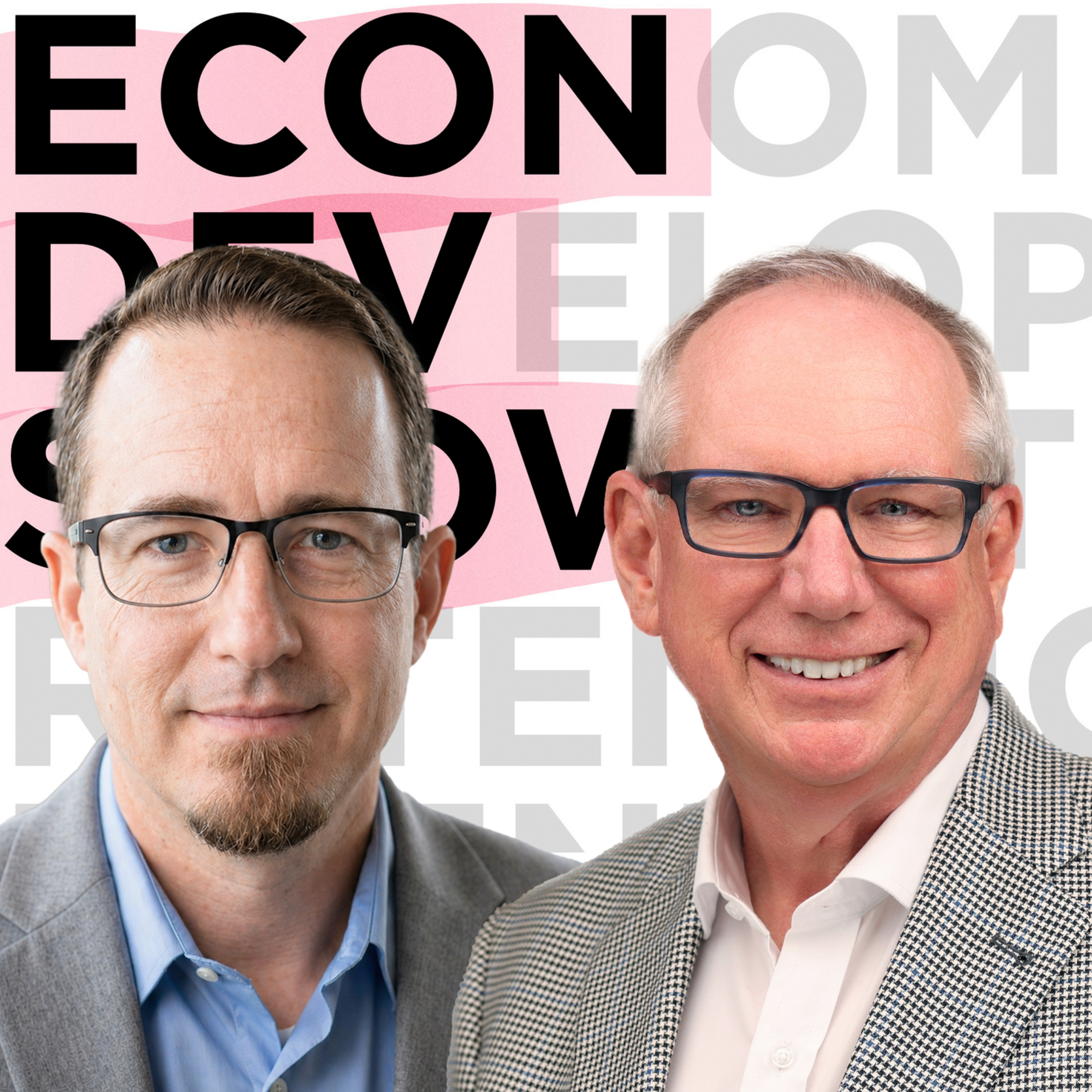
218: What Site Selectors Wish Economic Developers Understood with Mark Williams
May 1100:26:51Tap to summarizeIn this episode of the Econ Dev Show, Dane Carlson talks with Mark Williams, founder of Strategic Development Group and author of Corporate Site Selection and Economic Development: A 35 Year Perspective, about what really happens behind the scenes in site selection. Mark shares lessons from working in state government, building a consulting firm, advising corporate clients, and writing a book that has become both a teaching tool and a business development asset. The conversation covers why economic developers and companies often misunderstand each other, why listening matters more than overloading prospects with information, how time quietly kills deals, what clients really want from consultants and communities, and how technology, AI, virtual meetings, and generational change are reshaping the field without replacing the need for judgment, trust, and walking the site. Like this show? Please leave us a review here — even one sentence helps! Special Guests: Dr. Glenn Athey and Mark Williams.Sponsored By:Sitehunt: Sitehunt helps economic developers understand their sites, match them to projects, and respond with confidence in minutes instead of scrambling for days. Links:Corporate Site Selection and Economic Development: A 35 Year Perspective by Mark Williams Mark WIlliams - Homepage Strategic Development Group | Expert Site Selection Consultants Mark Williams | LinkedIn
Transcribe →85: Dane Talks to Himself... On Video
Mar 6, 2023Tap to summarizeDane wants to start producing video content for the Econ Dev Show Podcast, but first, he must get comfortable on camera. And the best way that he's found to get over his fear of almost anything is to just do it! Like this show? Please leave us a review here — even one sentence helps! Sponsored By:KathodeRay Media, Inc.: KathodeRay is a full-service marketing agency that connects government organizations to their community. This small (but mighty) woman owned and operated marketing agency can help your community thrive. They use tried and true methods that will connect your organization to your residents using social, digital and traditional media. https://kathoderay.com Links:Youtube: Econ Dev Show Podcast #85: Dane Talks to Himself... On Video Be a Guest on the Econ Dev Show Podcast
Transcribe →76: Dane Asks a Question About Site RFIs
Dec 13, 2022Tap to summarizeIn this episode, Dane talks to himself about site RFIs, and why we don't figure them out in advance? Like this show? Please leave us a review here — even one sentence helps! Sponsored By:Econ Dev Pro: Upgrade your subscription and support the Econ Dev Show with a paid membership. Plus AI in Economic Development and other bonuses.
Transcribe →73: Podcast Powered Economic Development: Part 1
Nov 14, 2022Tap to summarizeIn this episode, Dane talks about how to supercharge your economic development with a podcast. Like this show? Please leave us a review here — even one sentence helps! Sponsored By:Econ Dev Pro: Upgrade your subscription and support the Econ Dev Show with a paid membership. Plus AI in Economic Development and other bonuses. Links:Your EDO Needs a Podcast (or Two) with Chad Chancellor
Transcribe →68: How Creating Housing Density Can Solve Economic Challenges with Scott Graves
Oct 10, 2022Tap to summarizeIn this episode, Scott Graves talks about how investing in creating housing density across a wide a socioeconomic spectrum can build better places. Like this show? Please leave us a review here — even one sentence helps! Special Guest: Scott Graves.Sponsored By:Econ Dev Pro: Upgrade your subscription and support the Econ Dev Show with a paid membership. Plus AI in Economic Development and other bonuses. Links:Amazon.com: Reimagining Capitalism in a World on Fire by Rebecca Henderson Are We Here Yet - SM Graves Associates Scott M. Graves - SM Graves Associates
Transcribe →55: Economic Development in Suburban Chicago with Kevin Leighty
Jul 5, 2022Tap to summarizeDane talks with Kevin Leighty, Economic Development Director in the Village of Oswego, Illinois. Like this show? Please leave us a review here — even one sentence helps! Special Guest: Kevin Leighty.Sponsored By:Econ Dev Pro: Upgrade your subscription and support the Econ Dev Show with a paid membership. Plus AI in Economic Development and other bonuses. Links:Economic Development Commission | Village of Oswego, Illinois Kevin R. Leighty | LinkedIn New Economic Development Director Hired For Village Of Oswego | Oswego, IL Patch
Transcribe →53: What To Do First in Economic Development with Andy Portera
Jun 21, 2022Tap to summarizeEconomic development consultant Andy Portera answers the question: When you're brought into a community, what do you advise them to do first. Like this show? Please leave us a review here — even one sentence helps! Special Guest: Andy Portera.Sponsored By:Econ Dev Pro: Upgrade your subscription and support the Econ Dev Show with a paid membership. Plus AI in Economic Development and other bonuses.
Transcribe →