Podcast
Econ Dev Show Podcast - Economic Development
Hosted by Dane Carlson · EN
Dane Carlson explores the strategies, ideas, and insights that are driving economic development forward into the future. You'll hear new insights from passionate ED's about their successes and struggles, and you'll learn from attraction and retention experts about how to apply actionable strategies inside your EDO. We'll help take your organization, your community, and your career to the next level.
32episodes
Episodes
Newest firstAll episodes
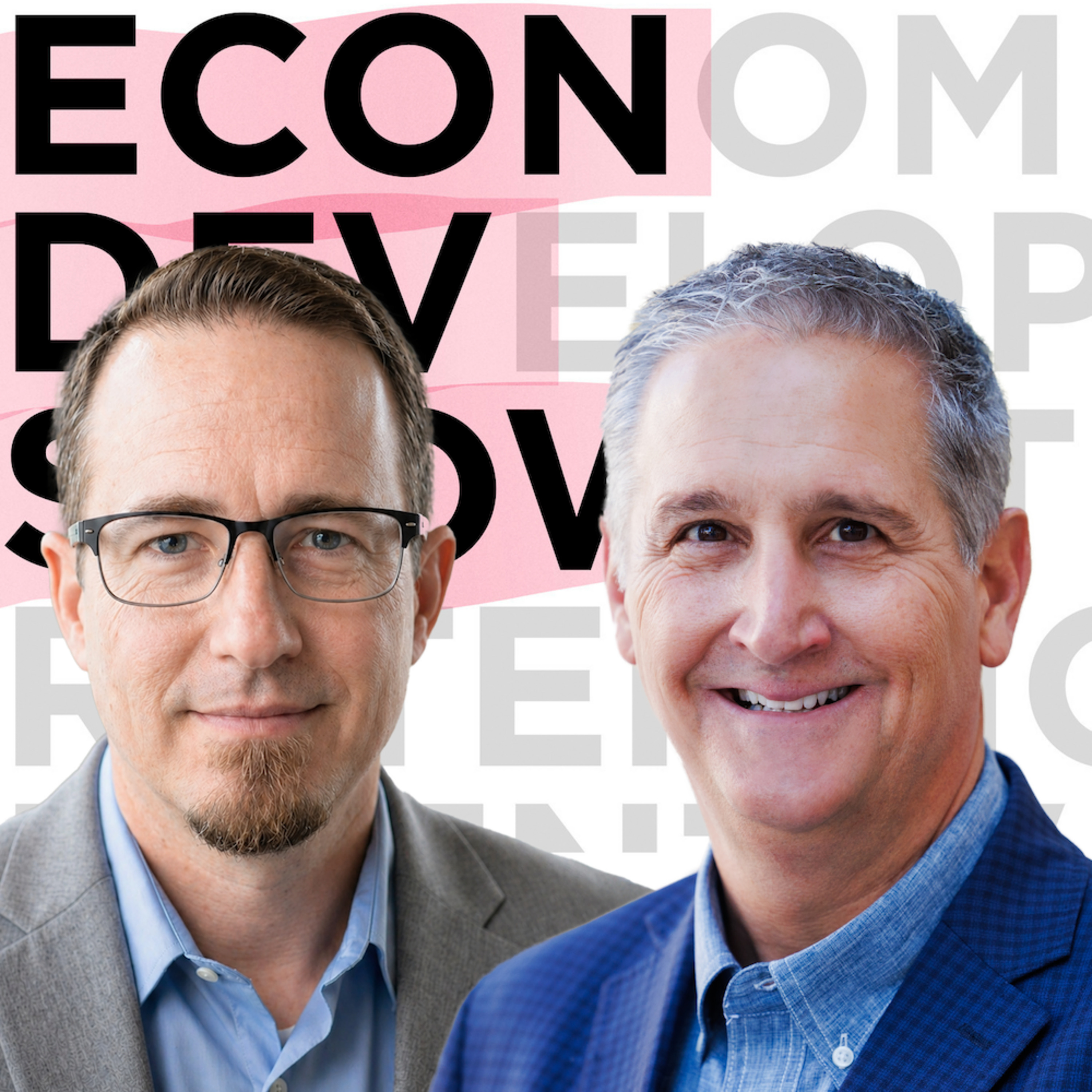
231: Speed Wins in Economic Development with Mike Swesey
3d ago00:27:07Summary readyIn this episode of the Econ Dev Show Dane Carlson talks with Mike Swesey, president and CEO of the St. Petersburg Area Economic Development Corporation, about how St. Pete has worked to become known as a business destination as well as a place with beaches, culture, and quality of life. Mike shares lessons from recruiting companies from markets like New York and Europe, explains why responsiveness can determine whether a community even stays on a site selector’s list, and makes the case for targeting companies that genuinely fit your workforce and community. He also discusses using existing companies as your best salespeople, taking every project lead seriously, resisting the pressure to chase bad-fit wins, knowing your market deeply, and communicating constantly with your board so they understand the work happening before the announcements arrive. Like this show? Please leave us a review here — even one sentence helps! 10 Actionable Takeaways for Economic Developers Make responsiveness part of your competitive strategy. Mike argues that companies are making decisions faster and communities may be shortlisted before they even know a project exists. Have your data, website, property information, and team ready so you can respond accurately within hours or days rather than scrambling after the request arrives. Treat every legitimate-looking lead seriously until you know otherwise. Mike tells the story of nearly dismissing what sounded like a questionable data-center inquiry that turned out to be Google. Unknown company names, informal inquiries, or unusual approaches should be investigated rather than automatically discarded. Target companies that fit the workforce you actually have. St. Pete focuses on industries and companies that align with its existing workforce rather than simply pursuing any company willing to listen. Build recruitment targets around the skills, occupations, graduates, and industry experience already present in your market. Use existing companies as third-party validators. Successful companies can become some of your strongest recruiters. Mike describes connecting prospects with executives who have already relocated or expanded in St. Pete and letting those executives talk candidly about their experience without the EDC in the room. Look beyond complete headquarters relocations. A company does not have to abandon its existing headquarters for your community to win. Expansion operations, new growth, regional offices, and future hiring can produce substantial economic impact even when the original location remains open. Know your product well enough to answer hard questions without bluffing. Companies and consultants often already know the answer when they ask about your workforce, education system, demographics, or costs. Know the numbers well enough to respond confidently and accurately instead of trying to “fake it till you make it.” Don’t oversell your community just to get an announcement. A recruitment win becomes a problem if the company arrives and discovers that the promised workforce, costs, or operating conditions do not exist. Focus on creating successful long-term customers rather than maximizing short-term announcements. Understand who is actually moving into your community. Population growth alone is not enough. Mike recommends knowing the ages, skills, education levels, graduation pipeline, and workforce characteristics of the people entering your market so you understand whether your growth supports your business recruitment strategy. Communicate activity to your board before they have to ask about results. Economic development is a long game, and announcements do not happen on a predictable schedule. Keep board members informed about marketing campaigns, prospect activity, outreach, and other leading indicators so they understand the work underway even during quiet periods. Build trust through authenticity and consistency. Mike emphasizes being real, professional, transparent, and trustworthy. Economic developers are asking executives and site-selection professionals to make decisions with long-term consequences, so credibility matters as much as salesmanship. Sponsored By:Sitehunt: Sitehunt helps economic developers understand their sites, match them to projects, and respond with confidence in minutes instead of scrambling for days. Links:Mike Swesey | LinkedIn Homepage | St Pete EDC
Summary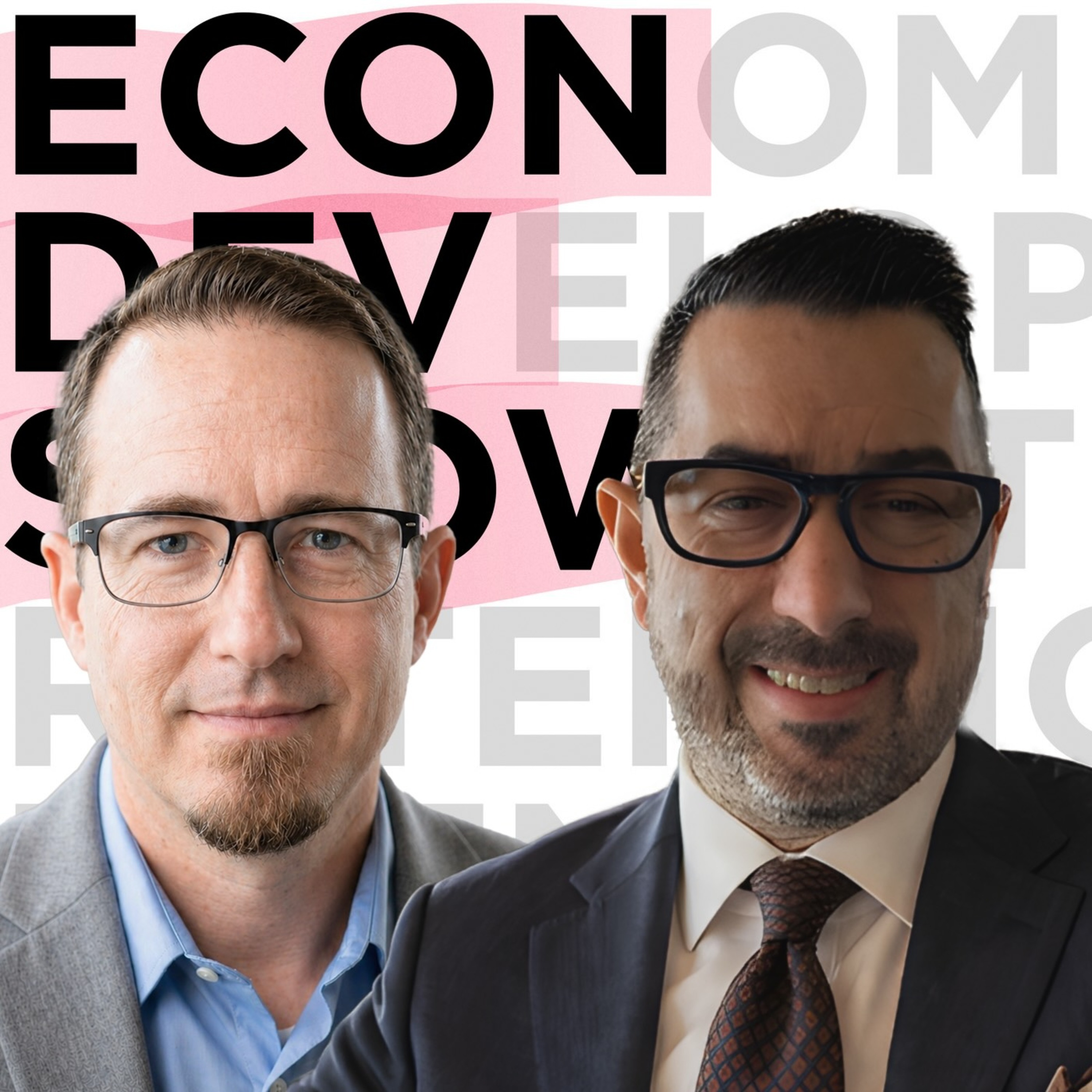
230: No Is Never the Final Answer: Creative Retention Strategies with Andrew Sloss
1w ago00:26:21Summary readyIn this episode of the Econ Dev Show Andrew Sloss discusses his transition to independent consulting and the lessons he has learned from nearly two decades in site selection and incentive negotiations. He explains why an initial “no” from a community may reflect a misunderstanding, a lack of available tools, or simply bad timing, and how better communication and persistence can create new possibilities. Andrew also shares a retention project involving a struggling retailer, including how communities used job grants, workforce funds, and university tuition benefits to help keep locations open. The conversation covers demonstrating a company’s broader community value, building flexible incentive programs, avoiding compliance failures, maintaining long-term relationships, and using AI carefully in site selection work. Like this show? Please leave us a review here — even one sentence helps! 10 Actionable Takeaways for Economic Developers Treat an initial “no” as a signal to clarify the request, not necessarily as the final decision. When a project does not create new jobs or investment, look for ways to demonstrate its broader community value. Assess whether a business provides essential services that residents would have to travel significantly farther to access. Review existing programs—such as workforce, façade, landscaping, or downtown grants—for unused funds and possible flexibility. Discuss unusual retention requests internally with elected officials and local leadership before dismissing them. Be transparent about what you can and cannot provide, and explain the limits of your authority clearly. Maintain strong relationships with site selectors, consultants, and company representatives before a project arrives. When negotiating incentives, discuss whether the answer is a hard no, a temporary no, or a maybe that could change with a stronger business case. Build incentive compliance responsibilities into multiple people’s roles so the process does not disappear when one employee leaves. Use AI for administrative support and high-level research, but double- and triple-check buildings, people, and other site-selection facts before relying on them. Special Guest: Andrew Sloss.Sponsored By:Sitehunt: Sitehunt helps economic developers understand their sites, match them to projects, and respond with confidence in minutes instead of scrambling for days. Links:Andrew Sloss, JD, SPCC | LinkedIn Sloss Site Selection & Location Investment Consulting
Summary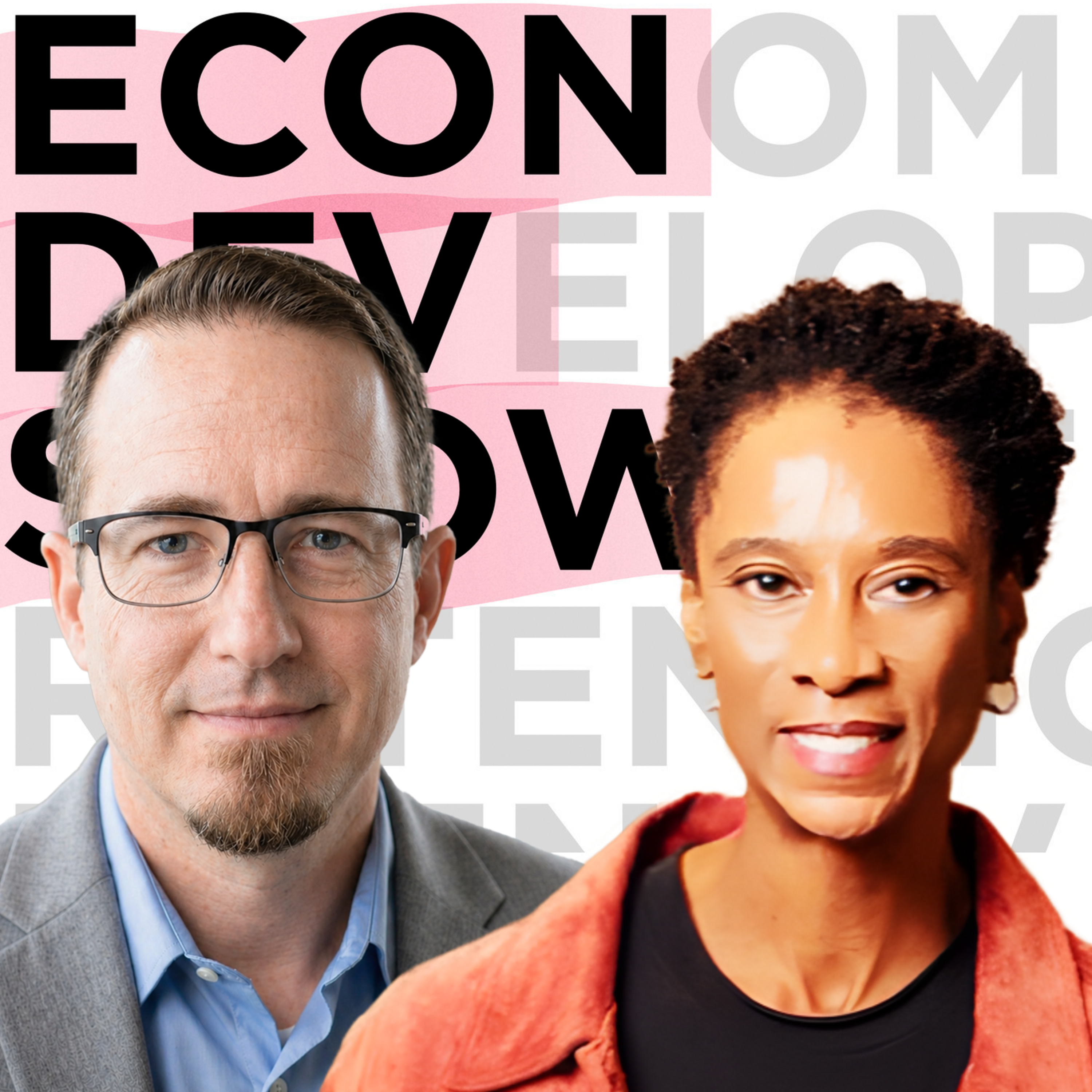
229: How Monterey Bay Became an Advanced Air Mobility Hub with Lavera Alexander
2w ago00:28:31Summary readyIn this episode of the Econ Dev Show, Dane Carlson talks with Lavera Alexander about how the Monterey Bay region is positioning itself at the forefront of advanced air mobility. Lavera explains how four public-use airports, aircraft manufacturers, research institutions, workforce partners, and community leaders are being brought together into a coordinated flight network designed to accelerate testing and commercialization. The conversation explores the importance of airport infrastructure, public-private partnerships, community participation, and certification-based career pathways that can lead to high-paying jobs without requiring a four-year degree. For economic developers, the Monterey Bay story demonstrates how smaller and rural regions can compete in emerging industries by recognizing their existing assets, convening the right partners, preparing before funding becomes available, and making public benefit central to the strategy. Like this show? Please leave us a review here — even one sentence helps! Actionable Takeaways for Economic Developers Inventory what is already happening. Identify existing employers, airports, research institutions, training programs, infrastructure, and geographic advantages before trying to create a new industry cluster. Connect isolated activities into a regional strategy. Separate companies, airports, and institutions become more competitive when their work is coordinated around a shared goal. Prepare before funding becomes available. Use regional planning processes to develop relationships, document opportunities, and create an implementation plan so the region can move quickly when state or federal funding opens. Lead with your region’s distinct advantages. Smaller regions do not need to imitate major technology hubs. They can compete by offering specialized assets, terrain, facilities, partnerships, or capabilities that larger metros cannot easily reproduce. Explain the public benefit early. Do not focus solely on how impressive a new technology is. Show residents how it could improve transportation, healthcare access, logistics, employment, or quality of life. Bring the community into the process before commercialization. Give residents opportunities to ask questions, influence priorities, and understand how they can participate instead of expecting them to catch up later. Create workforce pathways that do not require four-year degrees. Work with community colleges, universities, employers, philanthropies, and grantmakers to develop affordable certification programs connected to real jobs. Assess infrastructure readiness honestly. Evaluate what local airports and other public assets need in terms of upgrades, capacity, equipment, and supporting infrastructure before recruiting additional activity. Treat questions and resistance as opportunities for education. Concerns about change often reflect uncertainty. Respond with practical information, specific use cases, and clear explanations of what is known and what is still being developed. Combine sector expertise with economic development expertise. Technical consultants understand the industry, but economic developers bring convening, partnership-building, funding, workforce, inclusion, and community implementation skills that are essential to success. Special Guest: Lavera Alexander.Links:Monterey Bay Economic Partnership Monterey Bay Economic Partnership (MBEP) | LinkedIn Monterey Bay Economic Partnership | Facebook mbepartnership | Instagram MBEP (@MBEPartnership) / X — MBEP Commentary: Let’s Talk Plainly About Advanced Air Mobility - Monterey Bay Economic Partnership CAAMCI - Monterey Bay Economic Partnership Meeting the Moment in AAM/UAS: National, State, and Regional Convergence - Monterey Bay Economic Partnership
Summary
228: Capital Is Not the Bottleneck with Liz Maxwell
3w ago00:27:20Summary readyIn this episode of the Econ Dev Show, Dane Carlson talks with Liz Maxwell, chief of staff at the Idea Village, about how communities can support high-growth startups as part of a broader economic development strategy. Liz explains what accelerators actually do, how they differ from incubators and traditional small-business programs, and why capital is often not the real bottleneck for emerging companies. They explore the four ingredients of a healthy venture ecosystem, talent, capital, customers, and access to interesting problems, and discuss how the Gulf South can build globally relevant companies around energy, manufacturing, ports, coastal resilience, and other real-world challenges. Liz also shares how communities can avoid “startup theater,” measure meaningful results through revenue, capital, and jobs, and make a practical case for homegrown innovation to local boards and stakeholders. Like this show? Please leave us a review here — even one sentence helps! Special Guest: Liz Maxwell.Sponsored By:Sitehunt: Sitehunt helps economic developers understand their sites, match them to projects, and respond with confidence in minutes instead of scrambling for days. Links:Elizabeth Maxwell | LinkedIn The Idea Village | Startup Accelerator | New Orleans The 3rd Coast Venture Summit Proves The Gulf South Is No Longer A Long Shot Guest Column: NO can lead on innovation. | nola.com
Summary
227: Never Underestimate the Power of Ceremony with Melissa James
Jul 1300:37:57Summary readyIn this episode of the Econ Dev Show Dane Carlson talks with Melissa James, founding president and CEO of REACH Central Coast, about building a regional economic development organization amid the anticipated closure of Diablo Canyon, persistent affordability challenges, and a fragmented approach to growth. Melissa explains how the Central Coast organized around its distinctive assets in energy, space and aerospace, and high tech; set a goal of creating 15,000 good-paying jobs by 2030; and connected that strategy to workforce development and housing. She also shares practical lessons about private-sector leadership, cross-sector coalitions, memorandums of understanding, institutional continuity, the patience required for long-term development, and the surprisingly powerful role ceremony can play in sustaining shared ownership and momentum. Like this show? Please leave us a review here — even one sentence helps! Special Guest: Melissa James.Sponsored By:Sitehunt: Sitehunt helps economic developers understand their sites, match them to projects, and respond with confidence in minutes instead of scrambling for days. Links:REACH Central Coast - YouTube REACH: Overview | LinkedIn REACH Melissa James | LinkedIn
Summary
226: Economic Development Is a Relationship Game with Damian Denmark
Jul 600:30:02Summary readyIn this episode of the Econ Dev Show Dane Carlson talks with Damian Denmark, economic development director for the City of Yukon, Oklahoma, about what it looks like to build an economic development department in a fast-growing suburban community northwest of Oklahoma City. Damian shares how his move to Liberal, Kansas changed the way he thinks about community, belonging, and the people-first side of economic development. The conversation moves from rural marketing and relationship-building to Yukon’s new incentive policy, the Miller Crossing project, TIFs, sports tourism, and the increasingly complicated question of data centers. For economic developers, this episode is a reminder that projects matter, but trust, policy, infrastructure, and community buy-in are what make growth work. 10 Actionable Takeaways for Economic Developers Build the relationship before you need the deal. Damian’s approach is clear: trust opens doors with property owners, developers, tenant reps, brokers, city departments, and regional partners. Create policy before the pressure hits. Yukon’s work on incentive and economic development policies gave the city a framework for handling projects, negotiations, and community expectations. Treat residents as part of the project equation. Especially in communities reliant on sales tax, residents need to see why a project matters and how it benefits the place they live, work, and raise families. Use incentives to create community value, not just close deals. Yukon’s requirements around chamber membership, public art, city services, and community impact show how development agreements can ask more from projects. Do the infrastructure homework early. For data centers and other major projects, water, power, utilities, noise, and capacity questions need to be understood before promises are made. Do not reduce data centers to job counts. Damian notes that a data center may bring only 20 to 25 jobs, but the broader financial and infrastructure deal can still matter if negotiated well. Know what your community can realistically support. Economic developers should understand market capacity, utility capacity, resident concerns, and policy constraints before pursuing major industrial or technology projects. Move quickly, but do not confuse speed with sloppiness. Yukon’s Miller Crossing TIF moved in less than 60 days, but Damian also emphasized the stress, negotiation, and policy work behind that speed. Let personal experience shape professional practice. Damian’s time in Liberal, Kansas changed how he thinks about belonging, service, and the human side of economic development. Remember that buildings do not build communities by themselves. Projects, investment, and development matter, but the strongest communities are built through people, trust, participation, and shared pride. Like this show? Please leave us a review here — even one sentence helps! Special Guest: Damien Denmark.Sponsored By:Sitehunt: Sitehunt helps economic developers understand their sites, match them to projects, and respond with confidence in minutes instead of scrambling for days. Links:Damien Denmark | LinkedIn Yukon, OK | Official Website Rural Marketing for Chambers, EDOs & Cities
Summary
225: Detroit Beyond the Comeback with Kevin Johnson
Jun 2900:27:00Summary readyIn this episode Dane talks with Kevin Johnson, president and CEO of the Detroit Economic Growth Corporation, about Detroit’s current economic momentum and what other communities can learn from it. Kevin explains why “comeback city” no longer fully captures Detroit’s story, how technology, manufacturing, real estate, sports, tourism, and earned media are reshaping the city’s market position, and why neighborhood commercial corridors matter to both residents and corporate decision-makers. The conversation also digs into Motor City Match, startup investment, grocery access, DEGC’s role as a consistent economic development partner across administrations, and the need for economic developers to lead community conversations before projects reach the public hearing stage. Like this show? Please leave us a review here — even one sentence helps! 10 Actionable Takeaways for Economic Developers Move past outdated narratives. If your community is still being described by an old story, build a clearer explanation of what is happening now and why the market should care. Turn earned media into market momentum. When outside publications, events, or visitors validate your community, use that attention to reinforce your business attraction message. Treat neighborhoods as part of the business case. Corporate decision-makers care whether employees can live near quality housing, services, and commercial corridors. Support storefronts as neighborhood stabilization tools. Small business grants, façade improvements, and corridor-focused programs can create visible investment, jobs, and community confidence at the same time. Build entrepreneurship programs around local people. Kevin emphasized that many Detroit entrepreneurs come from the neighborhoods themselves; programs should recognize and support that local ownership. Use startup funding to anchor future growth. If you invest in early-stage companies, tie that support to a commitment that they build and scale in your community. Make access and inclusion measurable. DEGC points to who receives support through its programs, including women, minority entrepreneurs, and native Detroiters, so the public can see whether the work reflects the city. Keep economic development steady across political transitions. A clear report card, consistent outcomes, and strong public authority management can help preserve trust when administrations change. Lead community conversations early. For major projects, do not wait until the zoning or planning meeting to address concerns about utilities, infrastructure, schools, roads, water, or community benefits. Know whether your community really wants growth. Kevin’s advice to younger economic developers was blunt: read your city honestly, seek buy-in, and do not spend your best years fighting a place that does not want the work you were hired to do. Special Guest: Kevin Johnson.Sponsored By:Sitehunt: Sitehunt helps economic developers understand their sites, match them to projects, and respond with confidence in minutes instead of scrambling for days. Links:DEGC | Detroit Economic Growth Corporation
Summary224: Building Trust Before Building Buildings with Janae Stark
Jun 2200:25:50Summary readyIn this episode of the Econ Dev Show, Dane talks with Janae Stark about the Community Economic Revitalization Board’s “right project, right time” approach to rural economic development, from planning and project development to infrastructure financing, construction timelines, and what happens when projects go sideways. Janae shares how CERB works with communities and federally recognized tribes in Washington State, why trust and relationship-building matter as much as funding, and how infrastructure like buildings, roads, utilities, and rural broadband can unlock opportunity for small communities. The conversation also explores the less visible work behind successful projects, the importance of helping communities avoid bad bets, and why economic developers need spaces to learn from one another instead of reinventing the wheel alone. Like this show? Please leave us a review here — even one sentence helps! 10 Actionable Takeaways for Economic Developers Start with project readiness, not the application. Before pursuing funding, work backward from the business or community timeline and identify permits, environmental review, match funding, private investment, and approvals needed to get to contract. Treat planning as economic development work. Use planning funds and community outreach to clarify what the community actually wants to become, not just what project happens to be available. Build relationships before things go wrong. Communities are more likely to call early when a business partner pulls out or a project changes if they already trust you. Be willing to coach communities toward the right funder. If your program is not the best fit, help the community find the organization or funding source that can get them to yes. Do not confuse urgency with readiness. A project can look exciting on paper but still be too risky if the private partner, repayment plan, permits, or timeline are not solid. Ask whether the infrastructure can support more than one possible business. Projects are safer when the building, road, utility, or site improvement can be reused or marketed to another company if the original deal falls apart. Help elected officials and board members understand the invisible work. Explain the project development, relationship management, and risk reduction that happen long before a groundbreaking or ribbon cutting. Recognize that different infrastructure has different economic impacts. Buildings, roads, water, sewer, and electricity may directly enable business expansion, while broadband may improve community competitiveness in broader, less immediately visible ways. Create peer networks for practitioners. New economic developers need places to ask basic questions, decode acronyms, find funding calendars, and learn from communities that have already solved similar problems. Show up and listen locally. Especially for people new to economic development, attending community meetings, listening to difficult voices, validating concerns, and asking experienced practitioners for help are essential parts of learning the work. Special Guest: Janea Stark.Sponsored By:Sitehunt: Sitehunt helps economic developers understand their sites, match them to projects, and respond with confidence in minutes instead of scrambling for days. Links:Janea (Jzuh-Nay) Stark | LinkedIn Community Economic Revitalization Board (CERB) – Washington State Department of Commerce Economic Development Done Right Makes Room for Joy | LinkedIn Infrastructure Assistance Coordinating Council | IACC annual statewide conference
Summary
223: The Power of Powerlessness with Michael Hecht
Jun 1500:27:24Summary readyIn this episode of the Econ Dev Show Dane Carlson talks with Michael Hecht, CEO of Greater New Orleans Inc., about the deeper economic story behind a region best known for food, music, culture, and Mardi Gras. Michael explains how New Orleans’ economy is rooted in maritime, energy, defense, aerospace, and industrial innovation, and why long-term recovery after major disruption requires sustained leadership, trust, humility, and coalition-building. The conversation covers GNO Inc.’s approach to business environment work, the “power of powerlessness,” regional trust-building across 10 parishes, the importance of focusing resources on sectors with real strategic fit, and why economic developers should study history and political science if they want to create lasting change. Like this show? Please leave us a review here — even one sentence helps! Special Guest: Michael Hecht.Sponsored By:Sitehunt: Sitehunt helps economic developers understand their sites, match them to projects, and respond with confidence in minutes instead of scrambling for days. Links:Michael Hecht | LinkedIn GNO, Inc. | New Orleans Business & Economic Development
Summary
222: How Energy Is Changing Site Selection with Anna Cardona
Jun 800:27:44Summary readyIn this episode of the Econ Dev Show, Dane talks with Anna Cardona, an economic development consultant with Wolves Development Group, about her path from architecture and design into economic development, her move from public and public-private work into the private sector, and the growing role of energy infrastructure in getting major projects across the finish line. Anna explains how power availability, behind-the-meter solutions, and infrastructure capital are shaping everything from advanced manufacturing to data centers, and why communities need to rethink economic development beyond job counts and CapEx. The conversation also covers community backlash, board education, regenerative industrial ecosystems, family office conferences as an overlooked deal source, and how economic developers can become more empowered, proactive, and creative in building their own pipelines. Like this show? Please leave us a review here — even one sentence helps! Special Guest: Anna Cardona.Sponsored By:Sitehunt: Sitehunt helps economic developers understand their sites, match them to projects, and respond with confidence in minutes instead of scrambling for days. Links:Anna Cardona | LinkedIn Wolves Development Group
Summary