Podcast
Education, The Creative Process: Educators, Writers, Artists, Activists Talk Teachers, Schools & Creativity
Hosted by Educators, Writers, Artists, Activists Talk Teaching & Learning: Creative Process Original Series · EN
Education episodes of the popular The Creative Process podcast. We speak to educators, writers, artists, activists, teachers, librarians in the arts, STEM & other disciplines. To listen to ALL arts & education episodes of “The Creative Process · Arts, Culture & Society”, you’ll find our main podcast on Apple: tinyurl.com/thecreativepod, Spotify: tinyurl.com/thecreativespotify, or wherever you get your podcasts!
Exploring the fascinating minds of creative people. Conversations with writers, artists & creative thinkers across the Arts & STEM. We discuss their life, work & artistic practice. Winners of Oscar, Emmy, Tony, Pulitzer, leaders & public figures share real experiences & offer valuable insights. Notable guests and participating museums and organizations include: Academy of Motion Picture Arts & Sciences, Neil Patrick Harris, Smithsonian, Roxane Gay, Musée Picasso, EARTHDAY.ORG, Neil Gaiman, UNESCO, Joyce Carol Oates, Mark Seliger, Acropolis Museum, Hilary Mantel, Songwriters Hall of Fame, George Saunders, The New Museum, Lemony Snicket, Pritzker Architecture Prize, Hans-Ulrich Obrist, Serpentine Galleries, Joe Mantegna, PETA, Greenpeace, EPA, Morgan Library & Museum, and many others.
The interviews are hosted by founder and creative educator Mia Funk with the participation of students, universities, and collaborators from around the world. These conversations are also part of our traveling exhibition. www.creativeprocess.info
For The Creative Process podcasts from Seasons 1 & 2, visit: tinyurl.com/creativepod or creativeprocess.info/interviews-page-1, which has our complete directory of interviews, transcripts, artworks, and details about ways to get involved.
INSTAGRAM @creativeprocesspodcast
36episodes
Episodes
Newest firstAll episodes
Surviving the AI Hype Cycle Without Losing Your Mind (or Your Job) w/ NACHO DE GREGORIO
2w ago00:17:35Tap to summarize“ I'm a believer in this technology. I believe that the cheaper it is, the more people will use it. So, even if we assume that models will get smaller for the same level of intelligence, the demand to actually have more compute is going to be enormous. And the reason why you want to have the, the compute close to you is not only in terms of performance. As a national security threat, I'm not saying this will happen, but it could happen that, China or US or whoever decides to stop exporting compute to the rest of the world. If that happens today, Europe has zero AI at the scale of data the data center.”For over a decade, technology has promised to make life easier. Social media was meant to connect us, we were told smartphones would simplify our lives, and now artificial intelligence promises to lift even more daily burdens. Yet these advances also raise an important question: when do tools enhance human creativity, and when do they replace the very experiences that give life meaning? While AI holds immense promise, many people face challenges coping with current technological advancements that ‘redefine’ human communication, work, education, and democratic values. Today, we examine societal and cultural impacts of AI, identity, inclusion, governance, education, and community well-being. And are speaking with Nacho de Gregorio, author of TheWhiteBox, one of Medium's most-followed AI analysts, for a level-headed conversation about both the remarkable potential and the real limitations of AI.(0:22) The hidden risks of the AI debt bubble(0:55) Shadow borrowing and the data center boom(3:12) The AI compute gap and national security(5:40) Europe's missing infrastructure and tech sovereignty(8:13) The Jevons paradox and the demand for compute(10:25) Why open source AI is the best path forward(12:31) The chess paradox and the future of human art(12:53) Unmeasurable domains and future-proofing your career(14:00) Tutoring and AI in education(15:11) Navigating AI slop and the information ecosystem(16:24) The Pleasure of Waiting vs. The HustleEpisode Websitewww.creativeprocess.info/podInstagram:@creativeprocesspodcast
Transcribe →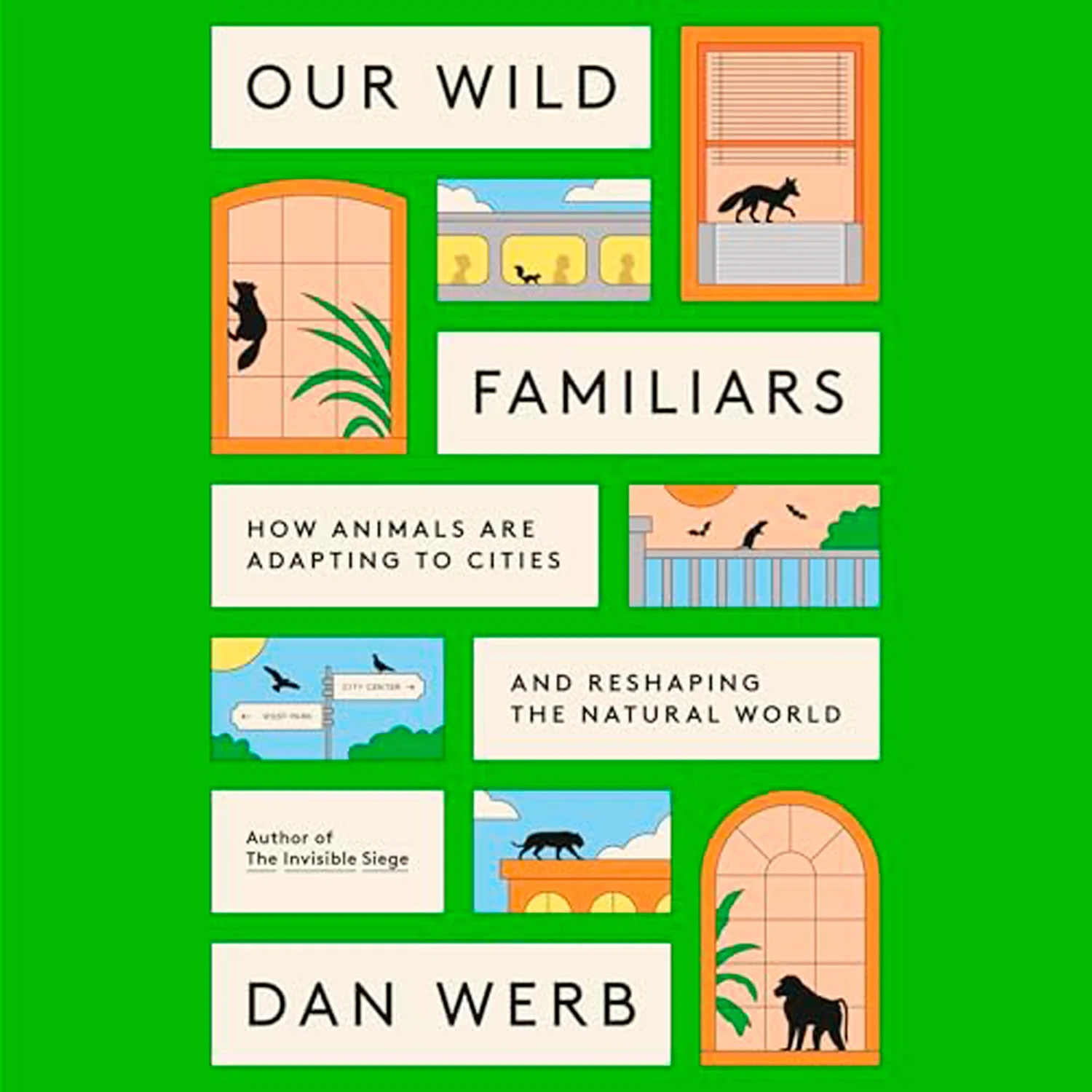
Our Wild Familiars - DR. DAN WERB on Animals that Live Among Us & Urban Wildlife Conservation - Highlights
3w ago00:24:14Tap to summarizeIf you live in a city, you’ve probably had that moment in the middle of the night. You hear a scratching in the walls, or you catch the glowing eyes of a raccoon peering out from a dumpster, and for a second, the concrete world feels a lot less 'controlled' than we like to pretend. We’ve been taught to think of cities as 'biological deserts'—places where nature goes to die. But my guest today, Dan Werb, says that’s a myth we tell ourselves to feel safe. Dan is an award-winning epidemiologist and a musician, and in his new book, Our Wild Familiars, he explores the 'synanthropes'—the wild creatures that aren't our pets, but aren't quite strangers either. They are the coyotes, the bats, and even the octopuses that are learning to use our cities as laboratories for their own rapid evolution. He’s also the author of The Invisible Siege and City of Omens.(0:02) The unexpected biodiversity of urban areas and wild familiars(1:18) What is a Synanthrope?(4:15) The Myth of the Biological Desert(8:04) The Ancestral Bond between early humans, ravens, and foxes(9:15) Crows and Grudges(12:42) Stepping Stones in the Concrete(14:20) The Epidemiological Triangle(17:58) The Illusion of AI Connection(19:56) The Museum of MemoryEpisode Websitewww.creativeprocess.info/podInstagram:@creativeprocesspodcast
Transcribe →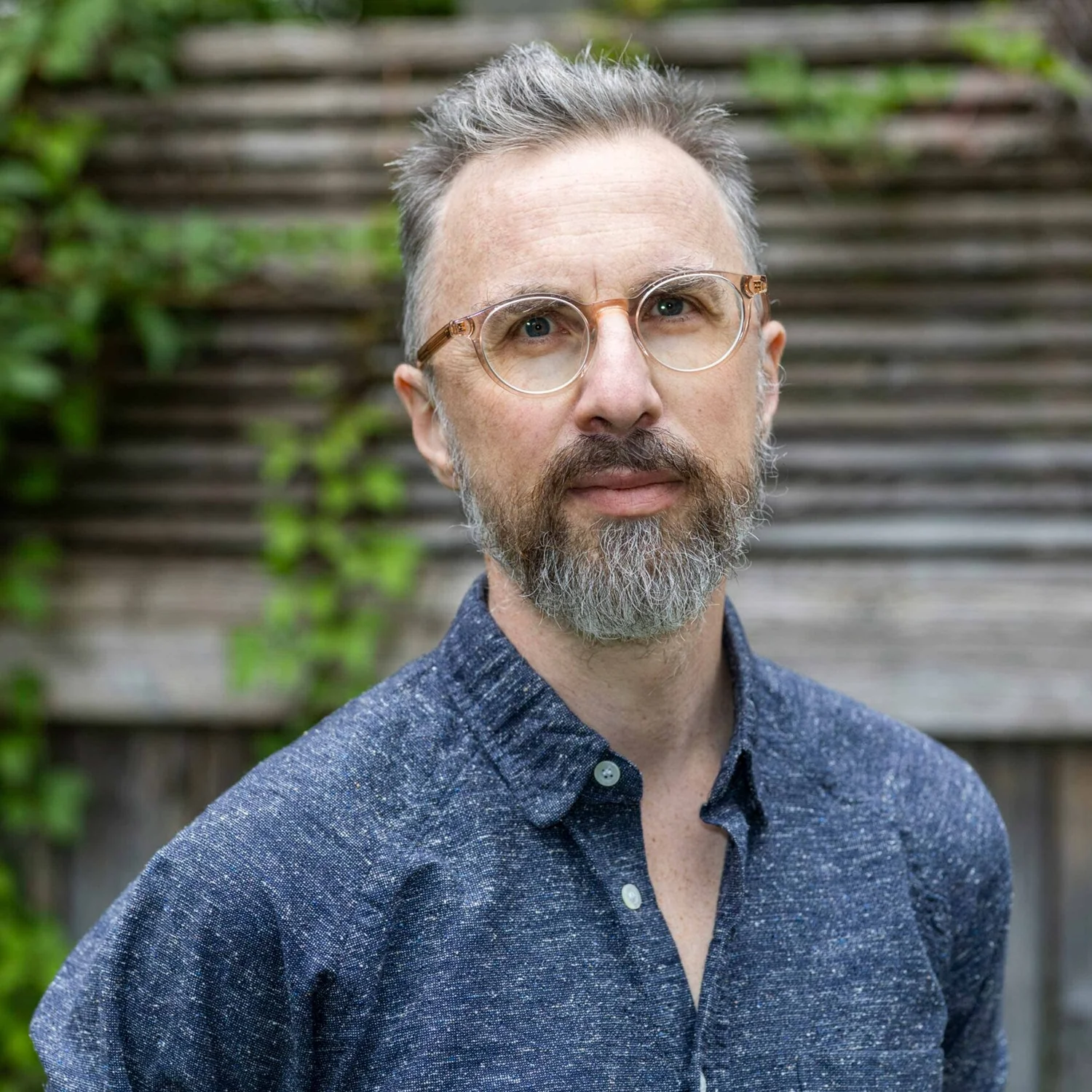
How Animals Are Adapting to Cities & Reshaping the Natural World w/ Author & Epidemiologist DAN WERB
Jul 9Tap to summarize"So synanthropes are animals that have adapted to human-modified environments, and the Greek translation essentially is together with humans, so synanthrope. And they're a fascinating subset of wild animals that they're all around us, but we don't really notice them. And so in this new book, I was excited about writing something that had to do with the natural world. I was excited about writing something that touched on climate change. These are not just insects and earthworms and things like that. These are very large predators that have nevertheless found a way to survive among us. And that in and of itself I think is just an amazing story and what I explore in this book."If you live in a city, you’ve probably had that moment in the middle of the night. You hear a scratching in the walls, or you catch the glowing eyes of a raccoon peering out from a dumpster, and for a second, the concrete world feels a lot less 'controlled' than we like to pretend. We’ve been taught to think of cities as 'biological deserts'—places where nature goes to die. But my guest today, Dan Werb, says that’s a myth we tell ourselves to feel safe. Dan is an award-winning epidemiologist and a musician, and in his new book, Our Wild Familiars, he explores the 'synanthropes'—the wild creatures that aren't our pets, but aren't quite strangers either. They are the coyotes, the bats, and even the octopuses that are learning to use our cities as laboratories for their own rapid evolution. He’s also the author of The Invisible Siege and City of Omens.(0:02) The unexpected biodiversity of urban areas and wild familiars(2:32) Defining synanthropes and the myth of the biological desert(6:04) Why cities are becoming magnets for wildlife and natural biodiversity(14:32) How our discarded garbage acts as a reliable nutrition source(18:01) The raccoon city and highly adaptable urban mesopredators(21:49) Redesigning cities as crucial sites for wildlife conservation and containerisation(26:31) The impact of highways on mountain lion migration in Los Angeles(31:03) The ancestral spiritual bond between early humans, ravens, and foxes(38:24) Facial recognition, grudges, and the intense intelligence of urban crows(42:40) Discovering giant Pacific octopuses living in discarded garbage near Seattle(49:04) How translucent boardwalks helped save baby salmon afraid of the dark(52:42) Building green corridors and ecological stepping stones in the concrete(1:01:07) Cultural shifts in pods of orcas sinking boats off the Iberian coast(1:05:23) Social epidemiology, vulnerable populations, and insights from City of Omens(1:08:29) The epidemiological triangle and the environmental causes of novel viruses(1:16:08) The rhythm shift required to observe wild animals in urban spaces(1:25:26) Why we need more cosmological humility when studying animal biology(1:31:06) The illusion of AI connection and why engaging with nature expands the mind(1:34:46) Memories, Laughter, and Animal ConnectionEpisode Websitewww.creativeprocess.info/podInstagram:@creativeprocesspodcast
Transcribe →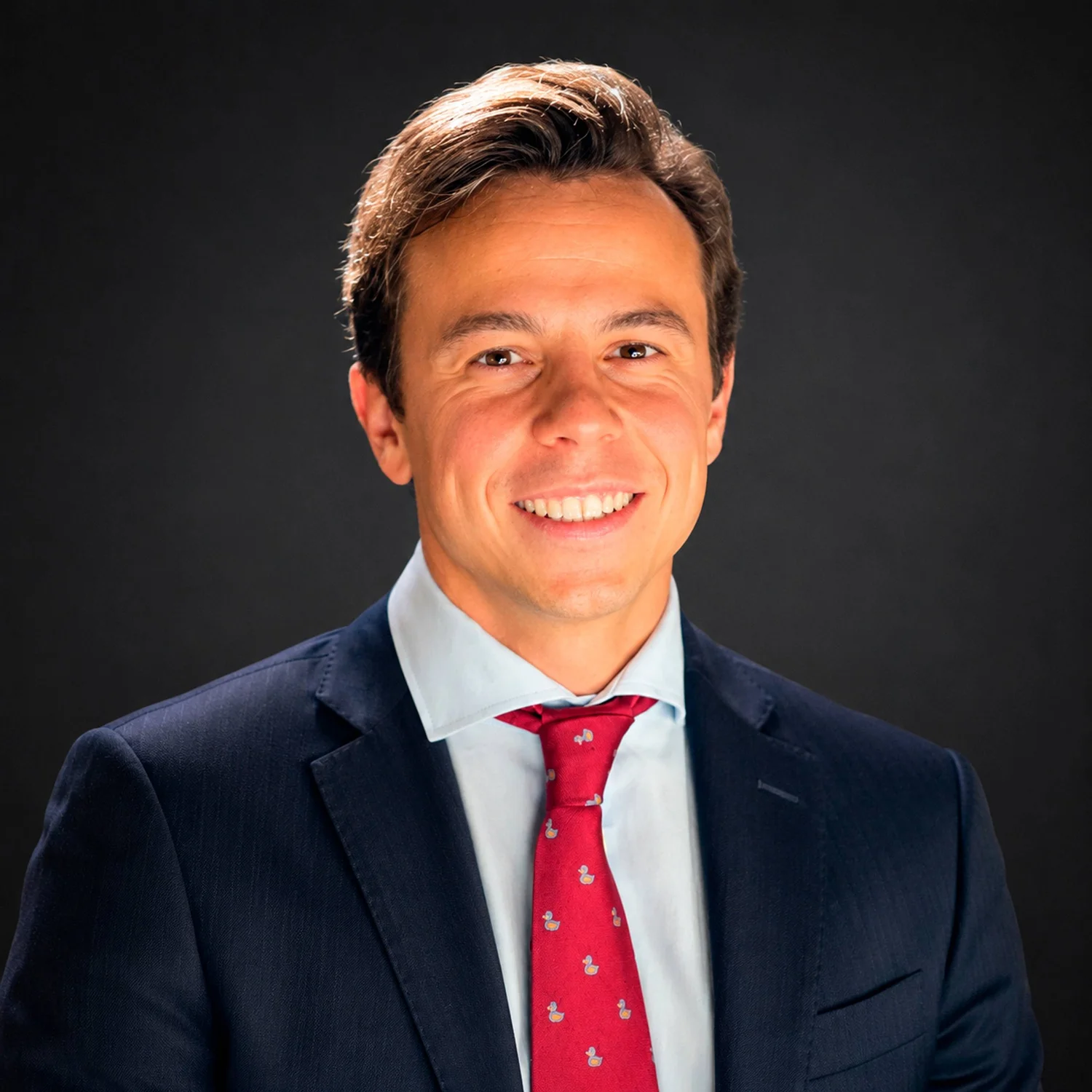
The $7.5 Trillion Gamble on AI Domination & The Future of Humanity w/ NACHO DE GREGORIO
Jul 101:43:27Tap to summarizeFor over a decade, technology has promised to make life easier. Social media was meant to connect us, we were told smartphones would simplify our lives, and now artificial intelligence promises to lift even more daily burdens. Yet these advances also raise an important question: when do tools enhance human creativity, and when do they replace the very experiences that give life meaning? While AI holds immense promise, many people face challenges coping with current technological advancements that ‘redefine’ human communication, work, education, and democratic values. Today, we examine societal and cultural impacts of AI, identity, inclusion, governance, education, and community well-being. And are speaking with Nacho de Gregorio, author of TheWhiteBox, one of Medium's most-followed AI analysts, for a level-headed conversation about both the remarkable potential and the real limitations of AI.(0:00) The AI compute gap and national security(1:56) The hidden risks of the AI debt bubble(4:40) Separating AI hype from job displacements(12:38) Shadow borrowing and the data center boom(17:19) Europe's missing infrastructure and tech sovereignty(21:52) The Jevons paradox and the demand for compute(26:37) Regulatory capture and doomerism(31:12) Why open source AI is the best path forward(42:19) The chess paradox and the future of human art(46:35) Unmeasurable domains and future-proofing your career(53:45) Tutoring and AI in education(1:01:48) Navigating the AI slop and information ecosystem(1:16:00) Finding beauty in the natural world(1:20:18) The pleasure of waiting vs. the hustle(1:35:01) Setting healthy boundaries with technologyEpisode Websitewww.creativeprocess.info/podInstagram:@creativeprocesspodcast
Transcribe →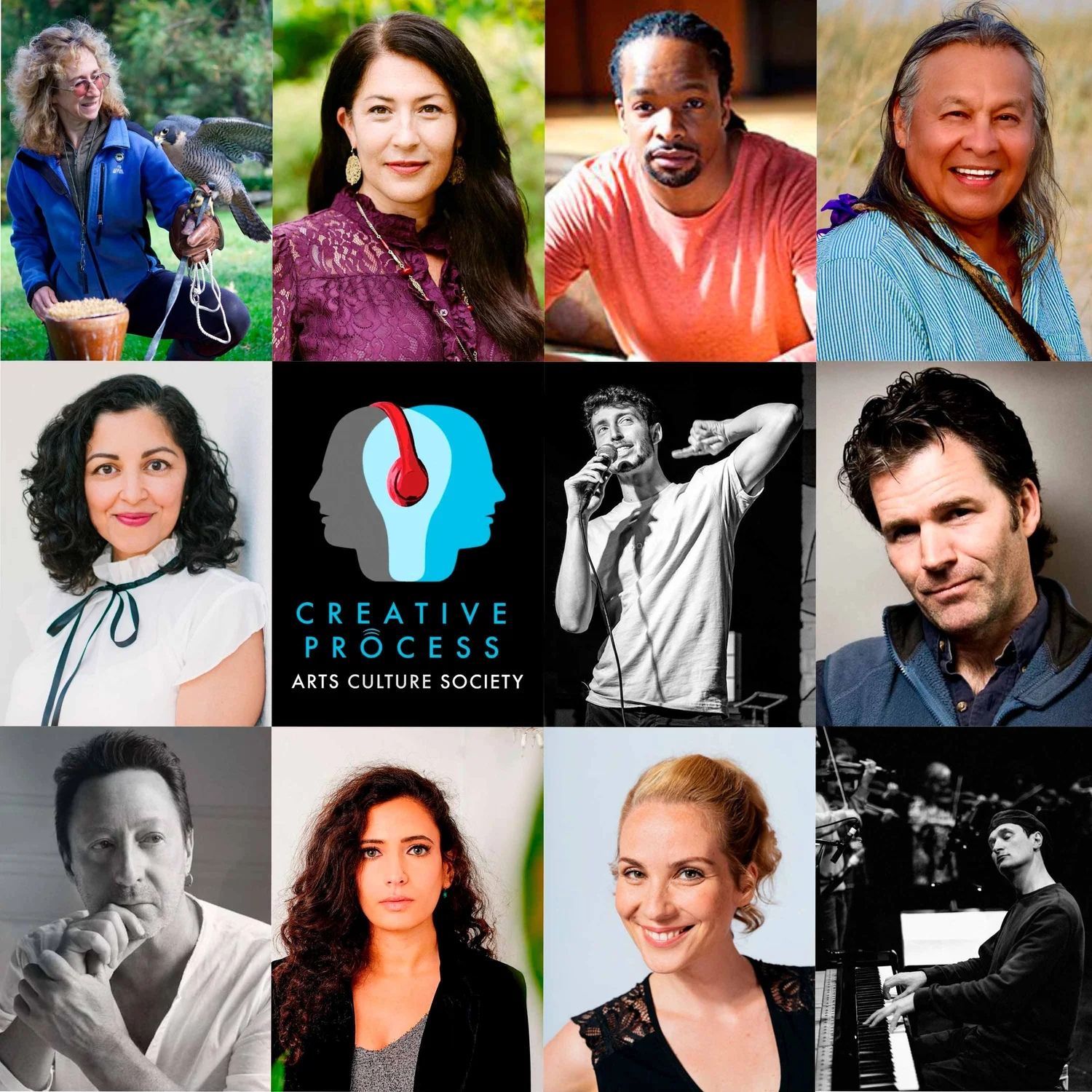
Humans as Storytelling Animals: Poets, Novelists & Musicians on the Power of Writing
Jun 1600:17:27Tap to summarizeWhy do we write? Is it to capture a memory before it vanishes or to build a bridge between the person we are and the stories we've been told? In this episode of The Creative Process, we explore the practice of writing as an awakening and tool for discovery with a group of celebrated poets, novelists, musicians and thinkers.We hear from neuroscientist, dancer and author Julia Christensen on how literature inspires transformative aesthetic experiences. Award-winning poet and clinical psychologist Hala Alyan discusses navigating displacement through narrative, while bestselling author Andre Dubus III reflects on the honest labor of the writer and the willingness to fail.Pulitzer Prize-winning poet Jericho Brown shares how the sounds of American vernacular guide his work and Fmr. US Poet Laureate Ada Limón discusses holding hope within frightening thoughts about the future of our planet. NYT Bestseller Aimee Nezhukumatathil speaks on tenderness towards the natural world and naturalist Sy Montgomery shares how animals have been her greatest teachers.The conversation expands with poet Max Stossel on finding humanity in conflict, Tiokasin Ghosthorse on the ancient energy of the earth and Julian Lennon on art as a collective human endeavor. Finally, composer Erland Cooper takes us to the landscape of his youth, where the sound of the sea informed his creative voice. To hear more from each guest, listen to their full interviews.Episode Websitewww.creativeprocess.info/podInstagram:@creativeprocesspodcast
Transcribe →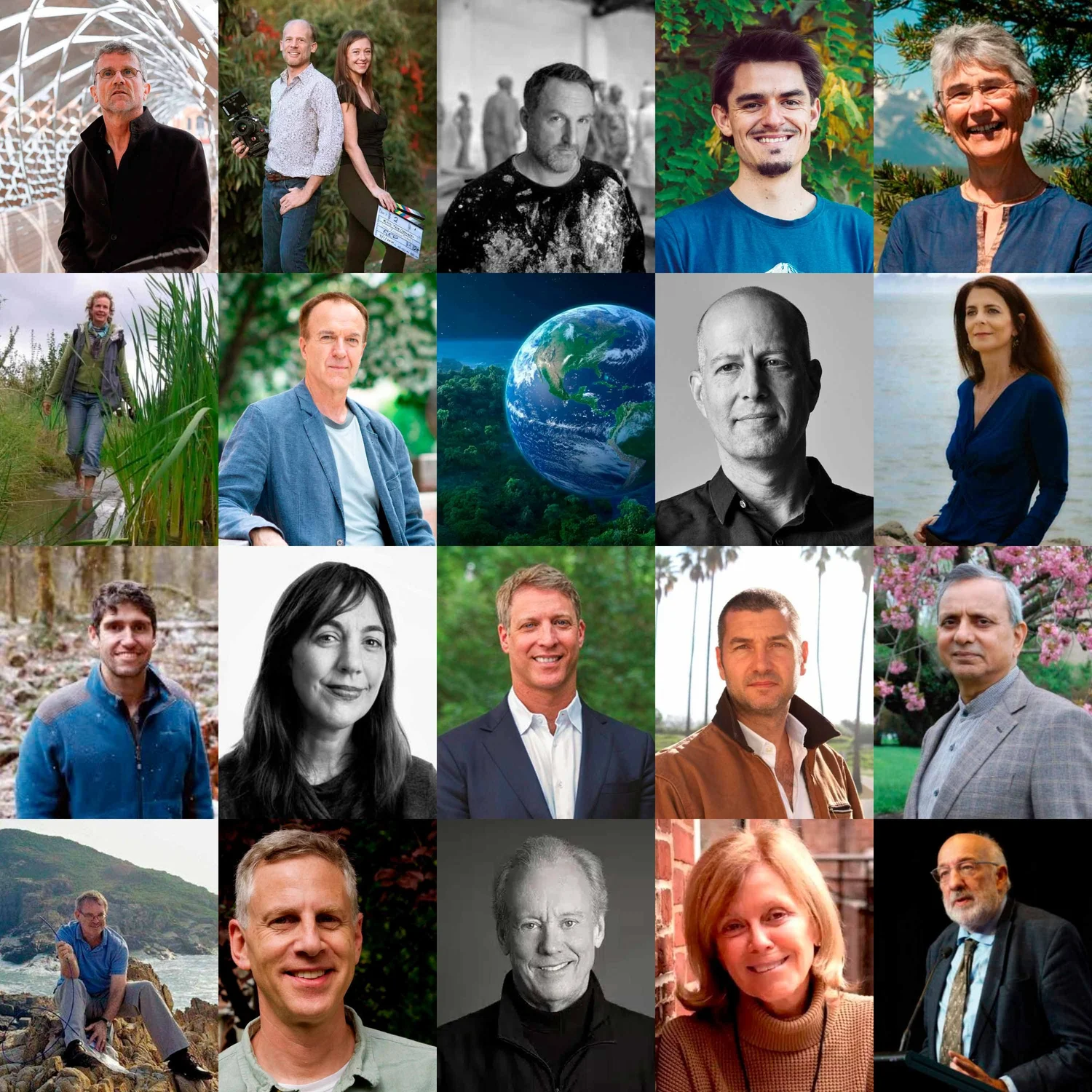
From Extraction to Regeneration: Redesigning Our Relationship with Nature
Jun 100:35:47Tap to summarizeToday, we examine how we will adapt to a changing climate and learn to listen to the Earth.(0:00) Abrahm Lustgarten(Reporter, ProPublica) (3:00) Jon Gertner (Author, The Ice at the End of the World) (5:32) Bill Hare (CEO, Climate Analytics) (6:35) Rob Nixon (Prof. Environmental Humanities, Princeton) (8:12) Louis de Jaeger (Co-founder, Food Forest Institute) (10:06) Kathleen Rogers (Pres., EarthDay.org) (11:31) Rebecca Tickell (Filmmaker, Groundswell) (13:42) Ben Goldfarb (Author, Crossings) (14:56) Jane Madgwick (CEO, Plantlife International) (19:23) Jason deCaires Taylor (Sculptor, Underwater Museums) (21:02) William McDonough (Architect, Cradle to Cradle) (23:19) Euan Nisbet(Scientist, Royal Holloway) (26:06) Roland Geyer (Author, The Business of Less) (28:15) Ron Gonen (CEO, Closed Loop Partners) (29:34) Paul Shrivastava (Co-President, Club of Rome) (30:14) Carlo Ratti (Architect, Dir., MIT Senseable City Lab) (31:24) Osprey Orielle Lake (Founder, WECAN) (32:38) Liza Featherstone (Journalist) (33:41) Yolanda Kakabadse (Fmr. President, WWF)For more, listen to their full interviewsEpisode Site: https://www.creativeprocess.info/interviews-featured/anth-regen
Transcribe →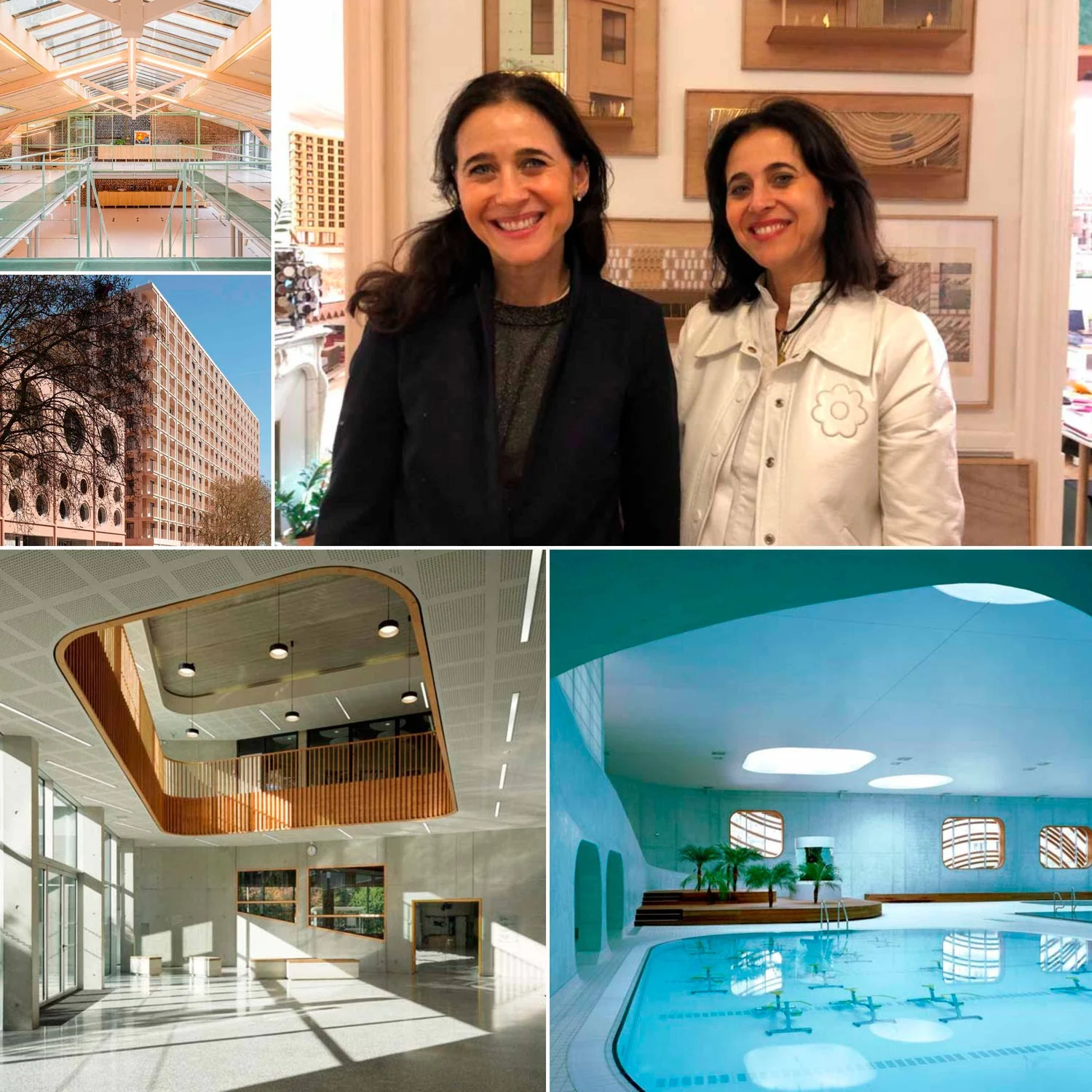
Building Bridges Between Memory, Nature & Architecture with SALWA & SELMA MIKOU
May 1301:18:49Tap to summarize“Architecture should bring a true sensation of wellbeing. We were really lucky to experience that as children, and now as architects, we try to bring all that we learned into our practice.”Salwa and Selma Mikou are the founders of Paris-based Mikou Architecture. Born in Fez, Morocco and educated in Paris, they have spent the last two decades reimagining the relationship between the built environment and the cultural landscape.After honing their craft under two of the world’s most iconic architects, Jean Nouvel and Renzo Piano, they founded their own studio. For them, architecture is a living interaction with landscape and what they call the Atlas of Resonance, interpreting the hidden layers of a territory, geology, memory, and craft. It is a philosophy that rejects the generic, seeking instead to weave together technological innovation with local materials. Whether it is a mosque in the north of England or a hybrid innovation hub in a former royal manufactory, their work asks a fundamental question: How does space shape the way we think, learn and remember?They were selected by Rem Koolhaas to represent Morocco at the Venice Biennale. Most recently, they were commissioned by Hermès to create a 17,000-square-meter facility that bridges industrial performance with poetic expression. At the heart of their practice is a belief that architecture is not just about building—it’s about shaping relationships: between people, between past and future, between technology and craft.(0:04) The Intuitive Knowledge of Living Art(4:24) The Medina and the Geometry of Childhood(8:18) The Social Spaces of Rooftops(13:46) The Intuitive Knowledge of Living Art(15:31) Contextual Echoes & Traces of the Site(19:18) The Twin Dynamic and Confrontation with 'l'autre'(26:42) The Temples of Water(33:24) The Mosque as Pure Spatiality(38:01) The Crisis Period and Structural Systems(48:24) Building Culture with Yves Saint Laurent & Pierre Bergé(51:38) The Wast ed-dar (وسط الدار) and the Heart of a Building(57:02) Preserving the Human Core of Expression(1:04:29) Urban Acupuncture in the Modern City(1:08:46) The Smells and Sounds of Home(1:10:02) Balance, Nature, and SisterhoodEpisode Websitewww.creativeprocess.info/podInstagram:@creativeprocesspodcast
Transcribe →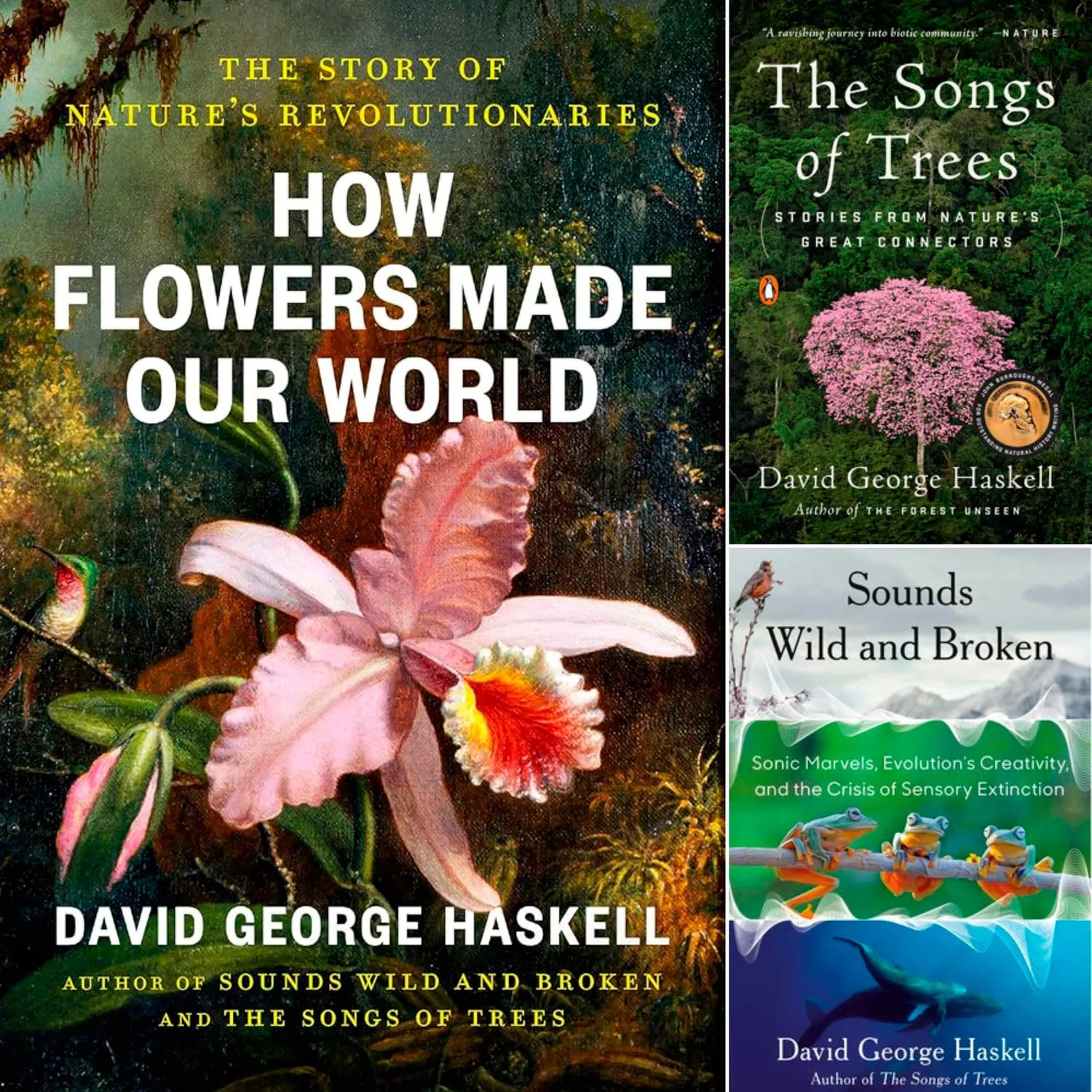
Listening to the Living World: Biologist DAVID GEORGE HASKELL on Flowers, Forests & Songs of Nature - Highlights
Apr 1800:17:58Tap to summarizeStep into the deep time of the forest floor, where a single fallen leaf contains the history of the world, and invisible fungal networks hum with ancient conversations. Biologist and acclaimed author David George Haskell reveals a staggering truth: we are completely dependent on the botanical world, and our belief in strict human individuality is a biological illusion.Haskell has spent much of his life training himself to see the universal within the infinitesimally small. He's famously sat for a year in a single square meter of Tennessee's forest, a mandala experience that revealed the deep history of the world through a single fallen leaf. He's a two-time finalist for the Pulitzer Prize for his books The Forest Unseen and Sounds Wild and Broken, and he received the John Burroughs Medal for The Songs of Trees.His work often focuses on what he calls the unwaged labor of the natural world, the complex biological communities that sustain our planet without a monetary ledger. And his latest book is How Flowers Made Our World. In it, he argues that we are essentially grass apes dependent on the ancient innovations of flowering plants for two-thirds of our daily calories. (0:00) How Flowers Made Our World(1:33) Networked Connection is the Foundation of Life(2:00) Contemplating the Small(4:07) Consciousness, Intelligence & Memory in the More-Than-Human-World(4:18) We Are Grass Apes(5:41) Memories of His Childhood in Paris & Wild Orchids(6:34) The Networked Intelligence of Forests(7:45) The Earth in Full Song(8:46) The Practice of Listening(10:11) Escaping the Screen: Real Connections in the Classroom(11:35) The True Cost of AI(12:11) Transforming Ourselves(14:23) Silence Without Expectation(15:32) A Sensory Legacy for the FutureEpisode Websitewww.creativeprocess.info/podInstagram:@creativeprocesspodcast
Transcribe →
How Flowers Made Our World: DAVID GEORGE HASKELL on Deep Time, Plant Intelligence & Listening to the Living World
Apr 1801:26:14Tap to summarizeWhat if the defining revolution of Earth's history wasn't led by animals or humans, but by flowers? Are we truly individuals, or are our bodies and minds just walking ecosystems?Our guest today is David George Haskell, a biologist who has spent much of his life training himself to see the universal within the infinitesimally small. He's famously sat for a year in a single square meter of Tennessee's forest, a mandala experience that revealed the deep history of the world through a single fallen leaf. He's a two-time finalist for the Pulitzer Prize for his books The Forest Unseen and Sounds Wild and Broken, and he received the John Burroughs Medal for The Songs of Trees.His work often focuses on what he calls the unwaged labor of the natural world, the complex biological communities that sustain our planet without a monetary ledger. And his latest book is How Flowers Made Our World. In it, he argues that we are essentially grass apes dependent on the ancient innovations of flowering plants for two-thirds of our daily calories.(0:00) How Flowers Made Our WorldThe incredible ancient history of flowers on Earth(4:56) Contemplating the SmallExpanding our world by restricting our gaze(14:30) The Illusion of IndividualityWhy atomism is false and interconnectedness is the foundation of life(26:08) We Are Grass ApesThe evolutionary origins of humans and our dietary dependence on grass(33:32) Memories of His Childhood in Paris & Wild Orchids(38:55) The Networked Intelligence of ForestsHow trees communicate and share resources beneath the soil(44:00) The Earth in Full SongTracing the sonic history of our planet(51:08) The Practice of ListeningWhy tuning in to the natural world is crucial for our survival(1:01:21) Silence Without ExpectationSitting with nature without demanding progress or enlightenment(1:11:01) Transforming OurselvesWhy personal change matters in the fight for the climate(1:15:20) Escaping the ScreenFinding real human-to-human connection away from technology(1:16:16) The True Cost of AIThe devastating impact of data centers on our fossil fuel consumption(1:23:18) A Sensory Legacy for the FutureWhat we must preserve for the generations not yet bornEpisode Websitewww.creativeprocess.info/podInstagram:@creativeprocesspodcast
Transcribe →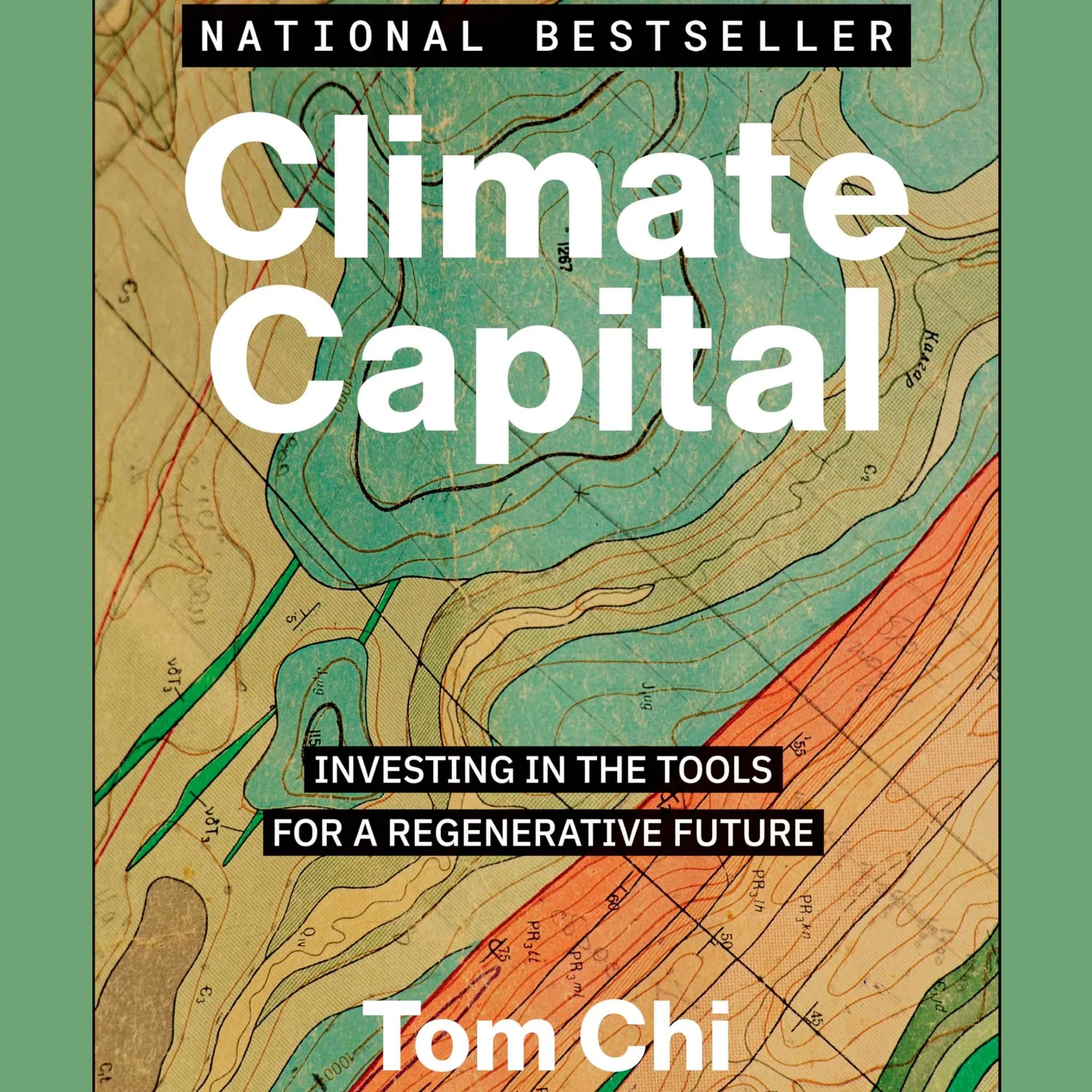
Why Do We Listen to the Talkers More Than the Builders Saving the Planet? - TOM CHI - Highlights
Apr 1700:22:25Tap to summarizeWhy does our economy treat environmental destruction as an inevitable side effect rather than a massive design flaw? How can shifting our focus from polarizing "talkers" to practical "builders" literally save the planet? We are repeatedly told that the climate crisis is too vast and volatile to solve, but what if the true obstacle is simply bad design?Tom Chi is a physicist, designer, inventor, and investor whose work has shaped everything from Google Glass and rapid prototyping at Google X to some of the most ambitious climate technologies being built today. He’s now the founding partner of At One Ventures, where he invests in deep-tech companies focused on a bold goal: a world where humanity is a net positive to nature.Tom’s new book, Climate Capital: Investing in the Tools for a Regenerative Future, reframes economics itself—not as a fixed law, but as a design discipline that can be reimagined to align with the physical realities of our planet. Drawing on science, systems thinking, and lessons from nature, the book offers a grounded, practical framework for moving beyond both climate doom and empty optimism—and toward real, regenerative solutions. Today’s conversation is about what Tom calls the 4Cs: Capital, Compassion, Climate, and Community—but also about agency, responsibility, and what becomes possible when we stop treating the future as something that happens to us and start designing it deliberately.0:00) Build Integrity: Choosing Builders Over TalkersWhy prioritizing those who physically create solutions over those who merely debate them is essential for systemic change(1:21) Overcoming Powerlessness Through Creativity, Critical Thinking, Community CompassionUtilizing a specific framework of portable skills to move from climate anxiety into meaningful, iterative action(2:22) Capital Misallocation: Taxing What We Want to SeeA critique of current tax structures that burden labor while under-taxing capital and failing to serve societal needs(3:47) The Volatility Gap: Why Average Temperatures MisleadUnderstanding why increasing climate volatility—rather than just average temperature rise—is the true driver of human distress(6:19) Economics As Design: Redesigning The Global EngineMoving beyond "physics envy" in economics to treat the global market as a discipline that can be redesigned for better outcomes(9:11) Depth Over Breadth: Reforming Education Through Experience(13:30) Local Resilience: How Cities Can Lead The TransformationPractical, block-by-block strategies for urban adaptation, from expanding tree canopies to improving household efficiency(16:33) AI and Robotics in Agriculture(19:12) Human-Centric AI: Flipping The Priority Of Automation(20:18) Thinking In Pictures: A Language Beyond WordsEpisode Websitewww.creativeprocess.info/podInstagram:@creativeprocesspodcast
Transcribe →