
Podcast
EMplify by EB Medicine
Hosted by EB Medicine · EN
Take a deeper dive into our peer-reviewed emergency medicine content with the EMplify podcast. Join hosts Sam Ashoo, MD and T.R. Eckler, MD for educational, conversational reviews of current evidence guaranteed to help you make your best clinical decisions. Each high-yield episode gives you practical, time-tested guidance from practicing emergency medicine clinicians and subject-matter experts. Listen and learn!
15episodes
Episodes
Newest firstAll episodes
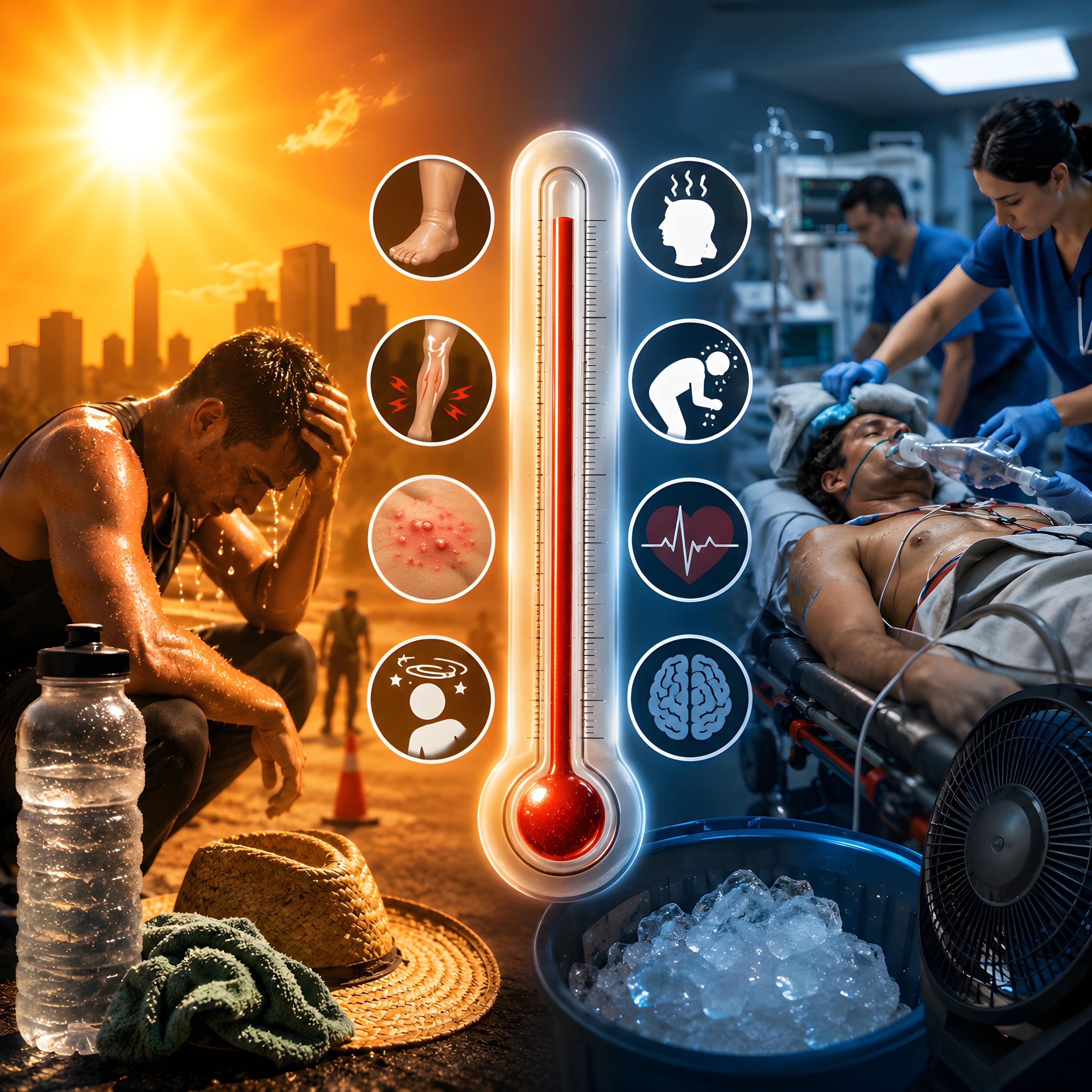
Heat Stroke and Other Heat-Related Illness
Jun 2600:19:32Tap to summarizeIn this episode, Sam Ashoo, MD and Dr. T.R. Eckler, MD discuss the June 2026 Emergency Medicine Practice article, Diagnosis and Management of Heat Stroke and Other Heat-Related Illness in the Emergency Department0:21 Intro & Promo0:56 Episode Introduction3:14 Spectrum of Heat-Related Illnesses7:37 Differential Diagnosis8:58 Pre-Hospital Management11:54 Exertional Heat Stroke13:50 Non-Exertional Heat Stroke15:40 ED Evaluation21:54 ED Treatment27:15 Managing Complications29:33 Special Populations30:58 Disposition & J-ERATO Score33:12 Risk Management Pearls36:56 Wrap-Up & PromoSubscribers, take the CME test here.Emergency Medicine Residents, get your free subscription by writing resident@ebmedicine.net
Transcribe →
Febrile Travelers
May 2700:23:03Tap to summarizeIn this episode, Sam Ashoo, MD and Dr. T.R. Eckler, MD discuss the May 2026 Emergency Medicine Practice article, Emergency Department Evaluation and Management of Serious and High-Risk Infections in the Febrile Returning Traveler.0:16 — Podcast Introduction1:08 — Episode Introduction7:30 — Malaria13:55 — Dengue17:33 — Enteric Fever (Typhoid/Paratyphoid)20:53 — Leptospirosis22:43 — Clinical Presentations26:33 — Diagnostic Testing33:17 — Treatment38:59 — Special Populations & Risk Pitfalls43:05 — Closing Pearls & OutroSubscribers, take the CME test here. Emergency Medicine Residents, get your free subscription by writing resident@ebmedicine.net
Transcribe →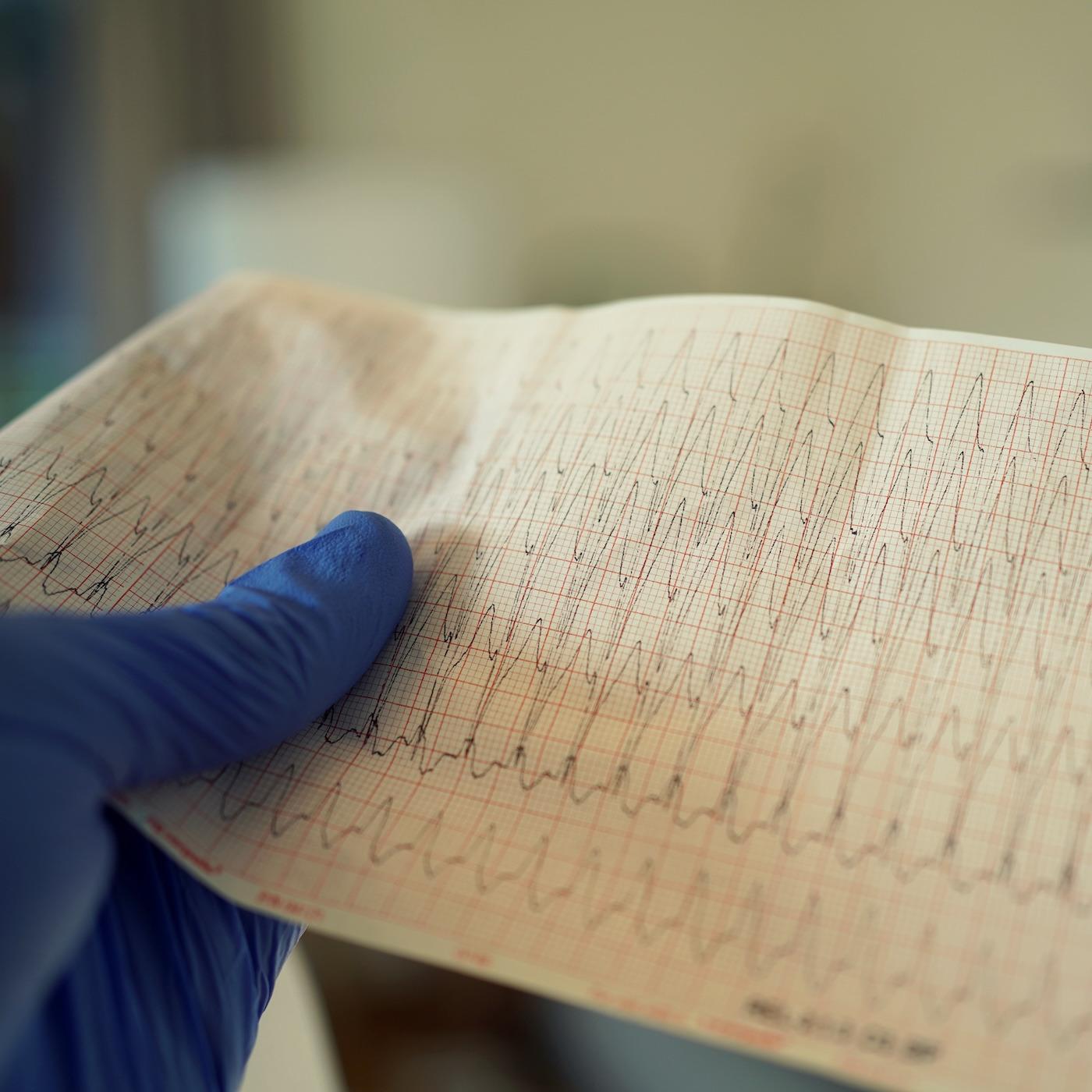
Wide Complex Tachycardia
Apr 27Tap to summarizeIn this episode, Sam Ashoo, MD and Dr. T.R. Eckler, MD discuss the April 2026 Emergency Medicine Practice article, Wide Complex Tachycardia in the Emergency Department: An Updated Approach to Diagnosis and Management. Introduction – 0:11Article Overview – 2:02Top 5 Bedside Steps – 7:54Sodium Channel Blockade – 9:26Hyperkalemia – 11:53SVT with Aberrancy – 12:47WPW & Accessory Pathway – 13:34AFib with Accessory Pathway – 14:09Monomorphic VT – 19:01Polymorphic VT / Torsades – 20:08Bidirectional VT – 21:29Pacemaker-Mediated Tachycardia – 22:30Pre-Hospital Considerations – 24:52Stable vs. Unstable Assessment – 27:58Diagnostic Studies – 29:42Treatment – 38:00Risk Management Pitfalls – 44:49Wrap-Up – 49:44Subscribers, take the CME test here.Emergency Medicine Residents, get your free subscription by writing resident@ebmedicine.net
Transcribe →
Medical AI with Jack Teitel
Apr 1000:19:10Tap to summarizeIn this episode, Sam Ashoo, MD interviews Jack Teitel on the topic of AI in medicine. Introduction & Welcome — 0:17Jack's Background in Healthcare AI — 0:58Brief History of AI — 3:57The "Perfect Storm" That Created Modern AI — 5:48From General to Specialized: Fine-Tuning AI for Medicine — 7:04LLM Confidence & the Sycophancy Problem — 13:01The Benchmark Problem — 14:25Building Your Own Personal AI Benchmark — 17:44Can You "Turn Off" AI Sycophancy? — 20:00RAG Systems & How Specialty AI Tools Work — 22:09Choosing the Right AI Tool for Clinical Use — 26:18Why 95% of AI Pilots Fail in Deployment— 28:10How to Ask AI Questions Well (Prompt Quality) — 31:25Knowledge Base Currency & Sam's Drug Withdrawal Test — 35:06Closing & Contact Info — 37:12For more about Jack Teitel - Title-AI.com Emergency Medicine Residents, get your free subscription by writing resident@ebmedicine.net
Transcribe →
Severe Traumatic Brain Injury with Dr. Dana Klavansky
Mar 1300:22:31Tap to summarizeIn this episode, Sam Ashoo, MD and Dr. Dana Klavansky, MD discuss the March 2026 Emergency Medicine Practice article, Emergency Department Evaluation and Management of Severe Traumatic Brain InjuryIntroduction & Welcome (0:15)Guest Introduction (0:55)Epidemiology of Severe TBI (2:37)Pathophysiology: Primary vs. Secondary TBI (4:24)Types of Hemorrhage and Hematomas (5:25)Classification (7:31)Mild vs. Moderate vs. Severe TBIImpact Loading vs. Inertial LoadingDifferential Diagnosis (9:22)Prehospital Care (9:42)Emergency Department History (13:33)Diagnostics (15:13)CT Scan and the A-B-B-B-C ApproachRepeat CT TimingBedside Ultrasound for Optic Nerve Sheath DiameterPupillometryBiomarkersTreatment (24:52)Airway ManagementVentilation and CO2 TargetsHyperosmolar Therapy: Hypertonic Saline and MannitolCerebral Perfusion PressureBlood Pressure GoalsTemperature ManagementCoagulopathy ManagementSeizure Prophylaxis and EEG MonitoringTiered ICP Management (35:29)Surgical Indications (38:40)Prognosis (40:33)Special Topics (41:30)Sports Injuries and CTETranexamic Acid (CRASH-3 Trial)Wrap-Up (43:46)Subscribers, take the CME test here. Emergency Medicine Residents, get your free subscription by writing resident@ebmedicine.net
Transcribe →
Acute Coronary Occlusion
Mar 100:27:34Tap to summarizeIn this episode, Sam Ashoo, MD and T.R. Eckler, MD discuss the February 2026 Emergency Medicine Practice article, Emergency Department Diagnosis and Management of Acute Coronary Occlusion00:00 - Introduction & Welcome01:21 - Episode Overview: Acute Coronary Occlusion02:06 - Why This Topic Matters: Statistics & New Guidelines03:35 - Nomenclature: ACO vs STEMI/NSTEMI06:15 - Differential Diagnosis for STEMI07:41 - Pre-Hospital Care & EMS Role11:37 - Patient History & Presenting Symptoms12:28 - Physical Examination Findings14:54 - EKG: The Most Important Test17:00 - STEMI Definition & Criteria20:32 - STEMI Equivalents: Scarbosa Criteria22:40 - Smith Modified Scarbosa Criteria24:10 - Hyperacute T Waves25:30 - Posterior STEMI28:40 - De Winter Sign29:38 - Non-STEMI EKG Findings31:30 - AVR ST Elevation32:47 - Wellens Syndrome33:54 - Reciprocal ST Segment Changes36:15 - Inferior MI Patterns37:54 - Laboratory Testing39:51 - Imaging: Chest X-Ray & Echocardiography42:25 - Supplemental Oxygen: What the Evidence Shows44:50 - Analgesia & Pain Management46:35 - Pharmacotherapy: Aspirin & Antiplatelet Agents49:18 - Reperfusion Therapies & Thrombolytics53:05 - Cardiac Arrest in STEMI Patients53:55 - Closing Remarks & CME InformationSubscribers, take the CME test here.Emergency Medicine Residents, get your free subscription by writing resident@ebmedicine.net
Transcribe →
Being A Pre-Litigation Expert with Jeff Willis, MD
Feb 1100:24:05Tap to summarizeIn this episode, Sam Ashoo, MD interviews Jeff Willis, MD on the topic of pre-litigation review, being a medical expert, and common pitfalls leading to medical malpractice cases. 0:15 Introduction0:51 Guest Introduction1:20 Jeff's Background2:00 Current Work3:37 How He Got Started6:57 Pre-Litigation vs. Expert Witness8:01 Four Components of Malpractice Cases13:55 Case Review Statistics17:11 When Cases Get Filed18:58 Common Patterns in Cases19:55 Documentation Best Practices22:06 Shift Handoff Problems25:56 Bounce Backs27:25 Medical Record Volume30:00 Audit Trails32:53 Communication with Consultants41:35 Conflicting Documentation43:46 Getting Started in This Work47:37 ClosingEmergency Medicine Residents, get your free subscription by writing resident@ebmedicine.net
Transcribe →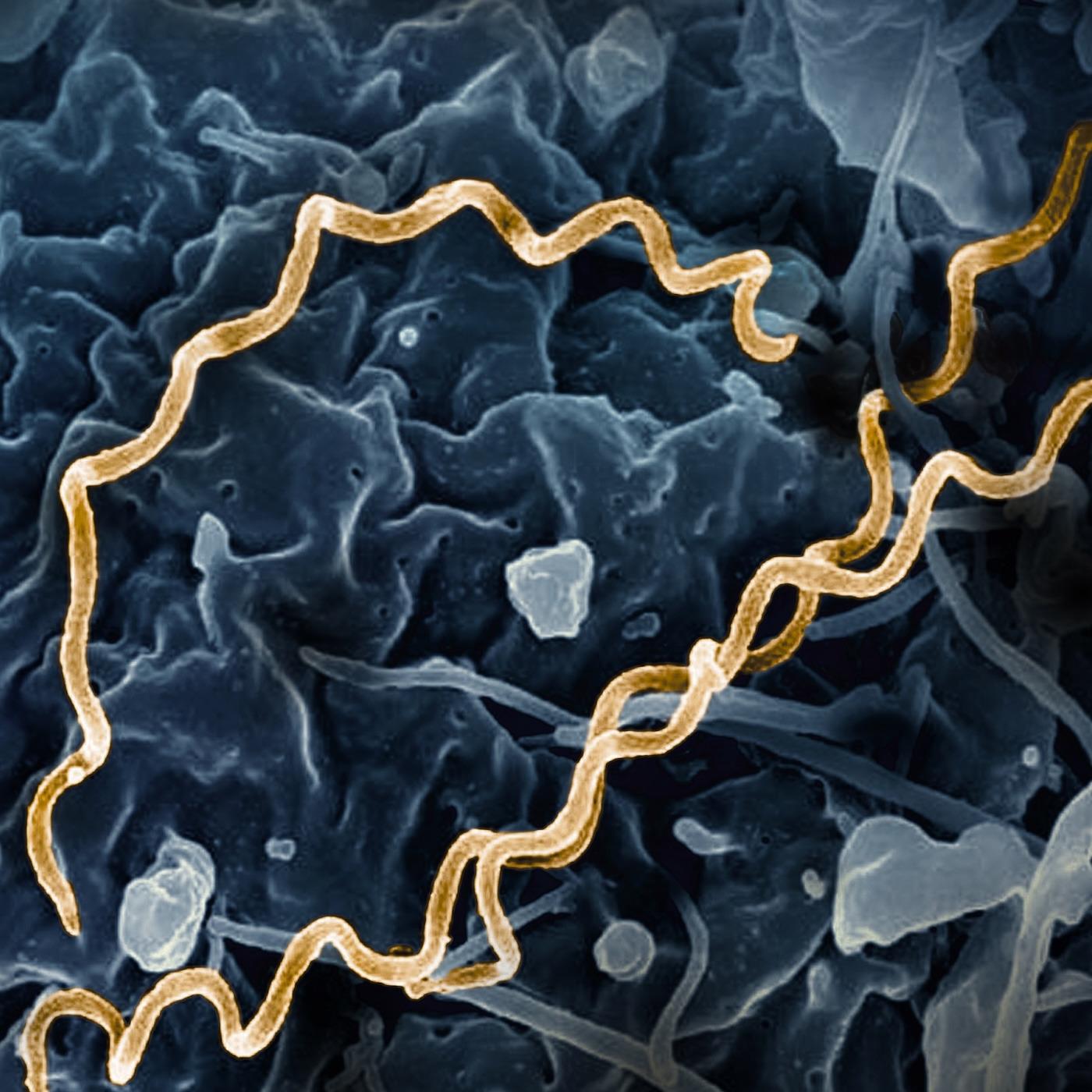
Syphilis: The Great Masquerader
Jan 3000:21:48Tap to summarizeIn this episode, Sam Ashoo, MD and T.R. Eckler, MD discuss the Januray 2026 Emergency Medicine Practice article, Emergency Department Diagnosis and Management of Patients With SyphilisSyphilis cases have surged 42% in the US, making it critical for emergency physicians to recognize and treat this "great masquerader." In this episode, hosts Sam Ashoo and Dr. T.R. Eckler break down the January 2026 Emergency Medicine Practice article on syphilis diagnosis and management. They cover the rising prevalence in high-risk populations, the four clinical stages (primary, secondary, latent, and tertiary), special presentations like neurosyphilis and congenital syphilis, and practical diagnostic approaches. With a national penicillin shortage, they discuss alternative treatment options including doxycycline and post-exposure prophylaxis. The conversation also addresses the dark history of the Tuskegee Study and its lasting impact on medical ethics. Whether you're seeing more cases in your ED or want to sharpen your diagnostic skills, this episode provides actionable insights for frontline providers.Timestamps[0:00] Opening/Introduction[0:11] Host Welcome & Resources[0:50] Episode Introduction[1:30] Epidemiology & Rising Cases[4:30] Risk Factors & Screening[6:30] Pathophysiology & Transmission[9:30] Primary Syphilis[12:30] Secondary Syphilis[15:30] Tertiary & Latent Syphilis[18:30] Neurosyphilis[22:30] Congenital Syphilis[25:30] Ocular & Otic Syphilis[28:30] Differential Diagnosis & Pre-hospital Care[31:30] History & Physical Examination[34:30] Diagnostic Testing Overview[38:30] Testing Details & Titers[41:30] Treatment: Penicillin & Alternatives[43:30] ClosingSubscribers, take the CME test here.Emergency Medicine Residents, get your free subscription by writing resident@ebmedicine.net
Transcribe →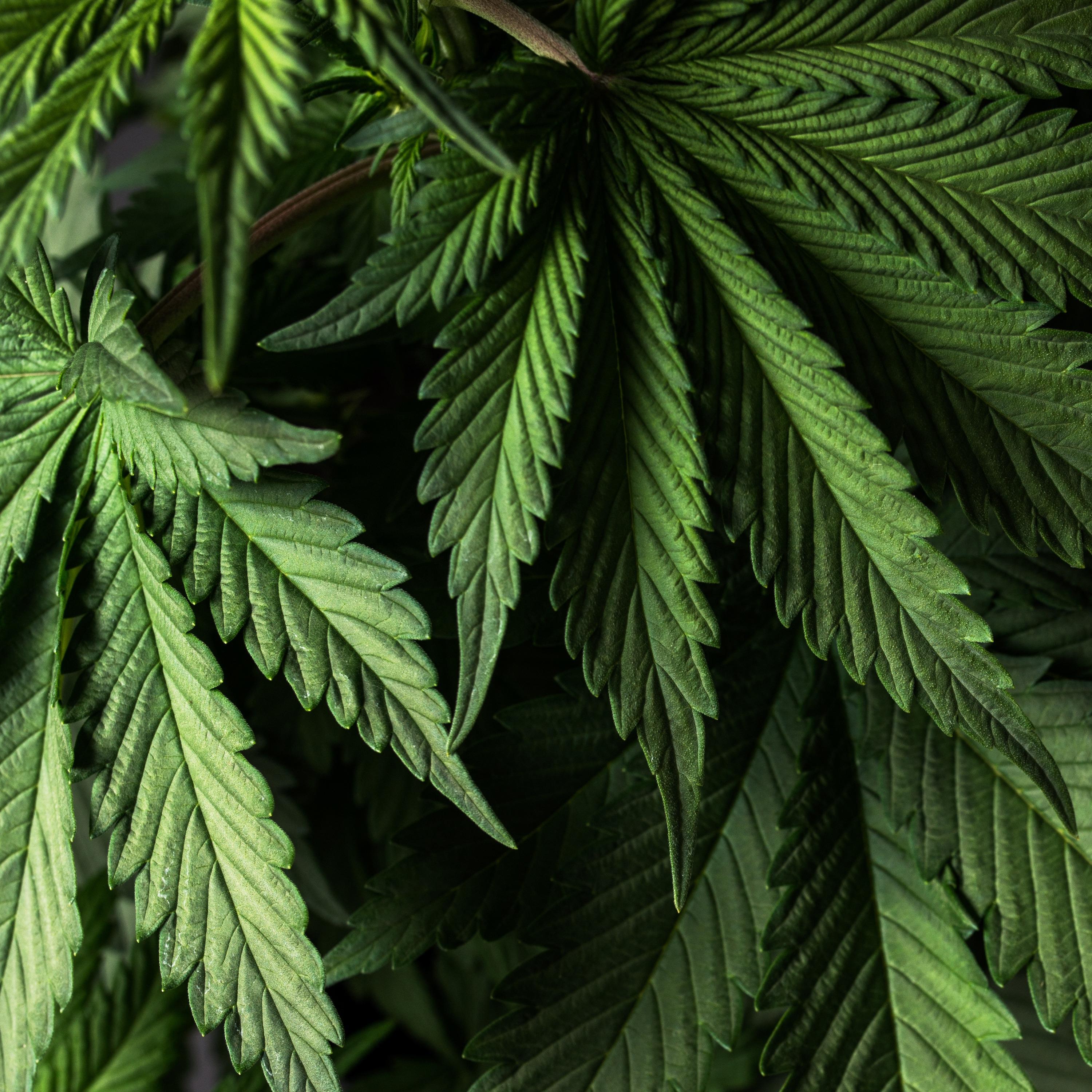
Cannabis Related Emergencies
Dec 2800:20:46Tap to summarizeIn this episode, Sam Ashoo, MD and T.R. Eckler, MD discuss the December 2025 Emergency Medicine Practice article, Diagnosis and Management of Cannabis-Related EmergenciesEpisode Outline: [0:00] IntroductionWelcome and show overview by Sam AshooMention of resources at ebmedicine.net[0:46] Episode StartHosts introduce themselves: Sam Ashoo and Dr. T.R. EcklerDr. Eckler’s background and experience with cannabis cases in Colorado[1:16] Topic IntroductionFocus on diagnosis and management of cannabis-related emergenciesPrevalence and importance in emergency medicine[1:34] Legal LandscapeOverview of cannabis legality across statesMedicinal vs. non-medicinal use[3:03] Increase in ED VisitsStatistics: ~1 million cannabis-related ED visits annuallyDemographics: younger population most affected[3:52] Synthetics and ChallengesDiscussion of synthetic cannabinoids and their risksIssues with detection and legality[4:50] Clinical SpectrumRange of presentations: from nausea/vomiting to psychosis and seizuresImpact on different age groups[6:34] FDA-Approved UsesCannabis-derived products approved for specific medical conditions[7:20] Physiology and PathophysiologyCannabinoid receptors (CB1 and CB2) and their effectsDifferences between plant-derived and synthetic cannabinoids[9:10] Chronic Use and WithdrawalDownregulation of receptors, withdrawal symptoms, and persistent nausea[10:20] Product Forms and Delivery MethodsSmoking, edibles, oils, tinctures, suppositories, topicals, etc.Risks associated with concentrated forms (e.g., wax, oils)[12:00] Clinical Effects by SystemPsychiatric: anxiety, psychosis, paranoiaCardiovascular: tachycardia, MI risk, QT prolongationPulmonary, renal, metabolic, dental, and ocular effects[13:50] Cannabinoid Hyperemesis Syndrome (CHS)Phases: prodrome, hyperemesis, recoveryHot showers as a diagnostic clue[16:00] Withdrawal SyndromeSymptoms and timelineExacerbation with synthetic cannabinoids[18:15] Counseling and ManagementImportance of cessation and patient educationTimeline for symptom improvement[18:42] Differential DiagnosisBroad differential for persistent nausea/vomiting and abdominal painImportance of considering other causes[20:55] Diagnostics and TestingLimitations of drug screens (false positives/negatives)Importance of EKG, labs, and imaging as indicated[23:10] Treatment ApproachesFirst-line: benzodiazepines, antiemetics (ondansetron, metoclopramide)Second-line: butyrophenones (haloperidol, droperidol), olanzapineCapsaicin as adjunct therapy[29:50] Complications and Special ConsiderationsRisks of undertreatment (e.g., Boerhaave syndrome, aspiration)Pediatric and pregnant populations: unique risks and reporting requirements[36:00] Five Practice-Changing TakeawaysElicit cannabis use historyKnow testing limitationsConsider ECG and appropriate labsUse butyrophenones when indicatedAdmit if symptoms are refractory[39:00] ConclusionEmergency Medicine Residents, get your free subscription by writing resident@ebmedicine.net
Transcribe →
Measles, Mumps, Rubella, and Varicella with Dr Tim Horeczko
Dec 1100:34:30Tap to summarizeIn this episode, Sam Ashoo, MD and Tim Horeczko, MD discuss the November 2025 Pediatric Emergency Medicine Practice article, Emergency Department Management of Measles, Mumps, Rubella, and Varicella in Pediatric Patients00:00 Introduction to Emergency Medicine00:21 Welcome and Holiday Greetings01:16 Special Guest Introduction01:41 Discussion on Pediatric Emergency Medicine04:55 Epidemiology of Measles08:16 Challenges in Diagnosing Measles14:27 Mumps: Symptoms and Complications27:36 Rubella: Risks and Symptoms29:28 Varicella: Symptoms and Precautions33:12 Differential Diagnosis and Conclusion35:14 Using Inductive Reasoning in Medical Diagnosis35:40 Recognizing Purpuric Rash and Its Implications36:22 Guidance for EMS Colleagues on Handling Fever and Rash37:14 Importance of Communication and Relationships with EMS39:12 Decontamination and PPE Protocols for EMS42:34 Detailed Patient Assessment in the ED46:06 Diagnostic Testing and Clinical Diagnosis49:20 Reporting Responsibilities and Treatment Protocols01:01:19 Addressing Vaccine Controversies and Public Trust01:06:25 Conclusion and Additional ResourcesCheck out Dr Horeczko's podcast - Pediatric Emergency PlaybookEmergency Medicine Residents, get your free subscription by writing resident@ebmedicine.net
Transcribe →