Podcast
Energy News Beat Podcast
Hosted by Stuart Turley · EN
Covering the energy markets around the world, one story at a time. Our daily podcast keeps you up to speed on all the latest energy news while our weekly interviews with energy industry experts keep you in the know for all things energy development. Follow us at energynewsbeat.com
55episodes
Episodes
Newest firstAll episodes

What is next for the Oil and Gas Markets?
Jul 600:58:15Tap to summarizeDoomberg stops by and drops some truth bombs around the cage. We cover his article for tomorrow and Friday and tee up his book. You can read all of Doomberg's articles on https://newsletter.doomberg.com/Doomberg stops by and drops some truth bombs around the cage. We cover his article for tomorrow and Friday and tee up his book. You can read all of Doomberg's articles on https://newsletter.doomberg.com/1. Sanctions Against Russia & Their IneffectivenessThe hosts discuss Doomberg's article "Treatment Resistant," which argues that sanctions against strong countries like Russia don't work as intended. They compare it to treating cancer—if you don't cure it, it comes back stronger. The EU's strategy of limiting Russian LNG exports while simultaneously importing Russian LNG is highlighted as contradictory and ineffective.2. EU Censorship & Free Speech ConcernsA significant portion focuses on European overreach in censorship, including a new European Court of Justice ruling that makes it illegal to even quote or critique Russian media. This threatens independent journalists and Substack creators, raising concerns about freedom of speech and the weaponization of sanctions enforcement.3. Ukraine War & Geopolitical StrategyThe conversation covers the ongoing conflict in Ukraine, including:Russian refinery damage from drone strikes and its actual impactThe importance of the land corridor to Crimea for RussiaCriticism of endless U.S. military involvement in foreign conflictsThe need for diplomatic talks between Trump, Putin, and Zelensky4. Energy Markets & Oil PricingDiscussion of current oil prices (~$68/barrel), refining capacity constraints, and the crack spread differences between Texas ($5) and California ($15). They debate whether oil will drop to $50 and discuss the role of NGLs (natural gas liquids) as an alternative hydrocarbon source.5. Peak Not Oil & NGL ProductionDoomberg presents the thesis that we're not running out of oil—instead, we're transitioning to abundant NGLs (propane, butane, ethane). U.S. NGL production is expected to cross 8 million barrels per day, offering cleaner-burning alternatives.6. NATO & U.S. Foreign PolicyCritical examination of:Article 5 obligations (e.g., defending Estonia)The Jones Act and its impact on energy pricesWhy the U.S. should focus on the Western Hemisphere rather than global conflictsThe dangers of nuclear proliferation resulting from military interventions7. California's Energy CrisisDiscussion of California's regulatory overreach, refinery closures, and how the temporary suspension of the Jones Act has helped provide cheaper energy to the state.8. Upcoming Doomberg Stories"Sources and Methods" (Friday) - Examining media bias and how to verify information in an age of AI and deepfakes"Blue Chips" (Tomorrow) - A gas-to-data project in the Permian involving Chevron, Microsoft, and GE9. Media Literacy & PropagandaThe hosts emphasize the importance of critical thinking, cross-referencing multiple sources (including alternative media), and understanding that major outlets like the Financial Times have biases and propaganda elements mixed with legitimate reporting.This episode is essentially a deep dive into energy geopolitics, the failures of Western sanctions policy, and the importance of independent analysis in an increasingly censored information landscape.Check out the Energy News Beat SubStack https://theenergynewsbeat.substack.com/A shout-out to Steve Reese and the Reese Energy Consulting group for sponsoring the Podcast https://reeseenergyconsulting.com/.Data2 if you have any business systems, can you trust A? Well, they have the patent on validation. . https://data2.zoholandingpage.com/energyAnd we have WellDatabase rolling in as a new sponsor. https://welldatabase.com/Check out the Energy News Beat SubStack https://theenergynewsbeat.substack.com/A shout-out to Steve Reese and the Reese Energy Consulting group for sponsoring the Podcast https://reeseenergyconsulting.com/.Data2 if you have any business systems, can you trust A? Well, they have the patent on validation. . https://data2.zoholandingpage.com/energyAnd we have WellDatabase rolling in as a new sponsor. https://welldatabase.com/
Transcribe →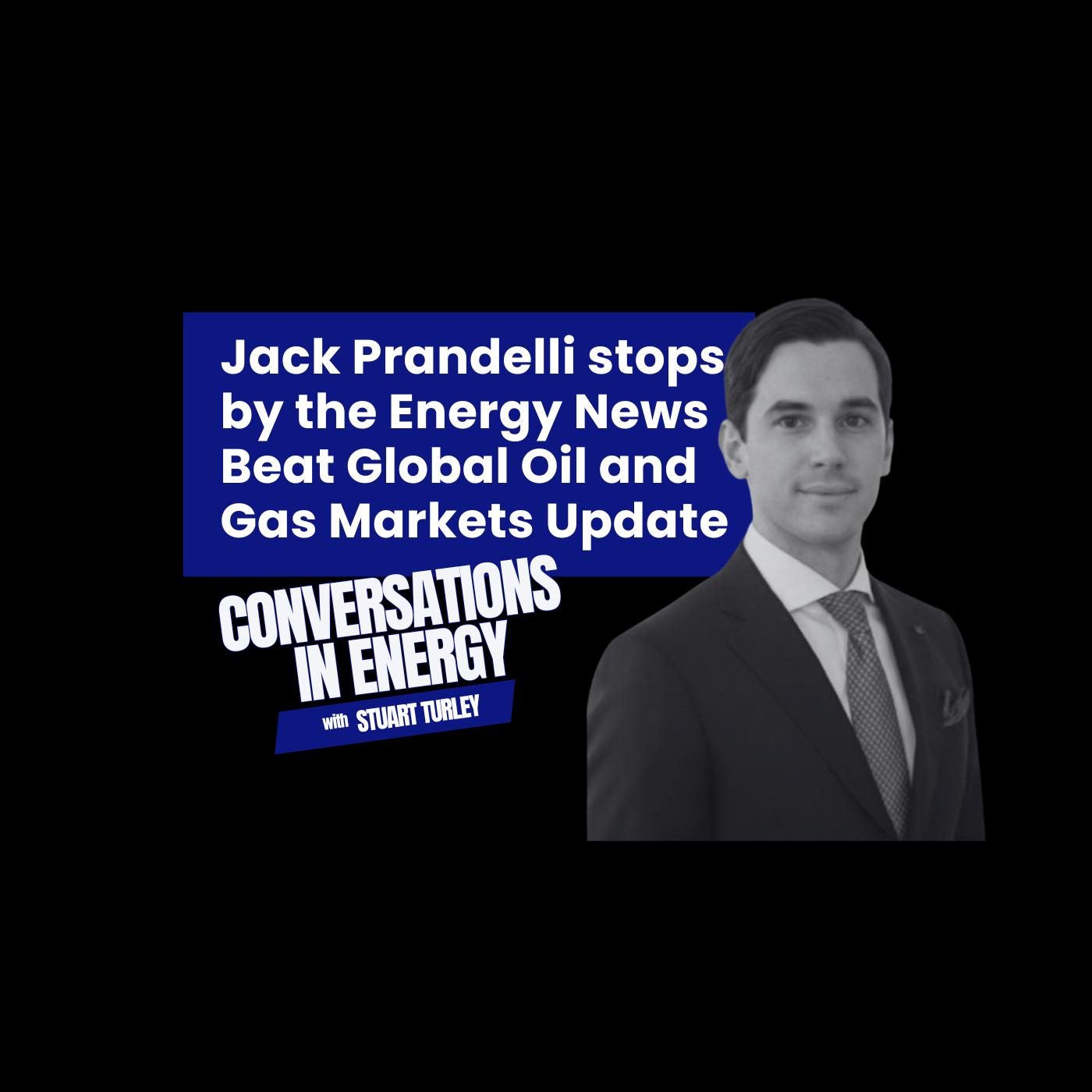
Jack Prandelli stops by the Energy News Beat Global Oil and Gas Markets Update
Jul 300:54:24Tap to summarizeYou won't want to miss this episode with Jack Prandelli from Switzerland. As an international trader and Substack Author, Jack has been on target with his articles on global oil and Gas Markets. Check out The Merchant News Substack: https://themerchantsnews.substack.com/Follow Jack on X @jackprandelliConnect with Jack on LinkedIn: https://www.linkedin.com/in/prandelligiacomo/1. LNG (Liquefied Natural Gas) Supply & GeopoliticsThe hosts discuss Shell's report on increasing LNG demand and how the U.S. is positioning itself as the world's most reliable LNG supplier. Key points include:Damage to Qatar's Ras Lafanne facility (70% production loss) has shifted market dynamicsThe U.S. is signing long-term LNG contracts with Asian clients, displacing QatarEurope faces competition with Asia for U.S. LNG supplies due to lost Russian gasThis represents a major geopolitical win for the U.S.2. Critical Minerals & Copper Supply ChainExtensive discussion on copper's critical role in energy transition and manufacturing:Copper is essential for AI, green energy, and electrificationChina controls over 50% of global copper refining capacity, creating strategic dependencyThe U.S. lacks domestic processing infrastructure despite abundant lithium reservesThis supply chain vulnerability gives China significant leverage over Western economies3. Oil Prices & Trump's StrategyAnalysis of Trump's focus on lowering oil prices before midterm elections:Discussion of the "crack spread" (refining margin) and why lower crude prices don't immediately translate to lower gas pricesStrategic use of the U.S. Strategic Petroleum Reserve for exports and refiningComparison with China and India's government pressure on refineries to keep prices lowThe importance of reopening the Strait of Hormuz for oil transit4. India's Rising Oil Demand & Russia-India PartnershipIndia emerges as a critical player in global energy markets:India will lead global oil demand growth by 2050India increasingly imports Russian oil despite sanctionsA strategic partnership is forming where Russia exports crude to Indian refineries, which then supply Russia with refined productsThis relationship reduces Russia's dependence on China5. Geopolitical Realignment & Energy DominanceBroader discussion of shifting global power dynamics:The U.S. is reasserting control over South American oil resources (Venezuela, Argentina)China's strategic oil reserves strategy and patient approach to purchasingThe fragmentation of the world into competing trading blocs (U.S., China, Russia, India, Saudi Arabia)Soft power and hard power strategies in energy markets6. California's Energy Crisis & Renewable FailuresA cautionary case study on premature green energy transition:California's net-zero policies have devastated oil production (from 2,000 wells/year to 17 in 2025)Refining costs in California ($15/barrel) are 3x higher than Texas ($5/barrel)California now imports 40-60% of its diesel, jet fuel, and gasoline from AsiaOnly 6-7 refineries remain (down from 38), with more slated to close7. Renewable Energy Reality CheckCritical analysis of the renewable energy transition timeline:$10.2 trillion spent on wind and solar has only yielded 3% energy gainCurrent battery storage technology is insufficient for grid-scale implementationNuclear energy is more reliable but faces uranium supply chain concernsThe hosts advocate for lowest-cost, lowest-environmental-impact energy solutions8. Strategic Energy IndependenceOverarching theme about national security:Energy security must start at home with domestic productionEnergy dominance is demonstrated through exportsOver-reliance on foreign supply chains (especially China) creates vulnerabilitiesThe U.S. should leverage its oil and gas advantages while developing nuclear capacityThe podcast emphasizes that global energy markets are in flux, with the U.S. reasserting dominance, new trading blocs forming, and critical mineral/metal supply chains becoming geopolitical battlegrounds. The hosts argue that premature abandonment of fossil fuels without adequate alternatives is economically and strategically dangerous.Check out the Energy News Beat SubStack https://theenergynewsbeat.substack.com/A shout-out to Steve Reese and the Reese Energy Consulting group for sponsoring the Podcast https://reeseenergyconsulting.com/.Data2 if you have any business systems, can you trust A? Well, they have the patent on validation. . https://data2.zoholandingpage.com/energyAnd we have WellDatabase rolling in as a new sponsor. https://welldatabase.com/
Transcribe →
Why is China Building Reactors While America Sleeps?
Jul 100:36:46Tap to summarizeIn this episode of the Energy Newsbeat Podcast, host Stu Turley sits down with Thomas Land, CEO of Myriad Uranium and J2 Metals, to explore the geopolitical battle reshaping global energy. While China aggressively builds dozens of nuclear reactors to power its AI dominance, the United States remains frozen in time with just 94 reactors—a legacy of fear dating back to Three Mile Island. But the real story goes deeper: it's about uranium enrichment, Russian fuel subscriptions, Arctic shipping routes, and how $10 trillion spent on wind and solar could have transformed the world with nuclear power instead. Land breaks down the uranium fuel cycle, reveals why silver is the hottest commodity on Earth, and challenges conventional wisdom about energy policy, Canadian leverage and the hidden beneficiaries of decisions like the Keystone XL pipeline cancellation. This is a must-listen for anyone trying to understand the true drivers of energy security, geopolitical power, and why the nuclear renaissance is just beginning.Connect with Thomas on his LinkedIn: https://www.linkedin.com/in/tdlamb/Check out Myriad Uranium https://myriaduranium.com/1. Uranium Industry & Nuclear EnergyThe podcast opens with an extensive discussion of uranium and the nuclear fuel cycle. Key points include:The uranium fuel cycle process (mining, conversion to uranium hexafluoride, enrichment via centrifuges, and fuel pellet creation)The distinction between uranium-235 (fissile, 0.7% of mined uranium) and uranium-238 (non-fissile, 99.3%)How uranium enrichment levels differ for civilian reactors (3-5%) vs. military/naval applications (higher concentrations)The U.S. has 94 active nuclear reactors while China is building dozens of new onesHistorical context: Three Mile Island (1979) halted U.S. nuclear expansion for decades2. Energy Geopolitics & Global CompetitionU.S. vs. China: China is winning the AI race partly because it has cheap electricity from nuclear power, while the U.S. lagsRussia's Nuclear Dominance: Russia exports nuclear reactors and maintains control through fuel bundle subscriptions and maintenance programsGermany's Energy Crisis: Germany shut down nuclear plants and coal plants, now relying on Russian gas—allegedly influenced by Russian geopolitical interestsEnergy Security: Control of Arctic shipping routes and LNG flows is critical to global power dynamics3. Renewable Energy vs. Nuclear Debate$10 trillion spent on wind and solar globally could have built 173+ additional nuclear reactors in the U.S. insteadDiscussion of the inefficiency and hidden costs of renewable energy production (coal pollution in China used to manufacture solar panels)The argument that nuclear is the most practical clean energy solution4. Silver Mining & Industrial MetalsThomas Land's second company, J2 Metals, operates a silver, gold, and antimony project in Mexico:Antimony is the hottest commodity globally, used in defense, advanced weapons, and fire retardantsSilver has tripled in price due to skyrocketing industrial demand (batteries, solar, servers, electrical equipment)Discussion of the gap between paper silver trading and physical silver delivery5. Canada-U.S. Relations & Energy TradeCanada's oil sands are critical to U.S. energy security, yet Canada underutilizes this leverageThe Keystone XL pipeline debate—Biden cancelled it on day one; speculation that railway companies (particularly Warren Buffett's interests) benefitedDiscussion of Canadian regulatory burden on oil drilling (which produces the cleanest oil in the world)Alberta's role in funding Canada vs. the reality that oil prices fluctuate6. Canadian vs. American Values & GovernanceCanada prioritizes "peace, order, and good government" vs. the U.S. "pursuit of happiness"Canadians have the wealthiest middle class globally and longer life expectancy, though fewer opportunities for extreme wealthDiscussion of different economic models and regulatory approaches between the two countries7. Geopolitical Strategy & DefenseArctic control and LNG pipeline politics (Siberia 2 pipeline negotiations)The suggestion that Canada should invite U.S. military bases (like Ramstein Air Force Base in Germany) to strengthen ties with the Trump administrationThe importance of not antagonizing the U.S. given Canada's military limitationsThe podcast essentially weaves together energy security, geopolitics, mining investments, and international relations, with uranium and silver as the central commodities driving global competition.Check out the Energy News Beat SubStack https://theenergynewsbeat.substack.com/A shout-out to Steve Reese and the Reese Energy Consulting group for sponsoring the Podcast https://reeseenergyconsulting.com/.Data2 if you have any business systems, can you trust A? Well, they have the patent on validation. . https://data2.zoholandingpage.com/energyAnd we have WellDatabase rolling in as a new sponsor. https://welldatabase.com/
Transcribe →
2027 Will Be Different: Oil, AI, and the Coming Paradigm Shift
Jun 3000:31:29Tap to summarizePaul Auslander, President, CFP, Stops by the Energy News Beat Podcast, and we have a blast covering energy and finance. Connect with Paul on his LinkedIn here: https://www.linkedin.com/in/paulauslander/1. Stock Market Performance & Economic OutlookPaul Auslander discusses why the stock market continues to rise despite global turmoil. Key points include:Strong company balance sheets and a robust economyThe technology boom (particularly AI) being only in its "second inning"Upcoming major IPOs (SpaceX, ChatGPT's parent company, Anthropic) absorbing investment capitalExpectation for a strong finish to 2026, with 2027 projected to be even stronger2. Precious Metals & Alternative AssetsDiscussion of gold, silver, and cryptocurrency markets:Central banks now own more gold than US Treasury holdings (a historic shift)Silver shortage driven by AI demandCryptocurrency experiencing recent drops but viewed as an alternative asset classDisconnect between paper and physical delivery in commodities markets3. Oil & Energy MarketsCritical energy security topics:Volatility in WTI vs. Brent crude pricingStrait of Hormuz disruptions causing 11.8 million barrels of production shortfallStrategic oil reserve refilling and pipeline expansion globallyEnergy sector positioning as a strong investment for 20274. Federal Reserve & Interest RatesAnalysis of monetary policy under new Fed chair Kevin Warsh:Inflation expected to be "transitory"Interest rates likely to remain flat through 2026, with potential decreases in 2027Impact on housing market and consumer economyConcerns about rising interest rate expenses choking the economy5. AI & Data Center InfrastructureEmerging challenge of powering AI growth:Texas ERCOT facing massive mismatch: 220 GW of planned data centers vs. 84 GW peak capacityTech giants (Google, Microsoft) investing in data centers and providing power couponsElon Musk's concept of space-based data centers as a future solutionSilver shortage linked to AI semiconductor demand6. Political & Geopolitical LandscapeDiscussion of elections, trade blocks, and international relations:2026 US elections and political volatilityEmerging trading blocs: net-zero aligned nations vs. energy-security focused nationsJapan's economic challenges with interest rate increasesCanada-US relations and potential realignmentTaiwan's strategic importance7. Investment Strategy & 401(k) AdvicePractical guidance for investors:Avoid market timing; stay invested in index funds60-40 asset allocation recommended for those near retirement"Buy the dips" strategy has been successfulInflation hedge necessary for long-term retirement planning8. Energy Security & PreparednessPersonal preparedness and infrastructure:Importance of energy independence at homeSolar battery backup systems ($700-800)Starlink as backup communication and internet infrastructureStrategic importance of LNG and natural gas going forwardThe podcast emphasizes that energy security starts at home and explores how geopolitical shifts, technological innovation, and market dynamics are reshaping investment opportunities and global trade relationships.Check out the Energy News Beat SubStack https://theenergynewsbeat.substack.com/A shout-out to Steve Reese and the Reese Energy Consulting group for sponsoring the Podcast https://reeseenergyconsulting.com/.Data2 if you have any business systems, can you trust A? Well, they have the patent on validation. . https://data2.zoholandingpage.com/energyAnd we have WellDatabase rolling in as a new sponsor. https://welldatabase.com/
Transcribe →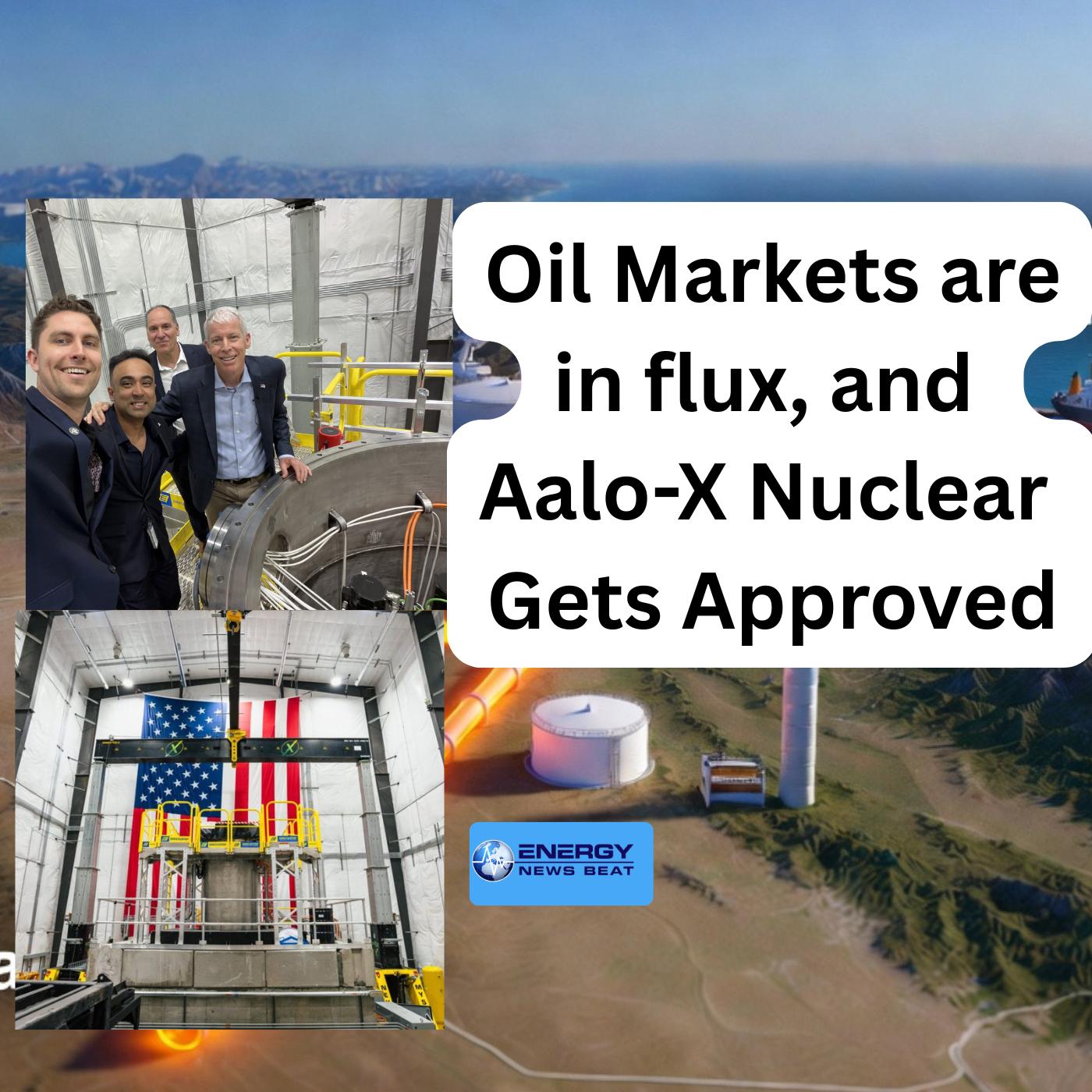
Aalo-X Nuclear Approval is Huge and Oil and gas markets are in Flux
Jun 2600:28:55Tap to summarizeSecretary Chris Wright is the Best Energy Secretary in the United States history, in my opinion, and today is a great example of that. His Department of Energy approval for the Aalo Atomics reactor start is huge for the United States. And on the other side of the Pond in the UK, you have the complete opposite, and you can see Ed Miliband banning North Sea oil production, but buying North Sea oil and gas from Norway. This is shades of Jennifer Granholm! We cover 10 Big stories today on the Energy News Beat Stand Up. 1. Advanced Nuclear Energy Approvals (Opening Story)The podcast leads with a major milestone: Secretary Chris Wright approved the Allo-X Critical Test Reactor to reach critical mass. This represents a landmark achievement for U.S. nuclear energy, with hopes to reach criticality before July 4th. The host also mentions other advanced reactors like Tetra's Mark Zero and Valar Atomics' high-temperature gas reactor reaching zero power criticality in Utah.2. Oil Market Volatility & Strait of Hormuz DisruptionsExtensive discussion of crude oil market fluctuations driven by geopolitical tensions. Jeff Curry (from CNBC) argues that recent price declines are temporary, with underlying market conditions remaining tight. The podcast covers:Previously trapped crude being released through the Strait of HormuzShipping risks and limited operational lanesTanker attacks and captains avoiding the straitPredictions of future price spikes due to depleted SPR and Cushing reserves3. Middle East Energy Politics & Supply RoutesSaudi Arabia resuming tanker loadings at Ras TanuraIraq reversing pipeline flows to route crude northward to TurkeyIran's declining relevance due to reduced transit feesQatar's LNG challenges and alternative routing around the Strait of Hormuz4. EU Methane Regulations & Energy SecuritySecretary Chris Wright and other officials warn that proposed EU methane regulations could disrupt European oil and gas supply. The host criticizes these regulations as a wealth transfer that increases consumer costs without climate benefits.5. UK Energy Policy CriticismEd Miliband (UK Energy Secretary) vetoed a proposal to increase North Sea oil and gas drilling, despite the UK still relying on 40% natural gas. The host criticizes this as economically counterproductive.6. Refining Economics & California's ImpactDiscussion of refining costs and how California's regulatory overreach creates massive price disparities:Texas refineries: $5/barrel to refine gasolineCalifornia refineries: $15/barrel to refine gasolineCalifornia drivers pay $2.16 more per gallon than TexasCalifornia must import 40-60% of gasoline from Asia7. AI Boom Driving Natural Gas DemandTennessee Valley Authority reports electrical demand is exceeding forecasts due to AI and hyperscaler data centers, forcing massive natural gas expansion. The host emphasizes natural gas won't disappear anytime soon.8. Grid Infrastructure CrisisNew York faces a tightening electricity supply as AI data centers and new manufacturing seek grid connections by 2030—equivalent to the load of an entire New York City. The host criticizes politicians for ignoring the need for 24/7 dispatchable power and the physics of AC grid requirements.9. Political Commentary & Election IntegrityThe host calls for the "Save America Act" to ensure legal registered voters in elections, criticizing Senator Thune and broader election integrity issues, particularly in California.The podcast weaves together energy market realities, geopolitical tensions, regulatory policy, and infrastructure challenges into a comprehensive view of current U.S. energy security concerns.1.Aalo-X Gets the Approval to Turn On the Aalo-X Critical Test Reactor Secretary Chris Wright Signs the Critical Notice – A Landmark Milestone for U.S. Advanced Nuclear and AI Power2.Jeff Currie: Oil Market in Surplus Today, But That Tells Us Nothing About Tomorrow3.Saudi Arabia Starts Loading Tankers at Ras Tanura’s Sea Port4.Iraq Set to Accelerate Hormuz Bypass5.Iraq Cuts West Qurna/2 Output Under Force Majeure as Tankers Remain Unavailable6.U.S., Qatar, Nigeria, and Algeria Warn Proposed E.U. Methane Regulations Could Disrupt Europe’s Oil and Gas Supply7.Ed Miliband Vetos Plan to Boost Oil Output for Defense Fund8.Phillips 66 CEO Mark Lashier warned of greater refining and petrochemical earnings volatility from Hormuz disruptions9.AI Boom Forces Tennessee to Plan Massive Natural Gas Expansion10.Politicians have broken America’s grids – And Consumers pay the price – Through the noseCheck out the Energy News Beat SubStack https://theenergynewsbeat.substack.com/A shout-out to Steve Reese and the Reese Energy Consulting group for sponsoring the Podcast https://reeseenergyconsulting.com/.Data2 if you have any business systems, can you trust A? Well, they have the patent on validation. . https://data2.zoholandingpage.com/energyAnd we have WellDatabase rolling in as a new sponsor. https://welldatabase.com/
Transcribe →
Energy Security Starts at Home: Preparing for the Grid of Tomorrow
Jun 2500:34:17Tap to summarizeThis was a fun discussion around Energy Security and the importance to consumers. Neil Chatterjee, Chief of Governmental Affairs, Palmetto, stopped by, and we had a wild discussion. Neil was also the Chairman and Commissioner of the Federal Energy Regulatory Commission.1. Palmetto's Consumer-Focused Clean Energy PlatformNeil Chatterjee discusses his role as Chief of Government Affairs at Palmetto, a company that democratizes access to clean energy technologies like solar, heat pumps, storage, HVAC systems, and smart meters. The key innovation is their leasing model, which makes these technologies affordable for average Americans by removing the need for large upfront capital investments. Palmetto also provides financing and uses AI to optimize energy efficiency.2. Energy Security and IndependenceThe conversation emphasizes how consumers can achieve personal energy independence through behind-the-meter solutions. This addresses rising electricity bills (increasing 230% in some areas due to data centers) and provides protection against grid strain during peak demand periods. The concept of "energy security starts at home" is central to this discussion.3. Data Centers and AI InfrastructureA significant portion focuses on the rapid expansion of data centers in regions like Northern Virginia ("Data Center Alley"). While acknowledging benefits (tax revenue, improved community infrastructure), the hosts discuss the challenges: increased power demand, potential grid strain, and the need for strategic siting in cooler regions with adequate water access. They debate the importance of winning the AI race against China for national security.4. AI's Positive and Negative ImplicationsNeil advocates for focusing on AI's real-world benefits—curing cancer, improving energy efficiency, optimizing grid management—rather than the controversial narrative about job displacement. He warns that blocking AI through data center moratoriums would only increase costs and exacerbate inequality, as only wealthy entities could afford premium AI services.5. Energy Policy and the "All of the Above" ApproachThe hosts discuss the need for a balanced energy strategy combining fossil fuels (natural gas, coal, oil), renewables (solar, wind), nuclear, and emerging technologies like storage and demand response. They emphasize that the U.S. cannot transition to clean energy without fossil fuels in the near term, particularly in regions like Kentucky and Southwest Virginia.6. Geopolitical Energy DynamicsThe Strait of Hormuz blockade is highlighted as a wake-up call about global energy vulnerability. The discussion covers how U.S. LNG exports provide geopolitical advantage to allies and reduce dependence on Middle Eastern oil and Russian gas. However, they caution against trading that dependence for reliance on Chinese critical minerals and components.7. Political Polarization in Energy PolicyNeil critiques how energy policy has become unnecessarily polarized—fossil fuels associated with the political right, clean energy with the left. He proposes a vision where "red supply feeds blue demand": clean energy manufacturing in red states supplies power to population centers in blue states, potentially breaking the political gridlock.8. Grid Modernization and TransmissionThe discussion includes the need for easier permitting to build transmission lines, natural gas pipelines, and grid-enhancing technologies. A Texas grid operator's proposal to approve data center applications in batches (rather than individually) is highlighted as an innovative approach to managing complex infrastructure challenges.This episode presents a nuanced view of America's energy future, balancing economic growth, technological innovation, energy security, and environmental concerns.Get more information on Palmetto here: https://palmetto.com/Connect with Neil on his LinkedIn here: https://www.linkedin.com/in/neil-chatterjee-121127212/Check out the Energy News Beat SubStack https://theenergynewsbeat.substack.com/A shout-out to Steve Reese and the Reese Energy Consulting group for sponsoring the Podcast https://reeseenergyconsulting.com/.Data2 if you have any business systems, can you trust A? Well, they have the patent on validation. . https://data2.zoholandingpage.com/energyAnd we have WellDatabase rolling in as a new sponsor. https://welldatabase.com/
Transcribe →
The New Energy Boom: Data Centers, LNG, and America's Gas Advantage
Jun 2400:47:50Tap to summarizeWhat a great day when you can get a panel together with Steve Reese, President, Reese Energy Consulting, Kirk Edwards, President, Latigo Petroleum, and Kimberly Page with Reese Energy Consulting to cover the huge issues of the Strait of Hormuz, AI, natural gas, and Data Centers. 1. US Energy Independence & Global GeopoliticsThe panel emphasizes America's strategic advantage in energy production, particularly in contrast to struggling regions like Europe and Asia. They discuss how the Iran crisis has highlighted the vital importance of US oil and natural gas production, and how the US is well-positioned compared to other countries facing energy shortages.2. Natural Gas Markets & PricingA significant focus on natural gas dynamics, including:Regional price differences (Permian vs. Western Oklahoma vs. Waha)The potential for natural gas to lose its cyclical nature due to new demand sourcesEurope's critical storage situation (at 37% capacity when it should be at 51-61%)The arbitrage opportunity between domestic gas prices and LNG export prices (3x to 10x markup)3. Data Centers as a New Demand DriverThe panel discusses the emerging data center industry as a major new consumer of natural gas:Companies like Chevron, Exxon, Liberty Energy, and EQT entering the hyperscaler spaceConcerns about whether 30% of planned data centers will actually be builtThe importance of proper siting (Texas's approach vs. other states)Data centers' indifference to gas prices and their potential to consume 16-18 BCF/day4. LNG Export & International MarketsDiscussion of:LNG prices in Europe ($16-25 per unit)Steve Reese's involvement with American Gas Partners and a $5.5 billion acquisition effortThe shift from regional to global commodity marketsCompetition between data center demand and LNG export demand for natural gas5. Western Oklahoma & Permian Basin OperationsComparison of operating conditions:Western Oklahoma emerging as a "boom town" with better economicsLower service costs and better workforce quality in OklahomaNo seismicity or water disposal issues in OklahomaPermian's shift toward disciplined, shareholder-focused operations6. Strategic Petroleum Reserve (SPR) ConcernsCritical analysis of US SPR management:Cushing storage at operational minimum (19.5% capacity)Concerns about depleting strategic reservesThe contrast between US and China's SPR strategiesIssues with paper vs. physical oil pricing7. Infrastructure & Pipeline ChallengesDiscussion of:New pipeline construction needs (Transco repositioning)Gas routing from Waha to the Gulf CoastStargate data center's infrastructure requirementsThe need for new capacity to handle increased demand8. Renewable Energy vs. Fossil FuelsThe panel debates:The role of wind and solar with proper environmental vettingSubsidies and fair competitionThe reliability and predictability of natural gas vs. renewablesThe importance of energy density and fossil fuels' role in modern life9. Small Modular Reactors & Alternative EnergyDiscussion of nuclear energy's potential but current limitations:Still 5-7 years away from commercial viabilityNatural gas turbines remain the most reliable optionPotential use of military boneyard jet turbines as a solution10. Political & Regulatory EnvironmentCommentary on:The Trump administration's energy policiesConcerns about voting fraud and political dysfunctionSenator Ted Cruz's support for oil and gasCriticism of subsidies and calls for level playing field competitionThe need to maintain oil prices around $75/barrel11. Training & Workforce DevelopmentReese Energy Consulting's expansion of:Online Natural Gas Basics 101 courseRe-synergy training programsPreparing workers for industry transitions12. Operational Excellence in Oil & GasKirk Edwards' emphasis on:Discipline in drilling operationsShareholder returns over debt accumulationThe importance of field experience vs. private equity managementProper site selection for data centers and other infrastructureThe podcast presents a bullish outlook on US energy, particularly natural gas, driven by new demand from data centers and LNG exports, while emphasizing the need for proper policy support and infrastructure investment.Connect with Steve Reese on his LinkedIn here: https://www.linkedin.com/in/steve-reese-185a86/Connect with Kirk Edwards on his LinkedIn here: https://www.linkedin.com/in/kirk-edwards-99757412a/Connect with Kimberly Page on her LinkedIn here: https://www.linkedin.com/in/kimberly-page/Check out the Energy News Beat SubStack https://theenergynewsbeat.substack.com/A shout-out to Steve Reese and the Reese Energy Consulting group for sponsoring the Podcast https://reeseenergyconsulting.com/.Data2 if you have any business systems, can you trust A? Well, they have the patent on validation. . https://data2.zoholandingpage.com/energyAnd we have WellDatabase rolling in as a new sponsor. https://welldatabase.com/
Transcribe →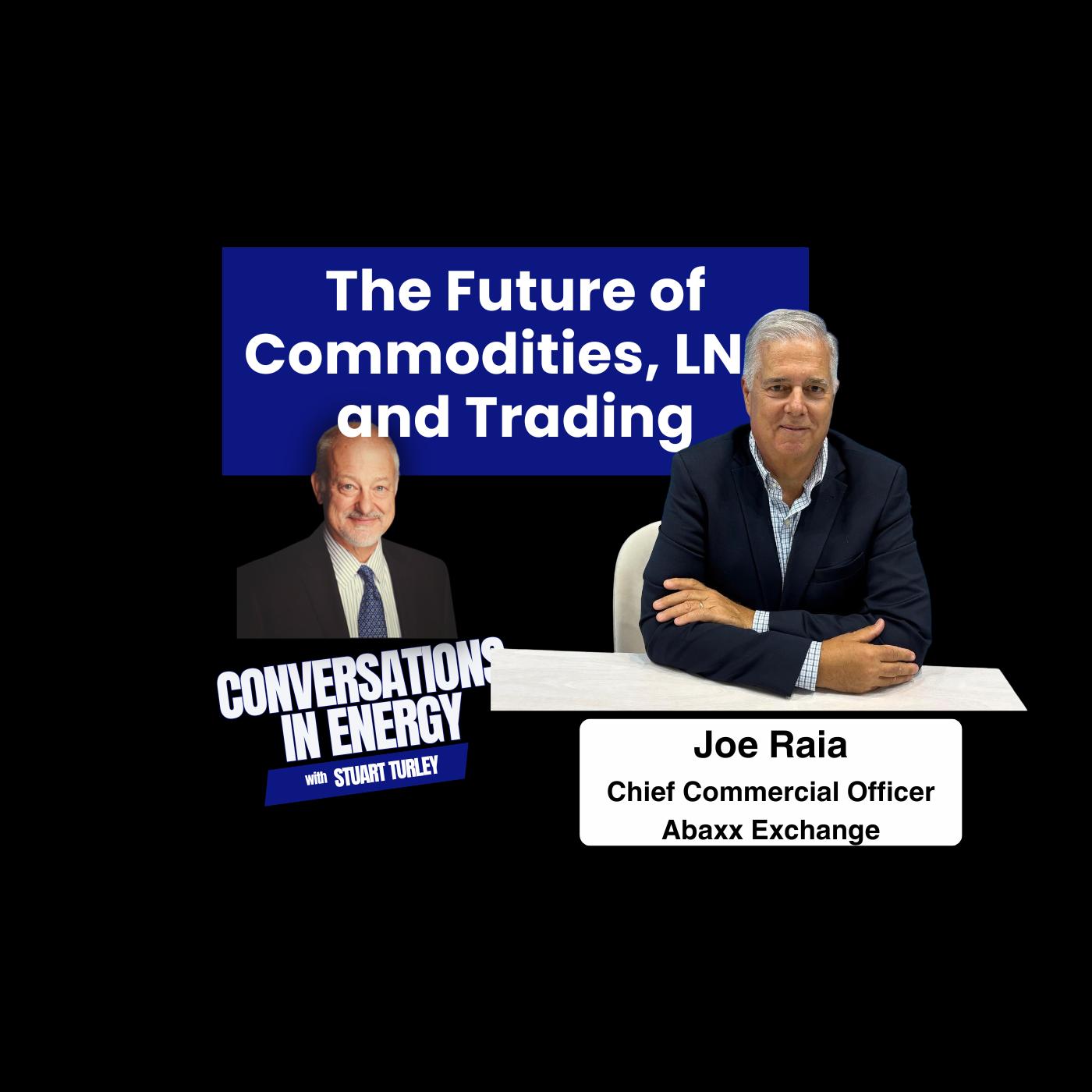
The Future of Commodities, LNG, and Trading - Joe Raia, Chief Commercial Officer, Abaxx Exchange
Jun 1900:37:11Tap to summarizeJoe Raia, Chief Commercial Officer at Abaxx Exchange, had a fun interview as he stopped by to give us an update. As a commercial tanker captain who moved into commodities trading, he has the knowledge and background to help guide the US Markets.Connect with Joe on his LinkedIn here: https://www.linkedin.com/in/joe-raia-4982a417/Follow Joe on X here: https://x.com/JoeRaia5Check out Abaxx Exchange information here: https://abaxx.exchange/1. Abaxx Exchange & LNG Futures ContractsThe core focus is on ABEX's innovative physically deliverable LNG futures contracts. Joe Rea explains how these contracts are unique because they price actual waterborne LNG molecules rather than using proxy benchmarks like Henry Hub or Brent crude oil. The contracts cover three key regions: Gulf of Mexico (FOB), DES North Pacific Asia, and Northwest Europe. This addresses a major gap in the market where there was no transparent, regulated pricing instrument for LNG.2. Pricing Benchmarks & Market InefficienciesA significant discussion centers on why traditional pricing proxies fail for LNG. Henry Hub has remained at $3 for 15 years while waterborne LNG ranges from $11-15, and Brent crude oil has no correlation to delivered LNG in Asia. ABEX's contracts provide proper pricing correlation, which is critical for midstream suppliers to get fair value for their molecules.3. Global LNG Market DynamicsThe conversation covers Europe's energy crisis following Russia's invasion of Ukraine, the shift from long-term contracts (40-50% of the market) to spot and shorter-term contracts, and the EU's struggle to refill natural gas reserves to 85-90% capacity. There's also discussion of Russia's new icebreaker LNG carriers and potential sanctions implications.4. Expansion of LNG Production & InfrastructureTopics include the U.S. becoming the world's largest LNG producer, with 200 MTPA coming online this year. There's discussion of floating LNG terminals (FSRUs) as faster alternatives to building permanent facilities, and potential expansion in the Middle East with pipelines connecting to floating LNG infrastructure.5. Precious Metals TradingAbaxx has expanded beyond energy into metals, launching gold and silver futures contracts with physical delivery capabilities in Singapore vaults. The silver contract has been particularly successful, and these contracts address logistical issues that previously plagued gold trading between London and New York.6. Energy Security & U.S. PolicyA major theme is energy security, including discussions of the Jones Act, U.S. tanker capacity, and the importance of American-flagged vessels. The conversation highlights how a 60-day Jones Act waiver resulted in more U.S. energy exports to Puerto Rico in 2 months than in the previous 20 years, and the need to rebuild U.S. shipbuilding capacity.7. Geopolitical ImplicationsDiscussion of Middle East pipeline infrastructure (Saudi Arabia's East-West pipeline, UAE expansion, Kuwait's plans), Iran's territorial claims, and how geopolitical tensions affect energy markets and shipping routes through critical chokepoints like the Panama Canal and Strait of Hormuz.8. Technology & Market IntegrationAbaxx's integration with major pricing platforms like Refinitiv, Bloomberg, and TradingView to make pricing data accessible globally. The conversation emphasizes the importance of having standardized, transparent pricing that can be referenced in trading agreements.This episode essentially showcases how ABEX is revolutionizing commodity trading by creating transparent, physically backed futures markets that better serve the global energy and metals industries.Thank you, Joe, for your service in the United States Merchant Fleet as a Captain and for your continued service in helping balance the markets.Check out the Energy News Beat SubStack https://theenergynewsbeat.substack.com/A shout-out to Steve Reese and the Reese Energy Consulting group for sponsoring the Podcast https://reeseenergyconsulting.com/.Data2 if you have any business systems, can you trust A? Well, they have the patent on validation. . https://data2.zoholandingpage.com/energyAnd we have WellDatabase rolling in as a new sponsor. https://welldatabase.com/
Transcribe →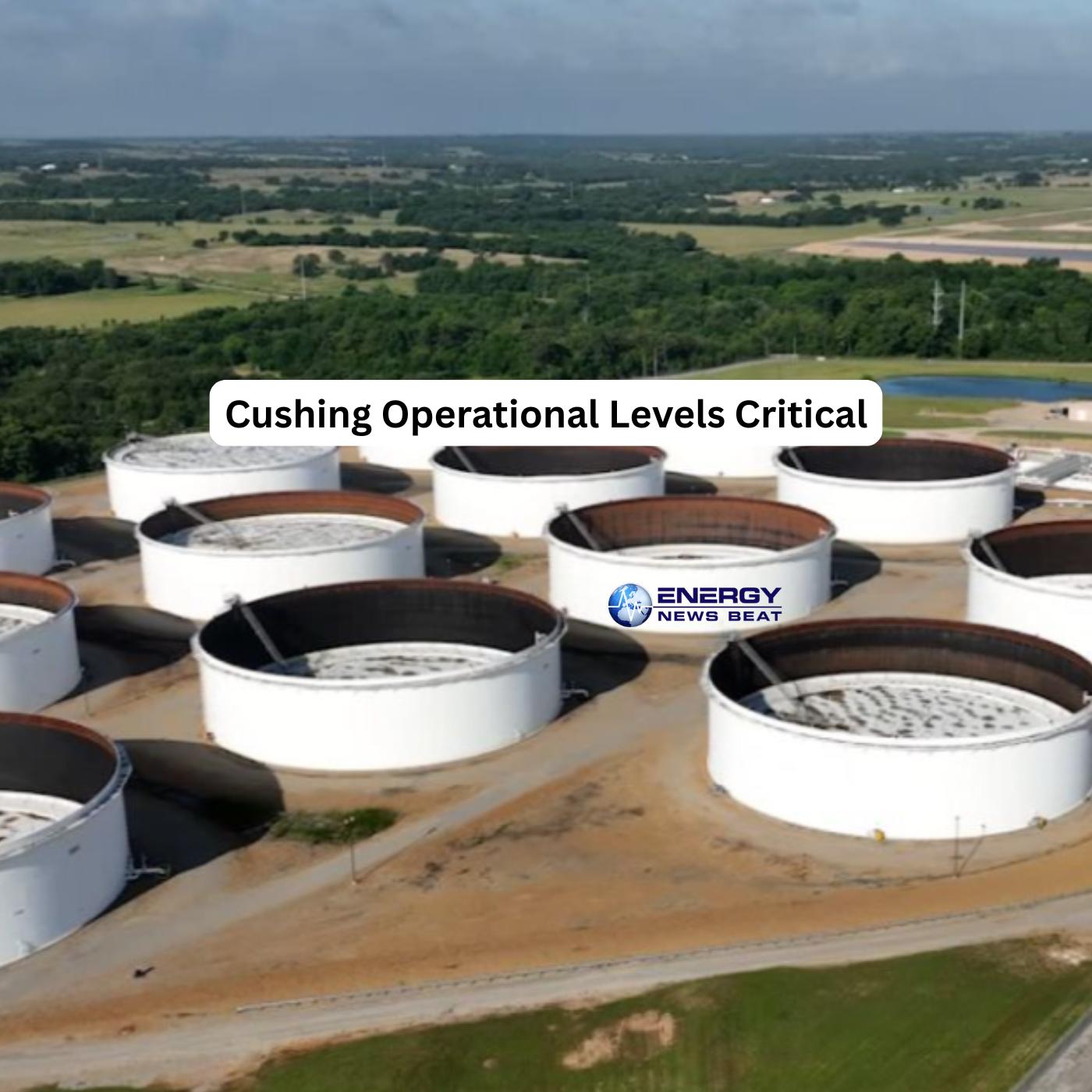
Cushing at operational tank bottoms, and Strait of Hormuz updates
Jun 1700:21:12Tap to summarizeIt is a wild day on the Energy News Beat Stand Up.Make no mistake, time will tell if the Strait of Hormuz is open, but do not underestimate the importance that the Bank of London and Lloyds of London play in opening the Strait of Hormuz. They want the war to continue, and are not happy if the war ends.As we hit Operational Bottoms for oil storage in the US it is a real problem, and President Trump ran out of time. I think that he has a plan and will get it done, but it will be done after the midterms.President Trump at the G7 has had some major impacts on the news cycle.1. Cushing, Oklahoma Oil Storage Crisis (Top Story)The podcast opens with the critical issue that Cushing—the "pipeline crossroads of the world"—has hit operational tank bottoms with only ~21.64 million barrels of crude. This is a major concern because refineries may not be able to access the oil they need, and the situation could spike oil prices. Cushing is the primary delivery and pricing point for WTI (West Texas Intermediate) futures.2. Global Oil Market Dynamics & Geopolitical TensionsStrait of Hormuz concerns: 20% of the world's oil passes through this strait, creating vulnerability to disruptionsIran's actions: Iran has pulled the trigger on controlling the strait, prompting neighboring Gulf states to seek alternative routesTanker movements: Iranian super tankers are slipping through blockades, with 6 million barrels already moved (likely to China)3. UAE's Strategic Independence from Strait of HormuzThe UAE is accelerating plans to bypass the Strait of Hormuz entirely by expanding pipelines from 1.7 to over 5 million barrels per day, with potential floating LNG terminals planned for the Gulf of Oman.4. Alternative Pipeline InfrastructureSaudi Arabia's east-west pipeline to the Red Sea (pumping ~7 million barrels/day)Plans to bypass the Suez Canal through the MediterraneanIraq's threat to close the Bab el-Mandeb Strait, forcing reliance on pipelines5. Qatar's LNG Export RestartQatar is preparing to restart LNG exports with tankers already positioned, which is critical for Europe's natural gas supply (especially as they lag behind in summer refilling).6. U.S. Power Grid CrisisSevere equipment shortage with power transformer lead times reaching 128 weeks (2.5 years)Some special orders taking up to 4 yearsNew transformer facilities being built (Hitachi in Virginia by 2028, Siemens in North Carolina)Recommendation for homeowners to invest in solar panels and off-grid capabilities7. California Energy & Infrastructure ProblemsRefinery closures: Only 7 refineries remain in California; losing one would spike gasoline, diesel, and jet fuel pricesHigh-speed rail project: Ballooned from $9.9 billion to $231 billion with companies relocating to Morocco due to regulatory burdenPort congestion: LA and Long Beach ports handling massive container volumes8. Oil Price ForecastsMorgan Stanley lowered Brent crude forecasts to $90 in Q3 and $80 in Q4Current prices: WTI at ~$76-77, Brent at ~$79.58, Natural gas at $3.169. AI & Grid InfrastructureDiscussion of potential AI bubble concerns and the need for grid validation tools before implementation.10. U.S. Reshoring & Industrial RecoveryThe Trump administration is working to reverse decades of intentional deindustrialization, though the process faces challenges.The podcast emphasizes that energy markets are at critical junctures with geopolitical tensions, infrastructure constraints, and strategic repositioning reshaping global oil and gas flows.1.Cushing, Oklahoma Oil Storage Hits Tank Bottom: Implications for Energy Markets, Consumers, and Investors2.Pain at the Pump: Can It Heal or Curse the Trump Administration?3.UAE is moving on plans to never use the Strait of Hormuz4.Qatar Returns Tankers in Preparation for Restarting LNG Exports5.Iranian Supertanker Slips Out of Chabahar, Crossing US Blockade as Tehran Moves Oil Ahead of Friday Deal Approvals6.Qatar Plans to Rapidly Restart LNG Output After Hormuz Opens – How will this impact Europe?7.Banks Slash Oil Price Forecasts After U.S.-Iran Breakthrough8.US Grid Equipment Shortage Deepens Impacting Repairs and New Installations9.Another California refinery closure will threaten national and global economies10.California High-Speed Rail project soars to $231 Billion – “We left to work in Morocco as it is a better work enviornment”Check out the Energy News Beat SubStack https://theenergynewsbeat.substack.com/A shout-out to Steve Reese and the Reese Energy Consulting group for sponsoring the Podcast https://reeseenergyconsulting.com/.Data2 if you have any business systems, can you trust A? Well, they have the patent on validation. . https://data2.zoholandingpage.com/energyAnd we have WellDatabase rolling in as a new sponsor. https://welldatabase.com/
Transcribe →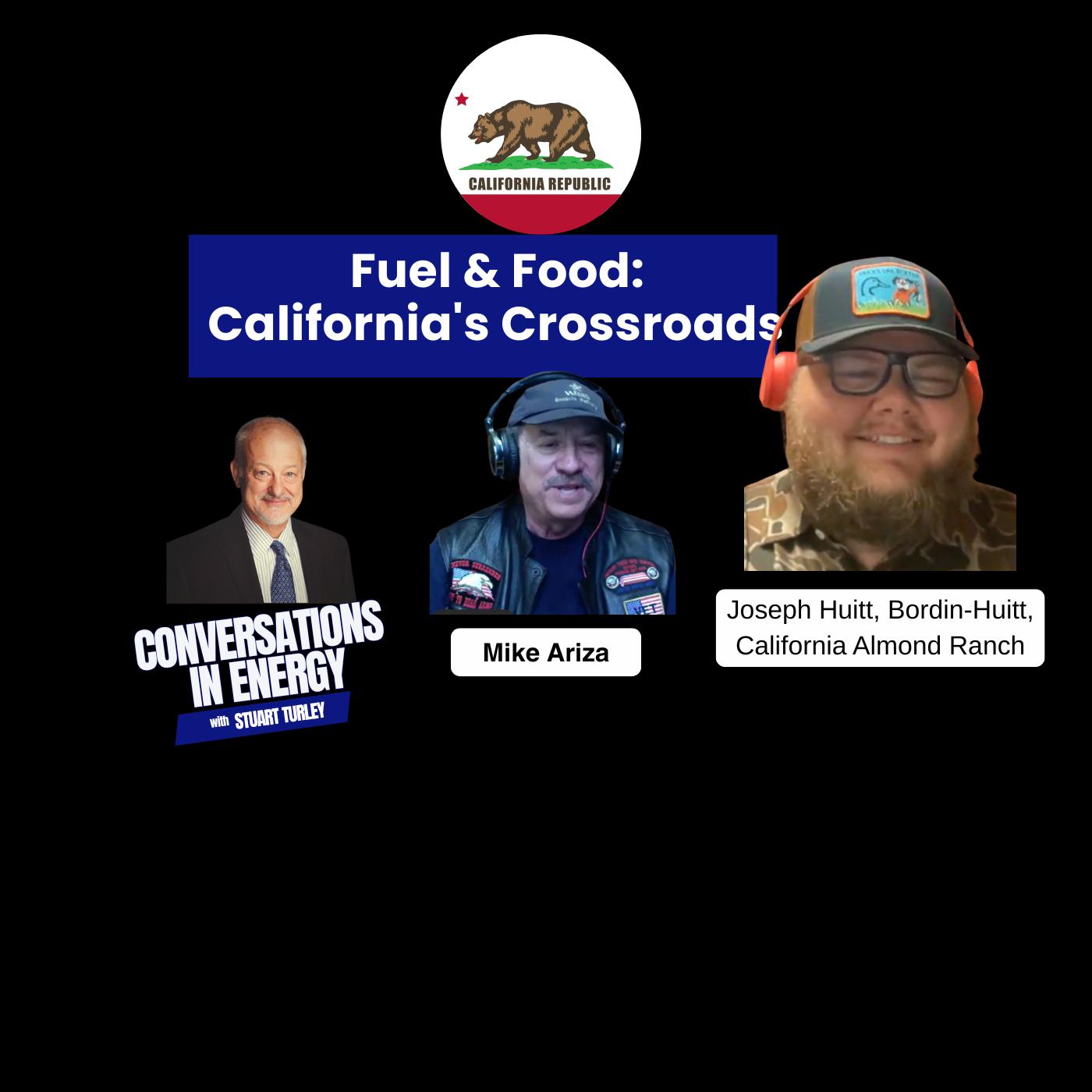
Fuel and Food California's Crossroads - Regulatory over reach hits home hard.
Jun 1200:43:01Tap to summarizeThis was a fun discussion about the serious issue of gasoline, diesel, and fertilizer price increases for farmers, ranchers, and consumers in California. Make no mistake, the actions taken by the Newsom administration have driven consumer prices to some of the highest in the United States. Gavin has taken California from almost energy independent to total dependence on imports.We have Mike Ariza, a downstream expert, who has been on the podcast several times. A great resource for boots-on-the-ground information on the California downstream market. Connect with Mike on his X account. @MikeAriza4531Also, we had Joseph Huitt, who is with the Bordin-Huitt California Almond Ranch. Check out their family products for honey and specialty almonds at https://bhalmondranch.com/1. California's Energy Crisis & Fuel DependencyMike Ariza, an energy expert, explains that California has become dangerously dependent on fuel imports (40% dependent). Two major refineries were converted to renewable diesel in 2023, taking 350,000 barrels of crude oil processing offline. This resulted in no gasoline or jet fuel production from those facilities. The Iranian conflict further disrupted supply chains, cutting off jet fuel, diesel, and gasoline shipments from Asian refineries. President Trump's waiver of the Jones Act allowed fuel from Gulf Coast refineries to reach California, preventing potential $10+ gasoline prices and shortages.2. Agricultural Challenges & Rising CostsJoseph from Borden Hewitt Ranch discusses the severe economic pressures on family farms:Red Diesel prices skyrocketed from $3.17/gallon in February to $4.79-$6.60/gallon by MarchFertilizer costs doubled from $300-$500/acre to $400-$700/acre due to Strait of Hormones closureAlmond prices have remained below the $2/pound break-even point for five yearsPayment delays: Farmers receive paychecks every 3-4 months, not weekly, creating cash flow challenges3. Water Rights & Agricultural RestrictionsJoseph describes severe water restrictions in California's San Joaquin Valley, where farmers are prohibited from irrigating during peak heat seasons (June-July) despite canals being full. Banks only finance half the land value due to water limitations, effectively halving farm viability.4. Regulatory Overreach & Equipment RestrictionsEPA regulations prevent farmers from repairing their own equipment without manufacturer accessA diesel mechanic was jailed for helping farmers and truckers repair enginesSoftware restrictions: Farmers can't access tractor software updates, limiting their ability to fix equipment independentlyTuning restrictions: Rice farmers need extra horsepower to navigate clay fields but face penalties if caught modifying engines5. GMO Seeds & Agricultural ContractsDiscussion about restrictive seed contracts where farmers must purchase new seeds annually and cannot replant saved seeds from previous years, creating ongoing dependency on seed companies.6. State Taxes & Economic BurdenMultiple taxes burden California farmers:Cap and Invest (called "Theft and Invest")Road taxes37 cents for bullet train funding80 cents for other state initiatives These taxes are passed directly to consumers through higher food prices.7. Food Supply Chain VulnerabilityIf California loses refinery capacity, diesel shortages would collapse logistics, resulting in:Only 3-5 days of food supply in metropolitan areasPort of Los Angeles unable to operateFood distribution across the entire country disrupted (LA is the largest food importer during winter)8. Family Farm Viability & Future GenerationsJoseph, at 25 years old, represents the challenge facing young farmers. While passionate about farming, he's pursuing a master's degree in biological science (studying avian influenza) because farming alone cannot support a family. His mother advised all children to pursue other careers while farming as a side activity—a common reality for modern family farms.Overall Theme: The podcast highlights how interconnected energy, agriculture, and regulatory policy are in California, and how state policies are making it increasingly impossible for family farms to survive while threatening regional and national food security.Hat tip to the Great John Rich for being named the Special Envoy to Farmers for the USDA. We have reached out to him to see about getting him on the podcast.Check out the Energy News Beat SubStack https://theenergynewsbeat.substack.com/A shout-out to Steve Reese and the Reese Energy Consulting group for sponsoring the Podcast https://reeseenergyconsulting.com/.Data2 if you have any business systems, can you trust A? Well, they have the patent on validation. . https://data2.zoholandingpage.com/energyAnd we have WellDatabase rolling in as a new sponsor. https://welldatabase.com/
Transcribe →