
Podcast
Epikos Church Sermons
Hosted by Epikos Church · EN
Weekly Sermons from Epikos Church Milwaukee
26episodes
Episodes
Newest firstAll episodes

It Is Finished
Apr 300:22:48Tap to summarizeWe don’t naturally move toward discomfort—we avoid it, manage it, and keep it at a distance. But the story at the center of our faith invites us to do the opposite. As we walk through Gospel of Mark, the question rises again and again: who is Jesus Christ? The answer unfolds not in power as we expect it, but through suffering we’d rather ignore. The crown of thorns, the robe, the mocking cries of “hail, king”—what looks like humiliation is actually a kind of coronation. The King is lifted up, not onto a throne, but onto a cross. Join us for our Good Friday service as we slow down and sit in this reality together—honestly, reverently—allowing the weight of what Jesus endured to shape our understanding of who He is and what He has done. As darkness covers the land, we begin to see that this moment is more than physical suffering—it is something deeply spiritual and cosmic. When Jesus cries out, “My God, my God, why have you forsaken me?”—echoing Psalm 22—we witness the depth of what He takes on in our place. The One who is light steps into darkness so that we might be brought into life. And in a stunning turn, a Roman centurion declares what so many had missed: this truly is the Son of God. The veil is torn, the way is opened, and the price is paid. Before we rush to Sunday, we pause here—at the cross—where gratitude begins. Join us as we remember, reflect, and respond to the sacrifice that changed everything.
Transcribe →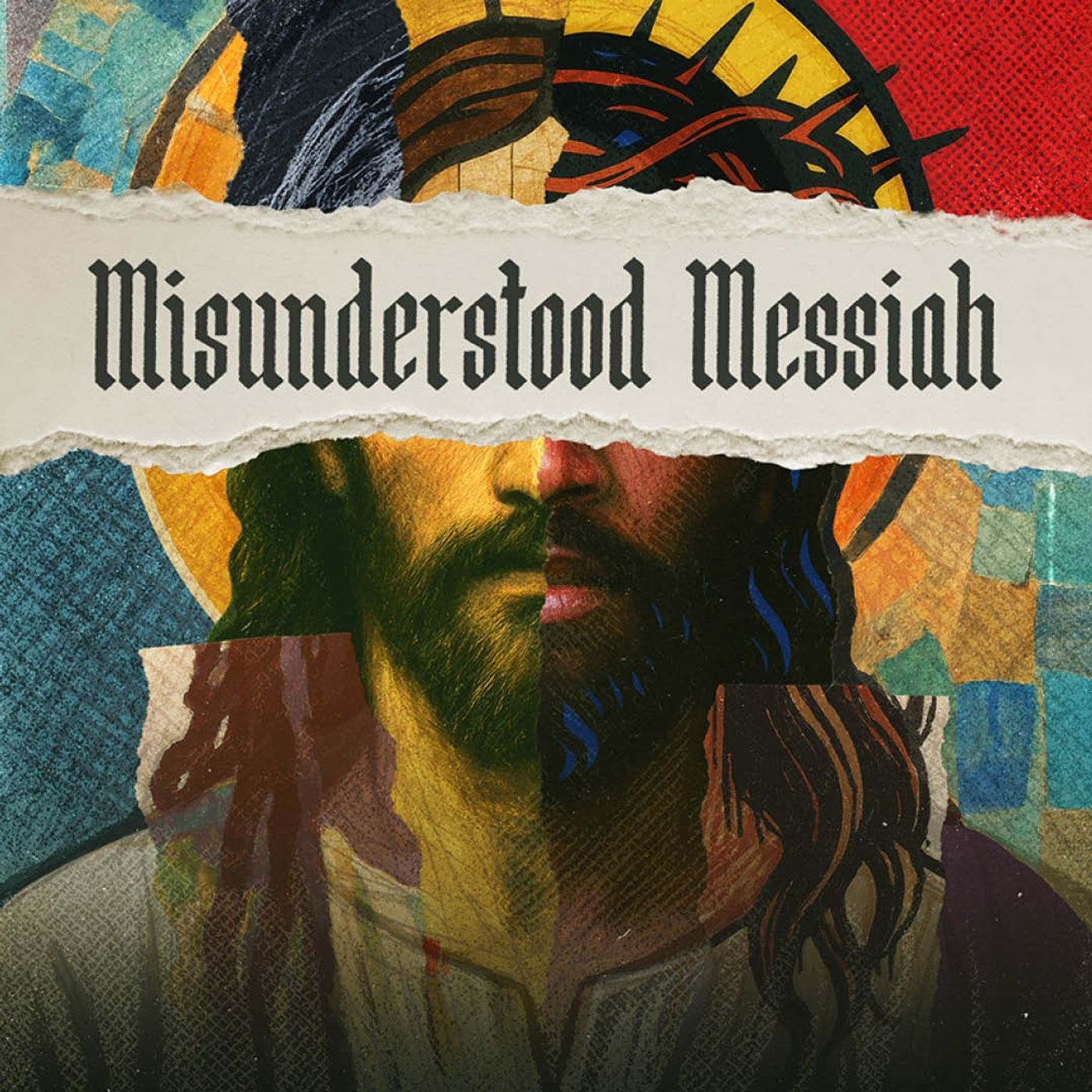
Trusting Means Choosing
Mar 2900:40:57Tap to summarizeIn this message from Mark 15, we step into the tension of a Savior who is both rejected and resolute. As Jesus stands before Pilate, falsely accused and publicly condemned, His silence speaks louder than any defense ever could. While the crowd demands Barabbas and cries out for crucifixion, Jesus chooses the will of the Father over convenience, comfort, and self-preservation. This sermon invites us to wrestle with the same question the crowd unknowingly faced: will we choose what satisfies us now, or will we trust the One who saves us eternally? In a world driven by immediacy and self-interest, the quiet strength of Jesus reveals a deeper truth—trusting God often means choosing Him when it’s hardest. Through powerful storytelling and honest reflection, this message challenges us to examine where we might be choosing “Barabbas” in our own lives—opting for what’s easy, popular, or immediately gratifying instead of what’s eternal and life-giving. Jesus didn’t come to win arguments or meet expectations; He came to fulfill a mission that would cost Him everything so that we could go free. And because He chose the cross, we can choose Him—even when it’s inconvenient, uncomfortable, or costly. This is the invitation of the gospel: to trust deeply, surrender fully, and follow faithfully, knowing that true life is found not in having it our way, but in choosing His.
Transcribe →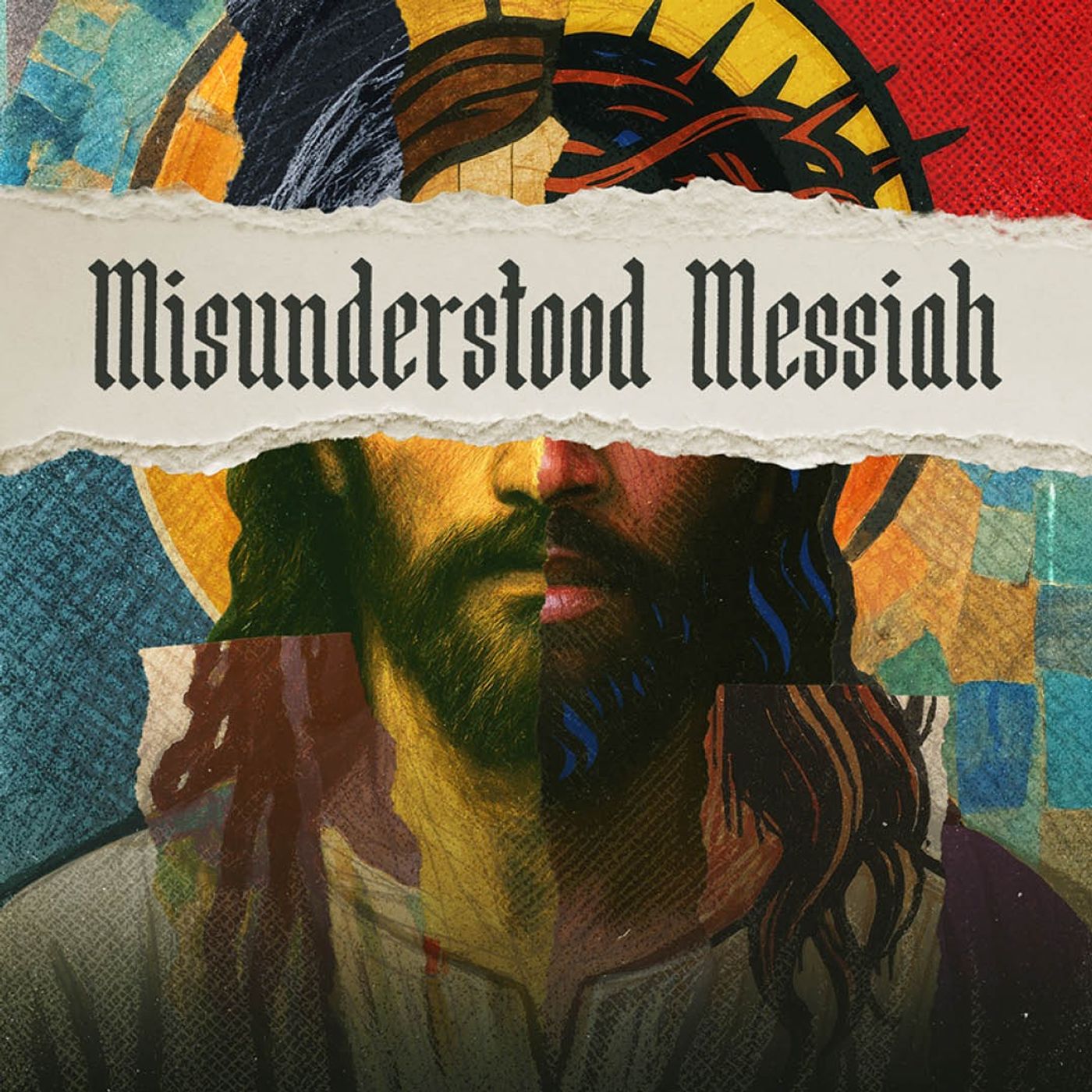
Suffering That Breaks Us
Mar 2200:42:05Tap to summarizeIn this message from Mark 14, we step into the unfolding suffering of Jesus—where loyalty falters, strength fades, and the weight of the cross draws near. From the upper room to the garden of Gethsemane, we see a Savior who knows exactly what lies ahead: betrayal, denial, abandonment. And yet, He does not turn away. Instead, Jesus reveals a deeper truth about suffering—that it does not break the surrendered heart, only the self-reliant one. Even as His closest friends fail Him, Jesus remains anchored in His purpose, choosing obedience over escape, surrender over self-preservation. Through these three scenes, we are invited into a better way to endure suffering: with prayer, with surrender, and within community. Jesus models what it means to bring our anguish honestly before the Father while still trusting His will above our own. He shows us that suffering, when rooted in Him, does not define us—our identity in Him does. Whether we face deserved, innocent, or righteous suffering, the call remains the same: trust the One who endured it all without breaking. This is not just the story of His suffering—it is the path He lays before us, leading to redemption, resilience, and a faith that holds firm.
Transcribe →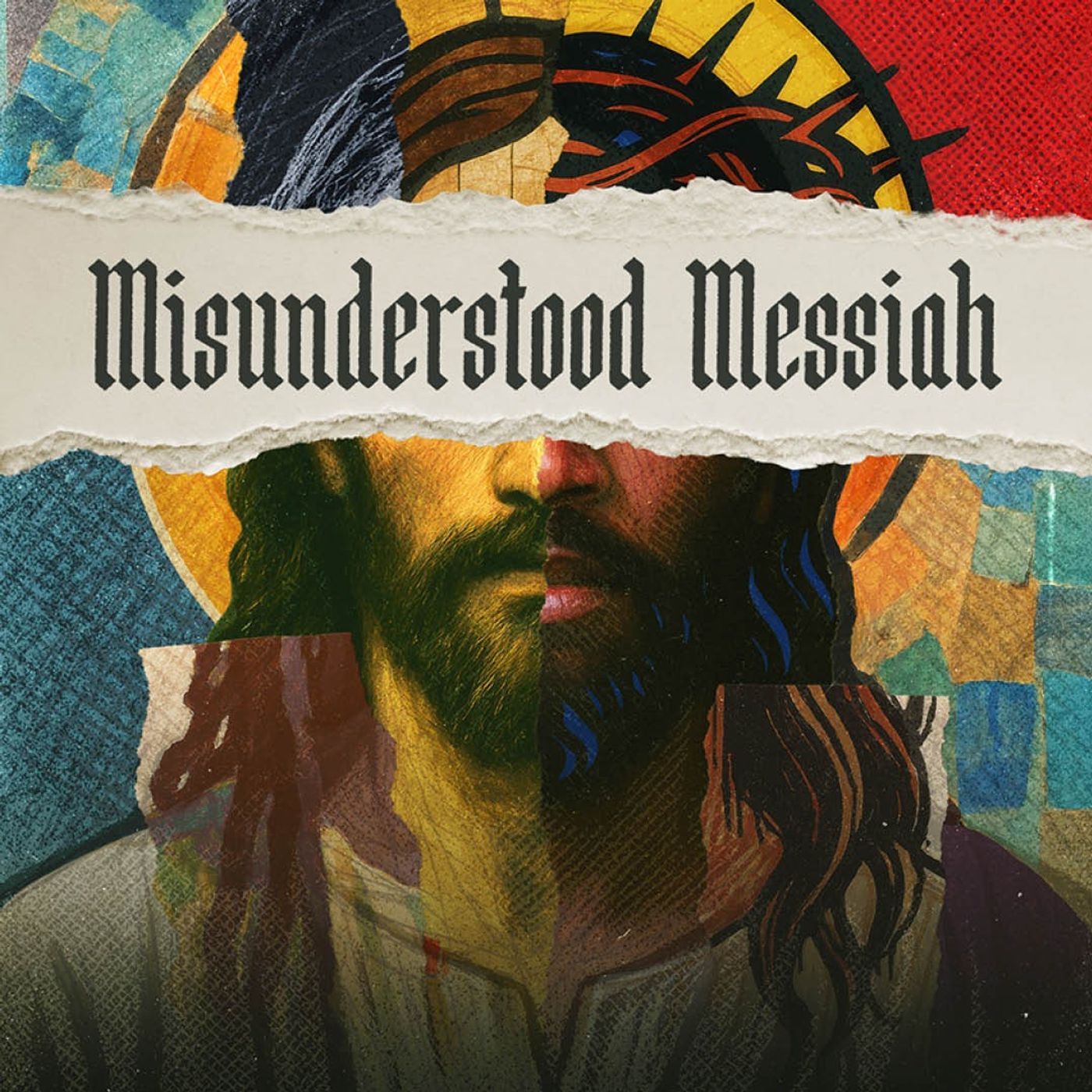
True Worship
Mar 1500:41:21Tap to summarizeIn Mark 14:1–25, we’re invited into a tension-filled moment where devotion and betrayal sit side by side. A woman breaks open an alabaster jar and pours out costly perfume—an act others call wasteful, but Jesus calls beautiful. At the same time, Judas quietly prepares to trade Jesus for silver. It’s a scene that confronts us with a question: what is Jesus worth to us? Is He someone we measure and manage, or someone we surrender to without reservation? In a world driven by efficiency and image, this passage reminds us that authentic worship is often misunderstood—and always costly. As the story moves to the Last Supper, Jesus reframes everything through bread and cup, pointing to a sacrifice that redefines love and loyalty. Even as betrayal looms, He offers Himself freely. This isn’t just a historical moment—it’s an invitation. To examine our own hearts. To recognize where we’ve held back. And to respond not with calculated gestures, but with wholehearted trust. Because in the kingdom Jesus ushers in, the greatest act isn’t taking—it’s giving everything.
Transcribe →Golden Calf
Nov 12, 2023Tap to summarizeTranscribe →Ten Commandments
Aug 27, 2023Tap to summarizeTranscribe →