Loading summary
Transcript185 lines
- [00:00]
A
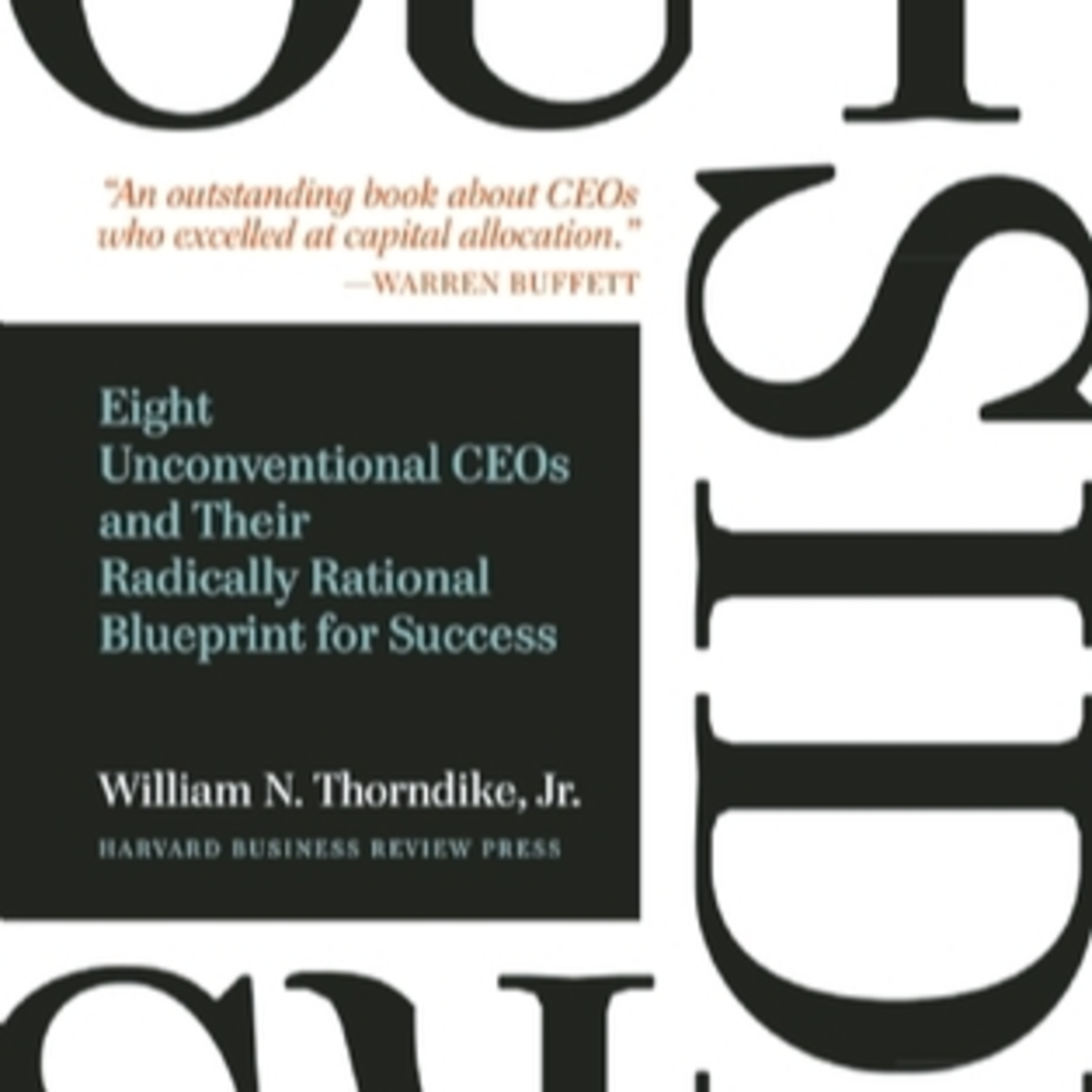
Welcome back to Espresso. You know, we brew up those deep dives into thought provoking books, and today we're going to be looking at the outsiders. Eight unconventional CEOs and their radically rational blueprint for success.
- [00:15]
B
Mm, very interesting.
- [00:17]
A
Yeah, should be good especially for our listeners, you know, if they're looking for new ways to think about leadership and investing and all that.
- [00:24]
B
Oh, for sure. This one's a classic for a reason.
- [00:26]
A
Yeah, and it's kind of crazy to think these CEOs, you know, they did better than like, Icahns, even Jack Welch.
- [00:34]
B
Right.
- [00:35]
A
But their companies, like, nobody really knew them, they weren't like household names.
- [00:39]
B
Yeah, not at all. So that's the big question, right? How'd they pull that off?
- [00:42]
A
Exactly. So like, what was their secret sauce?
- [00:45]
B
Well, it all boils down to this. They thought like investors more than managers. You know, they were treating their companies like you would a portfolio. Always thinking, okay, what? Where do we put our resources to get the most value in the long run?
- [00:56]
A
Oh, that's interesting.
- [00:57]
B
Yeah, it's a whole different mindset.
- [00:59]
A
So the book calls them outsiders, Right? What made them so different from like your typical CEO?
- [01:04]
B
Yeah, well, a lot of them came from backgrounds you wouldn't expect. You know, like an astronaut, A widow who had zero business experience before.
- [01:11]
A
Wow.
- [01:12]
B
Quantitative PhDs, you know, not exactly the usual CEO mold.
- [01:17]
A
Yeah, not this stereotypical image we all have.
- [01:20]
B
Exactly. And most of them were new to the whole CEO thing, which actually worked in their favor, you know?
- [01:26]
A
Okay, how so?
- [01:27]
B
Well, they weren't stuck in that. We've always done it this way, Rut. They brought fresh eyes and a commitment to making decisions based on logic, not just tradition.
- [01:36]
A
Makes sense. So who's like the star of this outsiders club? Who should we meet first?
- [01:39]
B
Oh, gotta start with Henry Singleton. He was the CEO of Teledyne. He's like the gold standard in the book. His returns were insane. Blew everyone else out of the water. Even Jack Welch.
- [01:50]
A
Wow, that's saying something. But was it just luck, you know, right place, right time kind of thing, or.
- [01:55]
B
Nah, it was way more than that. Singleton, he made smart decisions no matter what the market was doing.
- [01:59]
A
So, like, what kind of decisions?
- [02:01]
B
Well, for one, he bought back over 90% of Teledyne stock, which is practically unheard of back then.
- [02:06]
A
Wow, 90%?
- [02:07]
B
Yep, yep. And he didn't pay dividends, which meant more cash to put back into the business. And he ran a super decentralized organization, you know?
- [02:16]
A
Oh, interesting.
- [02:16]
B
Yeah, he let his general managers call the shots on the Ground.
- [02:20]
A
Hmm, that sounds pretty different from the whole top down corporate structure you usually see.
- [02:25]
B
Totally different. Singleton believed in giving his managers autonomy. Let them be entrepreneurs within the company, basically.
- [02:32]
A
Okay, I like that.
- [02:33]
B
Yeah, it created this whole culture of ownership and accountability. And get this, he was known as the Sphinx.
- [02:40]
A
The Sphinx?
- [02:41]
B
Yeah, because he barely ever talked to Wall street analysts or the press. He was all about running the business, not managing people's perceptions.
- [02:48]
A
That's pretty cool. Okay, so Singleton sounds like a total rock star, but what can we, you know, or our listeners even learn from him and these other outsider CEOs?
- [02:57]
B
Well, they all had these core principles that led to their success, and one of them, like we saw with Singleton, was decentralization. You know?
- [03:03]
A
Right, Pushing decisions down.
- [03:05]
B
Yep. They pushed decision making down to their general managers, avoided those bloated corporate structures, and empowered the people closest to the action.
- [03:14]
A
Hmm, that's interesting, because it seems kind of counterintuitive. Right? You'd think a CEO would want to control everything.
- [03:20]
B
You would. But these CEOs, they were comfortable letting go. They knew that too much control from the top can stifle creativity and just create bottlenecks.
- [03:30]
A
Yeah, that makes sense.
- [03:31]
B
So they trusted their teams to make the right decisions for their specific areas. And another key principle was this laser focus on cash flow.
- [03:39]
A
Okay.
- [03:40]
B
These CEOs, they prioritized making and using cash wisely instead of chasing those flashy short term growth numbers or whatever.
- [03:48]
A
So they weren't impressed by those big acquisitions or trying to please Wall street with those quarterly reports and all that?
- [03:53]
B
Nope. They were playing the long game. Focused on building businesses that could generate cash for years to come.
- [03:58]
A
I see.
- [03:59]
B
And that leads to another one of their big principles. Share repurchases.
- [04:02]
A
Okay.
- [04:03]
B
When their stock was undervalued, they saw buying back shares as this powerful tool.
- [04:08]
A
You know, in what way?
- [04:09]
B
It increased ownership for the existing shareholders. And it was like saying, hey, we believe in our company's future.
- [04:15]
A
Oh, that's a good point. But it seems like a lot of CEOs today are more focused on just growth, growth, growth, or making those big, splashy acquisitions you were talking about.
- [04:27]
B
That's true. And the book really digs into why that short term thinking can be so bad for business. Okay, the outsider CEOs were super disciplined when it came to acquisitions. They waited patiently for the right deals. Often they swooped in when everyone else was too scared.
- [04:42]
A
Oh, interesting.
- [04:43]
B
Yeah, and they weren't afraid to walk away if the price wasn't right. Plus, they had a clear plan for integrating those Acquisitions, Making sure they added value to the whole company.
- [04:52]
A
So it sounds like these outsider CEOs, they weren't just like brilliant individuals. They had a whole different way of thinking about their businesses.
- [05:00]
B
Right, exactly. They thought like investors and that made all the difference. It was key to their long term success.
- [05:06]
A
Okay, this is getting really interesting. So we've got decentralization, that focus on cash flow and being smart with acquisitions. What other principles did the CEOs share?
- [05:17]
B
Well, they all took the long view. You know, they ignored that pressure to chase quarterly earnings or follow the latest Wall street fads.
- [05:25]
A
They weren't swayed by all that hype?
- [05:27]
B
Nope. They were building legacies, not trying to make a quick buck. Thinking about the next decade, not the next quarter.
- [05:33]
A
That's impressive.
- [05:34]
B
It is. And you know, it's all well and good to talk about these principles, but how did they actually play out in real life, you know?
- [05:40]
A
Yeah, I was just thinking that. Can you give us some examples of how these CEOs made decisions?
- [05:44]
B
Absolutely. Let's dive into how they use these principles for their capital allocation strategies.
- [05:49]
A
Okay.
- [05:50]
B
We'll see how they made those tough choices about where to invest their money and why those choices ultimately made them so successful.
- [05:56]
A
Okay, before we get too far, I just want to make sure everyone's on the same page. Capital allocation, you know, it sounds kind of scary, but it's really just about deciding where to put your money to work.
- [06:06]
B
That's a great way to put it.
- [06:07]
A
It's something we all do, right? Running a business investment for retirement. Even deciding whether to finally remodel that kitchen.
- [06:14]
B
Exactly. And these CEOs, they were masters of the capital allocation game. Okay, the book goes deep into specific examples, like how Singleton used buybacks to create massive value at Teledyne. Or Tom Murphy's brilliant acquisition of abc, which totally transformed Capital City's broadcast.
- [06:33]
A
Get into all that.
- [06:34]
B
We'll explore those examples and more as we keep going with the Outsiders.
- [06:38]
A
This is already so insightful. I can't wait to learn more about these unconventional CEOs and how they did business.
- [06:43]
B
Me too. It's a wild ride.
- [06:44]
A
Welcome back to Espresso.
- [06:46]
B
Yeah.
- [06:46]
A
We're continuing our deep dive into the Outsiders and, you know, exploring all those unusual strategies those CEOs use to find all that success.
- [06:55]
B
Yeah, and today we're going to get to a CEO who might surprise you. Bill Steerarts. The guy behind Ralston Purina Steeritz.
- [07:03]
A
The pet food guy. How does he fit in with all these, like, high powered, outsider CEOs?
- [07:07]
B
That's what's so cool about this book. It really makes you rethink what kinds of industries those mavericks come from. You know, Steeritz, he was in this kind of boring packaged goods sector, but he was anything but ordinary.
- [07:19]
A
All right, you got my attention. What did he do that was so different?
- [07:23]
B
Well, when he took over Ralston Purina, it was this huge, sprawling conglomerate. You know, he realized pretty quick that their real strength was in their consumer brands. So he started getting rid of stuff that didn't really fit, like mushroom farms, even a hockey team.
- [07:39]
A
Wait, he sold a hockey team?
- [07:40]
B
Yeah.
- [07:40]
A
Sounds like he was really focused on what mattered.
- [07:42]
B
Oh, yeah. Steroids was all about profitability. He knew consumer brands with their high margins and not needing tons of capital. That was the ticket to long term value.
- [07:51]
A
So streamline and focus on the money makers. Got it. What else?
- [07:55]
B
He wasn't scared to use financial tools that were considered, like, super risky in the packaged goods world back then.
- [08:00]
A
Like what?
- [08:01]
B
He loved leverage. Using debt to buy back stock and make acquisitions, all while keeping their taxes low.
- [08:07]
A
Hmm, that's interesting. Most people think of leverage as dangerous, but he saw it as a good thing.
- [08:12]
B
He knew companies with strong, predictable cash flow, like Ralston Purina, they could use debt safely to make more money. He was operating more like a private equity firm than a regular packaged goods company.
- [08:24]
A
So he was a financial innovator in this, like, really conservative industry. Any other surprises?
- [08:28]
B
Stewart's was also way ahead of the curve with spinoffs.
- [08:32]
A
Spinoffs?
- [08:33]
B
Yeah. He saw that some of Ralston's businesses, even though they had that decentralized structure, they weren't getting the attention they deserved. You know, they weren't reaching their full potential stuck inside this big conglomerate.
- [08:45]
A
For those of us who don't know, can you explain what a spinoff is and why a CEO would do that?
- [08:50]
B
Sure. A spinoff is basically when a company takes a piece of itself, like a business unit, and turns it into its own separate company.
- [08:57]
A
Okay.
- [08:58]
B
It can be a good thing for shareholders. Sometimes that unit is undervalued as part of the bigger company. Or maybe it just needs to focus on its own thing without the distractions of a big corporate structure.
- [09:08]
A
So Steeritz saw spinoffs as a way to, like, unlock all this hidden value inside Ralston Purina.
- [09:16]
B
Exactly. He spun off businesses like Energizer and Continental Baking, let them become their own successes. He wasn't afraid to break up the company to make more money for the shareholders.
- [09:26]
A
It's kind of wild how these outsider CEOs often did the opposite of what everyone else was doing. Yeah, you know, back then, bigger was always seen as better in the corporate world.
- [09:35]
B
Yeah, but Steeritz, he did his own thing. And he had a really unique approach to acquisitions too.
- [09:40]
A
Oh, how so?
- [09:40]
B
He looked for businesses that were under managed but had potential. And then he used Ralston's marketing know how to turn up into winners. He was always looking for the best place to put his money and wasn't scared to make big moves.
- [09:54]
A
So we're seeing some familiar themes here. Focus on cash flow, using leverage smartly and making those bold contrarian moves. Anything else that stands out about Steri?
- [10:03]
B
Oh yeah. He really didn't trust using book value to measure a company's worth. He thought it was totally meaningless in his industry.
- [10:10]
A
Okay.
- [10:10]
B
He cared way more about cash flow and return on invested capital. Things that showed the real earning power of a business.
- [10:16]
A
So he was a data guy, focused on the numbers that really mattered.
- [10:19]
B
Totally. And like the other outsider CEOs, Stewart stayed away from all that Wall street hype. Rarely talked to analysts, never gave quarterly guidance, kept a low profile.
- [10:28]
A
Let the results speak for themselves.
- [10:30]
B
Exactly. It just goes to show you don't have to be that charismatic media savvy CEO to win big. Sometimes it's the quiet analytical types who really kill it.
- [10:39]
A
It's a good reminder for sure. Alright, so let's move on to another fascinating outsider CEO, Dick Smith. The guy who led General Cinema's incredible transformation.
- [10:49]
B
General Cinema. I remember them as movie theaters. What makes them an outsider story?
- [10:53]
A
Well, that's the thing. Smith took over back in the early 60s when they were mostly just movie theaters.
- [10:58]
B
Okay.
- [10:58]
A
But he was super forward thinking. He knew the movie business wasn't going to grow forever. So he started looking for other things to get into.
- [11:04]
B
Smart.
- [11:04]
A
And those other things were pretty unexpected.
- [11:06]
B
Oh yeah. He took General Cinema into the soft drink bottling business and even bought Neiman Marcus, the fancy department store chain.
- [11:13]
A
Who? From popcorn and tickets to high end fashion. That's a major shift.
- [11:17]
B
Yeah.
- [11:18]
A
How do you pull that off?
- [11:19]
B
Smith really understood cash flow and he wasn't afraid to use debt to finance those acquisitions. He was like a master of reinvention. Always adapting to the market and looking for new opportunities.
- [11:30]
A
So again we see that focus on cash flow, smart use of debt and those bold contrarian moves. Anything else that made him unique?
- [11:37]
B
He had the small but super talented team of execs he called the office of the Chairman or ooc. They were like his mini brain trust. Helped him make those big decisions and execute his vision.
- [11:49]
A
It's interesting how many of these outsider CEOs like those lean corporate structures?
- [11:56]
B
Yeah, they believed in empowering their teams and avoiding all that bureaucracy. It was so different from those top down hierarchical structures that were everywhere back then.
- [12:04]
A
So this ooc, it was like Smith's secret weapon?
- [12:07]
B
Kind of. They were all about that rational, data driven decision making. And they were super disciplined with acquisitions, had their criteria and wouldn't budge on price, even if it meant walking away from a deal.
- [12:18]
A
Sounds like a very disciplined and collaborative culture.
- [12:20]
B
It was. And Smith, like a lot of the other CEOs we've talked about, he was incredibly patient.
- [12:24]
A
Oh, really?
- [12:25]
B
Yeah, he was willing to wait years for the right opportunity, even if it meant sitting on a ton of cash.
- [12:30]
A
That's rare these days. Everyone wants results. Like right now.
- [12:33]
B
But Smith knew patience pays off, especially when you're talking about capital allocation. He was always thinking long term. Not just the next quarter, but the next decade.
- [12:43]
A
Impressive. Okay, so far we've seen CEOs who made their mark in tech, manufacturing, packaged goods, retail. What other industries are in this book?
- [12:54]
B
Well, we can't wrap up the Outsiders without talking about the guy who revolutionized the cable industry. John Malone.
- [13:00]
A
Oh, yeah, I know that name. He built TCI into this cable empire. Right. What made him different? Welcome back to Espresso. We're wrapping up our deep dive into the Outsiders, looking at all those CEOs who kind of broke the mold and found amazing success.
- [13:14]
B
And last time we were talking about John Malone, you know, the cable industry legend. He built TCI into this powerhouse.
- [13:19]
A
Yeah, Malone. He's a big name in the business world. What set it apart from everyone else?
- [13:24]
B
Well, he was obsessed with cash flow. Even more than some of Those other outsider CEOs we talked about, he saw it as the most important thing for any business. Business. The fuel that lets you invest, acquire, grow, you know.
- [13:35]
A
So he was on the same page as the others, prioritizing cash flow over short term profits or those big flashy acquisitions.
- [13:41]
B
Oh, absolutely. But Malone took it to a whole other level. He was like a master of financial engineering. Using debt strategically and coming up with these innovative financial structures to maximize returns. Okay, and he was way ahead of his time when it came to minimizing taxes. Something that Wall street analysts just didn't get.
- [13:59]
A
So can you give us an example of how he used that financial engineering to his advantage?
- [14:04]
B
Sure. One of his big innovations was focusing on this metric called ebitda. Earnings before interest, taxes, depreciation and amortization.
- [14:11]
A
Okay, for those of us who aren't Financial wizards. Can you break down what EBITDA is and why it was so important to Malone?
- [14:17]
B
Basically, EBITDA gives you a better picture of a company's operating cash flow by taking out those non cash expenses like depreciation and amortization.
- [14:25]
A
Gotcha.
- [14:26]
B
Malone saw EBITDA as a more accurate way to measure a company's real earning power than just looking at traditional net income.
- [14:33]
A
I see.
- [14:34]
B
And he used it for everything. Evaluating acquisitions, making investment decisions, structuring deals.
- [14:40]
A
So he was looking at businesses through a different lens, one that focused on the cash they generated, not just their accounting profits.
- [14:47]
B
Exactly. And it gave him a real edge in the cable industry, where cash flow was king. And he wasn't afraid to use leverage to buy up Cubel Systems.
- [14:56]
A
Okay.
- [14:57]
B
He understood that. The steady subscription based revenue from cable TV that made it safe to take on debt.
- [15:03]
A
And he was known for using those complex financial structures to minimize his taxes.
- [15:07]
B
Oh, yeah, he was a master at using partnership spinoffs, all sorts of creative things, to legally reduce his tax bill, which meant more cash flow to put back into the business.
- [15:17]
A
Sounds like he was playing chess while everyone else was playing checkers.
- [15:19]
B
He was a brilliant strategist, always thinking a few steps ahead. And like the other outsider CEOs, he wasn't afraid to go against the grain or make decisions that other people might question.
- [15:29]
A
So we've covered a lot of ground in this deep dive meeting CEOs from all these different industries who share these common principles. Before we wrap up, is there anyone today, a modern day CEO who embodies this outsider philosophy?
- [15:42]
B
The book mentions a few, but one that really stands out is the former CEO of Exxon Mobil, Rex Tillerson. He had a lot of those same outsider characteristics. A capital allocation expert, disciplined acquirer, focused on generating cash flow. Plus, he was known for avoiding the press and the Wall street spotlight.
- [15:59]
A
So even in a huge global company like ExxonMobil, these outsider CEO principles, they still work?
- [16:04]
B
Absolutely. These principles, they're timeless. They apply to any business, big or small, any industry.
- [16:10]
A
So as we wrap up our deep dive into the outsiders, what are some of the key takeaways our listeners can use in their own careers or businesses?
- [16:17]
B
I think the biggest takeaway is the power of thinking for yourself. You know, these CEOs were all super smart, but what made them different was their willingness to trust their own judgment and make decisions that went against conventional wisdom.
- [16:29]
A
They weren't afraid to challenge the status quo or be contrarian. They trusted their gut even when others doubted them.
- [16:36]
B
Exactly. And they were incredibly patient and disciplined. They weren't chasing quick wins or trying to impress Wall Street. They were building something that would last for decades.
- [16:46]
A
They were playing the long game and it paid off.
- [16:49]
B
Another important lesson is really understanding your business and what drives its value. These CEOs, they were obsessed with cash flow, not just profits, because they knew cash flow was what allowed them to grow, invest and create value for their shareholders.
- [17:04]
A
And they used those financial tools like leverage and spinoffs to their advantage. They were masters of capital allocation, always looking for the best way to use their resources.
- [17:13]
B
It's also important to remember that these CEOs were builders at heart. They weren't just financial engineers. They were passionate about their businesses and creating something that would make a difference.
- [17:23]
A
They had a vision and they went after it, even when it meant going against the grain.
- [17:27]
B
And they weren't afraid to adapt and evolve. They were always looking at their strategies, making changes, finding new opportunities. They knew the business world is always changing and they changed with it.
- [17:38]
A
This has been such an insightful deep dive. I think it's safe to say that the Outsiders is a must read for anyone who wants to understand how to achieve amazing results in business.
- [17:48]
B
I totally agree. It challenges how we think about leadership, strategy and capital allocation. It's a game changer.
- [17:54]
A
So for our listeners who want to learn more, definitely pick up a copy of the Outsiders. It'll change the way you think about business and what it takes to succeed.
- [18:02]
B
And if you're looking for more great conversations about books that make you think, be sure to subscribe to Espresso. We'll be back next week with another brew of insightful conversation.
- [18:11]
A
Until then, keep those espresso cups full and those minds engaged. We'll see you next time.