
Podcast
Expanding Access
Hosted by Behavioral Health Tech · EN
"Expanding Access," a podcast by Behavioral Health Tech, explores how technology and innovation are transforming mental health, substance use, and autism/IDD care. Tune in for expert discussions on key topics like employee benefits, health equity, investment and M&A landscape, neurodiversity, Medicaid, value-based care, and the future of behavioral health.
27episodes
Episodes
Newest firstAll episodes
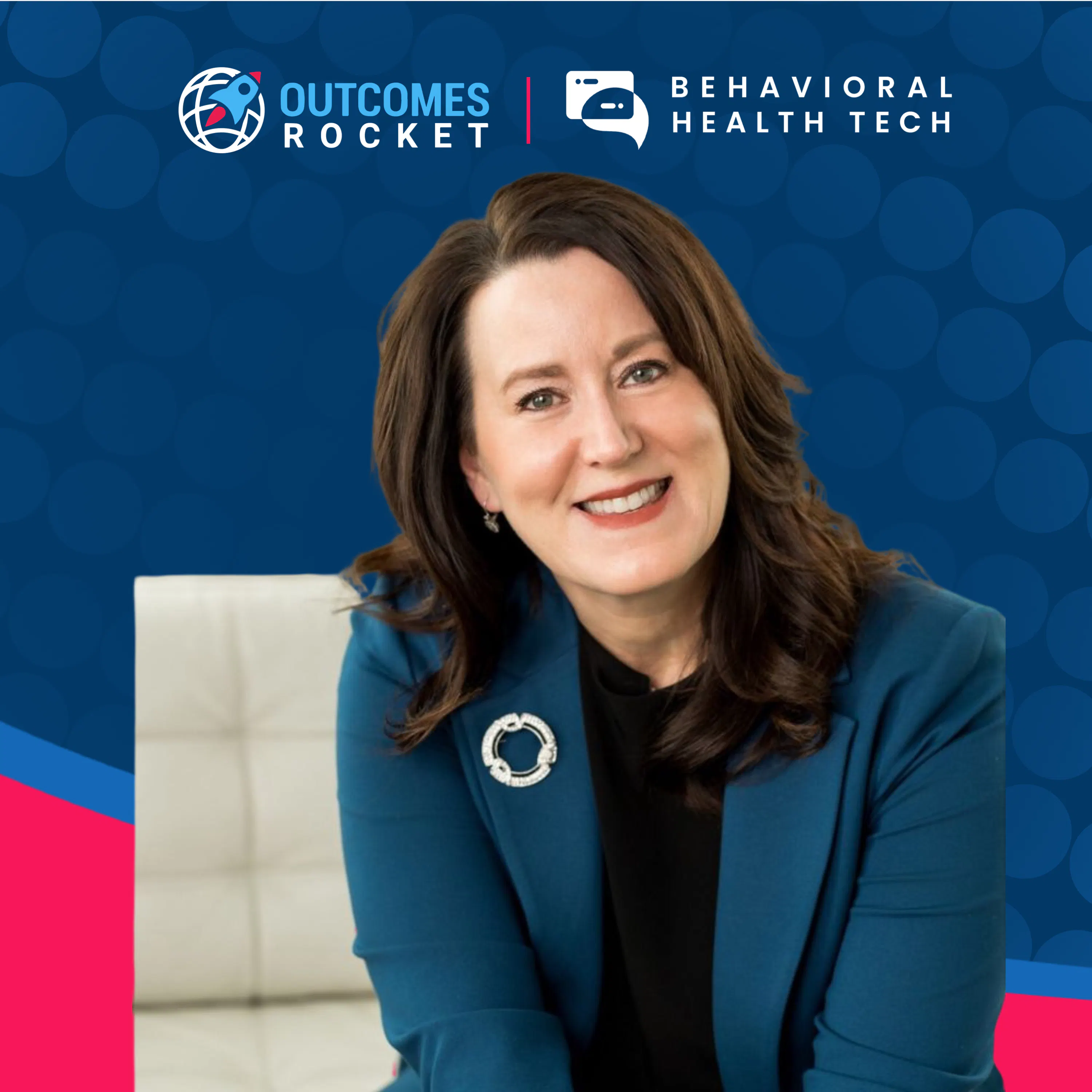
When Success Starts to Feel Misaligned: How Leaders Can Recognize Drift and Return to Clarity with Kristi Huber
2w ago00:29:15Tap to summarizeBurnout often does not happen all at once. For many leaders, it starts with small moments of drift away from their vision, voice, values, and vitality. In this episode, Kristi Huber, Founder of Perspective Shift Consulting, discusses how leaders can recognize and prevent leadership drift before it leads to burnout. Drawing from her own lived experience, she explains why high achievers are especially vulnerable to overcommitting, losing alignment, and operating on autopilot. Kristi introduces the Radical Clarity Compass as a practical framework for helping leaders and teams pause, reflect, and reconnect with what matters most. The conversation explores how greater self-awareness and intentional leadership can create healthier, more sustainable success. Tune in to hear how intentional pauses, clearer priorities, and stronger alignment can help leaders return to clarity, energy, and purpose! Resources: Connect with and follow Kristi Huber on LinkedIn and visit her website. Follow Perspective Shift Consulting on LinkedIn and explore their website.
Transcribe →
Fixing the Broken Path to Disability Benefits with Lauren Fusco, Director of Partnerships at Mindset Care
May 500:16:02Tap to summarizeNavigating SSI and SSDI benefits is often overwhelming, time-consuming, and difficult to manage, especially for individuals already dealing with health, financial, and life challenges. In this episode, Lauren Fusco, Director of Partnerships at Mindset Care, shares how Mindset Care is addressing these barriers with end-to-end, person-centered support that guides individuals through every step of the process. By combining technology with human expertise, Mindset helps streamline applications, improve approval outcomes, and reduce the burden on individuals and care teams alike. Through partnerships with providers, payers, and community organizations, they’re turning disability benefits into a critical gateway for broader care, stability, and improved quality of life. Tune in to hear how a more human, connected, and tech-enabled approach is helping people access the benefits they deserve! Resources: Connect with and follow Lauren Fusco on LinkedIn. Follow Mindset on LinkedIn and explore their website.
Transcribe →
What Unified Platforms Make Possible In Behavioral Health with Tasneem Sanwarwalla, Director, Healthcare Presales at Workday
Apr 2800:23:43Tap to summarizeUnified enterprise systems are no longer back-office upgrades in behavioral health. They are essential infrastructure for access, workforce stability, and financial resilience. In this episode, Tasneem Sanwarwalla, Director, Healthcare Presales at Workday, explains why behavioral health organizations need a unified platform that connects HR, finance, and operations in real time. She highlights how fragmented systems contribute to burnout, limit visibility, and force leaders to rely on outdated data for critical decisions. Tasneem shares how modern platforms enable better workforce planning, scenario modeling, and early detection of staff strain while aligning staffing, care delivery, and financial performance. She also discusses how AI can reduce administrative burden by automating repetitive tasks and allowing clinicians and leaders to focus more on people than paperwork. Tune in and learn how unified systems and thoughtfully applied AI can help behavioral health organizations scale access, support staff, and make better decisions. Resources: Connect with and follow Tasneem Sanwarwalla on LinkedIn. Learn more about Workday on LinkedIn and explore their website here.
Transcribe →
Designing the AI Native Clinic with Dominik Middelmann, co-founder and CEO of mdhub
Apr 2100:15:02Tap to summarizeGetting mental health care is not only about having enough clinicians. It is also about having systems that help people get in the door, get treated, and stay on track without delays. In this episode, Dominik Middelmann, co-founder and CEO of mdhub, discusses how everyday operational issues can slow access to behavioral health care. He explains how missed calls, excessive paperwork, disconnected systems, and billing issues can get in the way of helping people, even when clinics have open appointments. Dominik shares how mdhub was built to bring many of these tasks together into one system, using AI to support scheduling, documentation, and payment workflows. He also explains why trust matters when using AI in mental health care, especially regarding privacy, security, and reliability, and offers practical advice for organizations trying new AI tools. Tune in to learn how better systems and carefully designed AI can make mental health care easier to access and deliver. Resources: Connect with and follow Dominik Middelmann on LinkedIn. Follow mdhub on LinkedIn and explore their website here.
Transcribe →
Why Payers And Providers Need A Better Compliance Bridge with Paige Dustmann and Derek Staub
Apr 1400:23:01Tap to summarizeCompliance works better when documentation supports care in real time instead of becoming a burden after the fact. In this episode, Paige Dustmann and Derek Staub discuss how fraud, waste, and abuse pressures are reshaping behavioral health compliance for providers, payers, and managed care organizations. Paige explains how Monolith Health helps teams capture services, assessments, and treatment planning in real time, reducing paperwork and improving audit readiness. Derek highlights how changing regulations, random audits, and documentation gaps can put even well-intentioned providers at risk, emphasizing the need for stronger systems and clearer communication with MCOs. Together, they explore how better workflows, state-aligned lesson plans, and proactive compliance tools can protect organizations while ensuring clients receive care that meets their real needs. Tune in and learn how better documentation, stronger compliance systems, and clearer payer-provider communication can reduce risk and improve behavioral health care delivery! Resources: Learn more about Monolith Health on their LinkedIn and visit their website here.
Transcribe →
Your Life is Worth the Work: From Episodic Treatment to Continuous Recovery with Chris Thompson, founder and CEO of Sober Sidekick
Mar 3100:25:41Tap to summarizeRecovery outcomes improve when support is continuous, trust-based, and built around human connection rather than episodic treatment alone. In this episode, Chris Thompson, founder and CEO of Sober Sidekick, shares how his personal experience with addiction inspired him to build a platform focused on reducing isolation and providing real-time support. He explains why relapse, overdose, and crises often occur outside traditional care settings, where support is limited. The platform addresses this gap through peer support, behavioral signals, and care navigation to engage people when it matters most. Chris also critiques traditional treatment incentives and emphasizes the need for a more empathetic, proactive, and trust-based approach to long-term recovery. Tune in and learn how always-on, empathy-driven support can help people sustain recovery and rethink how addiction care is delivered! Resources: Connect with and follow Chris Thomson on LinkedIn. Learn more about Sober Sidekick by Empathy Health Tech on their LinkedIn and explore their website.
Transcribe →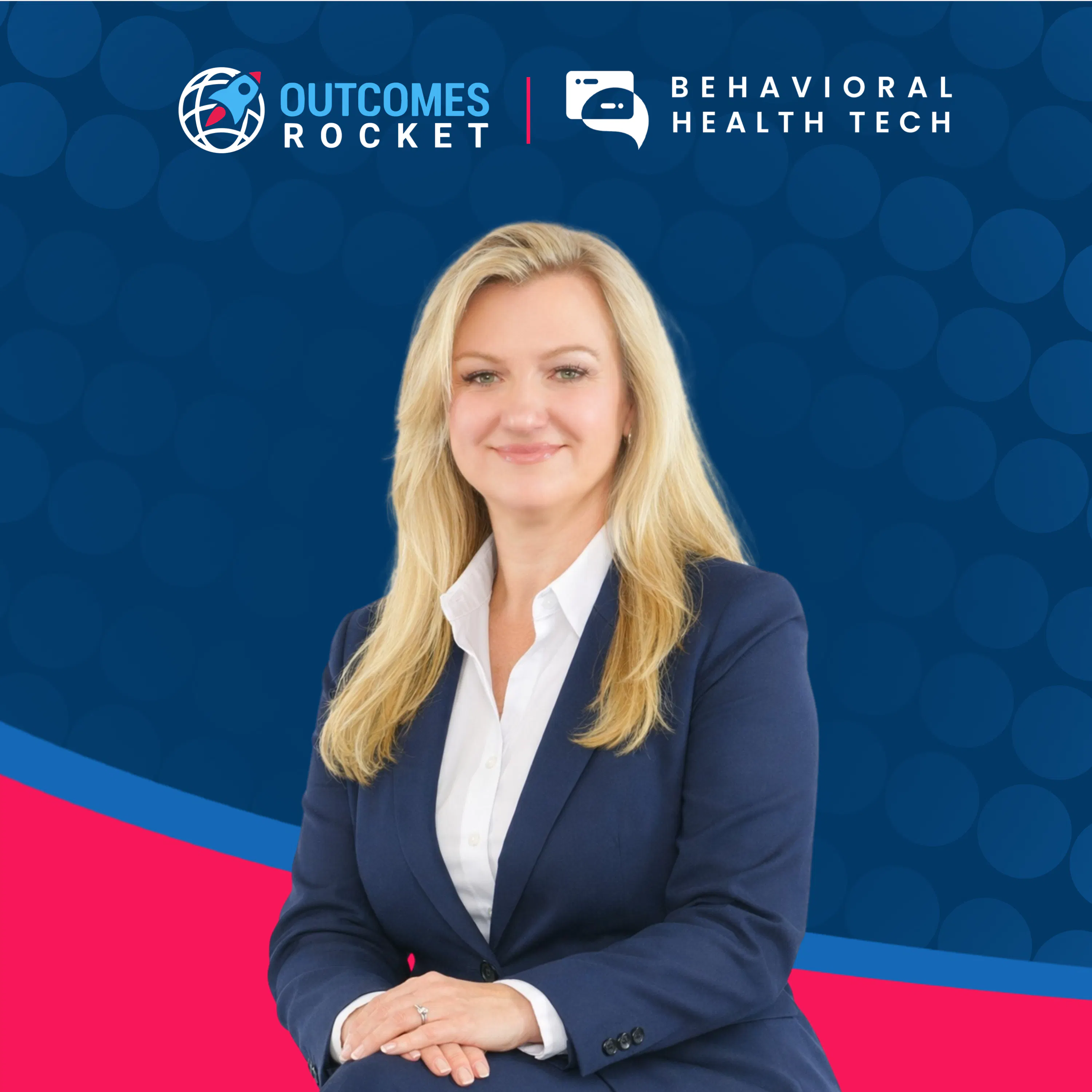
When Law Meets Lived Experience: Building Ethical Data Systems for Behavioral Health with Helen Oscislawski, Legal Counsel at Attorneys at Oscislawski LLC
Mar 2400:26:20Tap to summarizeWhat if the biggest barrier to better behavioral health outcomes isn’t access to data, but how carefully we protect it? In this episode, Helen Oscislawski, a healthcare data privacy and interoperability attorney, explains that behavioral health and substance use data require stricter privacy protections due to their sensitivity and history of misuse, and are governed by laws such as 42 CFR Part 2. She highlights how modern interoperability and AI create new opportunities to share data more precisely, but also introduce greater legal and ethical risks. Updated regulations now allow more flexible data sharing to improve care coordination, while introducing stronger enforcement and penalties for non-compliance. She emphasizes that success depends on “privacy by design,” strong governance, and a deep understanding of consent frameworks to preserve patient trust. Tune in to learn how smarter consent, stronger privacy frameworks, and better governance can unlock safer, more effective data sharing in behavioral health! Resources: Connect with and follow Helen Oscislawski on LinkedIn. Follow Attorneys Oscislawski LLC on LinkedIn and visit their website. Check out the Legal HIE website.
Transcribe →
Tribal Communities, Casinos, and Community Wellness with Davina Mena, Tribal Liaison for the Arizona Division of Problem Gambling
Mar 1000:09:50Tap to summarizeBehavioral addictions like gambling are real behavioral health conditions, not character flaws, and they can hide in plain sight. In this episode, Davina Mena, Tribal Liaison for the Arizona Division of Problem Gambling, explains how behavioral addictions work and why gambling is often misunderstood, including how it can rewire the brain’s reward system much like substance use disorders. She describes how gambling addiction can surface at work through distraction, missed time, stress, and financial pressure, even when individuals appear high-functioning. Davina offers practical guidance for families and individuals, emphasizing empathy, healthy boundaries, honest self-checks, and awareness of local resources. She also urges providers to integrate brief screening questions into routine care and discusses the unique realities for tribal communities, where casinos support economic sovereignty while still posing risks that deserve proactive attention. Tune in to better understand behavioral addictions, reduce stigma, and learn concrete ways families, providers, and communities can respond. Resources: Connect with and follow Davina Mena on LinkedIn. Follow the Arizona Department of Gaming on LinkedIn. Learn more about the Arizona Department of Gaming’s Problem Gambling Division on their website. Take the Problem Gambling Self-screening Quiz here. If someone you know is struggling with a gambling addiction, call 1-800-NEXT-STEP or the national helpline at 1-800-GAMBLER for confidential support.
Transcribe →
The Real Reason Foster Youth Struggle To Access Care with Michelle Turner, founder and CEO of Here Now Health
Mar 300:25:17Tap to summarizeStability and early mental health care are the biggest levers for improving outcomes for kids impacted by foster care. In this episode, Michelle Turner, founder and CEO of Here Now Health, shares how her experience as a foster parent revealed critical gaps in mental healthcare access for children and young adults in the child welfare system. She explains how placement instability, case manager turnover, and reliance on crisis care undermine long-term stability and permanency. Michelle explores why foster youth drive significantly higher Medicaid spending due to emergency interventions rather than preventive care, and how virtual, trauma-informed therapy that follows the child can improve outcomes. She closes with insights on caregiver support and how Medicaid and policy can be better leveraged as preventive tools designed specifically for foster youth. Tune in and learn how targeted, trauma-informed virtual care can prevent crisis, stabilize families, and transform outcomes for foster youth! Resources: Connect with and follow Michelle Turner on LinkedIn. Learn more about Here Now Health on their LinkedIn and explore their website.
Transcribe →
Designing for Dignity: Creating Care Pathways That Meet People Where They Are with Dr. Justin Coffey, Chief Medical officer at WorkIt Health
Feb 400:21:09Tap to summarizePatient-centered design is not a nice-to-have in healthcare. It is the key to access, trust, and better outcomes. In this episode, Dr. Justin Coffey, Chief Medical officer at WorkIt Health, discusses how designing treatment around lived experience can transform substance use care. He explains the philosophy of patients as designers, why immediate access matters in moments of readiness, and how whole-person care better reflects the realities of recovery. The conversation highlights how digital care can reduce stigma, improve engagement, and reach underserved populations, including rural patients and pregnant individuals. Dr. Coffey shares practical examples of how technology, team-based care, and thoughtful design remove barriers while maintaining human connection and explores the future role of AI in supporting care delivery and patient empowerment. Tune in and learn how patient-designed digital care can create more accessible, humane, and effective treatment. Resources: Connect with and follow Dr. Justin Coffey on LinkedIn. Follow Workit Health on LinkedIn and explore their website.
Transcribe →