Podcast
Exploring Washington State
Hosted by Explore Washington State -Scott Cowan · EN
What if you could sit down at your favorite coffee shop with the most interesting people in Washington State?
Every episode does exactly that. Host Scott Cowan has unhurried conversations with artists, entrepreneurs, historians, and makers—people doing fascinating work across the state. These 60-minute episodes feel less like interviews and more like catching up with a friend who has great stories to tell.
No scripts. No time limits. Just curiosity and good conversation.
340+ episodes and counting. There is always more to explore.
18episodes
Episodes
Newest firstAll episodes
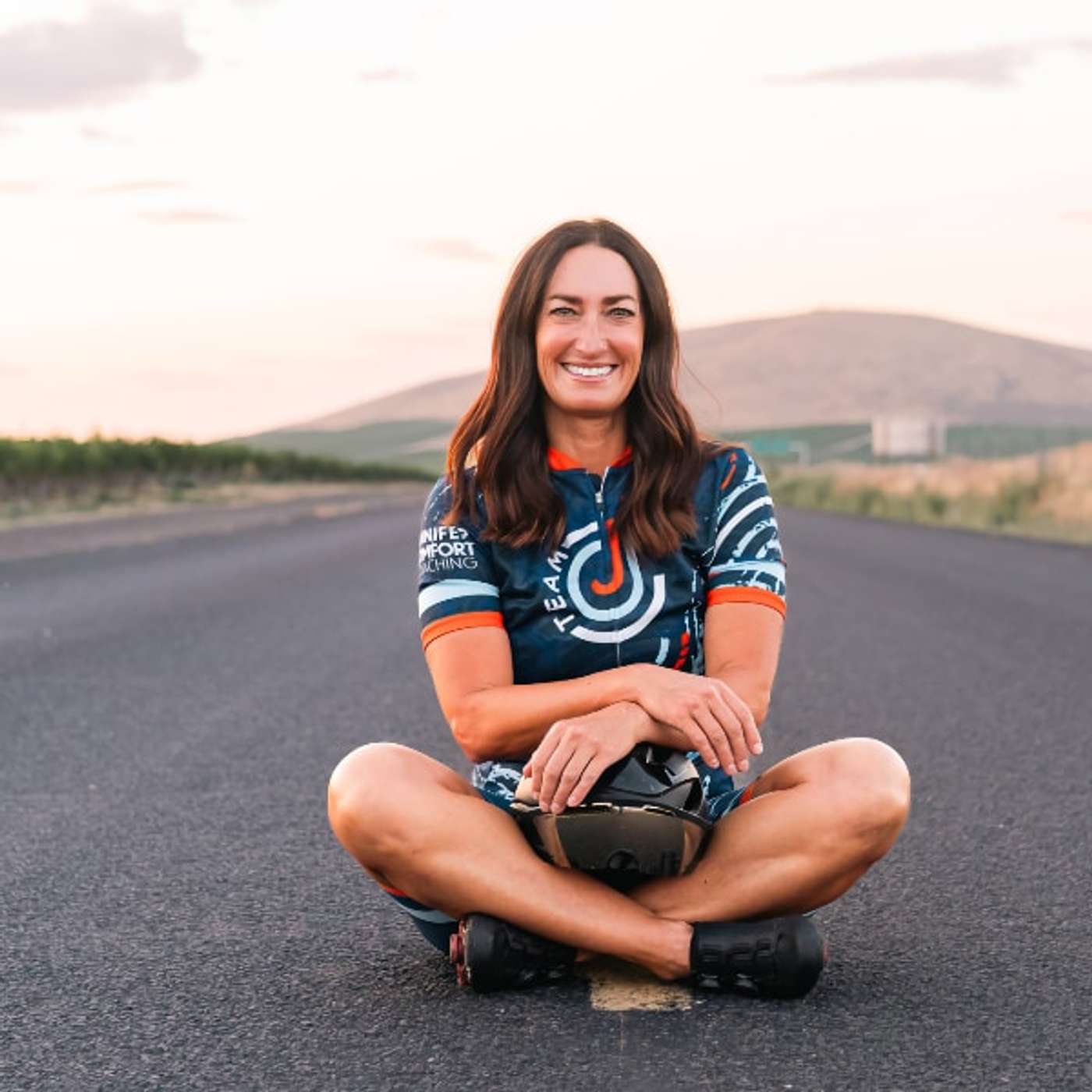
Tri Cities Ironman: Training, Coaching, and Conquering with Jennifer Comfort
Aug 1301:13:07Tap to summarizeWhat does it really take to train, fuel, and push through 70.3 miles? Athlete & coach Jennifer Comfort shares her raw, behind the scenes look at the Tri Cities Ironman from first timer jitters to race day breakthroughs. Expect grit, laughs, and stories you will not hear anywhere else.
Transcribe →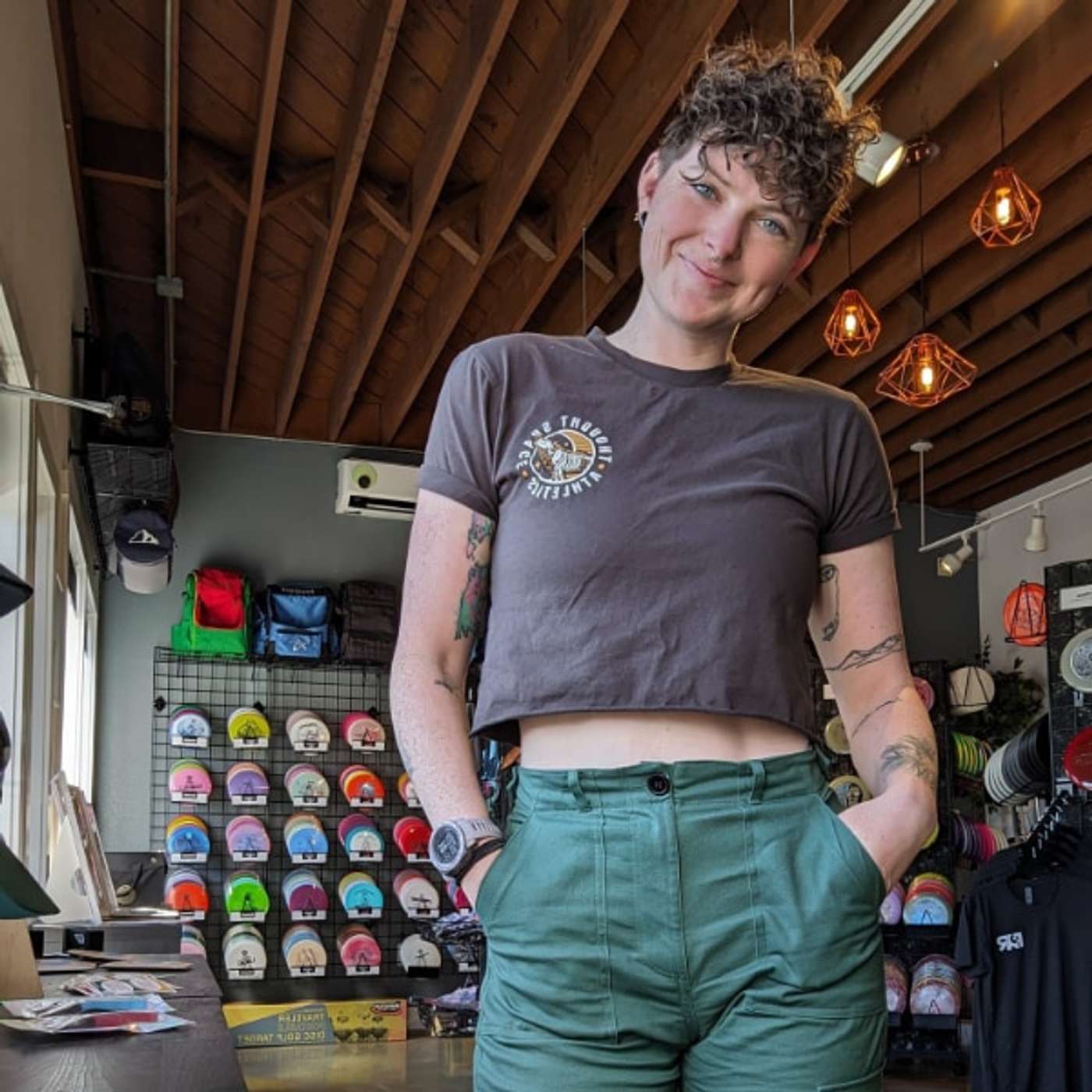
Lost Discs, Found Community: Daisey James on Growing Disc Golf in Bellingham
Aug 6, 202501:03:33Tap to summarizeWhen Daisey James picked up a disc during COVID, she didn’t plan on building a movement. Now, she’s the co-owner of Far From Par, president of the Whatcom Disc Golf Club, and the unofficial “lost disc” hero of Bellingham — having reunited over 2,200 lost discs with their owners.But this story isn’t about frisbees.It’s about how a simple, accessible sport created a ripple effect of community, stewardship, and connection in a town where outdoor culture runs deep. From cleaning up abandoned lots to transforming them into public disc golf courses, to building a retail shop that feels like a local hub, Daisey’s journey is as much about people as it is about play.We talk disc golf 101 (yes, Scott still asks the beginner questions), the quirks of Bellingham’s disc scene, and the power of saying “yes” to your local community.If you’ve ever wondered how a hobby turns into a passion, and a passion turns into purpose—this one’s for you.
Transcribe →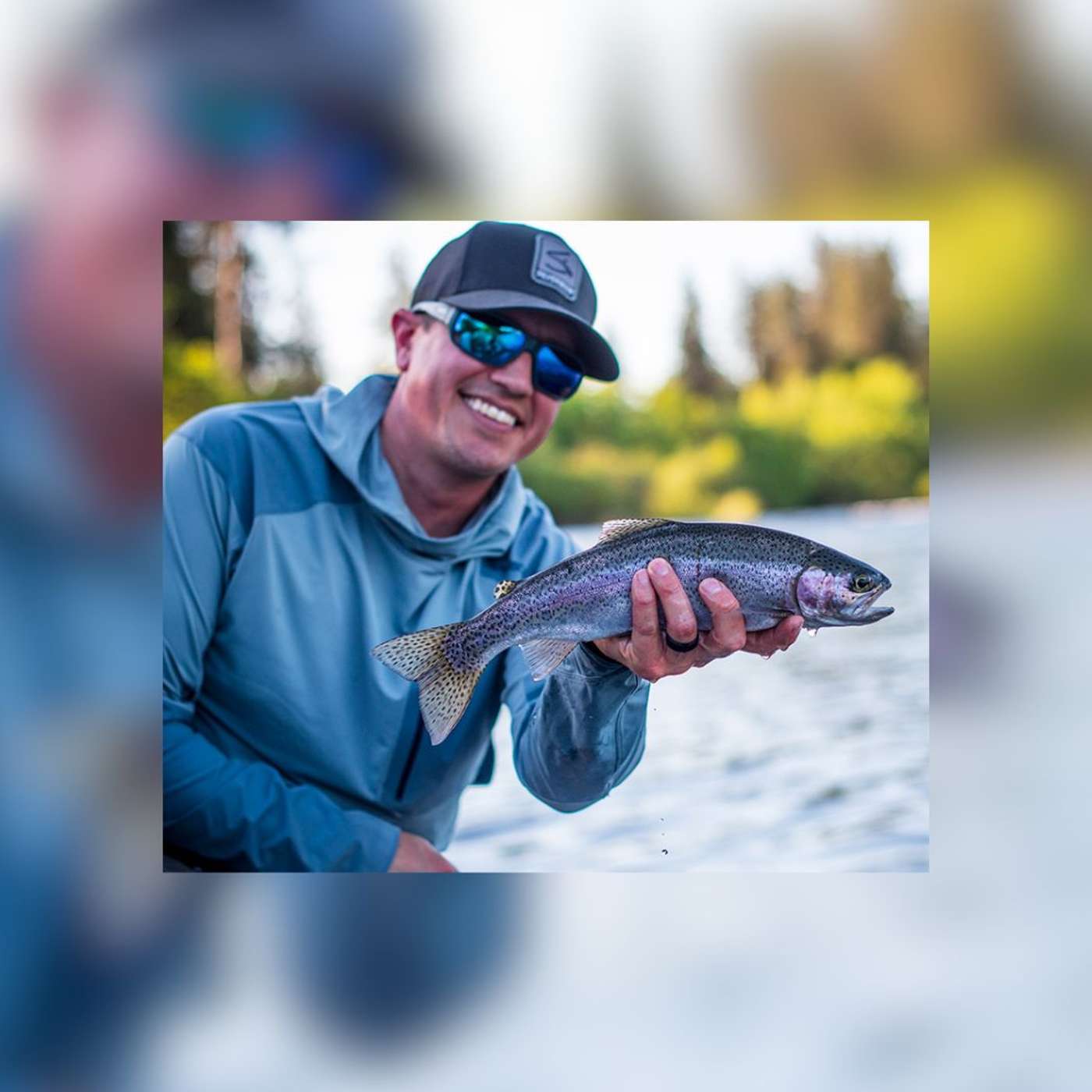
“I Just Loved Fishing”—How a Local Kid Built Spokane’s Silver Bow Fly Shop
Jul 2, 202500:58:16Tap to summarize“I just loved fishing.” That simple passion sparked a journey that led Sean Visintainer from a Spokane kid casting in the backyard to the owner of one of the Pacific Northwest’s most respected fly shops—Silver Bow Fly Shop.In this episode, Sean shares how he turned his love for the water into a thriving business rooted in community, curiosity, and calm leadership. You’ll hear about:The early days of Silver Bow and how it grew into a 50,000-item fly fishing shopSean’s no-micromanage, no-burnout approach to running a businessThe rhythms of life in Spokane and how they shape the shopHis philosophy on staying small, staying local, and staying trueWhether you fish or not, this is a story about following what you love, building something lasting, and letting passion guide the work.
Transcribe →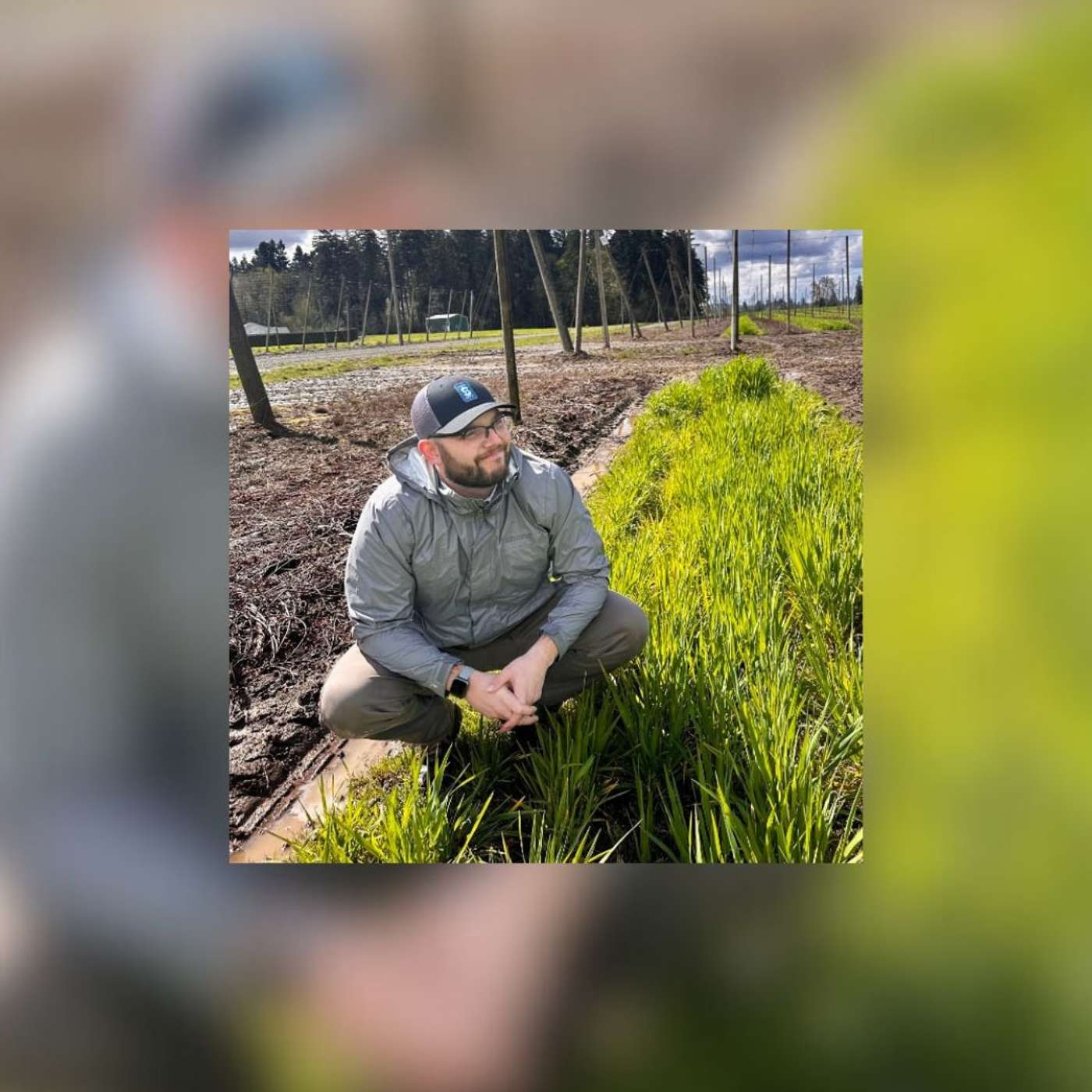
From Hops to Habitat: How Salmon Safe Is Changing the Northwest One Acre at a Time
Jun 18, 202501:17:44Tap to summarizeWhat do craft breweries, vineyards, and city parks have in common with saving wild salmon? This episode explores how Salmon Safe is reshaping land use across the Pacific Northwest through voluntary conservation.Learn how farmers, developers, and even college campuses are changing practices to protect clean water, restore habitat, and reduce chemical runoff—without regulatory mandates. Brian Muegge, Farm Program Manager at Salmon Safe, shares stories from the field and explains how certification connects what we drink, build, and grow to the health of our rivers.It’s a conversation about practical impact, regional resilience, and how small choices across thousands of acres are making a difference—one stream, one field, one partner at a time.
Transcribe →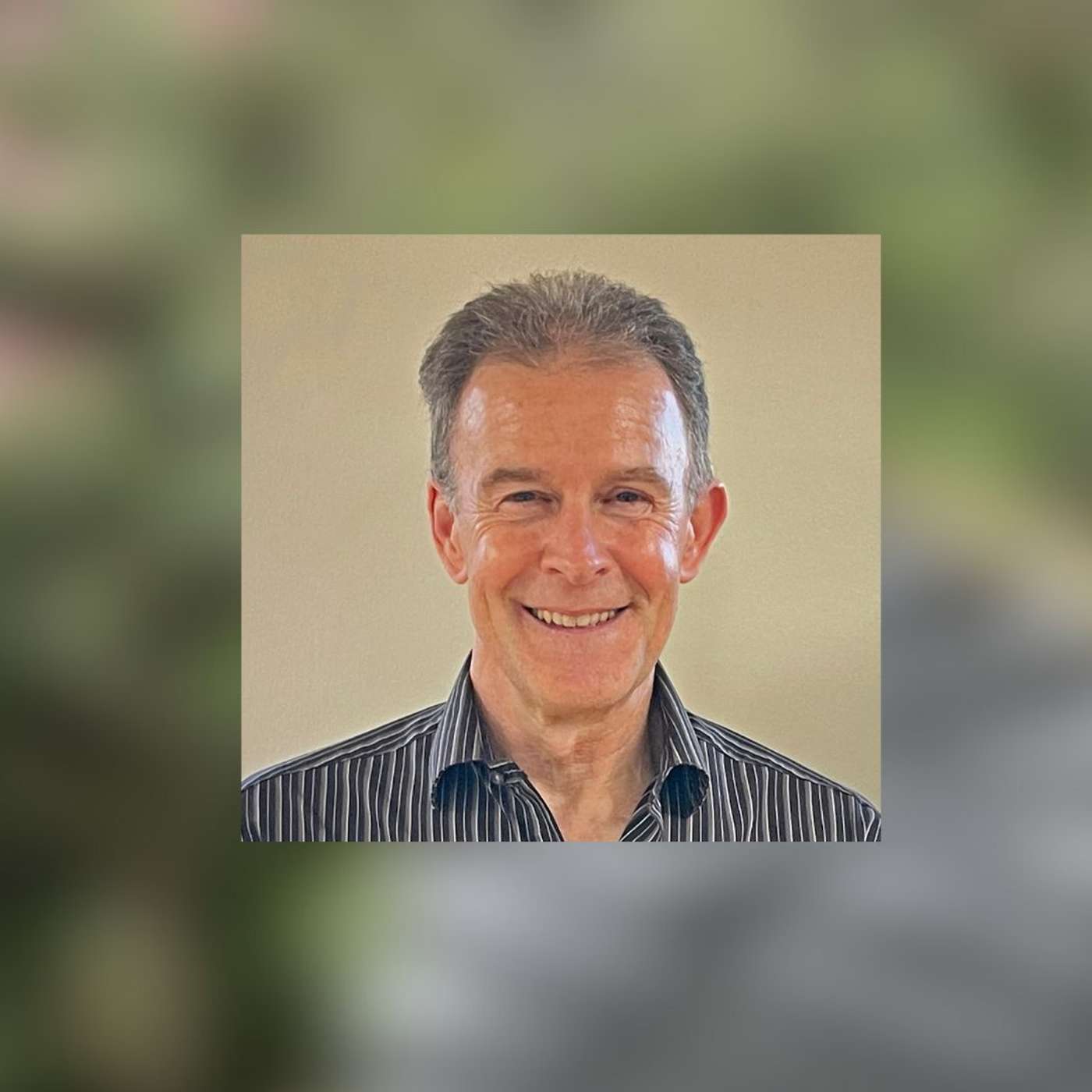
One Idea Sparked a Sculpture Forest—Now It’s Whidbey’s Most Surprising Destination
Jun 11, 202501:09:57Tap to summarizeWhat happens when a quiet forest meets bold imagination? The Price Sculpture Forest on Whidbey Island blends nature and creativity in a way that’s both unexpected and unforgettable.Scott Price shares how a simple idea to preserve forested land evolved into a community-powered haven for outdoor art, discovery, and wonder. From saving trees to showcasing sculpture in the wild, this is the story of a vision that took root and continues to grow.Ideal for art lovers, nature enthusiasts, and curious minds alike.
Transcribe →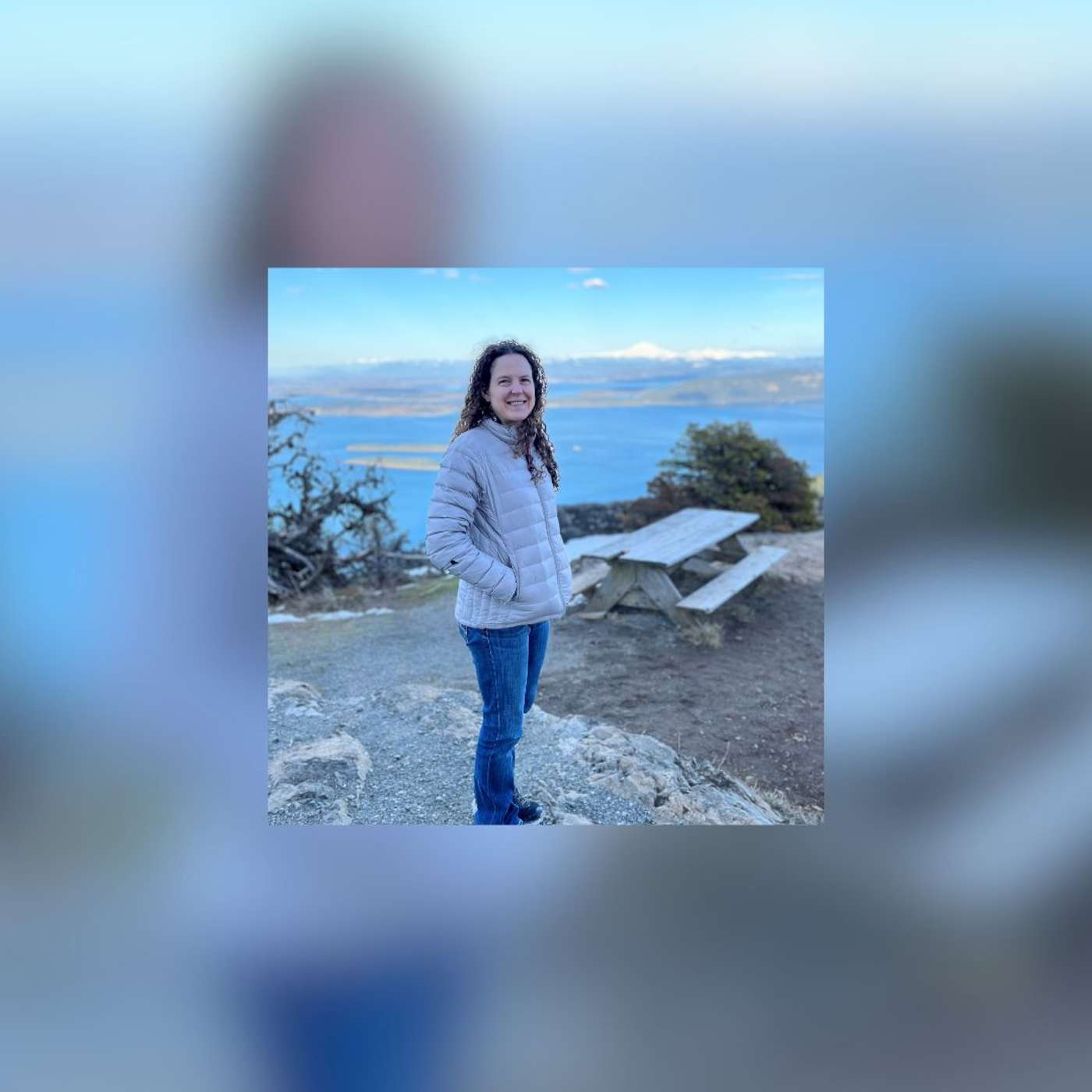
Snowy Plovers, Secret Trails & WA State Park Surprises with Andrea Thorpe
May 28, 202501:05:35Tap to summarizeThis episode we’re talking Snowy Plovers, parks, and prairie remnants with Andrea Thorpe, PhD, Natural Resource Program Manager for Washington State Parks. From her childhood in Oregon to protecting Washington’s wild places, Andrea shares stories of endangered species, unsung park heroes, and how a rough-skinned newt stole her heart. You’ll also get hidden park picks, Olympia food tips, and one very important reason to keep your dog leashed on the beach this summer.
Transcribe →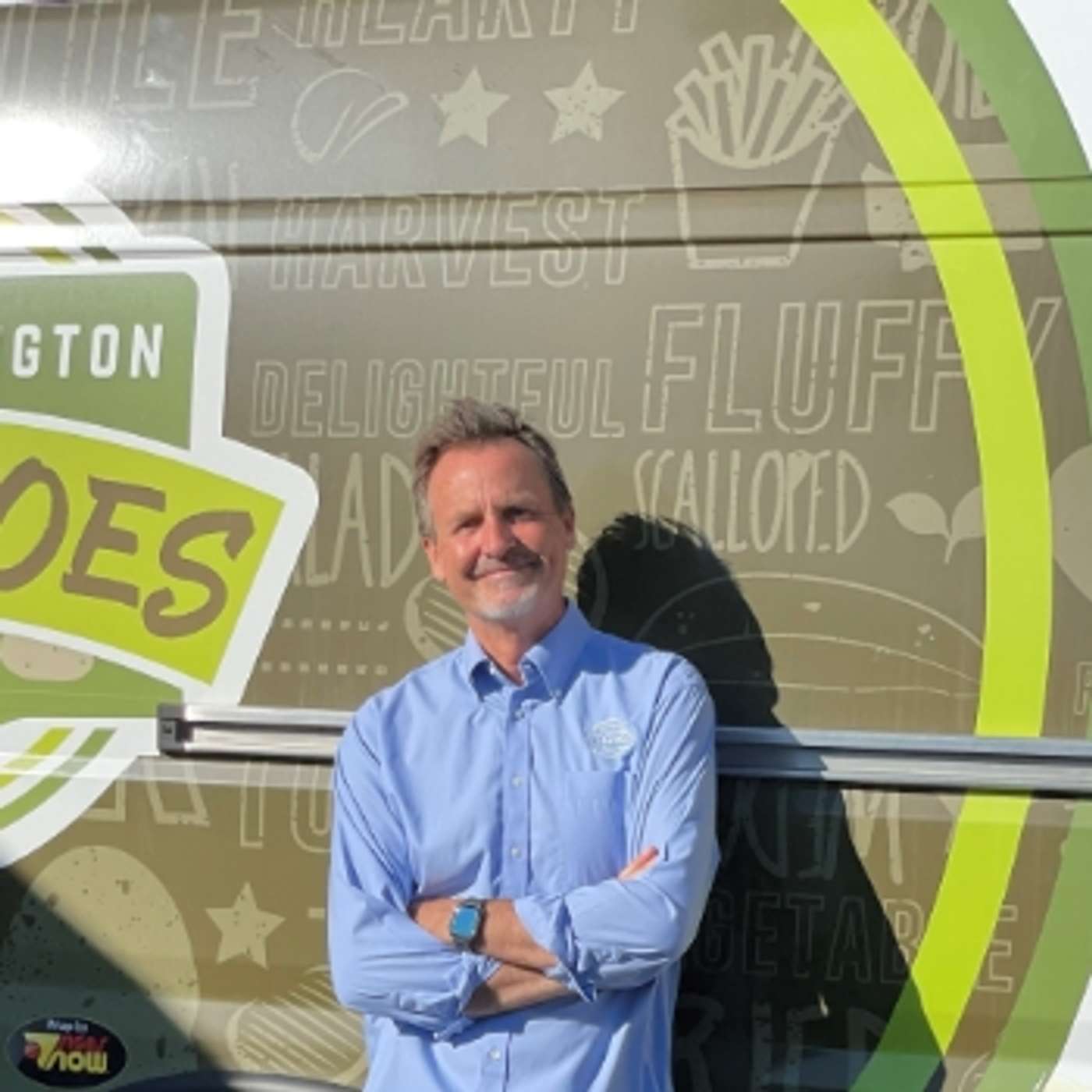
This State Grows 10 Billion Pounds of Potatoes. Here’s How
May 14, 202501:34:08Tap to summarizeChris Voigt ate nothing but potatoes for 60 days—and it wasn’t a gimmick. Learn why, and discover how Washington’s potatoes became world-class. From tater tots to policy fights, this episode digs deep into one of the state’s most iconic crops. A surprising and satisfying listen for food and farming fans.
Transcribe →Small Town, Big Dreams: Jesse Baker on Expanding JET Hospitality's Unique Retreats
Oct 2, 2024Tap to summarizeSince our last conversation, Jesse's been hard at work restoring unique properties across Washington and beyond, bringing a mix of rustic charm and modern convenience to places you might never expect. From fixing up a yacht that doubles as an office to building bridges—literally—at his Pacific Dunes property, Jesse shares how he's redefining what hospitality can look like.To kick things off, Jesse updates us on his famous yacht, which he uses as a floating office. After a complete restoration, it's still going strong, and I even took a trip to Poulsboo for some relaxation. As Jesse says, it's a labor of love—a new engine, a rebuilt transom, and the whole deal. It's clear that for him, hospitality isn't just about running hotels or lodges. It's about creating experiences; sometimes, that means turning a boat into your workspace!What's Happening at Pacific Dunes?Scott's questions about Jesse's Pacific Dunes property, and Jesse is more than happy to give us the scoop. They've been adding to the "vintage vibe" of the place with a new coffee shop, a gift shop, and even a beer garden. Plus, there's that bridge Scott had to ask about. It's not just a metaphor—Jesse and his team really built a bridge to give guests easy access to the beachfront. Instead of a long walk, it's a quick 5-minute stroll to get your toes in the sand.Details like these make Pacific Dunes more than just a place to stay. Jesse's vision for the property is all about offering guests more than just a room—it's about giving them an unforgettable experience. Whether sipping coffee at the new shop or enjoying a local beer in the garden, it's clear that Pacific Dunes is becoming a destination in its own right.The Rise of Tiny Homes and GlampingBut it's not just about yachts and bridges. Jesse's been hard at work expanding the accommodations at Pacific Dunes, too. They've added tiny homes, glamping tents, and more RV stalls, making it the perfect spot for group events like weddings. And it's not just about sleeping under the stars—guests can rent out an entire "glamping village," combining the best of both worlds: the comfort of private lodging with the charm of an outdoor adventure.Growing Beyond Washington StateHearing about JET Hospitality's growth is one of the most exciting parts of the conversation. Jesse shares that they've expanded beyond Washington into states like Wyoming, Utah, and Idaho, with 10 locations across five states. But don't worry, Washington State still holds a special place in Jesse's heart, and he hints that there are always new projects on the horizon in the Evergreen State.Jesse's passion for restoring and revitalizing old properties is contagious. Whether he's turning a forgotten motor inn into a boutique roadside stop or transforming a historic haunted hotel in Wyoming, he's all about preserving history while giving it a modern twist. His latest purchase, the Virginian Hotel, comes with a rich history—and a few friendly ghosts, according to Jesse!What's Next for JET Hospitality?So, what's next for Jesse and his team? Plenty. JET Hospitality is diving into new territory with its "motor inn" concept, refreshing old roadside motels and adding modern touches like electric vehicle charging stations and on-site coffee trucks. The idea is to compete with major hotel brands while offering something that feels more personal and unique. Jesse says they're not afraid to tackle projects others might shy away from, making JET Hospitality's portfolio so exciting.Connect With Jet Hospitality 🏚️ Visit their Website📸 Follow on Instagram🔗 Check Jet Hospitality on LinkedIn🐑 Find them on FacebookConnect With Us📬 Subscribe To The Newsletter🐑 Follow Us On Facebook📷 Check Us Out On Instagram📽️ Join Us On YouTube🐤 Connect on Twitter🌲 Visit Our WebsiteHelp Us Out🟢 Leave Us a Rating on Spotify💜 Leave a Review on Apple Podcasts🤝 Introduce Us to a Potential Guest
Transcribe →