← EXTRA ANORMAL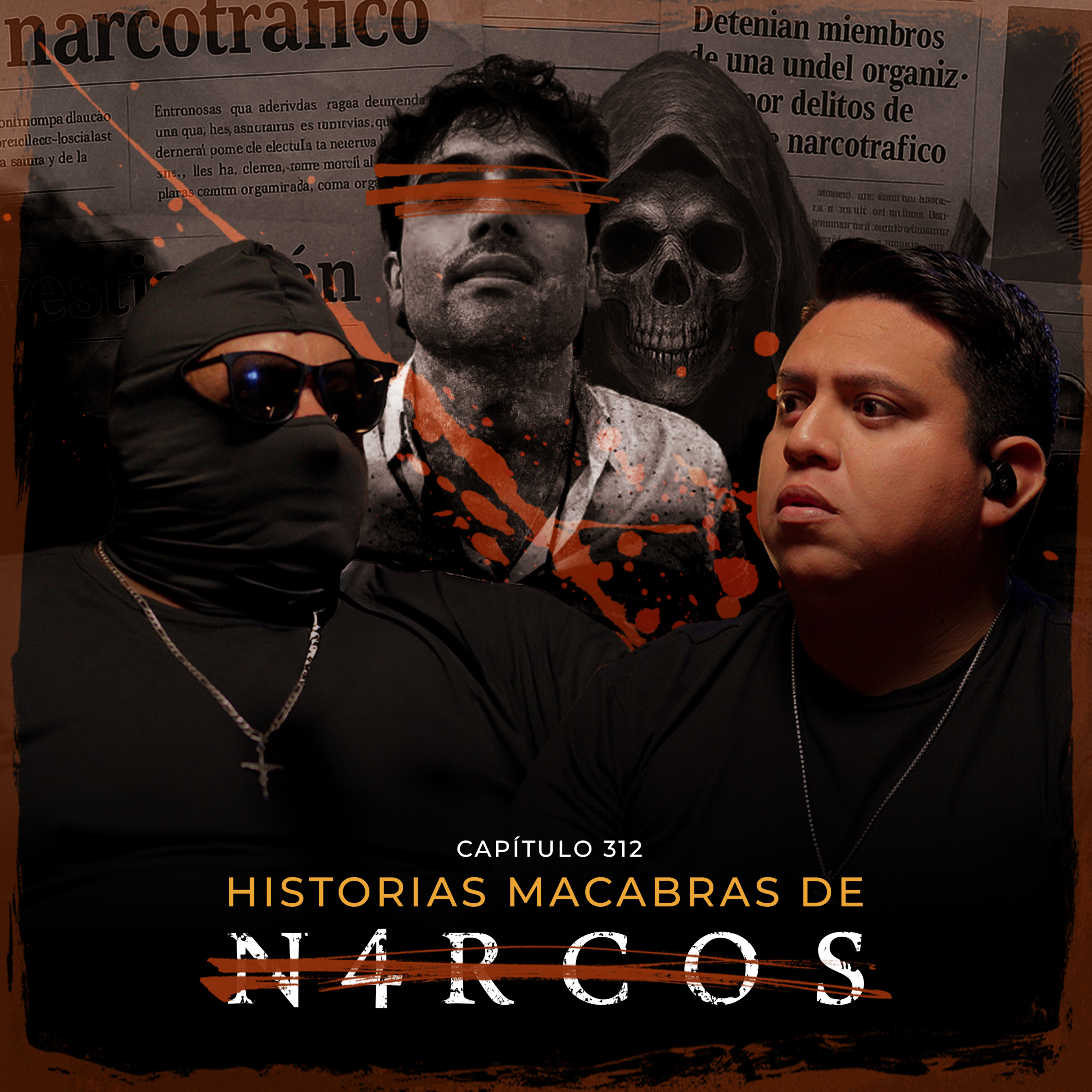
EXTRA ANORMAL
Brujería con la Santa Muerte y rituales en la Cárcel | Historias macabras de Criminales
01:15:34
Loading summary
Transcript59 lines
- [00:00]
A
Dicen que hay destinos peores que la muerte, historias que no deben contarse e incluso nombres que no deben pronunciarse porque si no te vas a topar con algo que es mil veces peor que la misma muerte. Esta noche abrimos los portales donde se entrelazan dos mundos que parecen muy distintos pero que al mismo tiempo se encuentran unidos. El mundo paranormal y el mundo del crimen. Sicarios que decidieron contar su historia, cómo se enfrentaron a la mismísima muerte y cómo también se encontraron con algo peor que el diablo, algo que incluso se alimenta de carne humana. Para esta noche nos acompaña una persona que estuvo dentro de estos círculos delictivos y que vivió de cerca lo imposible. Bienvenidos. ¿Qué tal familia? ¿Cómo están? Sean bienvenidos a un episodio más de Podcast Extranormal, Mi nombre es Paco Arias y estoy feliz de estar nuevamente con todos ustedes. Esta ocasión nos acompaña una persona que anteriormente estuvo con nosotros, una persona que me da mucho gusto recibirlo aquí en mi estudio y que estoy seguro que nos va a dejar con la piel chinita de tantas historias que no solamente ha vivido y que hoy se atreve a contar, hoy nos acompaña nuevamente. ¿Cómo estás?
- [01:57]
B
¿Qué tal Paco? ¿Cómo estás, me encanta estar aquí en tu estudio, muchas gracias por invitarnos nuevamente y pues esperando que nuestras historias sean de agrado para la comunidad?
- [02:07]
A
Oye, quiero mencionar que el podcast pasado que grabamos contigo ha sido de los más impactantes, muchas personas quedaron muy impactados por lo que escucharon, tus vivencias, sobre todo porque lo que tú nos platicas te fue prácticamente un testimonio de vida. ¿Cómo fue tu experiencia formando parte de un grupo delictivo? Lo que viste, lo que viviste dentro, las veces que pensaste que ibas a dejar de existir y todo el miedo que pues se iba sembrando en muchas personas y en ti ha sido de las cosas más asombrosas y más escalofriantes que he escuchado. Hoy vamos a platicar de un tema que nos liga mucho a lo que tú nos platicas la primera vez, porque las experiencias paranormales están presentes en cualquier giro y en cualquier lugar. ¿Qué opinas de las personas que han vivido una experiencia paranormal dentro de un grupo delictivo?
- [03:14]
B
Mira, yo creo que es pan de todos los días cuando andas dentro de la maña, así es que como para mí fue igual pan de todos los días vivir experiencias paranormales que al final de cuentas te sientes como decir, pues es algo normal, no pasa nada, se movió la silla, se movió esto, se escucharon ruidos, se escuchó un lamento, este, vi cómo desvivieron a esta persona, pero también vi que después de que se, Después de que lo desvivieron, decían que lo habían visto en otro lado, o sea, son demasiadas las energías que se mueven cuando andas, cuando andas de un recio en la maña de ahí hay situaciones que, que uno pues en realidad no controla, no sabes qué es lo que va a pasar, como te dije en el podcast pasado, hay jefes, había jefes, comandantes que en realidad si están locos, o sea que tienen una, un ímpetu de, a mí me gusta la sangre, me gusta, me gusta ver cómo te peleas, cómo hay esa rivalidad de una persona con otra, la rivalidad de, incluso hasta con la misma, con la misma gente común y corriente, con los civiles como decían, decimos nosotros, o sea, que un civil, porque se me queda viendo y se encendía el ánimo y sabes que, tráetelo, desaparece lo. Todas esas energías, sentirlas, vivirlas, nos lleva a que sea común para nosotros es común ya vivirlo de todos los días, a lo mejor a unas personas más que otras, yo que estuve metido en cierta rama de la mafia y yo veía compañeros, conocidos, incluso hasta amigos míos que se hicieron amigos míos, este, como para ellos era bien fácil, ahorita lo descuartizamos y lo desaparecemos gente, esas energías eran súper fuertes y lo miraban como.
- [05:38]
A
Si nada, fíjate, ¿No? Cómo sucede cuando hablamos de cosas paranormales como la brujería, cómo es imposible no ligarlo a este tema y es que esto es algo que lo comenta mucho las personas que trabajan la magia, siempre el cliente o los clientes principales, personas de un alto poder, tanto en el gobierno como en el mundo del crimen. Fíjate amigo que hay situaciones que yo he estado investigando y es que realmente no es complicado tampoco descifrar lo que estos grupos delictivos buscan, como la protección, pasar desapercibidos, ser invisibles, que las balas no toquen tu cuerpo, no te lleguen a ti, que cada operación sea un éxito. He hablado con personas dentro del podcast y fuera del podcast que han experimentado tantas cosas, tantos rituales donde se entrega sangre a diferentes deidades, como método, pues buscar agradarles para obtener sus favores, ya sea la Santa Muerte, ya sea el diablo, ya sea dentro de la misma santería, ya sea dentro de cualquier culto, religión o secta, nos topamos con esto. Hay algo que tú mencionas también y que lo he escuchado en otras personas que también han platicado su experiencia dentro de este, pues estos cárteles de la Maña y ellos dicen algo que tú también mencionas, estos grandes o altos mandos pareciera que están locos, pareciera que por momentos son personas normales y por otros pareciera que estuvieran poseídos o fuera el mismo demonio. ¿Había testimonios de personas que decían es que lo ves tan tranquilo, incluso hasta conviviendo con su gente y de pronto oye tráeme a tal cabrón, tráelo, o sea ya se le metió el chamuco.
- [07:53]
B
Y vaya que nos pasó, vaya que me pasó a mí, a mis compañeros, incluso hasta lo agarramos de guasa porque pues estábamos, cuando estuvimos ahí en cinco cuadras en el penal, pues era normal que tenías que buscar la manera de cómo pasar el tiempo y pues una de las maneras era si alguien tenía una pantalla, un televisor, imagínate, no sé, cinco o seis personas así como yo, todos rayados y bien mafiosos, este, viendo la novela a las 5 de la tarde y llegaba y llegaba el jefe y se sentaba y con nosotros que están viendo? Y tú miras de lo más normal, incluso hasta ahí nos botaneamos porque decía y si nos viera nuestro comandante que estamos viendo la novela de las cinco de la tarde, imagínate lo que nos haría, lo agarramos de botana. ¿Pero así se podría cambiar todo el panorama, decir hay chamba, hay jale, llegó una persona que está hediondo y hay que, hay que trabajar con él, hay que hacer la investigación y tráetelo e incluso hasta con la televisión así prendida viendo, viendo la novela que no se nos pasará, pero haciéndola en la investigación y tratándole de sacar toda la información entre, entre golpes, mutilaciones, lo que, pues lo que nos dijera el jefe, verdad? Que tortura, tortura total para que pudiera salir la chamba. Pero como te digo, no es como algo diario, como si no, como si hicieras, voy a ir a barrer aquí el patio de mi casa, cualquier cosa, como si fuera cualquier cosa cambiaba así. Y fíjate, mira lo que me dices de la plática de las energías por conforme como los jefes tenían su propia deidad. Así yo te platicaba en el podcast pasado, como este señor comandante guía tenía bien, bien, era súper devoto a la Santa Muerte y pues que se hacían estas grandes fiestas el 2 de noviembre. No sé si me dejes, te quiero platicar una historia.
- [10:02]
A
Adelante.
- [10:05]
B
En una de estas, en uno de estos fiestas, yo tenía una pareja que iba y me visitaba al penal. La conocí ahí adentro, era familiar de una persona que estaba adentro, nos conocimos, hicimos pues buena química, hicimos una relación de varios tiempos, ella iba y me visitaba, me iba de comer, no la pasábamos bien, etcétera. Pero en una de esas me convenció y pues te digo, adentro del penal había todo, es como, era como una vecindad, como una ciudad chiquita. Y a mí me convenció de un 2 de noviembre ir a ver el santuario que habían hecho. Tu iba un santuario, un santuario enorme en una cancha de básquetbol de usos múltiples, donde todo mundo podía ir a poner su, podía poner su deidad, que yo tengo una Santa Muerte, que un busto de la Santa Muerte y la quiero poner aquí porque me ha cumplido muchos milagros y todo eso. Pero imagínatelo así, al la centésima potencia era un enorme chorro de rosas rojas que se le compraban chorros de veladoras y la energía estaba al millón. Te daba miedo las fotos de los grandes comandantes que estaban, que estaban, este, en el cártel ahí, este, como pues alardeando nuestro poder en ese tiempo, pero a la vez dentro de un ritual, a mí esa vez me convence esta persona, vamos a ver, yo quiero ir a ver cómo está. Yo tenía la posibilidad y a mí me permitían ir a ver incluso a la gente que iba de visita, si ellos querían ir con su, con su familiar interno, podías ir a ver el santuario y pues acepté, bueno, ándale, vamos para que veas, mira cómo está aquí y todo. Pero dentro de eso a mí me toman una foto, a mí me toman una foto dentro de ahí con esta persona, este, pasa el tiempo, yo salgo bien librado del penal, regreso a mi vida pues casi cotidiana, vuelvo a tomar mi vida con, yo termino la relación con esta persona, este, y empieza la relación con alguien más y empiezo a ver que yo tenía problemas íntimos con la pareja que tenía en turno. ¿Ya fuera de, ya fuera del penal, este, ya se empezaba a quejar que pues que dolía, que no tenía, podíamos tener una intimidad sana, pero cuando explota más el que está pasando? Este, una vez nos fuimos a dar la vuelta, nos fuimos a un antro, está bailar, regresamos, este, ahí tuvimos un poco de intimidad ella y yo, pero al terminar, este, yo me quedé como ido, me quedé acostado en la cama y me quedé ido, yo no me di cuenta, ella, ella fue la que me, la que me dijo, se acerca a mí, ella se va al baño, regresa, se acerca a mí y me dice, miras, te miras como que estás bien a gusto, te quedaste bien a gusto en la cama, pero dice que yo no le respondí nada, que yo estaba con los ojos abiertos, que estaban boca arriba en la cama, pero que yo no le respondí que se acerca y donde se acerca. Eso fue lo que yo sí me acuerdo que yo estaba como en una parálisis de sueño, pero al momento de ella acercarme, de acercarse a mi cara, yo no era ella era, era una figura oscura con unos ojos como de serpiente y en mi desesperación yo casi le meto un chingazo para que se quitara de encima.
- [14:31]
A
Pero era tu pareja.
- [14:32]
B
Pero era mi pareja. Y me dice, ¿Que tienes, ¿Qué pasa? Dije, es que no eras tú. ¿Digo, no eras tú, yo miré otra cosa, estabas este, que me dijiste? Pues que estabas bien a gusto y ya me explicó y me dice, a ver, cállate, no hables. Y se empieza a escuchar de un lado de la cama como si alguien fuera caminando, pero no había nadie, obvio estábamos nosotros dos solos. Y se escucha donde alguien iba caminando, los pasos fuertes y muy marcados como, como hasta, como si rasguñará al momento de, Como si fuera un gato o algo que trae las uñas largas, así se escuchaba. Y se pone un lado mío y mi pareja, que ahorita es mi esposa, ella siempre ha tenido un sentido, un sexto sentido para todo eso y ella empieza a echar y decir a la chingada, yo aquí no te quiero, no te, Yo no quiero estos programas aquí, a la chingada, esta no es tu casa, aquí reina, aquí lo que reina es Dios y no quiero nada de esos problemas. Empezaba como a reprender, como a reprender y se acabó. Se escuchó donde poco a poco se fue retirando el cuarto y nos quedamos los dos. ¿Qué pasó, ¿Qué pasó? ¿Cómo, cómo escuchaste? ¿Le digo, sí, yo también escuché, escuchaste como que eran pasos con rasguños? Le digo sí, después de eso ella, como te digo que ella tiene un sexto sentido, obvio yo no me podía hacer de la vista gorda porque yo sé que existe totalmente la brujería y las energías y todo lo que había pasado, pero yo no creí que me hubiera alcanzado con ella algo que yo trajera, algo que nos hiciera daño a los dos o a ella. ¿Y ella consiguió una persona y me dice sabes que? De por no dejar, vamos a, vamos a platicar con, vamos a platicar con esta señora, una señora, este, yo quiero que te barra, que te vea, que tenga lo que tenga que hacer, porque esto, lo que vivimos anoche no es normal. OK, pues llegamos con esta persona, nos me hace una, un tipo de limpia con algodón, con algodón, este, virgen, me hace una limpia, me ponen un aro de fuego y cuando me hace la limpia con el algodón, es algodón quirúrgico del que viene como en cuadro completo. Al momento de hacerme la limpia, ella me dice, mira, ahorita lo que voy a hacer, voy a prender a los dos, estábamos los dos presentes, voy a prender el algodón, pero algo no se va a quemar completo el algodón, solamente se va a quemar la pura capa de arriba y yo quiero que me digas tú lo que ves, lo que ves en el, en el algodón, algo, algo va a aparecer ahí. Si traes algo, de que traes algo, traes algo, porque cuando me quiso poner dentro del círculo de fuego, no prendió.
- [17:59]
A
OK.
- [18:01]
B
Me echó un chorro de alcohol alrededor y le prendió fuego el ritual ese que hizo y no prendió, y no prendió y le ponía más alcohol y no prendía. Dijo si, traes algo muy fuerte. Fue cuando ella me hizo la limpia con el algodón, este, y dicho hecho, le prende al algodón y donde le prende en instantes yo veo, yo veo la foto que yo me tomé con esa persona, con esa mujer.
- [18:32]
A
Con tu ex. Con mi ex, o sea, fue como.
- [18:35]
B
Una visión, como una visión y, y fue, se hizo la impresión en el algodón de esa foto, o sea, como si me dice que mires aquí, dice yo aquí miro, me mira aquí, es como, se ve como si fueran dos personas, una mujer y un hombre. Dijo, y este hombre se parece a ti. ¿Y en ese momento veo, la veo, veo lo que, lo que, lo que aparece y le digo yo ya conozco, yo conozco esto que estoy viendo, digo esto es una foto que yo me tomé cuando yo estuve, cuando yo estuve en el Topo y sé OK, dice y quién es esta persona que está en un lado tuyo? Digo es una ex pareja que tuve, tuve problemas con ella y ya no, ya no estoy con ellos, con la que estoy ahorita de ella es mi esposa, ya tengo tiempo que no estoy, que no tengo ni siquiera, ni siquiera le dirigió la palabra porque terminamos muy mal. Este, me dijo entonces mira te voy a poner en velación más la oportunidad de que yo te, que yo te quite el trabajo que tienes, fue alrededor de un año, un año más o menos, pero en ese año fue muy difícil para mí salir adelante y para más tener intimidad con mi pareja, Tuve el problema muy fuerte de que ella le dolía, no estábamos a gusto. Cuando ella ya nos empieza a explicar, esta señora, la que nos ayudó con el trabajo, me dice que mi ex lo que quería era que en pocas palabras se me cayera mi aparato reproductor masculino, me hace el trabajo como te digo en un año, pero fueron limpias hasta que por fin dijo sabes que ya tengo el trabajo, ya lo tengo aquí para que vengas y lo veas. ¿Voy a su lugar donde trabajaba y veo, era un frasco con la, con el algodón, el algodón se hizo verde, pero la figura de la foto o lo que, lo que estaba, lo que estaba como si lo que estuviera impreso se miraba más claro, ya se miraba como si fuera, como si fuera una impresión de una playera, OK, pero adentro traía la figura de un aparato reproductor masculino con vendas, con hilos, con estambres, amarrado y me explicó, mira lo que pasa es de que esta persona lo que quería era que ya no volvieras a tener intimidad con ninguna mujer, o.
- [21:43]
A
Sea, te aplicó la de la venganza.
- [21:44]
B
Aplicó la de la venganza ya hijo, pero dijo te lo voy a quitar, dijo ahí va, mira ya tenemos esto, sigue la, siguen las velaciones, pero hijo cómo está tu esposa actual? Digo por, en realidad no hemos podido estar juntos, no hemos podido tener de intimidad normal, porque digo pues que le duele y a ella también empieza a atender mi problema se le pasó a ella, me dice sabes que tú, todo esto que te pasó a ti al quererla toalla y ella al quererte ayudar.
- [22:23]
A
Se hacen uno solo.
- [22:24]
B
Se hacen uno solo, Así es, así es que llegó un punto en que ella también la tuvo que atender, le dio unos baños de asiento, le dio, nos dejó que pusiéramos a hervir varias hierbas, este, y que ella se sentara en ellas, etcétera. Así como el baño de asiento, pues nos tocó una vez, estábamos, ya vivíamos juntos, ya habíamos superado un poquito más y ya estábamos viviendo juntos y nos, nos pasa que me dice, no recuerdo si fue el último baño de asiento, porque fueron varios, durante varios días, creo que fueron siete días seguidos en la noche que hacía eso y el último me decía, ayúdame, dijo, porque batallo para sentarme y que el vapor, pues ya lo hizo, pero me grita, lo hace, la dejo acomodada, Cuando se mete al baño, la regadera me grita así, totalmente desaforada, muy, muy, muy alterada. Ven, ven a verme, mira lo que, lo que está pasando. Voy, entró al baño, Paco, De sus entrepiernas salía un líquido como si fuera chapopote de su parte, de su entrepierna salía un líquido como si fuera chapote.
- [23:59]
A
Y ya súper asustada le estaba ya sacando su cuerpo.
- [24:02]
B
Exacto. Mira lo que está pasando, mira cómo me está saliendo. Ella muy asustada que me decía, háblale un doctor, esto no está bien. Le digo, a ver, a ver, espérame, déjame. Le hablo a la señora, sabemos que esto va por este lado. Si. ¿Te sientes mal? Si, te dijo, Le digo, ¿Te duele? No, no me duele, pero mira cómo es posible, Espérame, déjame. Le marco a la señora, La señora ya estaba esperando la llamada. ¿Ya salió? Si, mire, es que lo que está pasando es esto. Señora, echenos la mano, mire, no se preocupen, ya salió, ya, ya mañana solamente vienen, les voy a hacer una barrida a los dos juntos y hay que hacerles una pequeña protección para que traigan, para que traigan ahí, este, los dos, hay que, hay que ustedes seguir leyendo la Biblia, los salmos, etcétera, proteger su casa, proteger todo para que esto. Hasta ahí.
- [25:05]
A
Que fuerte, hermano, pero qué impresionante cómo se manifiesta la propia brujería y sale, es expulsada del cuerpo, como se ha visto en tantas liberaciones, pues estos rompimientos de trabajos y sobre todo que fueron testigos ustedes dos de lo que ocurrió en este proceso tan difícil.
- [25:28]
B
Lo que ella nos decía es que esto fue muy fuerte por como. Por las energías que traía esa foto.
- [25:36]
A
Claro.
- [25:37]
B
Porque sé que es que lo que pasaste tú no fue fácil, más aparte ella se quedó con un. Con una foto que tenías muchísimas energías, este, muchísima ayuda, este, ya sea energía mala, energía de la santería energética, todo, todo, todo, todo fue muy fuerte. Así es que para ella, al ser muy fuertes, fue muy fácil para ella hacerte daño.
- [26:06]
A
Claro.
- [26:07]
B
¿Y hacerles daño, Qué fuerte, no?
- [26:09]
A
Fíjate que ya que comentaste esa parte, me haces pensar mucho en los trabajos que este tipo de personas hacen en pro de venganza, porque es, no estás conmigo, no estás con nadie y voy a hacer que tu aparato reproductor se pudra. Y lo fuerte esto es, ustedes lo lograron romper. Siento mucho porque así le ha deberido esta persona. Muy fuerte. Yo te quiero contar una historia querido C, que es un testimonio también que nos comparte una persona que. Que no directamente se dedicó a un tema del crimen, pero su hermano sí. Él nos dice que desde que eran muy pequeños siempre crecieron en un ambiente lleno de violencia. Su papá se dedicaba a robar y pues prácticamente esta persona que nos comparte lo que vivió, dice que él en la primaria descubrió que el rumbo de su vida, incluso el de sus padres, era incorrecto y él siempre quiso hacer cambios. Pero su hermano menor no. Su hermano menor que era dos años menor que él, dice, él siempre quiso ser como mi papá, incluso mi papá a veces lo llevaba. Y él aprendió estas malas prácticas. Dice, crecimos, yo me dediqué a estudiar. Esta persona se hace llamar Joaquín, el que nos comparte la historia, creció, empezó a estudiar, hizo una carrera, trabajó muchísimo para poderla pagar y se graduó con honores de hecho. Pero me dice, el detalle con mi hermano menor es que él ni siquiera terminó la secundaria y él desde muy joven ya se dedicaba a lo malo. A lo malo te digo, robos, hurtos, todavía no directamente a un tema de vender sustancias ilícitas, pero yo sabía que en cualquier momento iba a ser. Pasó el tiempo, dice, yo ya viví en mi casa, vivía en una parte del norte del país. Y dice que para este punto ya veía muy poco a su hermano. Dice que, y lo menciona, las malas lenguas ya decían que él ya formaba parte de un cártel del norte. Entonces dice, yo a mí me gustaba pensar que no, yo hablé mucho con él, incluso en algún punto le pues le dije que yo podía pagar sus estudios y él quería pues iniciar otra vez de nuevo, él no me decía nada. Él menciona que todo ocurre una noche, dice que él estaba en su casa y que de pronto empezaban a tocar fuertemente la puerta, esto fue como en el 2003 más o menos, y dice que, pero tocaba la puerta con una desesperación, dice me levanto y la puerta seguía sonando insistentemente, miro por el picaporte y era mi hermano menor, era él. Rápidamente abro la puerta y noto que venía muy alterado, dice venía muy alterado, entró rápidamente, cerro, me cierra la puerta, dice yo pensé que estaba como drogado o algo así, venía muy histérico, de esas veces que por tanta impresión el aire le falta y no puede hablar bien, digo ¿Qué pasó, ¿Que tienes? Y solamente repetía la frase no dejes que me lleve y no dejes que me lleven, por favor hermano, no dejes que me lleven. Dice lo toco y noto que su piel o su cuerpo está muy caliente, tenía como fiebre, dice oye, tú estás mal, o sea, estás enfermo, ¿Que tienes? Dice llegó, se acostó un rato en el sofá, dice yo rápidamente fui por unas compresas de agua, le empecé a poner pañitos de agua en la frente, pues es mi hermano, dice pero como que deliraba, había momentos donde hablaba y. ¿Y yo decía, pero que le estaba sucediendo? De pronto dice, como que se estabilizó un poco, se estabilizó, le hablé a un amigo que es doctor, llegó al ratillo, dice le estuvo checando si tenía una fiebre de casi 40 grados y me dice, tu familiar está muy mal, hay que bajar la temperatura y aparte dice, el olor que tiene tu hermano estuvo, estuvo drogando, entonces mantenlo checado que no sé qué. ¿Dice que cuando su hermano se empieza a levantar, ya un poco mejor, ya para este punto era madrugada, dice que le confiesa a su hermano que estaba pues muy preocupado y él dice, pero por qué? ¿Qué tienes? ¿Qué pasó? ¿Que te hicieron? Y dice para empezar mi hermano me cuenta lo que decían las malas lenguas, él me confirmó que efectivamente él estaba dentro de un cártel. Yo, dice, yo no podía creerlo, yo no lo podía creer. Y él me dice, es que ese no es el problema, él le contó como una historia de terror y probablemente te haga sentido, porque él dice que hay destinos peores que la muerte. Dice la verdad, hay cosas que la muerte es mil veces mejor. Le empezó a decir que dentro de el grupo de personas con el que él se juntaba, sus jefes tenían unas prácticas muy extrañas. Dice que había una zona muy rural donde tenían sembradíos de esta hierba peligrosa y que ahí había como un pequeño templo. Dice yo cuando llegué a trabajar con ellos era normal escuchar que de este lugar hombres y mujeres gritaban, pero por días, por días. Dice nosotros si nos tocó torturar a personas y darles cuello, pero yo nunca entendía por qué. Luego los llevaban a ese, pues a ese templo, ese lugar al cual dice, nosotros teníamos prohibido entrar, solamente entraban dos personas a los que su apodo eran los sacerdotes y solamente nos tocaba ver cuando metían a hombres o mujeres, pero duraban días, o sea, los sacerdotes solamente iban, dejaban a la persona y se salían, pero estas personas gritaban hasta por días. Estos tenían estos sacerdotes y se usaban unas túnicas negras, unas capuchas y siempre que salían se rociaban con algo, pero parecía que había alguien adentro y que esta persona, esta persona los hacía sufrir mucho. Él dice que un día de curioso quería asomarse, pero que otro compañero sicario le dijo ni se te ocurra ver que hay adentro porque te van a meter lo que está ahí, no es cualquier cosa. Dice que eso despertó mucho, muchísimo más su incredulidad, pues que hay quien vive ahí, dice, porque nunca veía que alguien saliera de ahí, solamente entraban los sacerdotes y salían, pero parecía que había alguien que se dedicaba a torturar. Dice que un día de noche él cuidaba parte de estos terrenos, estaba solo y decidió asomarse. Dice que cuando se va adentrando a este templo, que solamente se veía que estaba iluminado por velas adentro vio a alguien parado y si me voy a esconder, no sea que me dé el pitazo de que yo estoy aquí, no tengo autorización de entrar. Pero se dio cuenta que esta persona, entre comillas, no se movía, entonces conforme se fue acercando se dio cuenta de que no era ninguna persona, era una estatua. Pero lo más fuerte de esto dices que no era una estatua de bronce, de yeso, era una estatua hecha de huesos humanos, obviamente la cabeza era una calavera, pero no era una estatua. El me dice él no era una estatua a la santa, no era una estatua, parecía como a la santa, pero era otra cosa, pero estaba hecha, dice, con cráneos, con huesos, ya pescaba horrible adentro, de pronto empecé a sentir pesadez y me salí, dice, solamente quería confirmar que había adentro. Al día siguiente dice que le tocó ver cómo metían a una mujer, que también dice, pero esta mujer trabajaba con nosotros, pero se enteró que traicionó al jefe y a los traidores se les da el peor castigo. Dice que la mete en ese lugar, demoró cuatro días gritando y cuando la sacaron seguía viva, pero solamente la sacaron para matarla. En ese momento él le pregunta a uno de sus compañeros con el que tiene más, digamos, un poco más de amistad y le dice, cabrón, ¿Que hay ahí? Y él le dice, ahí hay algo, algo al que los jefes le rinden tributo, le apodan la patrona y ella, o sea, una mujer o una energía femenina, ella se encarga de castigar mucho mejor que nosotros y ahí mandamos a los peores. Dice que para él esto era como un cuento. Dice, yo sabía que mis jefes practicaban cosas pues muy fuertes, pero esto es otra cosa, o sea, de otro nivel. El problema de esta persona, el por qué venía tan aterrado, tan mal, porque le confesó a su hermano que hizo algo que lo condenó a que lo enviaran para allá. ¿Y él dice, pues qué hiciste cabrón? Me metí con la hija de mi jefe y yo pensé que no iba a pasar nada, pero dos de sus hombres nos vieron, a uno me lo chingue, dice, pero el otro se me escapó y el otro fue a avisar, ya llegaron a mi casa, dice, logré ver que estaban ahí antes de que yo llegara. Y Joaquín no, dice, es que cabrón, me pones en riesgo a mí, aquí está mi familia. Pero dice que en ese momento su hermano se empezó a alterar, dice, es que no quiero, mátame tú, o sea, no quiero que me lleven. Porque él llegó a decir que las personas, fíjate esta locura, que las personas cuando la sacaban de ahí gritaban de un dolor, pero no tenían una huella en su cuerpo, como golpes mayugones, como le dicen, no, Él dice que la gente lo que decía es que se empezaban a quemar desde dentro y eran unos gritos desesperados y él decía, es que mátame tú, yo no quiero, yo prefiero mil veces que me manden a mí al otro mundo ya, a que me lleven allá. Y él decía que su hermano estaba muy alterado, dice, se levantó y si, dice, olía él que se había metido pues sustancias ilícitas. Se levantó, fue a la cocina, tomó un cuchillo, dice, hazlo tú o lo hago yo. Y dice, eran como las 4 de la mañana y este tipo, mi hermano estaba mal y a mí me dolía ver a mi hermano mal, dice. De pronto empezamos a escuchar cómo llegaban unas camionetas afuera. Mi hermano dijo, si tú no lo vas a hacer, yo no voy a esperar a que estos cabrones suban, dice él se salió, se salió de la casa rumbo desconocido. Lo último que nos dice Joaquín, mi estimado C. Es que nunca volvió a ver a su hermano. Él no sabe si su hermano se terminó matando, si lo agarraron y lo llevaron con esa famosa patrona o simplemente lo mataron. No sabe qué ocurrió con él, pero es el testimonio prácticamente de un hombre que pues hizo algo que no debía hacer.
- [38:57]
B
Fíjate Paco, lamentablemente hasta para andar en. Hasta para andar en este ámbito tienes que tener los pies de plomo. Es muy fácil caer dentro de la tentación. Es fácil caer en más tentación, en las cosas que no debes de hacer. El estar, El estar dentro y más si tienes algún tipo de poder o algún tipo de cargo, tú sientes que eres invencible, que eres Superman, que eres el narco más grande de todo México. Sabiendo que, pues que al final casi siempre vas a tener un jefe arriba de ti, pero vas a tener un comandante y te los puedes topar. Como te dije en el podcast pasado, hay personas que yo conocí que eran muy inteligentes y que sabían cómo hacer las cosas, pero también puedes encontrarte a personas que con el mismo poder hacen cosas que ni te imaginas por tener más poder. Este tipo de rituales es muy, muy común encontrarlos en los comandantes que tienen mucho, mucho poder. Que para ellos sobrevivir está ante todo. Si yo tengo que desvivir a alguien, sacarle el corazón, hacer un ritual para la deidad que yo lo hago porque ellos creen que con eso vas a durar viviendo y no te van a hacer nada. Obvio, las energías yo creo que sí, ¿Verdad? Si pasan como lo que te platiqué del anillo del comandante Guía. Pero fíjate, ahorita se me viene el recuerdo cuando yo llegué al penal en el 2014, había mucho este tipo de. De torturas para las personas que iban llegando y me tocó ver a mí una de las veces que me mandan a. No recuerdo que me mandaron, creo que fue como para llevarle a alguien. A alguien, un platillo de com. Algo así. Pero yo. Fue de las primeras, yo creo que fue la primera vez que entré al rondín 2 del penal.
- [41:21]
A
OK.
- [41:21]
B
El rondín 2 en ese tiempo era el infierno, porque ahí ocurrían todas las. Todas las torturas, ahí casi siempre había desvividos, siempre había personas gritando, llorando, suplicando que no les pegaran, que no golpearan, que no los tablearan, etcétera. Porque ahí era como el punto de reunión o como la. Se puede decir como el punto donde nadie les. Nadie les hacía nada a las personas que estaban en el mando en ese tiempo. Eso es. Me acuerdo muy bien que yo llego y había dos guardias en la puerta. Que estoy hablando. ¿Que guardias? No eran guardias de celadores, no era. No era la ley, eran personas en sicarios. Y me dicen ¿Que onda? ¿Quien buscas? Fulano de tal, Vengo a traerles, así, pásale. Cuando entro veo que tenían a personas colgando. Se les decía ahí se les dice capullos. Agarrabas el emplayer, los empleados como momias, también les decían momias, pero los momias iban abajo del búnker. Pero esos eran capullos porque te enrollaban con el player de pieza a cabeza y nada más te hacían un orificio por la boca para que. Medio respirar por la boca y te colgaban. En los rondines era un lugar donde eran dos pisos, había celdas arriba y abajo, pero la parte de arriba en medio estaba despejado. Tú podrías. Tú podías ver por los. Por los andenes, podías ver hacia. Hacia abajo, hacia el primer piso, te colgaban de esos tubos y cada que pasaba alguien era golpearlos, o sea, tenías.
- [43:20]
A
Que hacerlo, tenías que hacerlo.
- [43:21]
B
Fuerza, porque te decían está ahí está el bat, ahí está la tabla. Meterle un chingazo. Tú ni sabías ni por qué. Ni por qué el chavo estaba ahí, ni porque la persona estaba ahí colgando, pero tenías que hacer caso.
- [43:36]
A
Cuidadito.
- [43:37]
B
Si, no, pero ahorita me recuerdo que casi todo el que pasaba era por mi madrina, Paz y por la madrina y Paz y por la madrina y pum pum, dos, tres batazos y nomás oye el quejadero y el quejadero. Cuando yo llegué, pues yo no sabía que era la madrina porque pues en realidad yo pertenecía, pero yo conocía la Santa Muerte y ya yo no sabía que la Santa Muerte también le decían Madrina, para ellos era la madrina. Y yo pregunto, ya después ya salí, salí del lugar y todo y yo muy asustado, con miedo a que no me fueran a mí hacer también eso. Salí preguntando, oye pues que entre el ronding 2 y me di cuenta que tenían así pues unos castigados, son los que van llegando, son los que están gediondos, este, digo, pero cada que les pegan dicen por la madrina. Yo pensando ¿Quién es la madrina? Es un. ¿Es una jefa o es una comandante allá afuera? Yo nunca había escuchado hablar de la Madrina, se me que me dice no es la madrina, la Santa Muerte. Ellos están, le están ofreciendo el dolor de estas personas como un tipo no sé reverencia entre más una ofrenda de dolor para la madrina.
- [45:10]
A
Qué fuerte ¿No? Llevar a una persona al sufrimiento y entregar ese dolor a una entidad.
- [45:18]
B
Y ni te imaginas más torturas que había ahí. La gente al no estar haciendo nada es como que solamente estás ideando, te.
- [45:30]
A
Da más tiempo para pensar cómo actuar.
- [45:33]
B
Cómo actuar y cómo hacer sufrir a la gente, cómo hacerle sacar las palabras. Había unos. ¿Había unas torturas que hasta te daban risa, o sea, dentro de los golpes y el dolor que sufría la gente, tú te quedas como se les vino a la mente hacer esto? ¿A quién se le ocurrió?
- [45:56]
A
¿Nos puedes decir una?
- [45:57]
B
Claro que sí. Había una que a mí me da risa, pero yo sé que la pasaban de los peor, los chavos, los que estaban ahí. Había una que le decían el vampirito. El vampirito era, te ponían en una. En la reja, es la reja de la celda, pero tú te tenías que colgar con los brazos como si fueras vampiro. Tenés que entrecruzar los brazos entre las rejas y hasta donde topara, hasta el techo y ahí tenías que durar volteado hacia enfrente como gárgola, tenías que durar ahí dos, tres, cuatro, cinco días hasta que el jefe dijera ya lo pueden bajar. Había veces que ya después que yo ya entraba normal, que ya andaba más metido ahí adentro, había nomás a veces donde se escuchaban el chingadazo se caían, se caían, o sea, sin dormir, sin comer, sin tomar agua, no te puedo sobrar cuántos si duraban muchos días, pero lo que sí es hasta que el jefe no los bajara de ahí porque hicieron algo malo, porque se pasaron de lanza con algo, porque roba, porque también ahí adentro era muy penado robar, OK, te quemaban las manos cuando, cuando robabas te quemaba las manos, te ponían gel antibacterial en las manos y te prendían vuelo si te cachaban robando. No manches, o sea, todos esos tipos de torturas es como, es el vampirito ahí, creo que este, el soldado pensante creo que se viene de las, de la milicia, este, te ponían en escuadra, este, tu cabeza en el piso y los dos pies en el piso y quedabas como, como una tipo V invertida, OK, este, y también duro vas a tener con tu frente en el piso y los pies así y vas a tener que durar así tres, cuatro, cinco, doce horas y si te caes, levántate, vuelve, vuélvete a poner así. Un tipo de tortura igual pues, no nada más era que te pusieras, si os apesté ponían sin ropa, OK, se ponen así, lo que más sufriera, lo que más te doliera psicológicamente y físicamente era lo que hacían y ni se diga pues la bolsa, este, el bote, los toques.
- [48:25]
A
¿Cuál era, cuál fue mejor dicho, la tortura más fuerte que te tocó ver a ti?
- [48:31]
B
A mí me, a mí me impactó mucho las agujas abajo de las uñas, OK, los alfileres abajo de las uñas o la arrancada de uñas o la quebrada de dedos, eso no sé por qué, a lo mejor yo por el sentir, por el escuchar cómo se quebraba, cómo se quiebra un dedo, que te agarren un dedo, agárralo y ahí te lo tronaban como si fuera un hueso de pollo. Una tortura. ¿También pues, la quemada de las manos también, la raza salía, corre, corre, los batazos hasta que te, hasta que se te reventaran tus glúteos, hasta que se reventaran y saliera sangre, veinte, treinta batazos con un bat de aluminio, quien los aguanta? Imagínate, imagínate algo así, este, de las más light era en medio de la cancha, en tiempo de frío y cada hora iban y te aventaban un bote de agua en medio, en tiempo en el friazo ahí en medio y ni te muevas porque todo peor.
- [49:46]
A
Eso era lo más leve.
- [49:47]
B
Eso era lo más leve, lo más light que decías, tú puedes, lo aguanto, pero lo más, más difícil, este, el matahondos que también es muy común ahí entre la milicia, te golpean con las, con una tabla, con una madera, te golpean la planta de los pies. Dice que es muy peligroso. Yo hasta la fecha he escuchado hasta de médicos, este, que es muy peligroso que te, que te hagan ese tipo de tortura o que, este, ya ese a mí me lo hicieron Paco y te puedo asegurar que lo que quieres es desmayarte. Te ponen las plantas de los pies así, despeja, sin calcetines, sin tenis y con él, con el bat o con la tabla. Es el mentado matahondos y a cualquiera se lo hacían los toques. A mí la investigación, no sé si recuerdas pasado que te platiqué que a mí si me hicieron investigación llegando a población.
- [50:49]
A
Que demoraste un buen de tiempo.
- [50:50]
B
¿Que demoré un buen de tiempo para que? Para llegar a que me, a que me dieran mi libertad dentro del penal. Este, con lo que me dejaron en paz o con lo que ya dijeron, ya nos pasamos fue con los toques, pero me pusieron, eran dos cables conectados a la luz, a la corriente eléctrica y estos chavos por estar jugando por no te digo, para ellos era cosa normal hacer esto, tiempo de ocio, de tiempo, me los pusieron aquí en esta parte. De hecho yo tengo problemas, este, en esta parte sufro muchos mareos, vértigos, etcétera y tengo una, como una protuberancia aquí donde me pusieron los toques, unos cables y yo nada más mire blanco y se me acabó el dolor.
- [51:41]
A
No manches amigos, hasta ahí llegué cuando.
- [51:44]
B
Desperté, no sé cuánto tiempo estaría desmayado. Ya me dejaron. No, ya que pase morado el vato ya estuvo ya. Y ahí le sacamos toda la información. Este, pero así como vi eso, también vi como otras personas que con toques no aguantaron, que se les fueron, se les fue, o sea, recibir una descarga de 120 volts mojado.
- [52:06]
A
No, imagínate.
- [52:08]
B
Te revientas por dentro. Claro, te revientas por dentro.
- [52:11]
A
A su amigo, que, qué cosas tan fuertes son las que tú, las que tú viviste. Fíjate que hay una persona que me compartió algo, es una de las historias más largas que me han llegado y qué me ha impactado muchísimo. Te quiero contar esta historia. Esta historia se llama El Pacto del Sicario. Esto ocurre, pues como quien dice, el desenlace en el 2019. Hay una persona que nos comparte su historia de forma anónima y él nos dice que vivía en un ranchito muy pequeño en Veracruz. Este estaba ubicado en la zona de cumbres, una zona alta donde hace frío, donde hay niebla, que ya prácticamente te va conectando con Puebla. Él nos dice que él tenía ocho hermanos, con él eran nueve, y que eran unas personas muy pobres, de escasos recursos. Él nos dice que pues eran nueve hijos, mamá y papá, pues trabajando todo el tiempo. Él nos dice que ellos no tenían acceso, pero de verdad nada de acceso a servicios médicos. Ellos medio comían, medio vivían, sobrevivían mejor dicho. Y también vivía con ellos su abuela, que era una mujer muy dura. Esta persona nos dice que su mamá enfermó cuando ellos tenían seis años, enfermó muy fuerte de gravedad. Y él nos dice con dolor que su mamá les llegó a decir a todos, yo sé que me voy a morir porque no tenemos el dinero para curarme. Yo me voy a morir, dice. Mi mamá tenía fuertes dolores de cabeza y de estómago y un día simplemente falleció sin más. Dice, nosotros sabíamos que mi papá sea todo lo humanamente posible, pero pues él también era mal pagado en aquel entonces era muy mal pagado, pues no había trabajo, no teníamos acceso a servicios médicos. Mi mamá murió, dice, porque no teníamos el dinero. A partir de ahí, dice, yo me, yo me puse como una meta de que esto ya tenía que cambiar. Él dice que de todos sus hermanos, de todos, nunca va a olvidar a su hermano mayor, Beto. Él dice que era el hermano al que más confianza le tenía, uno que desde que era muy pequeño trabajaba. Él dice que Beto desde que tenía cinco años él trabajó. Incluso, dice, mi papá todo el tiempo se la pasaba trabajando y mi abuela lo mandaba, fíjate, a sacar a los borregos, dice, sácalos a las cinco, seis y a las siete los metes. Y dice, pero imagínate, veíamos en un rancho, estaba todo oscuro, hacia frío, había neblina y mi hermano se iba solo, dice, pero había momentos donde, y así lo dice, donde mi hermano Beto venía corriendo y abandonaba los borregos. ¿Qué pasó? Y mi abuela lo agarraba coscorrones, le pegaba en la cabeza, regrésate, órale, que se lo van a robar. ¿Y mi hermano decía, que no, pero por qué? Y el hermano decía, fíjate que había una mujer que estaba donde iniciaba el cerro, que esta mujer se aparecía y estaba completamente desnuda y que levitaba. Dice que esta mujer iba flotando y que se le quedaba mirando a él y pues él salía corriendo y si, entonces mi hermano, mi hermano nunca mintió, dice, mi hermano no era un niño que mentía, él jamás mintió. Y mi abuela lo regresaba a punto de chingadazos y ahora tráete a los borregos que se van a ir, se los van a robar. Y dice, yo veía como mi hermano tenía mucho miedo regresar. Y dice, a veces yo me iba con él o nos íbamos los cinco hermanos hombres, nos íbamos. Dice, entonces así solamente le hacíamos, pero todo el tiempo ese era el único hermano que veía cosas extrañas. Y se pasó el tiempo, pasó el tiempo, iban pasando los años, mi hermano seguía trabajando con nosotros, teníamos una perrita, dice, que se llamaba Peki, Peki era la mascota de mi hermano. Y él dice que cuando esta mujer aparecía de la nada, dice que hasta la perrita se orinaba, empezaba a aullar y él decía, cuando la perrita estaba aullando yo sabía que ya le iba a ver. Y después dice, la veía y la perrita hasta se orinaba. Dice una vez cuando éramos niños, pues no tan niños, ya tenían sus once, doce años, dice que la perrita se perdió y pues la fue a buscar con su hermano. Dice que iban subiendo el cerro y que les llamó la atención, vieron como unas casas de campaña, unas fogatas, les llamó la atención porque en ese entonces hablaba de que estaba llegando un nuevo cártel a esa zona de las cumbres. Dice, no, pues vamos a regresarnos, dice, para nuestra buena suerte, pues nuestra perrita estaba, ya la habíamos encontrado, hay que irnos, dice, esas personas son malas, vámonos. Pero mi hermano Beto se quedó mirando fijamente al campamento. Ya dice, nos fuimos. Fueron pasando los años, Dice, yo cumplí 15 años, mi hermano cumplió 17 y fue donde pasó el primer evento fuerte. Él nos dice que su padre enfermó de gravedad. Imagínate, el único proveedor, la persona que estaba sacando a flote a toda su familia, se enferma de gravedad. Dice que la abuela estaba muy mal porque sabía que iba a pasar lo mismo que con su mamá, se iba a morir porque no había el dinero, no había el recurso. Dice que la abuela salió a pedir prestado a los vecinos dinero y junto solamente para la consulta y le dijeron que su papá obligatoriamente necesitaba una cirugía, pero que el monto era totalmente fuera de su alcance, era imposible para ellos tener ese dinero y estaban tristes porque decían, es que se va a repetir lo mismo, mi papá se va a morir también, al igual que mi mamá. Dice que los días pasaban y su papá empeoraba porque él ya necesitaba una cirugía. Dice mi abuela empezó a vender todos los borregos, o sea, se empezó toda, dice los vecinos ya no le prestaban dinero, o sea, ya no sabíamos qué hacer, todos los hermanos, hermanas a trabajar y no juntábamos el dinero. De pronto mi hermano Beto, él dice que desapareció, se fue, no lo vieron y regresó a las horas con el dinero y él dijo vámonos, ya tengo el dinero para la operación de papá. Pues todos así como de ¿Cómo le hiciste? ¿De dónde lo sacaste? Y él decía no, eso no importa, vamos a enfocarnos a lo importante, papá va a estar bien. Dice que lo llevan, operan al señor, el hermano Beto pagó los gastos hospitalarios, tenía apenas menos de 20 años, ¿Cómo le hizo sin tener un trabajo fijo, sin nada, ¿De dónde sacó esa cantidad? ¿Dice que toda la familia le preguntó, pues de dónde lo sacaste? ¿Qué hiciste? Y él siempre respondía lo mismo, tú no te preocupes, lo importante es que papá está bien. Y si, el señor a los pocos días, a la semana se levantó y empezaba a trabajar. Dice que el hermano, dice, de pronto yo lo veía menos, de pronto se iba todo el día, regresaba hasta la noche, yo no sabía qué hacía, dice, pero yo empezaba a tener sueños. Dice en mis sueños yo veía como mi hermano estaba en el bosque y como a pesar de que yo nunca vi esa mujer que levitaba desnuda, dice yo en el sueño veía como esa mujer se le presentaba a él, yo tenía mucho miedo. De pronto dice, mi hermano dejó de venir unos días a la casa, mi papá lo regañaba, pues ¿Dónde estás? ¿Qué hiciste? Estoy trabajando. Un día, dice la abuela lo mandó con maíz al molino, dice vete al molino del centro para que nos traigas masa para las tortillas. Mi hermano se fue como esto de las 9 de la mañana, 8 de la mañana, y mi hermano no regresaba, no regresaba y se dieron la una de la tarde, el chamaco, ¿Donde está? Dice, ya comimos, no hay tortillas, dieron las 5 de la tarde. ¿Dónde está? ¿Qué pasó? Nada, dice yo, dice yo me empezaba a preocupar por él, dice, porque yo ya no sabía a qué se dedicaba. Él salía y regresaba a las horas y se recuerdo que yo me salía fuera de un árbol a llorar. Hacía muchísimo frío ahí en las cumbres, muchísimo frío. Dice, yo me ponía a llorar, dice. Empecé a pedirle a Dios que por favor trajera a mi hermano con bien. Ya no sabía qué pasaba con. Afortunadamente cuando llegué a la casa, ahí estaba él. Mi papá lo estaba cacheteando, mi abuela lo estaba regañando, que donde estaba él dijo, pues no, nada, yo fui al centro, me encontré unos amigos que no veía y nos fuimos a tomar y papá lo golpeó, dice. Llegué yo y le dije, ¿Qué pasó? ¿Dónde estabas? Y me dice mi hermano, vamos a salir. Y cuando salimos a hablar afuera, dice, mi hermano rompió el llanto, ¿Qué pasó? Y él lloraba y lloraba, ¿Que tienes? Dice, ¿Que ocurrió? Él decía, es que no puedo con esto. ¿Y le dice, pero qué tienes? Le confesó que él ya se había vuelto parte de ese cártel. Yo no quería, dice, escucharlo. Y le iba, lo iba empezar a regañar. Y él me dijo, cállate, te voy a contar, pero te lo voy a contar a ti, porque eres el único al que le tengo confianza. Él le contó algo bien loco, amigo. Él dice que no estaba dispuesto a perder a su papá, como se fue su mamá. Que él sabía que si su padre se moría, todos, todos iban a pasarla mal. Y él dice que escuchó, Beto, escuchó que en el pueblo se hablaba mucho del diablo y que el diablo te daba cosas y que el diablo te daba esto. Y él decía, no sé por qué voy a ir a donde se aparece esa mujer y voy a hacer un pacto con él, con ella o lo que sea. Dice que su hermano se fue, dice que se quedó ahí, iba con su perrita, pero que esta vez esta mujer no aparecía, no salía, no aparecía. Pero que cuando él ya estaba a punto de darse la vuelta, la perrita empezó a aullar y al voltear el veía como los árboles se iban como abriendo y él veía como esta mujer se iba acercando. Dice que cuando ve eso, él estuvo a punto de correr, pero eran más sus ganas y deseos de ver a su papá vivo. Dice yo me quedé de pronto y se vio como esa mujer se va acercando y era mucho más horrible de lo que se veía, su piel era como verdosa y tenía como dientes en los ojos. Dice era un ser extraño y esta mujer le quien tú ya sabes me mandó porque quieres hacer negocios con él. Hablando del hijo, tú quieres una cantidad de dinero, la vas a tener, pero vas a tener que darle a cambio una vida, sangre, si estás dispuesto a hacerlo, lo va a recibir y si no te lo va a quitar a la fuerza. Le dijo dónde iba a escarbar, ahí vas a encontrar dinero. Dice como loco con las manos empezó a escarbar con las uñas todas llenaron de tierra, una se le levantaron y se le empezaba a escarbar y encontró dinero, justamente lo que ocupaba. Rápidamente llegó todo lo que ya sabemos. El problema dice, es que yo no me atrevo a matar y este ser me dijo que si yo no le entrego a alguien lo va a tomar y yo no quiero que se lleve a mi papá o a ti o alguien. Entonces me acerqué con estas personas, los sicarios y les dije que quería trabajar con ellos, que mejor ellos me dijeran a quién hacerlo, a quién, a quién matar. Ellos me aceptaron, me dijeron OK, te vamos a poner una prueba, ubicas tal negocio que está en el centro, tal calle, se dedica a esto, ese cabrón no nos quiere pagar, ve y mátalo, si lo haces estás dentro. Dice que contó como él se puso una sudadera de capucha, le dieron un arma, la llevaba, entró al negocio como si fuera un cliente y dice que su mano empezaba a temblar y a llorar porque decía es que yo no lo quiero hacer, pero es mi padre, mi familia, es que dice esperé que el señor se quedara solo y todavía el señor me dice hijo, en qué te puedo ayudar si lo único que le dije fue perdóneme pero no tengo opción. Sacó el arma y disparó y se fue corriendo. Me fui. Dice el detalle es que yo pensé que ahí se acababa todo, le entregué al diablo lo que quería, pero yo pensé que con eso era suficiente con ellos, ya yo no quería formar parte de ellos y me alejé, seguí mi vida normal. El problema es que a la semana en que yo no me reporté, por eso me demoré. Cuando fui por la masa ni siquiera llegué. ¿Dice, saliendo de la casa, cruzando tal calle, llegaron unos vehículos y me subieron, qué onda? ¿Dice, porque no te has reportado? Y llorando se saca el zapato y le enseña cómo le cortaron un dedo del pie. Me golpearon y llorando el mal me dijeron que si ya le entré. Es hasta la muerte que no tengo por qué, porque andar huyendo haciendo de cuenta que no estoy dentro. Me pegaron, dice, pero zonas donde no se me ve el pecho, el estómago, la espalda y le volaron de golpe, dice, tenía una venda todo sangrando y dice a mí me dolió ver a mi hermano así, pero él ya tenía un rostro completamente de resignación, él ya. Y él ya sabía lo que era su destino. Esta persona termina el correo que nos comparte diciendo Mi hermano desde aquel entonces nunca fue el mismo, desde que hizo ese pacto, él todo lo hizo por la familia. Hoy yo ya vivo en otro lugar, vivo bien, tengo mi familia y mi hermano. Mi hermano sigue ahí trabajando con la maña, no le quedó de otra. El apostó todo por todos nosotros y aunque no estoy orgulloso de lo que hace, él vino a darnos la paz y la libertad que tanto queríamos. ¿Qué opinas de esa historia?
- [68:41]
B
This episode is brought to you by JCPenney. Yes, JCPenney. And if you've been there recently, you know it's the place to go for jaw dropping looks at brag worthy prices. They've got something special for every style and budget. Not to mention rewards and deals that make finding those hidden gems, even sweeter. ¿If you already shopped JCPenney, you're already in on the secret, but if not, it's time to ask, Wait, am I sleeping on JCPenney shop? JCPenney dot com. Yes, JCPenney. Y es que es muy difícil, Paco, es muy muy difícil salir bien librado de eso. Digo, yo me siento un sobreviviente, claro, por cómo salí después, como fui siguiendo mi vida, como fui haciendo las cosas que yo siento que ya las estoy tratando de hacer bien, de alinearme por la derecha, pero es muy difícil, muy difícil. Se tienen que alinear todos los planetas como para poder salir bien librado, porque ahí solamente desde que entras, y digo que entras porque como a mí que me pasó, que yo nunca me di cuenta cómo me fui metiendo poco a poco más, poco a poco más, que ya tenía más responsabilidades, que en un abrir y cerrar ojos ya tenía una nómina. Yo no sabía, yo no me imaginaba qué tan difícil iba a ser, porque tenía muchas glorias, había dinero, había lo que yo quería, había carros, había mujeres, había fiesta, mucho poder, pero nunca te imaginas que eso se tiene que acabar y no va a acabar bien, no va a acabar bien.
- [70:36]
A
Hay personas que piensan que nunca les va a ocurrir nada, que la van a librar completamente todas las veces. Y hay un corrido, fíjate que yo escuchaba, me tocó escuchar que es muy triste, se llama el niño sicario. Ese corrido pues al final lo dice, ¿No? Este camino, pues hay dos de dos, o la cárcel o la muerte. Y una persona que salga de todo eso, yo creo que pues es de gran bendición, son personas que pasaron la prueba y que por algún, alguna razón, algún motivo siguen, porque en tu caso, el dar tu testimonio que llegó a más de millón y medio de personas, estoy seguro que ese era tu función, esa era tu tarea, pasar esa voz.
- [71:38]
B
Y pues muchas gracias por la invitación, porque de aquí muchas personas que me conocen allá afuera, que ni siquiera sabían exactamente lo que, lo que yo había pasado, que a la mejor nada más sabían, este vato estuvo en el bote, pero no supieron en realidad la tortura que es estar adentro, la tortura para tu familia, para tus seres queridos, como lo pierdes todo. Pero aún así el cambio de vida para mí fue totalmente un vuelco así completo y ya uno piensa mucho mejor las cosas de cómo lo vas a hacer, que voy a, que voy a hacer, no, porque esto me voy a meter en problemas, este, estas personas, estas personas no me conviene, este, juntarme con ellas, no, no quiero, no quiero aparentar que soy débil. Esa contrariedad yo todavía lo tengo, aparentar que soy débil, cuando en realidad pues ya todo lo que pasé no me hizo débil, sino simplemente me hizo cómo saber hacer las cosas para que te salgan bien. Con más prudencia. Claro, con más prudencia.
- [73:03]
A
Pues amigo, te quiero agradecer mucho por esta charla, por haber aceptado esta invitación. Ahora sí que la gente que quisiera nuevamente ver el episodio que grabamos contigo la primera vez, o los que no lo han visto y lo quieren ver, invito a que pasen a verlo la verdad es que dejo el enlace en la descripción. Vale mucho la pena escuchar tu testimonio, todo lo que tú viviste, los rituales que viste, porque así como platicamos, pues estas historias que nos comparte la audiencia, tu propia experiencia que viviste en carne propia, pues nos habla de una realidad que pues sigue, sigue, sigue dando, o sea, sigues en todo esto, los sacrificios siguen, las personas que desviven siguen, las entidades que les gusta la sangre de los humanos siguen, aunque digan no, que con la vela, que con la mano, es cierto, no todos funcionan así, esto.
- [74:01]
B
Es de mal en peor. Yo veo a los chavos, este, cómo se van metiendo y como, y cómo se sienten con él, con la necesidad de tener todos los lujos y no, y no miran como yo alguna vez no vi el final que podía tener y espero que la raza, que la gente, que todos los que nos están, que nos están viendo, que pasen el que pase en el tip, está pasando esto con la juventud, los chavos, los grandes, hay gente que está metido en eso que ni te imaginas quién es, quienes están metidos, pero se puede saber identificar. Así es, necesitamos hacer un cambio y yo creo que se puede hacer, se puede hacer.
- [74:51]
A
Gracias amigo por aceptar la invitación.
- [74:53]
B
Al contrario, muchas gracias.
- [74:55]
A
Gracias a toda la gente también que estuvo con nosotros esta final. Ya saben, por favor familia, no olvides antes de irte suscribirte a este canal. Muchas personas ven y disfrutan de estos episodios, pero pocos realmente nos apoyan. Los quiero invitar a que se suscriban, que activen las notificaciones. Si escuchas este podcast en medios de podcast como Spotify, también nos puede seguir por allá. Recuerda que allá también subimos estos episodios sin censura para que también los escuches allá sin el VIP. Y también recordarte que vamos a tener una parte 2 de este episodio muy especial en nuestra página web en MX, en nuestro contenido exclusivo, donde reservamos siempre las cosas prohibidas, todo lo que hoy en día no se puede hablar, allá se platica. Mi nombre es Paco Arias y nos vemos en un siguiente episodio. Hasta la próxima. Bye.