Podcast
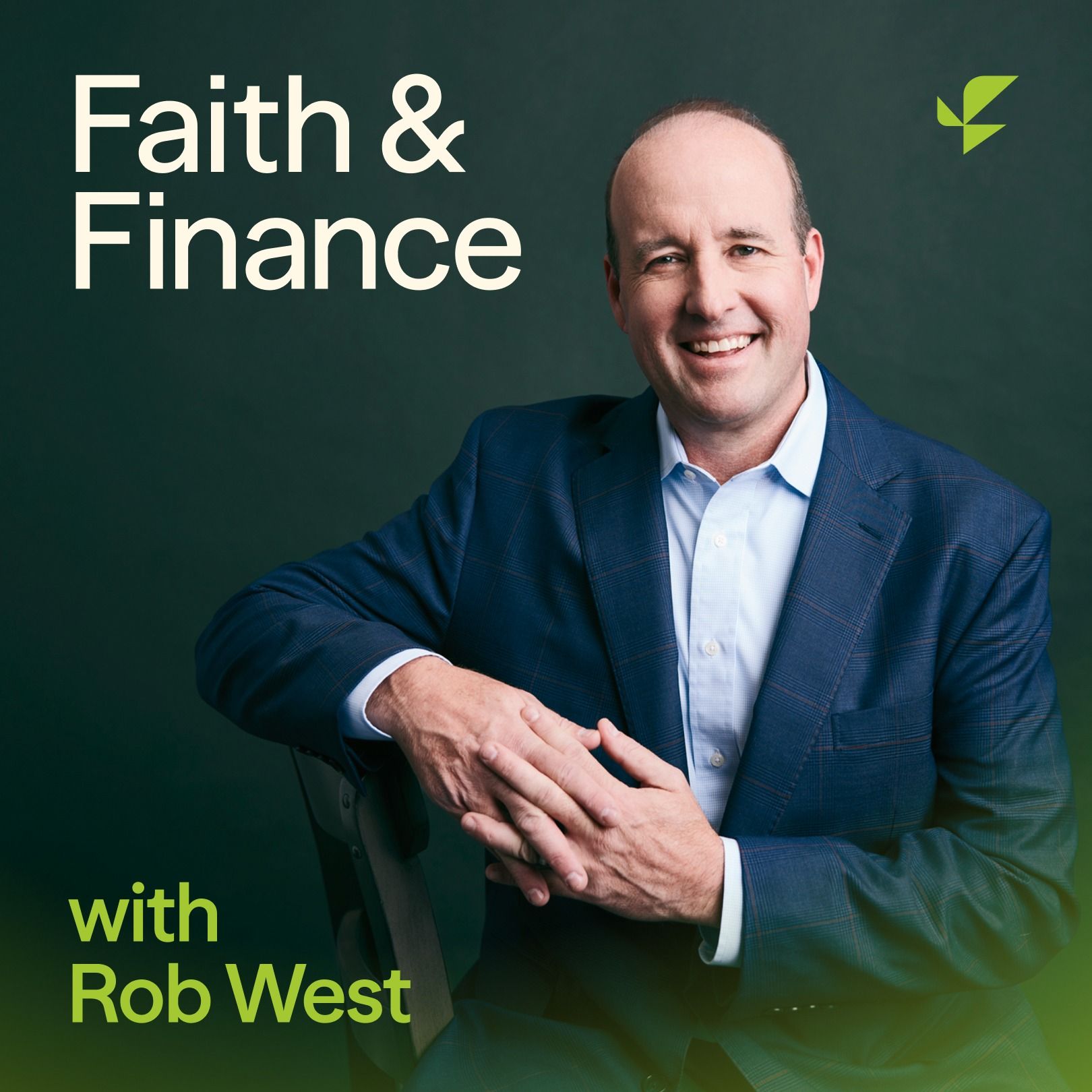
Faith & Finance
Hosted by FaithFi · EN
Faith & Finance is a daily radio ministry of FaithFi, hosted by Rob West, CEO of Kingdom Advisors. At FaithFi, we help you integrate your faith and financial decisions for the glory of God. Our vision is that every Christian would see God as their ultimate treasure. Join Rob and expert guests as they give biblical wisdom for your financial journey and provide practical answers to your pressing financial questions. From budgeting and debt management to investing and stewardship, Faith & Finance equips listeners with insights to handle money wisely and live generously for God's Kingdom. Listen now or ask your question live by calling 800-525-7000 each weekday from 10-11 a.m. ET on American Family Radio and 4-5 p.m. ET on Moody Radio. You can learn more at FaithFi.com.
136episodes
Episodes
Newest firstAll episodes
The Sacred Gift of Rest
3d ago00:24:57Tap to summarizeDr. Richard Swenson, author of The Overload Syndrome and Margin, writes that we need room to breathe—freedom to think, permission to heal, and space for relationships that can easily be starved by the relentless pace of life. That may describe more people today than ever. Many of us are physically, emotionally, mentally, and financially overloaded. There never seems to be enough time, money, or energy left at the end of the day to recover before everything starts again at full speed. The answer, at least in part, is something our culture often neglects: margin. Margin means leaving enough room in our lives to rest, reflect, recover, and reconnect with what matters most. It is, in a sense, taking a break before you break. The Cost of Living Without Margin A life without margin can carry serious physical, emotional, relational, and even financial consequences. Consider sleep. According to the Sleep Foundation, many Americans regularly struggle to get adequate rest, with a significant number of adults sleeping fewer than seven hours each night. Chronic sleep deprivation has been associated with health concerns including diabetes, obesity, anxiety, and heart disease. Lack of sleep also affects emotional health, relationships, and decision-making. That means rest is not merely a luxury. It is part of living wisely and caring responsibly for the bodies, relationships, and responsibilities God has entrusted to us. Perhaps life simply feels too fast right now. Working late nights and weekends may occasionally be necessary, but continuously burning the candle at both ends eventually becomes counterproductive. Exhaustion leaves little energy for the things that matter most—especially our relationships with others and with the Lord. God Designed Us for Work—and Rest Scripture consistently affirms the goodness of work. God calls us to provide for our families, serve others, practice generosity, and faithfully use the abilities and opportunities He has given us. We work to pay bills, save for future needs, give generously, and contribute to our communities. Productive work is part of God's design. But work is not all there is. Rest is God's idea too. In Genesis, God rested on the seventh day of creation—not because He was exhausted, but because His work was complete. He blessed the seventh day and set it apart. Later, Sabbath rest became part of the Ten Commandments given to Israel. Rest reminds us of an important spiritual reality: our worth does not depend on how much we accomplish. Author Rich Villodas has observed that Sabbath reminds us that our standing in Christ is not based on our works. A day of rest allows us to stop producing and remember that God's love for us has not changed. That can be especially difficult in a culture where technology makes it possible to work almost anywhere, at almost any hour. But just because we can keep working does not mean we always should. Healthy margin allows us to return to our work with purpose, energy, and gratitude, doing it “as for the Lord” (Colossians 3:23). Professional progress can be valuable, but chronic stress, damaged health, and neglected relationships are a high price to pay for it. Rest Is Not the Same as Laziness Biblical rest should not be confused with laziness. Laziness means neglecting the responsibilities God has given us or consistently refusing to do what needs to be done. Scripture repeatedly warns against that kind of idleness. Paul tells believers in 1 Thessalonians 5:14 to admonish the idle. In 2 Thessalonians 3, he addresses those who were refusing to work and instead becoming busybodies. There is an important distinction here. Rest restores us so we can return faithfully to the work God has given us. Idleness avoids that work altogether. Proverbs 31 gives us another picture of faithful diligence. The noble woman cares for her household, conducts business, helps the poor, and looks after those entrusted to her. Proverbs 31:27 says, “She looks well to the ways of her household and does not eat the bread of idleness.” Fruitful labor honors God. But so does recognizing when it is time to stop. When Busyness Becomes Another Form of Distraction There is another danger worth recognizing: constant activity can sometimes disguise a lack of purpose. We may appear busy without actually being productive. Without intentional rest and reflection, our activity can become aimless distraction rather than faithful work. We move constantly but rarely stop long enough to ask whether we are moving in the right direction. Laziness can sometimes take an unexpected form as well. Instead of doing nothing, we may spend hours scrolling, shopping, watching, or distracting ourselves while neglecting relationships or responsibilities that matter more. Proverbs 24:30–34 paints a memorable picture of a neglected field covered with thorns and weeds. The lesson is simple: neglect eventually has consequences. If you struggle with procrastination or laziness, the answer is not shame. Bring that struggle to Christ. He offers forgiveness, wisdom, and strength to grow in faithfulness and diligence. Finding a Rhythm of Grace The encouraging news is that God's grace meets us in both extremes. Some of us are exhausted because we never stop working. Others feel stuck because we continually avoid the work before us. Christ invites both groups into something better: rhythms shaped by grace rather than guilt. Rest is not something we earn after proving ourselves productive enough. It is something we receive as a gift from God. Jesus gives this invitation in Matthew 11:28–30: “Come to me, all who labor and are heavy laden, and I will give you rest.” If your life feels overloaded, perhaps the next faithful step is not finding a way to accomplish more. It may be creating enough margin to remember who you are, what matters most, and Who ultimately sustains you. Work faithfully. Rest gratefully. And remember that your security is not found in how much you accomplish, but in Christ. In Him, there is room to breathe. On Today’s Program, Rob Answers Listener Questions: Someone I know has seen their credit card debt grow from about $10,000 to $25,000, and the account is now closed. I suspect missed payments and interest are driving the increase. How can I help them understand what’s happening and make a plan to deal with the debt? My husband and I are both 77 and would like to avoid probate, but we don’t have significant assets. Would an irrevocable trust make sense for us, and how can we find a qualified elder law attorney in Texas to help us understand our options? I’m retired and living comfortably on my pension, with about $125,000 in savings and $19,000 in checking. My bank keeps encouraging me to put the savings into CDs, but the rates don’t seem very attractive. What should I consider doing with this money? I’m 59, debt-free, have a fully funded emergency fund, and am contributing to my 401(k). I also have about $200,000 to invest. I want reasonable growth without taking excessive risk. How should I think about investing this money, especially compared with options like fixed annuities or crypto? Resources Mentioned: Faithful Steward: FaithFi’s Quarterly Magazine (Become a FaithFi Partner) Christian Credit Counselors AdelFi Christian Banking Eventide | Praxis | GuideStone | OneAscent | Timothy Plan FaithFi Field Guide: How Much Money is Enough? Our Ultimate Treasure: A 21-Day Journey to Faithful Stewardship by Rob West <a href="https://www.faithfi.com/shop/wisdomoverwea...
Transcribe →
The Emotional Cost of Debt: Breaking Free from Financial Stress with Neile Simon
4d ago00:24:57Tap to summarizeDebt carries a cost beyond dollars and interest. It can steal your sleep, strain relationships, affect your health, and make the future feel uncertain. For many people, financial stress gradually becomes an emotional burden as well. But gaining clarity, seeking wise counsel, and developing a practical plan can begin to lift that weight. Neile Simon, a Certified Credit Counselor and Director of Strategic Partnerships at Christian Credit Counselors, says one of the most important things she has learned from counseling thousands of individuals and families is that debt is rarely just a financial issue. Understanding that broader impact can be an important first step toward finding a way forward. Debt Isn’t Always the Result of Poor Decisions People struggling with debt often carry shame or embarrassment about their circumstances. But financial hardship can develop for many reasons, including circumstances largely outside someone’s control. Job loss, divorce, unexpected medical expenses, early retirement, caring for aging parents, supporting adult children, and the rising cost of everyday necessities can all put significant pressure on a household budget. Sometimes debt develops not because someone was reckless, but because they were simply trying to make it through a difficult season. Recognizing that reality doesn’t remove the responsibility to address what is owed, but it can help replace shame with a clearer perspective. The goal is not to dwell on how you arrived at this point, but to understand your situation well enough to begin moving forward wisely. When Financial Stress Becomes an Emotional Burden Financial stress often begins affecting other areas of life long before someone asks for help. You may find yourself lying awake at night wondering how you will ever repay what you owe. Perhaps you avoid opening credit card statements because it feels discouraging to see how little progress you are making. You might take on extra hours at work simply to remain current, leaving less time for family, rest, and other responsibilities. Those can all be signs that debt has become more than a budget problem. When financial pressure dominates your thoughts, avoiding the problem may feel easier in the moment. But uncertainty often magnifies anxiety. Understanding exactly where you stand can be uncomfortable, yet that clarity is often the beginning of relief. Seeking Help Is an Act of Wisdom One of the most important steps someone in debt can take is simply asking for help. Seeking wise counsel is not an admission of failure. In many cases, the earlier you reach out, the more options may be available. A Certified Credit Counselor can help you understand where your money is going, evaluate your debts, explore repayment options, and create a realistic plan. That kind of clarity can replace the feeling of being overwhelmed with a series of manageable next steps. A counselor cannot make the debt disappear overnight, but having a plan can change the way you view the problem. Instead of wondering whether there is any way out, you can begin seeing measurable progress toward a specific destination. That clarity can restore hope. Face Financial Challenges With Faith and Wisdom For Christians, addressing debt also involves remembering that God cares about every area of our lives—including our finances. Philippians 4:6-7 reminds believers not to be consumed by anxiety, but to bring their concerns before God in prayer. That does not mean ignoring financial problems or assuming they will resolve themselves. Biblical faith calls us to bring our concerns to the Lord while also pursuing wisdom and taking responsible action. Scripture consistently commends wise counsel. Proverbs 15:22 says, “Without counsel plans fail, but with many advisers they succeed.” When debt feels overwhelming, faith and practical action are not competing responses. We can trust God while honestly facing our circumstances, seeking wise guidance, changing financial habits where necessary, and steadily working toward repayment. Clarity Can Be the Beginning of Hope If debt has taken over both your budget and your thoughts, remember that you do not have to navigate the situation alone. Start by understanding exactly what you owe and where your money is going. Seek trustworthy counsel. Develop a realistic repayment plan. Then begin taking one faithful step at a time. The situation may not change immediately, but having a clear path forward can begin lifting the emotional weight even before the balances are gone. Christian Credit Counselors is a nonprofit organization that may be able to help lower interest rates, develop a clear repayment plan, and provide support as you work toward paying what you owe. To learn more, visit FaithFi.com/CCC. On Today’s Program, Rob Answers Listener Questions: I received a settlement after being injured in a hit-and-run accident. Is that settlement taxable, does it count as income, and could the tax treatment vary by state? I have about $4,000 in credit card debt and need to replace my car after an accident. I also want to improve my credit score. Should I focus first on paying down the card balance, and does paying it off all at once help my score more than monthly payments? I’m planning to retire next year at 62. My wife has been a homemaker throughout our marriage, and I want to make sure she’s provided for while also continuing to give generously. One advisor recommends delaying Social Security until 67, while another says I should claim at 62 and move my investments to his firm. How should I evaluate these competing recommendations and decide when to claim Social Security? Resources Mentioned: Faithful Steward: FaithFi’s Quarterly Magazine (Become a FaithFi Partner) Christian Credit Counselors FaithFi Field Guide: How Much Money is Enough? Our Ultimate Treasure: A 21-Day Journey to Faithful Stewardship by Rob West Wisdom Over Wealth: 12 Lessons from Ecclesiastes on Money Look At The Sparrows: A 21-Day Devotional on Financial Fear and Anxiety Rich Toward God: A Study on the Parable of the Rich Fool Find a Certified Kingdom Advisor® (CKA) FaithFi App Remember, you can call in to ask your questions every weekday at (800) 525-7000. Faith & Finance is also available on Moody Radio Network and American Family Radio. You can also visit FaithFi.com to connect with our online community and partner with us as we help more people live as faithful stewards of God’s resources. Hosted by Simplecast, an AdsWizz company. See pcm.adswizz.com for information about our collection and use of personal data for advertising.
Transcribe →
Escaping the Comparison Trap with Jim Rasmussen
5d ago00:24:57Tap to summarizeBob Goff once said, “We won’t be distracted by comparison if we’re captivated by purpose.” That’s especially true when it comes to money. Comparison tempts us to measure our success against someone else’s income, lifestyle, investments, or possessions. But when we understand who we are in Christ and why God has entrusted resources to us, money becomes a tool for fulfilling God’s purposes rather than a scorecard for measuring our worth. Jim Rasmussen, co-founder and brand ambassador at Pandowealth and a Certified Kingdom Advisor®, has spent years helping individuals, families, and business owners approach financial decisions with wisdom and purpose. Through that work, he has seen how easily comparison can creep into our financial lives—and how biblical stewardship can help us escape it. When Comparison Takes Root Comparison often begins innocently. For business owners, it might start by comparing sales, expenses, or profitability with another company. Before long, however, that same mindset can spill into personal finances. Who has the bigger house? Who takes better vacations? Who has accumulated more? Who seems further ahead? For high earners in particular, there can be a subtle temptation to connect net worth with self-worth. And without a clear sense of purpose, financial success can actually make the problem worse. A successful business should ultimately support a financial plan, and a financial plan should support the life God is calling us to live. But when that larger purpose hasn’t been defined, it becomes easy to look around and simply copy what others are doing. That is where comparison begins replacing stewardship. Resources Are Gifts, Not Trophies 1 Peter 4:10 says: “As each has received a gift, use it to serve one another, as good stewards of God’s varied grace.” Biblical stewardship begins with recognizing that what we have is a gift from God. Our resources were never meant merely to become trophies that demonstrate how successful we are. They are entrusted to us so that we can serve others, provide for those God has placed in our care, practice generosity, and participate in His purposes. That perspective changes the questions we ask. Instead of asking, “How much more can I accumulate?” we begin asking, “How much do I actually need?” and “How might God want me to use the rest?” Rasmussen often encourages families to consider three questions: How much do I need? How much do my children need? What might God want me to do with the rest? Scripture doesn’t give us a universal percentage for determining how much lifestyle is enough. That requires prayer, wisdom, and discernment—and for married couples, a willingness to seek the Lord together. The starting point is simple: seek God first. Know Your Financial Finish Line One of the dangers of comparison is that there is always someone with more. Without a financial finish line, “enough” continually moves farther away. A larger paycheck creates room for a larger house. A growing portfolio creates another wealth target. Greater success creates expectations for an even more expensive lifestyle. Defining “enough” can interrupt that cycle. A finish line isn’t about creating an arbitrary limit or feeling guilty for enjoying God’s provision. It is about intentionally deciding what level of resources is sufficient for your needs so that additional wealth can increasingly be directed toward generosity and other God-honoring purposes. It moves us from constantly asking, “What else can I get?” toward asking, “What has God entrusted to me, and what is it for?” Watch for Identity Drift One warning sign that comparison is taking hold is when possessions and accomplishments increasingly become part of how we describe ourselves. Our conversations begin revolving around the new car, lake house, vacation, clothes, investment returns, or latest purchase. None of those things are necessarily wrong. But they can become warning signs when possessions begin defining our identity. The Christian’s identity is ultimately found in Christ—not in what we earn, own, accomplish, or accumulate. That foundation becomes especially important in a culture where social media gives us a constant window into what everyone else appears to have. Don’t Copy Someone Else’s Financial Plan Comparison can also shape the way we invest. Learning from others can certainly be wise. But blindly copying someone else’s portfolio can be dangerous because their financial plan may have little to do with yours. Rasmussen compares it to taking a road trip. If your destination is New York but you follow someone driving west simply because they appear confident, you won’t arrive where you intended. The same is true financially. Another investor may have a different time horizon, risk tolerance, income, family situation, or financial objective. What is appropriate for them may create unnecessary risk or anxiety for you. A good investment strategy should flow from your goals and convictions—not from whatever someone else happens to be doing. Purpose should determine the path. Let Gratitude Replace Comparison One of the most powerful ways to resist comparison is gratitude. When we intentionally recognize God’s provision, our attention shifts from what we lack to what He has already supplied. That might mean keeping a gratitude journal, regularly thanking God for specific blessings, or simply creating more space for prayer. Rasmussen points to Psalm 139:23–24 as a helpful prayer: “Search me, O God, and know my heart! Try me and know my thoughts! And see if there be any grievous way in me, and lead me in the way everlasting!” That prayer invites God to expose the desires, fears, and anxieties that may be quietly pushing us toward comparison. Sometimes we need to pay attention to the tension we feel when someone else succeeds, purchases something new, or appears to be further ahead. Those reactions can reveal something about our own hearts. Give Yourself Permission to Use Money Purposefully Financial wisdom doesn’t always mean saying no. Sometimes faithful stewardship means giving generously. Other times, it might mean taking the family vacation you have repeatedly postponed or spending money on something meaningful that fits within your financial plan. Rasmussen has seen families experience a genuine sense of relief when they realize that their financial plan gives them permission to act. Good planning can help answer the question, “Can we afford this?” But biblical financial planning should go deeper by asking, “Does this fit the purposes God has given us?” When the answer is yes, wise stewardship can sometimes mean confidently moving forward rather than endlessly accumulating out of fear. A Practical Step for This Week Start with prayer. Spend time with Psalm 139:23–24 and invite God to search your heart. Ask Him to reveal where comparison, fear, pride, or discontentment may be shaping your financial decisions. If you’re married, consider having an honest conversation with your spouse. You might also ask a trusted friend or advisor a difficult but helpful question: What do you see in my life that I may be too close to see myself? Wise accountability can help expose patterns we overlook. And when fear of missing out begins creeping in, remember that you do not have to follow someone else’s path. Their financial life is not your financial life. Seek God first and faithfully follow the purposes He has given you. The Cure for Comparison Ultimately, the comparison trap is about far more than money. It is an issue of the heart. The cure isn’t accumulating enough to finally feel successful. There will always be another benchmark, another purchase, or another person who seems further ahead. Freedom begins when we remember who we are in Christ and recognize that everything we have belongs to God. When our identity is secure and our purpose is clear, money no longer needs to measure our success. It becomes something far better: a tool we can faithfully steward for God's purposes. On Today’s Program, Rob Answers Listener Questions: I’ve heard you recommend a company for reverse mortgages, but I never caught the name. Which company do you suggest listeners contact? I’m retired and still have a 401(k) with my former employer. I thought RMDs started at age 70½, but I’ve also heard age 73. What age applies to me now? If I use Qualified Charitable Distributions (QCD’s) for a few years, can I later stop and go back to receiving those withdrawals myself? Resources Mentioned: Faithful Steward: FaithFi’s Quarterly Magazine (Become a FaithFi Partner) Pandowealth Movement Mortgage FaithFi Field Guide: How Much Money is Enough? Our Ultimate Treasure: A 21-Day Journey to Faithful Stewardship by Rob West <a href="https://www.faithfi.com/shop/wisdomoverwealth" rel="noopener noreferre...
Transcribe →
International Investing for Faith-Based Investors with Benjamin Bailey
6d ago00:24:57Tap to summarizeDiversification is a key part of wise investing, and for many portfolios, that means looking beyond U.S. markets. But Christian investors may wonder whether they can pursue international opportunities while still aligning their investments with biblical convictions. Benjamin Bailey, Vice President of Investments at Praxis Investment Management, says the answer is yes. Faith-based investing can extend across a portfolio—including its international holdings. What Is Faith-Based Investing? Faith-based investing begins with the belief that financial decisions can be informed by faith. Rather than viewing investment returns as the only consideration, this approach seeks to balance two priorities: putting financial resources to productive use while also considering the impact investments may have on individuals, communities, and God’s creation. For Christian investors, that means asking not only, “How might this investment perform?” but also, “What am I supporting with the resources God has entrusted to me?” Interest in this approach continues to grow. Bailey points to estimates suggesting that Christian households collectively hold trillions of dollars in investments, creating significant opportunity for believers who want their portfolios to reflect their convictions. Why Invest Internationally? International investments can play an important role in a well-diversified portfolio. Different countries and regions do not always experience the same economic conditions or market cycles at the same time. Investing across global markets can therefore give investors exposure to companies, industries, and opportunities they might not encounter through U.S. investments alone. That principle applies to faith-based investors as well. If an investor wants biblical values reflected throughout a portfolio, those considerations should not necessarily stop with domestic holdings. Until recently, however, Christian investors have had fewer faith-based choices in the international marketplace. “People want choices, and people want options,” Bailey says. The Challenges of Faith-Based Investing Overseas Applying faith-based investment criteria internationally can be more complicated than doing so in the United States. Investors need reliable information about companies around the world, including their business activities and practices. Cultural differences, regulatory environments, and varying levels of corporate disclosure can make that research more difficult. That is why investment managers often rely on global research organizations with experience evaluating companies across countries and industries. There is another challenge as well: certain markets may contain a higher concentration of companies involved in business activities that conflict with an investor’s faith-based guidelines. Depending on the screening approach being used, that can limit the available investment universe. These challenges make careful research and a clearly defined investment process especially important. Expanding Faith-Based Choices With PRXI Praxis recently expanded its international offerings with the launch of PRXI, a faith-based international exchange-traded fund. The new ETF is designed to address an area where investors have historically had relatively few faith-based options. Praxis has been investing internationally for years through its international mutual fund. PRXI brings that experience into an ETF structure while using what Praxis describes as an optimized index approach. Rather than attempting to dramatically outperform a market benchmark through active stock selection, the strategy seeks performance that is generally similar to its benchmark while incorporating Praxis’ faith-based investment criteria. For investors who want international diversification without moving away from their convictions, that approach provides another potential tool for building a portfolio aligned with their values. Faithful Stewardship Across the Portfolio Faith-based investing does not have to stop at the water’s edge. International diversification may be appropriate for many investors, and the growing number of faith-based investment options means Christians increasingly have opportunities to pursue diversification while remaining attentive to what their investments support. As with any investment decision, the goal is not simply to choose a product because it carries a faith-based label. Investors should understand the strategy, risks, expenses, diversification benefits, and underlying holdings and consider how each investment fits within their overall financial plan. Ultimately, investing is another area of stewardship. The resources God provides can be managed with wisdom, intentionality, and a desire to honor Him—not only in how much we earn, but also in how and where we invest. Praxis Investment Management has offered faith-based investment solutions since 1994, incorporating approaches that extend beyond investment screening to include shareholder engagement and other forms of impact. To learn more, visit PraxisInvests.com. On Today’s Program, Rob Answers Listener Questions: I have a seven-year-old granddaughter and want to start saving for her college education. What’s the best way to invest for that, and can I use my RMD to help fund it? My husband and I are 64, retired, debt-free, and have substantial savings, including about $700,000 in TSP. We’ve never worked with a financial planner and are considering a Certified Kingdom Advisor, though none are local. How should we think about managing these assets from here, and where might Roth IRAs fit into the plan? We rarely use credit and haven’t needed much of it in decades. Is there any downside to freezing our credit reports? We have an investment account whose earnings we give to ministry, and over about five years we’ve given away roughly what we originally invested. Should we keep the principal invested and continue giving the proceeds, or liquidate it and give the full amount now? We also planned to leave it to our children with instructions to give it to ministries after we die—does that make sense? Resources Mentioned: Faithful Steward: FaithFi’s Quarterly Magazine (Become a FaithFi Partner) Praxis Investment Management | PRXI SavingForCollege.com Charity Navigator | ECFA (Evangelical Council for Financial Accountability) National Christian Foundation (NCF) Experian | TransUnion | Equifax FaithFi Field Guide: How Much Money is Enough? Our Ultimate Treasure: A 21-Day Journey to Faithful Stewardship by Rob West Wisdom Over Wealth: 12 Lessons from Ecclesiastes on Money Look At The Sparrows: A 21-Day Devotional on Financial Fear and Anxiety Rich Toward God: A Study on the Parable of the Rich Fool Find a Certified Kingdom Advisor® (CKA) FaithFi App Remember, you can call in to ask your questions every weekday at (800) 525-7000. Faith & Finance is also available on Moody Radio Network and American Family Radio. You can also visit FaithFi.com to connect with our online community and partner with us as we help more people live as faithful stewards of God’s resources. Hosted by...
Transcribe →
What's a Donor-Advised Fund? (And Should You Use One?)
1w ago00:24:57Tap to summarizeIf you have ever wished your giving could be both simpler and more strategic, there is a powerful tool worth considering: a donor-advised fund, often called a DAF. A donor-advised fund can help you organize your charitable giving, make tax-efficient contributions, and thoughtfully support the ministries and causes you care about. But before considering any financial strategy, it is important to begin with the heart. Paul writes in 2 Corinthians 9:7: “Each one must give as he has decided in his heart, not reluctantly or under compulsion, for God loves a cheerful giver.” Generosity begins in the heart, not in the tax code. At the same time, wise stewardship may include using financial tools that help us give more effectively. When used properly, a donor-advised fund can help you give joyfully while managing charitable resources efficiently. What Is a Donor-Advised Fund? You can think of a donor-advised fund as a charitable giving account designed to support the causes you care about. You contribute cash, stocks, real estate, business interests, or other eligible assets to the fund. You may then receive an immediate charitable tax deduction and recommend grants to qualified ministries and charities over time. In other words, a donor-advised fund separates the act of contributing from the act of distributing. You might make a larger contribution during a high-income year or before selling an appreciated asset. Then, rather than immediately deciding where every dollar should go, you can prayerfully consider which ministries or organizations to support. The fund is administered by a sponsoring organization that handles recordkeeping, reviews grant recipients, issues grants, and provides tools for managing the account. We often recommend the National Christian Foundation (NCF), one of the largest Christian charitable-giving organizations in the country. Its founders included Christian financial leaders Larry Burkett and Ron Blue. How a Donor-Advised Fund Works Suppose you are preparing to sell a business, a piece of real estate, or another asset that has significantly increased in value. Selling the asset yourself could result in a substantial capital-gains tax. However, you may be able to contribute the asset to a donor-advised fund before the sale. Because the contribution is an irrevocable charitable gift, you may receive a tax deduction based on the asset’s value and potentially avoid capital-gains taxes that otherwise would have been due. That can allow more money to be directed toward charitable purposes. Once the asset is sold within the donor-advised fund, the proceeds can be granted to ministries immediately or invested for potential growth while you determine where to give. When you are ready, you recommend a grant—perhaps $10,000 to your church, a missions organization, or another qualified charity. The sponsoring organization verifies the recipient and sends the gift either in your name or anonymously. The Benefits of a Donor-Advised Fund Donor-advised funds have become a popular charitable-giving tool because they combine flexibility with professional administration. Simpler Record-keeping: Instead of collecting tax receipts from numerous organizations, you generally receive one receipt for your contribution to the donor-advised fund. You can then manage and track your charitable grants in one place. Potential Tax Benefits: You generally receive the charitable deduction when you contribute to the fund, rather than when grants are later distributed. Contributing appreciated assets may also help reduce or eliminate capital-gains taxes, allowing more of the asset’s value to support ministry. Because tax situations vary, consult a qualified tax professional before making a significant contribution. Flexibility in Giving: You can contribute now and recommend grants later. This allows you to practice generosity while taking time to pray, research organizations, and discern where the resources may have the greatest impact. Legacy Planning: Many donor-advised funds allow you to name successor advisers, such as children or grandchildren. This can give your family an opportunity to continue recommending grants and participating in a legacy of generosity. Greater Focus on Ministry: Because the sponsoring organization manages the administrative work, you can spend more time evaluating ministries, praying about opportunities, and discerning where God may be directing your giving. Important Limitations to Consider Although donor-advised funds can be helpful, they are not appropriate for every situation. Contributions Are Irrevocable: Once an asset is contributed, the gift is complete. You cannot later withdraw the money for personal use. For that reason, you should never contribute resources that may still be needed for living expenses, emergencies, debt repayment, or other financial responsibilities. Grants Must Go to Qualified Charities: Grants generally may only be made to eligible, IRS-approved charitable organizations. A donor-advised fund cannot normally be used to give money directly to an individual or to support political candidates. Giving Can Be Delayed: Money can remain in a donor-advised fund for years before it is distributed. While that flexibility can be useful, it can also delay meaningful charitable impact. At FaithFi, we encourage believers to view a donor-advised fund as a tool for timely and intentional generosity—not as a place to indefinitely accumulate charitable assets. A donor-advised fund should help organize your generosity, not postpone it. Ministries and people have real needs today, and resources already committed to charitable purposes should ultimately be put to work. Is a Donor-Advised Fund Right for You? A donor-advised fund may be especially helpful when you: Regularly give to several ministries or charities Want to contribute appreciated assets Expect an unusually high-income year Are preparing to sell a business, property, or investment Want to involve your family in long-term generosity Prefer a simpler way to organize charitable giving However, the strategy should always serve the greater purpose of faithful stewardship. The goal is not simply to reduce taxes or create a more efficient financial plan. It is to use what God has entrusted to us in ways that reflect His priorities, care for others, and advance the work of the gospel. Continue Growing in Biblical Stewardship You can learn more about donor-advised funds in the latest issue of Faithful Steward magazine, an exclusive resource for FaithFi Partners. FaithFi Partners receive Faithful Steward in their mailbox each quarter, along with additional resources designed to help them grow in biblical stewardship. You can become a FaithFi Partner with a gift of $35 per month or $400 per year at FaithFi.com/Give. On Today’s Program, Rob Answers Listener Questions: I’m debt-free and have $100,000 in savings. Rather than leave it sitting in cash, how should I think about putting that money to work? I’ve been paying $100 a month toward a hospital bill, but my statements aren’t showing the payments or reducing the balance. I’ve called twice without getting a response. What should I do next? My son wants me to join a pooled investment account with him, some friends, and family members, and even roll my 401(k) into it. What are the risks of investing through a joint account like this, and what tax or penalty issues could come with moving money out of my 401(k)? I’m encouraging my adult children to start Roth IRAs, even with small contributions. Where can they open accounts with low fees, and would a resource like Sound Mind Investing be a good place to start learning? Resources Mentioned: Faithful Steward: FaithFi’s Quarterly Magazine (Become a FaithFi Partner) National Christian Foundation (NCF) Sound Mind Investing (SMI) Betterment | Schwab Intelligent Portfolios® FaithFi Field Guide: How Much Money is Enough? <a href="https://www.faithfi.com/shop/our-ultimate-treasure" rel="noopener noreferrer"...
Transcribe →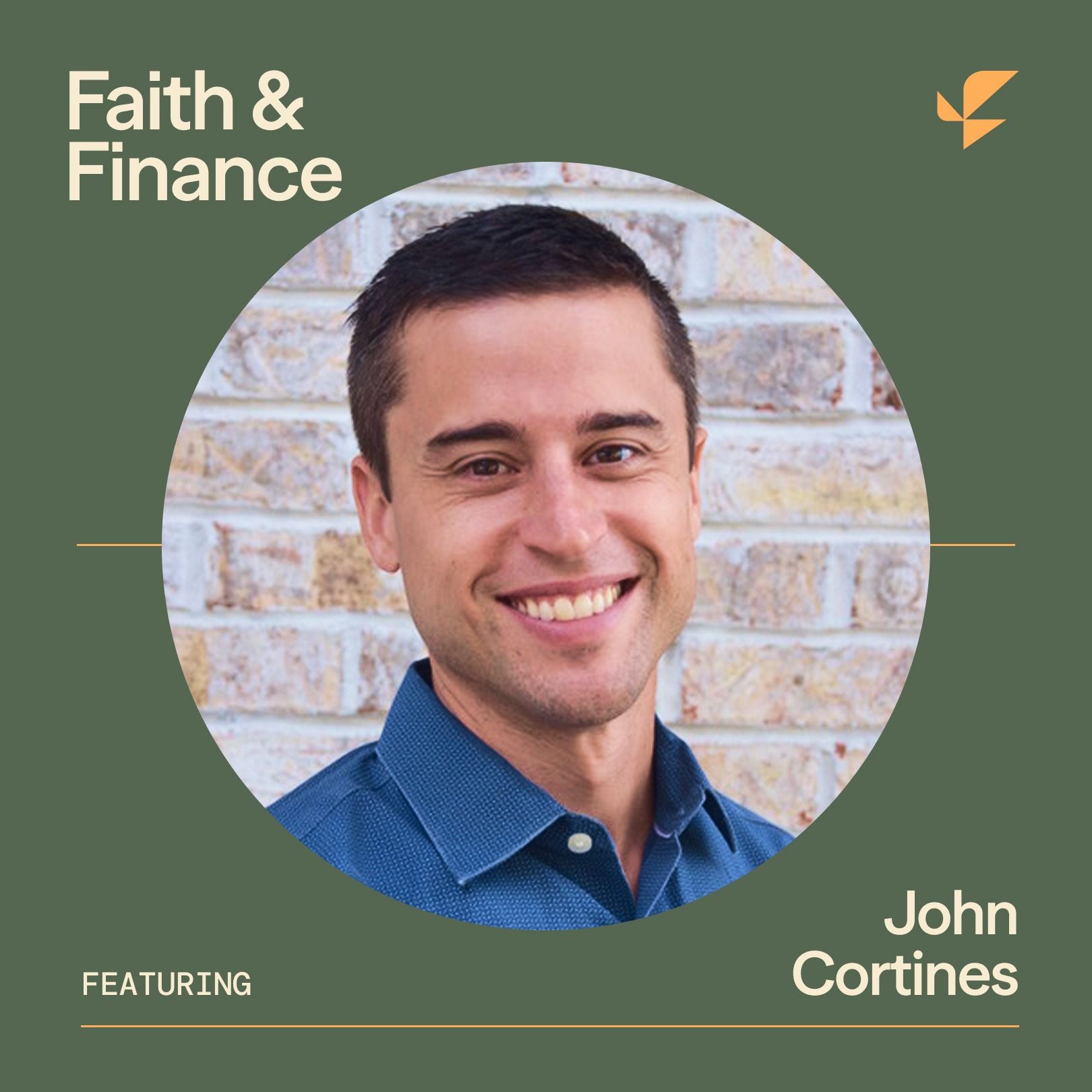
Wisdom Over Wealth with John Cortines
1w ago00:24:57Tap to summarizeWisdom may create wealth, but wealth rarely creates wisdom. Both wisdom and wealth can offer a measure of protection, but only wisdom can guide us in using money faithfully. Wealth can disappear through poor decisions, changing circumstances, or simply the passage of time. Godly wisdom, however, shapes our character, directs our choices, and helps us place money in its proper role. John Cortines, Director of Partnership and Growth at the McClellan Foundation and author of True Riches: What Jesus Really Said About Money and Your Heart, explored this theme while writing FaithFi’s study, Wisdom Over Wealth: 12 Lessons from Ecclesiastes on Money last year. Ecclesiastes can initially feel mysterious or even discouraging. Yet beneath its reflections on life’s brevity is a deeply hopeful message: achievement, pleasure, possessions, and wealth cannot bear the weight of our souls—but God can. A Tale of Three Inheritances Cortines illustrates the importance of wisdom with the true story of three siblings who each received a substantial inheritance at age 18—roughly $1 million in today’s dollars. The first sibling followed a path resembling the Prodigal Son. Poor decisions led to the inheritance being squandered, leaving that person in a difficult position both financially and personally. The second sibling managed the money somewhat better but continued spending more than they earned. Eventually, most of the inheritance disappeared, although the sibling was able to retain a home. The third sibling responded differently. After watching what happened to the older siblings, this young adult began meeting with mature, godly leaders in the community. The heir asked questions, sought counsel, and hired a Christian financial advisor. Rather than assuming that money alone would provide security, this person recognized the need for wisdom. Over time, the third sibling completed a college degree, learned to invest thoughtfully, practiced generosity, and developed a healthier relationship with money. Three siblings received essentially the same financial opportunity. Yet they experienced radically different outcomes. The difference was not the amount they inherited. It was the wisdom with which they handled it. Wealth and Wisdom Can Both Provide Shelter Ecclesiastes 7:11–12 acknowledges that both wisdom and money can provide protection. Wealth can meet practical needs, create opportunities, and offer a financial buffer during difficult seasons. Scripture does not teach that wealth is inherently evil. Money is a resource God may entrust to us for provision, enjoyment, generosity, and service. But Ecclesiastes also identifies an important distinction: wisdom preserves those who possess it. Money can provide temporary shelter, but it cannot tell us what is worth pursuing. It cannot form our character, govern our desires, or teach us how to live faithfully. Without wisdom, wealth may amplify our existing weaknesses rather than resolve them. That is why wisdom must come before wealth. When Wealth Grows Faster Than Wisdom For many people, wealth grows gradually through earnings, saving, investing, and compound growth. In other cases, it arrives suddenly through an inheritance, business sale, insurance settlement, or unexpected opportunity. Either way, the principle remains the same: as wealth grows, wisdom must grow even faster. When financial resources outpace spiritual and emotional maturity, money can become dangerous. It may encourage self-reliance, intensify unhealthy desires, or create the illusion that we no longer need counsel. Sudden wealth can make this imbalance especially visible. Someone may receive significant financial responsibility before developing the discernment needed to manage it. The third sibling recognized this danger. Rather than pretending to have all the answers, the young heir sought mature believers and professional guidance. That humility became an expression of wisdom. When wealth increases, our first response should not simply be, “What can I buy?” or even, “Where should I invest?” We should also ask: How can I grow in wisdom? Whose counsel should I seek? What responsibilities come with these resources? How can this money be used in a way that honors God? Wisdom Is More Than Financial Knowledge We often think of wisdom as a collection of sound practices: create a budget, avoid unnecessary debt, save consistently, diversify investments, and give generously. Those practices matter, but biblical wisdom is much deeper than a financial checklist. Wisdom is both a perspective and a person. In 1 Corinthians 1:24, Paul describes Christ as “the power of God and the wisdom of God.” Ultimately, wisdom begins not with mastering financial principles but with knowing Jesus. We grow in wisdom as we pray, study God’s Word, seek counsel, and learn to view money through the truth of Scripture. Christ reshapes our desires, exposes our misplaced trust, and teaches us to use money as a tool rather than treating it as our treasure. Financial wisdom is not merely about making better transactions. It is part of becoming more like Christ. Pass Wisdom Before Passing Wealth The principle of wisdom over wealth also has important implications for parents and grandparents preparing to transfer assets to the next generation. A financial inheritance can be a blessing, but wealth without preparation may become a burden. The goal should not simply be to transfer money successfully. It should be to prepare faithful stewards. That process should begin long before an estate is distributed. Families can talk openly about money, generosity, faith, responsibility, and legacy while children are still young. Parents can explain not only what financial decisions they are making but also why they are making them. Children can be given age-appropriate opportunities to earn, save, spend, and give. As they mature, families can have deeper conversations about wealth, contentment, investing, and the purposes God may have for the resources He provides. The least effective approach is to prepare legal documents, remain silent about money, and hope the next generation knows what to do after the inheritance arrives. Passing wisdom requires intentionality, relationships, and time. Ecclesiastes Reminds Us That Life Is Brief Although Wisdom Over Wealth focuses on money, one of the strongest themes in Ecclesiastes is the brevity of life. Ecclesiastes repeatedly confronts us with the reality of death—not to make us hopeless, but to awaken us to the gift of today. Our time is limited. Our possessions will eventually belong to someone else. Our accomplishments cannot provide lasting meaning. Yet each day gives us another opportunity to enjoy God, serve others, practice generosity, and glorify the One who gave us life. Recognizing life’s brevity changes the way we approach money. We no longer need to squeeze ultimate meaning from temporary possessions. We can receive God’s provision with gratitude, enjoy it within its proper limits, and hold it with open hands. Money becomes a servant rather than a master—a tool we can use during the brief number of days God has entrusted to us. Make Every Day Count The message of Ecclesiastes is not that life is meaningless. It is that life apart from God cannot provide the meaning we seek. Our work, wealth, possessions, and pleasures are limited. They were never designed to satisfy the deepest needs of the human heart. But when received as gifts from God and used for His purposes, they can become part of a life marked by gratitude, faithfulness, and joy. Wisdom over wealth does not mean rejecting money. It means refusing to ask money to do what only God can do. Christ is our wisdom. He is our security. He is our ultimate treasure. Our lives are brief gifts, and every financial decision presents an opportunity to become more faithful stewards. As we seek God, learn from His Word, and invite wise counsel, we can manage money with greater clarity and purpose. Wealth may offer temporary shelter. But wisdom teaches us how to live—and points us to the One who gives life its lasting meaning. Wisdom Over Wealth: 12 Lessons from Ecclesiastes on Money is available for individuals, small groups, and churches at FaithFi.com/Shop. On Today’s Program, Rob Answers Listener Questions: I’m selling my house and expect to use $100,000 to $120,000 of the proceeds to open a coin shop specializing in gold, silver, and numismatics. I may also need a $30,000 to $35,000 business loan. I’ve started researching the local market and developing a business plan, and I’ll continue working full time while the shop gets established. How should I fund the business, and does a brick-and-mortar coin shop still make sense as more sales move online? Resources Mentioned: <a href="https://faithfi.com/give" rel="noopener nore...
Transcribe →
Life Planning with Ron Anderson
2w ago00:24:57Tap to summarizePsychologist and educator Fitzhugh Dodson once wrote, “Without goals and plans to reach them, you are like a ship that has set sail with no destination.” Goals matter, but they accomplish little without a thoughtful plan. And for Christians, that plan should involve more than increasing net worth, reaching retirement, or achieving financial independence. It should help us consider how God may be inviting us to use our time, abilities, and resources for His purposes. Ron Anderson, a Certified Kingdom Advisor® and Founder of Plan A Wealth Management in Lincoln, Nebraska, has spent more than 30 years helping people plan their financial futures. Increasingly, however, his work has also focused on something broader: life planning. What Is Life Planning? Traditional financial planning often begins with practical questions: How much should I save? When can I retire? How should I invest? What lifestyle can I afford? Life planning goes beneath those questions to address the deeper motivations behind them. Why do you want to succeed? What contribution do you hope to make? How will you use your time if you reach your financial goals? What unique gifts, experiences, and opportunities has God entrusted to you? “You need to know what your financial goals are,” Anderson explains, “but you also need to ask why you want to be successful. If you are financially on track, what will you do with your time and your life to make the contribution God has placed you here to make?” Life planning does not replace financial planning. It gives financial planning a greater purpose. Begin With the Deeper “Why” Financial decisions are often only the visible part of a much larger picture. Financial teacher Ron Blue has compared this to an iceberg. The decisions above the waterline—saving, spending, investing, and giving—represent only a small portion of our financial lives. Beneath the surface are our beliefs, priorities, values, fears, and faith. That is why a meaningful plan must begin with more than numbers. It requires honest reflection: What do I believe God has entrusted to me? What relationships and responsibilities deserve my attention? What needs or opportunities has God placed before me? What would faithfulness look like in this season? How might my financial choices help me become more available to serve? These questions may not produce immediate or easy answers. But asking them can help us move from simply accumulating resources to managing them with intention. Creating the Freedom to Say Yes A financial planner can play an important role in life planning by helping someone establish a reasonable lifestyle, prepare for future needs, and create financial margin. That margin can provide the freedom to respond when God redirects our plans. “If God nudges your heart to do something different with your time, energy, or occupation,” Anderson says, “you want to have the flexibility to say, ‘Yes, Lord, I will follow,’ rather than, ‘I cannot afford to do that.’” This is one reason defining “enough” can be so important. Without a clear sense of enough, lifestyle expenses can continue rising alongside income. More money leads to more spending, which can make us increasingly dependent on maintaining a certain salary or standard of living. A reasonable lifestyle is not about deprivation. It is about creating the capacity to give generously, pursue meaningful work, care for others, and remain responsive to God’s direction. The Value of Wise Counsel Life planning can be difficult to do alone. Our thoughts may feel clear internally but become more complicated when we attempt to put them into words. A trusted financial advisor, pastor, mentor, or mature friend can provide a place to process those questions honestly. Talking through your goals can reveal inconsistencies, clarify priorities, and expose assumptions you may not have recognized. Wise counsel can also challenge you when your financial plan and your stated values do not align. The goal is not for someone else to determine God’s will for your life. Rather, wise counsel can help you think carefully, pray faithfully, and make decisions with greater clarity. What Scripture Says About Planning Your Life Ephesians 5:15–17 offers an important foundation for life planning: “Look carefully then how you walk, not as unwise but as wise, making the best use of the time…Therefore do not be foolish, but understand what the will of the Lord is.” Scripture calls us to live intentionally. Our time is limited, and wisdom requires that we pay attention to how we use it. Understanding what the Lord desires involves spending time in His Word, seeking Him in prayer, listening to wise counsel, and honestly examining the opportunities and responsibilities He has placed before us. Life planning should therefore be approached with humility. We make plans, but we acknowledge that God directs our steps. As Proverbs 16:9 says, “The heart of man plans his way, but the Lord establishes his steps.” The goal is not to create a perfect roadmap for the rest of our lives. It is to become more attentive and available to follow wherever God leads. When Financial Planning Serves a Greater Purpose Anderson has seen clients use life planning to pursue opportunities far beyond a traditional retirement plan. One couple gave a significant financial gift and later traveled overseas, where they helped translate the Bible while supporting their own ministry work. After returning to the United States, they purchased a property in Colorado where people serving in ministry could find much-needed rest. Their financial resources became tools for service, hospitality, and generosity. Not every life plan will involve moving overseas or beginning a ministry. Faithfulness may mean caring for aging parents, mentoring younger believers, volunteering in the community, supporting a local church, spending more time with family, or becoming more generous. The specific expression will differ from person to person. The important question is whether our plans are preparing us merely to become more comfortable—or helping us become more faithful. Planning for a Life of Faithful Stewardship Financial planning asks, “Will I have enough?” Life planning adds another question: “What will I do with what God provides?” Money is not the final destination. It is one of many resources God entrusts to us, along with our time, relationships, experiences, and abilities. A wise plan prepares for future needs, establishes healthy financial boundaries, and creates room for generosity. But most importantly, it helps us remain ready to respond when God presents an opportunity to serve. To learn more about Ron Anderson and Plan A Wealth Management, visit PlanAWM.com. On Today’s Program, Rob Answers Listener Questions: I’m 75 and legally blind. After helping my daughter with a loan and a car, I expect to have about $5,000 a month available once the car is paid off in seven months. I’m uncomfortable with investing and would rather put that money into savings. Is that a wise approach? I have about $50,000 in consolidated student loans at 6% interest. Is it true that the remaining balance could be forgiven after 20 years? I also give generously to ministries and missionaries. Should I reduce my giving temporarily to pay down the debt faster? I have an indexed annuity with seven years remaining, and I’m charged a liquidity rider fee on each monthly withdrawal. What is that charge, and is there any way to avoid it? A collector is contacting me about a medical bill from 13 to 15 years ago, but they haven’t provided documentation, and the hospital says I owe nothing. How long can someone legally pursue an old medical debt, and could they garnish my Social Security benefits? Resources Mentioned: Faithful Steward: FaithFi’s Quarterly Magazine (Become a FaithFi Partner) Plan A Wealth Management AdelFi Christian Banking FaithFi Field Guide: How Much Money is Enough? Our Ultimate Treasure: A 21-Day Journey to Faithful Stewardship by Rob West Wisdom Over Wealth: 12 Lessons from Ecclesiastes on Money Look At The Sparrows: A 21-Day Devotional on Financial Fear and Anxiety Rich Toward God: A Study on the Parable of the Rich Fool Find a Certified Kingdom Advisor® (CKA) FaithFi App Remember, you can call in to ask your questions every weekday at (800) 525-7000. Faith & Finance is...
Transcribe →
Budgeting Tips for Faithful Stewardship
2w ago00:24:57Tap to summarize“Know well the condition of your flocks, and give attention to your herds.” - Proverbs 27:23 Most of us no longer measure our wealth in flocks and herds, but the wisdom of Proverbs 27:23 remains just as relevant today: faithful stewardship requires attention. When we do not know what we have, where it is going, or what it is accomplishing, we cannot manage it wisely. That is where a budget can help. A budget is simply a plan for managing what God has entrusted to us. It is not intended to be a burden, a source of shame, or a rigid set of restrictions. It is a practical tool that helps us practice faithfulness. Begin With the Heart Biblical budgeting starts with the recognition that everything belongs to God. Our income, possessions, savings, spending, and giving have all been entrusted to our care. That means budgeting begins with a spiritual question before it becomes a financial exercise: Lord, how would You have me manage what You have provided? That question changes the purpose of a budget. We are not merely trying to make the numbers balance. We are asking whether our financial decisions reflect what we truly value. A budget can reveal where our money is drifting. Are our resources being absorbed by impulse, comfort, comparison, and accumulation? Or are they being directed toward generosity, provision, responsibility, and contentment? The goal is not simply greater financial control. It is greater faithfulness. Make Generosity Intentional Scripture never treats generosity as an afterthought. 2 Corinthians 9:7 says, “Each one must give as he has decided in his heart, not reluctantly or under compulsion, for God loves a cheerful giver.” A budget allows us to give intentionally rather than reactively. Instead of waiting to see whether anything remains at the end of the month, we can prayerfully decide in advance how we want to support our church, ministries, neighbors, and others in need. Generosity should not be driven by guilt or compulsion. It should flow from gratitude for God’s provision and a desire to participate in His work. Know Your True Income For those who receive a predictable paycheck, identifying monthly income may be relatively simple. A spending plan can be built around regular take-home pay. Variable income requires a little more care. Business owners, commission-based workers, freelancers, seasonal employees, and hourly workers may see their income fluctuate from month to month. In that situation, it is usually wise to build a budget around a conservative baseline. Review the previous six to 12 months and identify the lower-income periods. Then build your essential expenses around a realistic minimum—not your best month. When income is higher, decide beforehand how those additional dollars will be used. They might help you: Build savings Pay down debt Prepare for upcoming expenses Increase your generosity Without a plan, additional income can easily disappear into increased spending. With a plan, it can strengthen your financial foundation and expand your ability to serve others. Give Every Dollar a Job Giving every dollar a job does not mean spending every dollar. Saving is a job. Giving is a job. Paying bills is a job. Preparing for future expenses is a job. Your budget might include money for: Housing and utilities Food and transportation Debt repayment Emergency savings Retirement Insurance premiums Medical needs Car and home repairs School expenses Holidays and gifts The purpose is not unnecessary restriction. It is intentional direction. When every dollar has a purpose, your money is less likely to be consumed by whatever feels most urgent in the moment. Prepare for Irregular Expenses Many budgets fail because they account only for monthly bills. But real life includes expenses that do not arrive every month. Car maintenance, home repairs, annual subscriptions, insurance premiums, travel, gifts, school costs, medical expenses, and Christmas can all place pressure on a spending plan. These expenses are not true emergencies when we know they are coming. A wise budget sets aside smaller amounts throughout the year. Saving a little each month can turn a large, disruptive expense into a manageable one. Planning ahead does not mean we can predict everything. It simply means we prepare for what we reasonably can and trust God with what we cannot foresee. Build Financial Margin Margin is the space between what comes in and what goes out. Without margin, even a relatively small disruption can create stress or lead to additional debt. With margin, we are better prepared to respond wisely when needs and opportunities arise. Margin also makes generosity possible. Ephesians 4:28 instructs believers to work honestly so that they “may have something to share with anyone in need.” Budgeting helps create that kind of readiness. The goal is not to accumulate excess merely for our own comfort. It is to manage resources in a way that allows us to provide responsibly, respond compassionately, and give freely. Review and Adjust Regularly A budget is not a document you create once and then ignore. It should be reviewed and adjusted as circumstances change. Some months will require different priorities. Certain categories may prove unrealistic. Income may rise or fall. Unexpected needs may emerge. The goal is not perfection. The goal is faithfulness. For married couples, regular budget conversations can also create greater unity. Rather than allowing money to become a source of confusion or conflict, spouses can pray together, clarify their priorities, and make decisions as a team. A regular review gives you an opportunity to ask: How has God provided? Are we living within our means? Do our spending decisions reflect our values? Are we preparing wisely for the future? Is there room to grow in generosity? How Budgeting Shapes Us Budgeting is about far more than numbers. It can become part of our spiritual formation. It teaches us to recognize God’s provision. It trains us to say no to one thing for the sake of a greater yes. It helps us practice contentment in a culture of comparison. It creates a framework for generosity before money is absorbed by lesser priorities. A budget cannot guarantee that life will go according to plan. But it can help us respond to God’s provision with wisdom, gratitude, and purpose. Take the Next Step With the FaithFi App The FaithFi App is a Christian money-management tool designed to help you integrate biblical wisdom with practical financial decisions. More than a budgeting app, it helps you consider both the numbers and the heart behind them so you can steward God’s resources with greater clarity and intentionality. Join more than 80,000 believers pursuing faithful stewardship and begin your 30-day free trial at FaithFi.com/App. On Today’s Program, Rob Answers Listener Questions: I need 12 more Social Security credits and recently took a job as a household manager. Should I be classified as a household employee or an independent contractor, and how would the IRS view that arrangement? I have a federal student loan with significant accrued interest. Do I need to pay off that interest before my payments begin reducing the principal? I’ve also been advised to refinance through a private lender. Should I keep the loan federal or convert it to a personal loan? I’m considering selling a mortgage-free multi-unit property worth about $700,000 to $800,000 and using the proceeds to buy two rental homes for around $250,000 each. What tax, financing, or ownership issues should I consider before making that move? My husband and I are debt-free, live within our means, and expect to receive an inheritance. We want to plan wisely for retirement, investing, Social Security, Medicare, our family, and generosity, but we struggle with analysis paralysis. How can we find a trusted advisor who shares our faith and can help us build a comprehensive plan? Resources Mentioned: Faithful Steward: FaithFi’s Quarterly Magazine (Become a FaithFi Partner) FaithFi Field Guide: How Much Money is Enough? Our Ultimate Treasure: A 21-Day Journey to Faithful Stewardship by Rob West Wisdom Over Wealth: 12 Lessons from Ecclesiastes on Money Look At The Sparrows: A 21-Day Devotional on Financial Fear and Anxiety Rich Toward God: A Study on the Parable of the Rich Fool Find a Certified Kingdom Advisor® (CKA) FaithFi App Remember, you can call in to ask your questions every weekday at (800) 525-7000. Faith &...
Transcribe →
How Christian Investors Can Combat Human Trafficking with Will Lofland
2w ago00:24:57Tap to summarizeHuman trafficking often thrives in the shadows, hidden within complex supply chains and ordinary commercial activity. But Christian investors are discovering that their influence can help bring exploitation into the light. Will Lofland, Managing Director of Faith-Based Investing at GuideStone Funds, joined the show today to explain how investors can encourage companies to identify forced labor, protect vulnerable people, and pursue meaningful change. A Tragedy Hidden in Plain Sight According to estimates from Walk Free, nearly 50 million people worldwide are living in modern slavery. More than 27 million are trapped in forced labor, including approximately 3.3 million children. Those numbers can feel distant, but exploitation may be connected to products people use every day. Forced labor can appear deep within the supply chains that produce clothing, food, electronics, and other consumer goods. Because these networks are complex, companies may not always recognize where exploitation is occurring. But that does not make the problem any less urgent—or remove the responsibility to address it. For Christian investors, this concern is rooted in more than economics or risk management. It reflects the biblical command to defend those who are vulnerable: “Open your mouth for the mute, for the rights of all who are destitute. Open your mouth, judge righteously, defend the rights of the poor and needy.” - Proverbs 31:8–9 Biblical stewardship is not passive. God entrusts His people with resources, relationships, and influence that can be used to pursue what is good and protect those at risk. Moving Beyond Investment Screening Faith-based investing has often focused on screening—seeking to avoid companies whose primary business activities conflict with Christian values. That can remain an important part of a values-aligned investment strategy, but it is not the only approach available. GuideStone has expanded its work to include shareholder advocacy, which allows investors to engage the companies they own rather than simply excluding them. This advocacy generally involves two primary tools: proxy voting and direct corporate engagement. Through proxy voting, shareholders can vote on company leadership, policies, and proposals presented at annual meetings. GuideStone seeks to vote the proxy ballot for every company held within its investment strategies, evaluating each decision through the lens of faithful stewardship and long-term shareholder interests. Direct engagement involves meeting with corporate leaders to discuss concerns such as child labor, forced labor, and online sexual exploitation. These conversations give investors an opportunity to ask difficult questions, encourage greater transparency, and help companies strengthen their policies and practices. The goal is not merely to criticize companies publicly. It is to pursue constructive, solutions-oriented dialogue that protects vulnerable people while supporting responsible corporate leadership. Bringing Experts Into the Boardroom One recent example of this work is GuideStone’s involvement as a founding member of the Eagle Freedom Alliance, a collaboration focused on combating human trafficking through corporate engagement. Rather than simply sending letters or publicly condemning businesses, the alliance seeks to bring anti-trafficking experts into conversations with corporate decision-makers. These experts can help companies recognize vulnerabilities within their operations and supply chains, improve oversight, and implement practical solutions. Many companies do not want forced labor or trafficking connected to their business. They may, however, need better information, stronger processes, or outside expertise to identify and eliminate those risks. By approaching these companies as partners in problem-solving, investors may be able to encourage more lasting change than they could through confrontation alone. This kind of engagement can also protect long-term shareholder value. Companies that ignore exploitation may face reputational damage, regulatory consequences, supply disruptions, and a loss of consumer trust. Protecting people and promoting responsible business practices are not opposing goals. The Power of Christian Collaboration Collaboration is especially important when addressing a problem as large and complex as human trafficking. A single investor may have limited influence, but a coalition of faith-based investors can bring a stronger and more unified voice into the boardroom. Working together demonstrates that concern about exploitation is not isolated—it is shared by a broader community of investors seeking meaningful change. This cooperation also reflects the biblical picture of believers working together for a common purpose. By combining their knowledge, relationships, and influence, Christian investors can shine a brighter light on harmful practices and encourage companies to take the issue seriously. Investors may not be able to eliminate human trafficking on their own. But they can refuse to remain indifferent. They can ask better questions, support greater transparency, vote thoughtfully, and encourage companies to protect the dignity of every person touched by their operations. Stewarding More Than Financial Returns Investing will always involve financial considerations, including risk, diversification, and long-term goals. But for followers of Christ, stewardship also invites a broader question: How can the resources God has entrusted to us reflect His heart and purposes? Faith-based investing offers one way to bring those convictions into financial decision-making. Through careful screening, active ownership, and collaboration with other believers, Christian investors can seek both prudent financial outcomes and positive influence in the marketplace. Human trafficking may flourish in darkness, but faithful stewardship can help expose it. By speaking for the vulnerable and encouraging responsible corporate action, investors can use their influence to pursue justice, protect human dignity, and honor God with the resources He has provided. GuideStone Funds offers investment strategies designed to help individuals, churches, and ministry organizations pursue their financial goals while reflecting Christian values. Learn more at FaithFi.com/GuideStone. On Today’s Program, Rob Answers Listener Questions: My wife and I are in our 70s and live on our pensions, so we’ve preserved our investments for future Kingdom work. Our portfolio is about 80% stocks and 20% bonds. I’m not interested in gold or silver, but would putting 5% into classic cars be a reasonable alternative investment? What does Scripture teach about tithing today? Are Christians still expected to give 10% based on the Old Testament, or does the New Testament call us to give freely and according to what God puts on our hearts? I’m a retired pastor with some additional income. How do I know what income must be reported and when it is considered self-employment income subject to Social Security and Medicare taxes? I’m 87, and all my assets have designated beneficiaries. Could my estate still go through probate? Is there an estate-value threshold that would make a trust advisable? Resources Mentioned: Faithful Steward: FaithFi’s Quarterly Magazine (Become a FaithFi Partner) GuideStone Funds FaithFi Field Guide: How Much Money is Enough? Our Ultimate Treasure: A 21-Day Journey to Faithful Stewardship by Rob West Wisdom Over Wealth: 12 Lessons from Ecclesiastes on Money Look At The Sparrows: A 21-Day Devotional on Financial Fear and Anxiety Rich Toward God: A Study on the Parable of the Rich Fool Find a Certified Kingdom Advisor® (CKA) FaithFi App Remember, you can call in to ask your questions every weekday at (800) 525-7000. Faith & Finance is also available on Moody Radio Network and American Family Radio. You can also visit FaithFi.com to connect with our online community and partner with us as we help more people live as faithful stewards of God’s resources. Hosted by Simplecast, an AdsWizz company. See pcm.adswizz.com for information about our collection and u...
Transcribe →
Money is a Tool
2w ago00:24:57Tap to summarizeMost of us do not wake up intending to serve money. Yet financial pressures, ambitions, and fears can quietly begin shaping our choices. Before long, money may influence where we find security, how we measure success, and what we believe will bring us peace. Jesus speaks directly to this danger in Luke 16:13: “You cannot serve God and money.” Money was never meant to be our master. But when it is placed in its proper role, it can become a useful tool for serving God, caring for our families, and blessing others. So, what does a biblical approach to money look like? Money Is a Gift to Receive With Gratitude The Bible speaks frequently about wealth, possessions, generosity, and stewardship. One of its clearest principles is that money is not the goal. It is a resource entrusted to us by God. Ecclesiastes 5:19 says: “Everyone also to whom God has given wealth and possessions and power to enjoy them…this is the gift of God.” God is not opposed to provision or the appropriate enjoyment of what He provides. His gifts should be received with gratitude rather than guilt. We see a picture of God’s abundant provision when Jesus feeds the five thousand in Matthew 14. Christ not only meets the immediate needs of the crowd, but the disciples also collect twelve baskets of leftovers. The point is not indulgence or excess. It is that God is a generous provider who delights in caring for His people. Everything we possess ultimately comes from Him. Recognizing that truth allows us to enjoy His provision without believing we own it independently of Him. Money Reveals What We Trust Although money can be a gift, it also carries spiritual significance because it reveals the condition of our hearts. 1 Timothy 6:10 warns that “the love of money is a root of all kinds of evils.” Paul does not say that money itself is evil. The danger arises when we love money or look to it for something only God can provide. Money cannot give us lasting security, establish our identity, or bring genuine peace. When we expect it to do those things, a useful tool begins to take the place of our faithful Provider. Every financial decision can reveal something about our trust. Our spending may expose what we value. Our saving may show whether we are preparing wisely or attempting to control an uncertain future. Our generosity may reveal whether we believe God will continue to provide. The question is not simply, “What am I doing with my money?” It is also, “What is my money doing to my heart?” Money Is Meant to Serve God’s Purposes Ephesians 4:28 gives us a broader vision for our work and resources. Paul instructs believers to work honestly “so that he may have something to share with anyone in need.” We do not earn merely to accumulate. God enables us to work so that we can provide for our responsibilities, prepare wisely for the future, and share with others. That perspective transforms the purpose of our financial lives. Work becomes more than survival or personal advancement. It becomes one way we participate in God’s generosity. Saving becomes thoughtful preparation rather than an attempt to eliminate every uncertainty. Investing can become an act of stewardship when it supports future responsibilities and generosity. This purpose often expresses itself through ordinary decisions: choosing to give even when the budget feels limited, avoiding unnecessary debt, setting aside money for future needs, or creating enough margin to respond when someone needs help. Those individual choices may feel small, but over time they shape both our finances and our hearts. Money becomes especially useful when it flows outward in service rather than being gathered inward as a source of identity or control. Money Must Remain a Servant When Jesus said we cannot serve both God and money, He was establishing the proper order of our allegiance. Money must remain a servant rather than becoming our master. In his sermon “The Use of Money,” John Wesley described money as a valuable gift when it is used in the hands of God’s people. It can feed the hungry, provide clothing for those in need, and offer shelter to the traveler and stranger. That is a beautiful picture of money placed in its proper role. It is not worshiped, feared, or pursued as an end in itself. It is directed toward purposes that reflect God’s love and generosity. Money may help us accomplish many good things, but it is never qualified to lead our lives. Only God deserves our trust, devotion, and obedience. Money Is Temporary, but Its Use Can Matter Eternally 1 Timothy 6:7 reminds us, “We brought nothing into the world, and we cannot take anything out of the world.” Every dollar we manage is temporary. Homes, accounts, investments, and possessions will eventually pass from our hands. Yet the way we use those temporary resources can have lasting significance. When we remember that money is temporary, we can begin to hold it more loosely. We can enjoy God’s provision without being controlled by it. We can plan wisely without placing our hope in wealth. And we can give generously because we know that God—not our bank account—is our ultimate provider. Before your next decision about spending, saving, investing, or giving, consider asking a different question: Lord, how can this money serve You and others? Money is never the destination. It is simply a tool God places in our hands to accomplish purposes greater than ourselves. This is a central theme of Our Ultimate Treasure, a 21-day devotional designed to help you treat money as a tool rather than a treasure so that it can find its proper place in your life. You can order a copy—or copies for your church or small group—at FaithFi.com/Shop. On Today’s Program, Rob Answers Listener Questions: My father gave me $75,000 after my mother passed away. My husband and I are nearing retirement with no emergency savings, about $140,000 in personal-loan debt from his failed business, plus a mortgage and car loan. We spend nearly $10,000 a month. After giving, should we use the money to build savings, pay down debt, or invest some of it? My husband and I are approaching 65, qualify for Social Security, and plan to keep working. I’m also eligible for a teacher pension. Should I claim Social Security now, delay it, or rely on my pension first? Would a Certified Kingdom Advisor® (CKA®) be the right person to help us evaluate our options? My father-in-law recently passed away, and I’m helping my mother-in-law with her finances. She has about $11,000 across six credit cards. Some issuers have offered to freeze the accounts and stop the interest while she repays them. Should she accept those arrangements or consolidate the balances into one loan? Her Social Security benefit is small, and my father-in-law’s check has stopped. Could she qualify for a survivor benefit based on his record? Resources Mentioned: Faithful Steward: FaithFi’s Quarterly Magazine (Become a FaithFi Partner) Christian Credit Counselors FaithFi Field Guide: How Much Money is Enough? Our Ultimate Treasure: A 21-Day Journey to Faithful Stewardship by Rob West Wisdom Over Wealth: 12 Lessons from Ecclesiastes on Money Look At The Sparrows: A 21-Day Devotional on Financial Fear and Anxiety Rich Toward God: A Study on the Parable of the Rich Fool Find a Certified Kingdom Advisor® (CKA) FaithFi App Remember, you can call in to ask your questions every weekday at (800) 525-7000. Faith & Finance is also available on Moody Radio Network and American Family Radio. You can also visit FaithFi.com to connect with our online community and partner with us as we help more people live as faithful stewards of God’s resources. Hosted by Simplecast, an AdsWizz company. See pcm.adswizz.com for information about our collection and use of personal data for advertising.
Transcribe →